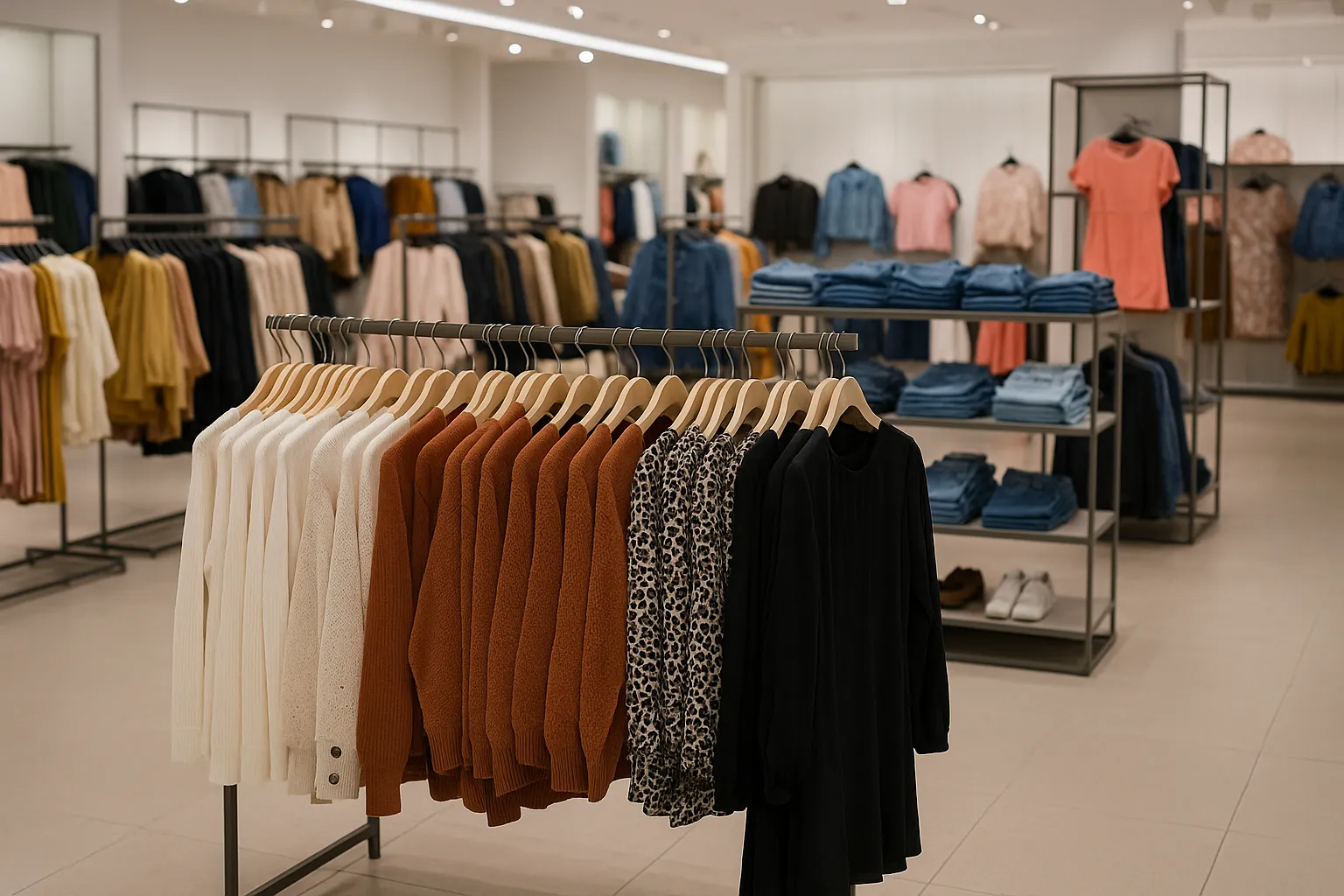

Feeling frustrated when you walk into a mall and see racks full of clothes gathering dust? That’s exactly what happened to me—and it led me to dig into the reasons why many mall‑based fashion retailers keep stocking items that just don’t move.
In short: many mall stores end up selling clothes that nobody buys because of over‑production, poor trend‑forecasting, mis‑aligned target audiences, and inefficient inventory strategies.
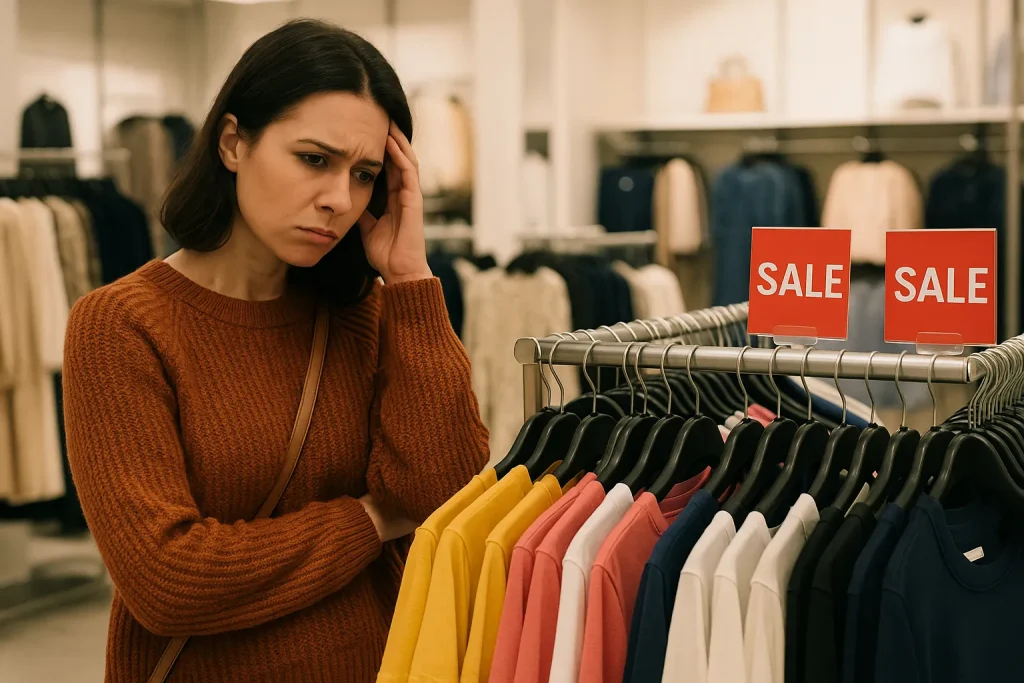
I’ll walk you through the main reasons, how as a buyer (like you) you can use this insight, and what your sourcing strategy (as someone working with factories) might learn from this.
Why do clothes go unsold in stores?
The first problem is over‑production. Many retailers commit to large orders — aiming to achieve economies of scale, meet ambitious seasonal targets, or lock in low unit costs. But if the demand is overestimated or the design misses the mark, retailers end up with huge unsold inventory.
Next is trend‑mismatch and quality issues. Even if something looks “on trend” when designed, consumer tastes shift fast. If a store offers outdated silhouettes, poor materials, or the wrong price point, the items simply don’t appeal.
There’s also the matter of inventory management and discounting strategies. When items don’t sell at full price, they may sit, get discounted heavily, or eventually be disposed of (rather than efficiently transferred).
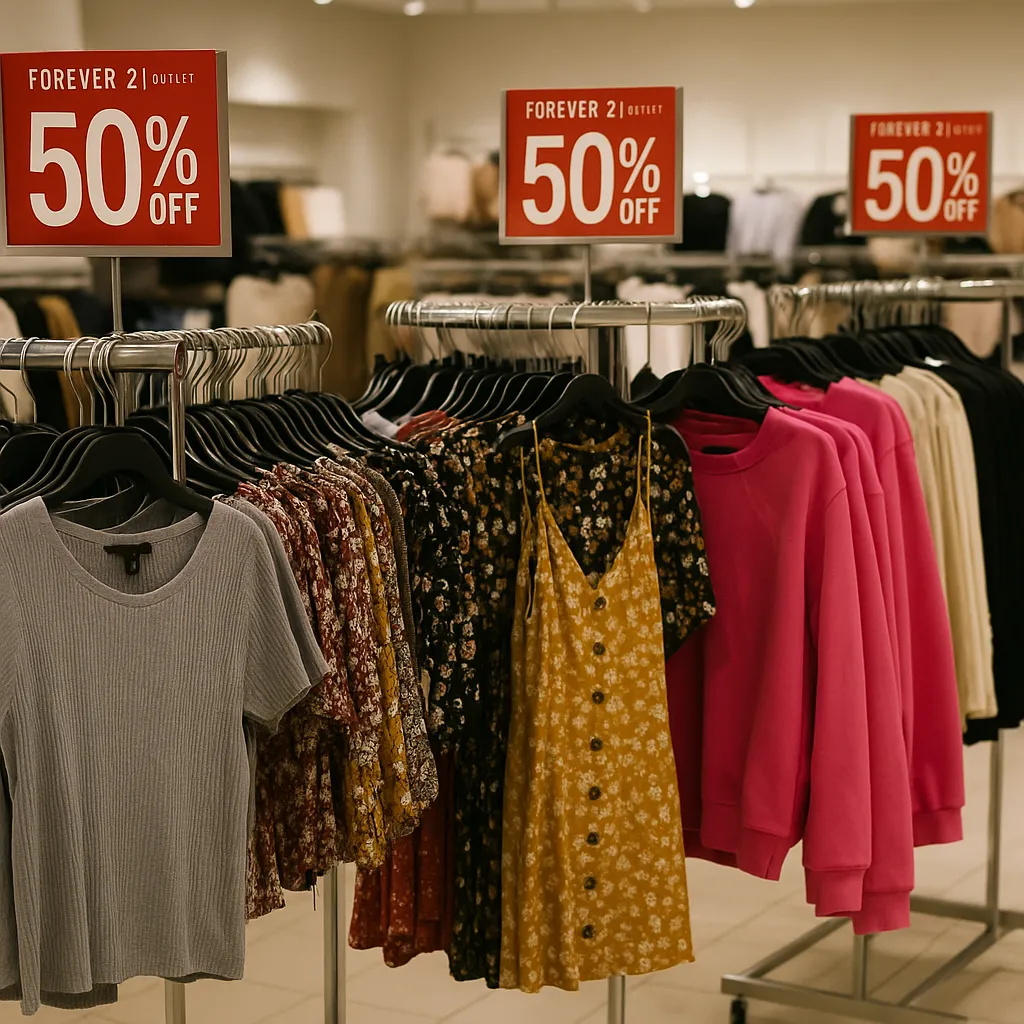
For example, you might walk into a Forever 21 outlet and find racks of discounted pieces that no one wants. These aren’t necessarily bad products—they just missed the market window.
Why do mall chains keep those unsold items anyway?
1. Lease and fixed cost pressures
Mall retailers often operate under large leases, overheads, staffing costs, etc. To fill store space, they order large volumes. The cost of empty space is high, so they keep inventory even if it doesn’t move quickly.
2. Loss‑leader and trial‑stock logic
Sometimes items serve as “filler” stock or loss‑leaders to attract foot traffic. The hope is that customers who walk in might buy higher-margin items.
3. Forecasting errors & supply chain lags
Fashion retail has long lead times. By the time a style arrives in-store, the season may have shifted or the trend faded.
4. Outlet/discount channel logic
Unsold items often get passed on to outlets or liquidators. But mall stores still display them, hoping to salvage sales.

What can you (as a buyer) learn from this?
As a buyer working with wholesale fashion (like our clients at Truekung), here’s how to use this insight:
| Problem | What You Should Do |
|---|---|
| Overproduction | Start with smaller test orders and scale up based on sell-through. |
| Poor Trend Fit | Work with factories that offer design support and understand your market. |
| Long Lead Times | Choose suppliers with fast turnaround and flexible MOQ. |
| Unsold Inventory | Focus on custom orders tailored to your local preferences to reduce waste. |
Tailored designs mean fewer missed sales. You’re not just filling shelves—you’re giving your customers exactly what they want, when they want it.

Why custom clothing is your best strategy?
When you control the design, fabric, sizing, and delivery window, you’re no longer at the mercy of generic inventory. You protect your margin and improve your sell-through.
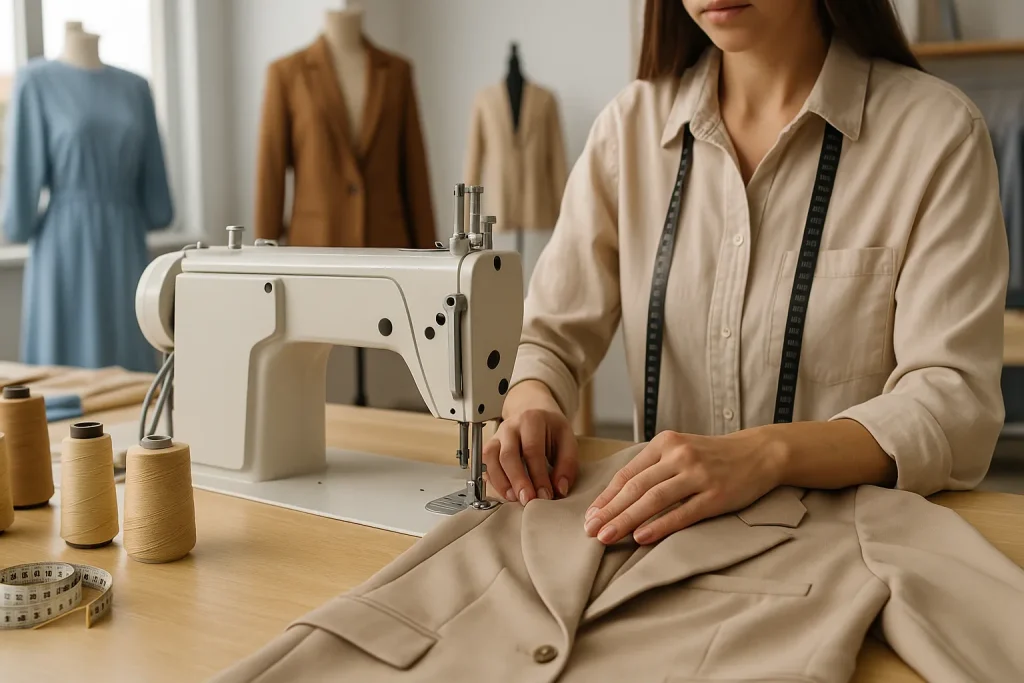
At Truekung, we help our clients avoid the “mall trap.” Our OEM/ODM services are built around flexibility, trend accuracy, and high-quality control. That means no more racks of unsold styles.
Whether you’re rebranding spot goods or developing a full collection, your best choice is to work with a supplier who listens to your market needs, adapts to your sales schedule, and delivers on time.
Conclusion
Mall stores are stuck with unsold clothes because of rigid systems. Custom orders with the right partner give you the flexibility to win in your own market.
About me
I’m Lancy Chia from Truekung in China. With over 20 years of experience in clothing manufacturing and export, we help fashion buyers like you source the right products at the right time. From jackets to dresses, jeans to kidswear, we support OEM/ODM services for boutique brands and supermarkets around the world. Email me at [email protected] or visit truekung.com to learn more.
Views: 98