
Client Background
In early 2025, we were introduced to a young entrepreneur from Argentina through one of our long-term business contacts. His father owns a construction materials and equipment business, and after graduating, he wanted to build something of his own instead of joining the family company.
Fashion and streetwear had always been his passion. He saw an opportunity in the growing street fashion market among young consumers in Argentina and decided to launch his own clothing brand.
Like many first-time founders, he had enthusiasm, ambition, and startup capital—but very limited experience in apparel manufacturing, international sourcing, and importing products from China.
The Challenges
At first glance, the project seemed simple: create a streetwear brand and sell through social media and an online store.
In reality, there were several challenges:
- No previous experience in clothing production
- No understanding of apparel quality standards
- No knowledge of import procedures
- Limited startup budget
- High expectations for product quality
- Need to build a recognizable brand identity
Interestingly, despite being young, he negotiated like an experienced buyer.
Before we even quoted prices, he shared his target cost expectations. Once we agreed on specifications and pricing, he negotiated again. He also mentioned that he planned to visit Chinese factories in the future, which meant every supplier needed to be taken seriously.
For many first-time clothing brand owners, this is actually good practice. Serious buyers ask questions, compare suppliers, verify quality, and understand the process before placing orders.
Starting with Samples
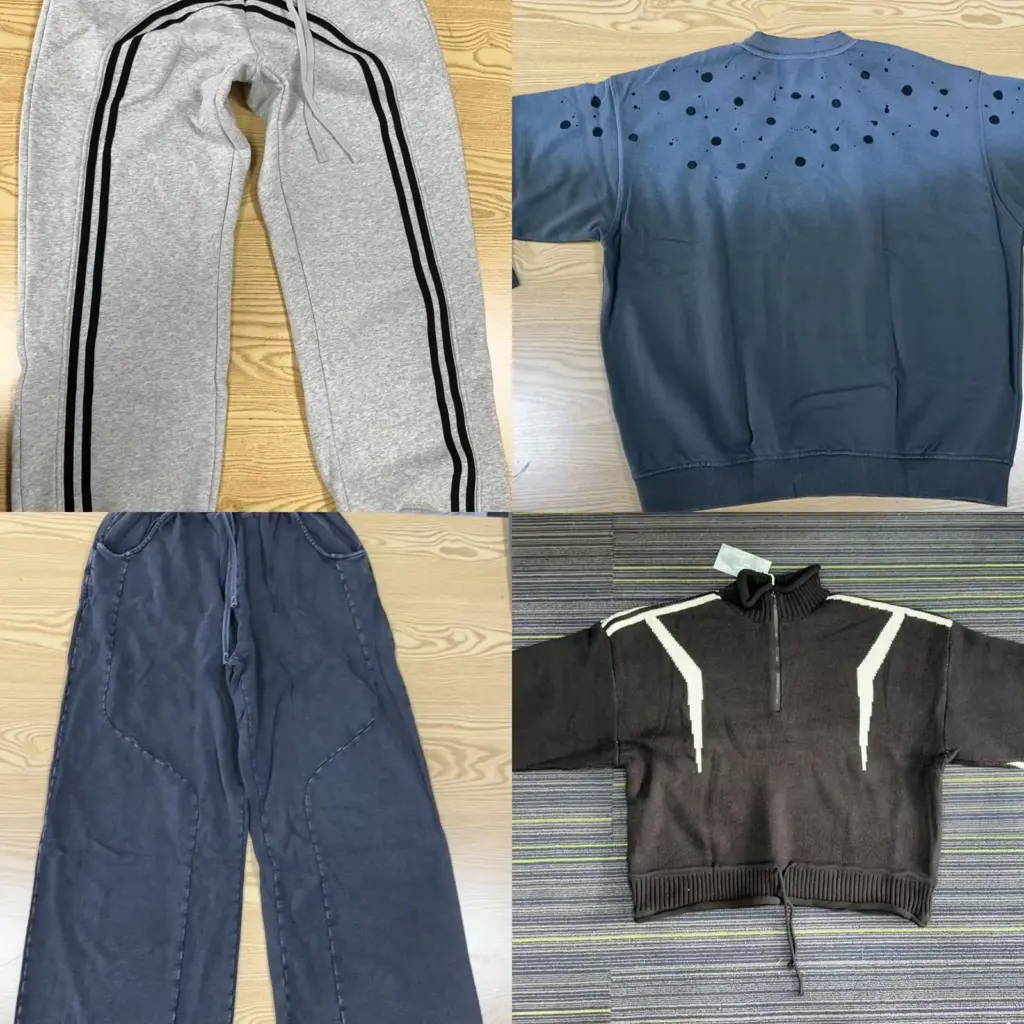
We produced sample garments, added the custom branding elements, and shipped them for evaluation.
Rather than rushing into production, we followed the same process we recommend to all startup brands.
First came sampling.
The client wanted to evaluate:
- Fabric quality
- Printing quality
- Garment construction
- Fit and sizing
- Overall brand presentation
At the same time, he hired a local designer in Argentina to create a distinctive logo for the brand.
We produced sample garments, added the custom branding elements, and shipped them for evaluation.
After receiving the samples, he tested the fit, reviewed the quality, and took several photos wearing the products.
Then something interesting happened.
Before placing a production order, he posted the garments on social media.
The response was surprisingly positive.
Friends, followers, and potential customers reacted enthusiastically. The engagement gave him confidence that the concept had market potential.
The First Production Order
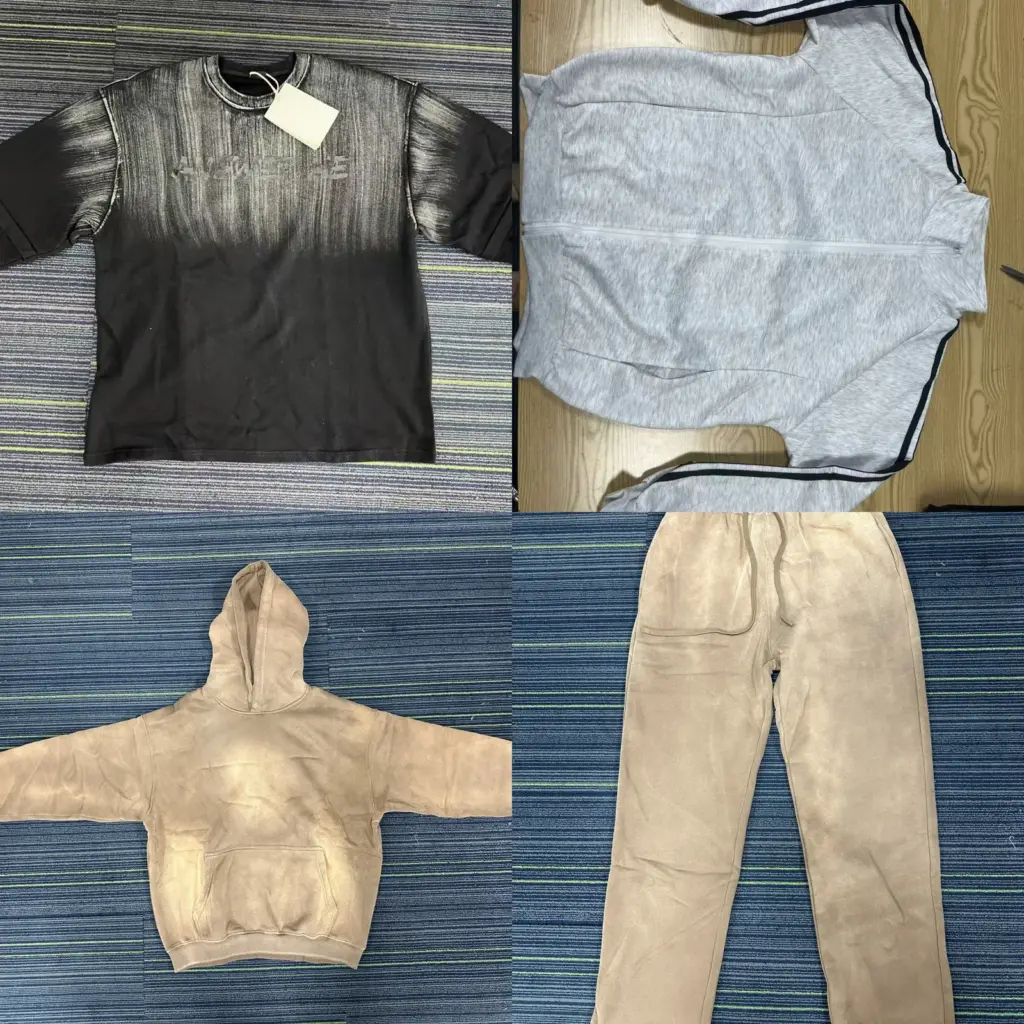
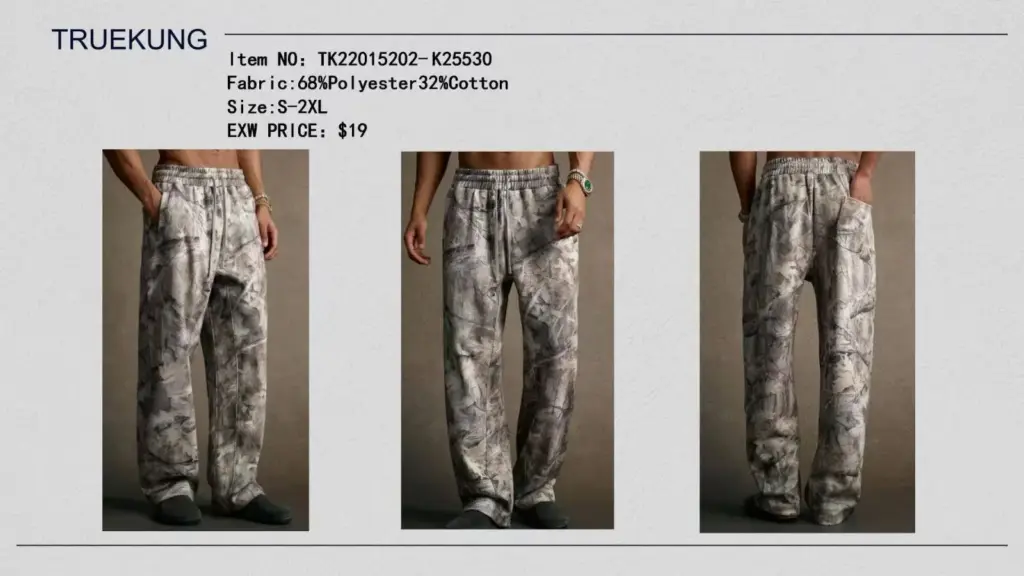
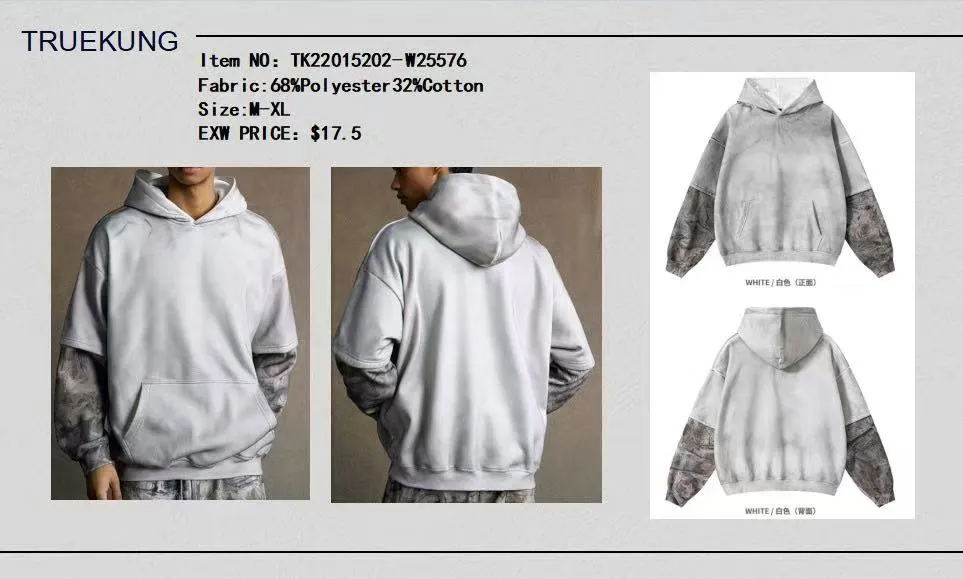
Instead of developing completely custom garments from scratch, we suggested a more practical startup strategy.
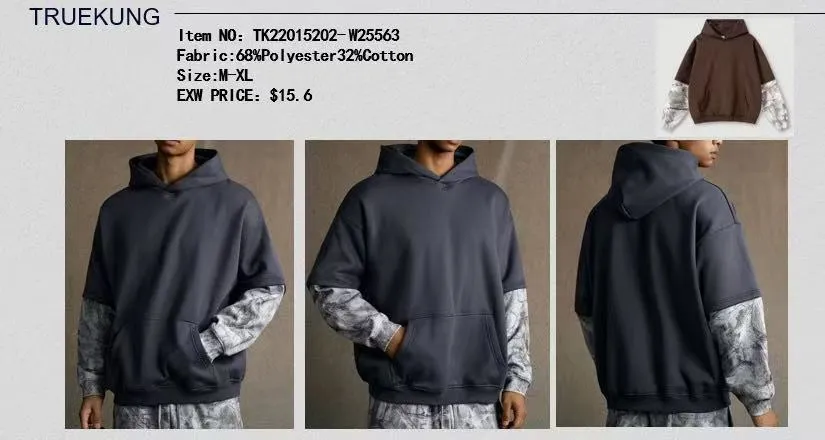
We used ready-made streetwear garments with proven fits and quality standards, then customized them with:
- Custom logo printing
- Private labels
- Hang tags
- Brand packaging
This approach significantly reduced development costs and shortened lead times.
The first order included:
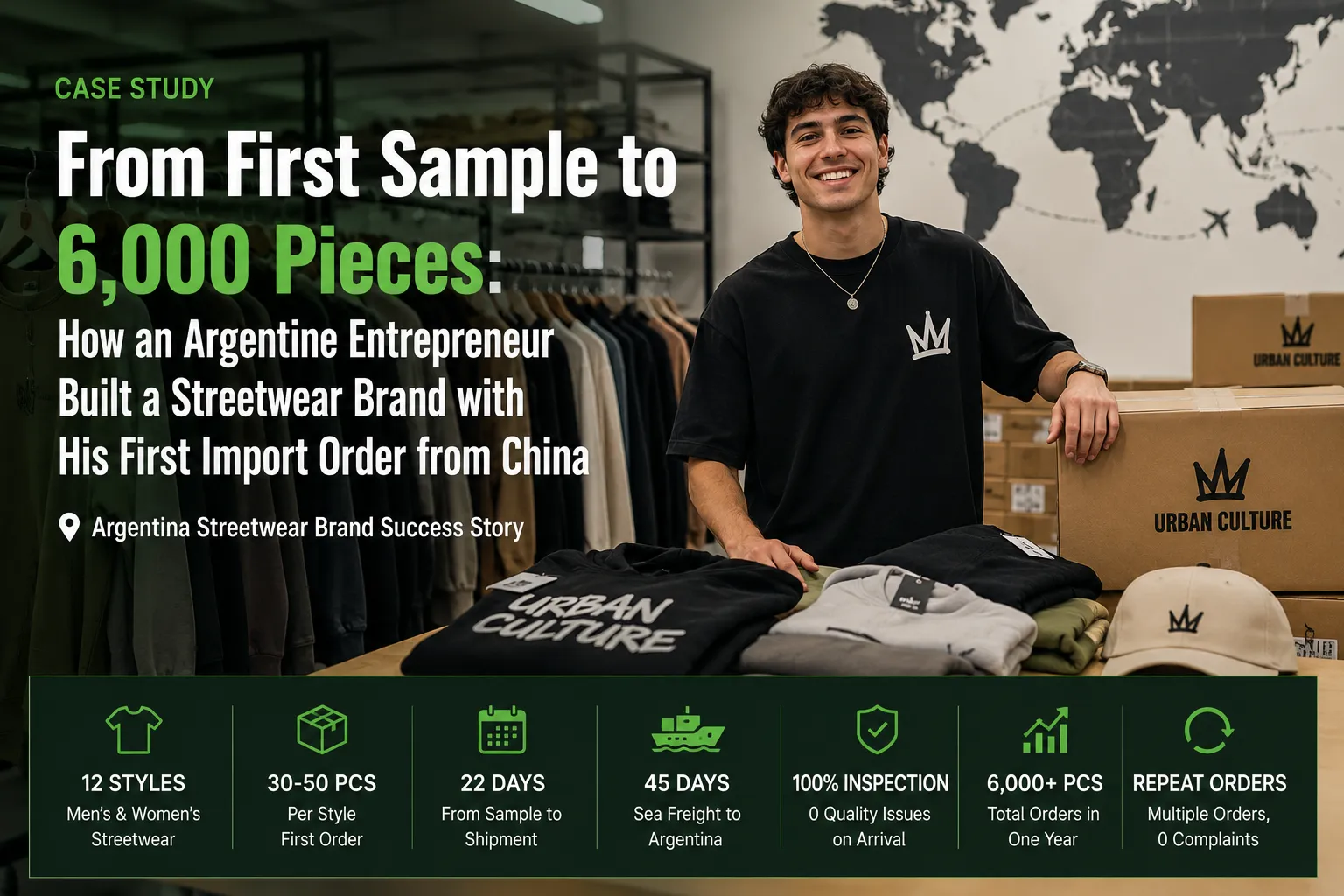
- 12 styles
- Approximately 30–50 pieces per style
- Men’s and women’s streetwear products
From sample approval to production completion, the timeline was only 22 days.
Sea freight transportation to Argentina took approximately 45 days.
Managing Risk for First-Time Importers
One concern many startup founders share is the fear of losing money.
Unfortunately, this concern is justified.
Every year, new entrepreneurs contact us after experiencing problems such as:
- Suppliers disappearing after receiving deposits
- Poor quality products that cannot be sold
- Delayed deliveries
- Products arriving completely different from approved samples
For first-time importers, choosing the right manufacturing partner is often the biggest risk in the entire business.
To reduce that risk, we performed 100% quality inspection before shipment.
Every garment was checked before packing.
As a result, the entire shipment arrived without quality issues.
When the customer collected the goods from the local warehouse, he sent us a photo standing beside the cartons. His excitement was obvious.
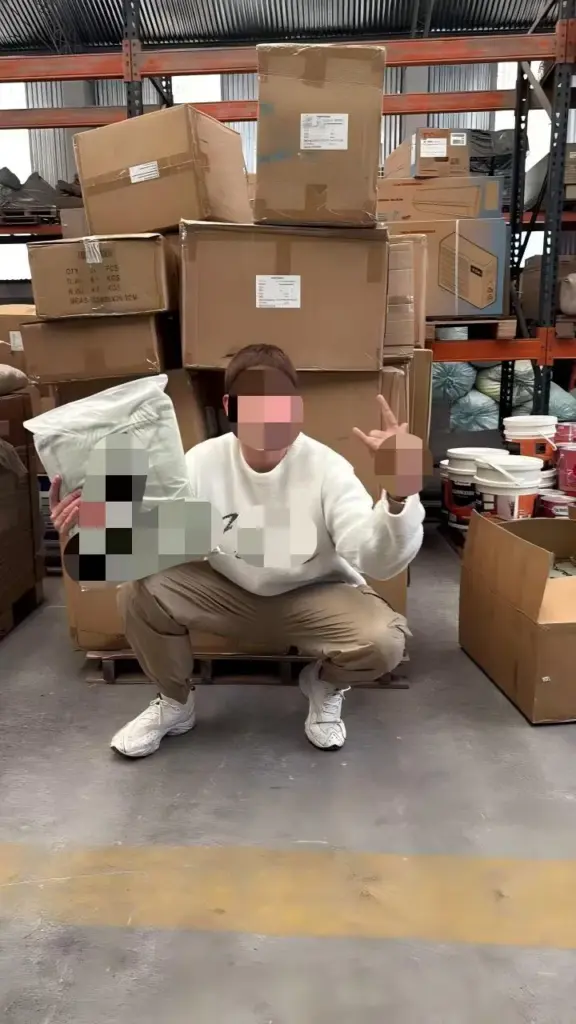
It was his first international import project, and everything had gone according to plan.
Growing Through Repeat Orders
The real test of a clothing business is not the first order.
It is the second order.
If customers like the products, they come back.
If they do not, the business struggles.
Fortunately, the products performed well.
The brand gained traction on social media, and sales exceeded expectations.
Soon after receiving the first shipment, the customer placed another order.
The second order followed a similar structure and quantity, but because development work had already been completed, we were able to provide an additional 5% discount.
Repeat orders are beneficial for both manufacturers and brand owners because:
- Development costs are reduced
- Production becomes more efficient
- Quality consistency improves
- Inventory planning becomes easier
One Year Later
Over the following year, the customer continued growing the business.
Total purchases reached approximately 6,000 garments.
The project achieved:
- 6,000+ pieces ordered
- Multiple repeat orders
- 0 quality complaints
- 0 after-sales disputes
- Consistent social media growth
Today, the business has evolved beyond simple logo customization.
The client is now working with designers and exploring custom-developed styles to create a stronger brand identity.
Interestingly, his biggest complaint today is no longer quality or delivery.
Instead, he wants us to develop new products faster.
For a clothing manufacturer, that is usually a good sign.
Lessons for New Clothing Brand Owners
This project offers several valuable lessons for startup fashion entrepreneurs.
1. Start with samples
Never skip sampling. Verify quality, fit, and branding before production.
2. Validate demand early
Use social media to test products before investing heavily in inventory.
3. Begin with proven products
Ready-made garments with custom branding can be a smart way to launch a brand with limited capital.
4. Focus on supplier reliability
The cheapest supplier is not always the lowest-cost option.
Quality problems and failed deliveries are far more expensive than small price differences.
5. Build long-term partnerships
Manufacturing becomes easier, faster, and more cost-effective once both sides understand each other’s expectations.
Conclusion
Building a clothing brand is never risk-free.
However, the right process, the right products, and the right manufacturing partner can significantly improve the odds of success.
What started as a first-time import order from a young Argentine entrepreneur eventually became a growing streetwear business with thousands of garments sold and multiple repeat orders.
For us, that is what successful clothing manufacturing partnerships are all about: helping brands move from ideas to real products, and from first orders to long-term growth.
Views: 331