As the global swimwear market becomes increasingly competitive, it’s crucial for both designer brands and retailers to choose the right swimwear manufacturer. Whether you are venturing into the swimwear industry for the first time or looking to expand your existing swimwear collection, understanding the production process and selecting the right supplier are key to success.
1. Types of Swimwear and Design Trends
Swimwear is not just about simple pool attire; it carries the dual responsibility of combining fashion trends with functionality and comfort. Today’s swimwear designs need to be not only stylish but also comfortable, durable, and suitable for different activities.
Here are a few common types of swimwear:
-
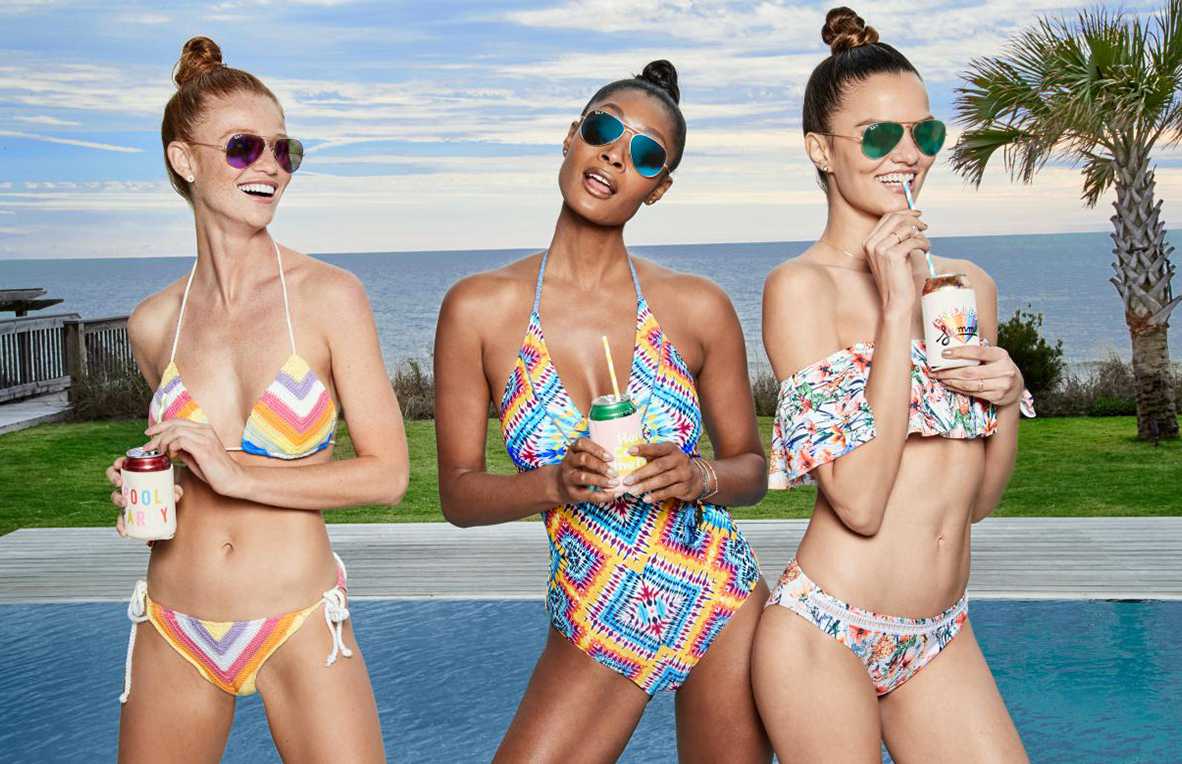
Bikinis and Swimsuits: Classic swimwear styles ideal for sunbathing and swimming.
Source: macys -
One-Piece Swimsuits: Gaining popularity due to their stylish look and practicality.

Source: coralreefswim -
Sport Swimsuits: Designed for swimming, diving, and other sports, with an emphasis on support and flexibility.
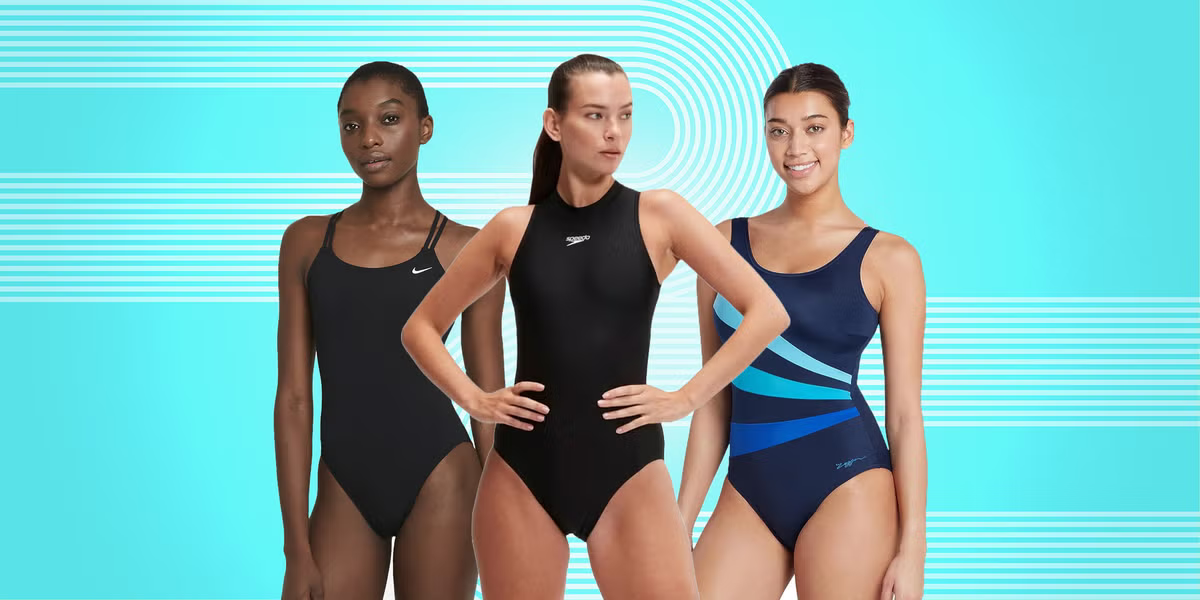
Source: runnersworld -
Children’s Swimwear: Focused on comfort and safety, especially with soft and non-irritating fabrics.
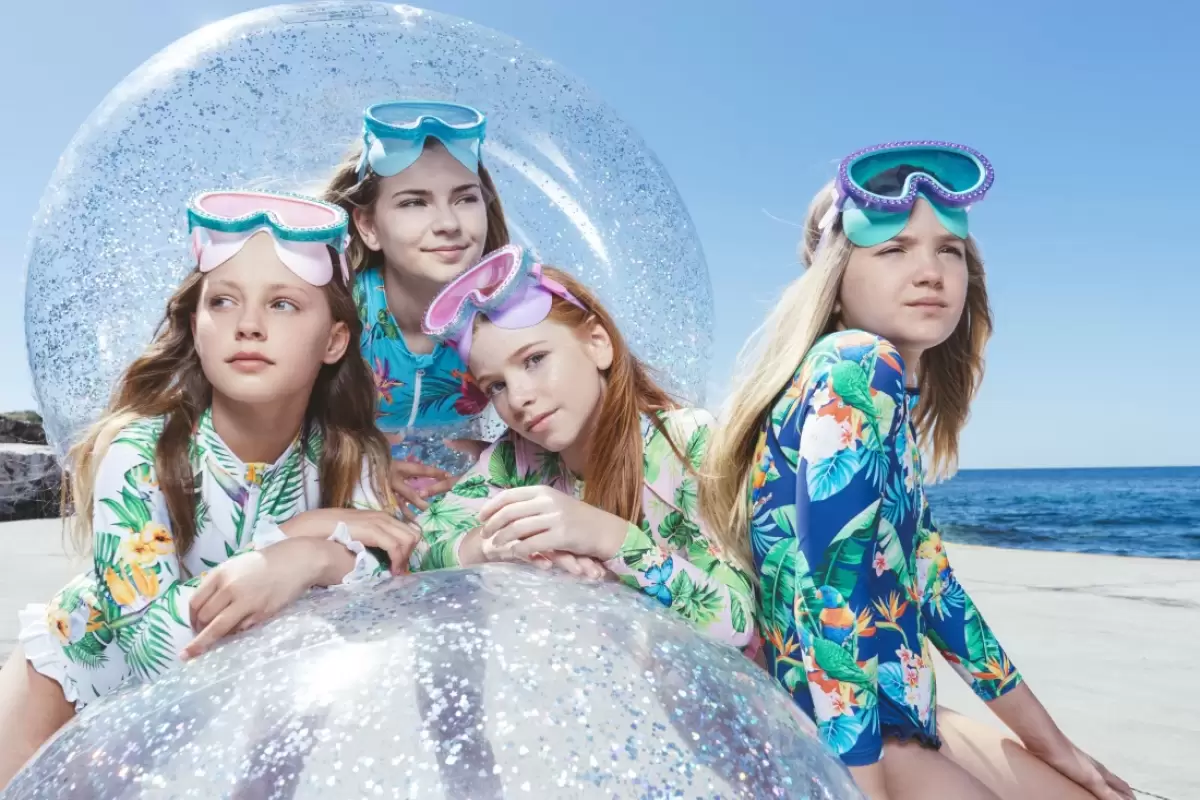
Source: onefinebaby
👉 Understanding market design trends and communicating effectively with manufacturers can help you better cater to consumer needs and create a competitive swimwear line.
2. Choosing the Right Swimwear Manufacturer
Selecting the right swimwear manufacturer is critical for ensuring product quality, shortening production timelines, and reducing costs. Here are some key factors to consider when choosing a manufacturer:
-
Production Capacity and Scale: Ensure the manufacturer can meet your delivery deadlines, especially during peak demand seasons.
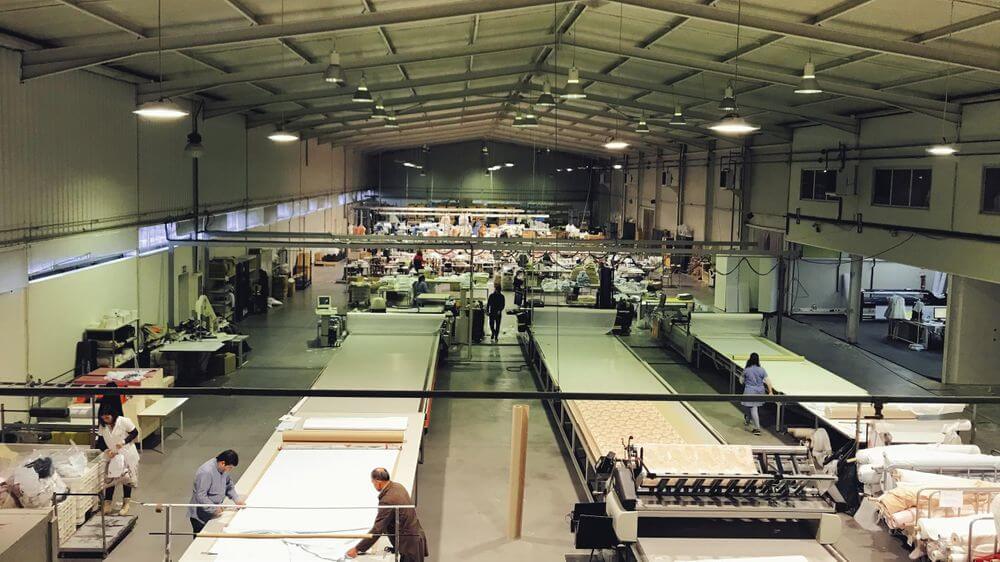
Source: sewport -
Fabric Supply and Quality: The comfort and durability of swimwear are heavily dependent on the quality of the fabric. Choosing the right fabric not only improves the wearing experience but also enhances the overall competitiveness of your products.
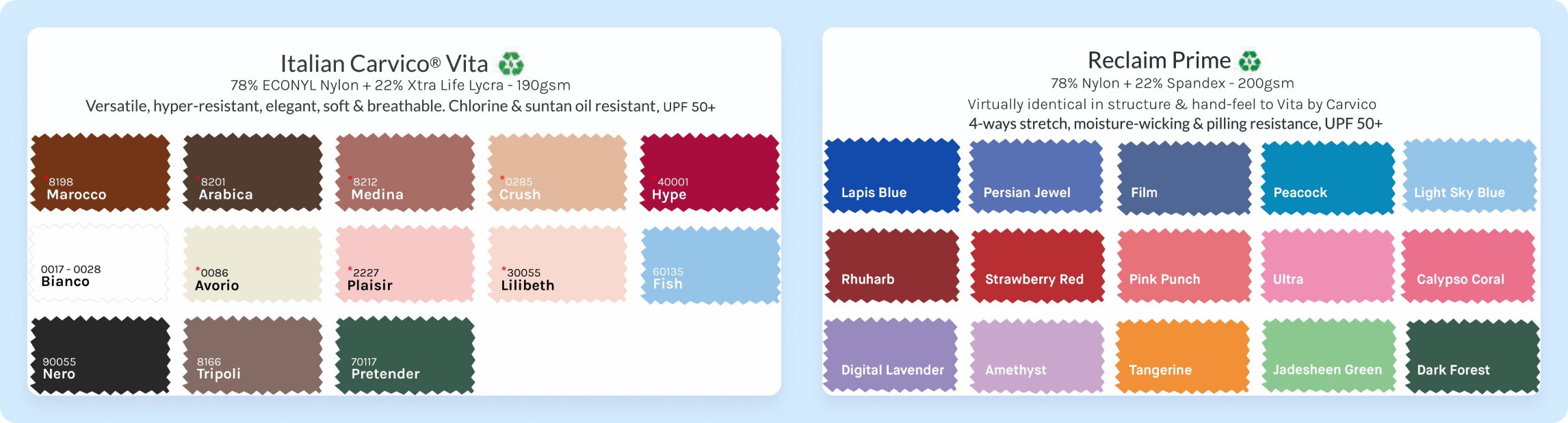
Source: swimwearbali -
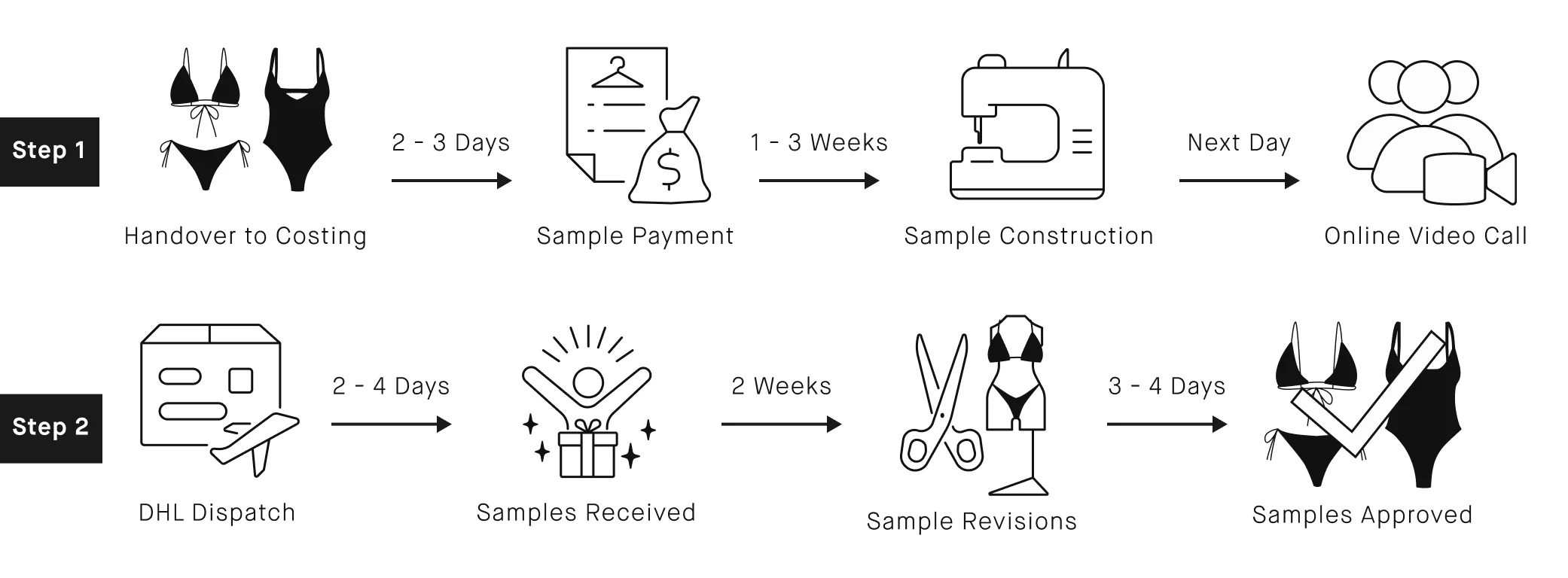
Manufacturing Process: Swimwear production requires specialized techniques, especially for custom designs. Precision in cutting and stitching is crucial.
Source: swimwearbali -
Certifications and Standards: Ensure the manufacturer complies with international quality management systems, such as ISO certifications.
-
Pricing and Terms of Cooperation: Transparent pricing and flexible cooperation terms help ensure a long-term and stable supplier relationship.


3. The Swimwear Production Process
Understanding the swimwear manufacturing process is not only important for planning your supply chain but also for ensuring product quality and timely delivery.
A typical swimwear production process involves the following steps:
-
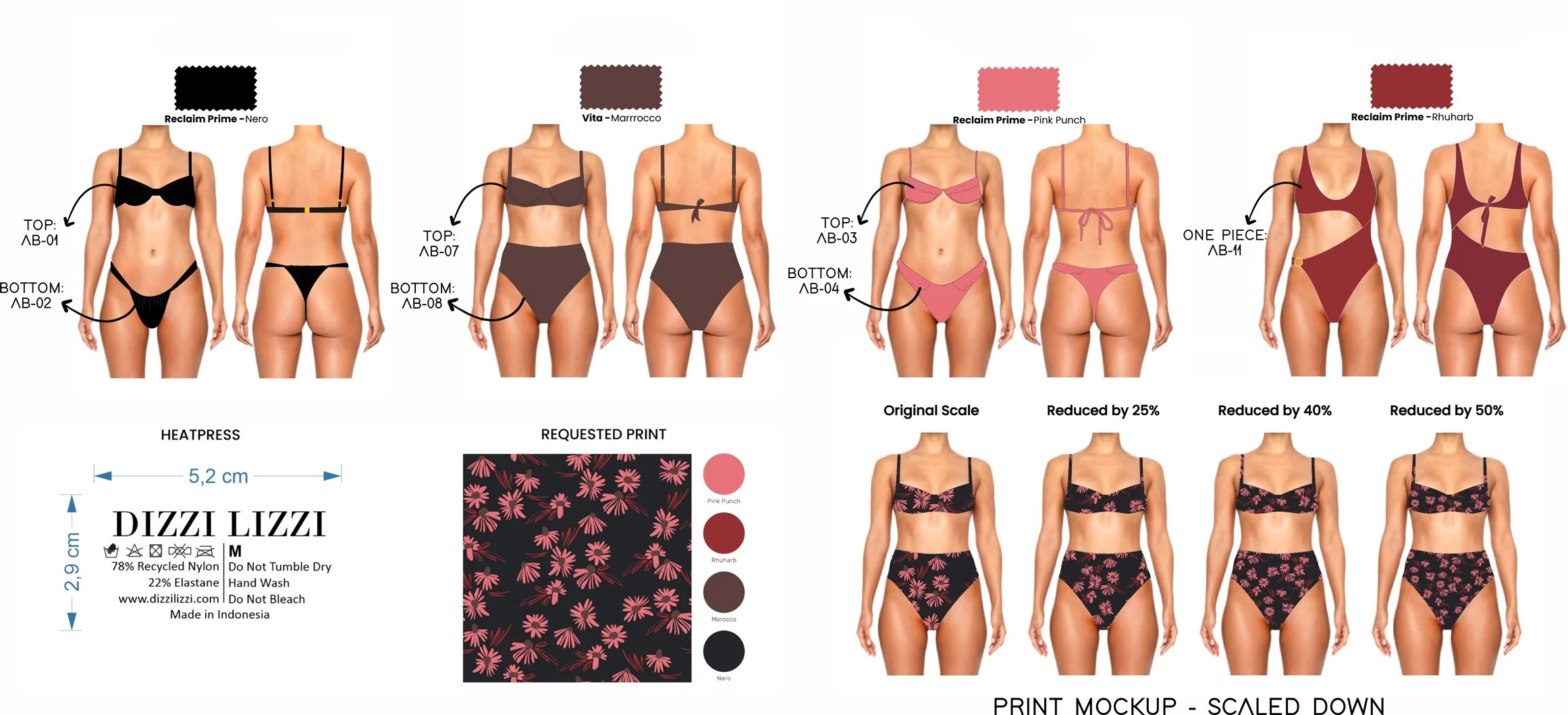
Design and Sample Creation: Based on market demand and fashion trends, designs are created. Once the designs are finalized, manufacturers usually provide samples for evaluation.
Source: swimwearbali -
Fabric Sourcing and Processing: Suitable fabrics are selected based on the design requirements, which may include dyeing, printing, and other treatments.
-
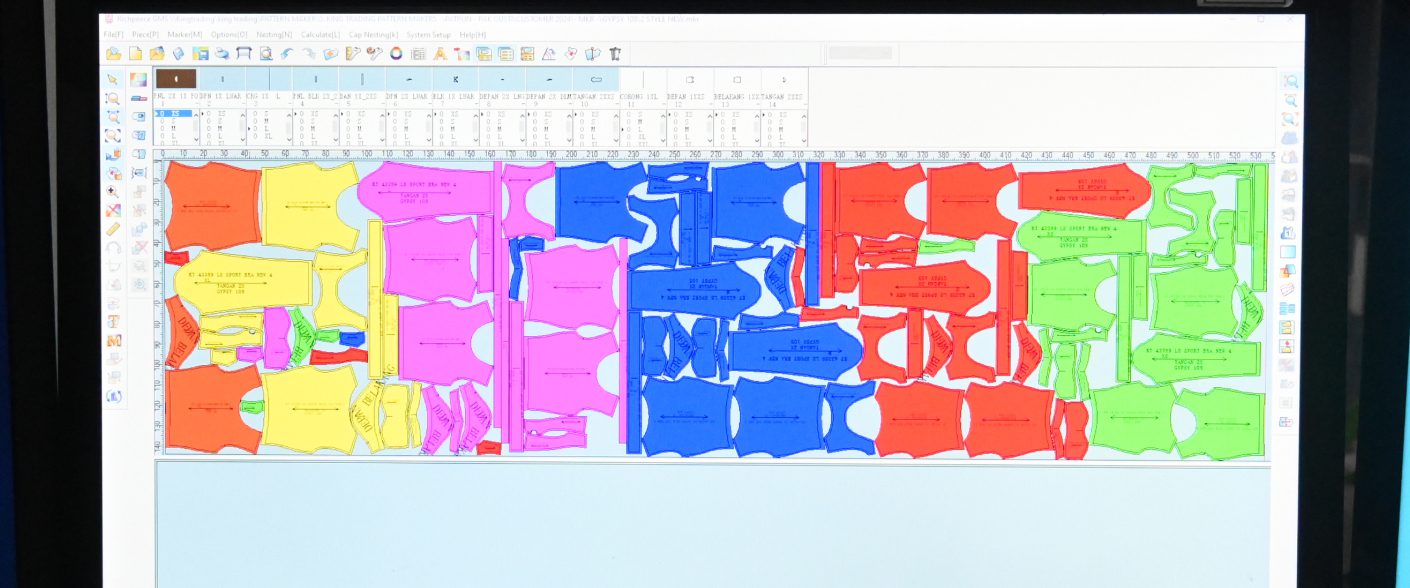
Cutting and Sewing: This is the core of the swimwear production process. Accurate cutting and high-quality stitching directly affect the comfort and durability of the swimwear.
-
Quality Control and Testing: After initial production, the swimwear undergoes various quality checks, such as water resistance and elasticity tests, to ensure that each product meets the standards.
-
Packaging and Delivery: Once the swimwear is finished, it is professionally packaged and delivered to the agreed-upon locations.


4. How to Promote Your Swimwear Brand on Social Media and Websites
In today’s digital age, social media and websites are crucial channels for promoting your swimwear brand. With the following strategies, you can drive more traffic and increase brand exposure online:
-
Content Marketing: Write blog posts about swimwear care, styling tips, and fashion trends. This not only attracts potential customers but also improves your website’s SEO ranking.
-
Social Media Engagement: Use platforms like Instagram and Facebook to post eye-catching swimwear images or videos, participate in popular hashtags and challenges related to swimwear, and engage with your followers.
-
Influencer Marketing: Collaborate with fashion influencers or swimwear bloggers to promote your products through their social media platforms.
-
SEO and SEM Strategies: Optimize your website content to ensure that potential customers can easily find your brand when searching for swimwear products. Additionally, use tools like Google Ads for targeted paid advertising to further boost visibility.
5. Conclusion
Swimwear manufacturing is a complex and challenging process, and selecting the right manufacturer and optimizing the production process are crucial for your brand’s success. By focusing on thoughtful design and high-quality production, your swimwear collection can stand out in the market and win the trust of consumers.
Additionally, leveraging digital marketing strategies will help increase your brand’s reach and recognition worldwide.
If you are looking for a professional swimwear manufacturer or want to learn more about swimwear production, feel free to contact us. We are here to provide you with the best services and support.
Views: 161