

Introduction
Coat manufacturing is a highly specialized and complex process that involves multiple stages, from creative design to production implementation. As global fashion trends rapidly change, consumers’ demands for coats are also increasing, with an emphasis not only on appearance but also on functionality, comfort, durability, and sustainability. For garment production companies, mastering every step of coat manufacturing can not only improve production efficiency but also ensure product quality, helping them stand out in the competitive market.
This article will provide a detailed explanation of the complete coat manufacturing process, covering aspects such as design, fabric selection, pattern making, sample production and modifications, production processes, quality control, and sales and marketing. The goal is to help businesses and industry professionals better understand and apply these steps.
1. Basic Process of Coat Manufacturing
The coat manufacturing process typically consists of the following main stages: design, fabric selection, pattern making, sample production and modification, production, quality control, and finished product packaging and transportation. Every stage is crucial, and precise execution at each step ensures the final quality of the product.
1.1 Design Stage

The design stage is the starting point of the entire production process. The quality of the design will determine whether the product meets market demand and consumer expectations. Design involves not only appearance but also functionality and comfort.
- Market Research and Trend Analysis: Designers need to conduct thorough market research to understand the current fashion trends, consumer preferences, and functional requirements (e.g., waterproof, windproof, warmth, etc.).
- Functional Design: Modern coats are not only about aesthetics; they also need to meet various functional requirements. For example, winter coats should focus on warmth, while outdoor coats may need features such as water resistance and windproofing.
- Design Sketches and Technical Drawings: Based on creative ideas, designers create detailed technical drawings to ensure that the design is manufacturable. These drawings will include information on coat cut, fabric, and style, preparing for the subsequent production stages.
1.2 Fabric Selection

Fabric selection directly impacts the comfort, appearance, durability, and functionality of the coat. Choosing the right fabric is a critical step in coat design.
- Types of Fabrics: Common coat fabrics include wool, cotton, nylon, polyester, leather, etc. Different fabrics are suited for different seasons and functional needs. Wool and tweed are ideal for autumn and winter, while nylon and polyester are better for spring and autumn coats.
- Fabric Performance: In addition to appearance, the performance of the fabric is also crucial. Features such as waterproof, breathability, wind resistance, and warmth may require special fabrics or technologies to achieve.
- Sustainable Fabrics Trend: With the increasing focus on sustainability, more and more brands are opting for organic cotton, recycled fabrics, and other eco-friendly materials to meet the market’s demand for sustainable products.
1.3 Pattern Making

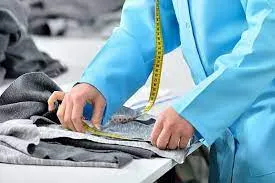
Pattern making ensures that the coat fits properly and is comfortable to wear. A well-designed pattern ensures that the coat fits well and improves its overall appearance.
- Collaboration between Pattern Maker and Designer: After the design is finalized, the pattern maker will create the pattern based on the technical drawings to ensure the coat’s structure follows ergonomic principles. Every part of the coat’s size and cut needs precise calculations and adjustments.
- Pattern Adjustment and Optimization: After creating the initial pattern, adjustments may be made to achieve the best fit and look. Different body types and measurements need to be considered to ensure the pattern’s versatility.
- Prototype Testing and Modification: After creating the first prototype, it undergoes a fitting test to check its fit, comfort, and appearance. Necessary modifications may be made based on the feedback received from the fitting.
1.4 Sample Production and Modification
Sample production is the process of turning the design into an actual product. It allows manufacturers to verify whether the design meets production requirements and make necessary adjustments.
- Sample Production: After finalizing fabric and pattern, the manufacturer produces the first sample based on the technical drawings. Sample production helps the designer and manufacturer confirm design details and predict potential problems in the production process.
- Fitting Test and Evaluation: Once the sample is completed, it undergoes a fitting test to evaluate its comfort, mobility, size accuracy, and appearance. The manufacturer will also check the exterior and details to ensure they meet design standards.
- Modifications and Optimization: Based on the feedback from the fitting test, the sample may need modifications. Common adjustments include repositioning seams, altering design details, or changing fabrics.
1.5 Production Stage

Once the sample is approved, the next step is large-scale production. This stage involves production line management, standardizing processes, and controlling production pace to ensure high efficiency.
- Production Planning and Scheduling: Production planning needs to take into account order volume, production cycles, and factory capacity. Well-organized production planning maximizes efficiency and reduces resource wastage.
- Standardized Production Process: To ensure consistent quality, every step of the production process must follow standardized procedures. This includes cutting, sewing, attaching accessories, and ironing.
- Mass Production and Efficiency: For large-scale production, the use of automation equipment is crucial. Automated cutting and sewing machines not only improve production efficiency but also ensure precision in manufacturing.
1.6 Quality Control and Testing

Quality control is a vital aspect of coat manufacturing. Each stage requires quality checks to ensure the final product meets both market standards and consumer expectations.
- Fabric Testing: The quality of the fabric directly impacts the overall quality of the coat. Fabrics are tested for strength, color fastness, breathability, and other properties before production.
- Sewing Process Inspection: The quality of sewing directly affects the aesthetics and durability of the coat. Every seam needs to be checked for issues such as loose threads or misalignment.
- Functionality Testing: Coats with special features (e.g., waterproof, warm, windproof) undergo relevant testing to ensure the functional performance is not compromised.
1.7 Finished Product Packaging and Transportation
Packaging and transportation of the finished coat are equally important. Proper packaging design and suitable transportation methods ensure that coats arrive at their destination intact.
- Packaging Design: The packaging of coats is not only for protection but also serves as part of the brand image. Packaging should be aesthetically pleasing and effectively prevent damage during transportation.
- Shipping and Delivery: After production, coats are shipped according to customer orders. International shipping needs to comply with global shipping standards to ensure timely and safe delivery to customers.
2. Marketing and Sales Strategy for Coats
2.1 Search Engine Optimization (SEO) and Search Engine Marketing (SEM)
With the rise of e-commerce, SEO and SEM have become essential tools for online coat sales. By optimizing website content, keyword rankings, and ad placements, brands can increase exposure on search engines.
- SEO Optimization: By optimizing website content, brands can improve their rankings on search engines like Google. SEO strategies include keyword research, on-page content optimization, and internal linking.
- SEM Advertising: Through Google Ads and other SEM platforms, brands can quickly increase product visibility and direct traffic to product pages.
2.2 Social Media Marketing and Influencer Collaborations
Social media is an essential marketing channel for modern clothing brands. Collaborating with social media influencers allows brands to expand their reach and connect with a broader consumer base.
- Social Platform Selection: Instagram, Facebook, TikTok, and other social platforms are key for promoting coats. By posting high-quality images and videos, brands can attract potential customers.
- Influencer Collaborations: Working with fashion bloggers or influencers helps brands leverage their fan base and credibility to increase visibility and drive traffic to their websites or stores.
2.3 Marketing Copy and Content Creation
Effective marketing copy can persuade consumers and encourage them to make a purchase. When writing marketing content, brands should focus on emotional marketing and highlighting product advantages.
- Emotional Marketing: By telling brand stories or creating emotional connections with consumers, brands can increase customer loyalty.
- Highlighting Product Benefits: Marketing copy should clearly demonstrate the advantages of the product, such as fabric comfort, fashionable design, and the coat’s multifunctionality.
3. Future Trends in Coat Manufacturing
With technological advancements and changing consumer demands, the coat manufacturing industry will face more innovation opportunities and challenges.
- Smart Fabrics and Technology: Future coats will incorporate more smart technologies, such as self-heating functions and eco-friendly fabrics, adding value and enhancing market competitiveness.
- Sustainability: Environmental and sustainability concerns will continue to drive the coat manufacturing industry, with brands focusing more on using recycled materials and producing eco-friendly products.
- Personalization: As consumer demand for personalized products increases, custom-made coats will become an important direction for future development. Brands need to offer more customization options to meet individual consumer preferences.
Conclusion
Coat manufacturing is a challenging process that requires precision at every step, from design to production. By utilizing refined production techniques and modern management methods, garment manufacturers can produce high-quality coats that meet market demands. At the same time, coat brands need effective marketing strategies to attract consumers and enhance their competitive edge. In the future, the coat manufacturing industry will continue to evolve toward smarter, more sustainable, and personalized products, providing consumers with more innovative and high-quality options.
Views: 274


