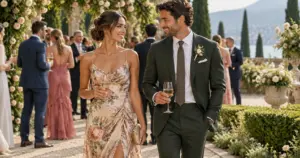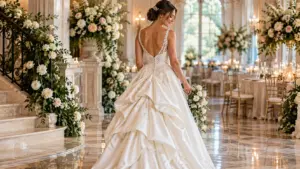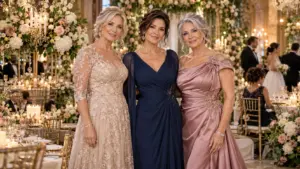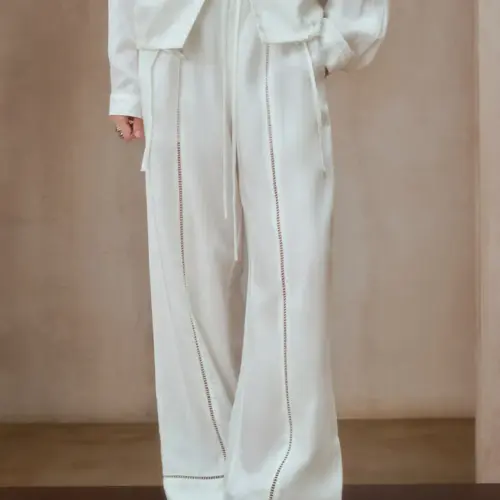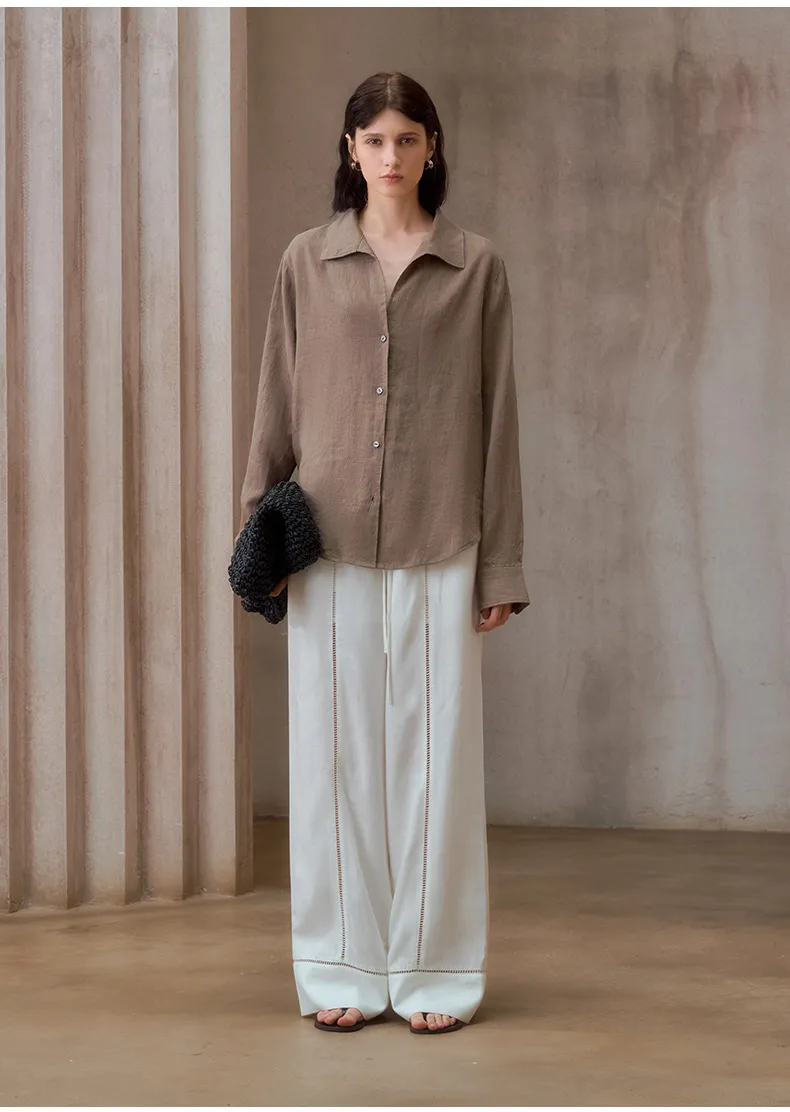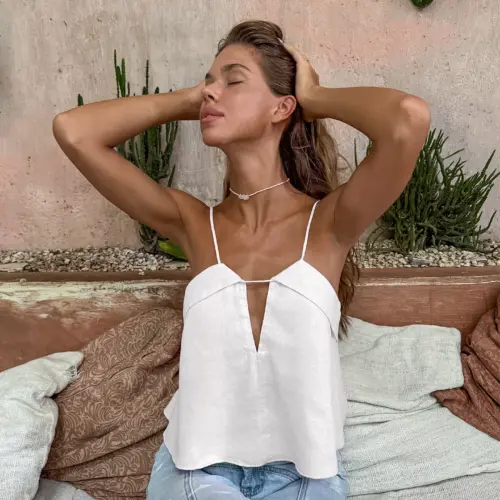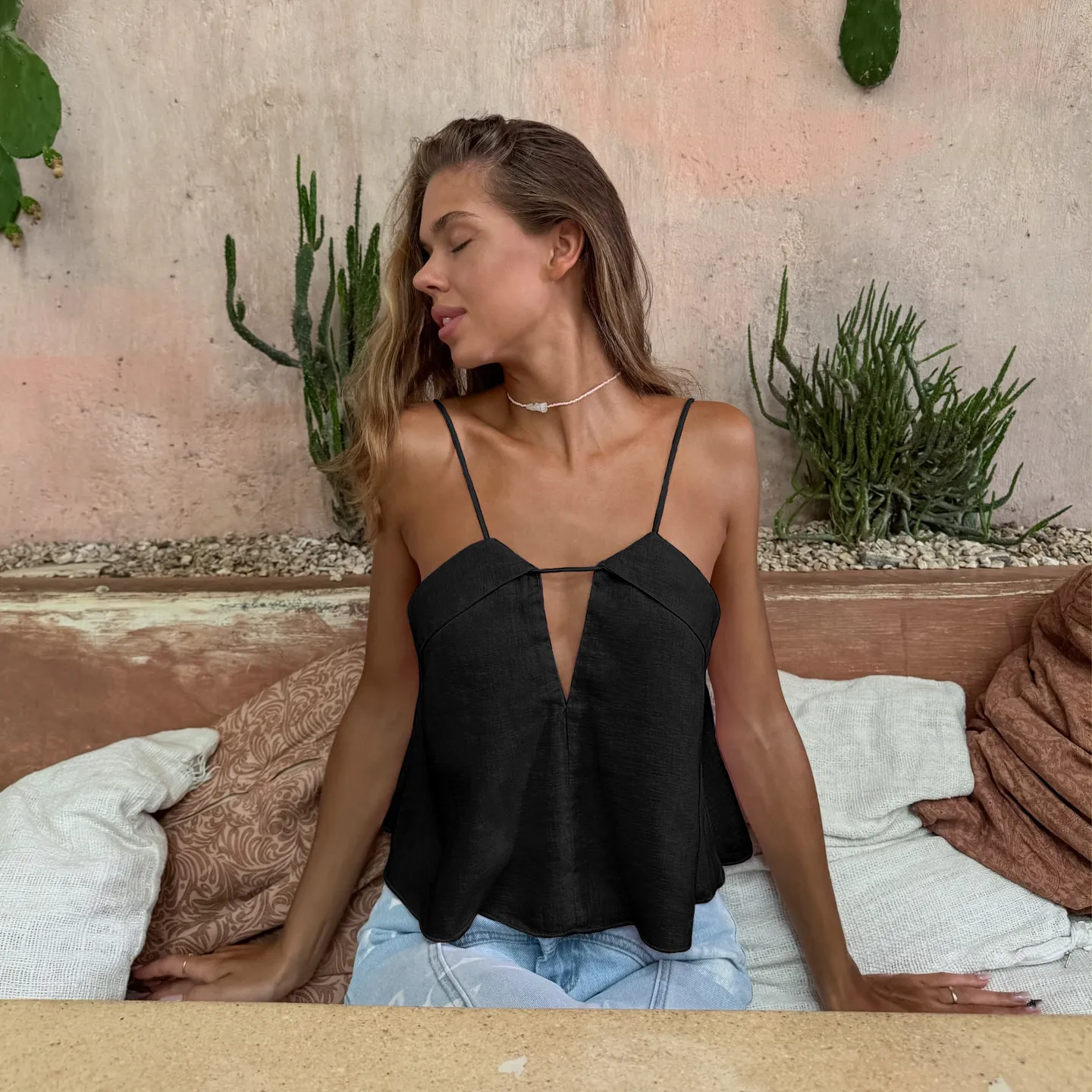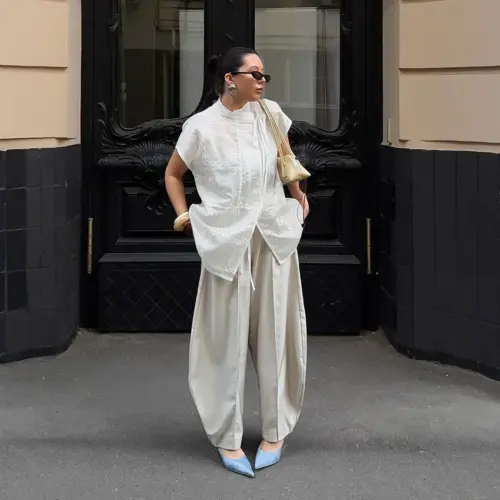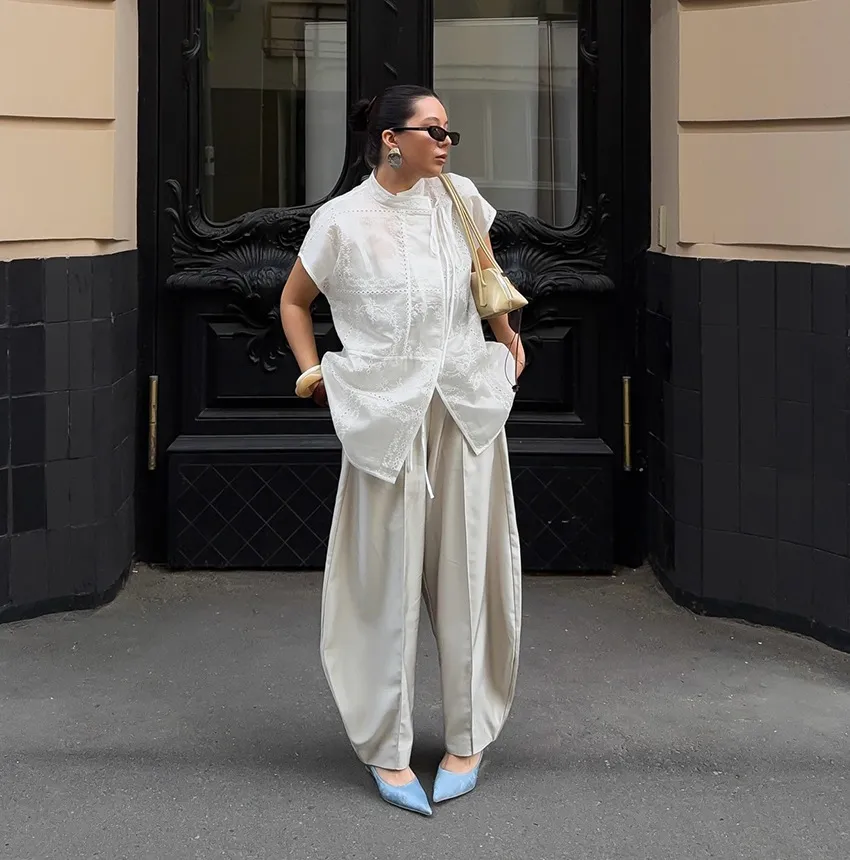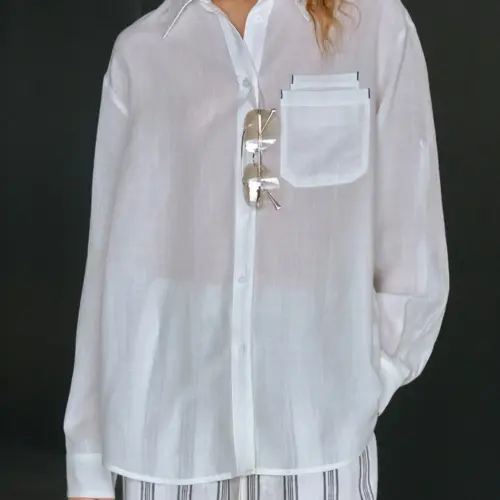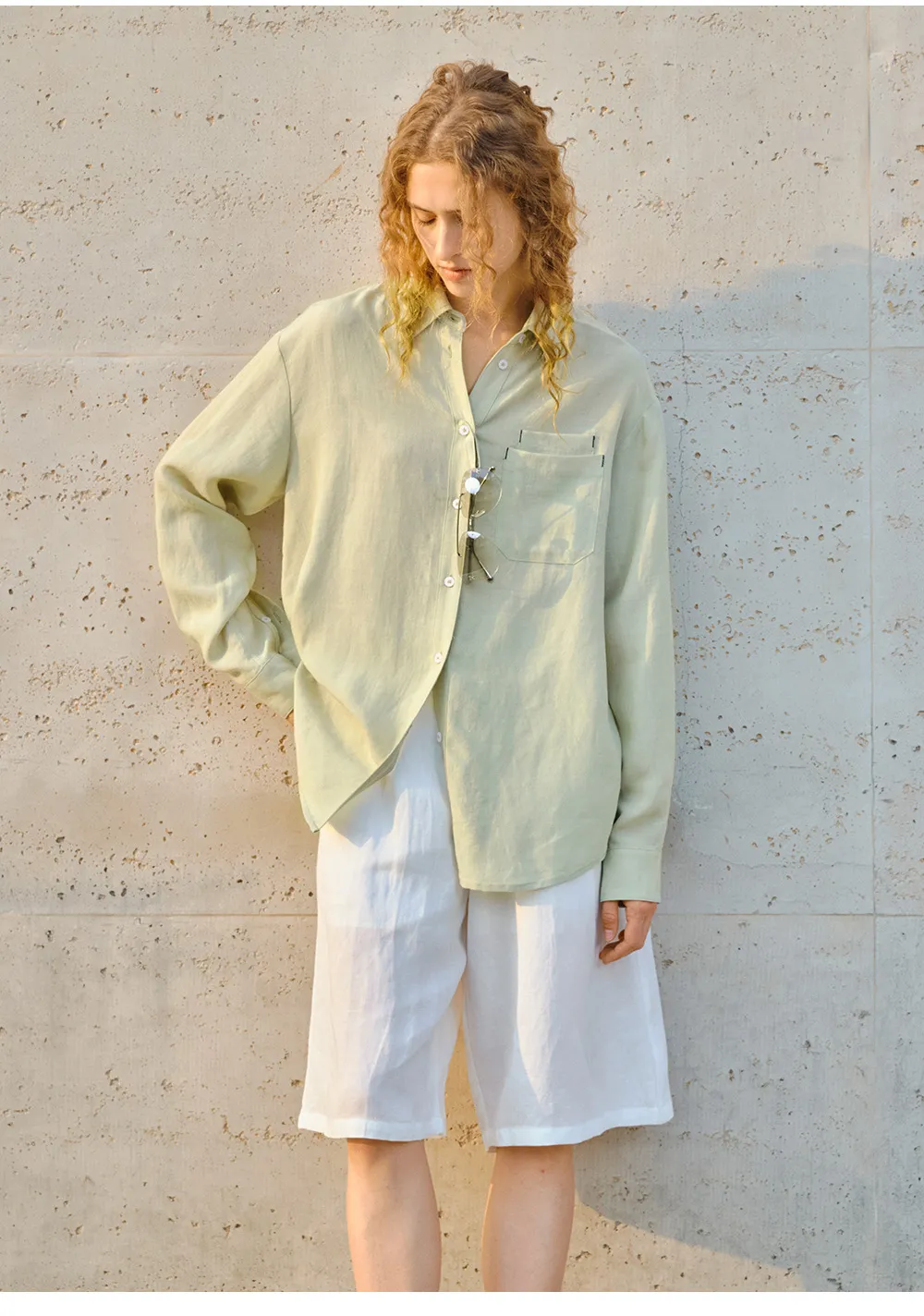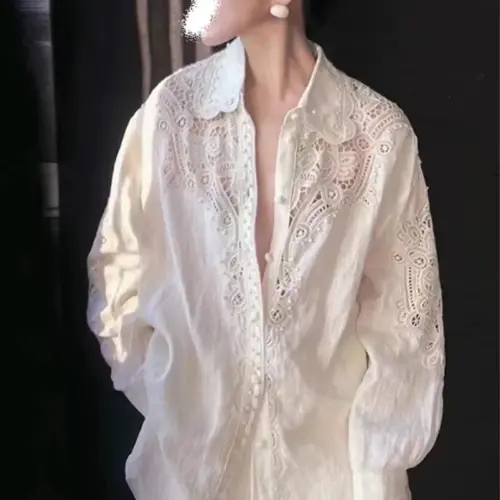

Choosing graduation dresses can be harder than expected. A beautiful dress may look perfect in pictures but feel uncomfortable under a graduation gown. The wrong length, fabric, or fit can create problems during the ceremony. The solution is to balance style, comfort, and practicality.
The best graduation dresses are comfortable, appropriate for the ceremony, and easy to wear under a cap and gown. Knee-length or midi A-line dresses, simple sheath dresses, and lightweight wrap dresses are practical choices. Choose breathable fabrics, check your school’s dress code, and make sure the dress works with your graduation gown.
I’m Lancy Chia from Truekung, a clothing manufacturer in China with 20 years of export experience and more than 200 workers. We support overseas fashion brands, wholesalers, and private-label buyers with clothing development and production. From my factory experience, I know that a dress can look attractive in graduation dress pictures but perform differently when someone wears it for several hours.
Fabric weight, lining, sleeve construction, and skirt length can change how comfortable a graduation outfit feels. These details also affect manufacturing cost, quality, and delivery.
In this guide, I will explain which types of graduation dresses work for different occasions, what to wear under a graduation gown, how to choose colors and styles, and what fashion buyers should consider when developing graduation dress collections.
What Types of Graduation Dresses Are Best for Graduation Ceremonies?
Graduation is an important occasion, but not every dress suits the ceremony. A dramatic evening dress may look beautiful while being difficult to wear under a gown. Choosing the wrong silhouette can affect comfort, movement, and photographs.
The most practical types of graduation dresses include A-line dresses, sheath dresses, fit-and-flare dresses, wrap dresses, and simple midi dresses. The right choice depends on the ceremony’s dress code, weather, location, and personal style. A dress should look polished without restricting movement.
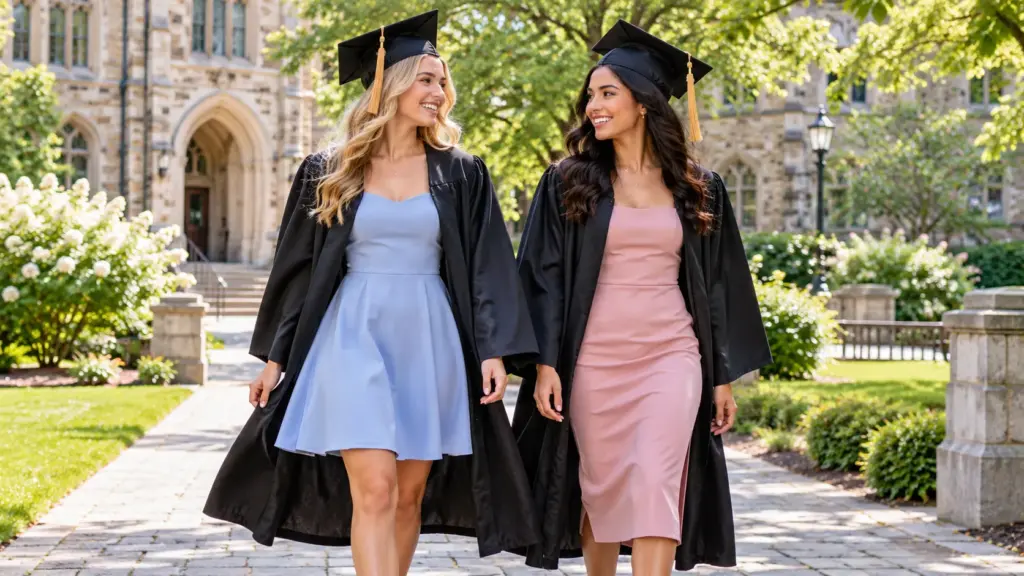
How Different Dress Silhouettes Affect Comfort
When I evaluate dress designs from a manufacturing perspective, I first look at the silhouette. A dress should maintain its shape while allowing the wearer to walk, sit, and stand comfortably.
Several styles work particularly well for graduation.
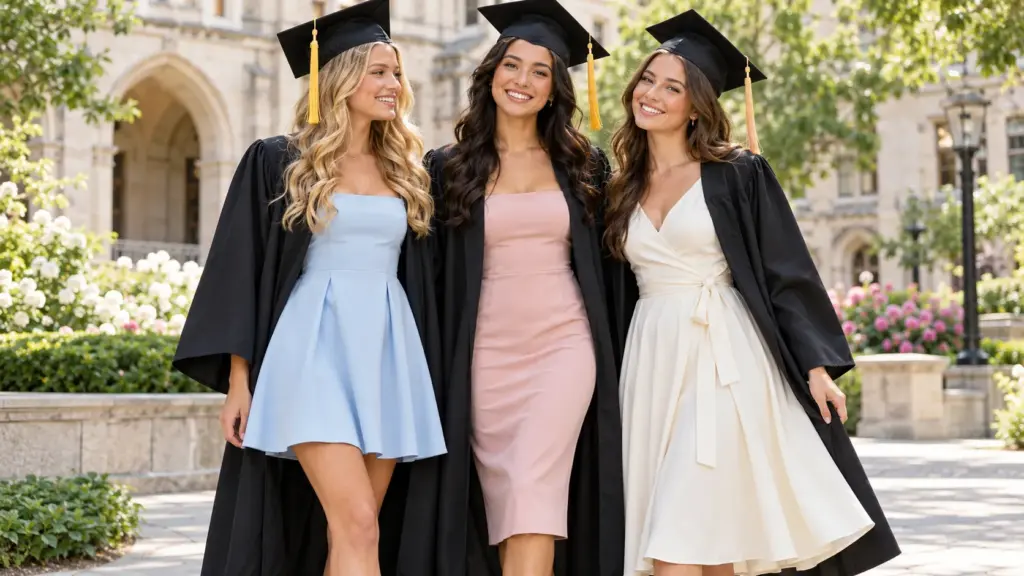
A-line graduation dresses: These dresses fit around the upper body and gradually widen toward the hem. They provide space for movement and work well for many body shapes.
Sheath dresses: A sheath dress follows the body’s natural shape without excessive volume. It creates a clean appearance under a graduation gown, especially when made with comfortable fabric.
Fit-and-flare dresses: These styles combine a fitted waist with a fuller skirt. They can create a feminine graduation look without requiring heavy formalwear construction.
Wrap dresses: Wrap designs provide an adjustable appearance and can be comfortable for graduation ceremonies. However, the neckline and overlap should be secure.
Midi dresses: A midi dress usually falls between the knee and ankle. It can work for ceremonies, dinners, and photographs, although the visible hem should be checked against the graduation gown.
For brands developing graduation dresses for ladies, these silhouettes offer different styling possibilities without requiring an entirely different product category.
Why Some Formal Dresses Cause Problems
One common mistake is choosing graduation ceremony clothes based only on appearance.
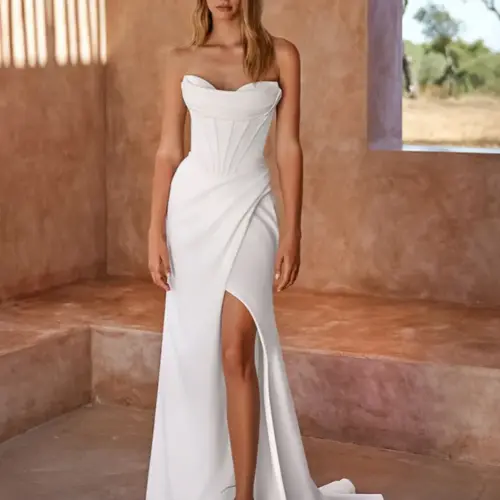
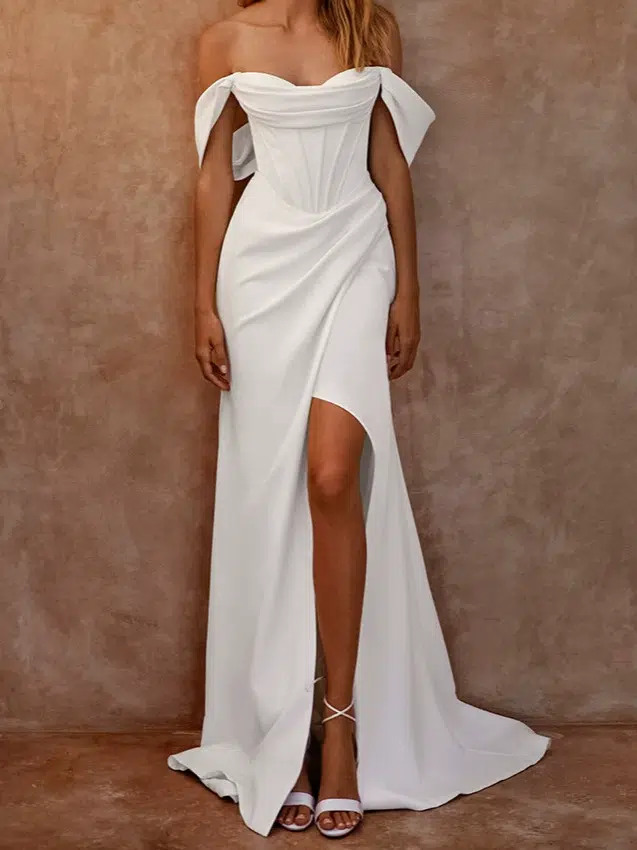
For example, an elaborate evening dress may include heavy beading, a structured corset, several layers of tulle, or a wide skirt. These features can be attractive for a celebration, but they may create bulk underneath academic robes.
A very fitted dress can also become uncomfortable during a long ceremony. If the fabric has little stretch, sitting for an extended period may pull the seams around the hips.
Short dresses require attention as well. A very short skirt may rise when sitting or walking upstairs.
In clothing production, these problems often come from the relationship between pattern construction, fabric properties, and the intended use.
For graduation collections, I usually recommend separating ceremony dresses from party dresses. A simple design can work for both occasions, but a highly decorative style may be better suited to the celebration afterward.
Which Graduation Dress Style Should Buyers Choose?
| Dress Style | Why It Works | What I Suggest |
|---|---|---|
| A-line dress | Comfortable movement and a versatile silhouette | Use lightweight fabric with suitable structure |
| Sheath dress | Clean appearance under graduation gowns | Check hip ease and sitting comfort |
| Fit-and-flare dress | Defined waist with a comfortable skirt | Control skirt volume |
| Wrap dress | Adjustable appearance and feminine styling | Secure the neckline and overlap |
| Midi dress | Suitable for ceremonies and celebrations | Compare dress length with gown length |
| Maxi dress | Elegant for formal celebrations | Avoid excessive volume and trailing hems |
| Slip dress | Minimal, modern appearance | Check opacity, straps, and fabric cling |
When Simple Designs Offer Better Value
In my factory experience, a graduation dress with complicated construction does not automatically offer better value to the customer. A simple A-line dress may require fewer sewing operations than a heavily decorated design, but it still needs accurate pattern development, consistent measurements, and proper finishing. The fabric choice also matters. A low-cost, lightweight fabric may reduce material expenses, but if the finished dress needs an extra lining to prevent transparency, some of those savings disappear. A heavier fabric may look more structured but feel uncomfortable during a warm outdoor ceremony. Consider a fashion retailer planning a small graduation collection. One option is to offer several dresses with unique necklines, layered skirts, and decorative details. Another is to develop two reliable silhouettes in several commercially suitable colors. The second approach may simplify sampling, fabric purchasing, and quality control, especially when quantities per style are limited. However, variety may still be important for a boutique targeting customers who want distinctive graduation fashion. My suggestion is to identify the customer first. For ceremony-focused collections, prioritize fit, comfort, and versatile styling. For party-focused collections, decorative details can carry more value. The decision rule is simple: choose construction complexity only when it supports the target customer’s needs and expected selling price.
What Dress Should You Wear Under a Graduation Gown?
A graduation dress under a gown needs more planning than an ordinary occasion dress. Academic gowns add an extra layer, and graduates may spend hours sitting, standing, and walking. Poor fabric or length choices can make an otherwise attractive outfit uncomfortable.
A comfortable graduation dress under a gown should be lightweight, easy to move in, and appropriate for the school’s dress code. Simple knee-length or midi dresses often work well. Avoid excessive bulk around the shoulders and waist, and test the dress together with the gown before graduation day.

Why Fabric Weight and Lining Matter
Fabric is one of the most important details when choosing dresses to wear under a cap and gown.
Graduation ceremonies can take place in warm indoor venues or outdoors during late spring and summer. Academic gowns may reduce airflow, so clothing underneath should not add unnecessary weight.
Several fabrics are worth considering:
Cotton blends: They can provide a comfortable feel and a casual-to-smart appearance. Their performance depends on the exact blend, weight, and construction.
Polyester crepe: It can create a clean drape and resist some wrinkling, although breathability varies depending on fabric construction.
Viscose blends: These fabrics often provide a soft hand feel and fluid appearance. Shrinkage and care requirements should be checked during development.
Lightweight stretch fabrics: A small amount of stretch can improve comfort, particularly in fitted dresses.
Chiffon: Chiffon creates a soft, flowing appearance but often needs suitable lining or layering to provide coverage.
From a manufacturing perspective, I recommend checking fabric weight, opacity, stretch recovery, and seam performance before approving a sample.
Universities may also provide their own attire guidance. For example, Purdue University recommends lightweight business-casual clothing under graduation gowns.
When Graduation Dress Length Becomes a Problem
A common question is whether a graduation dress longer than the gown is acceptable.
There is no universal rule requiring the dress to remain completely hidden. A longer dress may be suitable, depending on the institution’s dress code and the intended appearance.
However, the length difference changes the outfit’s visual balance.
For example, a knee-length dress may remain hidden when the gown is closed but become visible when walking. A midi dress may extend below the gown, creating a layered appearance.
A full-length dress can be more difficult to manage if the fabric gathers under the academic robe or reaches close to the ground.
I suggest checking the complete outfit rather than measuring the dress separately.
Wear the dress with the actual graduation gown, close the gown, and test walking, sitting, and climbing stairs.
Also check the neckline. Some academic gowns include hoods or stoles that sit around the shoulders. Bulky collars, large bows, and heavy shoulder decorations may interfere with them.
What Makes an Under-Gown Dress Comfortable?
| What to Check | Why It Matters | What I Suggest |
|---|---|---|
| Fabric weight | Heavy clothing adds warmth | Choose fabric suitable for the season |
| Opacity | Thin fabrics may become transparent | Test in daylight and strong indoor lighting |
| Dress length | Hem visibility affects the overall look | Try the dress with the graduation gown |
| Shoulder design | Bulky details can affect how the gown sits | Keep shoulder construction relatively simple |
| Waist comfort | Tight construction can make sitting uncomfortable | Check ease and stretch |
| Neckline | Hoods and stoles may cover or shift fabric | Test the complete outfit |
| Shoes | Graduates may walk across stages or grass | Choose stable, comfortable footwear |
Balancing Lightweight Fabric With Proper Coverage
One important trade-off in graduation dress production is the balance between fabric lightness and coverage. Buyers often request a lightweight graduation dress because they expect customers to wear it beneath an academic gown. However, extremely thin materials can create problems, especially when producing white or pastel dresses. For example, imagine a retailer developing a white graduation dress using lightweight polyester fabric. The first sample looks attractive on a hanger, but the fabric becomes partially transparent under bright lighting. The factory may suggest adding a lining, changing the fabric weight, or selecting a denser construction. Each option changes the price, appearance, and comfort. A full lining can improve coverage but may add warmth and material cost. A better-quality outer fabric may solve the transparency issue without requiring the same lining construction, although sourcing cost could increase. In my factory experience, buyers should never make this decision from fabric photographs alone. I recommend evaluating physical samples in natural light and strong indoor lighting. The model should also sit, walk, and move while wearing the sample. The decision rule is to approve the lightest practical construction that still meets the required opacity, comfort, and appearance standards. This helps prevent customer complaints after bulk production.
What Color and Style of Graduation Dress Should You Choose?
Choosing a graduation dress color can feel difficult. White is a familiar graduation option, but black, pastel colors, and brighter shades can also look appropriate. The wrong choice may clash with the gown or look different in photographs.
White, ivory, navy, black, blush pink, light blue, and other soft colors can work well for graduation dresses. There is no universal graduation dress color. Choose a shade that suits the ceremony, complements the gown, photographs well, and reflects your personal style. Always check specific school requirements first.
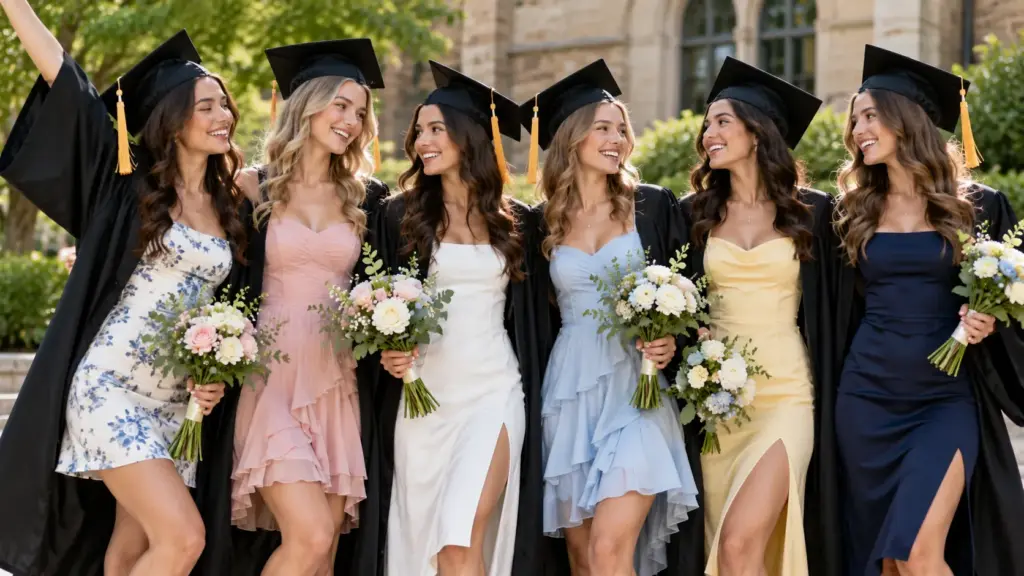
How Dress Colors Affect Graduation Photographs
Color is an important part of graduation fashion style because graduates are photographed both with and without their gowns.
White graduation dresses create a classic, fresh appearance. They are often associated with spring and summer celebrations, although wearing white is not a universal requirement.
Black dresses offer a simple, versatile option that can also work for dinners and other events.
Navy blue provides a professional appearance without the strong contrast of black.
Pastel colors, including blush pink, lavender, and light blue, can create a soft graduation look.
Brighter colors may suit graduates who prefer a more expressive outfit, provided the ceremony allows them.
For a master’s graduation, there is generally no universal dress color requirement based only on degree level. University academic regalia colors are a separate matter, and the institution may have its own guidance.
I usually ask clothing buyers to evaluate color samples under different lighting conditions. Fabric composition, surface texture, and lighting can affect how a color appears in graduation dresses images.
Why Trendy Details Need Careful Production
Some graduates prefer a simple dress, while others want a unique or whimsical graduation dress.
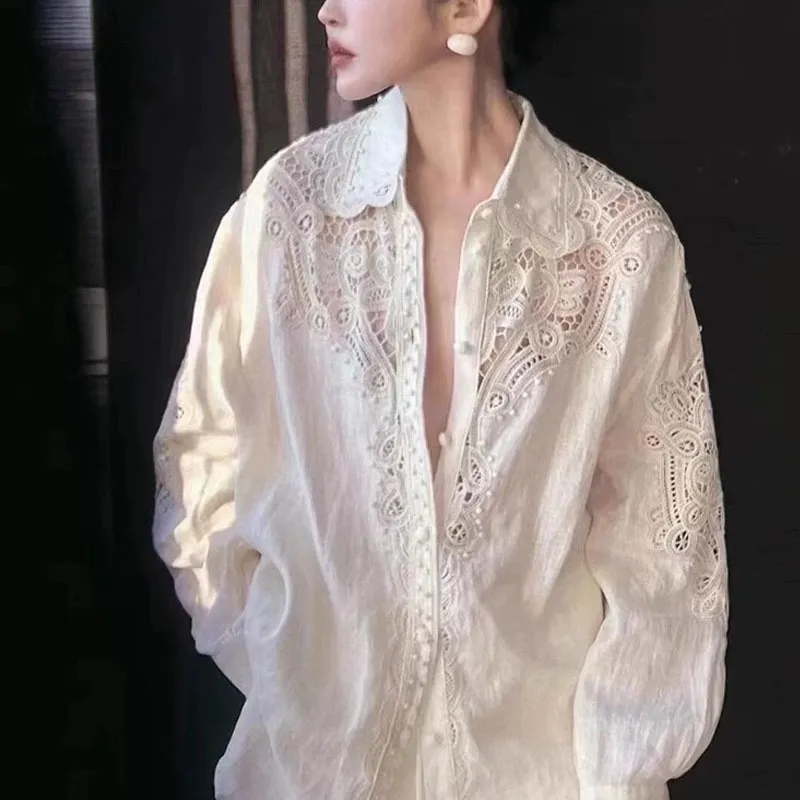
A distinctive graduation style might include puff sleeves, delicate embroidery, lace panels, asymmetrical necklines, or a floral print.
These designs can work well, especially for photographs and graduation parties. However, additional details usually create more manufacturing considerations.
For example, puff sleeves require suitable pattern volume and fabric structure. Lace panels need careful sewing and placement. Embroidery can introduce additional production steps and quality checks.
Buyers looking for graduation dress inspo should also consider how the style performs under academic robes.
A large sleeve may compress beneath the gown. A decorative collar may be partly hidden by a graduation hood.
An alternative graduation dress could also be a tailored jumpsuit or coordinated skirt-and-top outfit, where the school allows it.
The goal is not to avoid fashion details. It is to select details that remain attractive and functional in the intended setting.
Which Graduation Colors and Details Work Best?
| What to Check | Why It Matters | What I Suggest |
|---|---|---|
| White or ivory fabric | Transparency and shade consistency | Check opacity and fabric color approval |
| Pastel colors | Slight color differences may be visible | Approve color samples before production |
| Dark colors | Surface marks and lint can be noticeable | Check fabric finishing |
| Printed fabrics | Print placement affects the finished appearance | Confirm print scale and positioning |
| Lace and embroidery | Additional workmanship affects cost | Approve construction details on samples |
| Fashion sleeves | Volume may interfere with academic gowns | Test sleeve comfort under a gown |
| Simple silhouettes | Easier to style for several occasions | Consider them for core collections |
Choosing Between Classic and Trendy Collections
For fashion retailers and wholesalers, classic graduation dresses and trendy graduation dresses serve different customer needs. Classic designs usually rely on versatile silhouettes, familiar colors, and styling that remains relevant beyond one graduation season. Trend-driven designs may attract customers looking for something distinctive, but they can also involve more complicated fabric sourcing, trims, or pattern construction. Consider a boutique planning to offer white, blue, and pink graduation dresses alongside one statement design with embroidered sleeves. The simple styles may be easier to coordinate into a consistent collection, while the embroidered style may need separate fabric approvals, decoration testing, and additional workmanship checks. If the embroidered design has a small order quantity, its unit cost could be relatively high because development and setup expenses are spread over fewer pieces. On the other hand, it may justify a higher retail price if the boutique’s customers value the details. I suggest building the collection around a clear customer profile instead of adding styles only because they appear in popular graduation dress pictures. The decision rule is to use classic designs for dependable core assortment planning and reserve complicated trend pieces for styles with a clear selling purpose and workable production quantity. This approach can help control inventory and production risk.
What Should You Prepare Before Contacting a China Clothing Factory?
Developing graduation dresses for wholesale or private-label sales requires more information than simply sending a product photograph.
I often explain to buyers that a factory can provide a more useful quotation when the product requirements are clear.
For example, two visually similar graduation dresses may have different manufacturing costs because one uses a lined fabric, custom-developed pattern, special zipper, or decorative trim.
Before requesting a quotation, prepare the following information.
| Information | Example | Why It Is Needed |
|---|---|---|
| Product | Dress, jacket, or sportswear | Confirms factory suitability |
| Photos/tech pack | Images, measurements, construction | Supports pricing and development |
| Fabric | Cotton, denim, polyester, or unknown | Affects cost, MOQ, and timing |
| Sizes | XS–XL or custom chart | Affects patterns and consumption |
| Quantity | Per style and color | Affects MOQ and unit price |
| Market | EU, UK, US, or Australia | Affects sizing and compliance |
| Quality level | Wholesale or premium | Guides materials and workmanship |
| Packaging | Polybag, box, or barcode | Affects cost and timing |
| Labels | Neck, care, size, and hang tag | Affects artwork, MOQ, and cost |
| Deadline | Warehouse arrival date | Supports production planning |
| Certificates | Required certificates | Confirms compliance |
| Target price | FOB or delivered price | Helps suggest realistic options |
Clear information helps the factory provide a more accurate price, development timeline, material recommendation, and production plan.
I recommend separating essential requirements from optional preferences.
For example, a graduation dress collection may require a specific size chart, approved fabric opacity, and a firm warehouse arrival date. These should be treated as essential requirements.
An additional color, decorative trim, or alternative packaging design may be optional.
This distinction helps the factory suggest practical alternatives when a fabric has a high minimum order quantity or a particular trim affects the lead time.
For buyers sourcing graduation dresses, I also recommend checking the following before confirming bulk production:
- Sample development: Approve the fit, fabric, measurements, and construction before proceeding to production.
- Minimum order quantity: Confirm MOQ by style, color, and fabric rather than assuming every design has the same minimum.
- Fabric approval: Check color, weight, hand feel, shrinkage, and transparency where relevant.
- Quality control: Agree on measurement tolerances, seam quality, appearance standards, and inspection requirements.
- Production schedule: Allow time for sampling, material sourcing, manufacturing, inspection, and shipping.
- Compliance: Identify the destination market’s labeling and testing requirements and request supporting documentation where applicable.
- Packaging and logistics: Confirm labels, hang tags, barcodes, cartons, shipping terms, and the destination.
A graduation collection is seasonal. This looks small, but it can affect delivery. If the fabric or sample approval takes longer than expected, the remaining production and shipping schedule may become difficult.
My suggestion is to work backward from the required warehouse arrival date rather than planning only around the factory’s sewing time.
When Should You Ask Truekung for a Quote?
If you are planning to develop graduation dresses for a clothing brand, boutique, wholesale business, or retail collection, it is useful to contact a manufacturer when you have a general product direction and expected order quantity.
At Truekung, we support OEM/ODM clothing production, private-label development, sampling, bulk manufacturing, quality control, and export communication.
Our services may suit buyers who need to develop their own graduation dress designs, customize existing concepts, or source dresses for an upcoming retail season.
You do not need to have every technical detail finalized before making an inquiry. However, providing clear information helps us evaluate the project and explain practical production options.
You can send me your product photographs or tech packs, estimated quantities per style and color, destination market, quality expectations, and required delivery date.
I can then discuss material possibilities, sample development, production considerations, and quotation requirements based on your project.
Contact Lancy Chia at Truekung:
Email: [email protected]
Website: https://truekung.com
Conclusion
The right graduation dresses balance personal style, comfort, and ceremony requirements. Choose suitable fabrics, silhouettes, colors, and lengths before focusing on decorative details. For fashion buyers, clear specifications, sample approval, and realistic production planning help create graduation collections that meet customer expectations.
Views: 0