How Many Types of Clothes Are There and Which Ones Really Matter?
Some clothes catch your eye. Others do the job. But which types of clothes should we actually pay attention to?
There are more than 40 types of clothes based on style, function, and fabric—but not all of them are relevant for your market or brand.

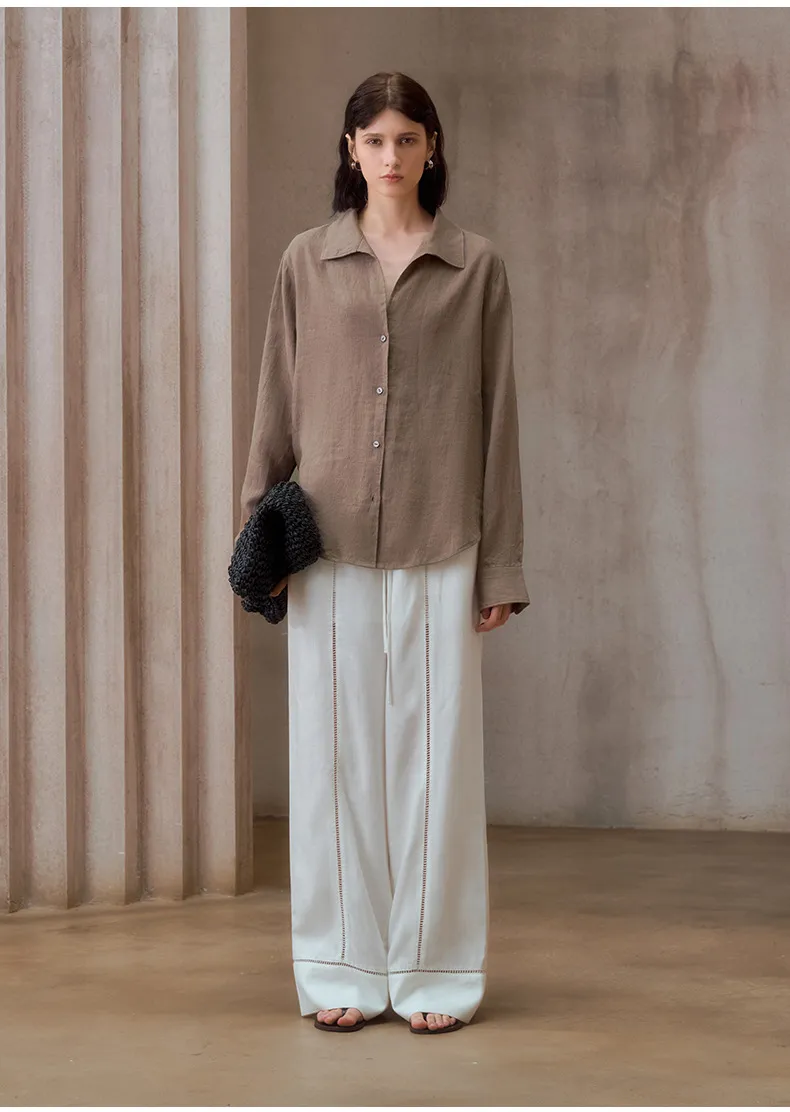
It’s easy to get lost in names like “maxi dress” or “culottes,” especially when some don’t matter for your product line. As a wholesale fashion manufacturer, I’ve learned to focus on the types that impact design, customer demand, and production planning.
What Are the Main Categories of Clothing?
People often mix up styles with categories. Let’s simplify it.
The main categories are outerwear, tops, bottoms, one-pieces, underwear, sportswear, and ethnic wear. Each category serves a different purpose and market.
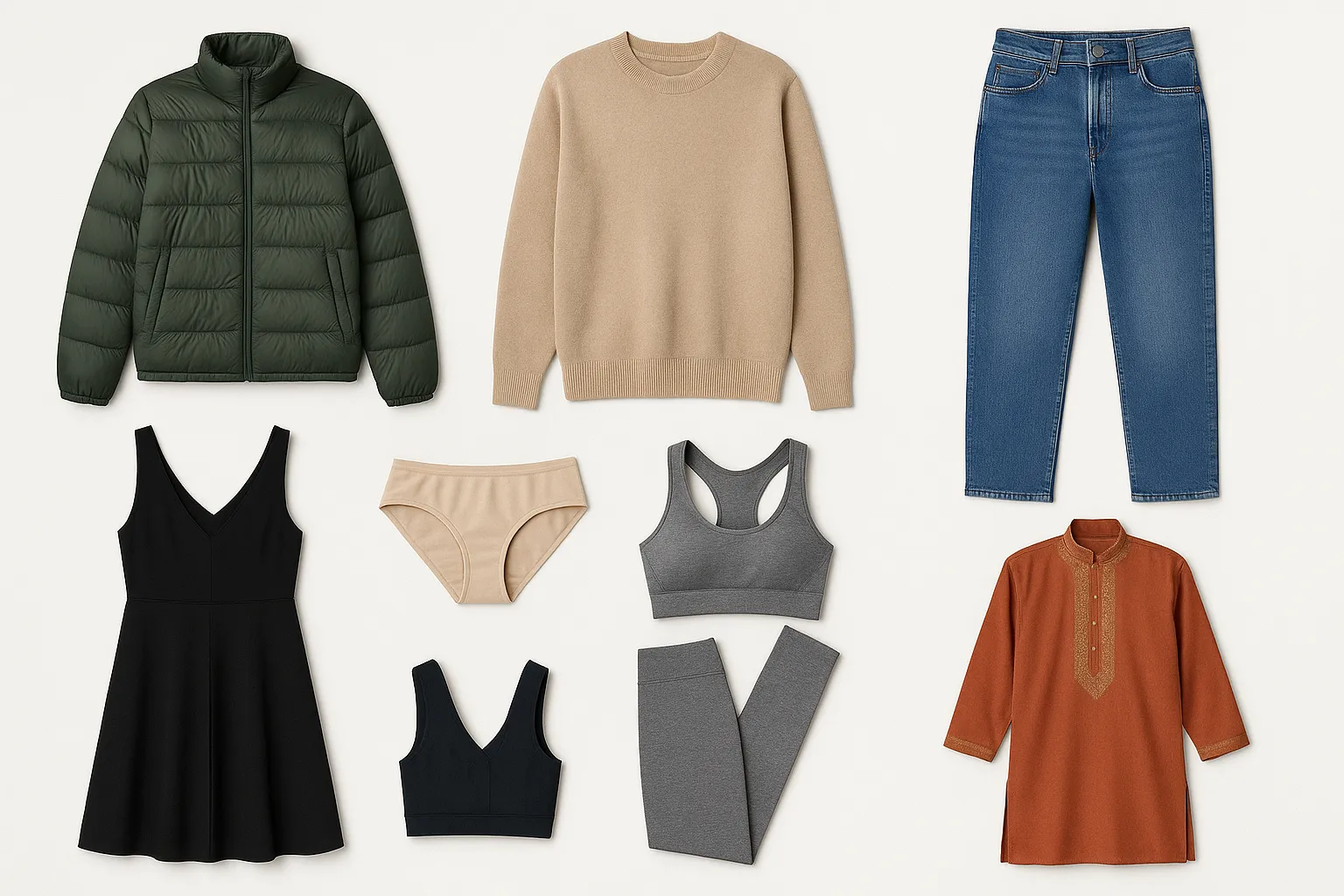
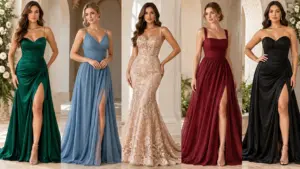
The big picture starts with seven key categories. Outerwear includes coats and jackets. Tops include shirts, blouses, and T-shirts. Bottoms are pants, skirts, and shorts. One-pieces cover dresses and jumpsuits. Underwear includes bras, panties, and thermal wear. Sportswear has leggings, hoodies, and workout tops. Ethnic wear depends on the country. For example, qipao in China or sarees in India.
| Category | Examples | Market Impact |
|---|---|---|
| Outerwear | Coats, jackets, windbreakers | Seasonal, high margin |
| Tops | T-shirts, blouses, shirts | High volume, fast-moving |
| Bottoms | Jeans, skirts, leggings | Trend-sensitive |
| One-pieces | Dresses, jumpsuits | Strong in women’s fashion |
| Underwear | Bras, panties, shapewear | Requires strict quality control |
| Sportswear | Hoodies, yoga pants, joggers | Growing market |
| Ethnic wear | Kimonos, qipao, abayas | Depends on region and occasion |
Understanding the big categories helps with planning your sourcing, especially when you’re balancing quality, trend, and cost.
How Do Styles Within a Category Affect Buying?
The name of a style can sound fancy—but it affects production costs and customer appeal more than you’d think.
Different styles like bodycon, A-line, or peplum change fabric use, fit, and how long they take to sew. This changes pricing and order decisions.
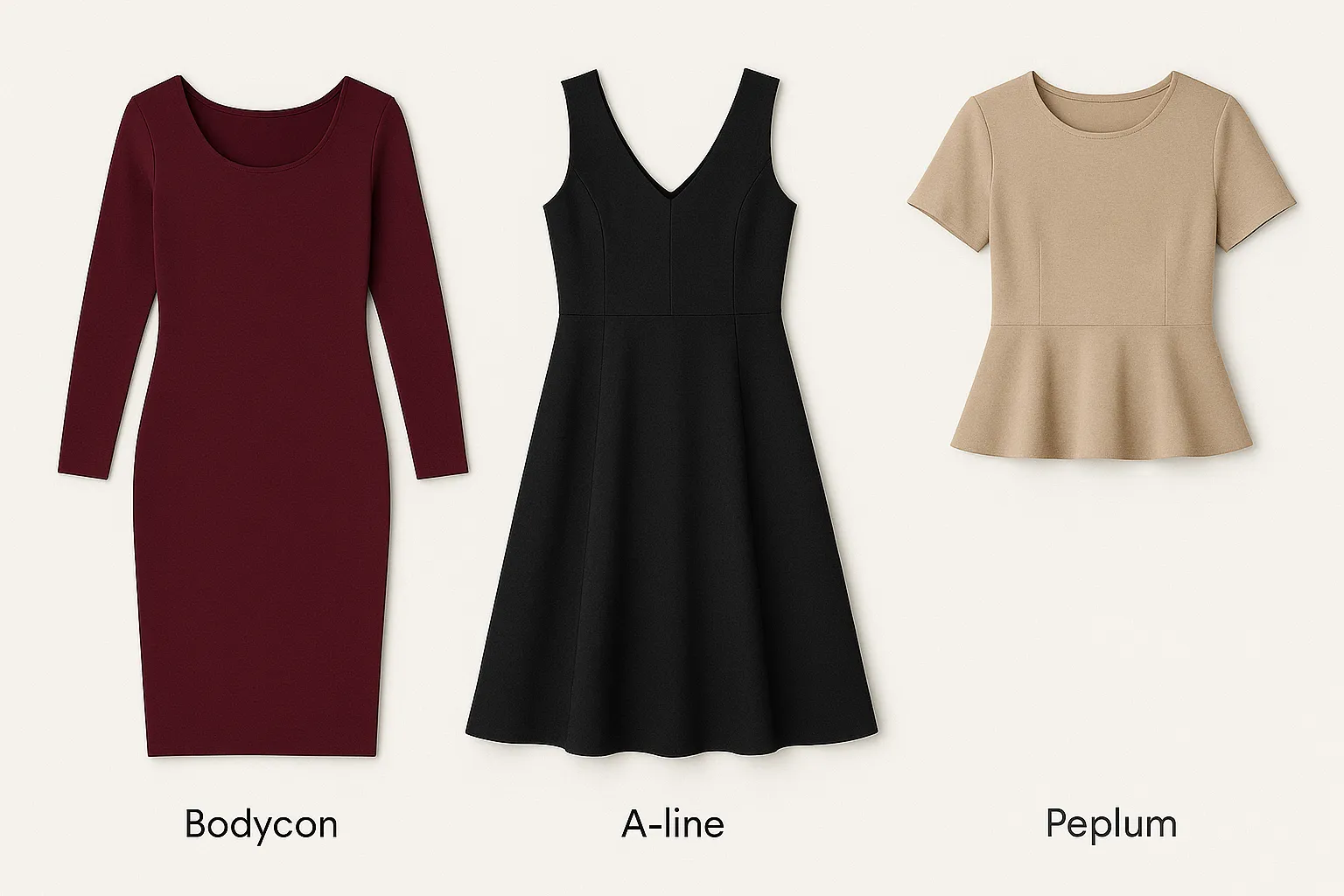
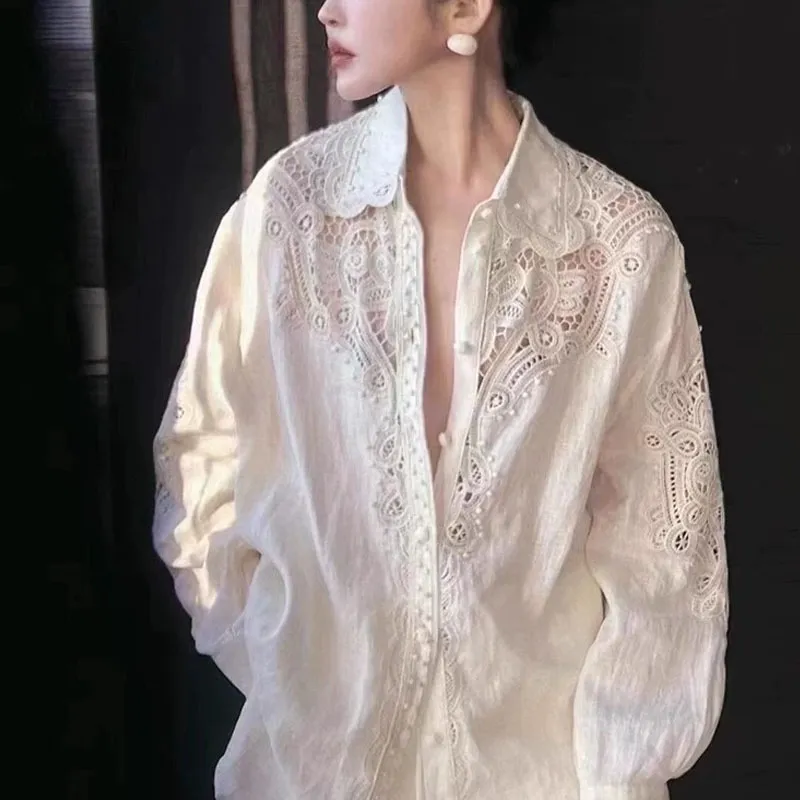
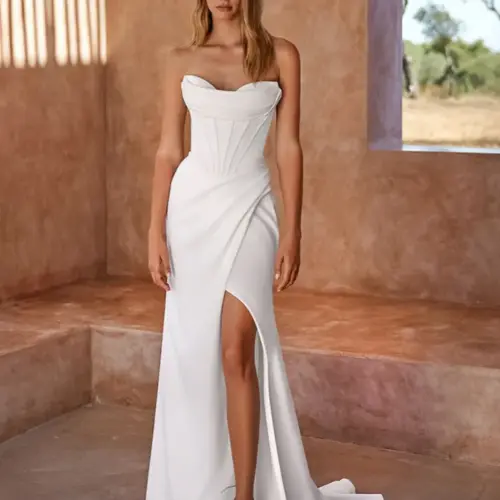
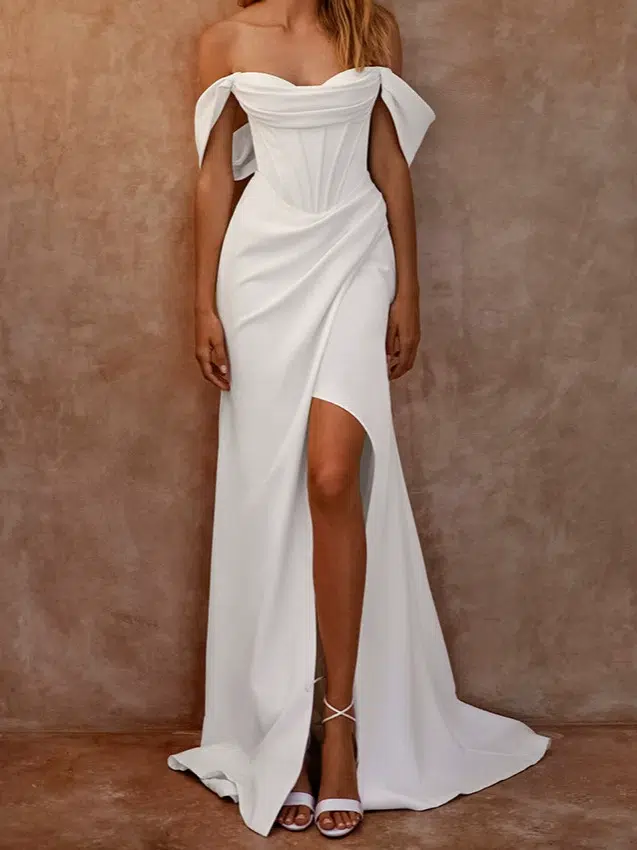
I remember a buyer asking for wrap dresses, but didn’t realize they required more fabric than shift dresses. We had to adjust pricing to stay profitable. Styles like “off-shoulder,” “cold-shoulder,” “balloon sleeves,” or “cropped hem” seem like small details. But each changes fabric consumption, sewing time, and sometimes, even return rates.
Here’s a breakdown of how common styles affect production:
| Style Type | Fit & Silhouette | Production Impact |
|---|---|---|
| A-line | Loose bottom, fitted top | Easy to sew, less fabric waste |
| Bodycon | Tight fit all over | Needs stretch fabric, QC intensive |
| Wrap | Overlapping front panel | More fabric use, pattern tricky |
| Peplum | Frill at waist | Extra stitching, trend-based |
| Off-shoulder | Bare shoulders | Needs elastic, higher return risk |
| High-low hem | Uneven front and back | More fabric, harder cutting |
Each choice changes your bottom line. Knowing this can help you have a better conversation with your supplier.
Does Fabric Type Change the “Type of Clothes”?
Yes. A style made from chiffon looks and feels completely different when made with denim.
Fabric can turn a casual piece into formalwear. It also affects durability, care, comfort, and how your customer feels about your brand.
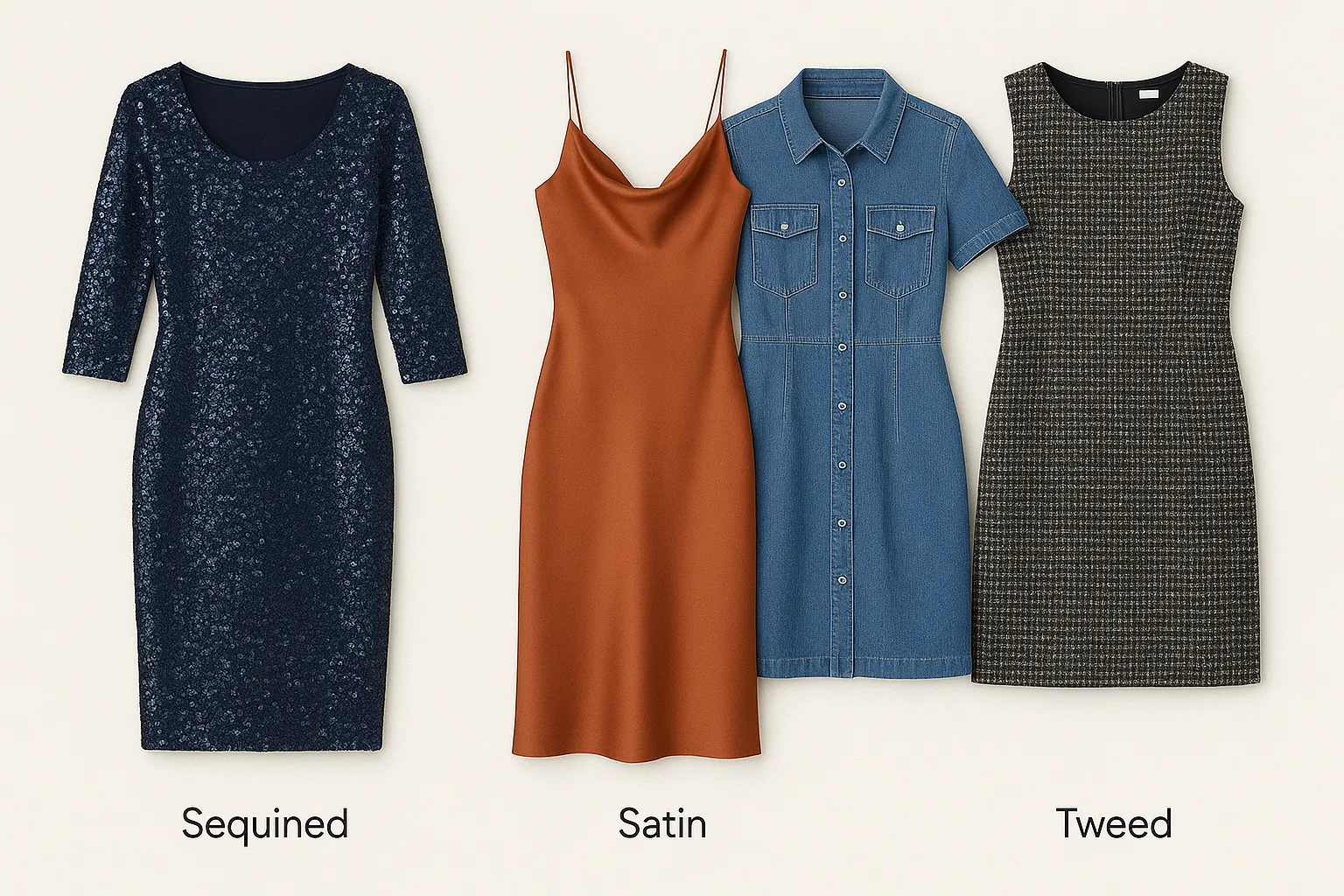
Sometimes, clients send a picture of a shirt and ask us to replicate it. But if the original was silk and they want cotton, the outcome changes. Cotton wrinkles, silk drapes. Fabric isn’t just texture—it’s function, market position, and even logistics. For example, heavy fabrics like wool or fleece increase shipping costs.
| Fabric Type | Common Uses | Effect on Clothing Type |
|---|---|---|
| Cotton | T-shirts, casual shirts | Soft, breathable, easy care |
| Silk | Dresses, blouses | Luxury feel, delicate handling |
| Denim | Jeans, jackets | Durable, casual or trendy |
| Chiffon | Dresses, skirts | Flowing, formal, high waste rate |
| Jersey | T-shirts, sportswear | Stretchy, quick production |
As a buyer, you need to think beyond style and ask: What fabric will work best for your market?
Why Do Some Types of Clothes Sell Better Than Others?
It’s not just about style. It’s about timing, trend, and how people live.
Clothes that match current lifestyles—like loungewear, multi-use dresses, or oversized jackets—sell better. Trends, comfort, and function drive demand.
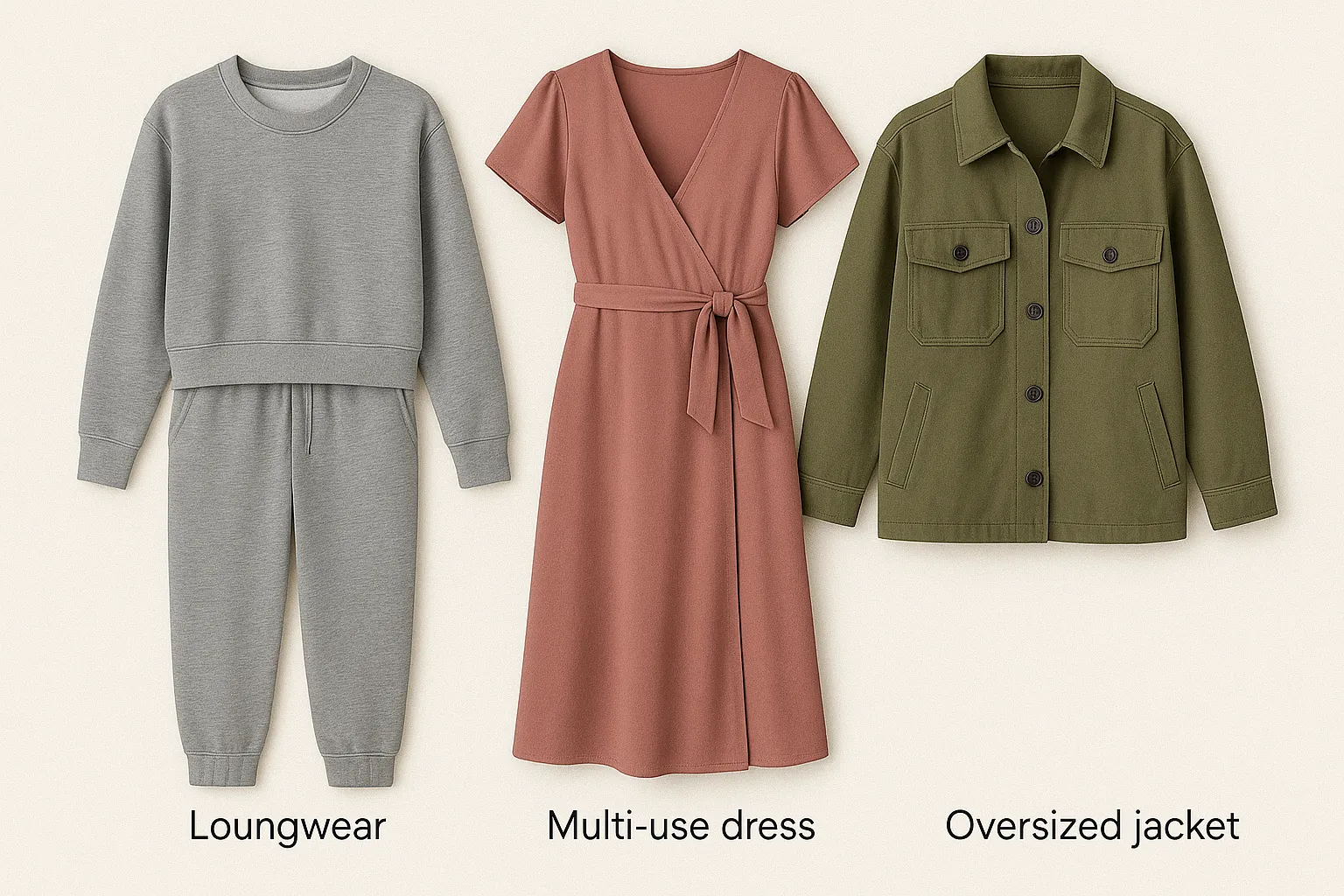
After COVID, we saw a huge jump in hoodie and sweatpant orders. Even now, oversized fits sell better than fitted ones in many markets. Meanwhile, bodycon dresses or tight jeans are harder to move unless you’re targeting younger, trend-driven customers. That’s why I always check what my clients’ end customers wear—not just what looks good on a rack.
| Selling Factor | Why It Matters | Example |
|---|---|---|
| Function | Comfort or purpose-driven clothes | Sportswear, maternity wear |
| Season | Cold vs. warm weather demand | Coats in winter, dresses in summer |
| Trend fit | Aligns with global fashion trends | Oversized blazers, cargos |
| Lifestyle | Matches how people live | Athleisure, lounge sets |
| Cultural preference | Adapts to local fashion expectations | Modest wear, traditional cuts |
So don’t just follow catalogs. Study your market. Ask your customers what they need now.
Conclusion
Understanding types of clothes is more than knowing names—it’s about matching style, fabric, and function to market demand and production reality.
Views: 607