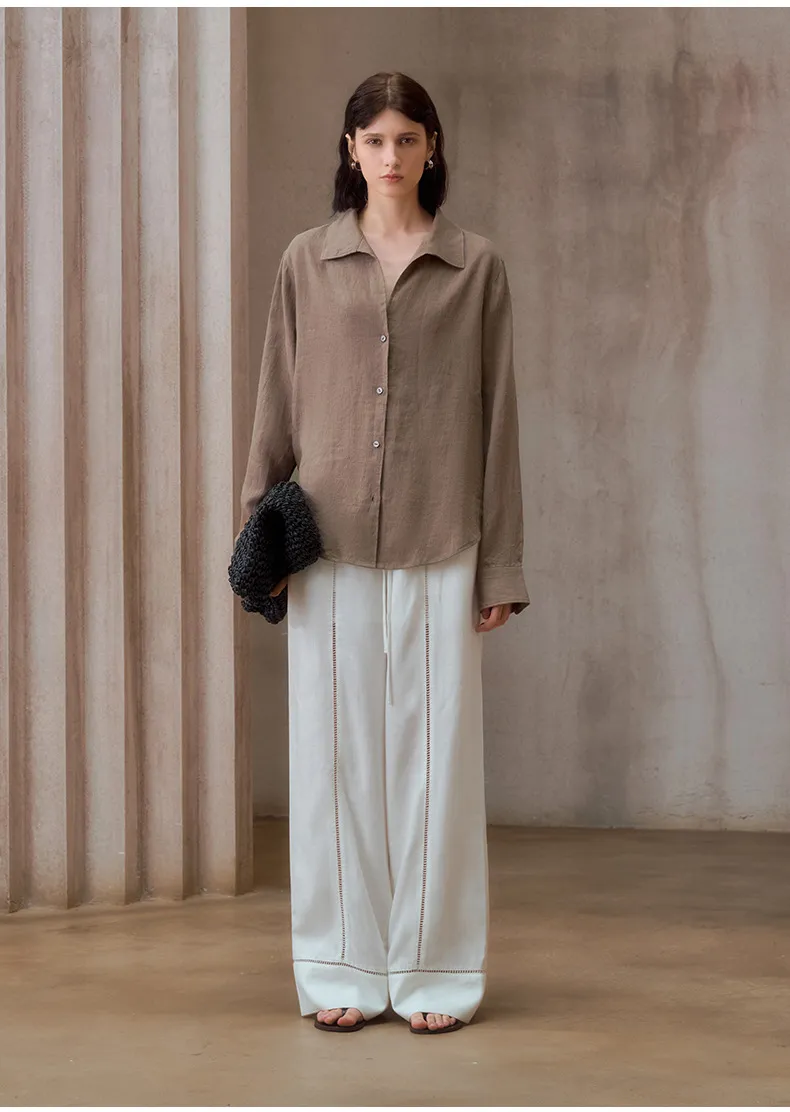
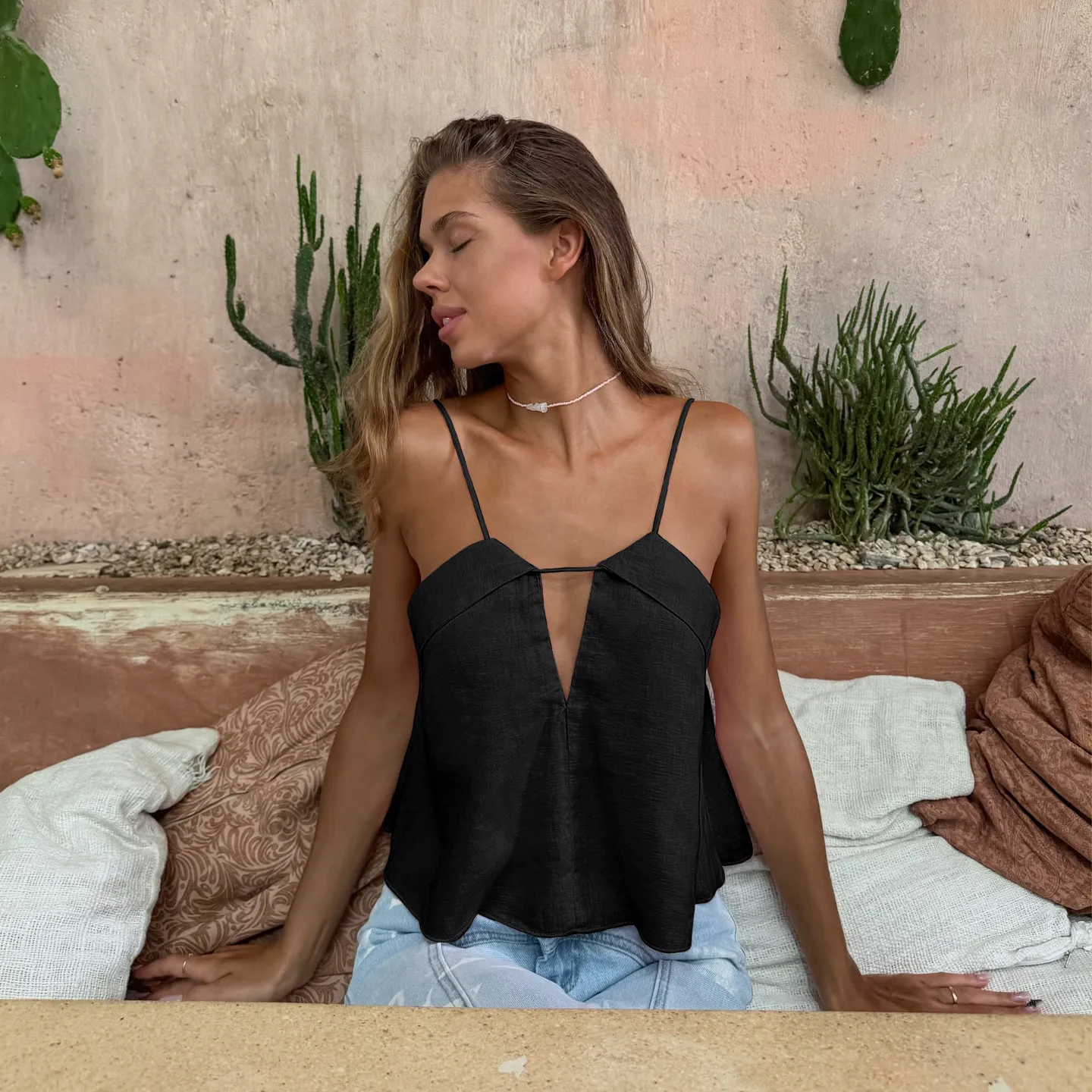
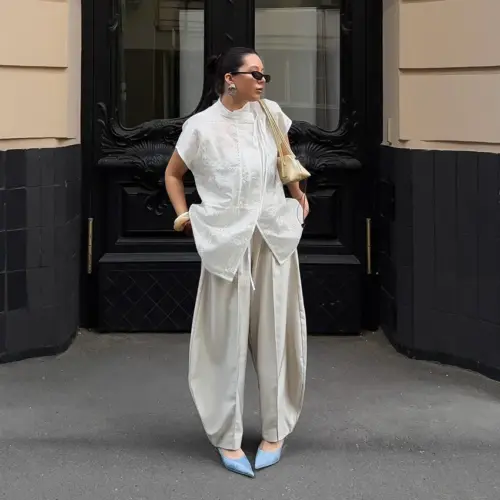
Most people wear clothes without thinking about why they matter. But when you’re in fashion wholesale, this simple question changes how you source and sell.
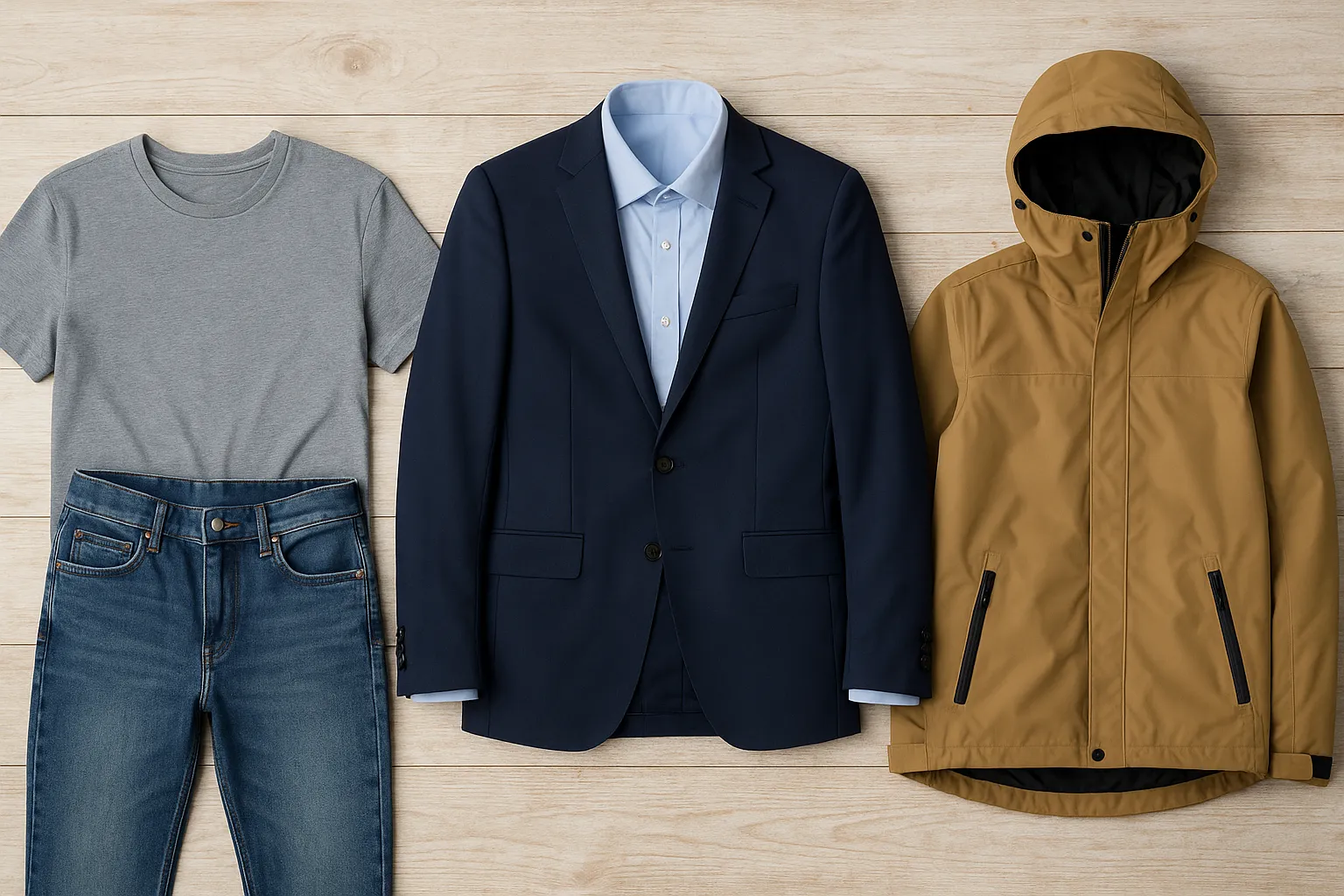
The three main types of clothing are casual, formal, and functional. Knowing these types helps you plan your product mix and speak your customer’s language.
When I first started in fashion manufacturing, I didn’t think these categories mattered much. But over time, I realized buyers organize their entire stock based on this. Understanding the structure behind clothing types has helped me support my clients better—especially buyers like Maria, who need the right mix for their brand strategy. Let me break it down.
What is Casual Clothing and Why Does It Sell So Well?
People don’t dress up every day. That’s where casual clothing dominates—it’s comfortable, relaxed, and always in demand.
Casual clothing includes jeans, T-shirts, hoodies, and athleisure. It sells well because people wear these items the most.
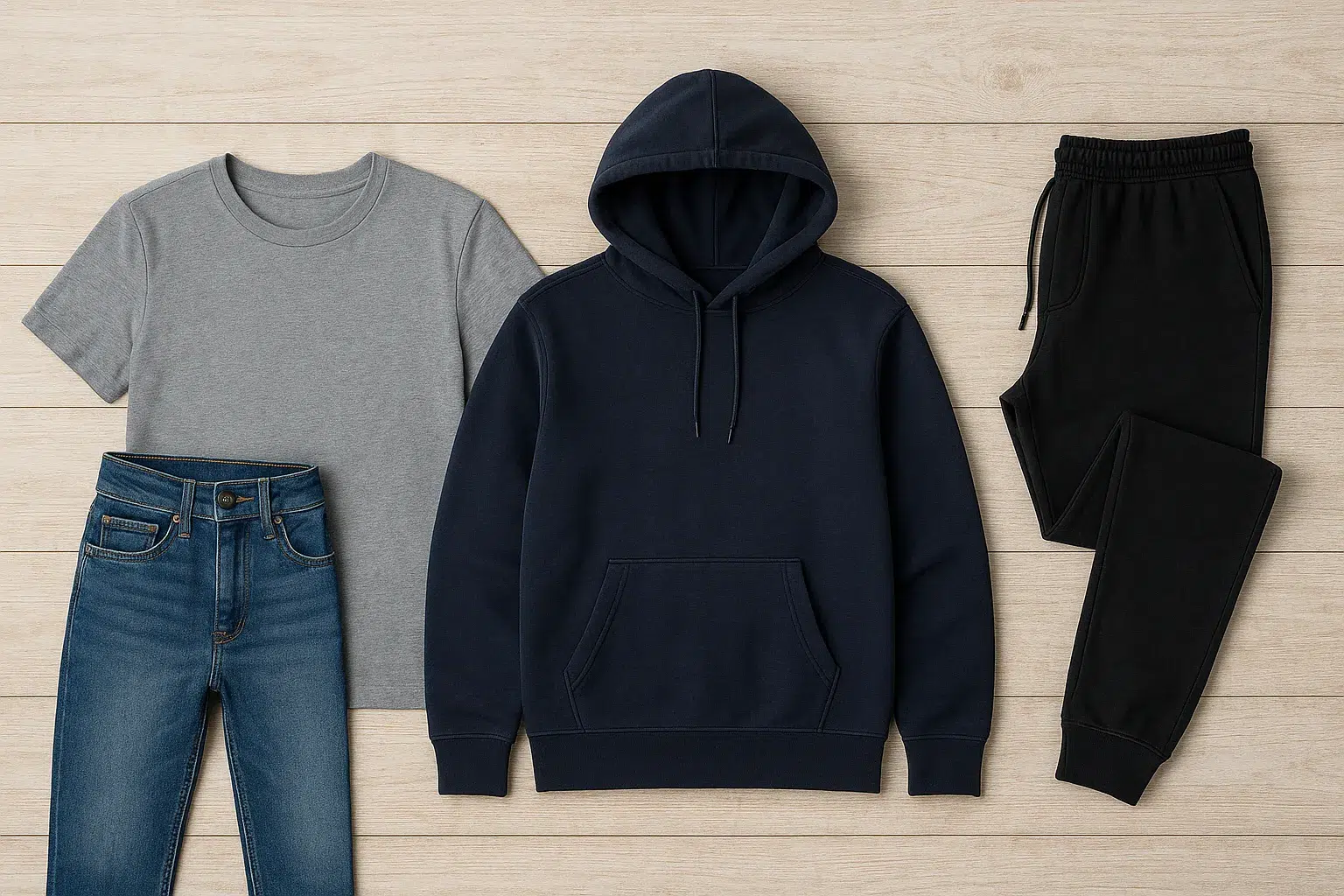
I’ve worked with many clients who focus on private label casualwear. They choose suppliers like us because we offer flexibility with low MOQs and fast turnaround times. For them, it’s about getting popular pieces on shelves quickly—think jogger pants, ribbed tanks, or cropped sweatshirts.
Let’s break casualwear down:
| Item Type | Fabric Used | Season | Sales Strategy |
|---|---|---|---|
| T-shirts | Cotton, jersey | Year-round | Basic colors, repeated orders |
| Sweatshirts | Fleece, terry | Fall/Winter | Style + comfort combo |
| Yoga sets | Spandex blends | All seasons | Social media driven |
| Jeans | Denim | Year-round | Fit and wash are key |
Maria once told me that casualwear is the backbone of her sales. It’s easy to predict, has wide appeal, and rarely goes out of style. But the key is staying on-trend—offering something just a bit different from last season.
What is Formal Clothing and Why Is It Still Relevant?
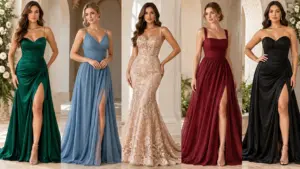
Even in today’s laid-back fashion world, people still need to dress up—for work, weddings, or ceremonies.
Formal clothing includes suits, blazers, dresses, and tailored shirts. It focuses on structure, fabric, and presentation.
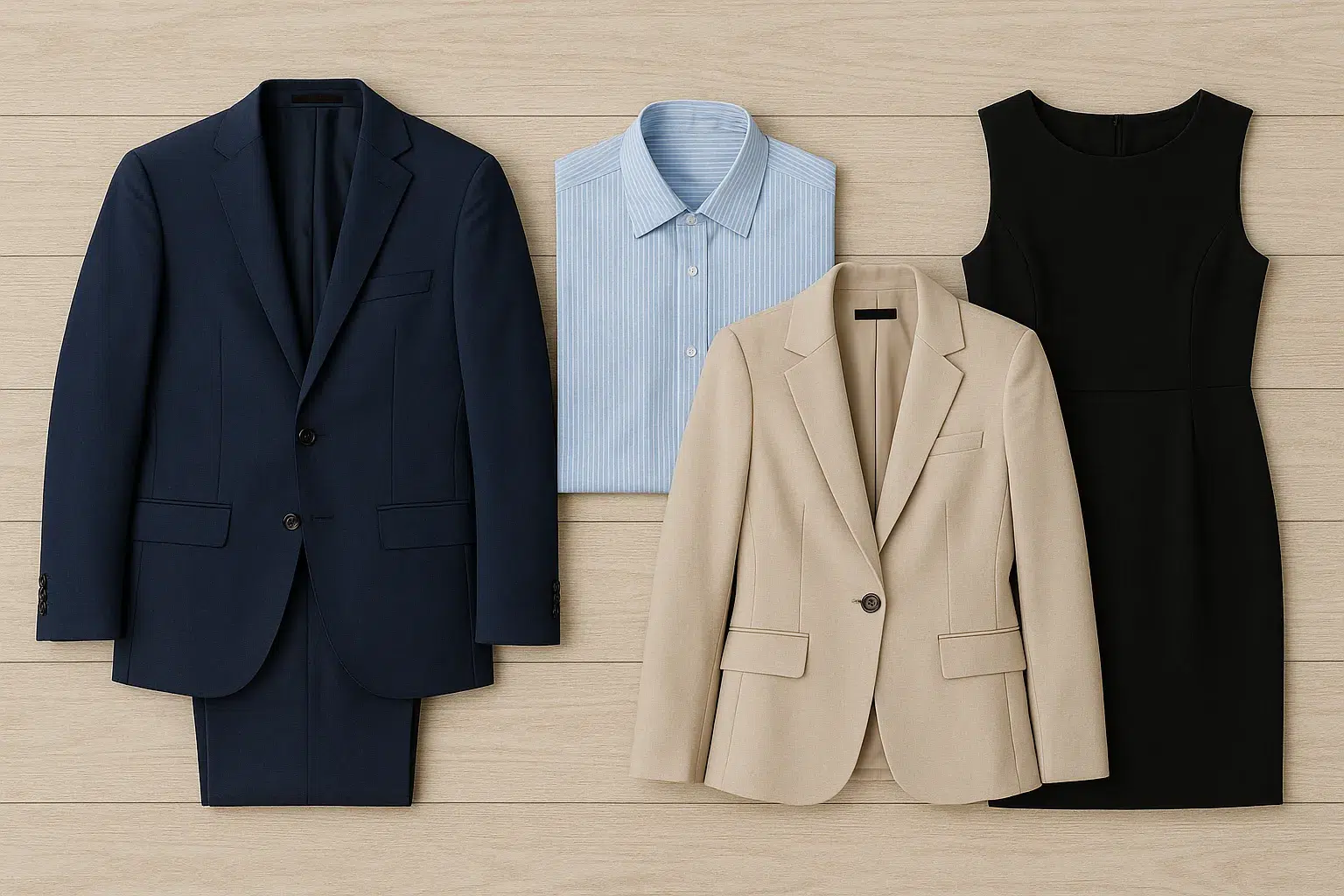
I remember working with a European brand that needed high-end suits for their boutique. Their pain point was finding a factory that could guarantee quality stitching and provide fabric certification. They came to us after several failed attempts elsewhere. Now we produce their full range of formal jackets with complete QC support.
Key parts of formalwear sourcing:
| Garment Type | Fabric Choices | Key Markets | Pain Points |
|---|---|---|---|
| Suits | Wool blends, tweed | UK, EU | Lining and fit precision |
| Blazers | Cotton, poly-viscose | Office retailers | MOQ flexibility |
| Dresses | Satin, crepe, chiffon | Events, parties | Color fastness, zipper QC |
| Shirts | Poplin, Oxford | Corporate wear | Wrinkle resistance |
For clients like Maria, formal clothing brings prestige. She often looks for standout pieces that elevate her brand image. Quality, not quantity, drives her purchase decisions here.
What Is Functional Clothing and Why Does It Matter More Than Ever?
Functional clothing is more than style—it’s designed to serve a purpose, often in work, outdoor, or active situations.

This is where quality really counts. I’ve seen orders canceled because zippers failed, or fabric pilled too fast. That’s why when we take functionalwear orders, we involve our QC team from day one. Especially when working with buyers who resell to schools, companies, or outdoor brands.
Breakdown of functionalwear:
| Product Type | Function | Common Materials | Special Needs |
|---|---|---|---|
| Work uniforms | Identity & durability | Twill, polyester blends | Logo embroidery, color fastness |
| Sportswear | Performance & support | Spandex, mesh | Stretch test, quick dry, breathability |
| Outdoor jackets | Weather protection | Waterproof nylon | Sealed seams, warmth, hood design |
| Safety clothing | Visibility & safety | Reflective polyester | Certifications, reflective tapes |
Maria once sourced reflective jackets for a local logistics brand in Moscow. She said getting proper test reports was the biggest headache. That’s why we provide full documentation and clear timelines up front.
Conclusion
Understanding casual, formal, and functional clothing helps you source smarter and meet real market needs.
Views: 348