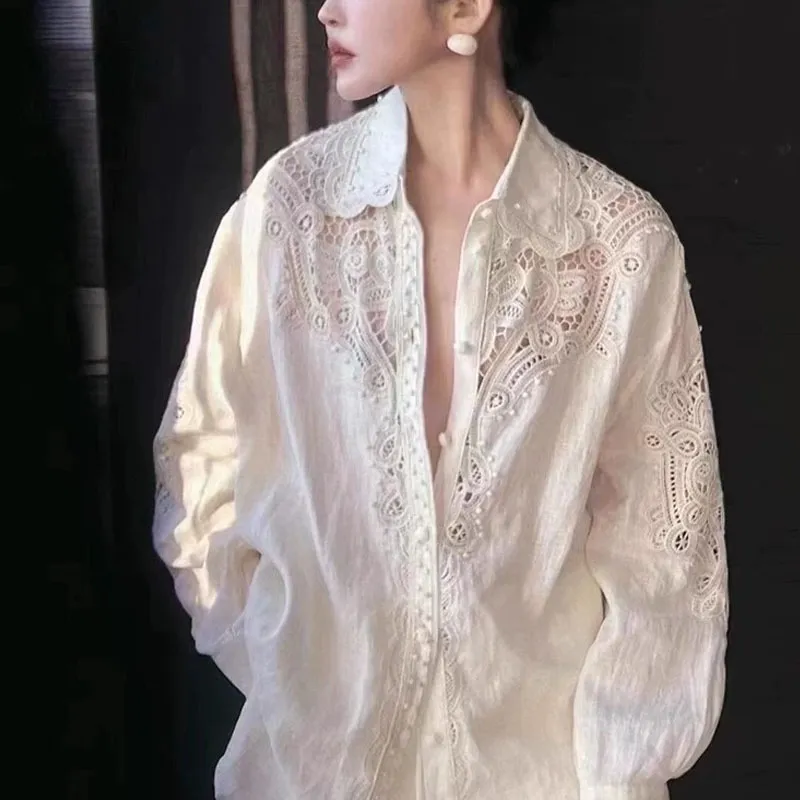
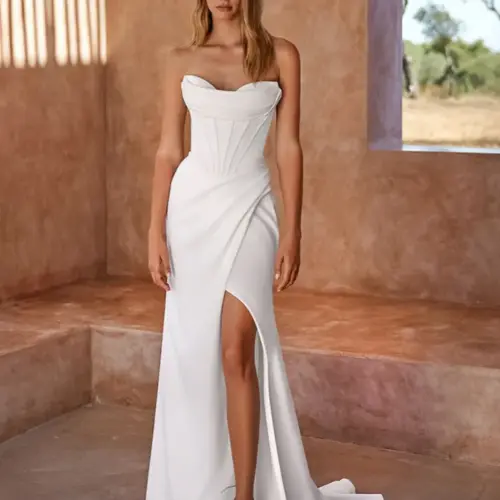
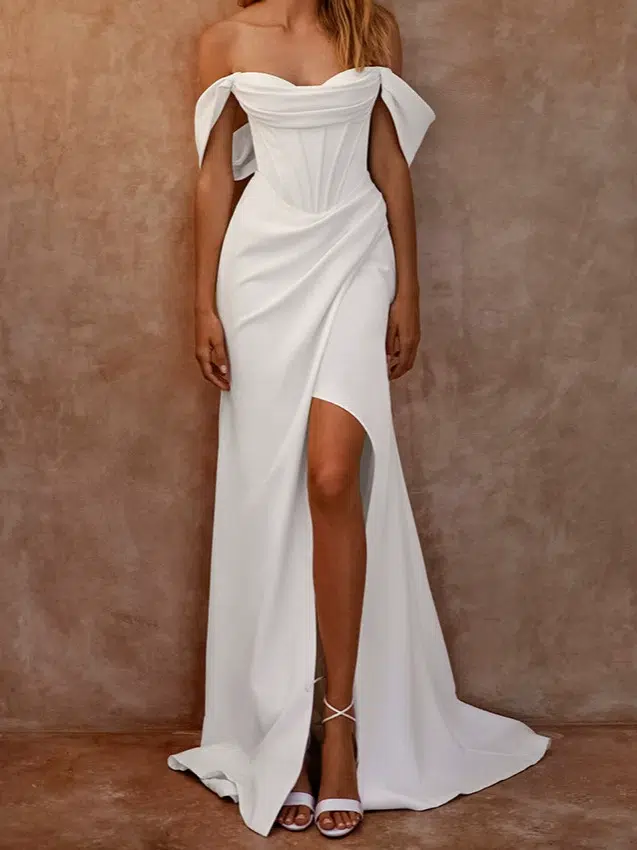
Velvet is a luxurious fabric known for its soft texture and elegant appearance. But what exactly is velvet? Why is it so popular in fashion and home decor? Let’s dive into the world of velvet, exploring its definition, types, characteristics, and how it stands out from other fabrics.
Velvet is a soft and plush fabric with a dense, short pile that gives it a smooth and shiny surface. Traditionally made from silk, modern velvet is often woven from cotton, polyester, or synthetic blends, making it more accessible and versatile.
The history of velvet dates back centuries, originating in the Middle East and later becoming a symbol of wealth and royalty in Europe. Today, it remains a staple in the fashion and textile industries.
What Is Velvet Fabric Made Of?
Velvet is produced using a special weaving process that creates a thick pile on the surface. But what are the main materials used to make velvet today?
Velvet fabric is traditionally made from silk, but modern versions also use cotton, polyester, rayon, or a blend of these fibers. The material choice affects the fabric’s texture, durability, and cost.
Production Process of Velvet
The process of making velvet is unique and requires specialized weaving techniques to achieve its signature soft pile. The complexity of its production contributes to its luxurious appeal.
- Fiber Selection
Velvet can be made from various fibers, including silk, cotton, polyester, and rayon. The choice of material determines the texture, sheen, and cost of the final fabric. - Weaving Process
Velvet is woven using a special double-cloth technique, where two layers of fabric are woven together and then cut apart. This creates the dense pile characteristic of velvet. - Pile Cutting
After weaving, the fabric is cut apart by sharp blades to create a uniform pile. The length of the pile affects the softness and appearance of the velvet. - Dyeing & Finishing
Velvet undergoes a dyeing process to achieve its rich, deep colors. Special finishes, such as embossing or crushing, may also be applied to create unique textures and patterns. - Brushing & Final Touches
To enhance the softness and luster of the fabric, velvet is brushed, steamed, or treated to remove any imperfections. This step ensures the fabric maintains its luxurious texture and elegant sheen.
Velvet’s intricate production process is what makes it one of the most elegant and sought-after fabrics in both fashion and interior design.
Types of Velvet Materials
The type of fiber used determines the feel and functionality of the velvet fabric. Here are some of the most common velvet materials:

- Silk Velvet – The most luxurious and expensive type, silk velvet is soft, glossy, and delicate.
- Cotton Velvet – Less shiny but highly durable, making it suitable for casual clothing and upholstery.
- Polyester Velvet – Affordable and easy to maintain, this synthetic alternative mimics the softness of silk.
- Rayon Velvet – Often blended with silk or polyester, rayon velvet is lightweight and drapes beautifully.
- Stretch Velvet – Made with spandex or elastane, stretch velvet is ideal for form-fitting garments.
What Are the Unique Characteristics of Velvet?
Velvet’s appeal lies in its distinct properties, which make it stand out from other fabrics.
Velvet is known for its rich texture, depth of color, and luxurious sheen. It is soft to the touch, has a dense pile, and can reflect light differently depending on the angle.
Key Features of Velvet
| Feature | Description |
|---|---|
| Softness | Velvet has a plush, smooth surface. |
| Sheen | The fabric’s pile reflects light, creating depth. |
| Thickness | Velvet is generally thicker than other fabrics. |
| Drape | It drapes elegantly, making it perfect for dresses. |
How Does Velvet Compare to Other Fabrics?
Velvet is often compared to similar luxury fabrics, but how does it differ?
Unlike satin, which has a glossy surface but no pile, velvet has a plush feel. Compared to corduroy, velvet has a finer pile and a more refined look. Unlike velour, which is knitted and stretchable, velvet is woven and holds its shape better.
Differences Between Velvet and Other Fabrics
| Fabric | Texture & Appearance | Durability | Common Uses |
|---|---|---|---|
| Satin | Smooth, glossy | Moderate | Dresses, linings |
| Velour | Stretchy, soft | High | Tracksuits, loungewear |
| Corduroy | Ribbed texture | Very High | Jackets, pants |
| Velvet | Plush, luxurious | Moderate to High | Dresses, upholstery |
How Is Velvet Used in Fashion?
Velvet has been a fashion staple for centuries, often associated with elegance and sophistication.
Velvet is widely used in clothing, including dresses, jackets, skirts, suits, and accessories. It is popular for evening wear, winter fashion, and vintage-inspired outfits.
Popular Velvet Fashion Items
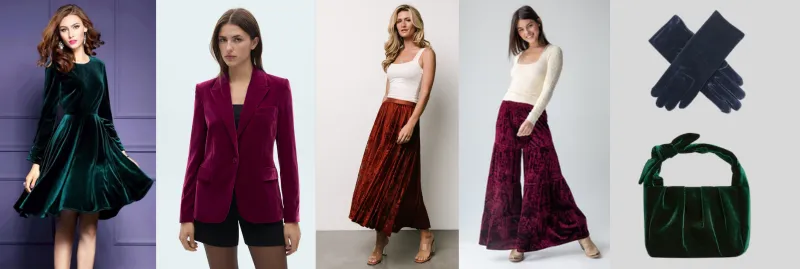
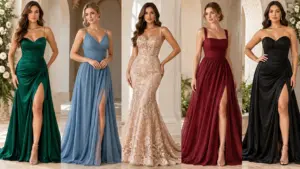
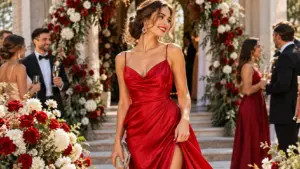
- Velvet Dresses – From mini dresses to long gowns, velvet dresses exude luxury.
- Velvet Jackets and Blazers – Perfect for formal and semi-formal occasions.
- Velvet Skirts and Pants – A stylish alternative to standard fabrics.
- Velvet Accessories – Bags, headbands, and gloves add a touch of elegance.
What Are the Pros and Cons of Velvet?
Like any fabric, velvet has its advantages and disadvantages.
Pros of Velvet
- Luxurious Appearance – Velvet instantly elevates any outfit or decor.
- Soft and Comfortable – The plush texture makes it pleasant to wear.
- Versatile – Suitable for clothing, accessories, and home decor.
Cons of Velvet
- High Maintenance – Velvet requires special care to maintain its texture.
- Prone to Crushing – Pressure can flatten the pile, altering its appearance.
- Difficult to Clean – Many types of velvet are dry-clean only.
How Do You Care for Velvet?
Velvet requires special attention to keep it looking pristine.
To care for velvet, avoid excessive pressure, store it properly, and clean it with gentle methods like steaming. For stubborn stains, professional dry cleaning is recommended.
Tips for Maintaining Velvet
- Avoid Folding – Store velvet garments on hangers to prevent creases.
- Use a Steamer – A gentle steam can revive crushed velvet.
- Brush Lightly – A soft brush can help maintain the pile.
Where Else Is Velvet Used?
Beyond fashion, velvet is also a popular choice for interior decor.
Velvet is commonly used for furniture, curtains, and bedding, adding a touch of elegance to homes.
Velvet in Home Decor
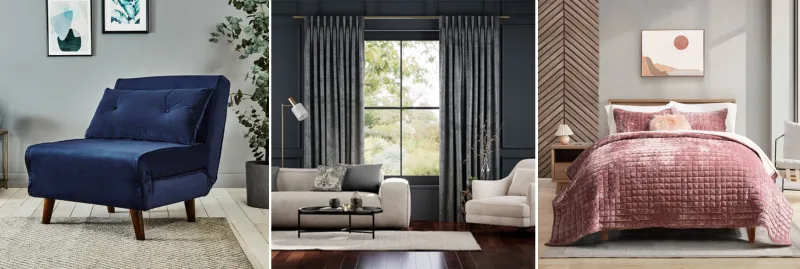
- Velvet Sofas and Chairs – Create a luxurious and cozy living space.
- Velvet Curtains – Add richness and warmth to a room.
- Velvet Bedding – Quilts, pillow covers, and duvet covers offer comfort and style.
Conclusion
Velvet is a timeless fabric that remains popular in fashion and home decor. Its rich texture, luxurious feel, and versatility make it a favorite among designers and consumers alike. While it requires careful maintenance, the beauty and sophistication of velvet make it well worth the effort.
Views: 481