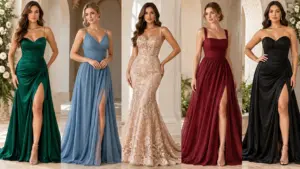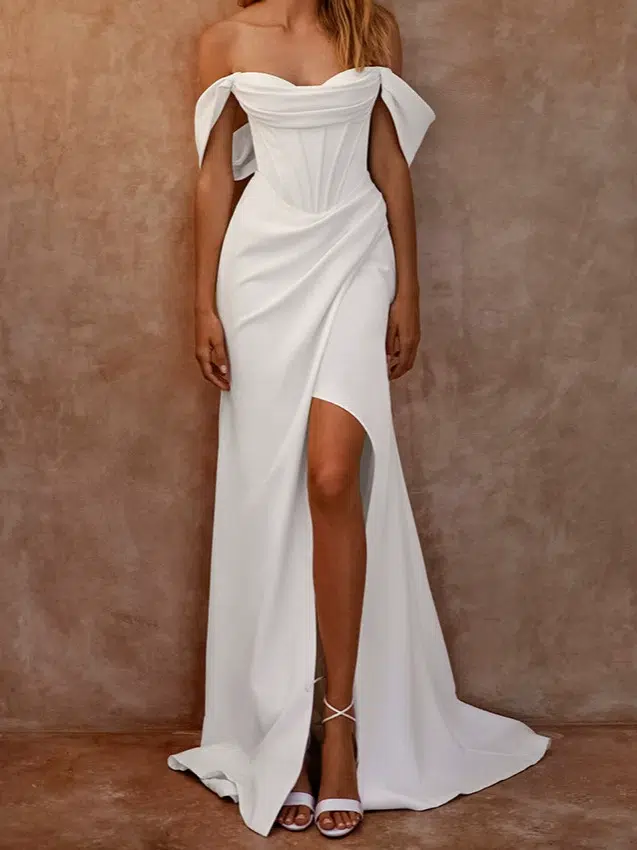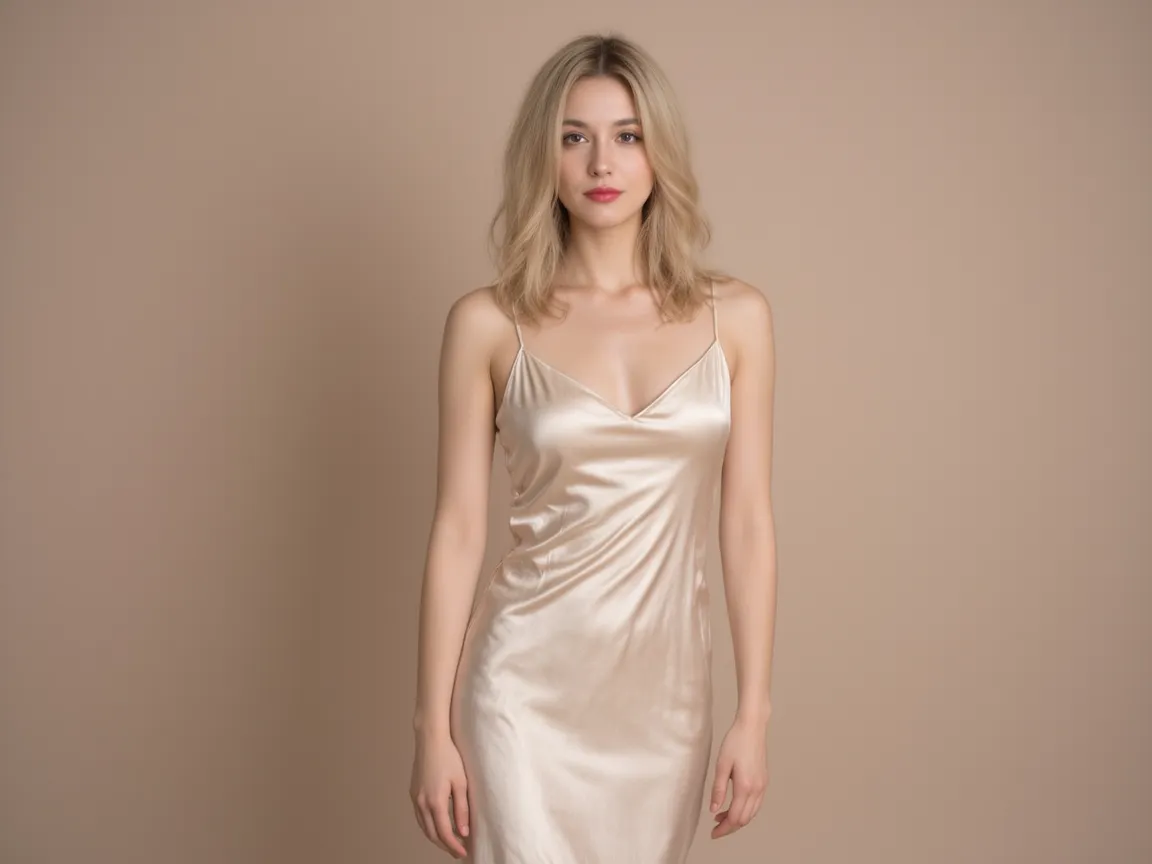


Silk has long been associated with luxury, elegance, and superior comfort. From ancient trade routes to modern fashion, it remains a sought-after fabric for clothing, accessories, and home textiles. But what exactly is silk, and why is it so valuable?

Silk is a natural protein fiber produced by silk moths, primarily the Bombyx mori species. It is renowned for its smooth texture, lightweight feel, and lustrous sheen, making it a prized material for high-end fashion and bedding.

Understanding silk requires an exploration of its origins, types, characteristics, and uses in the fashion industry. Let’s dive into the fascinating world of silk and how it shapes the garments we wear.
Introduction: The Fabric of Kings, The Future of Luxury
For centuries, silk has been the ultimate luxury fabric. It has clothed emperors, funded wars, and built empires. Today, it remains one of the most sought-after materials in fashion, textiles, and home décor. If you’re a business sourcing premium fabrics, understanding silk is not optional—it’s essential.
This guide will show you why silk is a superior choice, how it’s made, and what makes it so valuable. More importantly, it will help you make smart decisions when sourcing silk for your brand. Because when you choose silk, you’re not just buying fabric—you’re buying prestige, performance, and profit.
The Silk Production Process: Why It’s Worth the Price
Silk is not manufactured. It is cultivated. Every strand comes from silkworms that feed exclusively on mulberry leaves. It takes 2,500 silkworms to produce a single pound of silk. The process is meticulous, time-consuming, and requires skilled craftsmanship.
What Is The Origin Of Silk?
Silk has a deep history, dating back thousands of years. It was first discovered in China, where it became an exclusive material for royalty before spreading worldwide.
Silk originates from the cocoon of the silkworm, which spins the fiber as part of its metamorphosis. The process of harvesting silk involves carefully unraveling these cocoons to produce continuous threads.
The Silk Road And Its Impact

The Silk Road was the ancient trade network that connected China with Europe and the Middle East. This route played a significant role in spreading silk and other luxury goods across different civilizations.

<iframe width=”560″ height=”315″ src=”https://www.youtube.com/embed/J-pfeFbssMw” frameborder=”0″ allow=”accelerometer; autoplay; clipboard-write; encrypted-media; gyroscope; picture-in-picture” allowfullscreen></iframe>
| Region | Silk Influence |
|---|---|
| China | Silk production began, and techniques were closely guarded secrets. |
| India | Developed its unique silk varieties like Kanchipuram silk and Muga silk. |
| Persia | Became a center for silk weaving and intricate patterns. |
| Europe | Adopted silk for royal attire and luxury fashion. |
Silk’s impact on trade, culture, and fashion remains undeniable, shaping economies and societies for centuries.
What Are The Different Types Of Silk?
Silk comes in many varieties, each with distinct characteristics. Some are naturally derived, while others are blended with other fibers for durability and affordability.
Natural Silk Types

| Type | Origin | Characteristics |
|---|---|---|
| Mulberry Silk | Bombyx mori silkworm | Soft, fine, and widely used in luxury fashion. |
| Muga Silk | India (Assam) | Golden hue, durable, and exclusive. |
| Eri Silk | India | Wool-like texture, used for scarves and shawls. |
| Lotus Silk | Southeast Asia | Rare, sustainable, and highly expensive. |
Blended Silk Types

| Type | Blend | Features |
|---|---|---|
| Silk Blend Fabric | Cotton or synthetic fibers | Enhances durability while retaining silk’s softness. |
| Art Silk | Rayon or synthetic silk | Affordable alternative with a similar sheen. |
| Viscose Silk | Viscose and silk | Soft and drapey, used in dresses and scarves. |
What Are The Key Features And Drawbacks Of Silk?
Silk is admired for its luxurious properties, but it also has some limitations. Understanding both can help in making better garment choices.
Key Features
- Soft and Luxurious: Feels smooth against the skin, making it perfect for dresses, lingerie, and nightwear.
- Breathable and Temperature-Regulating: Keeps the body cool in summer and warm in winter.
- Hypoallergenic: Resistant to dust mites and mold, making it ideal for sensitive skin.
- Natural Sheen: Reflects light beautifully, giving it an elegant appearance.
Drawbacks
- Delicate and Requires Special Care: Can be easily damaged if not handled properly.
- Expensive: Premium quality silk is costly due to its intricate production process.
- Prone to Wrinkling: Unlike synthetic fabrics, silk can crease easily.
- Susceptible to Stains: Water and oils can leave permanent marks on silk fabrics.
How Does Silk Compare To Other Fabrics?
Silk often gets compared to satin, cotton, and synthetic materials. Here’s how it stacks up:
| Fabric | Texture | Durability | Price |
|---|---|---|---|
| Silk | Soft, smooth, and shiny | Delicate | Expensive |
| Satin | Slippery and shiny | More durable | Affordable |
| Cotton Silk | Slightly coarse but breathable | More durable than silk | Mid-range |
| Viscose Silk | Soft and flowy | Less durable | Mid-range |
Understanding these differences helps consumers choose the right fabric based on their needs.
How Is Silk Used In The Fashion Industry?
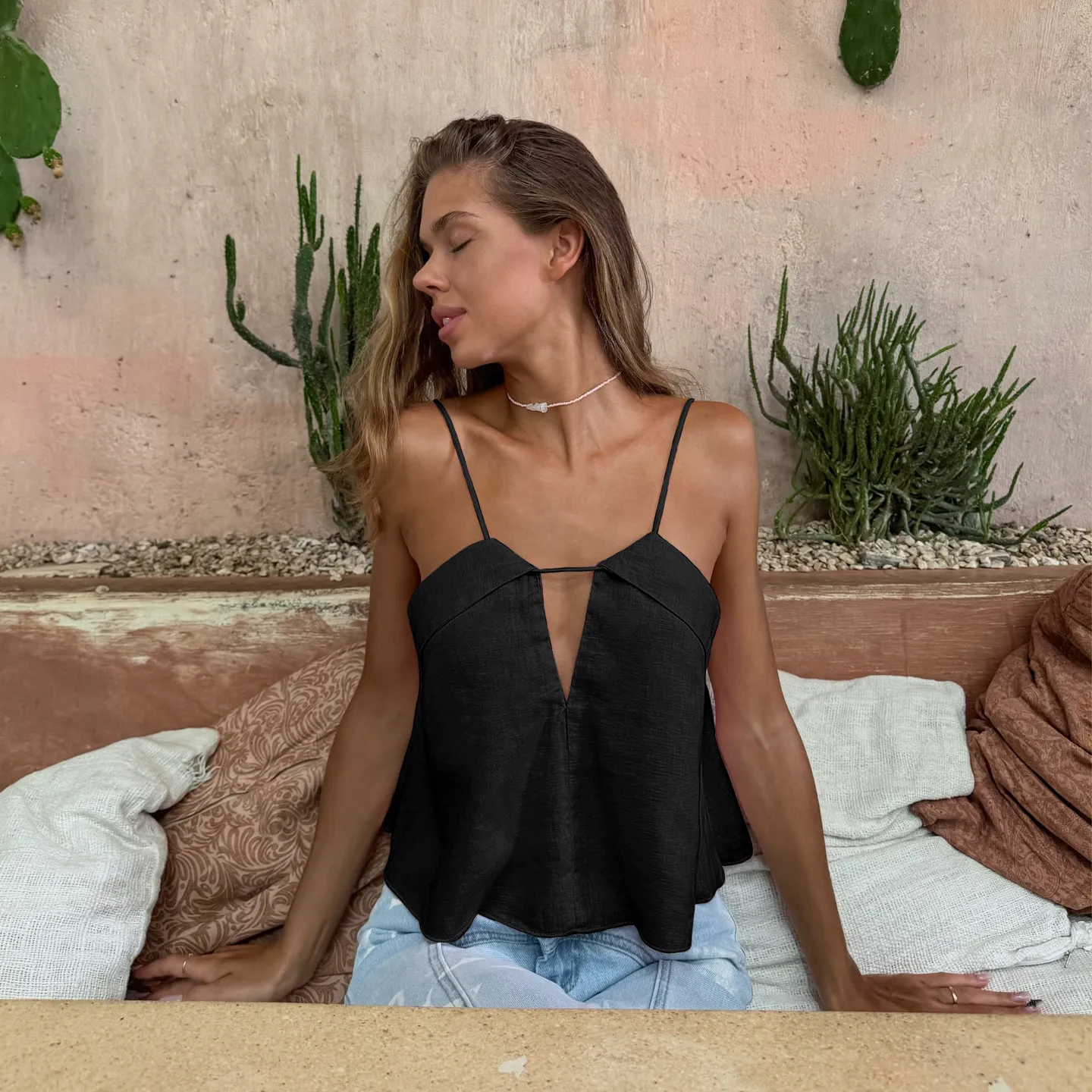
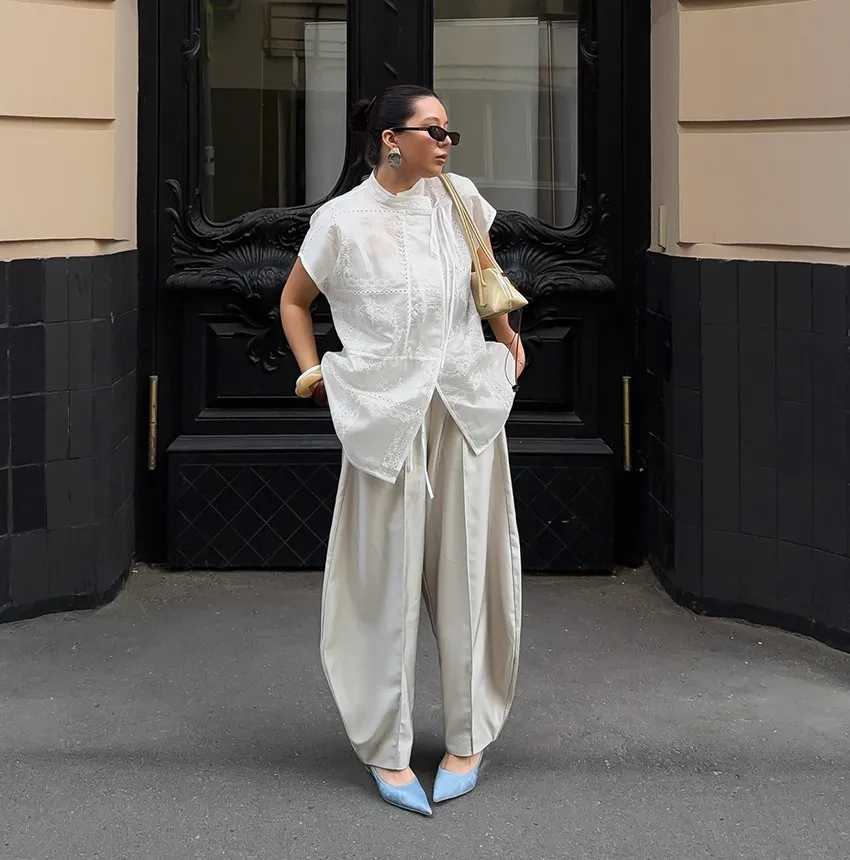
Silk is a staple in fashion due to its luxurious appeal and comfort. Here are some common silk clothing items:
Women’s Fashion

- Silk Dresses: Flowing and elegant, ideal for evening wear.
- Silk Scarves: A stylish accessory with a smooth finish.
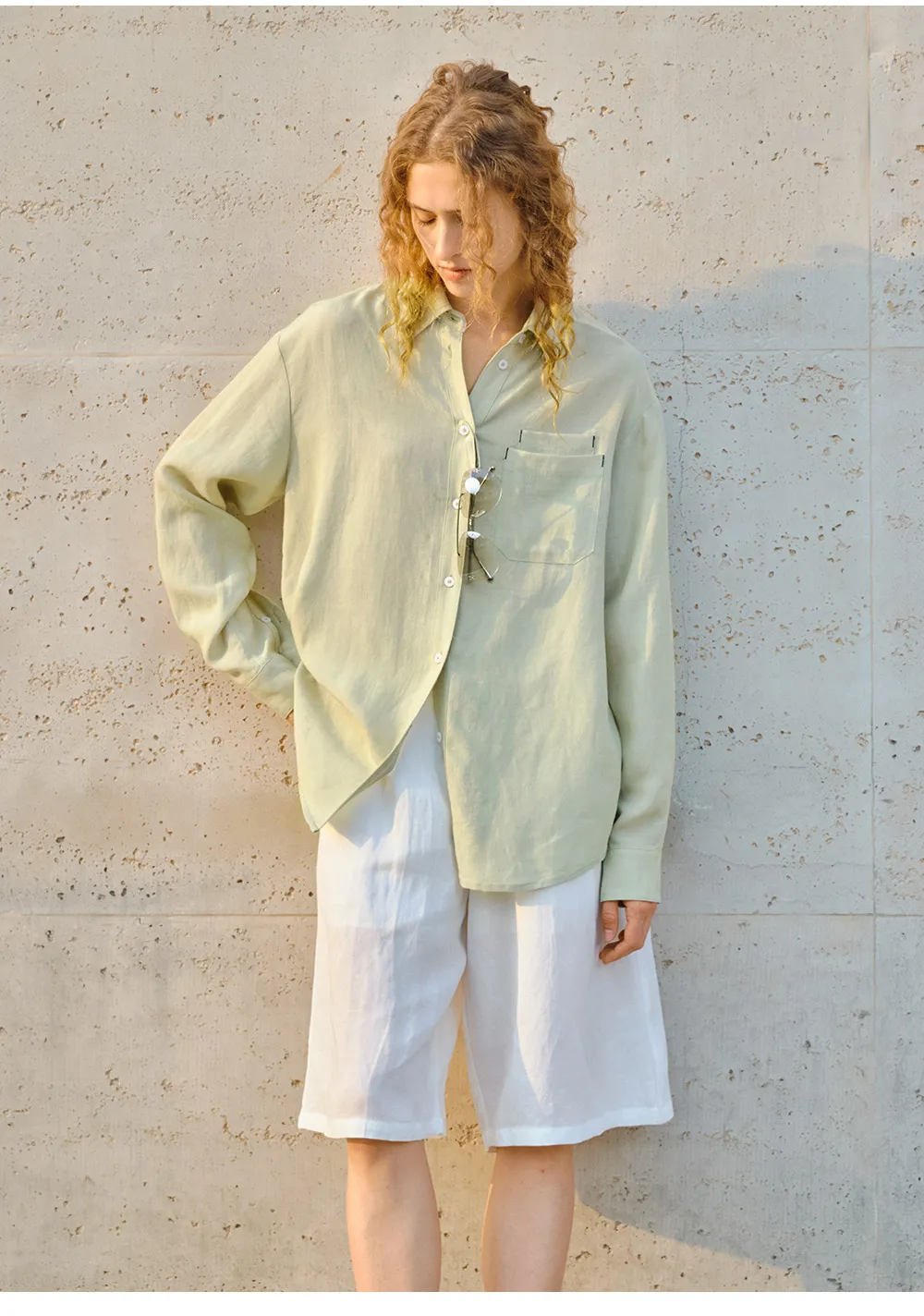
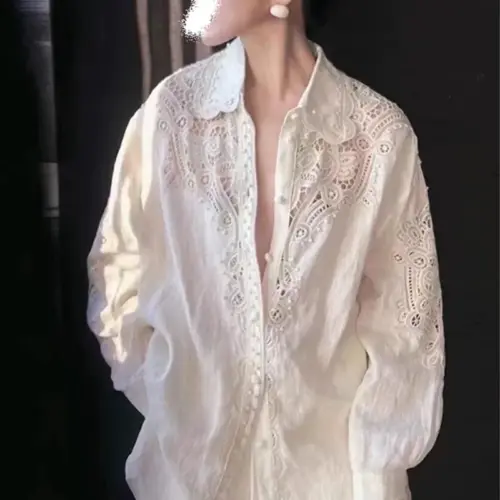
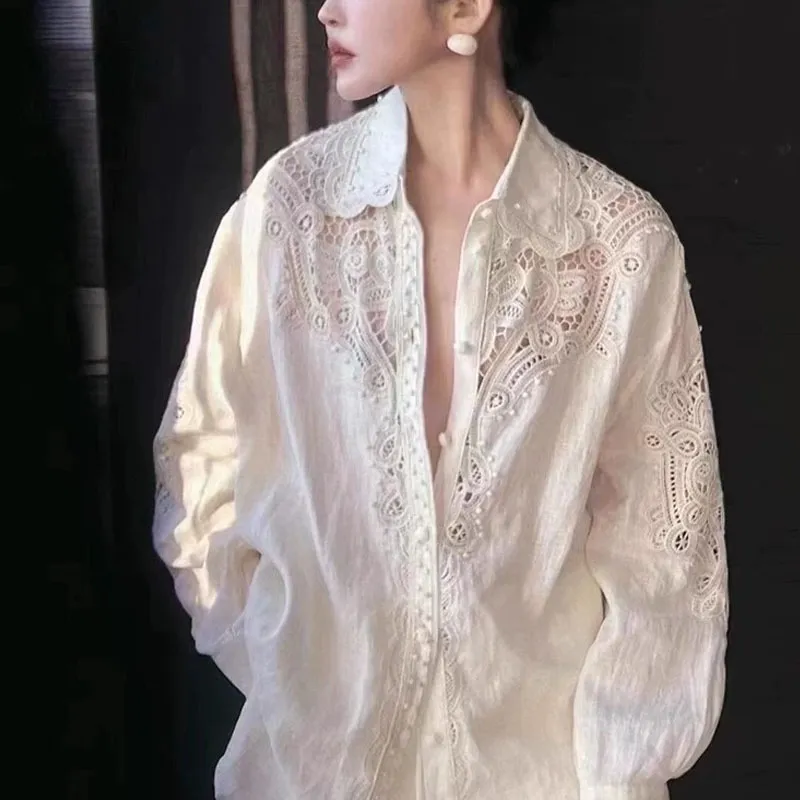
- Silk Blouses: Lightweight and breathable for professional attire.
Men’s Fashion

- Silk Shirts: Sophisticated and perfect for formal occasions.
- Silk Pajamas: Soft and comfortable for a luxurious sleep.
- Silk Kurta for Men: Traditional attire with a refined look.
Special Garments
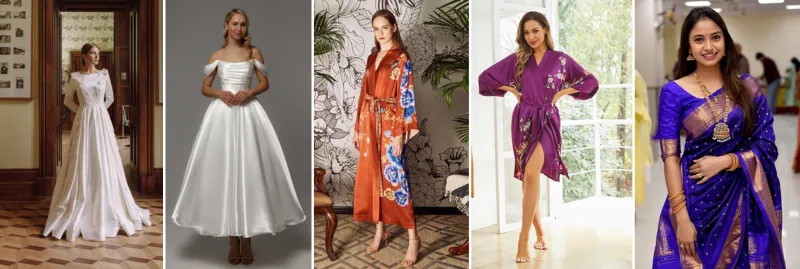
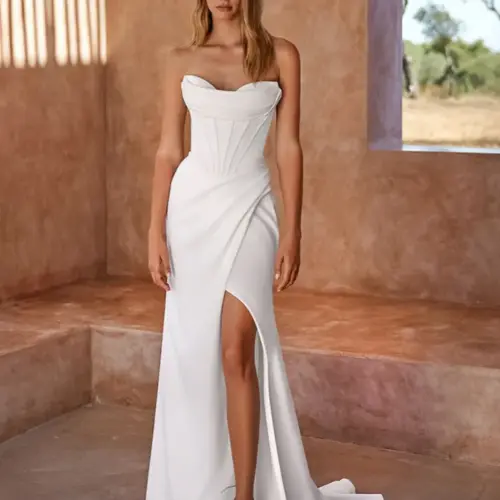
- Silk Wedding Dresses: Elegant with a natural drape.
- Silk Kimonos: Traditional Japanese attire known for its beauty.
- Silk Sarees: Indian ethnic wear with rich embroidery and shine.
Here’s how it works:
- Silkworm Cultivation: Silkworms are raised in a controlled environment and fed only mulberry leaves to ensure high-quality silk fibers.
- Cocoon Harvesting: When ready, the silkworms spin their cocoons using a continuous filament that can reach 1,500 meters in length.
- Thread Extraction: The cocoons are softened in warm water, and the silk threads are carefully unwound.
- Weaving and Dyeing: The raw silk is spun into threads, woven into fabric, and dyed in deep, rich colors that synthetics simply cannot replicate.
This is why silk is expensive—but also why it’s worth it. You’re not just paying for fabric. You’re paying for craftsmanship, exclusivity, and a legacy of luxury.
Why Silk is the Best Fabric for Business
1. It Sells Itself
Luxury consumers recognize silk instantly. It is soft, luminous, and effortlessly elegant. Whether you sell apparel, bedding, or accessories, silk products command premium prices—and customers are willing to pay.
2. It’s More Than a Fabric—It’s an Experience
Silk feels different. It glides over the skin, regulates body temperature, and wicks away moisture. Unlike cotton or synthetics, silk doesn’t cling, pill, or fade. When a customer touches silk, they don’t need a sales pitch—they’re sold.
3. It’s Durable (When Treated Right)
Silk is stronger than it looks. When properly cared for, silk garments and textiles last for decades. It doesn’t trap bacteria like synthetic fabrics, and it doesn’t degrade like cotton. A high-quality silk item can last 50 years or more.
4. It Elevates Your Brand
What do Louis Vuitton, Hermès, and Versace have in common? They all use silk. This fabric isn’t just about aesthetics—it’s about brand positioning. Selling silk means selling prestige, exclusivity, and timeless elegance.
How to Identify High-Quality Silk (And Avoid Cheap Imitations)
The market is flooded with fake silk. If you’re sourcing for your business, knowing how to distinguish genuine silk from knockoffs is critical.
1. The Touch Test
Real silk feels smooth, but not slippery. It should feel cool at first, then warm to the touch. Fake silk (usually polyester) often feels slick and artificial.
2. The Burn Test
Burn a small thread. Real silk smells like burning hair and turns to soft ash. Fake silk melts into a hard plastic bead and smells like chemicals.
3. The Light Test
Hold silk under light. Real silk has a natural, multi-tonal sheen. Synthetics look unnaturally glossy with a flat, single-color shine.
If a supplier can’t pass these tests, walk away.
How to Care for Silk and Extend Its Lifespan
Silk is an investment, and like all investments, it needs proper care. Here’s how to maintain silk products for longevity:
- Washing: Hand wash in cold water with a mild detergent. Avoid harsh chemicals.
- Drying: Lay flat or hang in the shade. Never tumble dry.
- Ironing: Use a low-heat setting with a press cloth.
- Storage: Store in a breathable cotton bag, away from direct sunlight and moisture.
Handled correctly, silk lasts for generations—making it a sustainable, long-term investment.
The Future of Silk: Why Demand is Rising
The global silk industry is expected to grow significantly in the next decade. Here’s why:
- Luxury Markets are Expanding: As disposable incomes rise in Asia, the Middle East, and North America, demand for high-end fabrics like silk is increasing.
- Sustainable Fashion is Growing: Unlike synthetic fabrics, silk is biodegradable and eco-friendly, making it a preferred choice for sustainable brands.
- New Innovations in Silk Production: Scientists are developing lab-grown silk and bioengineered silk fibers, which will open new possibilities in textiles, medical applications, and even aerospace technology.
Why You Should Source Silk Now
Silk is not a trend. It’s a timeless material that has been in demand for thousands of years. Businesses that invest in silk today position themselves in a high-value, high-margin market.
If you want to:
- Increase your brand’s perceived value
- Offer products that customers are willing to pay more for
- Source a fabric that will never go out of style
Then silk is the smartest choice.
We help businesses like yours find the highest-quality silk at competitive prices. Contact us today to learn how we can provide tailored silk solutions that set your brand apart from the competition.
Views: 504