Polo shirts are an essential in both casual and semi-formal wardrobes. Their comfort and versatility make them popular, particularly in the golf polo and sportswear market. Understanding the Polo shirt manufacturing process can help brands and wholesalers offer high-quality products. Whether you’re looking for wholesale suppliers, OEM/ODM Polo manufacturers, or factories offering low MOQ (Minimum Order Quantity), this guide will walk you through each production step to ensure you get the best results.
1. Designing the Polo Shirt: Unique Yet Classic
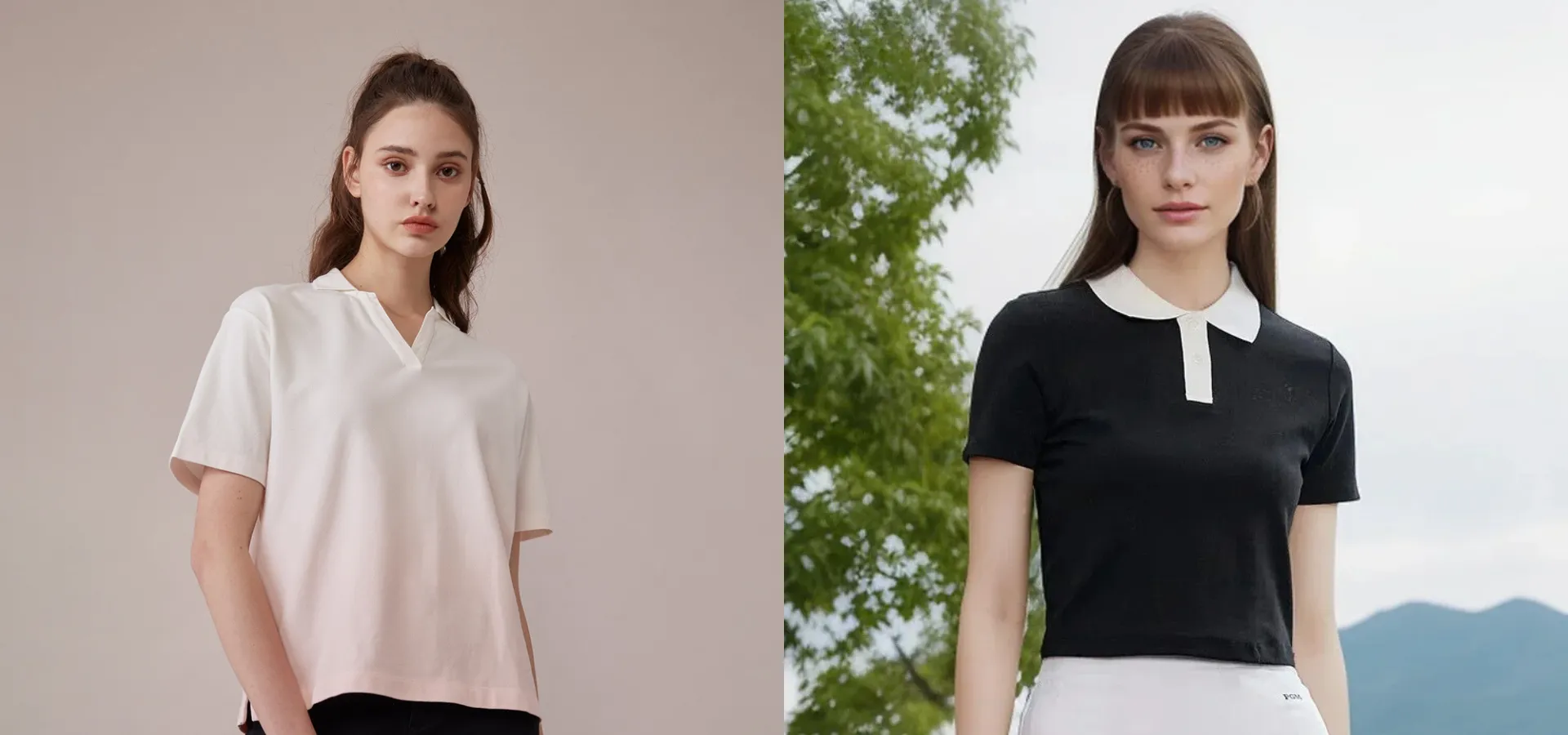
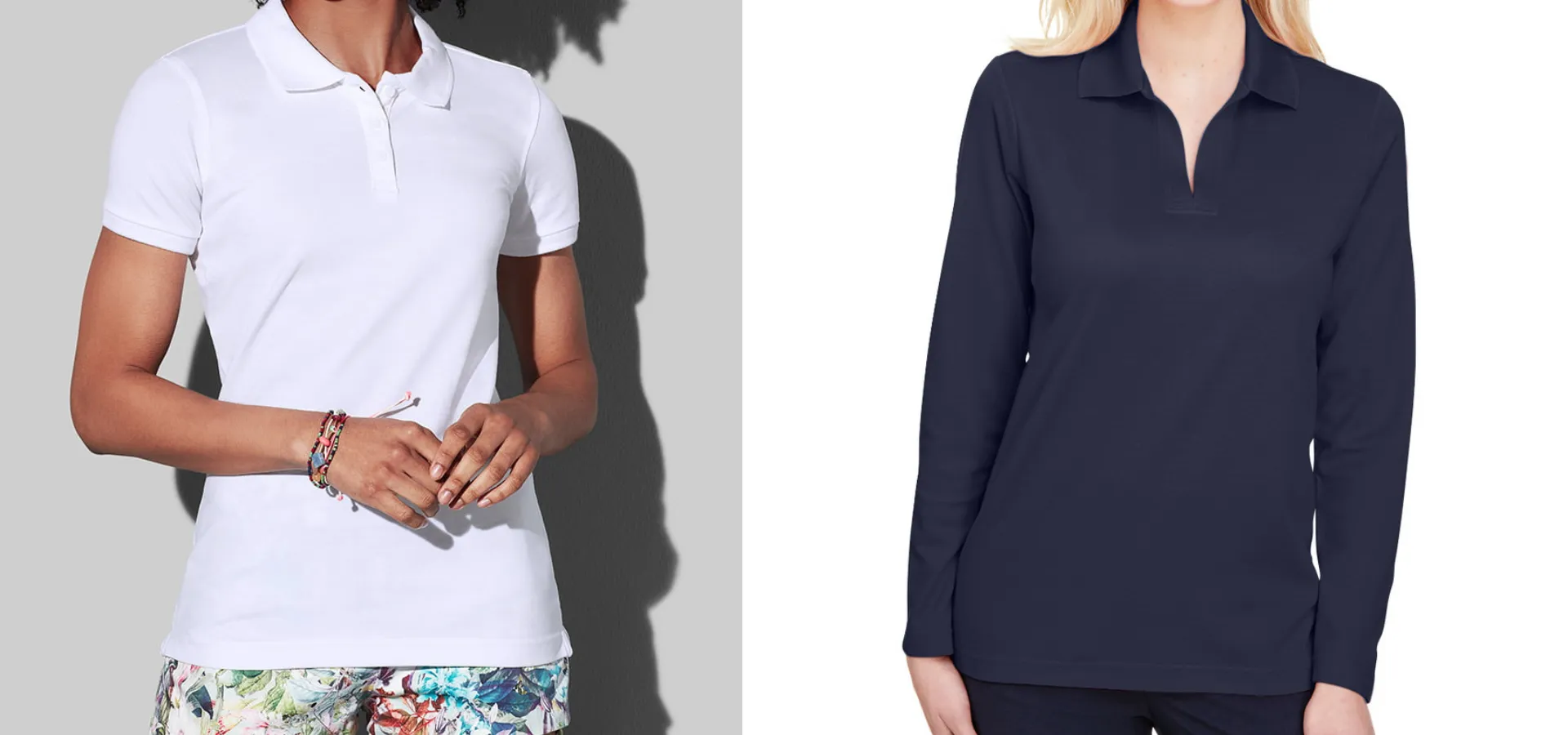
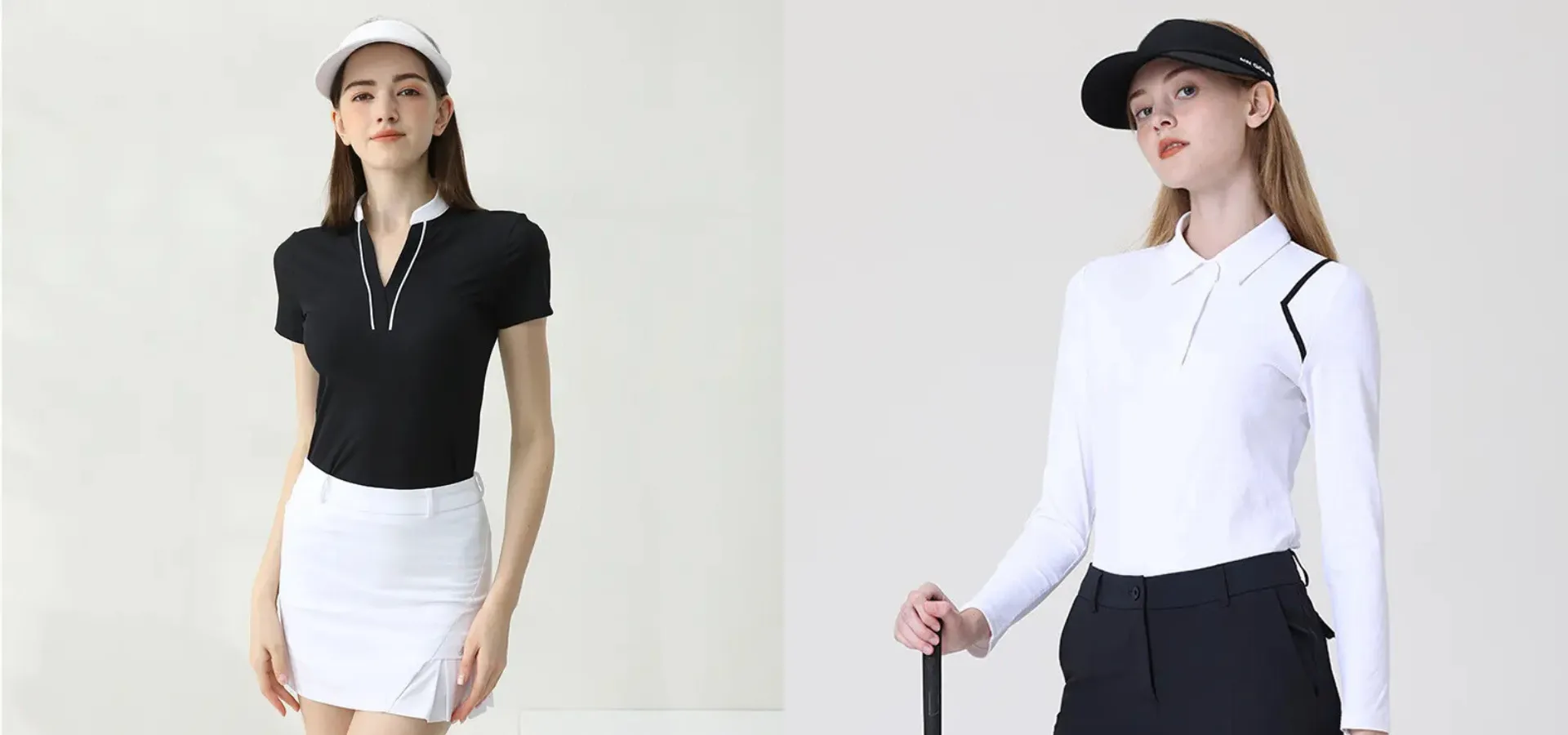
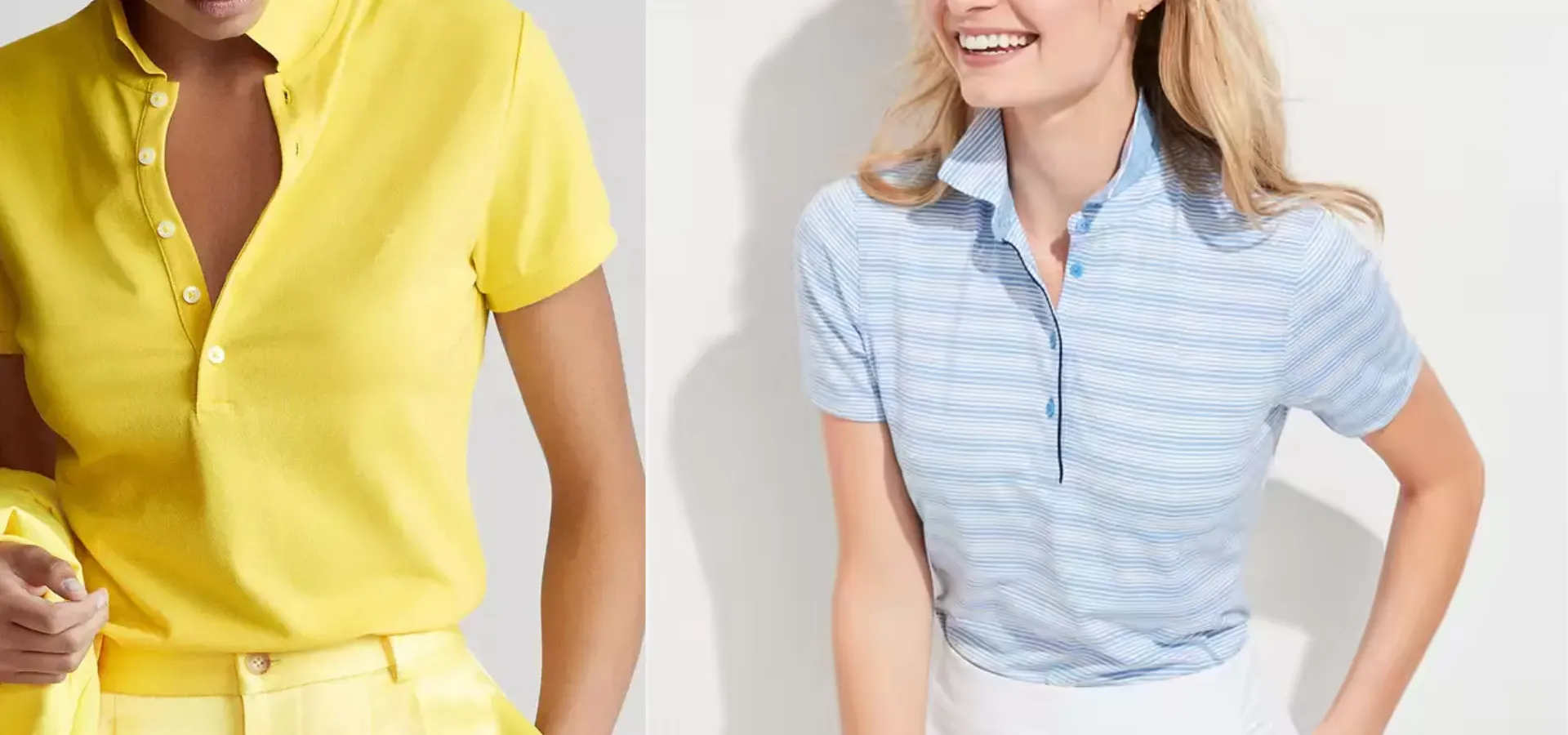
Designing a Polo shirt requires careful consideration of style, fit, and material. Whether for golf polo or casual wear, key design elements include:
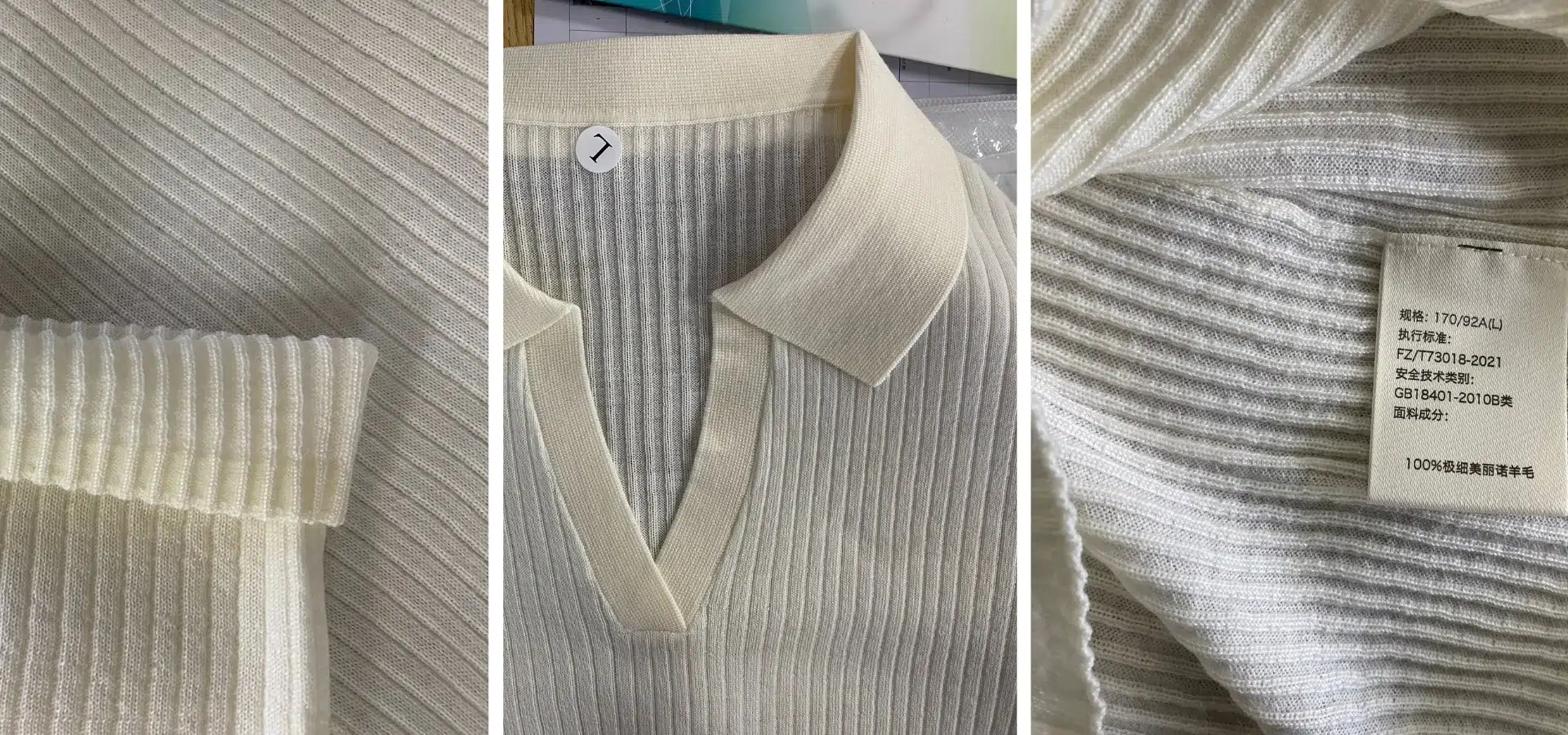
Collar style: Button-down or flat-knit.
polo collar styles
Fit: Options range from slim-fit to relaxed-fit.
Sleeve length: Short or long sleeves.
Your Polo shirt manufacturer can help refine these design aspects. By working with a skilled OEM factory, brands can customize every detail and get high-quality products.
Fabric choice defines the feel and durability of your Polo shirt. Options include:
Cotton: Soft and breathable, perfect for casual polos.
Polyester: Offers moisture-wicking properties, great for golf polos and sports.
Polyester polo
Blended fabrics: Combining cotton and polyester for both comfort and performance.
Selecting the right material is critical, especially if you want to meet market expectations for high-quality and long-lasting Polo shirts. Factories offering ODM services can guide you on fabric types, while low MOQ suppliers are ideal for testing new designs.
3. Pattern Making and Cutting: Precision is Key
Once the design is finalized, it’s time for pattern creation and fabric cutting. Many Polo shirt factories use CAD software to create precise patterns, ensuring every shirt is consistent. Fabric cutting follows, with machines carefully slicing each piece of fabric to avoid waste. This step is crucial for both large wholesale orders and smaller low MOQ batches to maintain uniformity in production.
4. Sewing and Assembly: Crafting the Perfect Polo
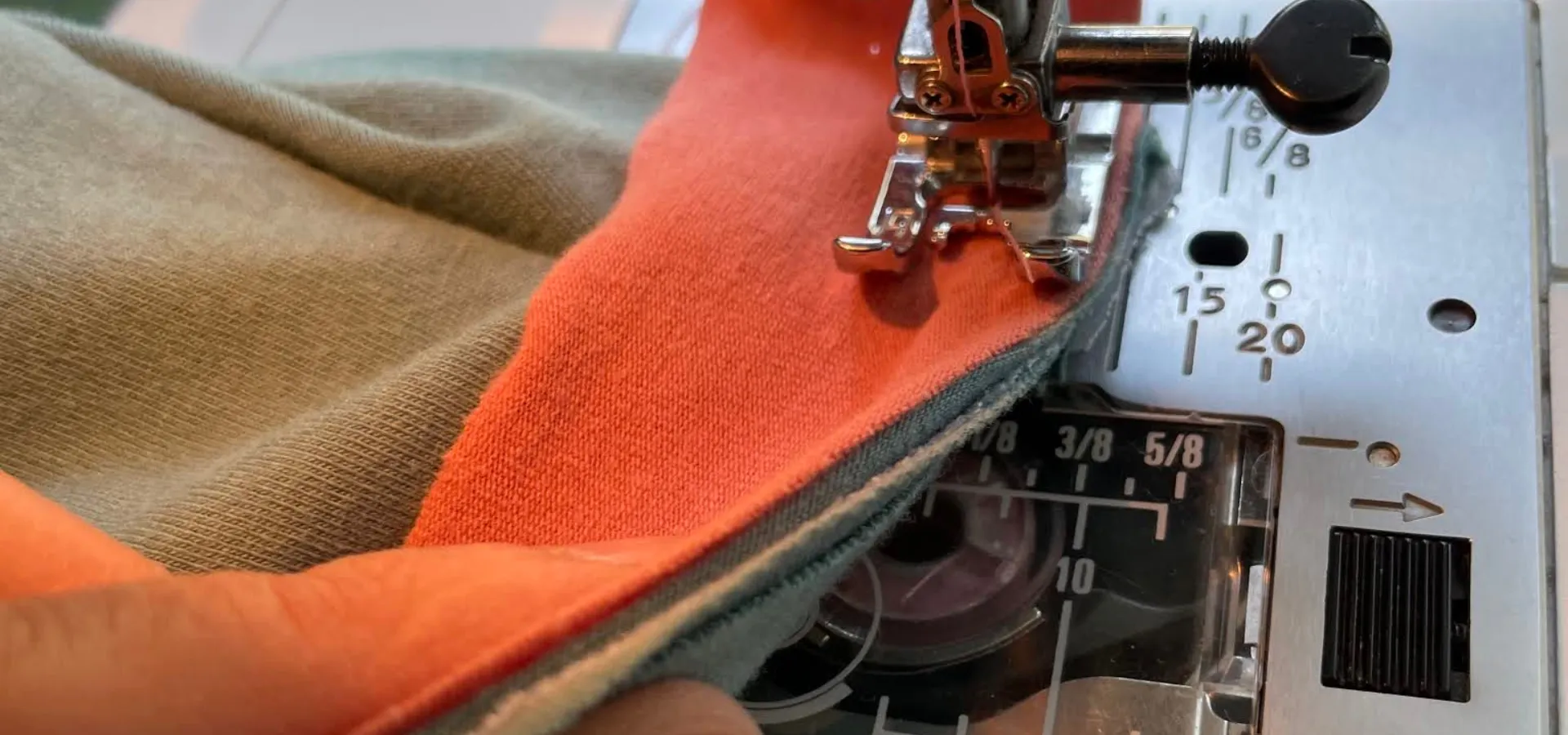
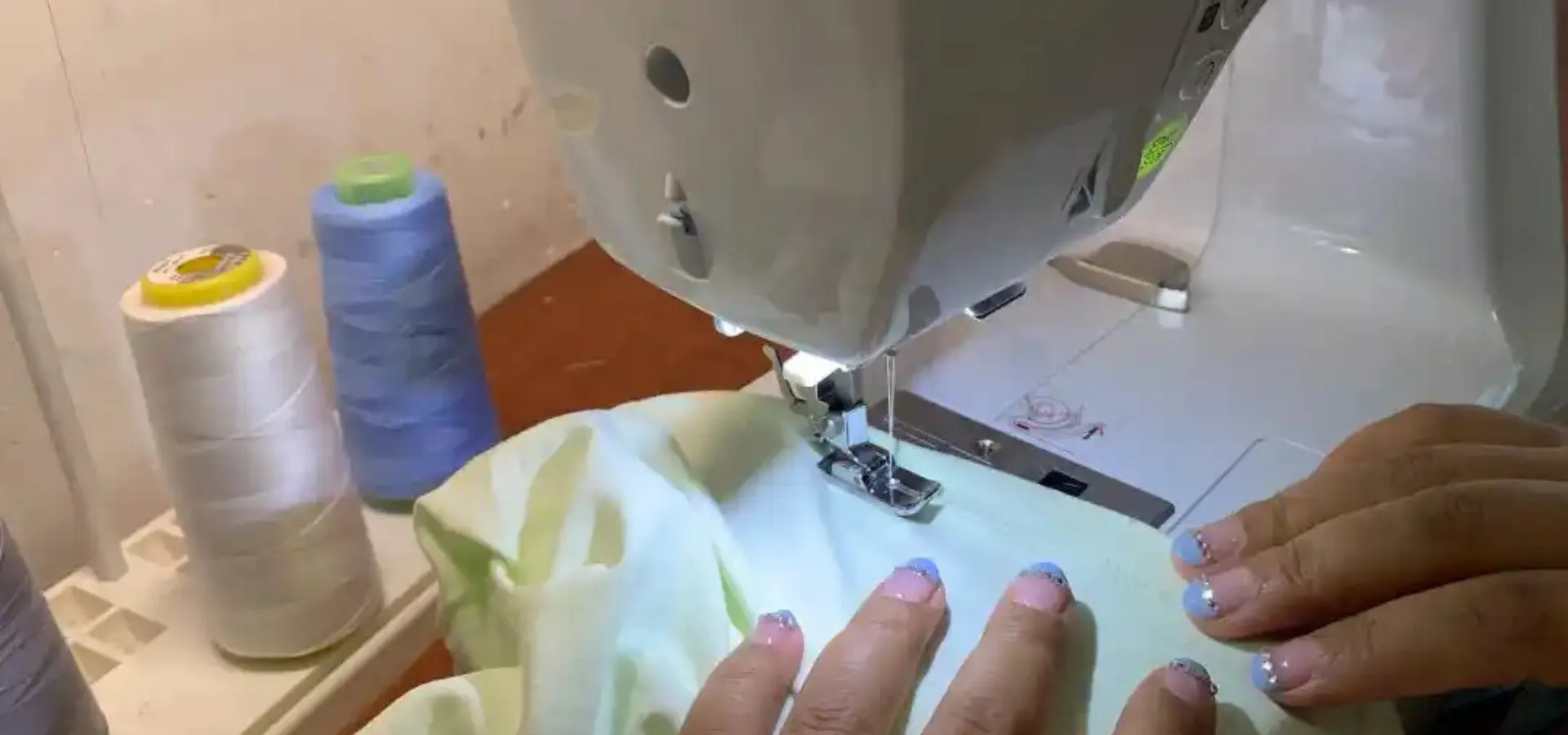
The sewing process is where your Polo shirts come together. Polo manufacturers use industrial machines to stitch the body, sleeves, and collars seamlessly. Key elements include:
Collar attachment: Strong stitching to withstand wear.
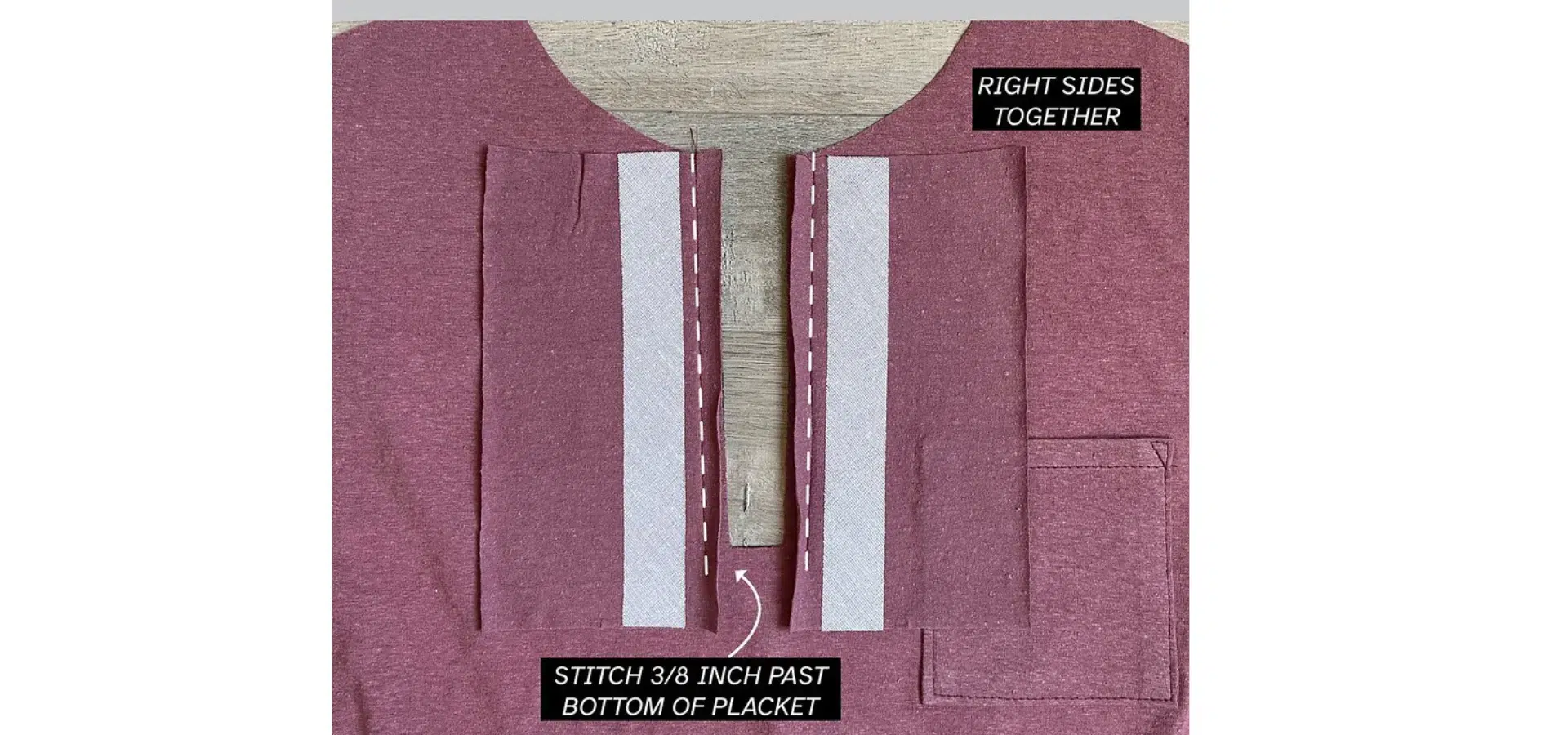
Button placket: A signature element of Polo shirts, often reinforced for durability.
Hemming: Ensures the shirt edges remain clean and resist fraying.
High-quality sewing ensures that Polo shirts not only look great but last longer, making them suitable for wholesale buyers and Polo OEM projects alike.
5. Logo Embroidery and Printing: Adding Brand Identity
For brands seeking customization, Polo shirt factories offer various branding options, such as:
Embroidery: A premium option, often used for golf polo shirts and corporate apparel.
Printing: Ideal for more complex designs, using techniques like screen printing or direct-to-garment (DTG) printing.
These branding options are key for ODM manufacturers to help brands stand out in the market, whether you’re producing for sportswear or retail.
6. Quality Control: Ensuring High Standards
Before any Polo shirts are shipped, factories conduct thorough quality control checks. Common inspections include:
Fit and measurement: Ensuring consistency across all sizes.
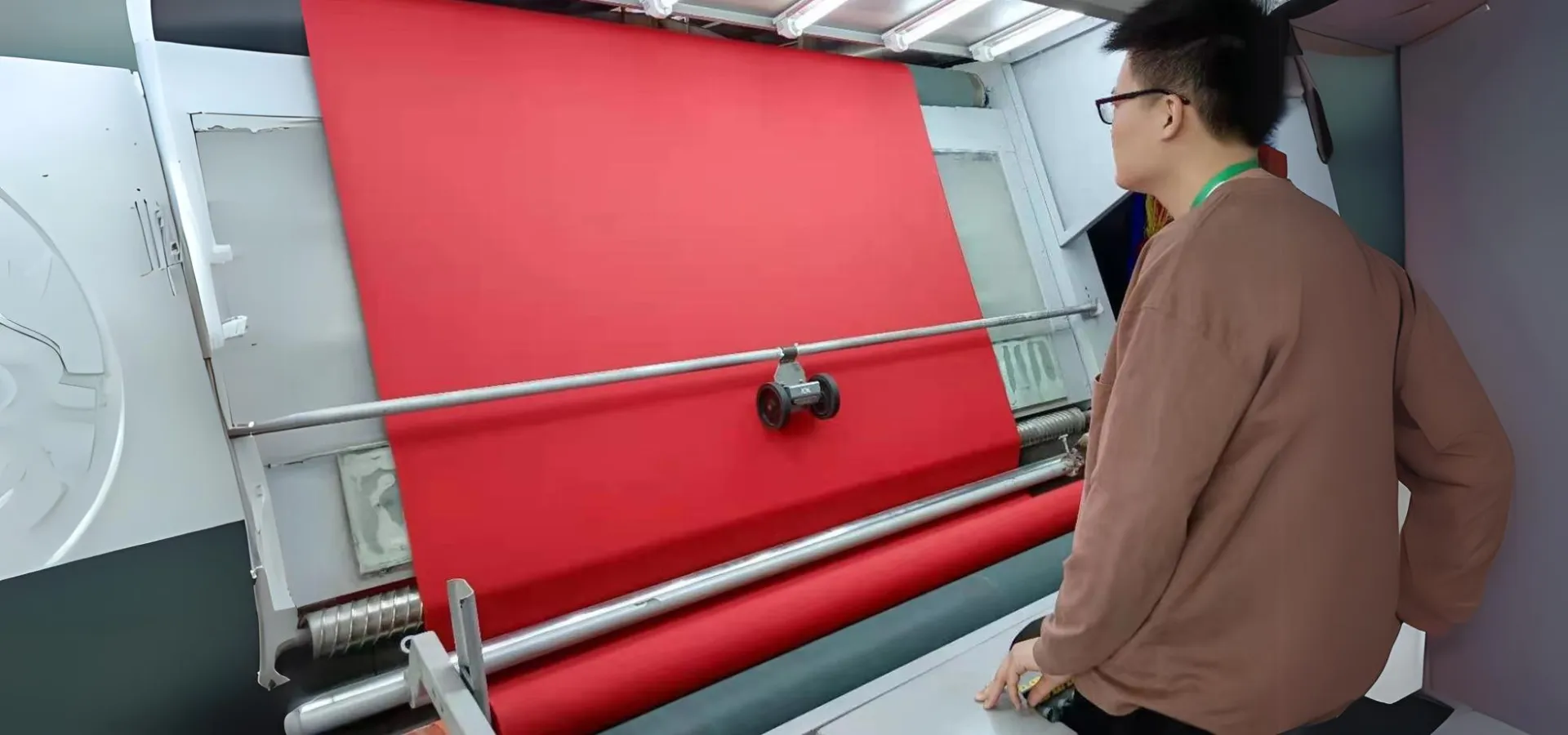
Fabric quality: Checking for defects like holes or uneven dyeing.
Stitching: Ensuring durable seams that withstand regular wear.
Maintaining strict quality standards is essential for Polo shirt manufacturers, especially when fulfilling wholesale orders or OEM requests. This ensures the final product aligns with brand expectations and market demands.
7. Packaging and Distribution
Packaging is the final step before your high-quality Polo shirts reach the market. Custom packaging, such as branded boxes or tags, adds a professional touch, enhancing your brand’s appeal.
Conclusion
Producing high-quality Polo shirts requires careful planning, precise manufacturing, and attention to detail. Whether you’re a brand looking for OEM/ODM services or a wholesaler seeking low MOQ options, partnering with a reliable Polo manufacturer is essential to success. From golf polos to casual wear, this guide covers the key steps to help you create standout products.
Views: 403
Contact with:
About TrueKung
We are a clothing manufacturing company that specializes in full-package production services.
Choosing graduation dresses can be harder than expected. A beautiful dress may look perfect in pictures but feel uncomfortable under a graduation gown. The wrong
A semi-formal wedding invitation sounds simple, but choosing the right outfit can be confusing. Dress too casually, and you may feel out of place. Dress
Choosing the perfect mother of the bride dress can feel overwhelming. Some gowns look outdated, while others sacrifice comfort for style. The ideal dress should
If you are purchasing ready-made clothing or need custom-made clothing, please fill out the form below to submit your inquiry and our sales and R&D teams will respond as soon as possible.
Truekung is a leading global clothing manufacturer and wholesaler with 20 years of factory experience, offering one-stop solutions from design to production, quality control, and worldwide delivery.