How To Import Clothes?
Why Import Clothes Instead Of Sourcing Locally?
Many businesses choose to import clothes rather than source locally because of cost advantages, variety, and manufacturing capabilities. Global suppliers, especially in China, offer a wider range of designs, fabrics, and customization options at competitive prices.
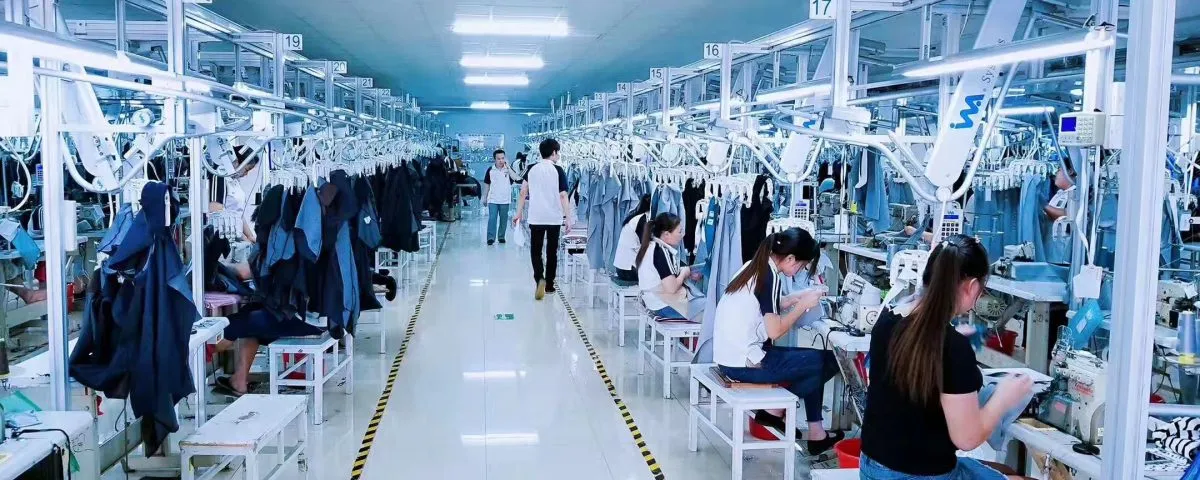
Importing clothes can reduce costs, increase product variety, and offer better manufacturing options compared to sourcing locally. Many businesses import to access high-quality production at a lower price.
However, the process of importing clothes involves navigating customs regulations, supplier selection, and quality control. Without careful planning, delays and unexpected costs can arise.
What Are The Key Steps For Clothing Import?
Importing clothing involves several critical steps, from supplier selection to customs clearance. Understanding these steps ensures a smooth importing process.
The key steps include identifying suppliers, verifying their credentials, negotiating pricing, ensuring compliance with import regulations, arranging shipping, and clearing customs.
Step 1: Identifying Reliable Suppliers
- Wholesale Directories: Websites like Alibaba, Global Sources, and Made-in-China provide supplier listings.
- Trade Fairs: Events like the Canton Fair showcase thousands of manufacturers.
- Factory Visits: Personally visiting a factory can help assess production capabilities and quality control.
Step 2: Verifying Supplier Credentials
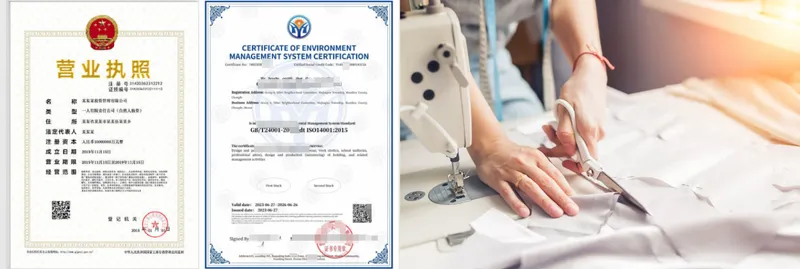
- Check Business Licenses: Request official registration documents.
- Ask For Certifications: Ensure compliance with international standards.
- Request Samples: Inspect product quality before placing bulk orders.
Step 3: Negotiating Pricing And Terms
- Minimum Order Quantities (MOQs): Suppliers often require a minimum purchase amount.
- Payment Terms: Many suppliers accept T/T (bank transfer) or L/C (letter of credit).
- Lead Time: Clarify production and shipping timelines.
Step 4: Understanding Import Regulations
- Compliance Requirements: Clothing imports must adhere to textile and safety standards.
- Labeling Rules: Many countries require specific labeling, such as fiber content and country of origin.
- Restricted Materials: Some fabrics or dyes may be restricted in certain markets.
Step 5: Arranging Shipping And Logistics
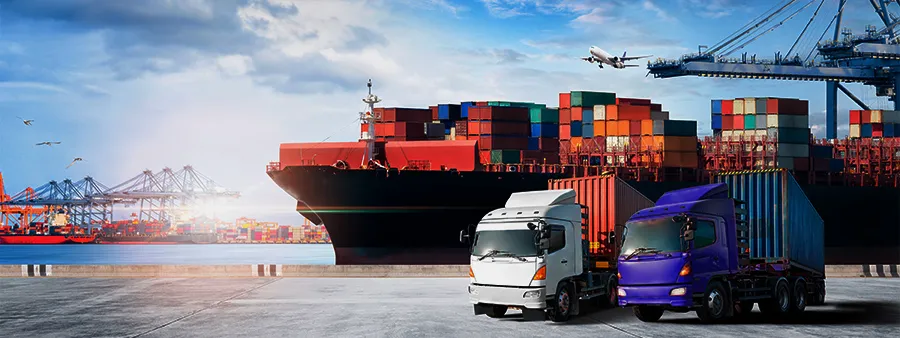
- Freight Options: Choose between air freight (fast but costly) and sea freight (cost-effective but slower).
- Incoterms: Understand terms like FOB (Free on Board) and CIF (Cost, Insurance, and Freight) to define responsibility for shipping costs.
- Customs Brokers: Hiring a broker helps with customs clearance and documentation.
Step 6: Clearing Customs
- Import Duties: Different countries impose tariffs on imported garments.
- Documentation: Provide invoices, packing lists, and certificates of origin.
- Compliance Inspections: Customs may inspect shipments to ensure regulations are met.
How To Import Clothes From China?
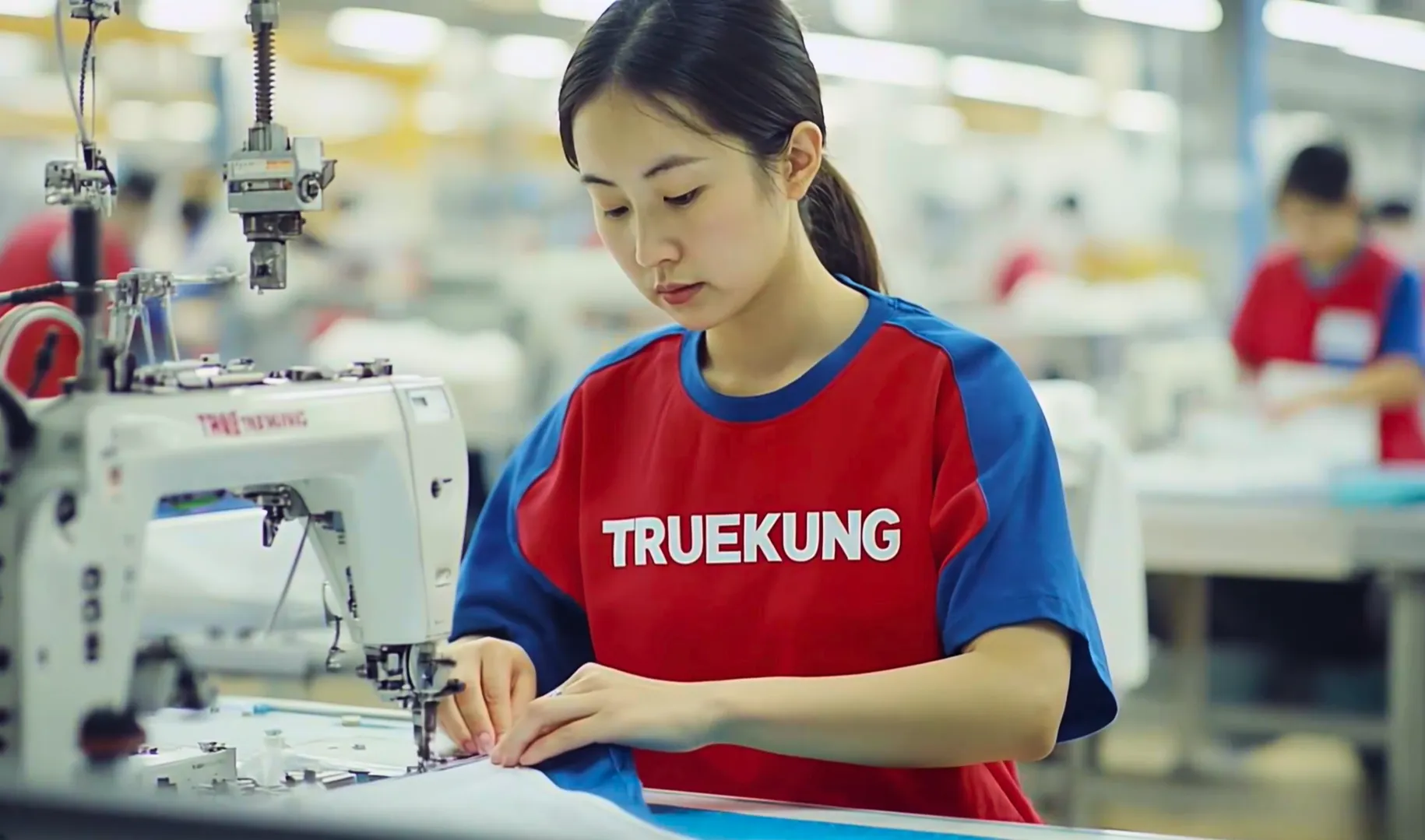
China remains the world’s largest clothing manufacturer, offering cost-effective and high-quality production. Importing from China requires knowledge of the market and supplier verification.
To import clothes from China, businesses must identify reliable manufacturers, negotiate pricing, ensure quality control, comply with import regulations, and handle logistics efficiently.
Choosing The Right Supplier
- OEM vs. ODM: Decide between manufacturing your own brand (OEM) or selling pre-designed products (ODM).
- Factory Audits: Conduct third-party inspections to ensure reliability.
- Sourcing Agents: Agents help with supplier verification and negotiation.
Quality Control Measures
- Pre-Production Samples: Approve samples before mass production.
- Production Monitoring: Inspect production progress to prevent defects.
- Final Inspection: Perform quality checks before shipment.
Logistics And Customs Handling
- Shipping Methods: LCL (Less than Container Load) or FCL (Full Container Load) for sea freight.
- Customs Clearance: Work with customs brokers to handle duties and paperwork.
- Warehousing Solutions: Use fulfillment centers to manage inventory efficiently.
What Are The Import Duties On Clothes?
Import duties vary depending on the destination country and type of clothing imported. These duties impact the total cost of goods.
Import duties on clothes depend on factors such as country of origin, fabric composition, and trade agreements. Importers should check tariff codes for accurate duty rates.
U.S. Import Duties
| Product Type | HS Code | Duty Rate |
|---|---|---|
| Cotton T-Shirts | 6109.10.00 | 16.5% |
| Polyester Dresses | 6204.43.40 | 32% |
| Wool Coats | 6201.91.00 | 16% |
EU Import Duties
- VAT: Typically 20%.
- Tariffs: Vary based on country of origin.
- Preferential Trade Agreements: Some countries receive lower tariffs under free trade agreements.
Reducing Duty Costs
- Trade Agreements: Check if your country has free trade agreements with China.
- Tariff Classification: Correctly classifying goods under lower tariff codes can reduce duty costs.
- Bonded Warehouses: Store goods in bonded warehouses to defer duty payments.
Can You Import Baby Clothes?
Yes, importing baby clothes is possible, but additional regulations apply due to safety concerns.
Importing baby clothes requires compliance with safety standards, labeling requirements, and chemical restrictions to ensure product safety.
Safety Standards
- U.S. Standards: CPSIA regulations apply to children’s apparel.
- EU Standards: EN 71 restricts harmful substances.
- Flammability Tests: Baby clothing must pass strict flammability tests.
Labeling Requirements
- Fiber Content: Material composition must be listed.
- Age Group: Indicate appropriate age range.
- Country of Origin: Clearly display manufacturing country.
Conclusion
Importing clothes is a profitable business opportunity, but it requires careful planning. From selecting suppliers and handling logistics to understanding import duties and regulations, every step plays a crucial role. By following best practices, businesses can ensure a smooth and cost-effective importing process.
Views: 494