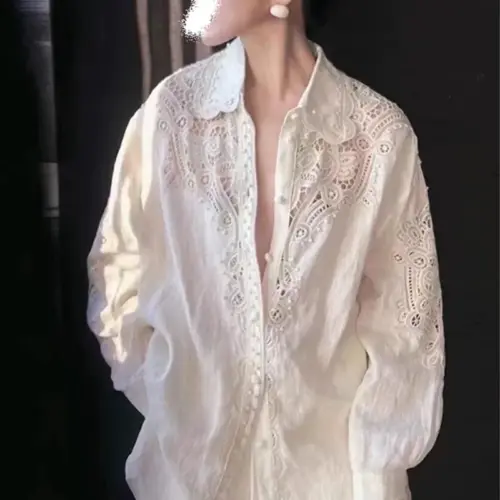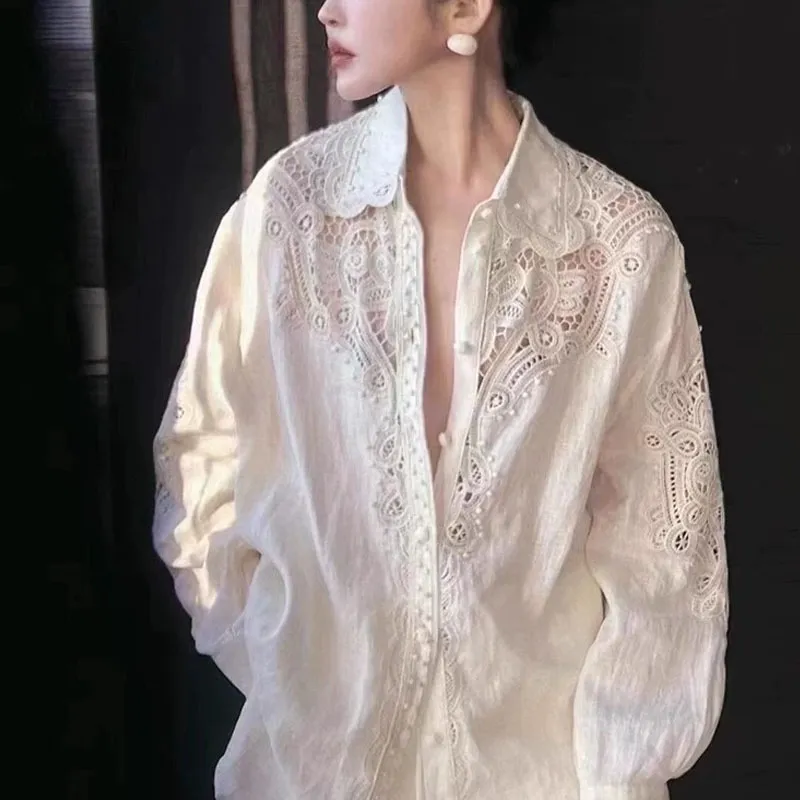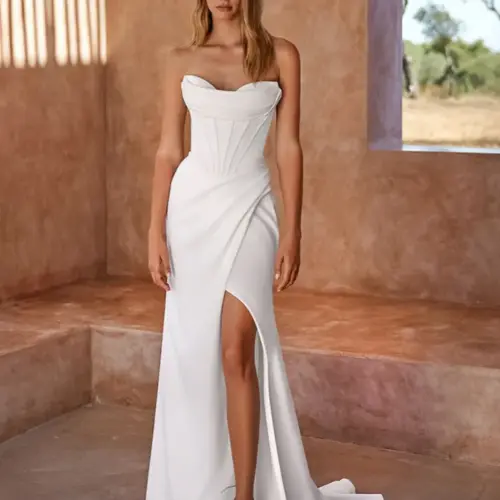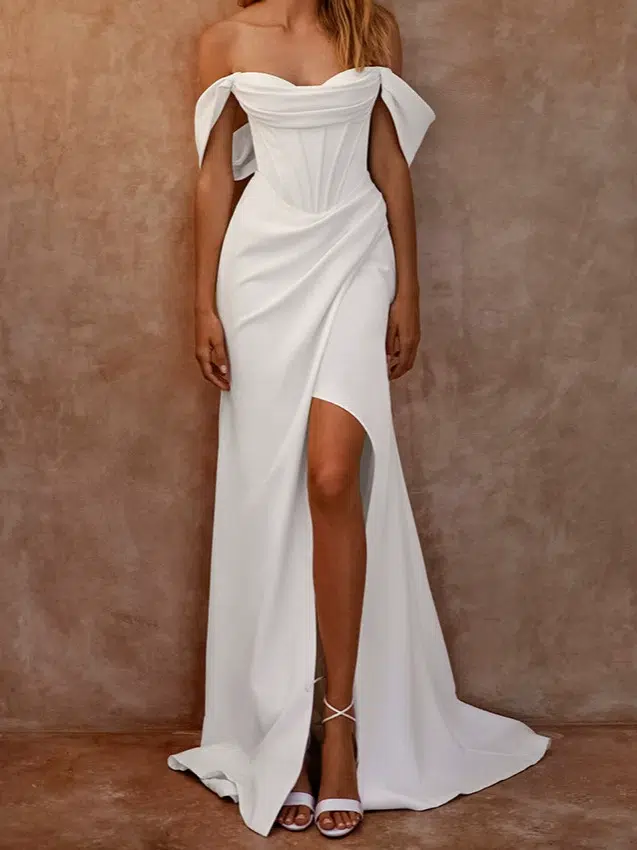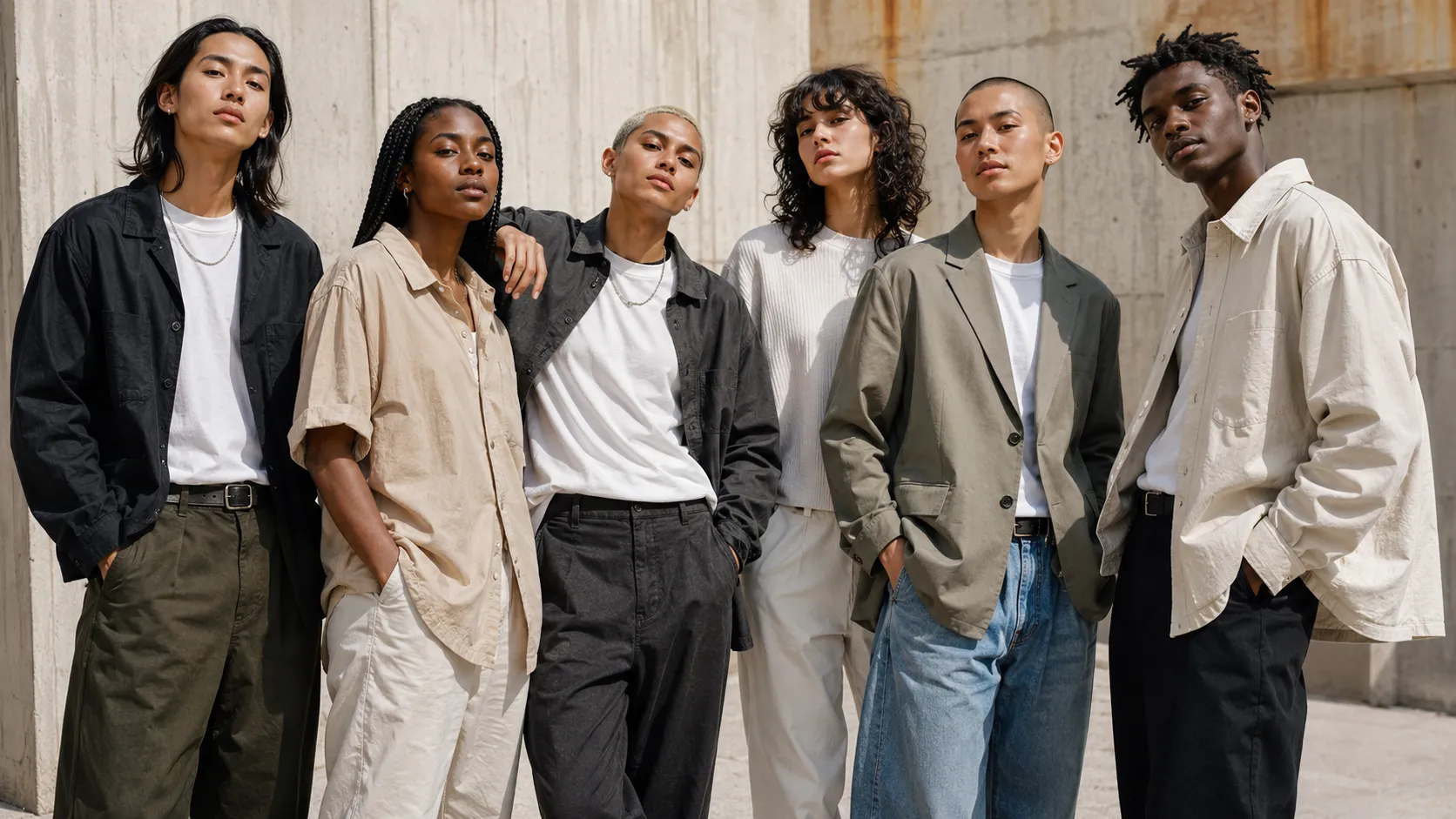

I used to watch buyers split every order into “men” and “women.” Then customers started asking for comfort first. That old split began to look like a problem.
Gender-neutral fashion is rising because many adults want clothes that fit their life, not a label. When I build gender neutral clothes casual lines, I focus on fit ranges, simple shapes, and fabric feel so more people can wear the same style with confidence.
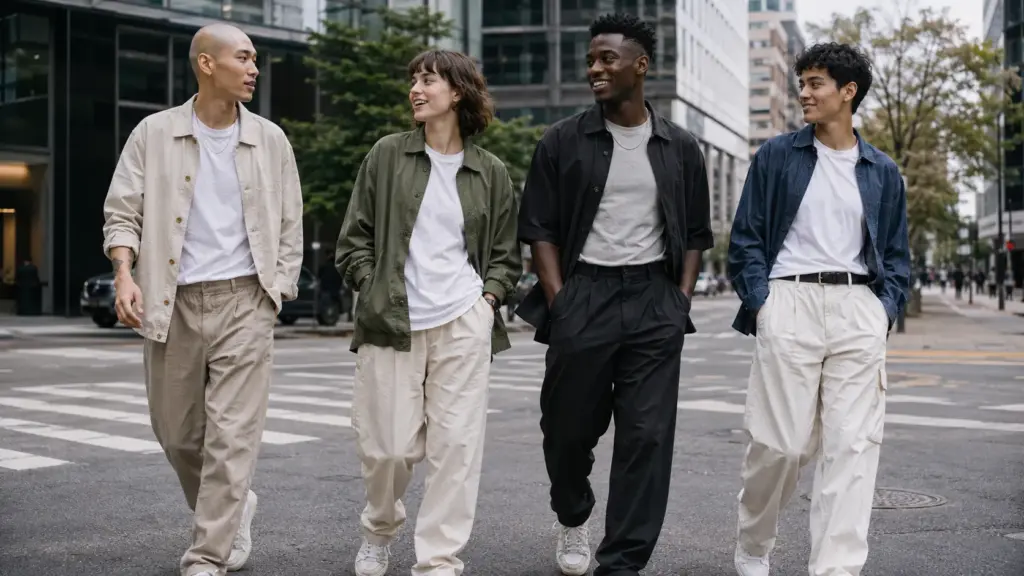
I still remember a call with a buyer who said, “I want gender neutral clothing, but my store layout is still gendered.” I told her that the product can lead the change, but only if the design and the supply chain can hold up under real sales pressure. If you keep reading, I will show how I think about genderless clothing from design to production to selling, without making it feel forced.
What makes clothing truly gender neutral, not just unisex?
Many brands say “unisex style” and then they copy a men’s fit and call it done. Customers feel that gap fast. They stop trusting the label.
Clothing gender neutral works when the fit, sizing, and details welcome different bodies and different styling habits. I treat gender neutral style as a system: balanced silhouettes, flexible sizing, neutral fashion colors, and hardware that does not signal one gender by default.
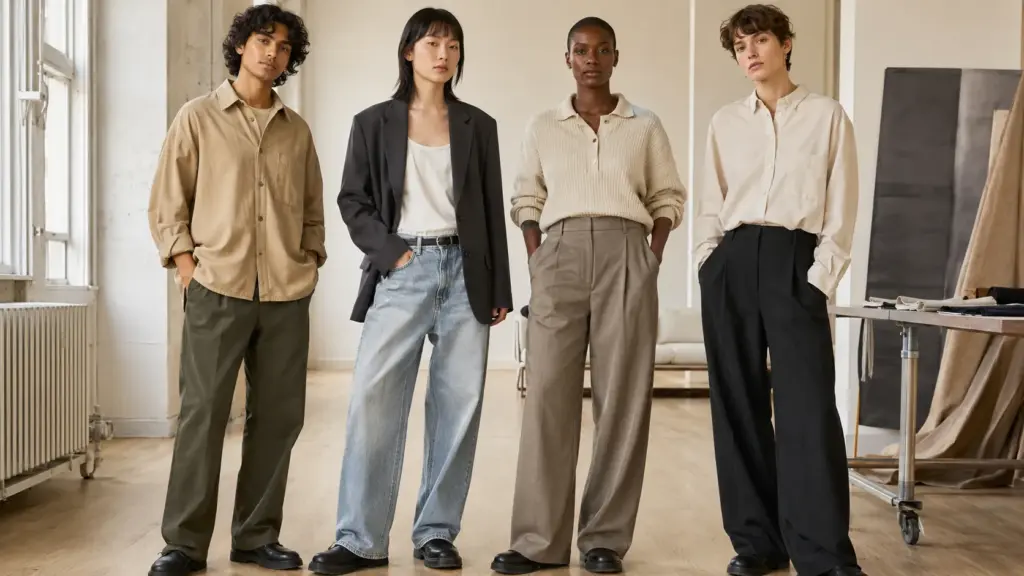
Start with silhouette, not labels
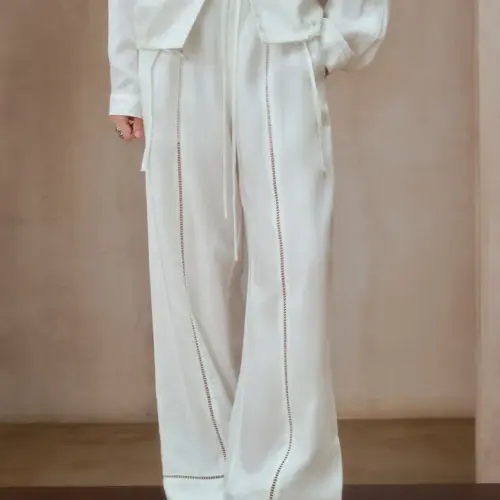
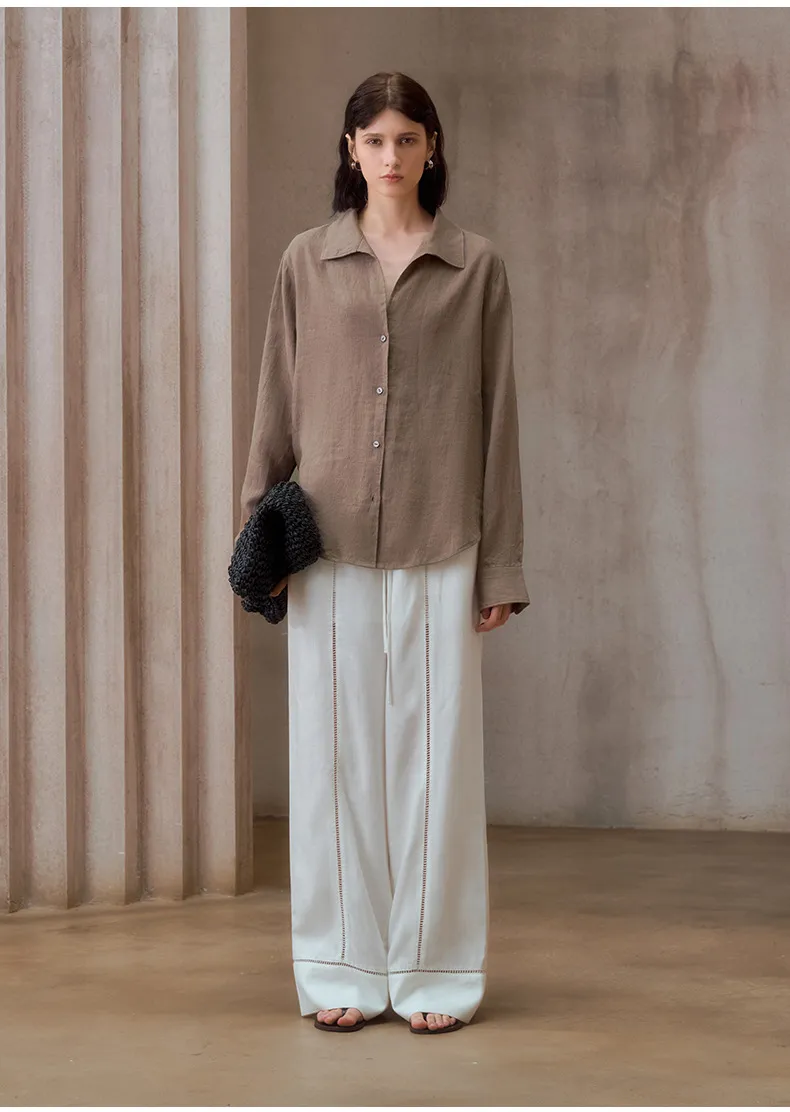
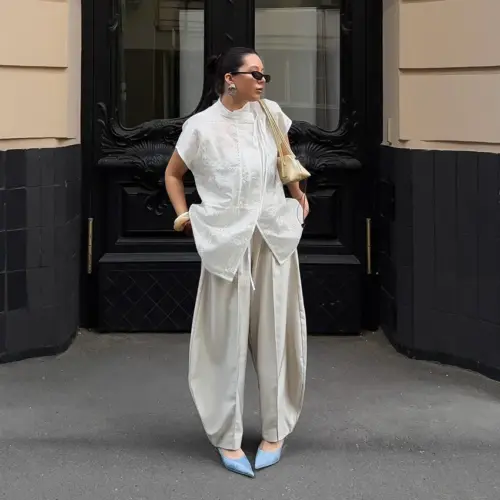
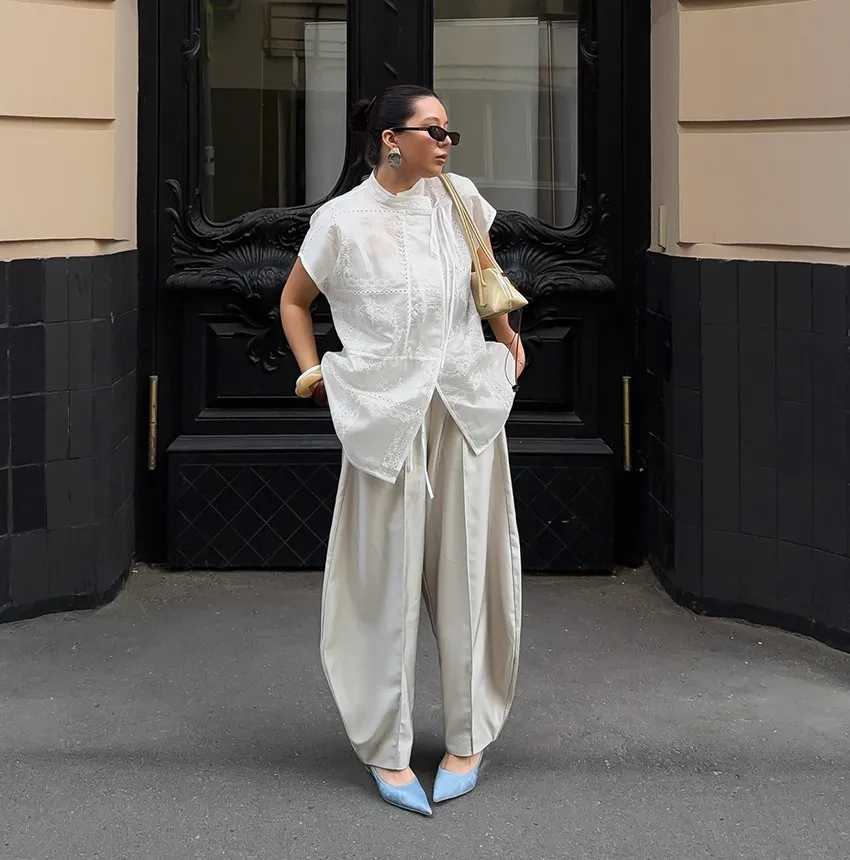
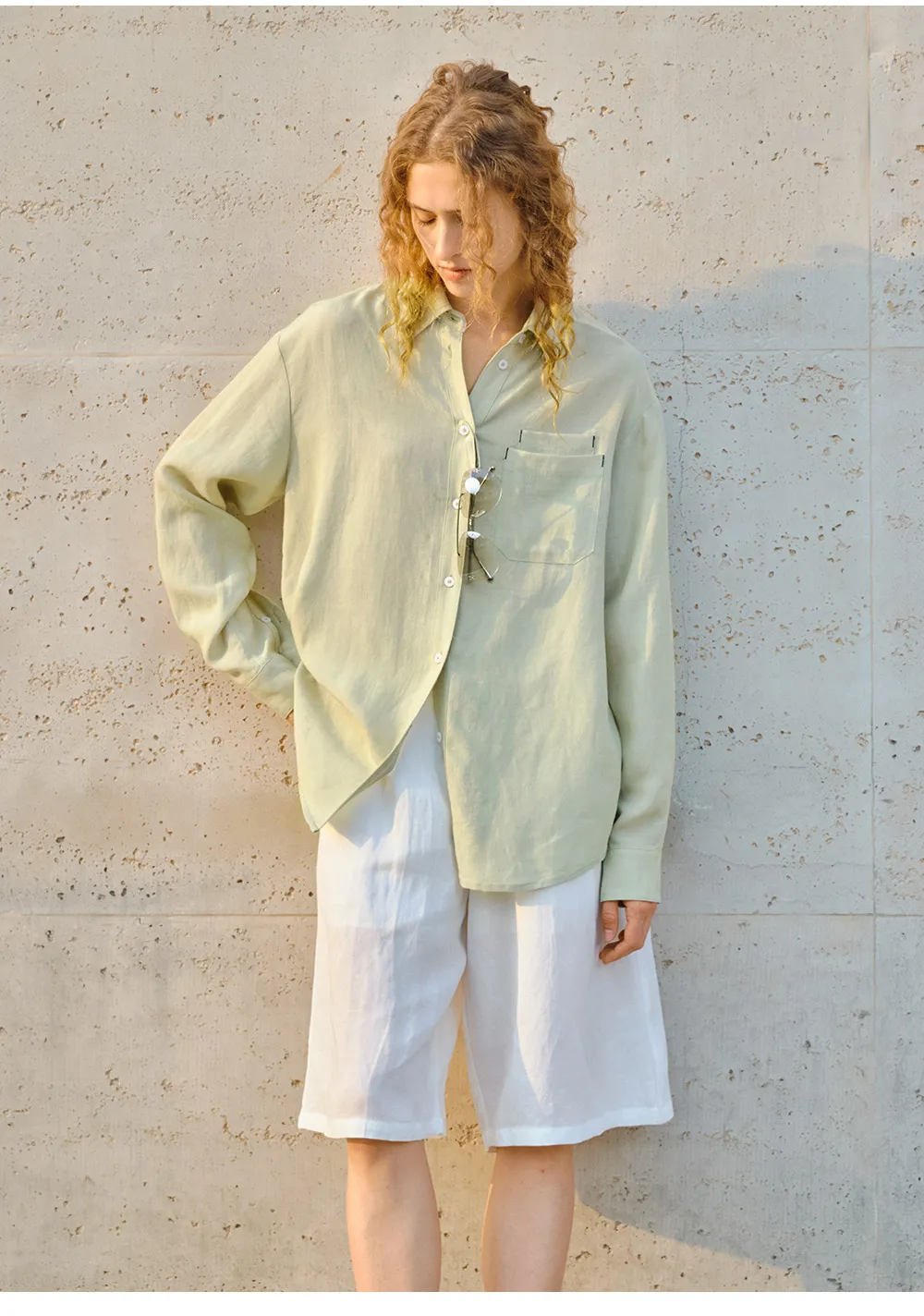
When I review a new gender-neutral clothing concept, I first check the silhouette. I look at shoulder width, chest ease, and hip room. I also look at the rise and leg shape for bottoms. A true gender neutral outfit often sits between extremes. It does not cling in one place and does not box out the body in another place. I use straight fits, relaxed fits, and soft taper fits because they work on more adults. I also avoid sharp shaping darts unless the style needs them.
Use fabric to create comfort and structure
Fabric does a lot of the work in genderless fashion. A heavy jersey can hold shape in gender neutral shirts. A woven with some drape can keep a clean line in gender neutral dress clothes. I pick fabrics that feel good on skin because comfort is often the real reason people choose gender neutral clothing for adults.
Make details neutral on purpose
Small details decide whether “gender-neutral fashion” feels real. I look at pocket placement, button direction, zipper pulls, and label language. I also keep branding subtle. A loud logo can push a product back into a “team” mindset.
| Design element | What I choose in gender neutral styles | What it solves |
|---|---|---|
| Fit blocks | Relaxed, straight, soft taper | More bodies can wear it |
| Necklines | Crew, mock, simple V | Easy layering and styling |
| Colors | Black, cream, navy, earth tones | Neutral wear works across seasons |
| Hardware | Matte, minimal, clean pulls | Avoids gender-coded signals |
| Messaging | “Fits many styles” | Feels welcoming, not preachy |
How do I design and source gender-neutral clothing for adults at scale?
When a buyer like Maria asks me for gender neutral clothes for adults, she usually wants two things at once. She wants stable quality and she wants pricing that can win a shelf battle. That mix is hard if the product is not engineered.
To scale gender neutral apparel, I build repeatable fit blocks, clear spec sheets, and strict quality control. I also plan fabrics and trims early so gender neutral clothing adults orders do not slip in delivery and miss the selling season.
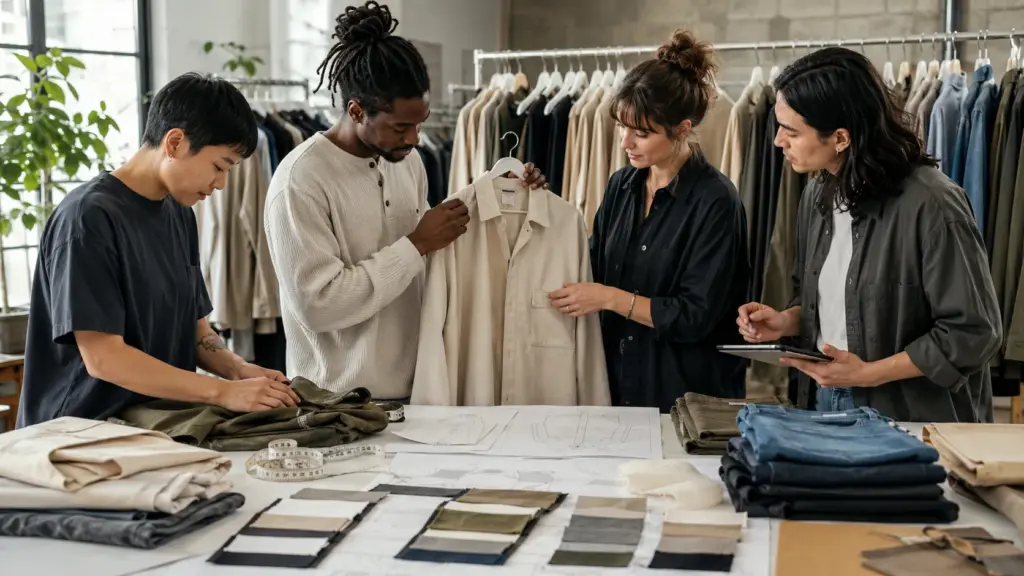
Build fit blocks that cover more bodies
I treat “non gender specific clothing” like a technical project. I do not rely on one sample size. I test the block on different body types and I look at the stress points. I check armhole comfort, crotch depth, waistband stretch, and sleeve length. If the block works, I reuse it across styles. That reuse keeps the line consistent. It also keeps grading clean, which reduces returns.
Set sizing and labeling rules early
Sizing is where gender-neutral clothing fails most often. If the tag says S/M/L but the body feels like a men’s cut, people notice. I like dual systems when a market needs it, like alpha sizes plus key garment measurements. I also recommend photos that show different styling so the customer can see gender neutral style clothing in real use.
Run quality control like it is a promise
I have seen the pain of delayed delivery. I have also seen the damage of forged certificates in this industry. So I keep quality control simple and strict. I set critical points, and I check them every time.
| Production step | What I lock down | Why it matters for gender neutrality in fashion |
|---|---|---|
| Sampling | Fit tests on more bodies | The “neutral” claim becomes true |
| Grading | Balanced increments | Sizes stay consistent across styles |
| Fabric tests | Shrinkage, pilling, color fastness | Comfort and look stay stable |
| Sewing standards | SPI, seam strength, topstitch guides | Gender neutral dress clothes look premium |
| Packing | Measurement sticker, size clarity | Fewer customer mistakes and returns |
Plan the calendar like a retailer
If a buyer sells in the USA or Europe, timing matters. Gender-free fashion USA demand spikes around back-to-school, gifting seasons, and new-year resets. So I plan material booking early and I set milestones. I also keep one backup fabric option for core styles. That one habit saves many orders.
How can brands sell gender-free fashion in the USA without sounding performative?
I see many brands copy the words but not the work. They put “gender-inclusive fashion brands” in a caption, but the product and the store experience still feel narrow. Customers call that out fast.
I sell gender-neutral fashion best when I let the product lead, then I support it with clear fit info and honest styling. I use genderless fashion language that focuses on comfort, movement, and self-expression, not on forcing a statement.
Use styling to widen the audience
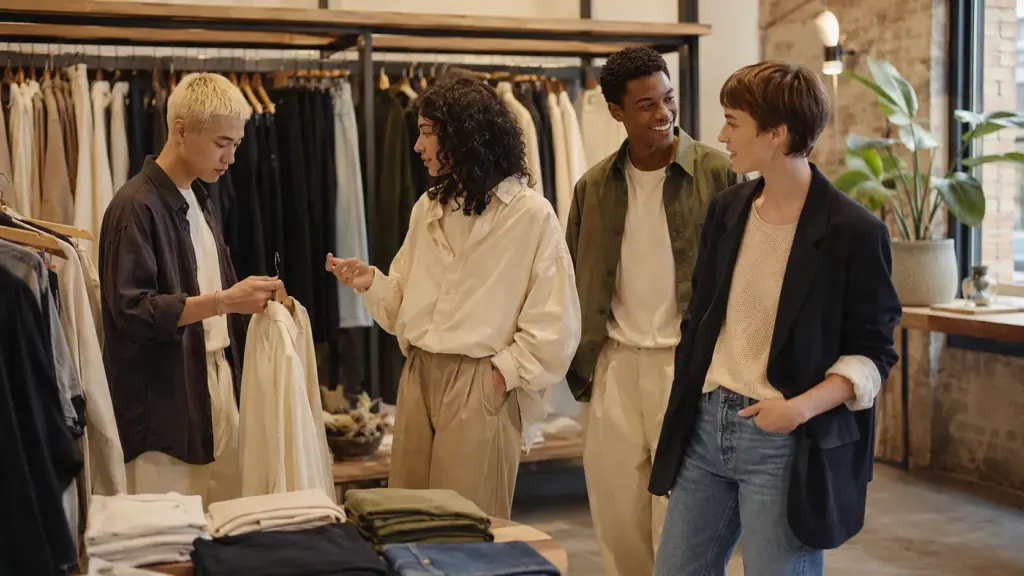
I like to show three styling lanes for the same item. One lane can feel classic, one lane can feel street, and one lane can feel sharp. That method helps buyers present gender neutral outfits without changing their whole brand voice. A simple overshirt can become gender neutral dress clothes with a clean trouser, or it can become weekend wear with denim.
Offer “mixing” tips that feel practical
Some customers want permission to try. So I add tips for mixing traditionally gendered clothing items, but I keep them simple. I say what to pair, not what to “be.” For example, I pair a boxy blazer with a soft tee. I pair a pleated skirt with a heavy sweatshirt. I pair a wide pant with a fitted tank. Those are gender fluid clothes ideas, but they read like normal style advice.
Add cultural motifs with care
Some buyers ask me for “best gender-neutral luxury basics with cultural motifs.” I like that direction, but I keep the motifs subtle. I use tone-on-tone embroidery, woven labels, or small jacquard panels. I also confirm artwork rights and I document sources. That protects the brand and keeps trust.
| Selling tool | What I include | What it does for neutral fashion |
|---|---|---|
| Product page | Measurements, fit notes, model variety | Reduces hesitation and returns |
| Naming | “Relaxed shirt,” “Straight pant” | Keeps it simple and clear |
| Images | 3 styling lanes | Shows many ways to wear it |
| Store layout | By style and function | Makes gender neutral styles easy to shop |
| Brand voice | Comfort, quality, craft | Avoids empty claims |
Choose partners who can prove quality
When a brand wants to compete with gender neutral fashion brands, it needs suppliers who can show real systems. I share test reports, QC photos, and production updates. I also keep communication direct. That is how I reduce the risk that a season slips away.
Conclusion
Gender-neutral clothing grows because people want freedom and comfort. When I design, produce, and sell with that truth, genderless fashion becomes a strong business choice.
Why I Write This
I am Lancy Chia from Truekung in China. I run a factory with more than 200 workers, and I focus on B2B wholesale only. I provide clothing products and OEM/ODM services for brands and supermarkets worldwide. I have 20 years of export experience across women’s fashion, jackets, skirts, dresses, jeans, T-shirts, sweatshirts, down jackets, windbreakers, coats, bags, sportswear, kidswear, and underwear. If you want to build gender neutral clothing lines with stable quality and competitive pricing, you can reach me at [email protected], and you can also visit https://truekung.com.
Views: 132