French Terry vs. Terry Cloth: A No-Nonsense Guide for Fashion Buyers
Introduction
Few fabrics make an immediate promise like French terry and terry cloth. Both whisper of comfort, durability, and a touch of luxury. Yet choosing between them can feel like a guessing game for brand buyers and wholesale executives. In this guide, clarity will be delivered. You will learn what sets these textiles apart, how they perform, and why they matter to your bottom line—and brand reputation. By the end, you’ll know exactly which fabric elevates your next collection and how to source it with confidence.
1. What Is French Terry?
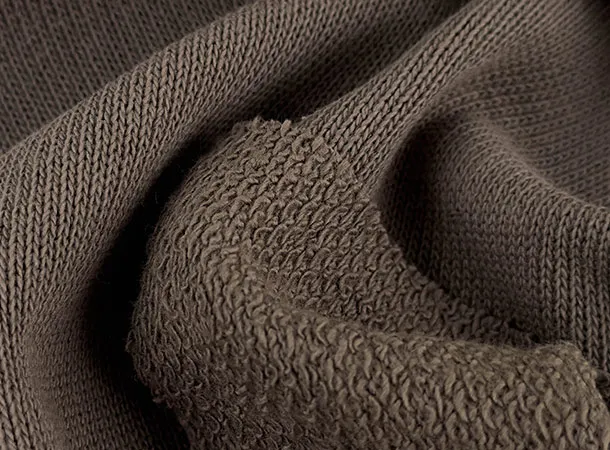
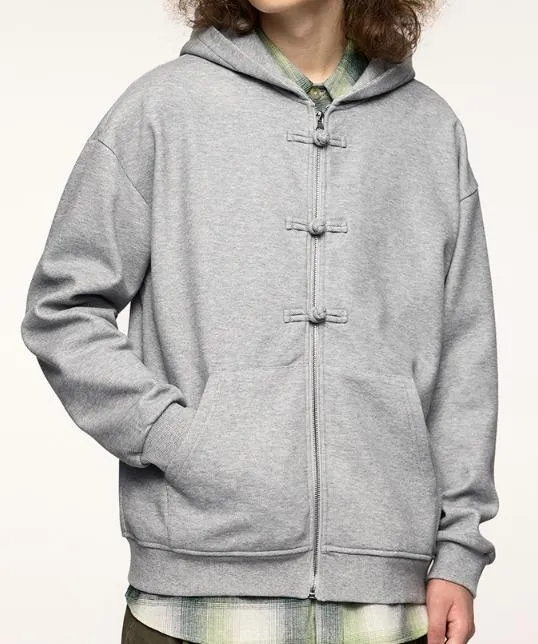
French terry is a knitted fabric with loops on the inside and a smooth surface outside. Picture a lightweight sweatshirt: soft, flexible, and breathable. That’s French terry. It’s usually spun from 100% cotton or a cotton blend. Elastane adds stretch; recycled cotton adds sustainability.
- Feel & Function: Light warmth without bulk. Sweat-wicking loops trap moisture. A smooth face presents a polished look.
- Ideal Uses: Hoodies, joggers, casual tees, and athleisure staples that need a professional finish and everyday comfort.
2. What Is Terry Cloth?
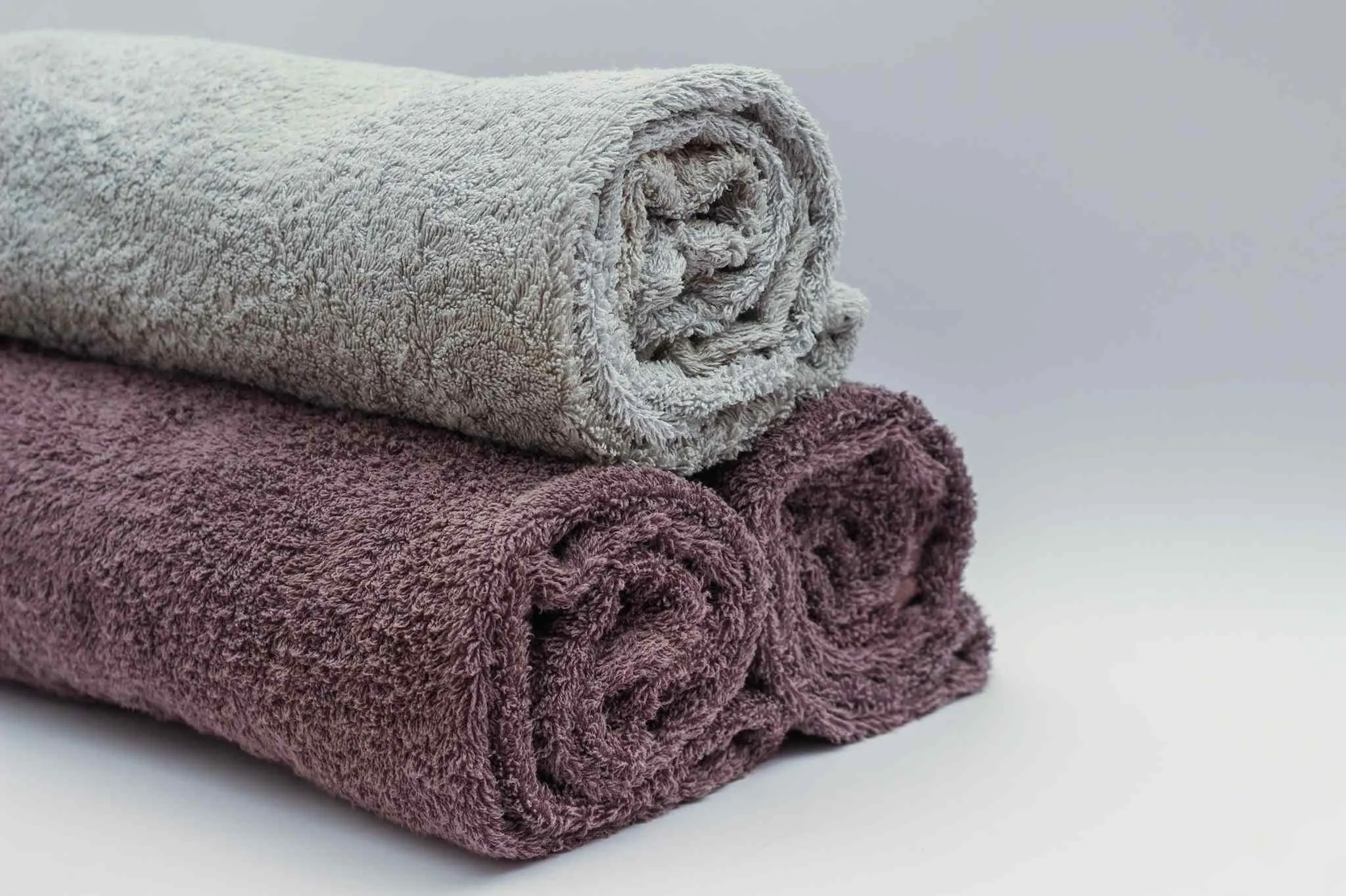
Terry cloth is a woven heavyweight textile with uncut loops on both sides. Imagine the thick spa towel that feels plush and persistent. That’s terry cloth. Its high absorbency makes it a star in towels and bathrobes; its heft lends gravity to lounge sets and winter robes.
- Feel & Function: Maximum absorbency. Luxurious warmth. A tactile statement of quality.
- Ideal Uses: Spa robes, beach cover-ups, cozy loungewear, and any product that must feel indulgent.
3. Head-to-Head Comparison
| Feature | French Terry | Terry Cloth |
|---|---|---|
| Structure | Knit; loops inside | Woven; loops on both sides |
| Weight | Medium (8–14 oz/yd²) | Heavy (200–600 gsm) |
| Stretch | Yes, four-way | Minimal |
| Absorbency | Moderate | Exceptional |
| Best For | Activewear, loungewear | Towels, robes, plush apparel |
| Care | Cool wash, tumble low | Gentle wash, tumble low or line dry |
4. The Hidden Costs and Benefits
- French Terry: Commands a premium when crafted from organic or ring-spun cotton. Benefits: lightweight versatility and year-round appeal. Drawbacks: less absorbent than terry cloth, potential shrinkage if mistreated.
- Terry Cloth: Cost-effective at scale, yet high-grade combed cotton or bamboo variants can rival French terry prices. Benefits: unmatched absorbency, plush hand-feel. Drawbacks: bulk can limit fashion-forward applications.
5. Sustainability That Sells
Brands chase certifications for market advantage. GOTS-certified organic cotton and OEKO-TEX Standard 100 assure consumers of safe, eco-friendly manufacturing. BCI cotton reduces water use by 20%. Incorporating recycled fibers not only trims costs—it tells a story that resonates.
- Action Step: Choose GOTS for your French terry sweats. Specify OEKO-TEX for baby terry robes.
6. A Real-World Case Study
Problem: A European athleisure label faced 5% shrinkage on French terry hoodies, sparking returns.
Solution: We swapped to long-staple ring-spun cotton, introduced mill-level pre-wash, and tightened knit density by 12%.
Result: Shrinkage fell under 2%. Return rates dropped 18%. Sales of the line surged.
7. FAQs—Answering the Unsaid
- What side of French terry faces out?
The smooth face is the show side; loops hug the skin. - Does 100% cotton terry shrink?
Yes—up to 5% if hot-washed. Pre-washed options hold shape under 2%. - Why is terry cloth expensive?
High GSM and combed long-staple cotton mean more yarn per square inch. - French terry vs. polyester—who wins?
Cotton terry breathes and absorbs; polyester dries fast but traps odor. - Is terry cloth 100% cotton?
Traditional terry is pure cotton for maximum absorbency; blends reduce cost and performance. - Can French terry be blended with synthetics?
Yes—small elastane or polyester blends add stretch and durability. - Is terry cotton good for sensitive skin?
Pure cotton terry is hypoallergenic; bamboo terry offers natural antimicrobial properties. - Is French terry high quality?
Quality hinges on fiber and knit: organic ring-spun cotton and tight loops signal premium. - Is French terry fabric good for summer?
Light to midweight weaves wick sweat and breathe well in warm weather. - What are the disadvantages of French terry?
Moderate absorbency, potential shrinkage, and pilling if care instructions are ignored. - When can you wear terry cloth?
Ideal for spa robes, beach cover-ups, poolside attire, and cozy home leisure regardless of season. - How should I care for terry cloth garments?
Gentle wash, low-heat tumble or line dry; avoid bleach and harsh chemicals.
8. Caring for Your Investment
- Wash cold to limit shrink.
- Tumble low or line dry to protect loops and knits.
- Use neutral detergent—no optical brighteners.
9. Your Next Step
Now that you know the strengths, subtleties, and real-world performance of French terry and terry cloth, decide with precision. Partner with fabric experts who guarantee certified, pre-washed, perfectly knit runs. Contact us today to elevate your collection—comfort, quality, and sustainability assured.
Views: 521