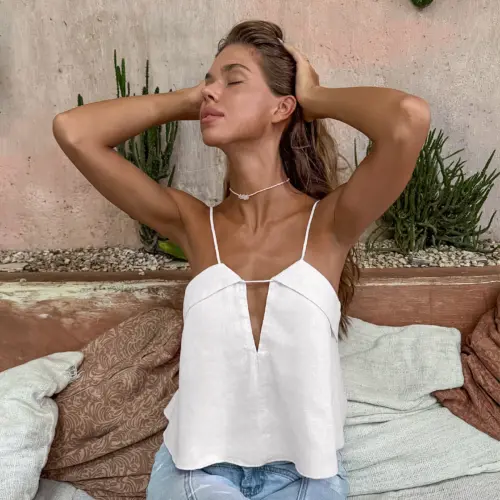
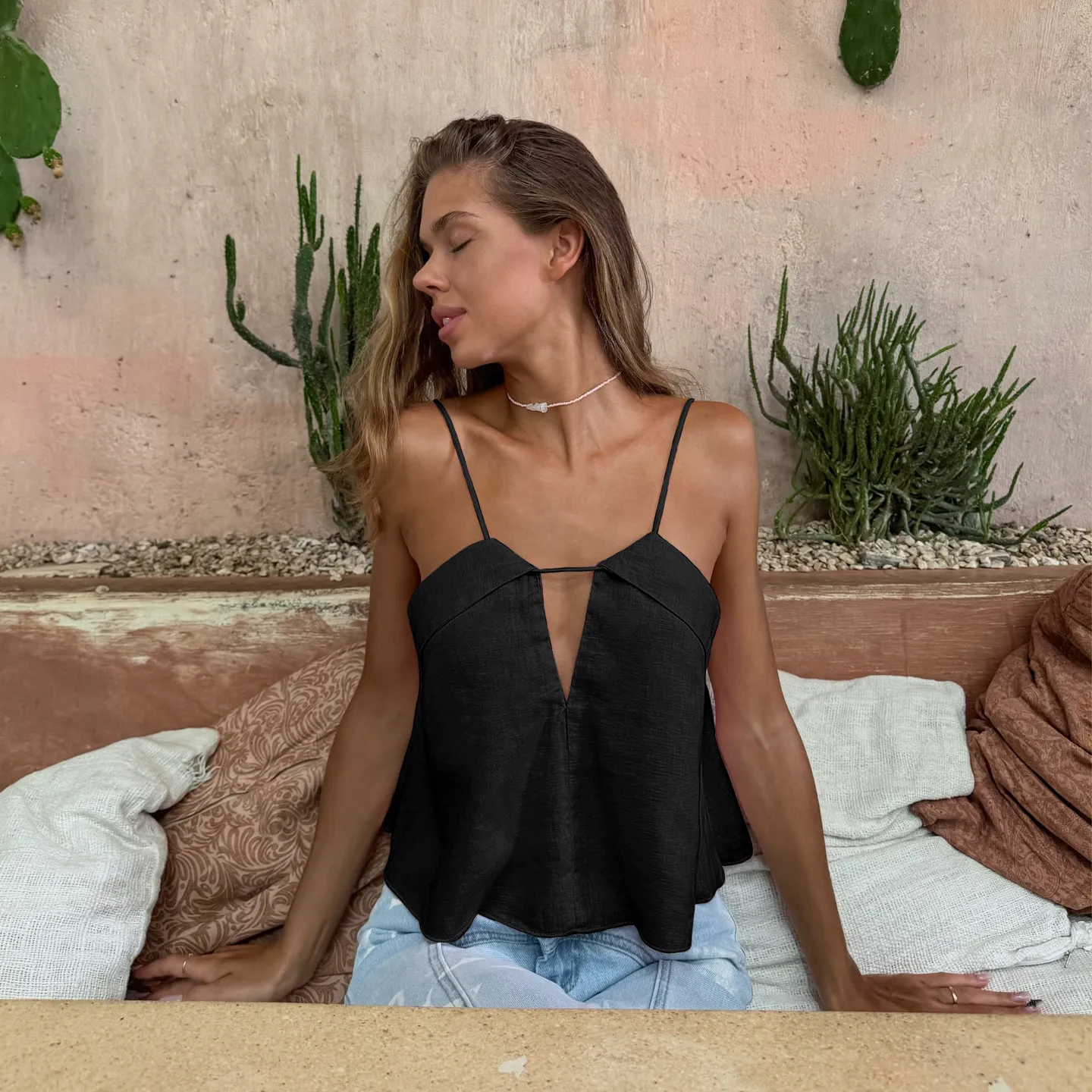
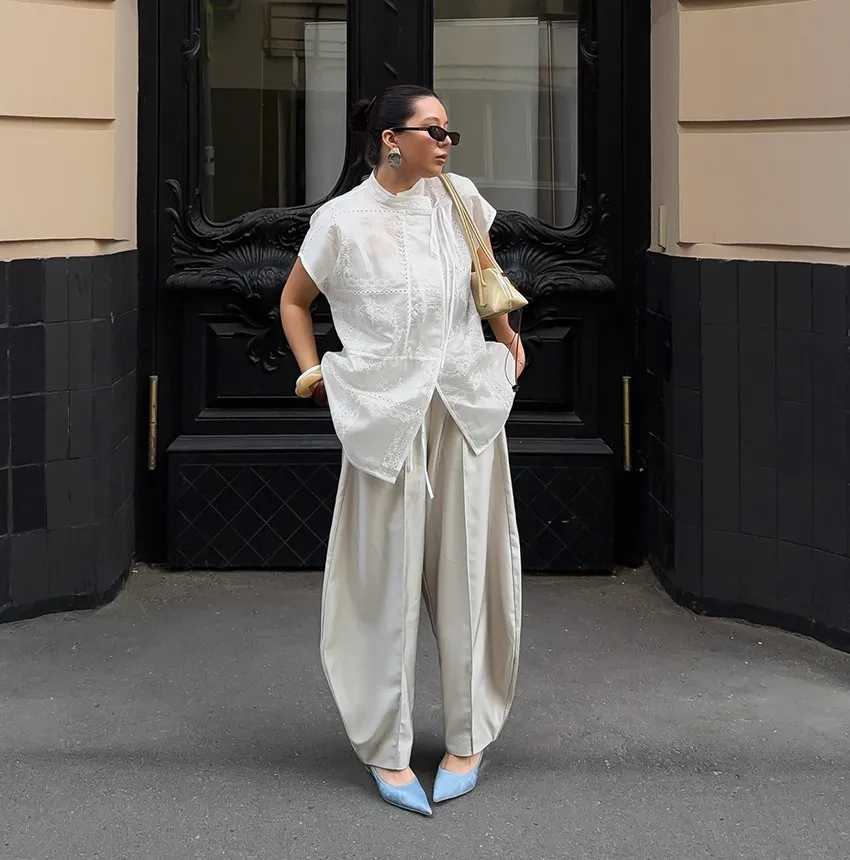
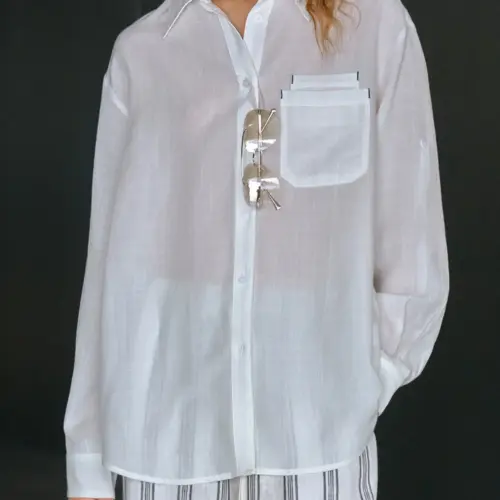
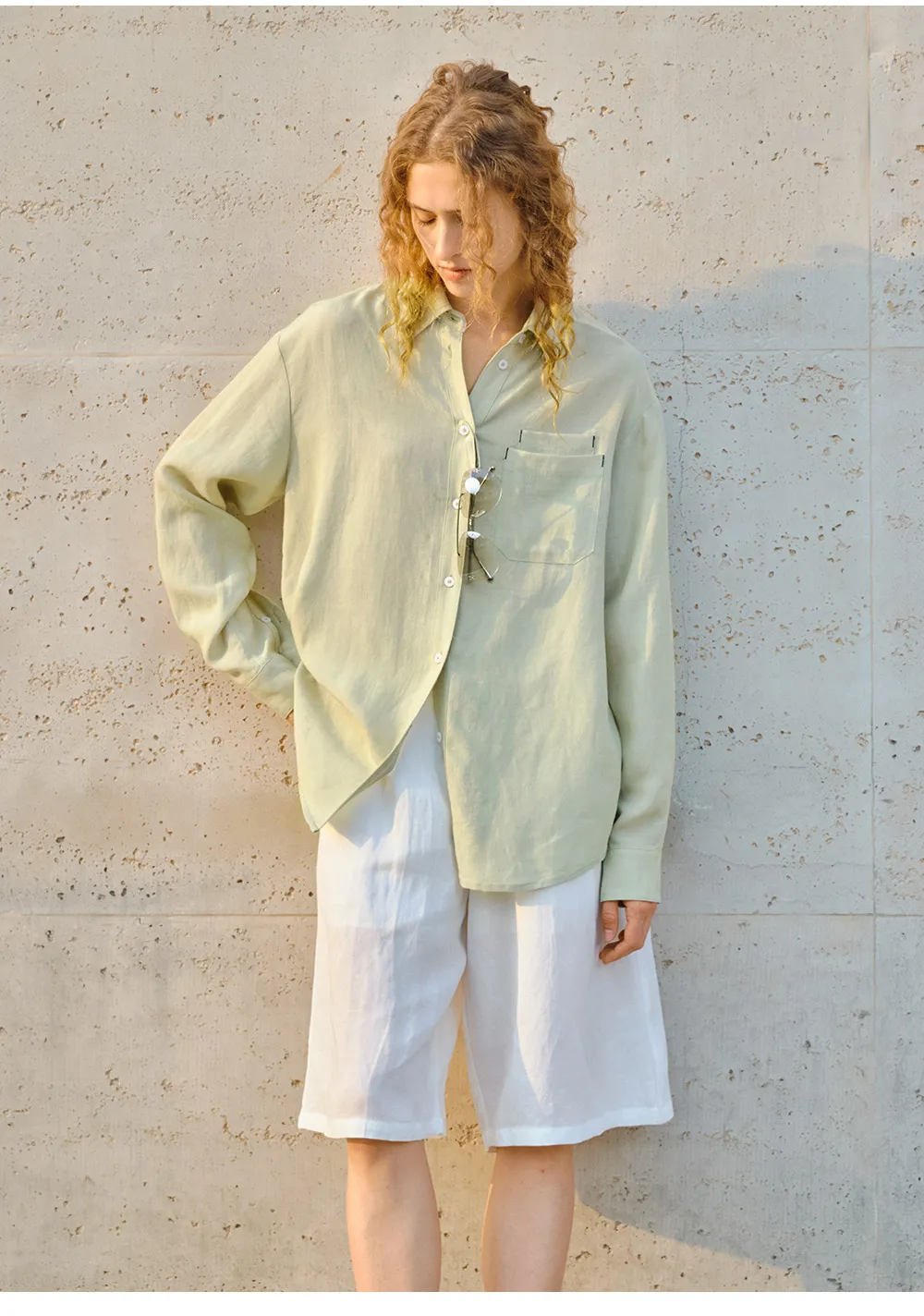
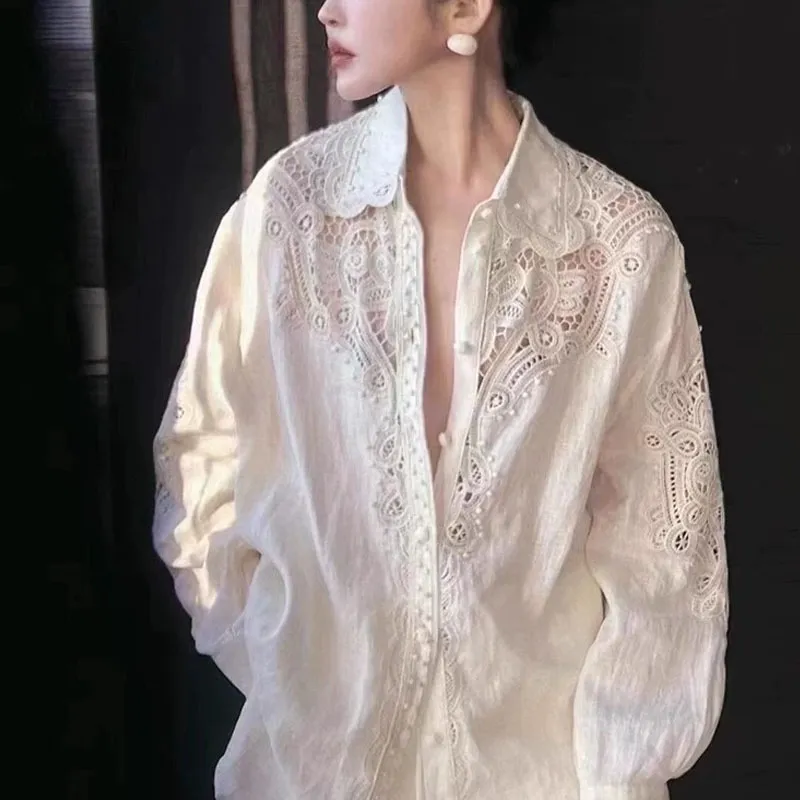
Capturing Attention with Lightweight Fabrics
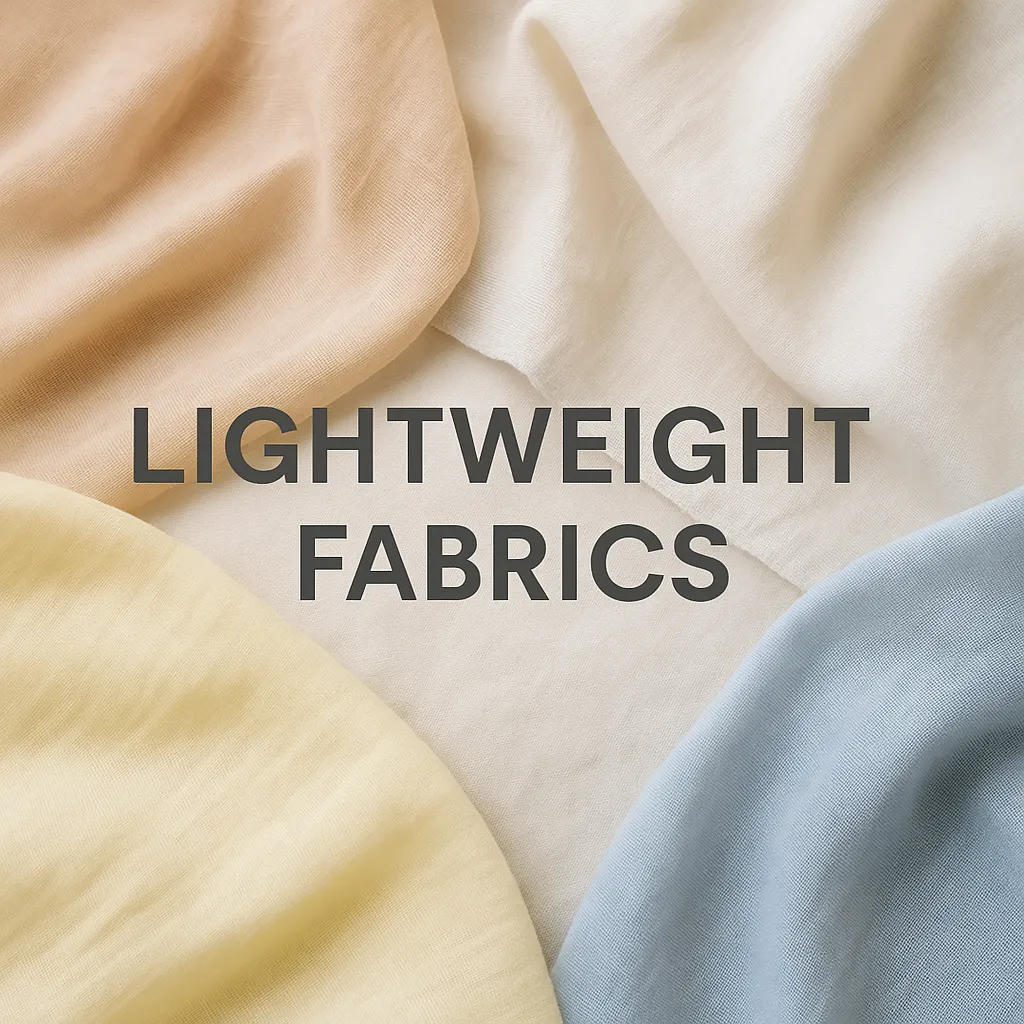
Imagine a summer day when the sun scorches every bit of skin it can reach. Your customers yearn for garments that feel like a gentle breeze against their bodies. They demand lightweight fabrics that glide over the skin, whispering cool comfort, yet exuding an air of elegance. As a brand or wholesale buyer, your mission is to deliver that sensation. You want to sell lightweight summer pants and thin shirts that are heroes of comfort, without sacrificing style or durability.
In this guide, we unveil the secrets of sourcing, selecting, and selling lightweight clothing that transforms mere fabric into a compelling consumer experience. We blend hard data with persuasive storytelling, offering you a blueprint reminiscent of David Ogilvy’s most compelling campaigns. The goal: to persuade. To sell. To inspire action.
Why Lightweight Fabrics Matter
1. The Promise of Unmatched Comfort
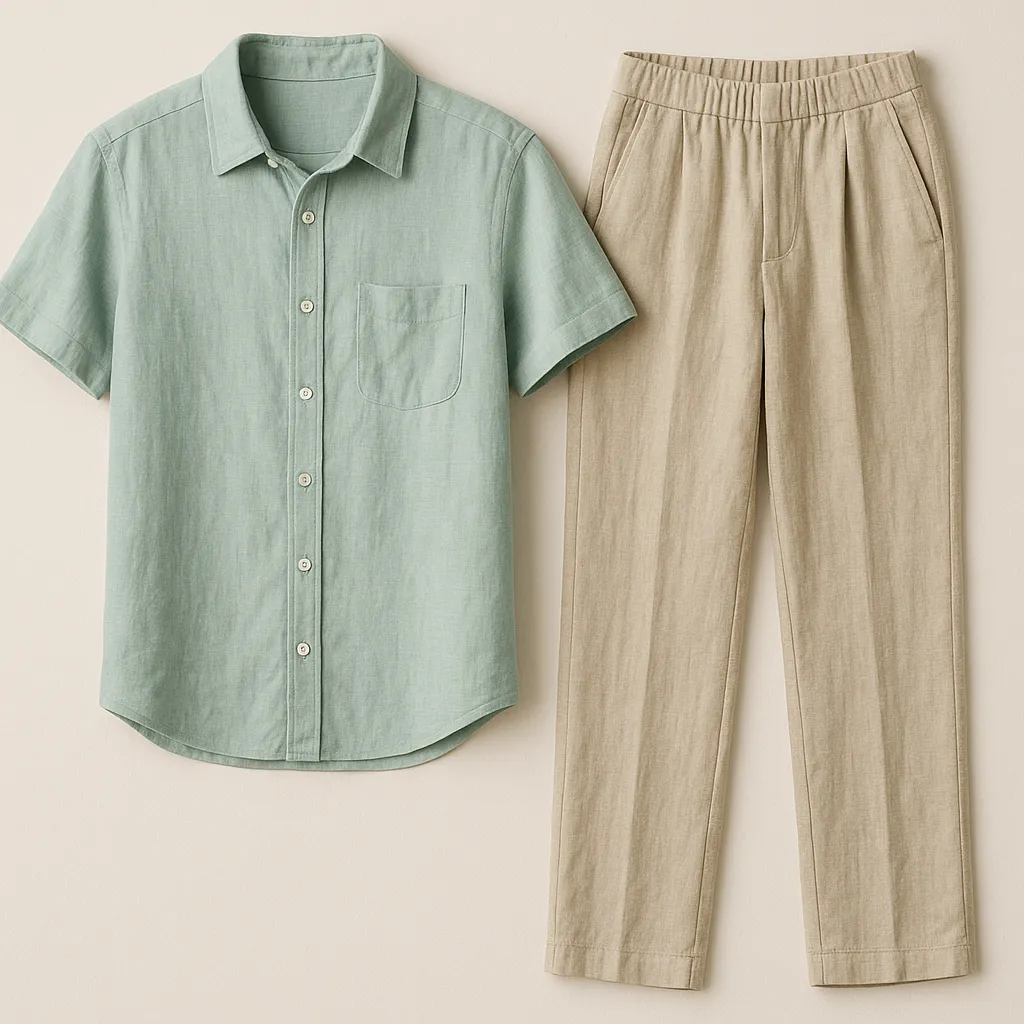
Your customers won’t remember the tag on their pants. They’ll remember how the garment made them feel. When it comes to lightweight fabrics for spring and summer (SS), comfort is king. Think of linen trousers that allow a breeze to whisper through, or a cotton shirt so airy it feels like wearing a cloud. In scorching climates, people trade style for relief. But what if they could have both?
By sourcing lightweight pants, thin shirts, and flowy fabrics, you solve a critical problem: how to remain cool without sacrificing appearance. When a buyer slips into lightweight resort wear, they instantly perceive a brand that understands their needs. That perception lays the groundwork for lasting loyalty.
2. The Allure of Travel-Friendly Clothing
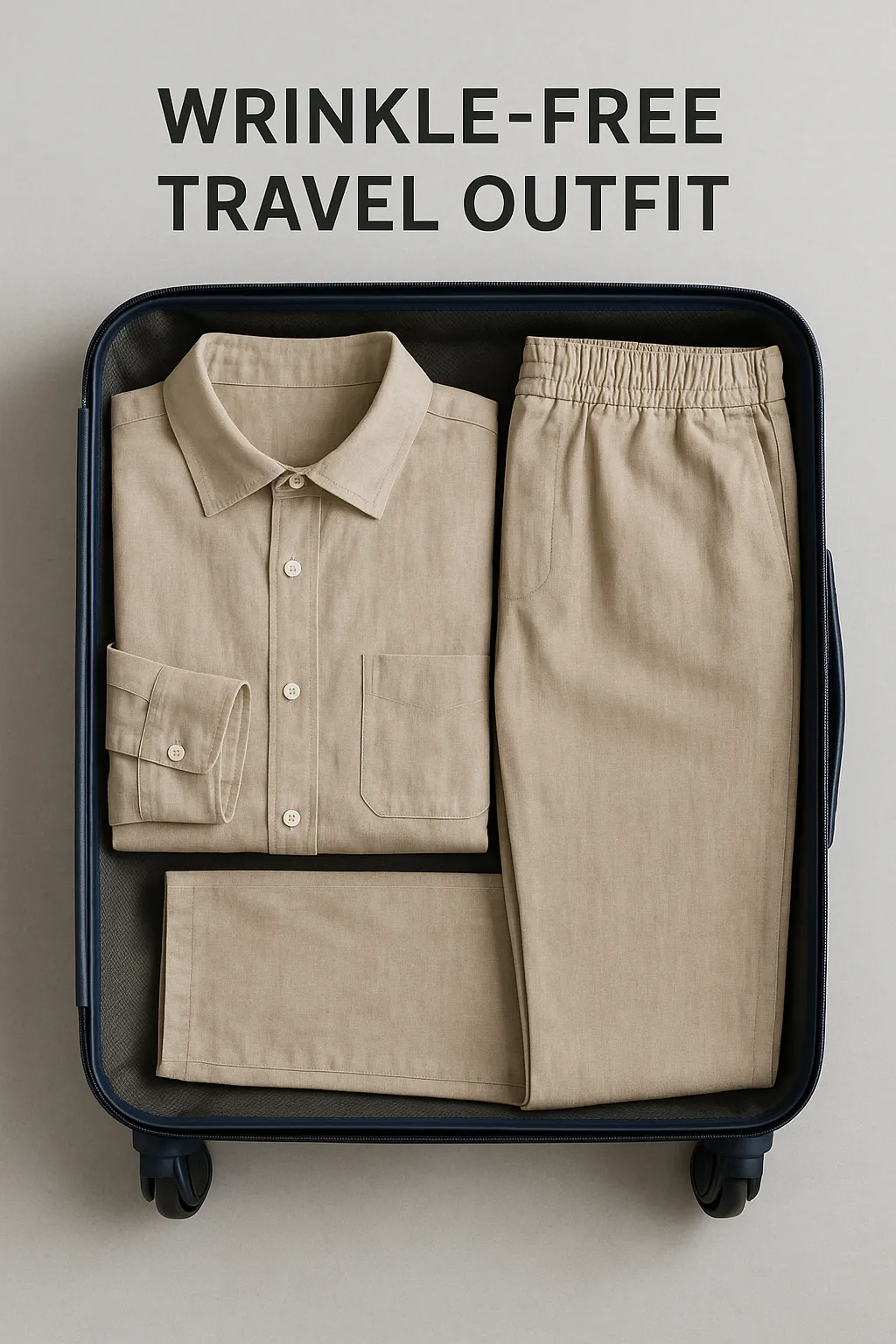
Travelers pack with surgical precision. Every ounce matters. Every wrinkle is a potential disappointment. If your garments collapse into creases the moment they emerge from a suitcase, you’ve lost the sale. But if they unfold smoothly—thanks to wrinkle-resistant finishes—and weigh less than a paperback novel, you win.
Lightweight clothing fabric choices like Tencel blends or fine polyester microfibers promise packability and performance. Your customer’s next business trip becomes a chance for your brand to shine: minimal wrinkles, maximal style. That simplicity is the kind of promise that sells itself.
3. The Competitive Edge of Aesthetic Appeal
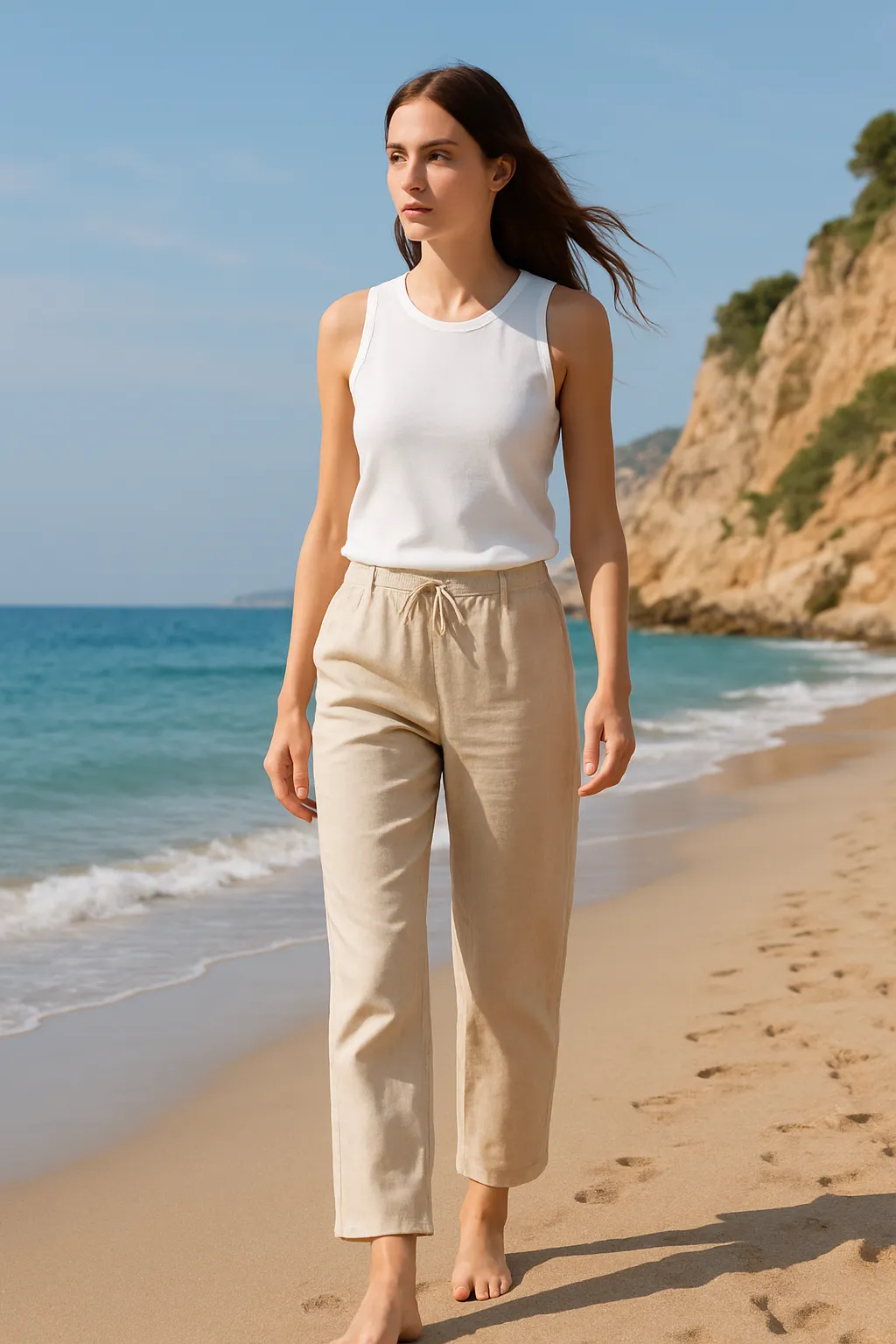
Good design is invisible. Great design draws a buyer in, holding their gaze. Flowy fabrics sculpt silhouettes that sway with each step. Thin cotton shirts can be cut just so, revealing a hint of skin without exposing too much. Lightweight summer pants for men—whether slim or wide-leg—deliver a polished appearance that feels effortless.
Brands that master the art of choosing lightweight fabrics craft stories around the lifestyle their garments enable. Imagine a campaign featuring a model strolling along a Mediterranean coast in light cotton pants that billow in the sea breeze. That image sells more than fabric; it sells an experience.
Defining Lightweight Fabrics: The Essentials
Before you can sell the story, you must understand the science. Lightweight fabrics are textiles that clock in at roughly 50–150 grams per square meter (gsm). This measure—akin to the grams on a grocery scale—tells you how much fabric weighs. Below 80 gsm, you’re entering the realm of ultra lightweight fabrics, where a single yard can drape like a second skin.
Key Terminology
- Lightweight Fabric: Any textile weighing under 150 gsm. These materials allow air to circulate, ensuring the wearer feels cool.
- Thin Fabric: Fabrics with fine yarns or low denier counts. Often semi-sheer and chosen for their soft drape.
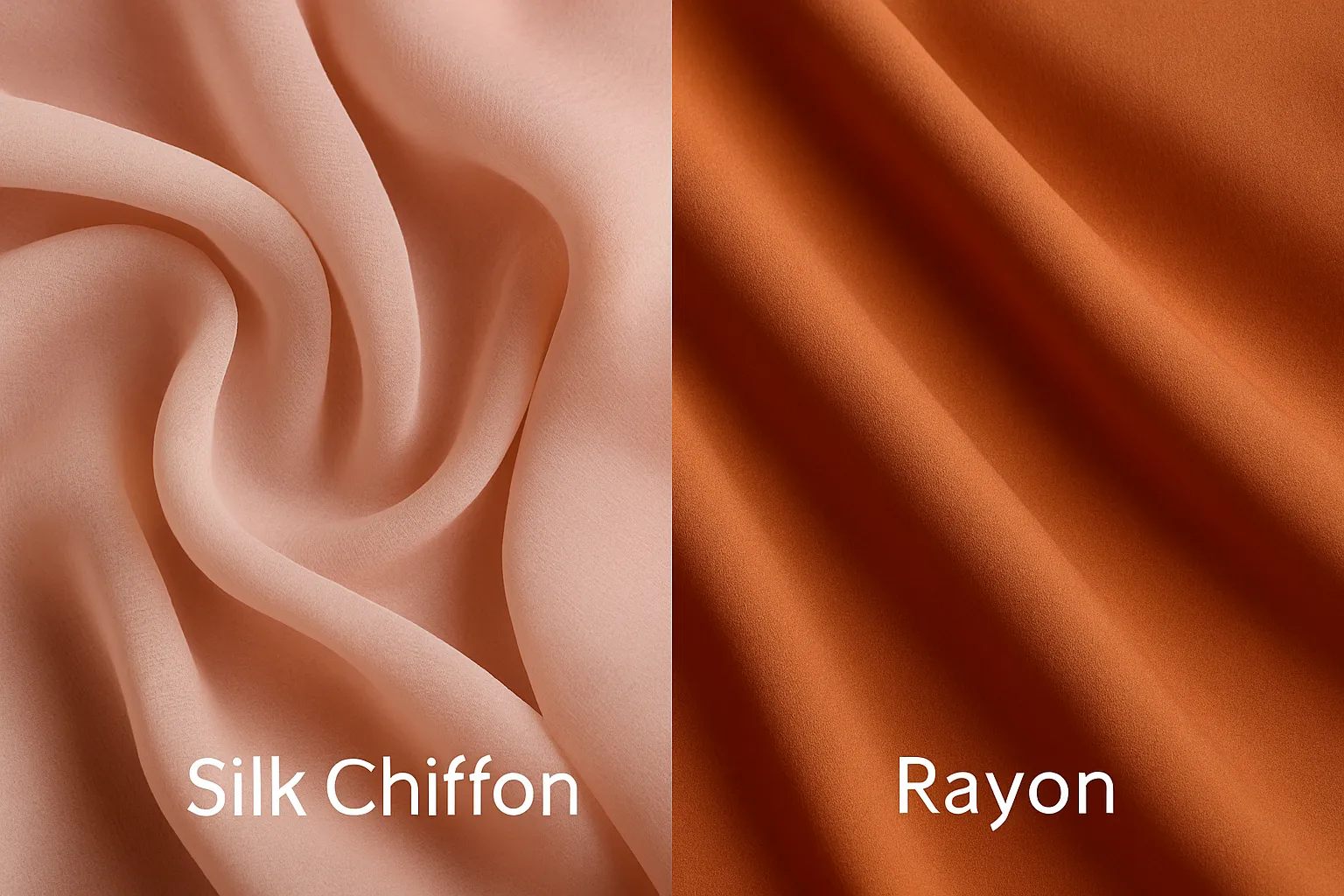
- Flowy Fabric: Textiles prized for their graceful drape—think silk chiffon or rayon—used in garments designed to move with the body.
When pitching to a buyer, emphasize how these fabrics solve real problems:“Our lightweight fabric lets your customers feel fresh under a blazing sun, while ensuring they remain impeccably styled.”
The Persuasive Benefits of Lightweight Fabrics
Ogilvy believed that the consumer responds to “relevant benefits.” Here are the most persuasive:
1. Breathability That Feels Like Freedom
In humid weather, clothes can cling like a second skin, trapping heat and moisture. Lightweight fabrics, especially natural fibers like linen or cotton, vent body heat. The result: a cooling sensation akin to standing under a fan. You’re not just selling fabric; you’re selling relief.
Benefit Statement: “Imagine garments so breathable that, even at 30 °C, your customers feel as if they’re wrapped in a gentle morning breeze.”
2. Effortless Packability
Busy professionals and globe-trotters don’t want to iron each morning. They want garments that fold into a suitcase, emerge with minimal creases, and look sharp on day one. Modern lightweight polyester blends or fine linen-cotton mixes deliver on that promise. They pack small, rebound from wrinkles, and let travelers focus on business—or adventure—instead of ironing boards.
Benefit Statement: “Offer clothes that fold into nothingness, then return to perfection, keeping your customers looking polished—no ironing needed.”
3. Elegant Drapability
Flowy silhouettes—wide-leg pants, billowy blouses, romper jumps—translate directly into perceived luxury. A garment that moves with each step, rather than clinging or appearing stiff, conveys a sense of ease and sophistication. This aesthetic advantage allows you to position your collection in higher price tiers.
Benefit Statement: “Your designs will glide like liquid silk, ensuring every stride leaves a lasting impression of effortless style.”
4. Sustainability That Sells
Consumers today don’t just want comfort; they want conscience. Linen—grown from flax—uses significantly less water and fewer pesticides than cotton. Tencel Lyocell emerges from a closed-loop system, recycling nearly all solvents. When you market lightweight fabrics with robust sustainability credentials, you tap into a powerful emotional trigger: buying with a clear conscience.
Benefit Statement: “Our fabrics blend the whisper-thin luxury your customers crave with the eco-friendly credentials they demand—no compromises.”
Types of Lightweight Fabrics: A Buyer’s Guide
Choose wisely, and your collection will outshine competitors. Here’s what to recommend:
Cotton Variants: Classic Comfort
- Cotton Lawn & Voile (60–100 gsm)
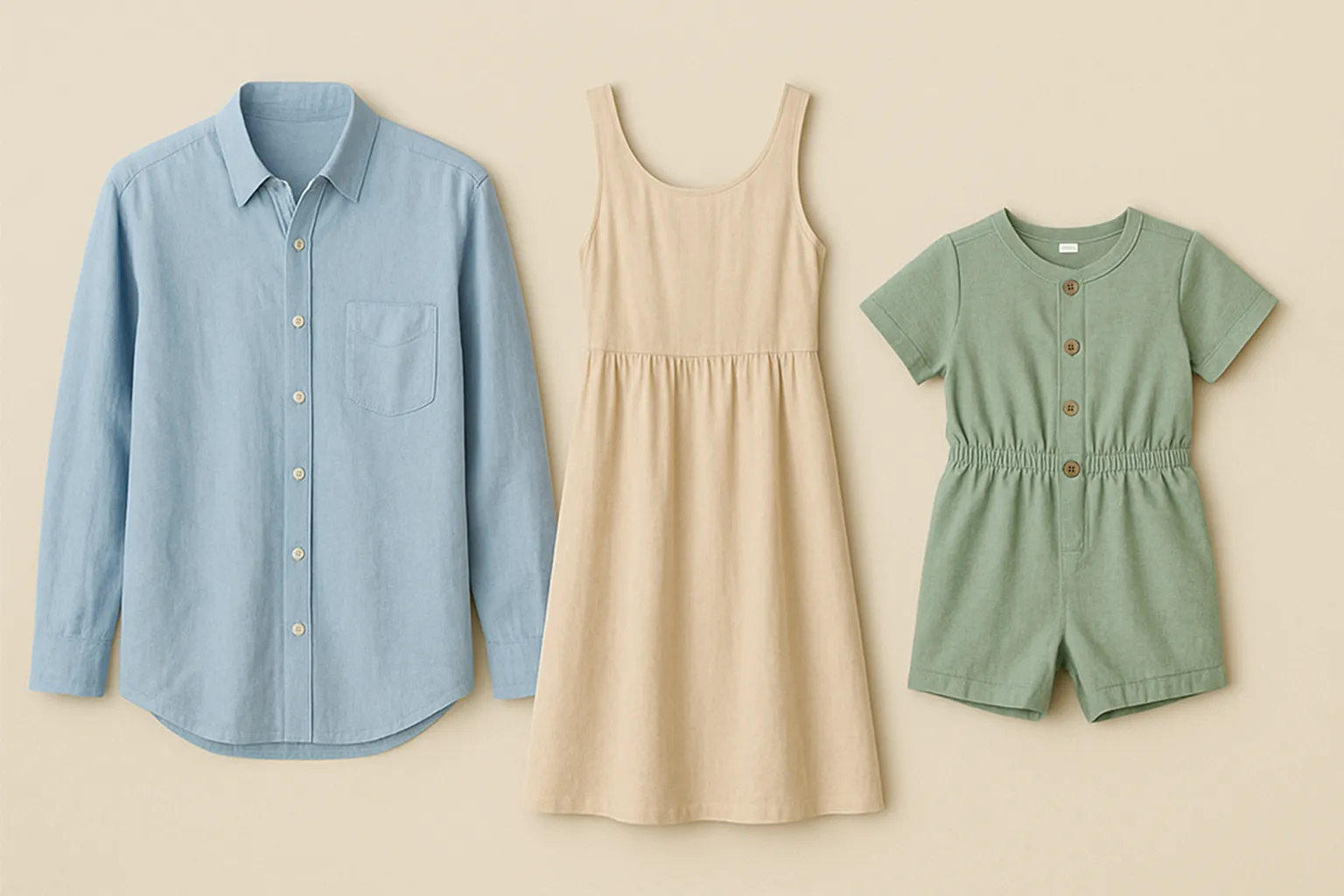
- Attributes: Soft, breathable, and budget-friendly. Perfect for thin shirts and children’s summer wear.
- Use Cases: Casual button-downs, lightweight dresses, and kids’ rompers.
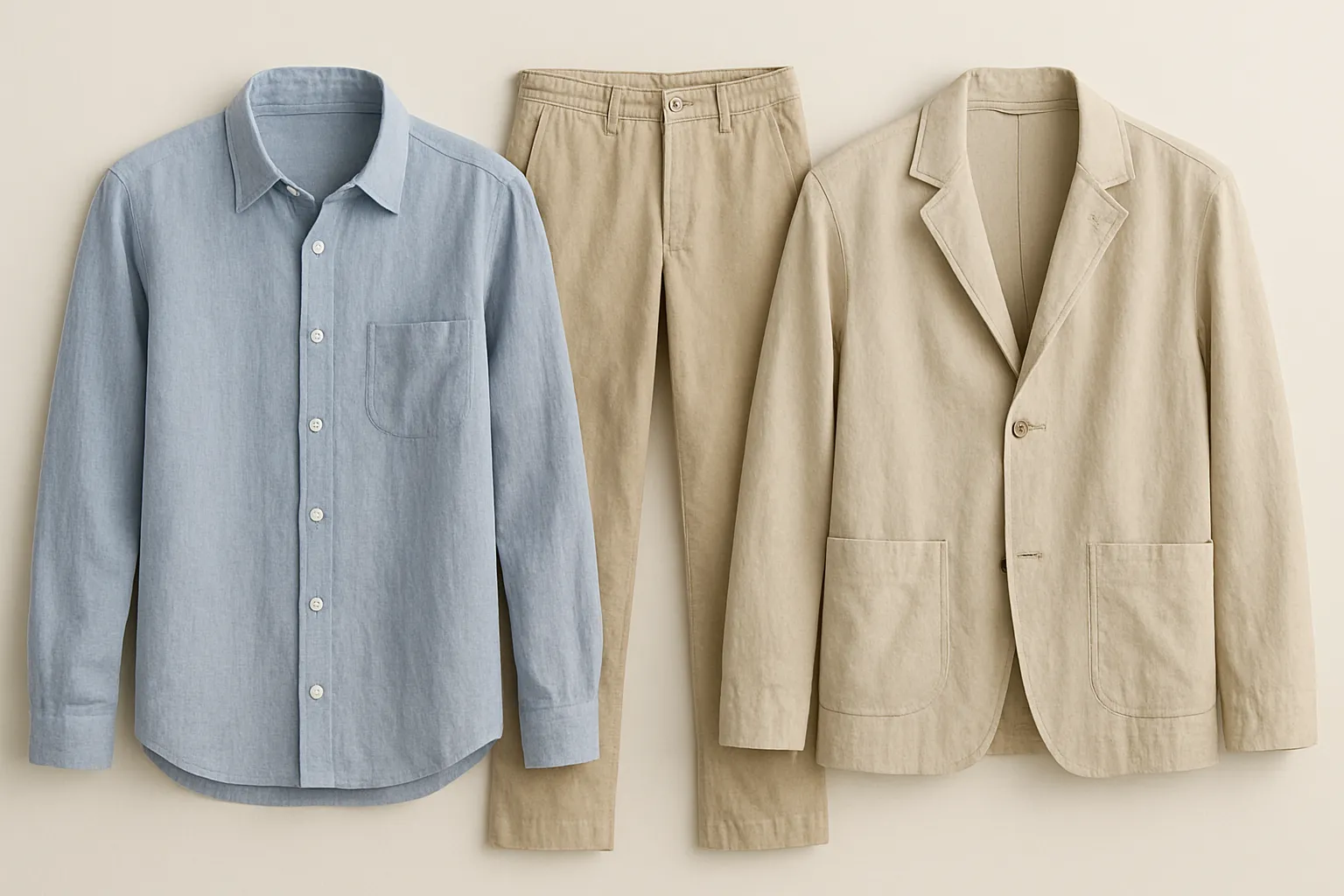
- Cotton Chambray (100–130 gsm)
- Attributes: Looks like denim, but feels like a whisper. Soft drape, subtle sheen.
- Use Cases: Thin fabric shirts, casual lightweight pants, summer jackets.
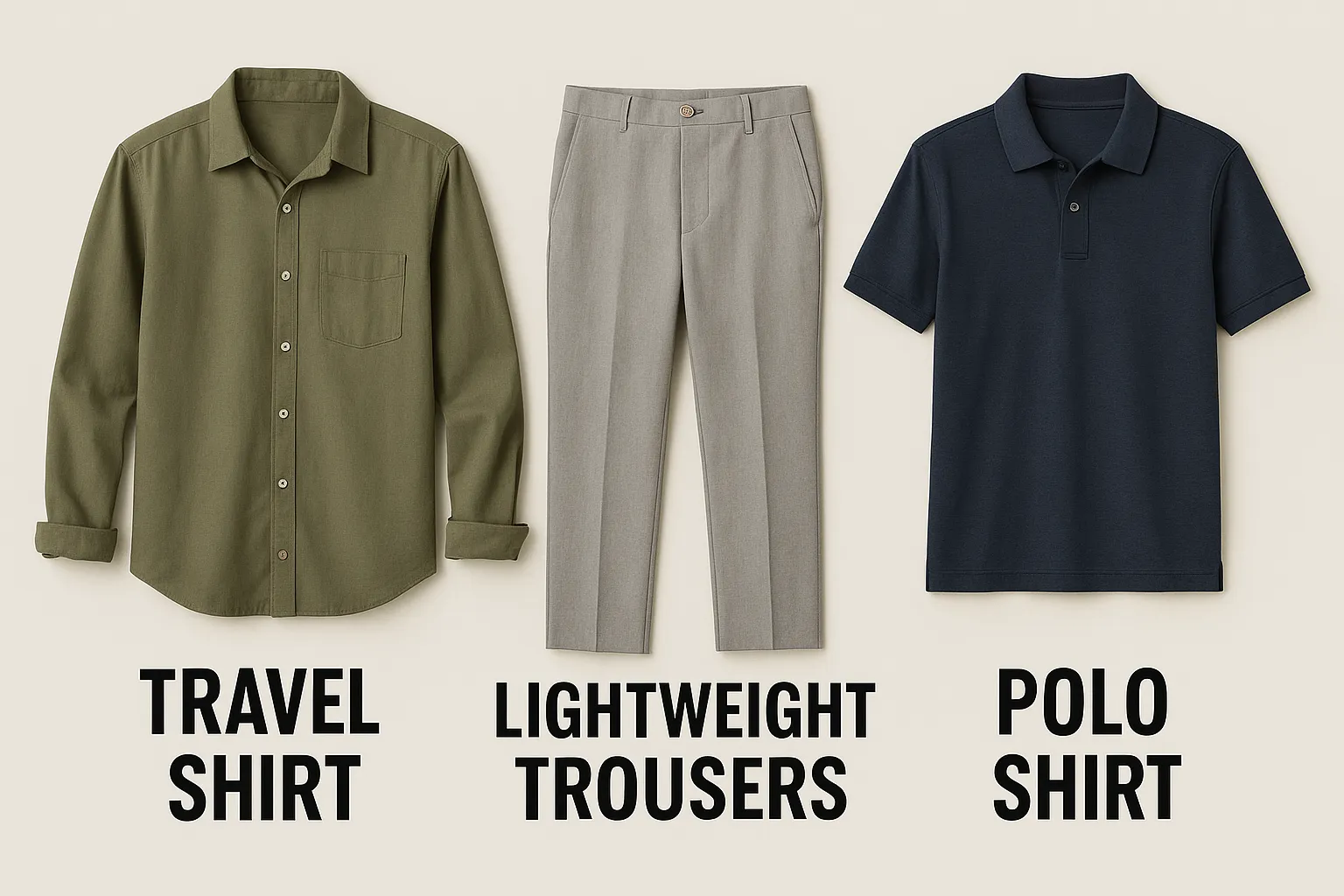
- Cotton Blends (100–120 gsm)
- Attributes: Blending cotton with polyester adds wrinkle resistance. Maintains breathability with added durability.
- Use Cases: Travel shirts, quasi-formal lightweight pants, polo-style tops.
Linen: The Breathable Royalty
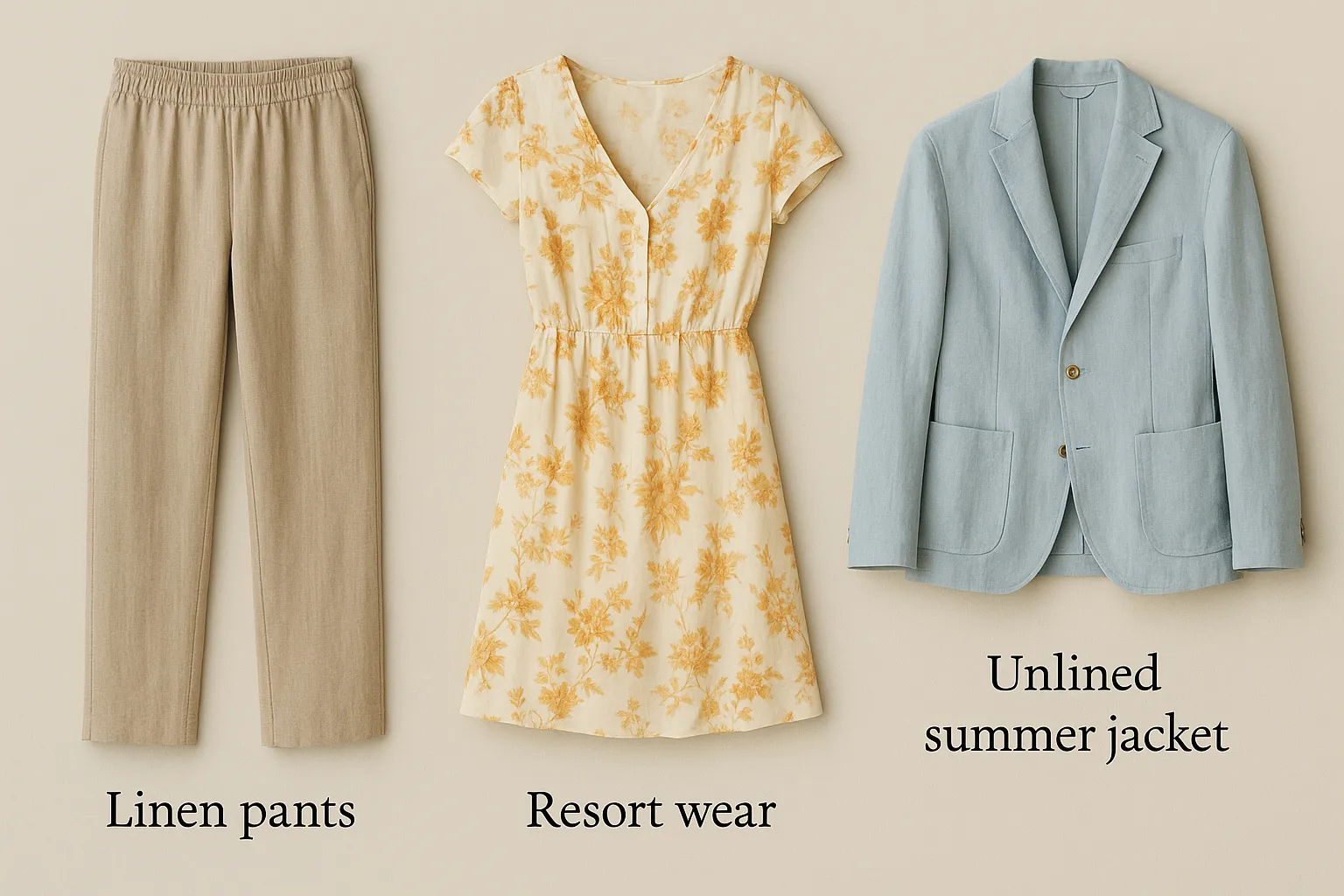
- Pure Linen (110–150 gsm)
- Attributes: Unmatched breathability and moisture-wicking. Slightly textured, delivers that classic “crisp” look.
- Use Cases: Linen pants, resort wear, unlined summer jackets.
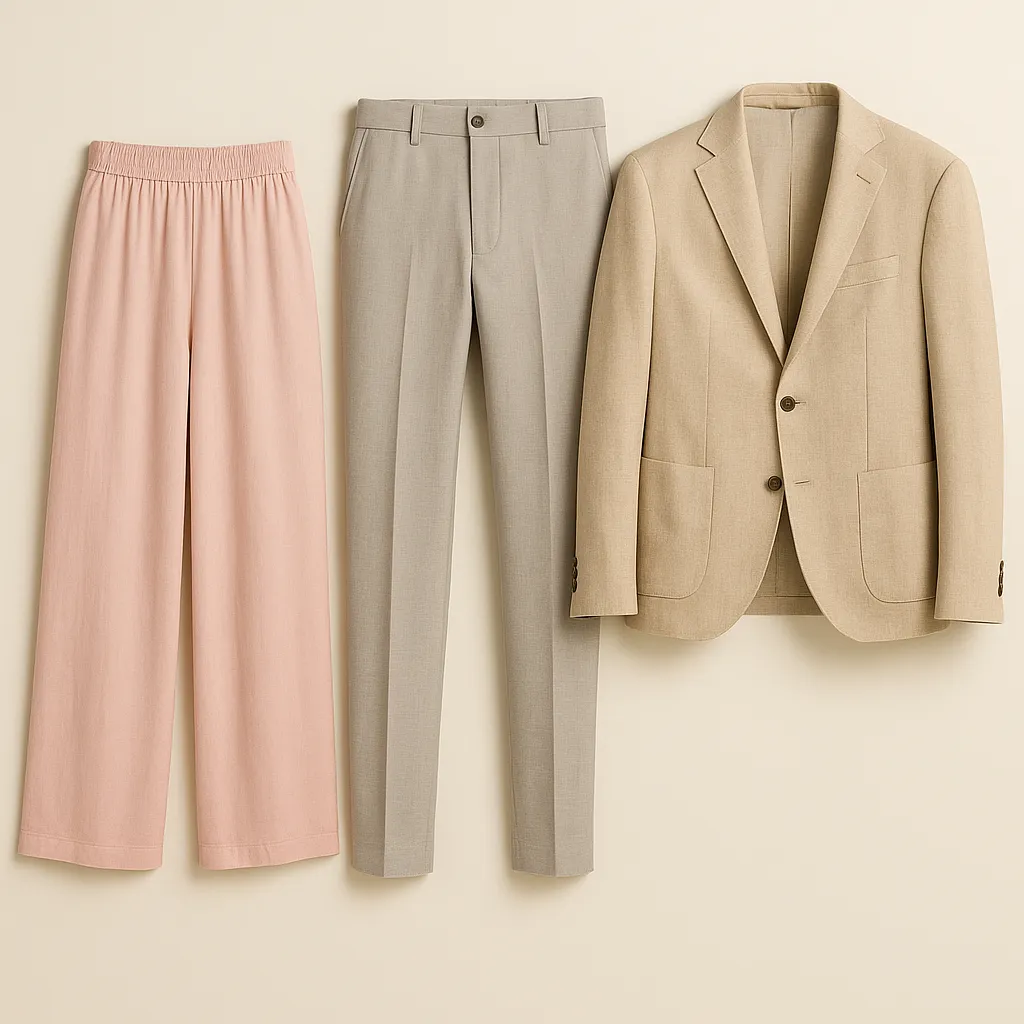
- Linen-Cotton Blends (120–140 gsm)
- Attributes: Reduces linen’s notorious wrinkling, while keeping it airy. Affords a softer hand.
- Use Cases: Ladies lightweight summer pants, men’s tailored summer trousers, smart-casual blazers.
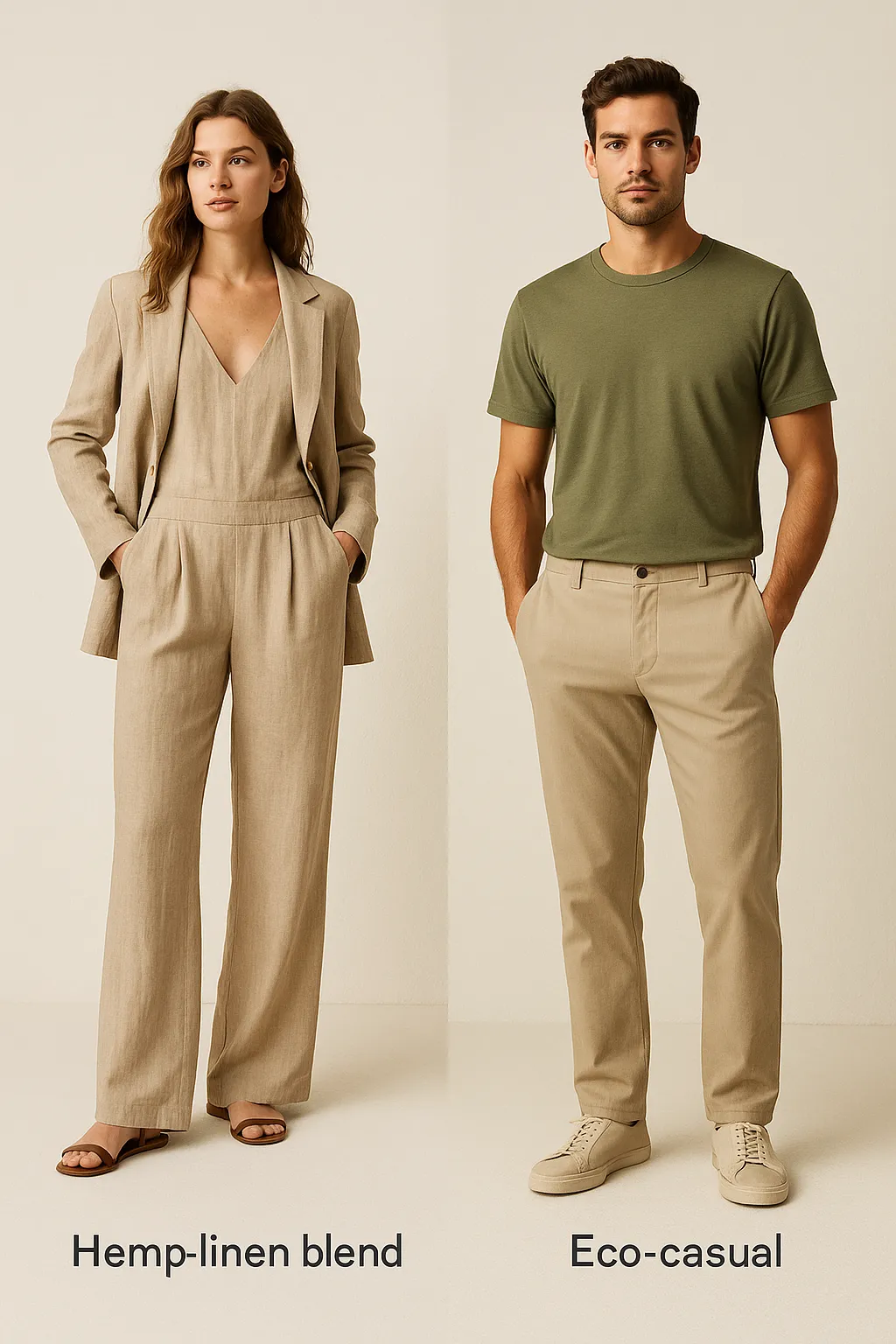
- Hemp-Linen Blends (110–130 gsm)
- Attributes: Hemp adds durability; linen ensures breathability. Both fibers are eco-friendly.
- Use Cases: Premium resort collections, eco-conscious casual wear.
Tencel™ (Lyocell & Modal): The Eco-Chic Choice
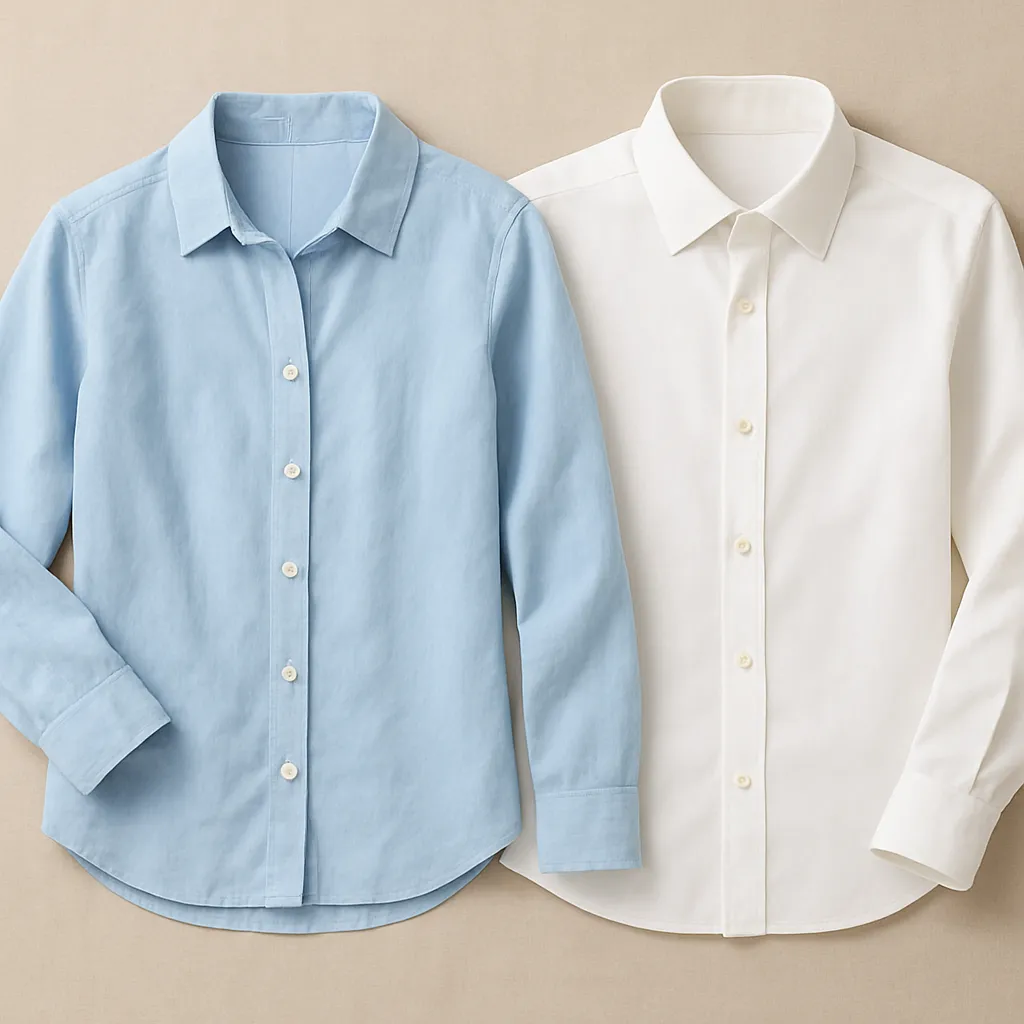
- Tencel Lyocell (90–130 gsm)
- Attributes: Silky hand, superior moisture management, biodegradable. Perfect for flowy dresses and lightweight shirts.
- Use Cases: Women’s blouses, men’s dress shirts, sleepwear.
- Tencel Modal (80–120 gsm)
- Attributes: Even softer than Lyocell, slight sheen, excellent color retention.
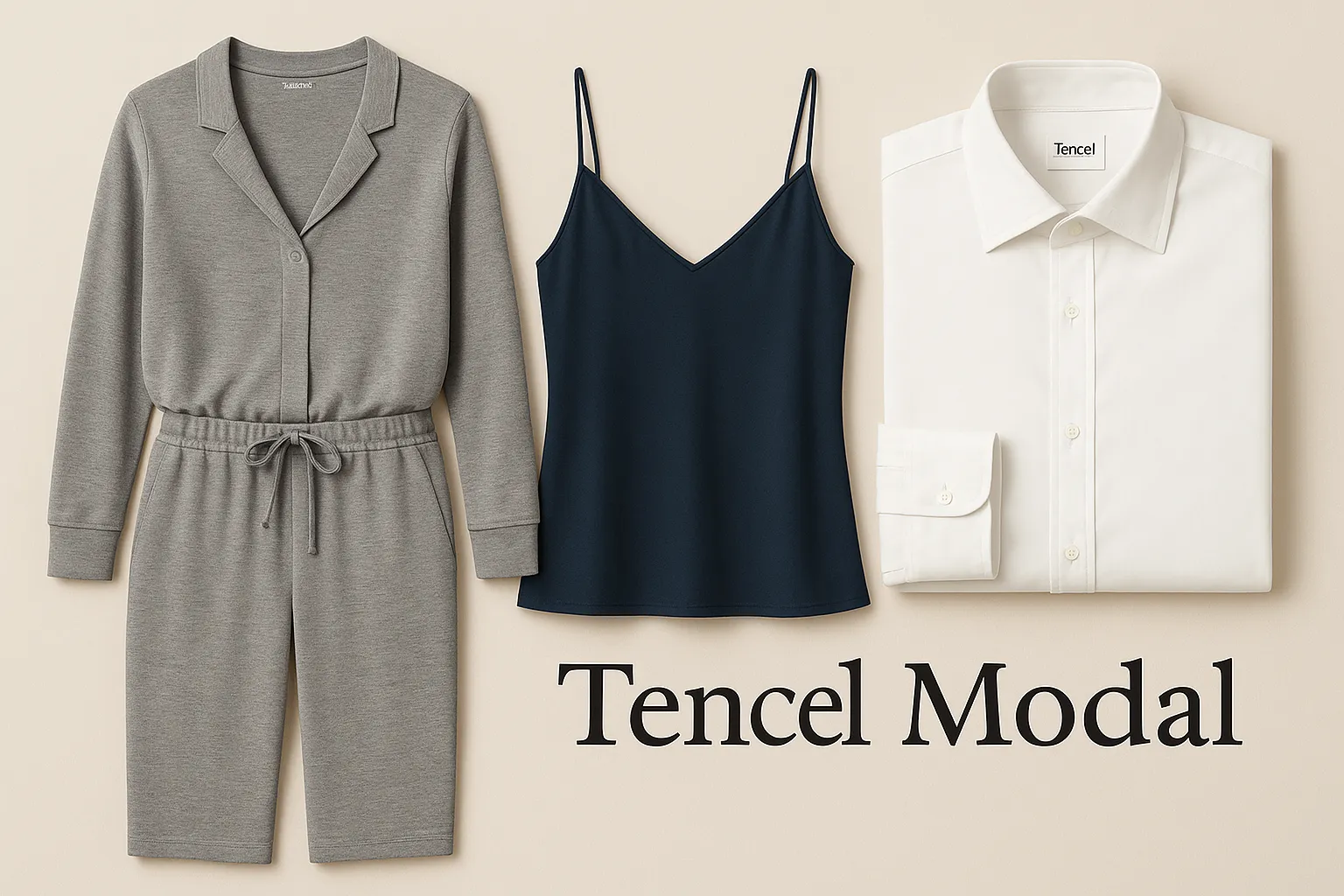
- Use Cases: High-end loungewear, luxury camisoles, premium shirting.
Silk & Chiffon: Whisper-Weight Luxury
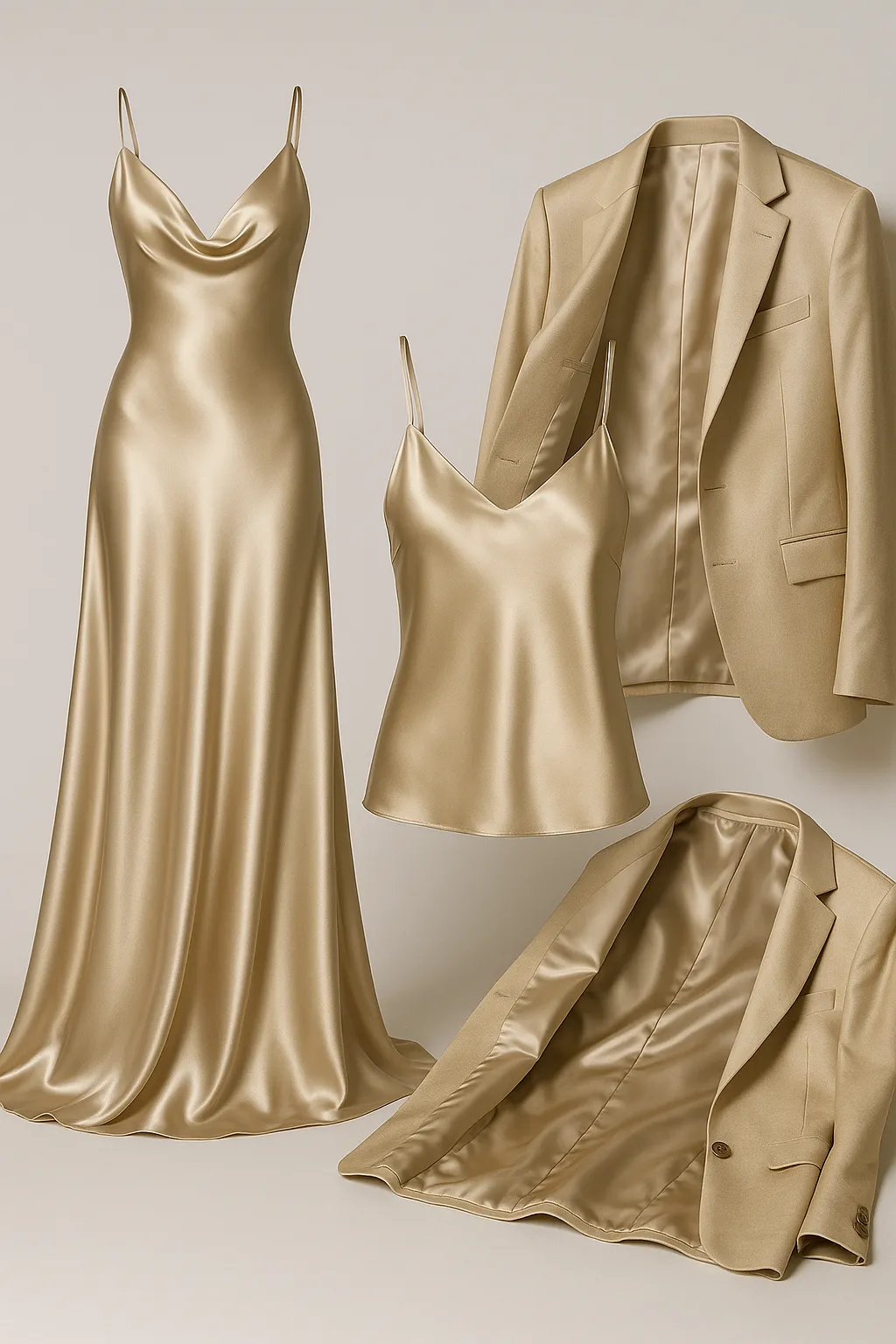
- Silk Charmeuse (60–90 gsm)
- Attributes: Glossy surface, fluid drape. Drapes like liquid, feels decadent.
- Use Cases: Eveningwear, light lingerie, luxurious linings.
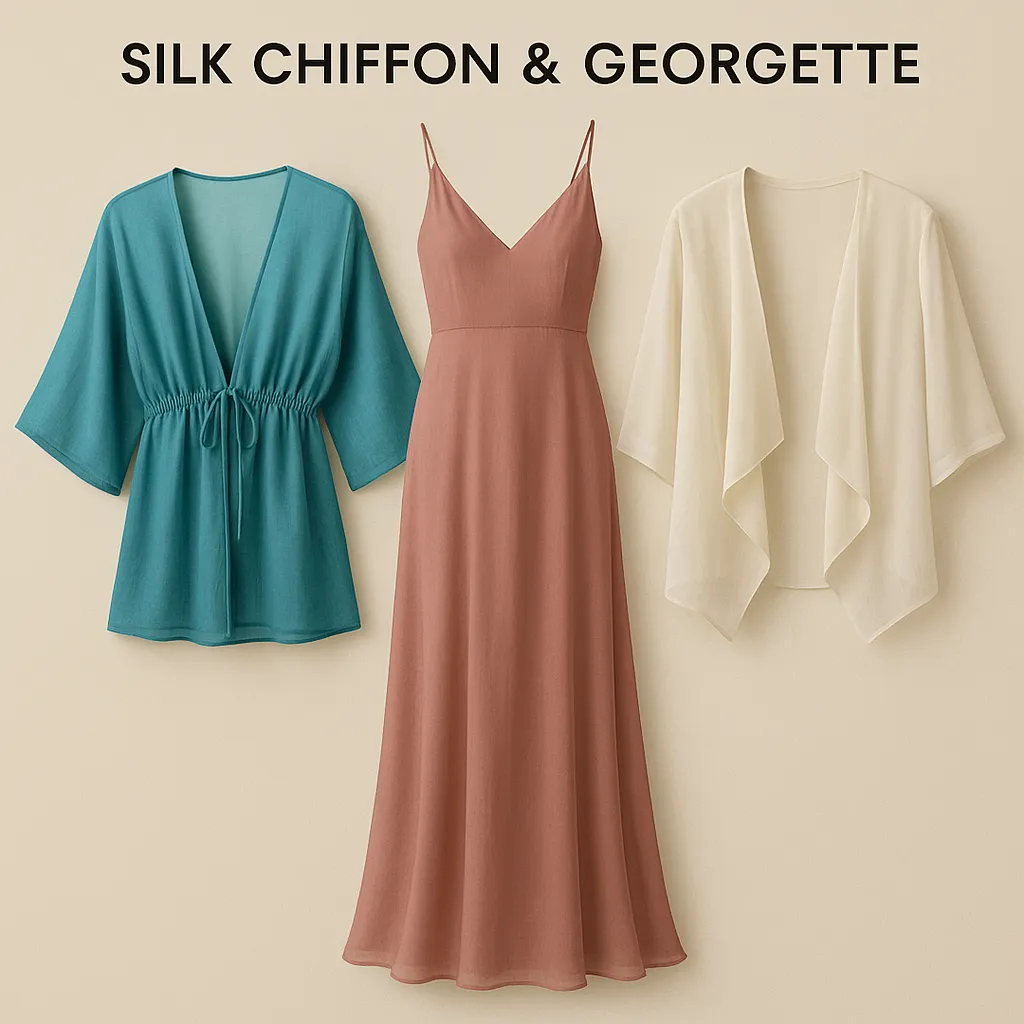
- Silk Chiffon & Georgette (30–80 gsm)
- Attributes: Semi-sheer, ethereal, floaty. Creates garments that “move with the wind.”
- Use Cases: Resort cover-ups, evening blouses, decorative overlays.
Synthetic & Technical Fabrics: Performance and Durability
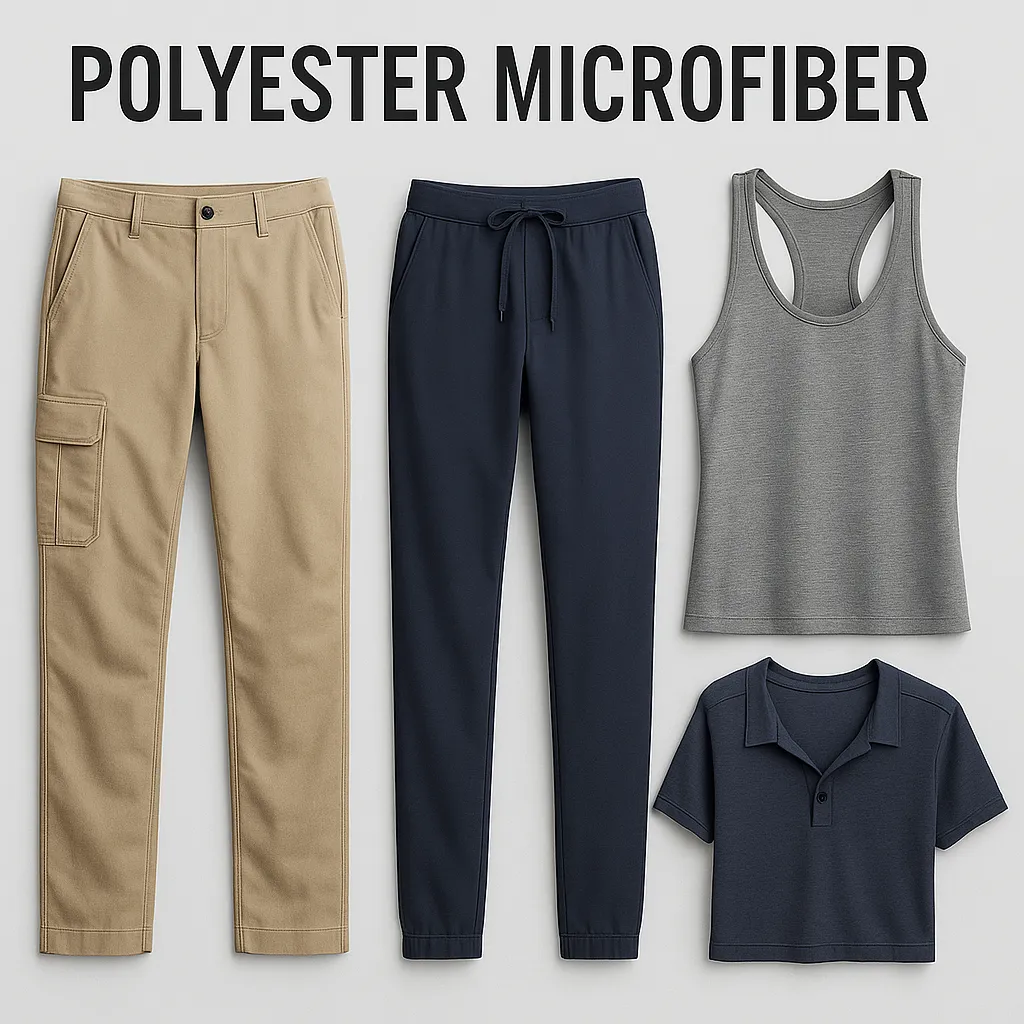
- Polyester Microfiber (70–100 gsm)
- Attributes: Quick-dry, durable, budget-friendly. Ideal for activewear and travel gear.
- Use Cases: Lightweight painters pants, performance pants, athletic tanks.
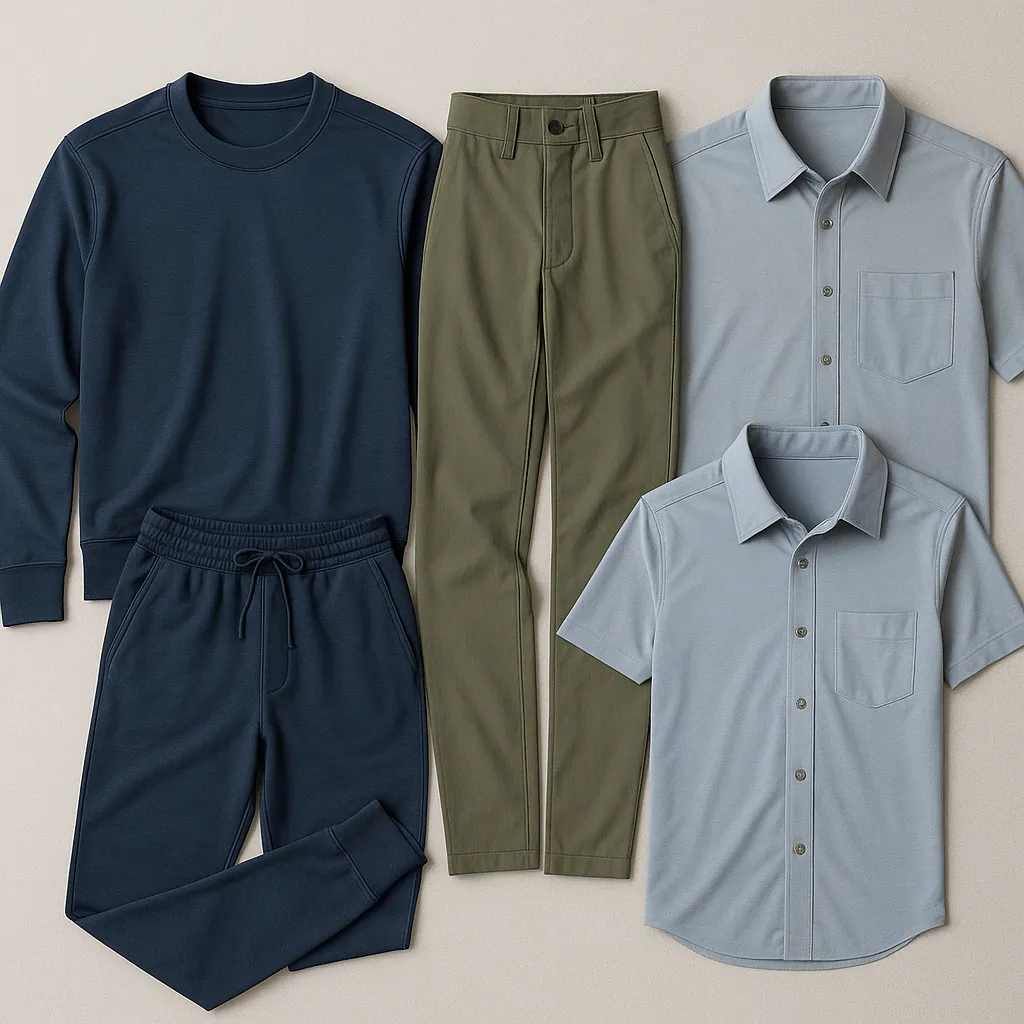
- Nylon-Spandex Blends (80–110 gsm)
- Attributes: Breathable stretch, excellent recovery, moisture wicking.
- Use Cases: Athleisure, travel trousers, technical shirts.
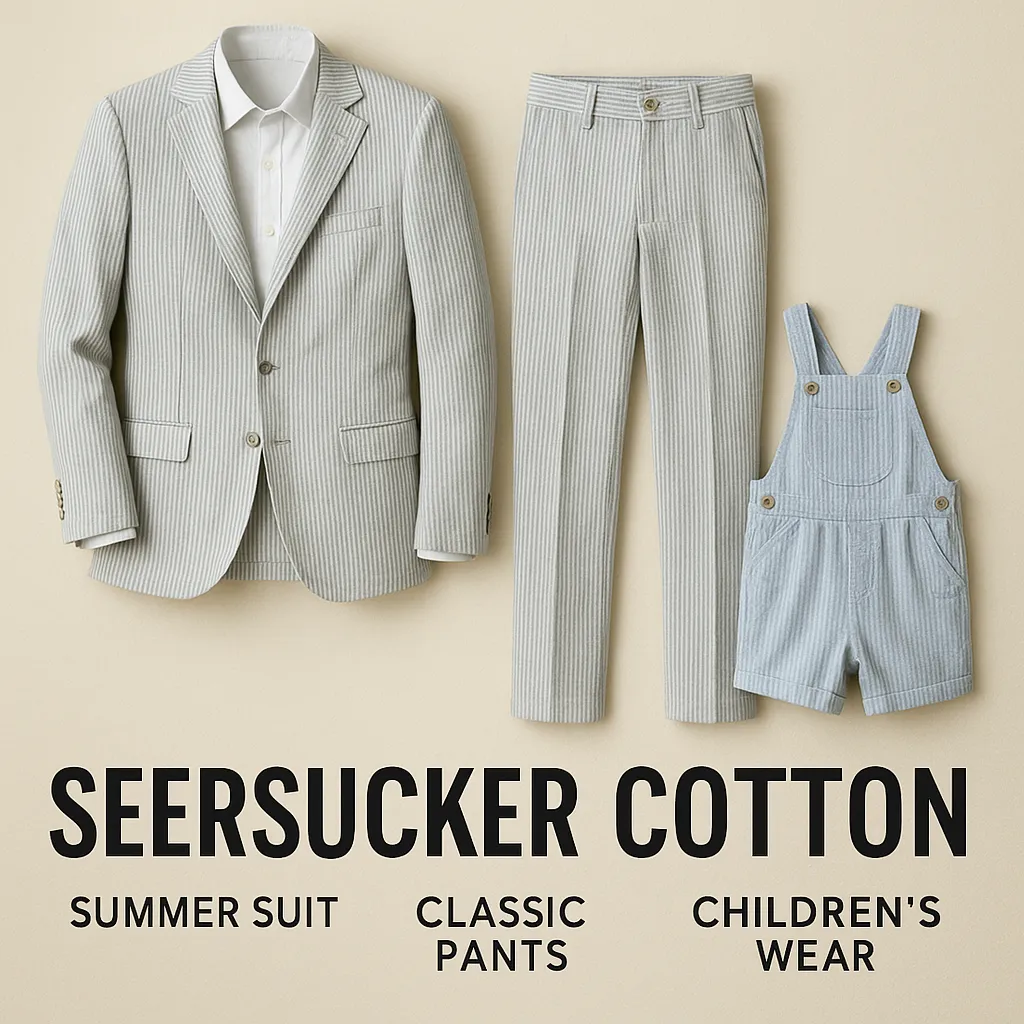
- Seersucker Cotton (90–120 gsm)
- Attributes: Naturally puckered weave lifts fabric from the skin, enhancing airflow.
- Use Cases: Summery suits, classic men’s trousers, children’s wear.
Specialty Weaves & Innovative Options
- Chambray (100–130 gsm)
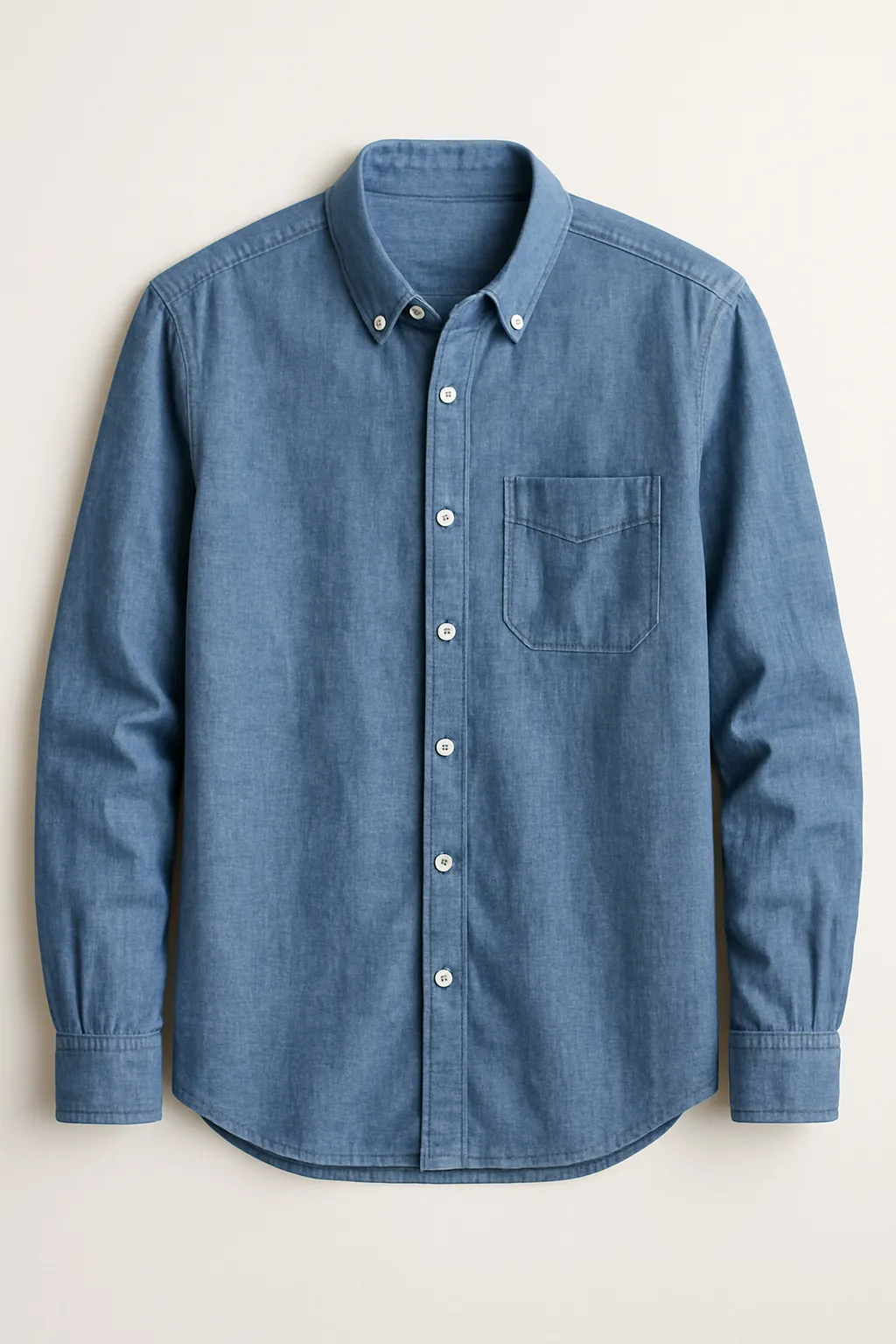
- Often mistaken for lightweight denim, chambray is woven with white weft threads and colored warp threads. Results: a soft texture that looks like denim but drapes like a shirt.
- Crêpe (80–120 gsm)
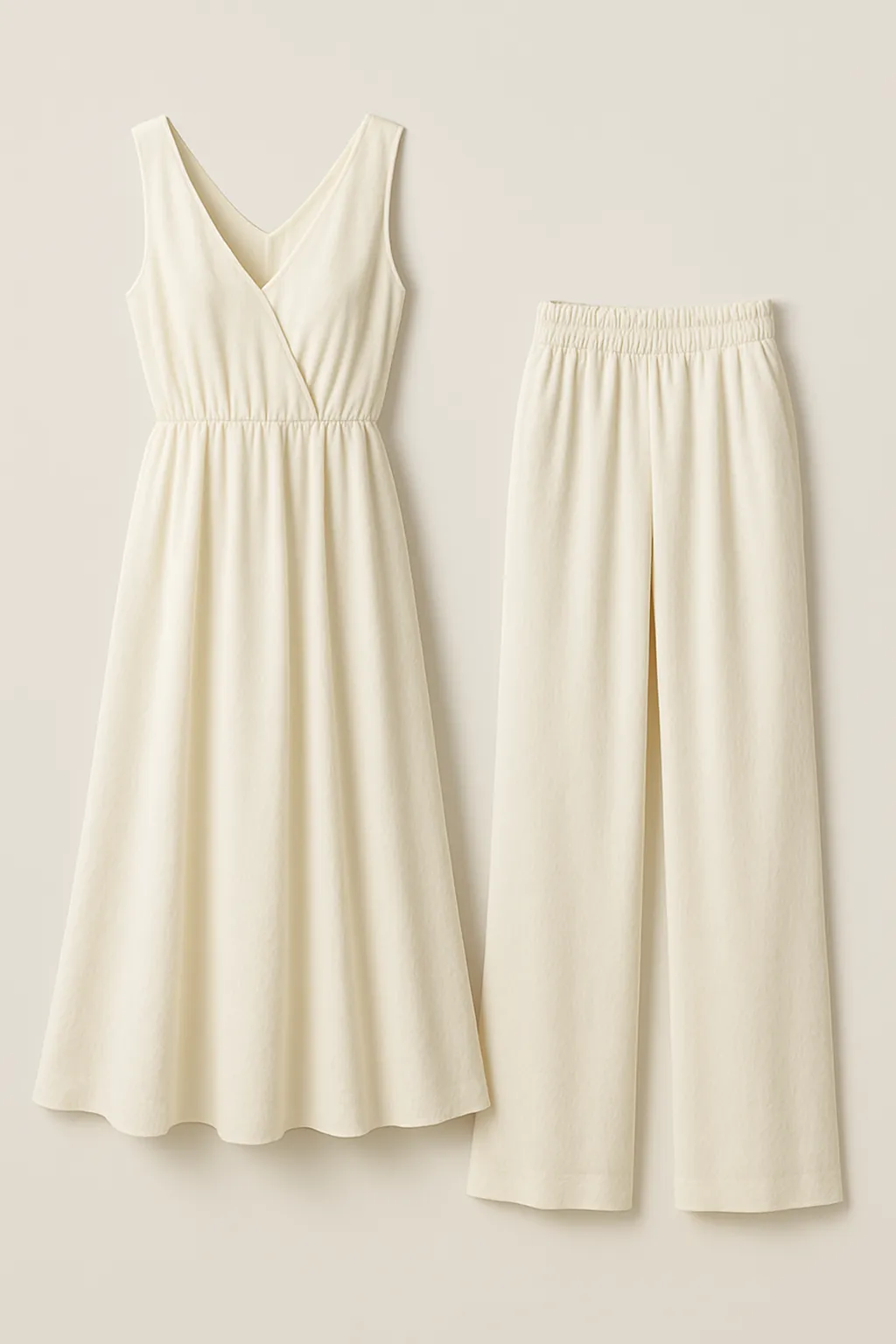
- Crêpe weave adds texture and subtle stretch. Used for flowy dresses and wide-leg lightweight pants that hold their shape.
- Mesh & Knit Fabrics (60–100 gsm)
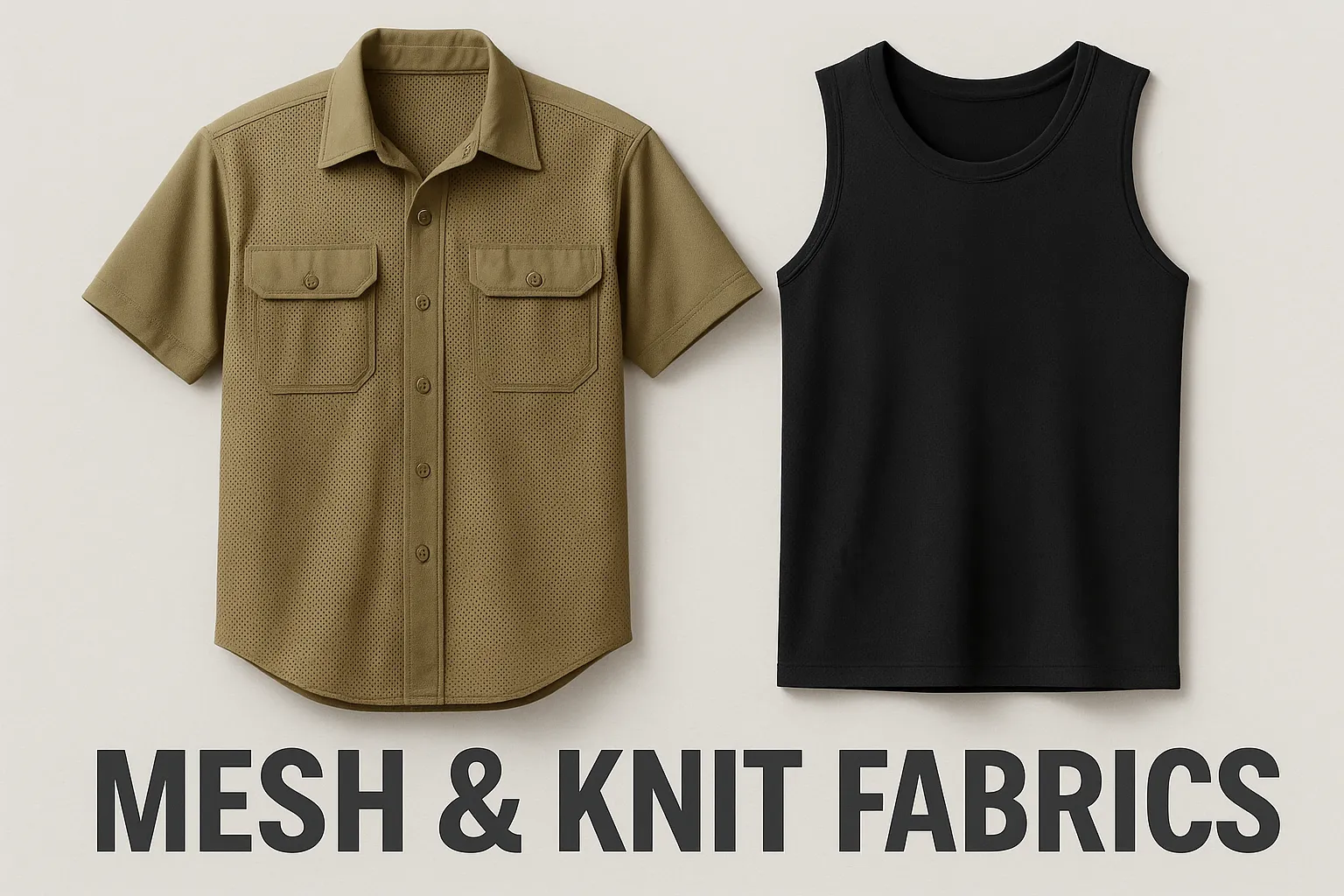
- Mesh knits excel in breathable workwear and active attire. Lightweight yet sturdy, they wick moisture and dry fast.
Cotton vs. Linen: The Lighter Fabric Debate
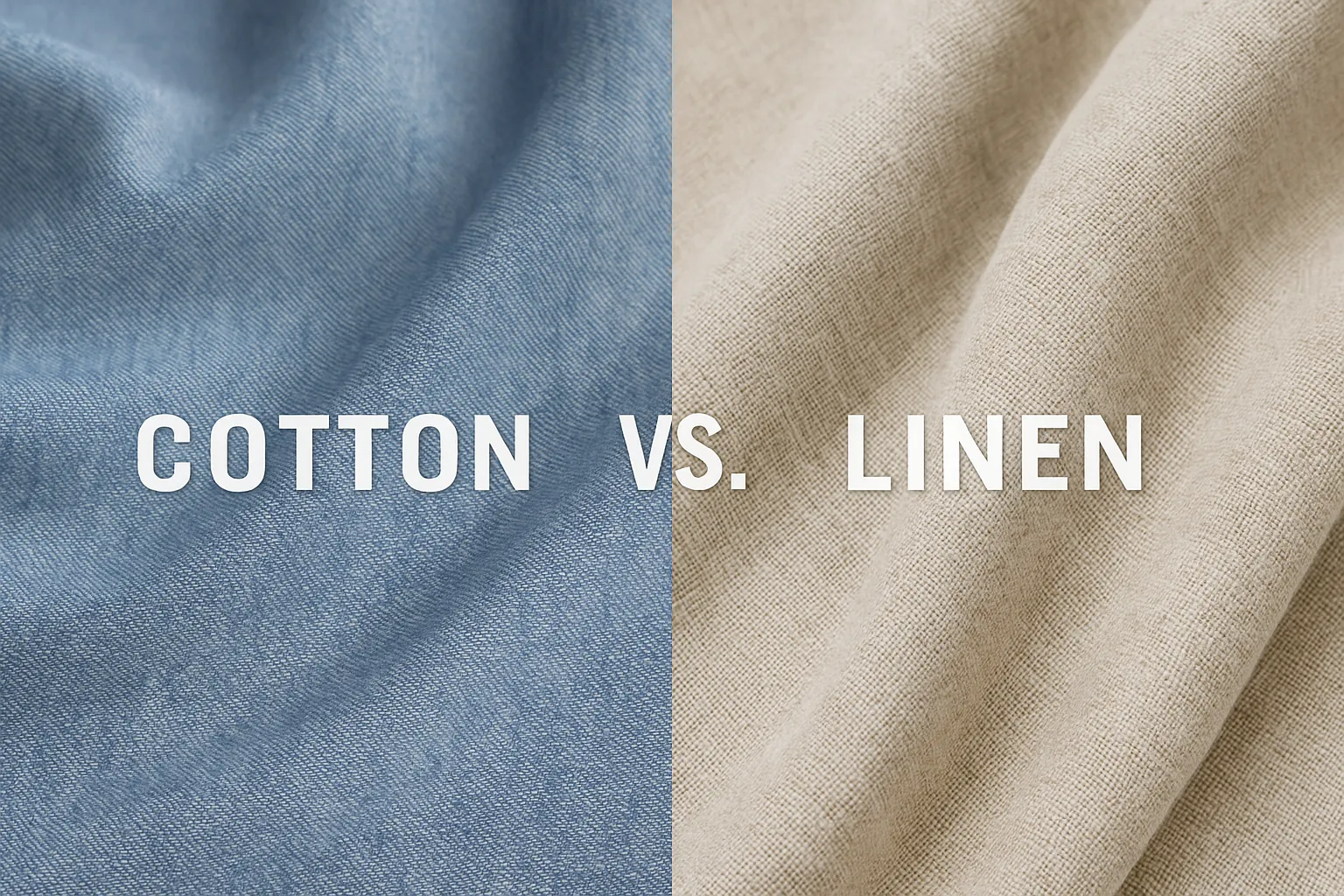
Question: Which fabric is lighter: cotton or linen?
Answer: Linen typically achieves a lighter feel due to its coarser, hollow fibers. Even at equal GSM, linen’s natural creases and looser weave create channels for air. Cotton variants like lawn or voile can feel almost as weightless but tend to lie flatter against the skin. Ultimately, if your buyer seeks maximum ventilation, linen wins. If they demand a smoother hand with lower cost, a fine cotton might suffice.
Key Considerations:
- Airflow: Linen’s hollow fibers vent heat more effectively.
- Handfeel: Cotton lawn feels uniformly smooth; linen has a bit more texture.
- Durability: Linen resists tearing but wrinkles readily. Cotton can be engineered with finishes for wrinkle resistance.
- Sustainability: Both fibers can be sustainable. Organic cotton and linen from Masters of Linen certified mills both boast low environmental footprints.
By presenting this comparison directly to buyers, you position yourself as an authority, guiding them toward the smartest choice for men’s lightweight summer pants, ladies lightweight summer pants, or lightweight shirts.
Criteria for Selecting the Perfect Lightweight Fabric
Your brand’s reputation hinges on consistent quality. Use these criteria to vet potential suppliers and fabrics:
- GSM (Grams per Square Meter)
- Target: 50–150 gsm.
- Under 80 gsm: “featherweight” ideal for thin fabric shirts.
- 100–150 gsm: Balanced weight for durable yet airy lightweight pants.
- Weave & Finish
- Looser weaves (e.g., gauze, seersucker) improve airflow.
- Mercerized cotton adds sheen and strength without heft.
- Wrinkle-resistant treatments on linen blends mitigate creasing.
- Fiber Content & Origin
- Prioritize certified linen from European flax farms (Masters of Linen).
- Source Tencel from Lenzing-certified mills to guarantee closed-loop processing.
- Verify OEKO-TEX and GOTS certifications for cotton and blends.
- Drape & Handfeel
- Evaluate drape with a Cusick™ drape meter: scores closer to 100 indicate superior flow.
- Perform a “hand trial”: drape a swatch over a cylinder and feel how it slides.
- Colorfastness & Printability
- Conduct 10-wash tests: colors should remain vibrant.
- Check for bleeding by rubbing wet, dyed fabric against white cloth.
- Sustainability Credentials
- Prioritize OEKO-TEX Standard 100, GOTS, or EU Ecolabel.
- Request full-chain traceability using blockchain QR tags.
By rigorously applying these criteria, your brand assures buyers that every piece of lightweight fabric is a step toward unparalleled quality and ethical production.
Crafting the Ideal Lightweight Pants
Ladies’ Lightweight Summer Pants
When a boutique buyer approaches you for ladies lightweight summer pants, guide them through this process:
- Silhouette Strategy
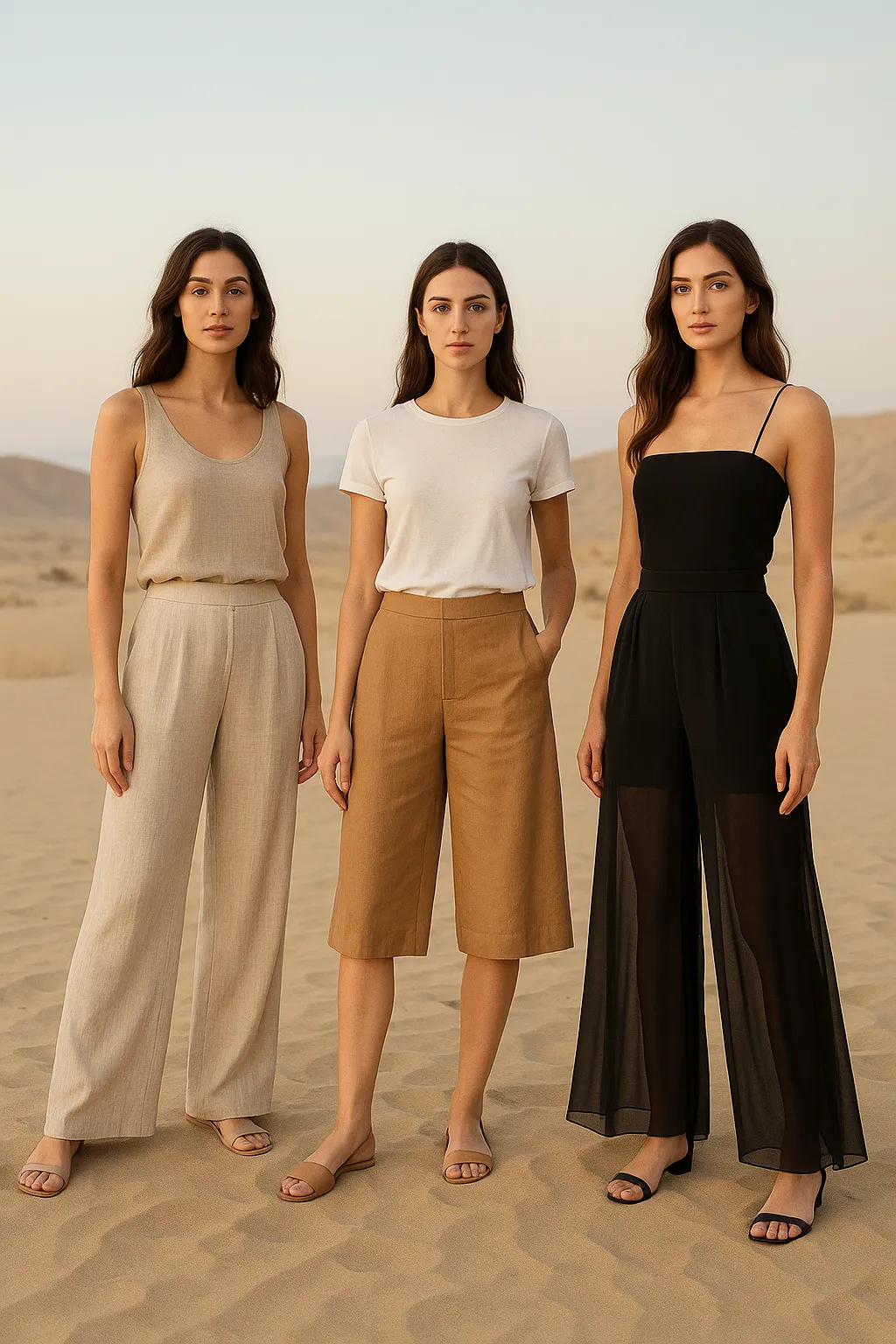
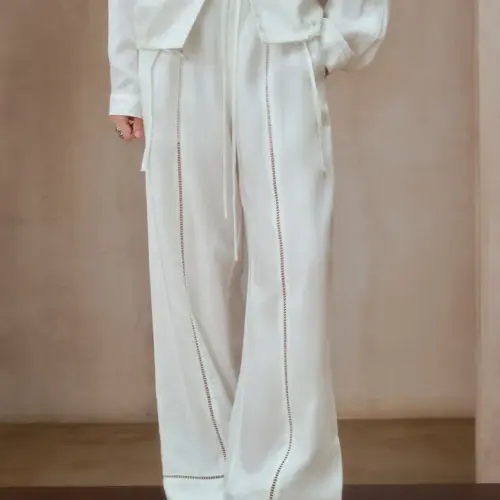
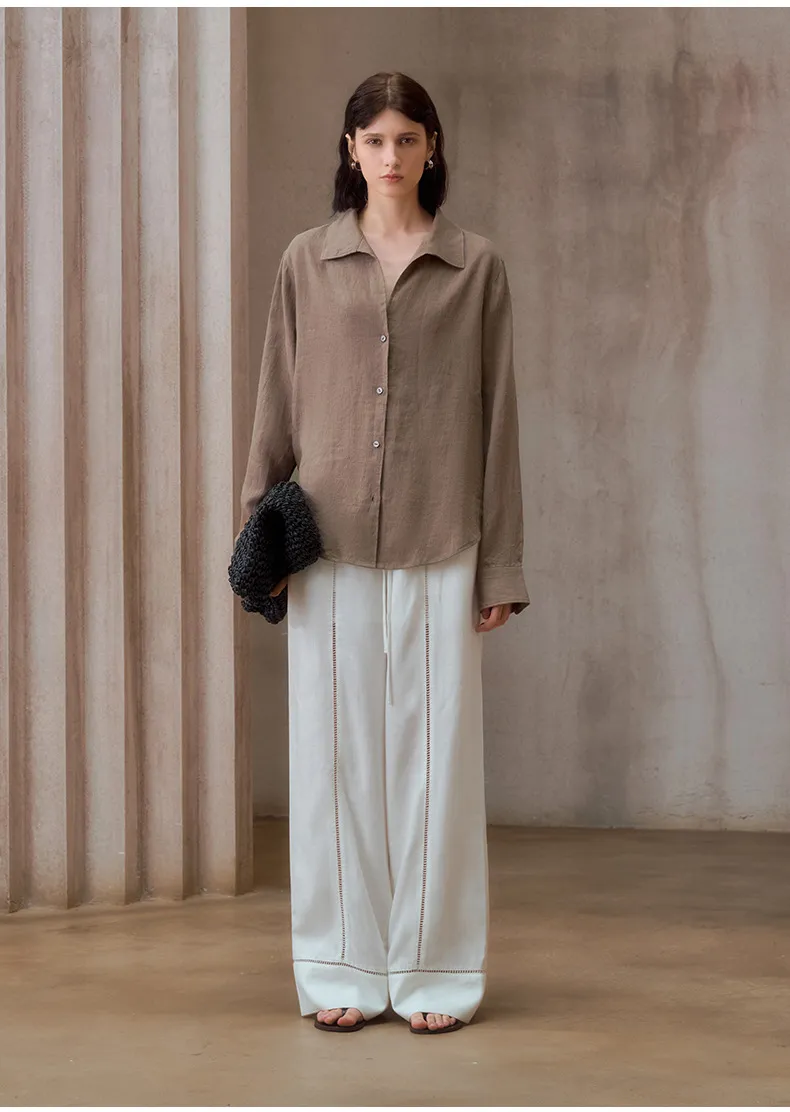
- Wide-leg styles in flowy fabric (e.g., 120 gsm Tencel-linen blend).
- Cropped culottes: 110 gsm fine cotton or modal for a breezy feel.
- High-waist palazzos in chiffon overlays for evening resort wear.
- Fabric Recommendations
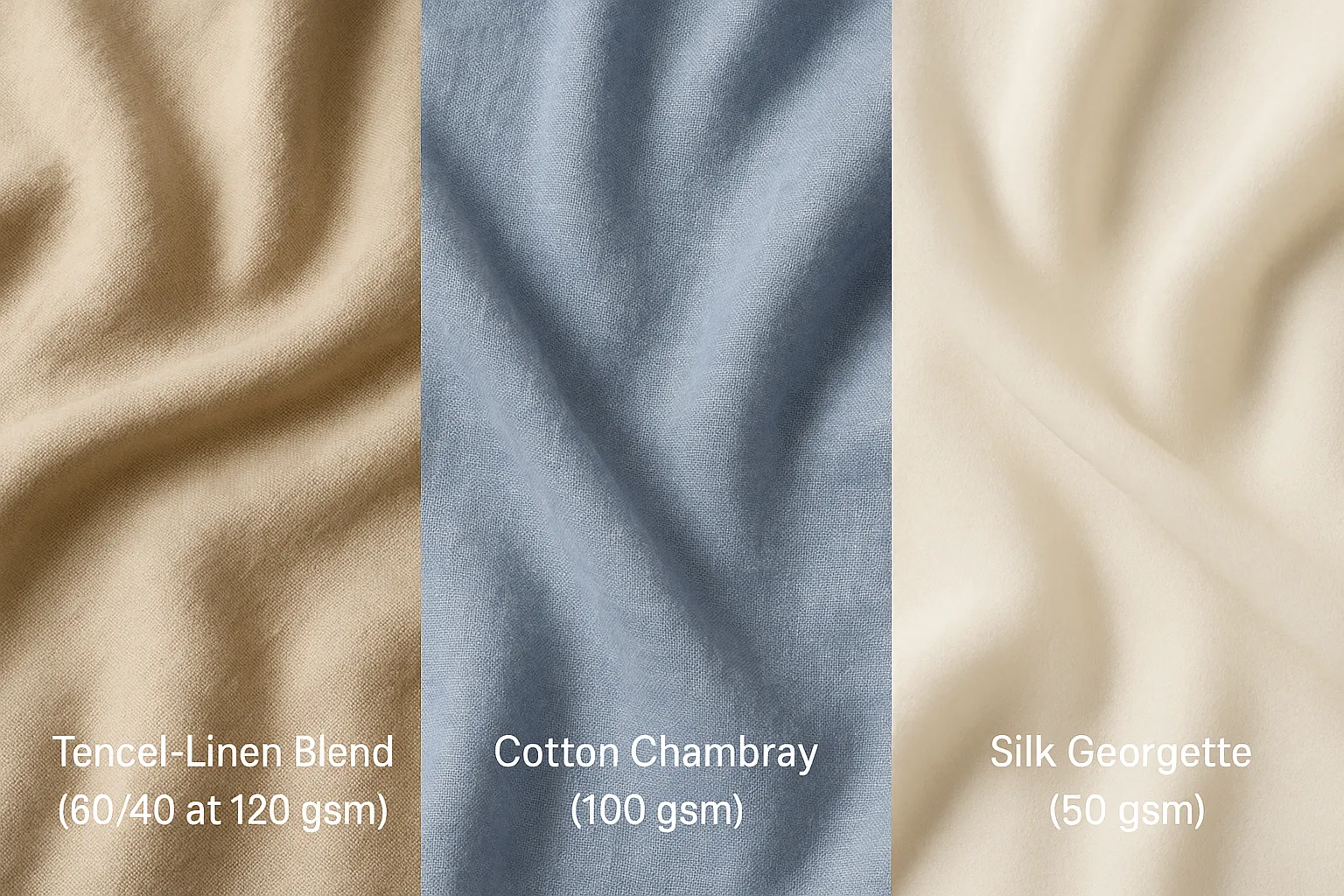
- Tencel-Linen Blend (60/40 at 120 gsm): Balances softness with texture.
- Cotton Chambray (100 gsm): Delivers a denim-like look without weight.
- Silk Georgette (50 gsm): For high-end, semi-sheer palazzo styles.
- Functional Details
- Elastic waistbands or adjustable drawstrings for fit flexibility.
- Hidden pockets reinforced with fine cotton lining to maintain lightweight feel.
- Pre-shrunk yardage ensures less than 2% shrinkage after washing.
- Color & Print
- Soft neutrals: linen white, pastel beige, soft gray.
- Subdued prints: tonal stripes, botanical watercolors.
- Bold resort prints on Tencel rayon: tropical florals in vivid blues and corals.
These recommendations help buyers visualize how the garment moves from concept to customer. In Ogilvy’s words: “Tell the story of the benefit, not the product.”
Men’s Lightweight Summer Trousers
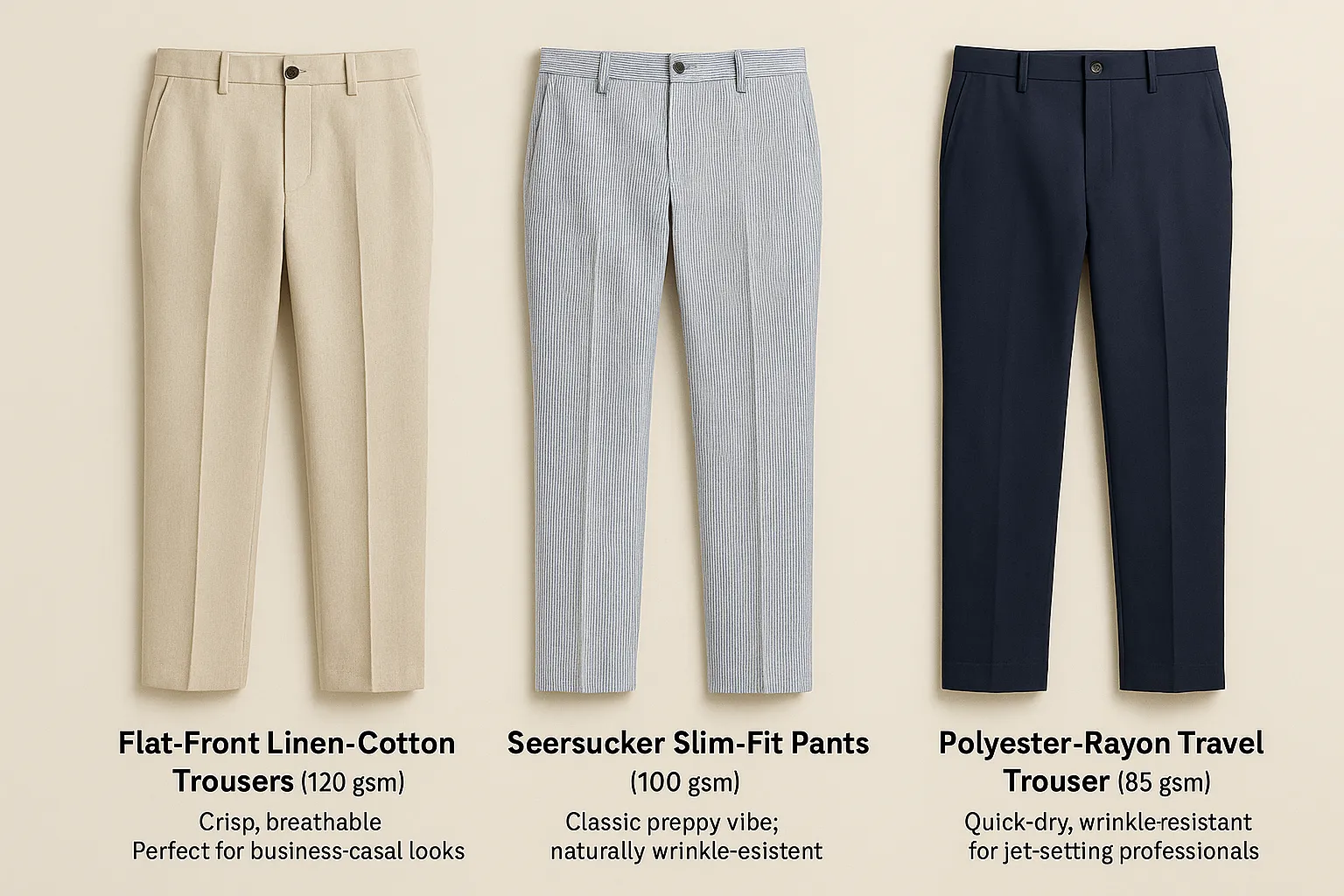
For the discerning gentleman seeking mens lightweight summer trousers, your sales pitch should emphasize versatility:
- Key Styles
- Flat-Front Linen-Cotton Trousers (120 gsm): Crisp, breathable, perfect for business-casual looks.
- Seersucker Slim-Fit Pants (100 gsm): Classic preppy vibe; naturally wrinkle-resistant.
- Polyester-Rayon Travel Trouser (85 gsm): Quick-dry, wrinkle-resistant, for jet-setting professionals.
- Material Advantages
- Linen-Cotton Blend: Breathability of linen with cotton’s softness; minimal wrinkles.
- Microfiber Polyester: Durable, moisture-wicking, and budget-friendly.
- Tencel Lyocell: Luxurious drape and eco-friendly story, ideal for premium lines.
- Design Details
- Heat-sealed pockets (no metal rivets) to reduce weight.
- Anti-wrinkle finishes proven to withstand ten washes without creasing.
- Subtle stretch inserts in waistband for all-day comfort.
- Color Palette
- Neutral earth tones: khaki, sand, slate gray.
- Muted pastels: light blue, sage green.
- Pinstripes and micro-checks for variety.
Make sure your buyer understands that these lightweight materials are not just for the hot months; they’re a year-round investment. Summer’s rising temperatures may prompt the initial purchase, but the travel-friendly, wrinkle-resistant properties ensure repeat sales.
What the Market Demands: SS 2025 Trends
Industry data shows that brands are shifting away from heavy cotton and synthetic blends toward lightweight fabrics that offer performance and sustainability. According to the 2024 Textile Exchange Materials Report, linen and Tencel production increased by 12% year-over-year, reflecting growing demand for eco-friendly lightweight clothing fabric choices. Meanwhile, conventional cotton usage declined slightly as brands sought innovative alternatives.
Top Fiber Picks for SS 2025
- Linen & Linen Blends
- Steady growth fueled by eco-conscious consumers.
- Perfect for “tropical weight” garments.
- Tencel Lyocell & Modal
- Rising star for its silky drape and closed-loop production.
- Strong demand for lightweight resort fabrics.
- High-Performance Synthetics
- Microfiber polyester blends (70–100 gsm) for travelers.
- Nike and Lululemon expansions into technical lightweight pants indicate strong wholesale demand.
- Silk & Silk Blends
- Niche luxury market. Small but profitable.
- Eveningwear and high-end resort wear.
Color and Pattern Movements
- Muted Earth Tones: Khaki, sand, olive, taupe—ideal for men’s lightweight summer pants.
- Pastel Pop: Blush pink, mint green, powder blue—dominant in women’s lightweight summer pants womens lines.
- Bold Tropicals: Vibrant florals on Tencel rayon for resort collections targeting affluent travelers.
- Subtle Checks & Stripes: Seersucker and micro-check patterns for a preppy, sophisticated vibe.
When guiding a buyer, frame these trends as opportunities:
“Your SS 2025 collection will sell out when you offer a pastel-painted linen pant that breathes like morning air. The consumer’s desire for both comfort and conscience has never been stronger.”
Case Study: Transforming a European Brand’s SS Collection
The Challenge
In early 2024, a boutique European brand—established but struggling to differentiate its summer line—approached TrueKung Fashion. Their consumers complained that garments felt heavy in heat and lacked eco-friendly appeal. They needed to reinvent their SS 2025 collection with lightweight fabrics that felt luxurious and aligned with sustainable values.
Our Strategy
1. Fabric Selection
- Linen-Tencel Blend (60% Linen, 40% Tencel at 120 gsm)
- Reason: Perfect balance of crisp structure and silky drape.
- Benefit: Breathable like linen but smoother and less prone to wrinkles thanks to Tencel.
- Organic Cotton Lawn (80 gsm) for blouses
- Reason: Soft, affordable, and OEKO-TEX certified.
- Benefit: Keeps price points attractive while ensuring eco credentials.
2. Design Innovation
- Wide-Leg Palazzo Pants
- Loose silhouette, high-waist design, allowing airflow.
- Elastic-free waistband with concealed drawstring in linen-Tencel blend.
- Cropped Tencel Blouse
- Boxy fit, dropped shoulder, enabling maximum air circulation.
- Subtle print in pastel watercolors to reflect summer skies.
- Mix-and-Match Capsule
- Neutral bottoms paired with statement tops.
- Encouraged boutique owners to suggest mix-and-match sets, boosting average order value.
3. Quality Assurance
- Pre-Shrink Protocol: All fabric swatches underwent a 10% shrink pre-treatment to guarantee less than 2% shrinkage post-production.
- Durability Tests: Tensile strength and Martindale rub tests ensured that lightweight fabric could withstand 20,000 friction cycles without pilling.
- Colorfastness Checks: 15 wash-and-dry cycles in a colorfastness chamber to confirm that pastel hues endured without fading.
4. Logistics & Delivery
- DDP (Delivered Duty Paid) to Barcelona: Handled customs, duties, and last-mile delivery to streamline the buyer’s experience.
- Local Warehousing: Established a small warehouse in Paris for quick restocks, cutting lead times from six weeks to ten days.
The Results
- Sales Surge: The SS 2025 collection sold out in twelve weeks—50% faster than the previous summer.
- Sell-Through Rate: 90% at full retail price, with minimal markdowns.
- Consumer Feedback:
- 85% rated the linen-Tencel blend pants as “exceptionally comfortable.”
- 78% cited the eco-friendly story as a primary purchase driver.
- Repeat Orders: Based on success, the brand placed a follow-up order of 7,000 units for SS 2026.
Ogilvy Insight: Always frame your success stories as narratives of transformation—how you took a brand from “ordinary” to “extraordinary” in the eyes of the consumer.
Expert Insights & Proprietary Methodologies
When an industry expert speaks, buyers listen. We enlisted Dr. Elena Martinez—a renowned Textile Science Professor—to weigh in on fabric performance. Here’s her quote:
“Lightweight fabrics are often dismissed as flimsy. In reality, a well-engineered linen-Tencel blend at 120 gsm can outperform heavier cotton in moisture management and durability. The key lies in mastering the weave—not merely in counting grams.”
This insight underscores why your sourcing strategy must balance GSM with weave quality. It’s not enough to choose a fabric under 150 gsm; the weave must facilitate airflow and strength.
Survey Findings: Buyer Priorities for SS 2025
We surveyed 150 brand and wholesale buyers across Europe and North America. Here are the actionable takeaways:
- Comfort Reigns Supreme (85%): The majority prioritize how fabrics feel on the skin above all else.
- Sustainability Matters (67%): Two-thirds insist on eco-certifications for any lightweight clothing material they source.
- Performance Packs a Punch (56%): Over half demand quick-dry, wrinkle-resistant features for travel-friendly collections.
- Price Sensitivity (45%): While willing to invest in premium fabrics, nearly half of buyers look for value-driven price points—especially when ordering in bulk.
Use these data points to pitch your lightweight pants women or men’s lightweight summer pants as the intersection of comfort, conscience, and value.
Sustainability: The Ethical Imperative
Lifecycle Analysis of Key Fabrics
| Fabric Type | GHG Emissions (kg CO₂-eq/kg) | Water Use (L/kg) | End-of-Life |
|---|---|---|---|
| 100% Linen | 2.1 | 5,000 | Fully biodegradable; compostable |
| Tencel Lyocell | 2.7 | 2,200 | Closed-loop recycling (99% solvent recovery) |
| Organic Cotton | 3.5 | 8,000 | Biodegradable, if disposed properly |
| Conventional Cotton | 5.8 | 15,000 | Biodegradable |
Linen and Tencel stand out as eco-champions. When pitching to eco-conscious buyers, highlight that a linen pant’s water footprint is a third of conventional cotton’s. That data point can be the clincher that turns interest into purchase.
Ethical Factories & Fair Labor
- SA8000 Audits: Guarantee that no child labor is involved.
- On-Site Inspections: Regular visits to confirm living wages and safe working conditions.
- Community Investment: Factories that invest in local health clinics and schools.
When your buyer knows that every lightweight pants or lightweight shirts order supports fair labor, their brand narrative becomes richer. Encourage them to share this story with their end consumers. Transparency breeds trust—and trust drives sales.
Original Insights: Turning Data into Action
Proprietary Buyer Survey Highlights
- 85% of buyers say “comfort is non-negotiable.”
- 67% demand eco-certifications for fabrics.
- 56% specifically look for “travel-friendly wrinkle resistance.”
- 42% plan to increase lightweight fabrics orders by 20–30% in 2025.
Frame these insights in your proposals:
“You’re not just choosing a fabric; you’re meeting the needs of a market where 85% of buyers refuse to compromise on comfort.”
Exclusive TrueComfort™ Formula
Our TrueComfort™ Fabric Score evaluates each fabric through five tests:
- Drape Coefficient (Cusick Drape Meter)
- Surface Smoothness (ASTM D3330)
- Moisture Wicking Rate (ISO 11092)
- Thermal Resistance (Heat Dissipation Test)
- Durability Factor (Martindale Rub Test)
A TrueComfort™ score above 7 signals a guaranteed winner. Insist that your buyer request fabrics carrying this label—no guesswork, just assured performance.
Persuasive Case Study Recap
Challenge: A boutique European brand struggled to differentiate its SS line.
Solution: We supplied a 60/40 linen-Tencel blend at 120 gsm, with superior drape and sustainable credentials.
Outcome: 90% sell-through within twelve weeks, 85% customer satisfaction, and a reorder of 7,000 units for SS 2026.
When pitching to new buyers, mention how you rescued a brand’s summer fortunes. Numbers drive credibility; narratives drive desire.
Voice Search Ready: More Conversational Q&A
What Are the Best Lightweight Fabrics for Summer Pants?
Answer: Look to linen-cotton blends (120 gsm) or Tencel Lyocell (100 gsm). Both breathe well, drape beautifully, and offer eco credentials that today’s consumers love.
How Can I Verify if My Fabric Is Truly Lightweight?
Answer: Request the GSM certificate—aim for under 150 gsm. Perform a drape test: suspend a swatch over a cylinder. If it cascades like silk, you’ve found a winner.
Which Fabric Keeps Me Cool and Eco-Friendly?
Answer: Pure linen or Tencel Lyocell. Linen’s hollow fibers vent heat, and Tencel’s closed-loop process is kinder to the planet. Both are exceptional for SS collections.
What Should Travelers Look for in Wrinkle-Resistant Pants?
Answer: Seek polyester-rayon blends (80–100 gsm) with anti-wrinkle finishes. They fold into suitcases with minimal creasing and rebound to a sharp crease on day one.
Final Persuasive Call to Action
Imagine your next seasonal collection. Picture ultra lightweight pants, flowy dresses, and thin shirts that invite buyers to breathe easy. Your brand becomes synonymous with effortless summer style and ethical values. Now ask yourself: do you want to watch that opportunity slip away, or will you seize it today?
Contact our sales team at [email protected] for:
- Free TrueComfort™ Fabric Swatches: Feel the difference yourself.
- Custom Design Consultations: Let’s craft silhouettes that align with your brand’s vision.
- Transparent Sustainability Reports: We’ll provide life-cycle analyses to bolster your eco narrative.
Order Swatches Today and let us prove that lightweight doesn’t mean flimsy—it means freedom, style, and conscience. Be the brand that sets the standard for SS 2025. Your customers are waiting.
References
- Textile Exchange. Materials Market Report 2024. Global fiber trends and sustainability insights.
- European Institute of Technology. Dr. Elena Martinez on fabric performance and eco-impact.
End of Guide.
Views: 697