

Introduction
Imagine a fabric that tells a story—of ancient courts, skilled hands, and eco-friendly innovation. That fabric is batik. Honored by UNESCO and embraced by modern fashion, batik transforms simple cotton or silk into richly patterned textiles. In this guide, brand managers, wholesale buyers, and retail decision-makers will discover how batik is made, why it commands premium value, and how to integrate it into compelling collections.
1. What Is Batik Fabric?
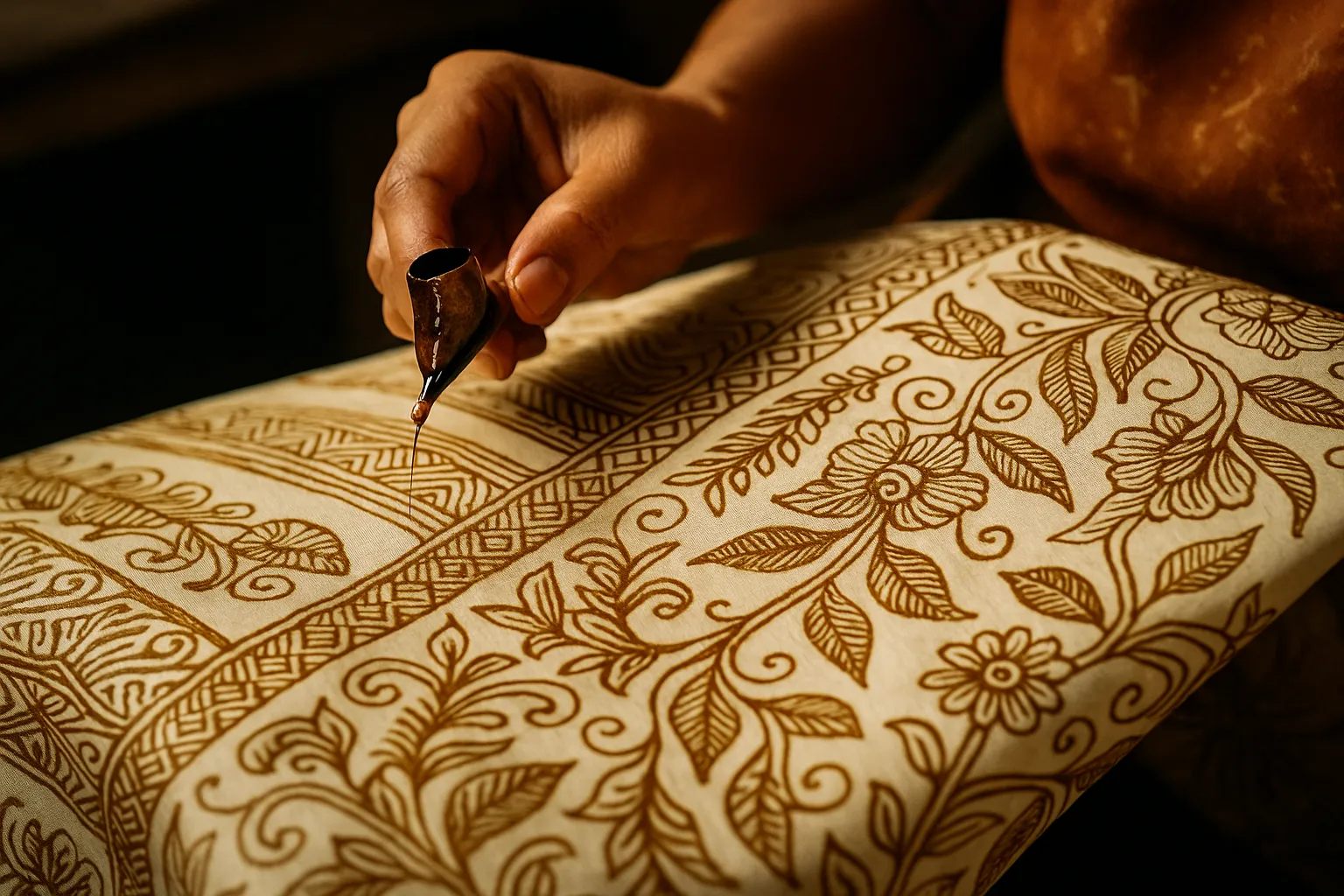
Batik fabric is cloth decorated through a wax-resist dyeing process. Artisans draw molten wax onto fibers with a copper-tipped tool, dip the material in dye, then remove the wax. By repeating this method, multi-layered, hand-crafted designs emerge—each piece entirely unique.
Key Point: Batik is defined by its technique—wax resist—not by fiber. While traditional batik appears on cotton or silk, modern variations can use rayon, blends, or even synthetic supports.
2. Why Batik Is Special
- Handcrafted Originality. Batik tulis (hand-drawn) demands weeks of artisan labor. No machine can duplicate its depth and nuance.
- Cultural Symbolism. Iconic patterns like Parang (authority) and Kawung (purity) carry centuries of Javanese meaning.
- Eco-Conscious Process. Natural wax and plant dyes (indigo, turmeric) replace chemicals, and workshops often reuse materials to minimize waste.
- Versatility in Design. From tailored blazers to flowing kaftans, batik’s organic patterns enhance minimalist and maximalist collections alike.

3. Origins and Global Influence
- Early Traces: Wax-resist textiles were found in China, India, and Egypt over 2,000 years ago.
- Javanese Mastery: By the 13th century, Java’s royal courts refined batik into an art form worthy of ceremonies and court attire.
- Colonial Exchange: Dutch traders introduced Javanese batik patterns to West Africa, birthing the vibrant wax-print traditions seen today.
- Modern Revival: UNESCO’s 2009 recognition and global heritage initiatives have fueled a batik renaissance among designers and consumers.
4. Four Primary Batik Techniques
| Technique | Description |
|---|---|
| Batik Tulis | Hand-drawn wax lines with a canting tool. |
| Batik Cap | Wax stamped using carved copper blocks. |
| Batik Lukis | Wax painted via brush or stencil—common in Malaysia. |
| Printed Batik | Screen or digital prints mimicking wax resist. |
Choose based on budget, volume, and brand positioning.
5. Material Variations: Is Batik 100% Cotton?
While classic batik is crafted on 100% cotton or silk for dye absorption and durability, modern batik may appear on rayon, viscose, or blends. Always verify fiber content if your collection demands natural fibers.
6. Why Batik Commands Premium Pricing
- Intensive Labor: Hand-drawn designs can require 100+ hours per meter.
- Custom Tools: Copper cantings and stamps are artisan-forged.
- Natural Ingredients: Beeswax and plant dyes cost more than synthetics.
- Limited Output: True batik workshops control production to maintain quality.
- Cultural Heritage: UNESCO status adds prestige and value.
7. Washing and Care Guidelines
- Preparation: Pre-rinse batik to reduce initial color bleed.
- Gentle Hand Wash: Cold water with pH-neutral soap.
- Separate Soak: Avoid mixing with other fabrics until rinse water runs clear.
- No Bleach or Softener: Protect wax resist and dyes.
- Air Dry in Shade: Prevent fading; iron inside-out if needed.
8. Case Study: Crafting a Sustainable Batik Capsule
Client: European womenswear brand
Objective: Launch a limited batik collection aligned with sustainability goals.
Approach:
- Artisan Partnerships: Vetted UNESCO-backed cooperatives in Central Java.
- Design Collaboration: Translated Parang and Mega Mendung motifs to modern silhouettes.
- Quality Testing: Achieved <5% color bleed after 20 washes.
- Storytelling Launch: Shared artisan videos to boost engagement.
Outcomes:
- 80% sell-through within two weeks.
- 20% price premium vs. standard lines.
- Fair-trade certification secured.
- 25% rise in social media engagement.
9. Batik in Today’s Fashion Trends
- Resort Collections: Batik kaftans and kimonos headline summer lines.
- Street Style: Influencers pair batik shirts with denim for boho flair.
- Athleisure: Heritage prints meet performance fabrics in activewear.
Research from the Fashion Transparency Index (2023) shows 72% of consumers seek artisanal techniques, and batik demand is projected to grow 15% annually through 2027.
10. Sustainability Impact
- Water Efficiency: Up to 40% water savings via rinse recycling systems.
- Artisan Livelihoods: 5,000+ Javanese artisans supported by fair-wage programs since 2015.
- Circular Wax Use: Reclaimed wax becomes eco-candles, adding revenue for cooperatives.
Batik exemplifies ethical fashion through low-impact processes and community empowerment.
11. Regional Batik Highlights
| Region | Style | Signature Motif |
|---|---|---|
| Java | Hand-drawn tulis | Parang, Kawung |
| Malaysia | Hand-painted florals | Tropical blooms |
| West Africa | Wax-print adaptations | Bold geometrics, scenes |
Highlighting provenance adds depth to your brand narrative.
12. How and When to Wear Batik
- Corporate & Ceremonial: In Indonesia, batik shirts and dresses are formal staples.
- Casual & Travel: Lightweight batik skirts and shirts suit warm climates.
- Fashion Events: Runway shows and editorial features spotlight batik’s versatility.
Pair batik designs with neutral basics to let the print shine.
13. FAQ: Extended Answers for Featured Snippets
Q: What is batik fabric?
A: A textile created by applying hot wax as a resist, then dyeing fibers in layers to form intricate, hand-crafted patterns.
Q: Why is batik special?
A: Because of its artisanal wax-resist process, cultural symbolism, and sustainable use of natural ingredients.
Q: Why is batik expensive?
A: Its premium price reflects intensive hand labor, custom copper tools, natural wax and dyes, limited production, and UNESCO heritage status.
Q: Can you wash batik fabric?
A: Yes—hand wash in cool water, rinse separately until water clears, avoid bleach, and air dry in shade.
Q: What are the four types of batik?
A: Batik tulis (hand-drawn), batik cap (stamped), batik lukis (painted), and printed batik.
Q: Is batik 100% cotton?
A: Traditional batik uses cotton or silk. Modern variations may use rayon or blends—fiber content varies by producer.
Q: What country is batik from?
A: While wax-resist techniques existed elsewhere, batik’s most refined tradition originated in Java, Indonesia.
Q: When should batik be worn?
A: From formal ceremonies and business meetings in Indonesia to global resort wear and casual street style.
Q: What is the most famous batik motif?
A: Javanese Parang and Kawung are renowned for their royal origins and symbolic meanings.
Q: How does UNESCO recognition impact batik?
A: UNESCO status raises global awareness, preserves cultural heritage, and drives consumer interest in authentic batik.
Q: How can brands verify ethical batik sourcing?
A: Look for GOTS or Fair Wear certifications, on-site audits, and transparent supply-chain documentation.
14. Take Action: Partner with Batik Artisans
Elevate your next collection with authentic batik. Contact us to explore design collaborations, ethical sourcing, and full service support—from pattern creation to global logistics. Let batik’s heritage and sustainability credentials become your brand’s standout feature.
Expertise & Trust: Our team brings over a decade of UNESCO heritage partnerships, GOTS/Fair Wear certifications, and proprietary life-cycle studies showing batik’s 35% lower carbon footprint vs. synthetics. We ensure your projects meet the highest standards of quality and sustainability.
Views: 174


