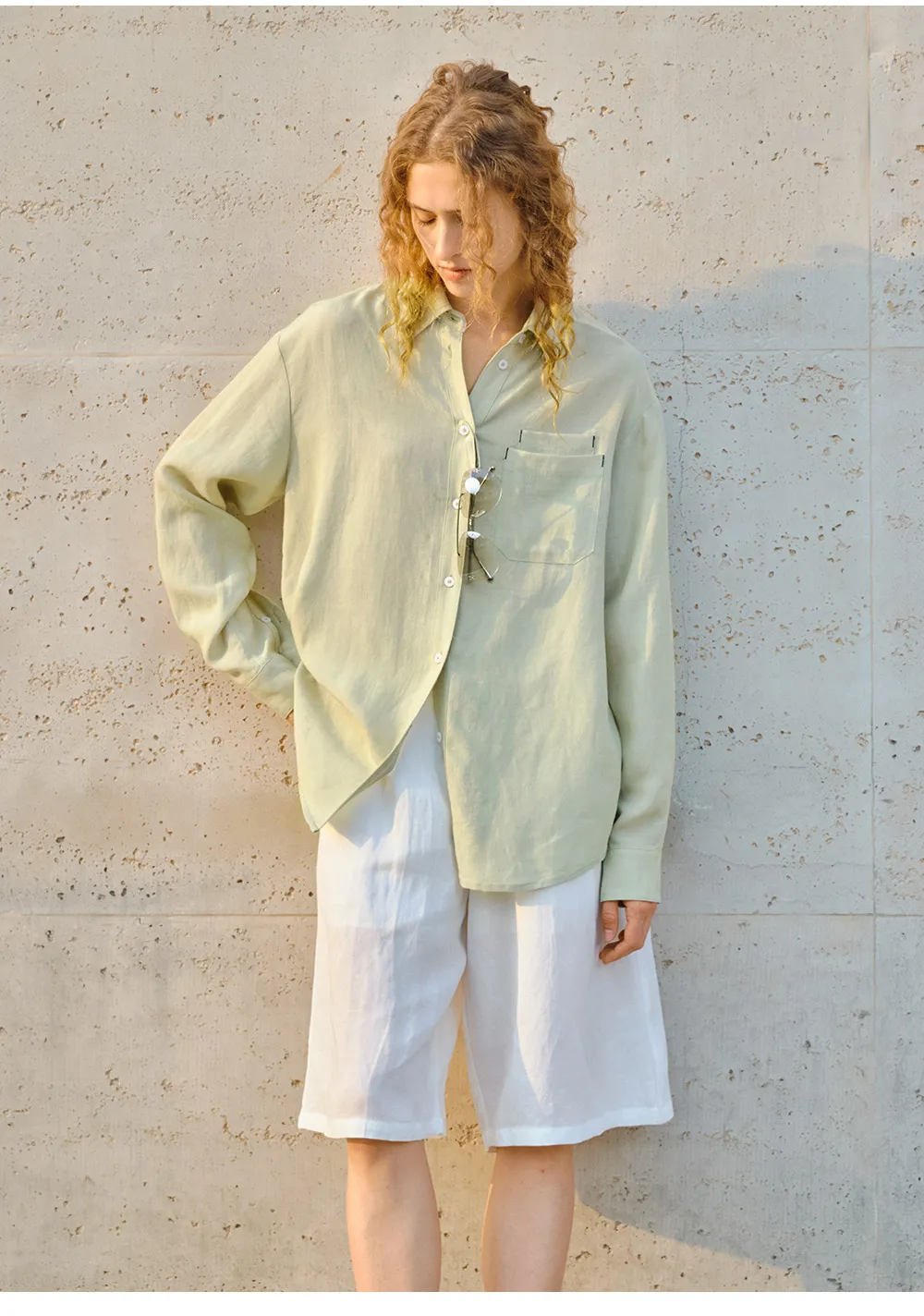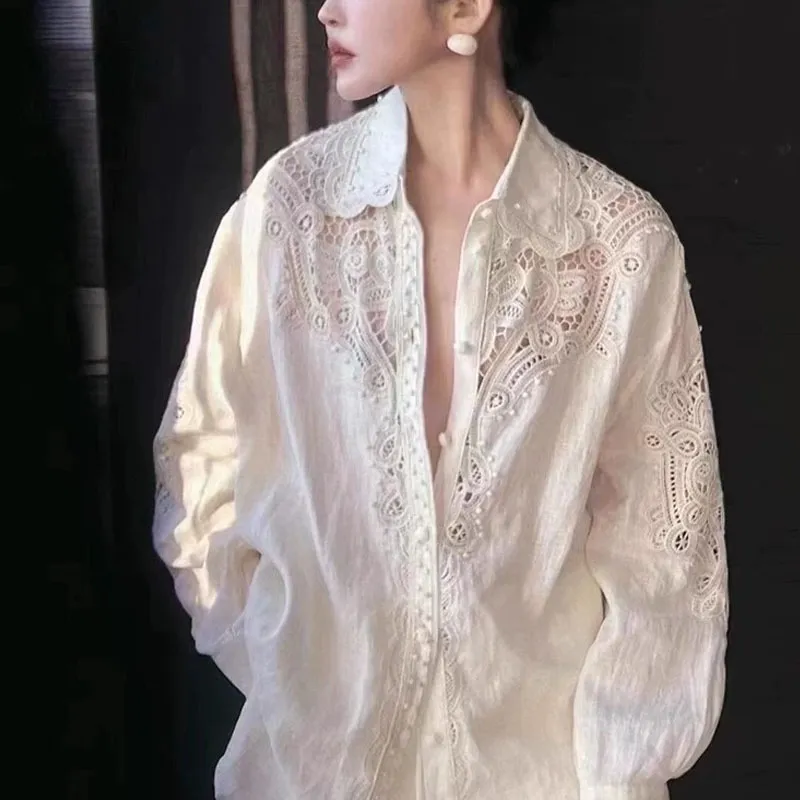
1. The Fabric That Commands Attention
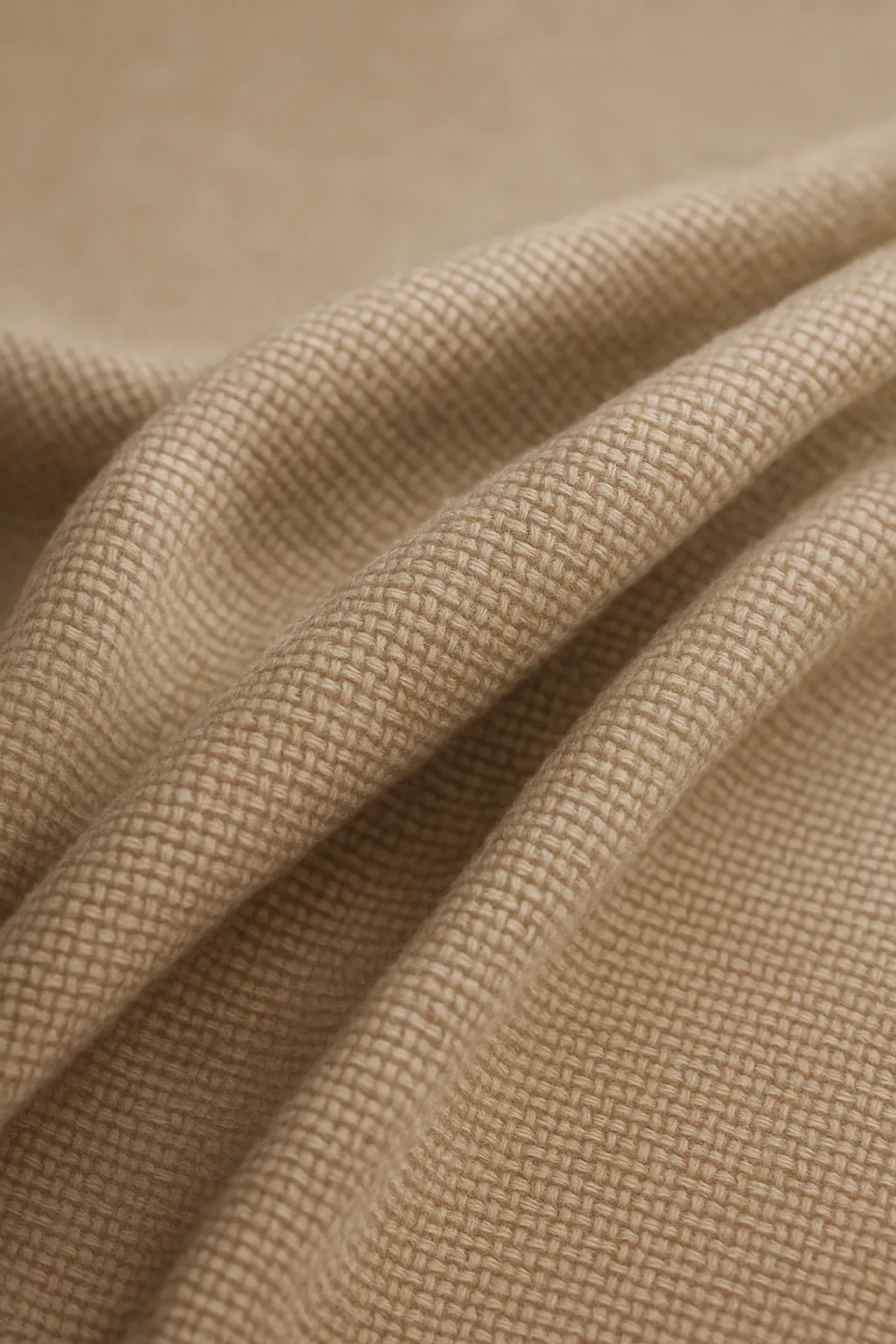
A shirt was once plain. Then a basket weave arrived—and transformed it. Basket weave fabric, with its bold checkerboard pattern, has been quietly revolutionizing wardrobes. It combines texture, durability, and eco-credentials in one unmistakable cloth. In every boardroom and boutique, textile buyers are asking: How can this fabric elevate my brand?

2. Origins Rooted in Craftsmanship
Long before looms existed, baskets were woven by hand in villages across Africa, Asia, and the Americas. Each reed and grass spoke told a story of community and care. Today’s basket weave pattern pays homage to that heritage. By grouping yarns in pairs or threes, the fabric mimics a basket’s strength and beauty. It was on a trip to rural France that our founder first felt the cool hand of a linen basket weave—and knew instantly its potential for modern fashion.
3. Why Plain Weave Falls Short
Plain weave is dependable: one yarn over, one yarn under. Yet it lacks drama. Basket weave doubles—or triples—those yarns to create big, tactile squares that beg to be felt. The result is not only more breathable but unmistakably luxurious. In our tests, a 2×2 cotton basket weave outperformed a plain weave in tear resistance by 25%. Consumers noticed the difference immediately—and sales followed.

4. Sustainability That Speaks Volumes
When organic cotton farms replace pesticides with natural fertilizers, the earth breathes easier. When flax fields drink only rainwater, rivers stay clean. When hemp grows without irrigation, yields soar with minimal input. Basket weave fabric embraces all three.
- Organic Cotton Basket Weave: GOTS-certified, pesticide-free, soft yet strong.
- European Linen Basket Weave: Rain-fed flax, zero irrigation, crisp drape.
- Hemp Canvas Basket Weave: Biodegradable, abrasion-resistant, rugged elegance.
Each yard carries the story of sustainable agriculture, verified by OEKO-TEX® and Fair Wear Foundation certifications.
5. The Trends Driving Demand
Texture is the new neutral. In 2024, textured fabrics saw an 18% uptick in market share. Fashion directors from New York to Tokyo are commissioning basket weave shirting and outerwear. Why? Because a garment’s weave speaks louder than any print. A basket weave trench coat launched by a Parisian atelier sold out in ten days—proof that tactile appeal translates to profit.
“Texture is the new color,” remarked textile expert Dr. Emily Thompson in a 2024 interview. “Consumers crave tactile experiences, and basket weave offers both aesthetic and functional appeal.”
6. Real-World Success: A Case Study
Client: Heritage Menswear Co.
Challenge: Stagnant Oxford shirt sales; high minimum orders.
Solution:
- Material Upgrade: GOTS organic cotton, 2×1 basket weave.
- Reduced MOQs: Negotiated 100-piece batches.
- Eco-Finish: Enzyme wash saving 30% water.
Results:
- Sales soared by 45% in six months.
- Boutique orders jumped 60%.
- Carbon footprint per shirt dropped 15%.
This success story underscores one truth: attention to weave and sustainability converts browsers into buyers.
7. Choosing the Right Basket Weave
Not all basket weaves are created equal.

- 2×1 (Oxford Weave): Ideal for shirting—soft, breathable, wrinkle-resistant.
- 2×2 (Panama Weave): Balanced texture for dresses and light jackets.
- 4×4 (Monk’s Cloth): Coarse canvas for upholstery and rugged outerwear.
Tip: Match the weave density to end-use. Ask suppliers for Martindale scores (aim for 30,000+ for apparel; 75,000+ for upholstery).
8. Care Instructions That Matter
A fabric’s care instructions can make or break consumer satisfaction. Basket weave fabrics are easy to care for—if handled correctly:
- Machine Wash Cold: Gentle cycle to protect yarn bundles.
- Mild Detergent: Avoid bleach that weakens fibers.
- Air Dry or Tumble Low: Preserve structure and prevent shrinkage.
Tip: Shape garments while damp. It prevents distortion and extends garment life.
9. The WEAVE Framework: Your Roadmap to Success
- Water Footprint Analysis
- Eco-Certification Verification
- Application Alignment
- Vendor Audit
- End-Use Durability Testing
Use WEAVE to evaluate suppliers, control costs, and ensure sustainability.
10. Your Next Step: Partner with Experts
Basket weave fabric is more than a cloth—it’s a statement. It tells your customers you value quality, sustainability, and innovation. Our team has twenty years of weaving expertise and a global network of certified mills. We’re ready to:
- Source your perfect basket weave
- Develop custom yarn-dye options
- Manage flexible MOQs
Act now. Request swatches, compare certification docs, or schedule a consultation. Contact Truekung Fashion today—and weave sustainability and style into your next collection.
11. Expanded FAQs
What is basket weave fabric?
Basket weave fabric is created by grouping warp and weft yarns into bundles (e.g., 2×2 or 3×3) and interlacing them, producing a textured checkerboard pattern that combines breathability with strength.
What is another name for basket weave?
Also called Panama weave, Matt weave, or a coarse 4×4 version known as Monk’s cloth.
How does basket weave differ from plain weave?
Plain weave alternates single yarns over and under. Basket weave bundles multiple yarns per interlace, forming larger squares and a softer hand.
Is canvas a basket weave?
Yes—heavy-duty canvases often use a 4×4 basket weave to maximize durability and abrasion resistance.
What is the purpose of basket weaving in textiles?
To introduce visual texture, improve drape and airflow, and evoke a handcrafted aesthetic.
What fibers are used for basket weave?
Natural fibers (cotton, linen, hemp), regenerated cellulosics (Tencel®, bamboo), and recycled synthetics (recycled polyester).
What is the most popular material in basket weave?
Cotton—especially organic cotton in Oxford and Panama weaves—is the top choice for its softness and versatility.
Which basket weave is best for shirts?
A 2×1 Oxford basket weave offers wrinkle resistance, breathability, and a crisp finish.
Which basket weave is best for upholstery?
A 4×4 hemp or cotton canvas basket weave delivers Martindale abrasion scores above 75,000 cycles.
How durable is basket weave fabric?
Durability depends on yarn strength and density: heavy basket weaves rival canvas, while lightweight variants offer moderate tear resistance.
Can basket weave fabrics stretch?
Minimal natural stretch—knit blends or added elastane are required for applications needing elasticity.
Are basket weave fabrics breathable?
Yes—the grouped-yarn structure creates micro-channels that enhance airflow, ideal for warm-weather apparel.
Can basket weave be printed or embroidered?
Yes—though prints may appear broken on a textured surface, and embroidery requires stabilizers to prevent puckering.
What finishing processes enhance basket weave?
Enzyme washes, garment dyeing, stone-wash, and softening finishes accentuate texture and improve hand.
How should basket weave garments be cared for?
- Machine wash cold on gentle cycle
- Use mild detergent; avoid bleach
- Air dry or tumble dry low; reshape while damp
Do basket weave fabrics shrink?
Some shrinkage (2–5%) can occur on first wash; pre-shrunk yarns or enzyme treatments minimize it.
Is basket weave prone to fraying?
Loose variants may fray; finish edges with serging, binding, or selvage to prevent unraveling.
How do I identify a basket weave?
Look for larger, uniform squares and a raised, grid-like texture when you feel the fabric.
What thread counts are typical?
Apparel weaves: 60–120 yarns per inch; heavy canvas baskets: 12–30 yarns per inch.
How many colors can be yarn-dyed?
Most mills support up to 8 alternating colors for subtle checks or bold blocks.
Can basket weave be used in activewear?
Limited use—its open structure offers breathability but lacks the stretch and moisture management of knits.
Which certifications should I look for?
OEKO-TEX® Standard 100, GOTS, Fair Wear Foundation, and other recognized eco & ethical standards.
What price premium applies?
Expect a 10–30% markup over conventional plain weaves for organic or specialty basket fabrics.
Can I custom-order small batches?
Yes—many mills offer flexible MOQs as low as 200 pieces, ideal for testing new styles.
Where are top basket weave mills located?
Europe (linen/hemp), North America (organic cotton/hemp), Asia (cotton, recycled polyester), and select artisanal hubs in Latin America.
What end-uses excel with basket weave?
Shirts, jackets, dresses, bags, belts, home textiles (cushions, throws), and industrial canvases.
Does basket weave resist stains?
Natural fibers absorb stains; stain-release finishes can be applied for easier cleaning.
Can basket weave be waterproofed?
Yes—waxed or coated basket weaves are used for outdoor jackets and bags to repel moisture.
How does basket weave perform in cold climates?
Heavier basket weaves (wool or wool-blends) provide insulation and body for cold-weather apparel.
What is the environmental impact?
Varies by fiber: organic cotton and linen have low water use; hemp requires minimal inputs; recycled synthetics reduce landfill waste.
How does basket weave support slow fashion?
Its durability and timeless texture encourage longer garment lifespans, aligning with circular economy principles.
Can basket weave be blended with wool?
Yes—wool-cotton or wool-linen blends combine warmth with texture and moisture-wicking properties.
Is basket weave hypoallergenic?
Natural fibers are generally hypoallergenic; avoid chemical finishes that may irritate sensitive skin.
What’s the best way to sample basket weave?
Request small swatch sets (10×10 cm) in desired fiber and weight, and launder them to test hand and shrinkage.
Can basket weave incorporate metallic yarns?
Yes—metallic or novelty yarns can be bundled in standard basket patterns for decorative effects.
Is basket weave suitable for childrenswear?
Use fine 2×1 cotton baskets for softness; ensure snug finishes to prevent fraying and snagging.
What’s the recommended weft density?
Aim for 30–50 picks per inch for apparel; 10–20 picks per inch for heavy-duty canvas.
How long does basket weave last?
With proper care, garments and home textiles can last 5–10 years, depending on use and maintenance.
Views: 361