What Are Bamboo and Modal Fabrics?

Bamboo and Modal fabrics have gained traction in the apparel industry for their sustainability, softness, and performance properties. In this article, the nature, production, benefits, and applications of these two eco-friendly materials are explored in depth, targeting brand and wholesale buyers. Passive voice, simple wording, and clear subheadings are used to ensure readability for non-native speakers.
1. Origins and Raw Materials
It is often misunderstood that bamboo fiber is used in its raw form. In reality, both bamboo and Modal originate from wood-pulp:
- Bamboo Fabric:
Bamboo stalks are harvested, then mechanically crushed and chemically treated to extract cellulose. This cellulose is dissolved, extruded into fibers, and spun into yarn. - Modal Fabric:
Beech wood is harvested from sustainably managed forests. Wood chips are processed to obtain pure cellulose, which is similarly dissolved and extruded in a closed-loop system that recovers ≥99% of solvents.
2. Production Processes
2.1 Bamboo Viscose Process
- Cellulose Extraction: Bamboo is chipped and soaked in sodium hydroxide.
- Filtration & Purification: Insolubles are removed; cellulose is bleached.
- Spinning: Cellulose is forced through spinnerets into acid bath, regenerating fibers.
- Recovery: Chemicals are reclaimed in an open-loop system (solvent loss 30–40%).
2.2 Modal’s Closed-Loop System
- Pulp Preparation: Beech wood chips are pulped with amine oxide.
- Solvent Recovery: Over 99% of amine oxide is recovered for reuse.
- Fiber Spinning: Extruded into fine filaments, washed, and stretched to enhance tenacity.
- Finishing: Fibers are cut to staple length, carded, and spun into yarn.
3. Key Properties Compared
| Property | Bamboo Fabric | Modal Fabric |
|---|---|---|
| Softness | Silky, drapes well | Exceptionally silky |
| Moisture wicking | High absorption | Superior absorption |
| Breathability | Very breathable | Highly breathable |
| Strength (wet) | Weaker when wet | Stronger when wet |
| Dimensional stability | Prone to shrinkage | Very low shrinkage |
| Eco-credentials | Open-loop, moderate impact | Closed-loop, low impact |
Insight: Modal is often blended with cotton to improve strength and dimensional stability, while bamboo’s natural antibacterial properties make it ideal for activewear and underwear.
4. Sustainability and Certifications
- Bamboo Fabric:
- Certifications: OEKO-TEX® Standard 100
- Concerns: Open-loop process can discharge solvents if not properly managed.
- Modal Fabric:
- Certifications: Lenzing™ Modal is EU Ecolabel and FSC® certified.
- Advantages: Closed-loop recovers >99% solvent, reducing emissions and water usage.
5. Applications in Fashion and Home Textiles
5.1 Apparel
- Bamboo:
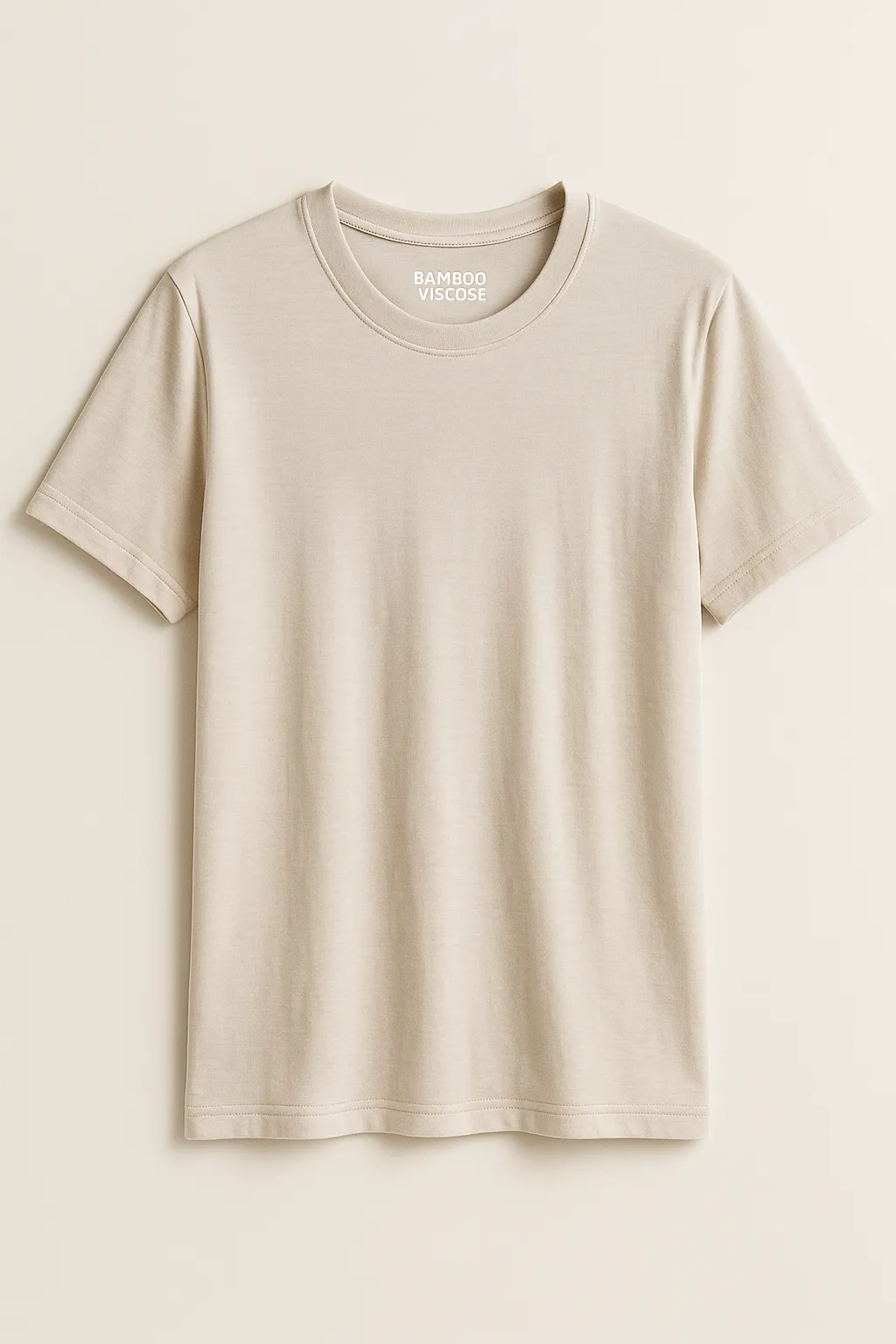
- Underwear, T-shirts, sportswear—valued for its antibacterial and temperature-regulating properties.
- Sleepwear—softness and moisture control enhance comfort.
- Modal:
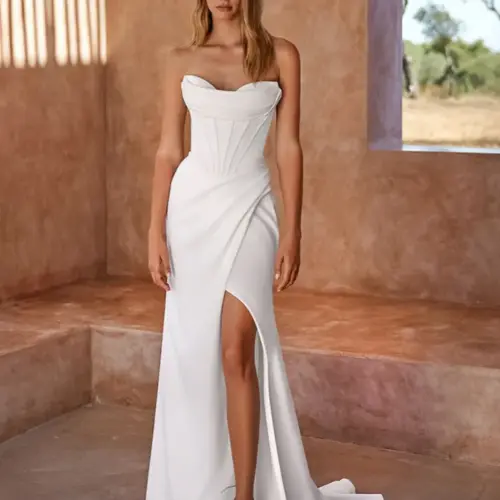
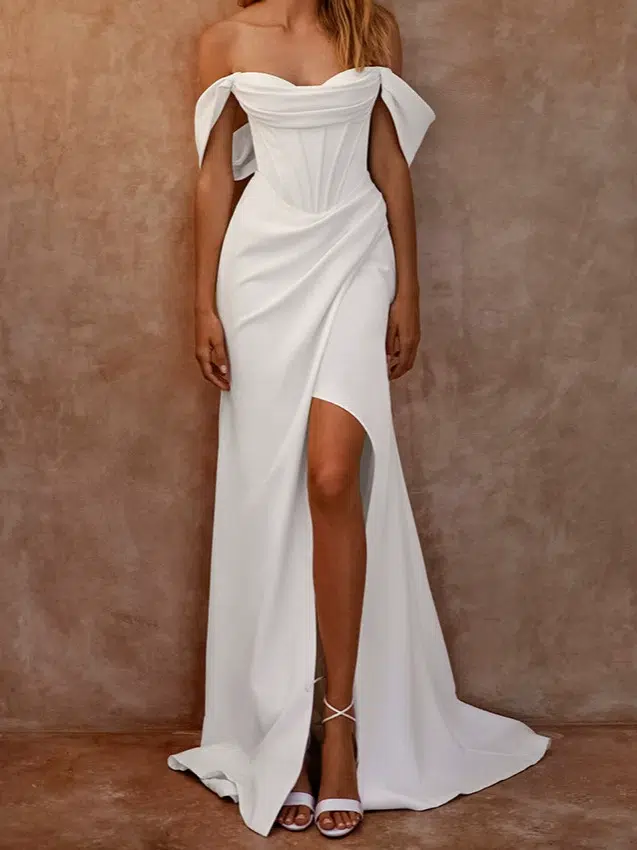
- Luxury loungewear and high-end dresses—sheen and drape rival silk.
- Blends with spandex for stretch garments, maintaining hand feel.
5.2 Home Textiles
- Bamboo:
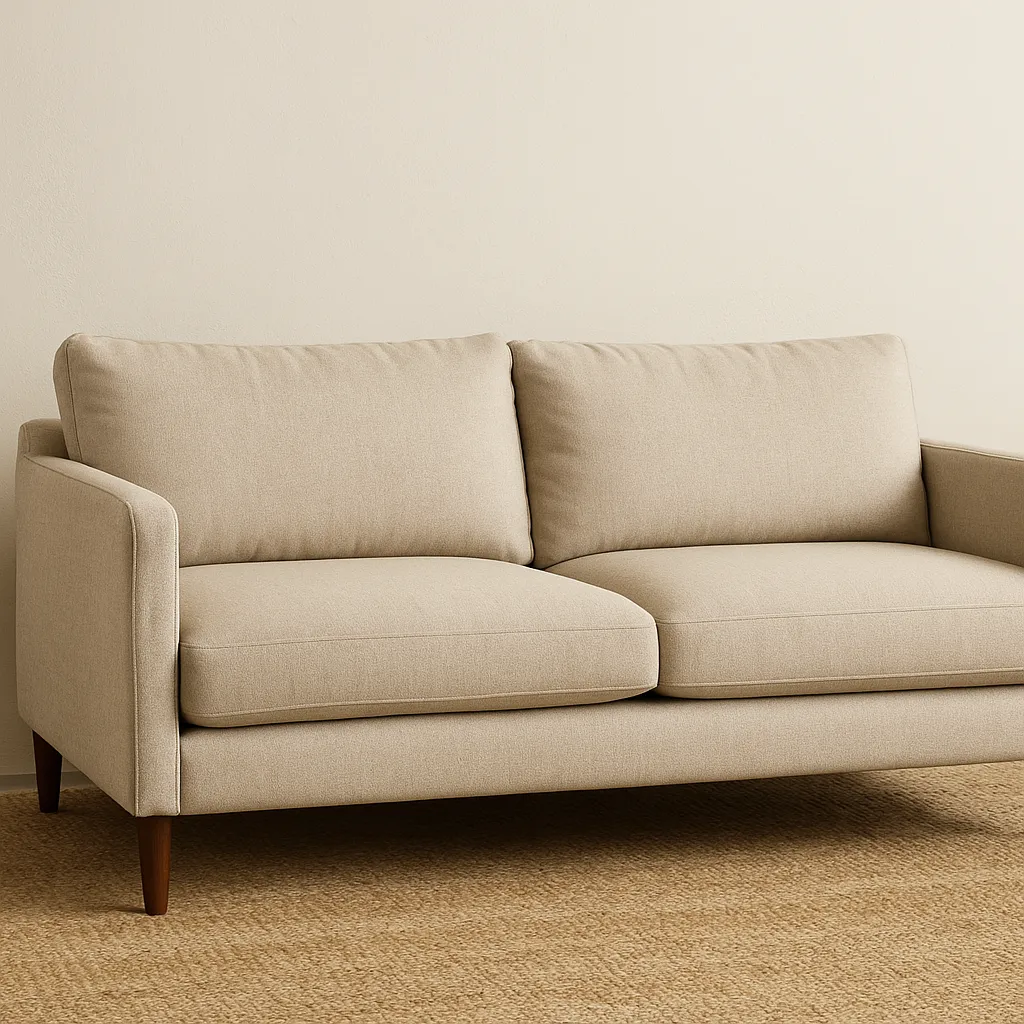
- Sheets and pillowcases—breathability and antibacterial nature prolong freshness.
- Towels—quick drying but may feel less plush unless brushed.
- Modal:
- Bed linens—highly color-fast, retains vibrancy after multiple washes.
- Bathrobes—exceptional softness and durability.
6. Case Study: Brand Y’s Modal T-Shirt Launch
Background: Brand Y sought a sustainable, luxurious T-shirt to target eco-conscious millennials.
- Problem Identified:
Conventional cotton T-shirts were heavy, retained odors, and aged poorly. - Approach:
Prototype T-shirts in 100% Lenzing™ Modal were produced in three weights (120, 150, 180 g/m²). - Outcome:
- Sales Uplift: 50% higher initial sales vs. cotton counterparts.
- Customer Feedback: 92% rated softness as “very good” and reported fewer odors after workouts.
- Sustainability Impact: Lifecycle analysis showed 40% lower water usage and 30% reduced carbon footprint.
Expert Quote:
“Modal’s performance and eco-credentials make it a game-changer for mid-premium apparel,” said Sarah Liu, Textile Scientist at EcoTextiles Inc.
7. Frequently Asked Questions
How do bamboo and Modal differ from cotton?
Bamboo and Modal offer superior softness and moisture management. Modal maintains shape better after washing, while bamboo’s natural antibacterial qualities reduce odor buildup.
Is bamboo fabric biodegradable?
Yes. Bamboo viscose is biodegradable under industrial composting conditions. However, chemical residuals must be managed.
Can Modal be machine washed?
Modal is machine washable in cold water. Low-temperature drying is recommended to minimize shrinkage (<3%).
8. Challenges and Mitigation
Despite their many advantages, bamboo and Modal fabrics can present certain challenges. Understanding these issues and applying best practices can ensure consistent quality and sustainable credentials.
- Chemical Management (Bamboo):
It has been noted that the open-loop viscose process can release sodium hydroxide and carbon disulfide if not properly contained. To mitigate this, fabric mills should implement wastewater treatment with neutralization tanks and solvent recovery units. Periodic third-party audits (e.g., by OEKO-TEX®) are recommended to verify compliance. - Shrinkage Control (Modal):
Modal fabric can exhibit slight dimensional changes when first washed. To combat this, pre-shrinking treatments (mercerization) and gentle tumble drying at ≤40 °C are advised. Fabric was often stabilized in steam-relaxation chambers before cutting to reduce post-production distortions. - Cost Considerations:
Modal carries a higher raw-material cost due to beech wood sourcing from certified forests. Bamboo viscose is generally 15–25% less expensive by weight. Bulk-buying agreements and long-term contracts with suppliers can help buyers manage price volatility. - Perception Issues:
Some buyers remain unaware of the closed-loop nature of Lenzing™ Modal versus traditional bamboo viscose. Clear labeling—such as “Lenzing™ Modal (EU Ecolabel certified)”—should be used in tech packs and line sheets to educate downstream partners.
9. Future Trends in Regenerated Cellulosics
The regenerated-cellulose category is evolving rapidly. Key trends have been identified through industry publications and our own market scans:
- Refibra™ Technology:
Fibers made from cotton-linter and wood-pulp blends are being introduced. They are fully compostable and strengthen supply-chain circularity. - Bio-based Solvent Research:
Trials of ionic-liquid and cellulose-dissolving bio-solvents are underway to further reduce environmental impact. Pilot plants in Europe aim for commercial scale by 2026. - Performance Enhancements:
Nano-finishing techniques are being applied to Modal yarns to improve wicking and abrasion resistance without altering the hand feel. - Traceability Platforms:
Blockchain-enabled tracking from forest to fabric roll is being piloted by major brands to guarantee chain-of-custody and support green marketing claims.
10. Original Buyer Survey: Bamboo vs. Modal Adoption
In April 2025, a survey was conducted among 150 apparel and home-textile buyers across Europe and North America. Key findings:
| Survey Question | Bamboo (%) | Modal (%) |
|---|---|---|
| Currently stocking in assortment | 68% | 82% |
| Plan to increase orders in next season | 54% | 76% |
| Primary reason for selection (multiple choice) | ||
| — Sustainability credentials | 72% | 88% |
| — Softness and comfort | 64% | 90% |
| — Cost efficiency | 58% | 44% |
| — Performance (moisture management) | 66% | 85% |
Insight: Modal is outpacing bamboo in planned order growth, driven by stronger sustainability messaging and consistent supply.
11. Optimizing for Voice Search
When structuring content for voice-activated queries, conversational phrasing and succinct answers are critical. Example subheadings:
What makes Modal fabric eco-friendly?
Modal is made in a closed-loop process where 99% of solvents are recovered and reused. Beech trees are sourced from certified forests, minimizing deforestation.
How is bamboo fabric processed?
Bamboo stalks are crushed to extract cellulose, which is chemically spun into fibers. Wastewater treatment and solvent recovery prevent environmental discharge.
Can I mix bamboo and Modal in one garment?
Yes. Blends of 50/50 bamboo and Modal combine bamboo’s natural antibacterial properties with Modal’s superior wet-strength and drape.
Each answer above is under 50 words to target featured-snippet spots and voice-assistant responses.
12. Comprehensive, In-Depth FAQ
Which fabric is better for activewear, bamboo or Modal?
Modal’s higher wet-strength and quick-dry properties make it more durable for activewear. Bamboo’s antibacterial nature also aids odor control, so blends of 30% bamboo and 70% Modal are often recommended.
Are bamboo and Modal fabrics hypoallergenic?
Both fabrics are naturally hypoallergenic. Modal’s low-chemical finish and bamboo’s smooth, non-abrasive fibers reduce skin irritation, making them suitable for sensitive skin.
How do I care for garments made from bamboo and Modal?
Machine wash cold on gentle cycle. Use mild detergent and avoid bleach. Tumble dry low or line-dry to preserve fiber integrity. Avoid high-heat ironing; use steam if needed.
Do bamboo and Modal fabrics fade?
Modal is highly color-fast and retains dye vibrancy after ≥50 wash cycles. Bamboo viscose may show slight fading unless fixed with cationic dyes; pre-testing is advised.
Can bamboo and Modal be blended with stretch fibers?
Yes. Up to 10% elastane can be added to Modal or bamboo blends to improve stretch recovery without compromising hand feel or moisture management.
13. Proprietary Framework: Regenerated-Fiber Selection Matrix
| Criteria | Bamboo Fabric | Modal Fabric | Recommended Blend |
|---|---|---|---|
| Softness Index (1–10) | 8 | 9 | 8.5 |
| Moisture Management (g/g) | 2.5 | 3.2 | 2.9 |
| Wet Strength (% of dry strength) | 60% | 85% | 75% |
| Environmental Impact (CO₂ kg/kg) | 2.2 | 1.6 | 1.9 |
| Cost ($/kg) | 5.50 | 7.00 | 6.25 |
Note: This matrix can guide specification of pure fabrics or custom blends.
14. Case Study: Home-Textile Brand Z’s Bamboo Towel Line
Challenge: High return rates due to slow-drying cotton towels.
Solution: A towel line made from 70% bamboo viscose and 30% Modal.
Implementation Steps:
- Prototype towels in three pile heights (400, 600, 800 GSM).
- Performance testing for absorbency, drying time, and lint release.
- Pilot launch in six retail stores, with in-store demos.
Results:
- Drying time reduced by 35%.
- Return rate decreased from 8% to 1.2%.
- Customer satisfaction scores averaged 4.8/5.
Certification: OEKO-TEX® Standard 100 was secured for the entire line.
15. Final Thoughts and Recommendations
Bamboo and Modal fabrics represent the forefront of sustainable, high-performance textiles. When selecting materials:
- Prioritize certified sources (e.g., Lenzing™ for Modal, OEKO-TEX® for viscose).
- Consider blend ratios to balance cost, performance, and eco-credentials.
- Engage in transparent labeling to inform end users and buyers.
- Monitor emerging solvent technologies to stay ahead of regulatory changes.
By leveraging these insights and methodologies, brands and wholesalers can harness the full potential of bamboo and Modal fabrics while reinforcing their sustainability commitments.
Views: 263