Introduction: The Undeniable Allure of Cashmere
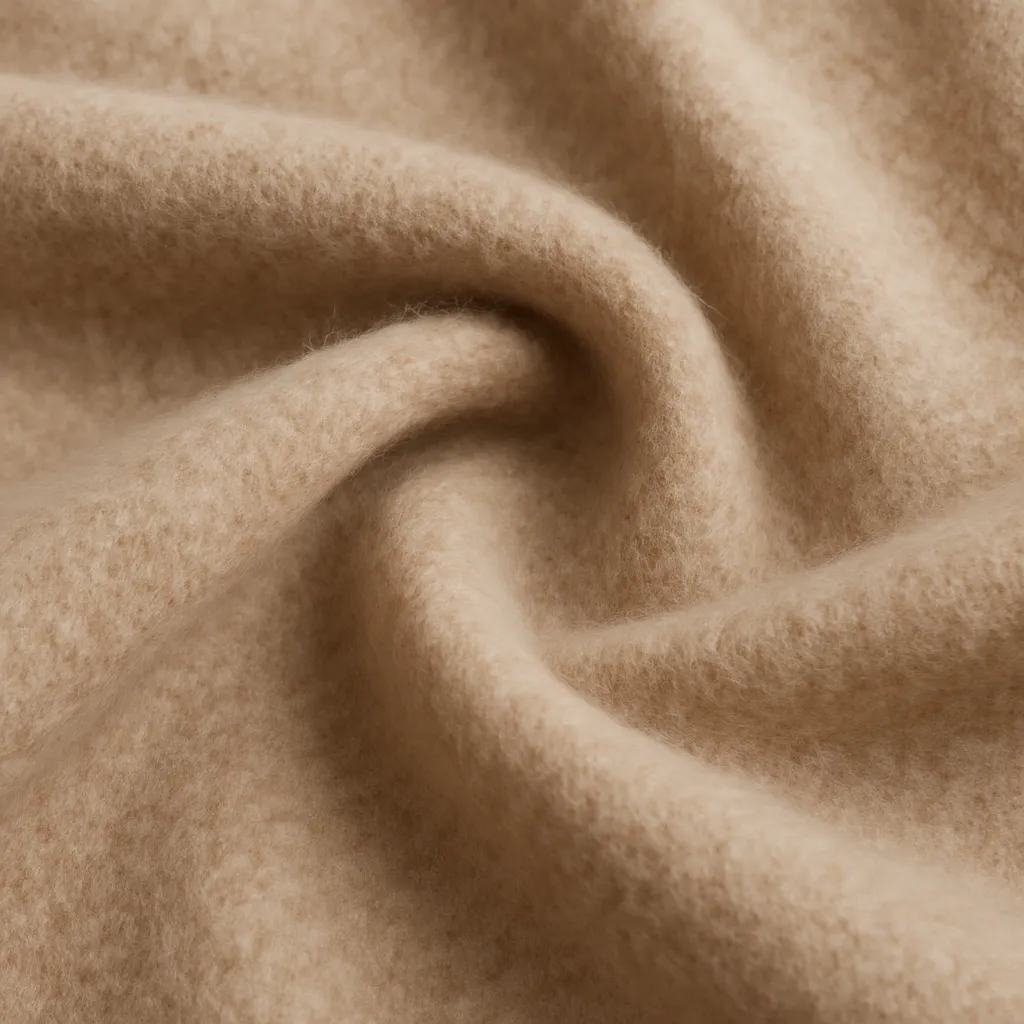
Imagine slipping into a garment so soft it feels like a whisper against your skin, yet so warm it defies the harshest winter chill. That is cashmere. For brands and retailers aiming to stand out in a crowded market, cashmere offers an irresistible promise: luxury that can be felt the moment a customer touches it. But luxury alone is not enough. You need a story woven with authenticity, sustainability, and undeniable quality.
1. The Fabric That Commands Respect

“If it’s worth doing, it’s worth doing right.” Cashmere’s finest fibers measure a mere 14–16 microns—thinner than a human hair—yet they lock in warmth eight times more effectively than standard wool.
- Softness: Glide your hand over pure cashmere, and every customer will feel the difference.
- Warmth: A cashmere sweater weighs half as much as a wool one, yet outperforms it in insulation.
- Durability: With proper care, cashmere lasts a lifetime, not just a season.
2. Busting Myths with Hard Facts
Consumers have heard whispers—“Cashmere itches,” or “It’s not worth the price.” Dispel doubts with crisp truths:
- Myth: All “100% cashmere” labels are equal.
Fact: Fiber testing and CCMI certification ensure authenticity. - Myth: Cashmere can’t be sustainable.
Fact: The Good Cashmere Standard guarantees ethical herding and pasture care. - Myth: Blends offer the same luxury.
Fact: Only pure cashmere delivers the signature hand-feel and loft.
3. Proof in the Process: Authenticating Cashmere
Your buyers demand proof. Give it to them in three steps:
- Laboratory Verification
Microscopic analysis confirms fibers under 19 microns. - Certified Standards
GCS and SFA logos speak louder than marketing hype. - Traceable Supply Chains
QR codes link each garment back to its Mongolian origins.
4. Cashmere vs. The World: A Comparative Edge
| Property | Cashmere | Merino Wool | Cotton | Acrylic |
|---|---|---|---|---|
| Softness | Silken plush | Soft | Crisp to soft | Variable |
| Warmth/Weight | 8× wool | 1× | 0.5× (when wet) | 0.6–0.8× |
| Durability | High (with care) | Very high | High | Low–Medium |
| Price Point | Premium | Mid-range | Low | Very low |
| Sustainability | Conditional | Often certified | Water-intensive | Petrochemical |
5. Harvesting Excellence: Sourcing Regions
- Mongolia: The gold standard. Goats endure −30 °C to grow the finest undercoat.
- Inner Mongolia, China: Largest volume, wide quality range, white fleece for easy dyeing.
- Kashmir, Nepal: Artisanal pashmina—12–16 microns—woven into heirloom shawls.
6. Sustainability: From Grasslands to Garments
The Problem: Overgrazing and desertification threaten Mongolia’s pastures.
The Solution: The Good Cashmere Standard enforces responsible herd sizes and rotational grazing.
- Recycled Cashmere: Upcycled sweaters reborn as new yarn.
- Regenerative Projects: Partnerships that restore grasslands and empower herders.
7. Shaping Luxury Perception
High-fashion runways and accessible lines both turn to cashmere:
- Designer Spotlight: Brunello Cucinelli’s cashmere “city coats” sold out in days.
- Mass Appeal: Everlane’s “affordable cashmere” line demands attention—and sells.
8. Real-World Success Story
Case Study: A boutique label doubled prices—and sales—by switching to GCS-certified Mongolian cashmere.
- Strategy: Emphasized traceability in all marketing channels.
- Result: 50% growth in revenue; glowing press in Vogue and WWD.
9. Pashmina: Cashmere’s Couture Cousin
Pashmina shawls—woven from 12–16 micron Himalayan fibers—carry artisan heritage.
- Blend with Silk: Delivers luster and strength.
- Heirloom Quality: Justifies premium pricing and limited editions.
10. Care Instructions That Build Trust
- Hand Wash Only: Lukewarm water, mild detergent, flat dry.
- Depill Regularly: A cashmere comb preserves the plush surface.
- Fold, Don’t Hang: Prevents stretching—keeps shape season after season.
11. FAQs: Expanded Quick, Direct Answers
Why is cashmere more expensive than merino wool?
Its rarity—only 150–200 g of down per goat per season—and hand-combing process drive up costs, while merino yields are far higher and mechanized.How is fiber fineness measured?
Fineness is determined by laser or microscopic measurement, with premium cashmere under 16 microns for unparalleled softness.What standards ensure ethical cashmere?
Certifications like the Good Cashmere Standard (GCS) and Sustainable Fibre Alliance (SFA) audit animal welfare, grazing practices, and supply-chain traceability.Can cashmere be blended without losing key benefits?
Small blends (e.g. 5–10 % silk or wool) can enhance drape and strength but should be disclosed; pure cashmere retains the loft and hand-feel that define the luxury experience.Does cashmere shrink when washed?
Yes—exposure to heat or agitation can cause up to 30 % shrinkage. Hand-washing in lukewarm water and flat-drying preserves the original size.How long will a cashmere garment last?
With proper care, a high-quality cashmere sweater can endure 10 years or more, retaining warmth and shape after regular depilling and gentle washing.What is “baby cashmere”?
The finest undercoat from goats under one year old, often 13–14 microns in diameter. Its scarcity makes it exceptionally soft and costly.How can I reduce pilling?
Pilling is natural; it’s minimized by choosing long-staple fibers and gently depilling with a cashmere comb after each wear.Is recycled cashmere as soft as new fiber?
Recycled cashmere offers lower environmental impact but may have shorter fiber length, which can slightly reduce loft and increase pilling potential.What is the optimal knit gauge for warmth?
A chunky gauge (10–12 sts per 4 inches) maximizes insulation, while finer gauges (18–24 sts) create lighter, more drapey garments suited for layering.
Conclusion: Your Next Step
If your brand seeks to captivate customers with true luxury, cashmere is your answer. But not all cashmere is created equal. Partner with suppliers who provide:
- Certified Authenticity (CCMI, GCS)
- Traceable Origins (Mongolia’s finest herds)
- Sustainable Practices (regenerative grazing, recycled fibers)
Act now. Invite your buyers to experience the difference. Because in fashion, quality is not just seen—it’s felt.
Views: 206