I learned early that two “cashmere” tags can hide two very different stories. One ends in delight. One pills by New Year. Price alone will not save you.
A cashmere sweater ranges from $30 to $2,000 because of fiber quality, yarn spinning, knit density, finishing, certifications, brand markup, and inventory risk. Each choice compounds cost or cuts it.
I will unpack the seven levers that move price. I will also show how I judge real value when I source sweaters for men and women and when I build private labels.
Does fiber quality justify a 60x price swing?
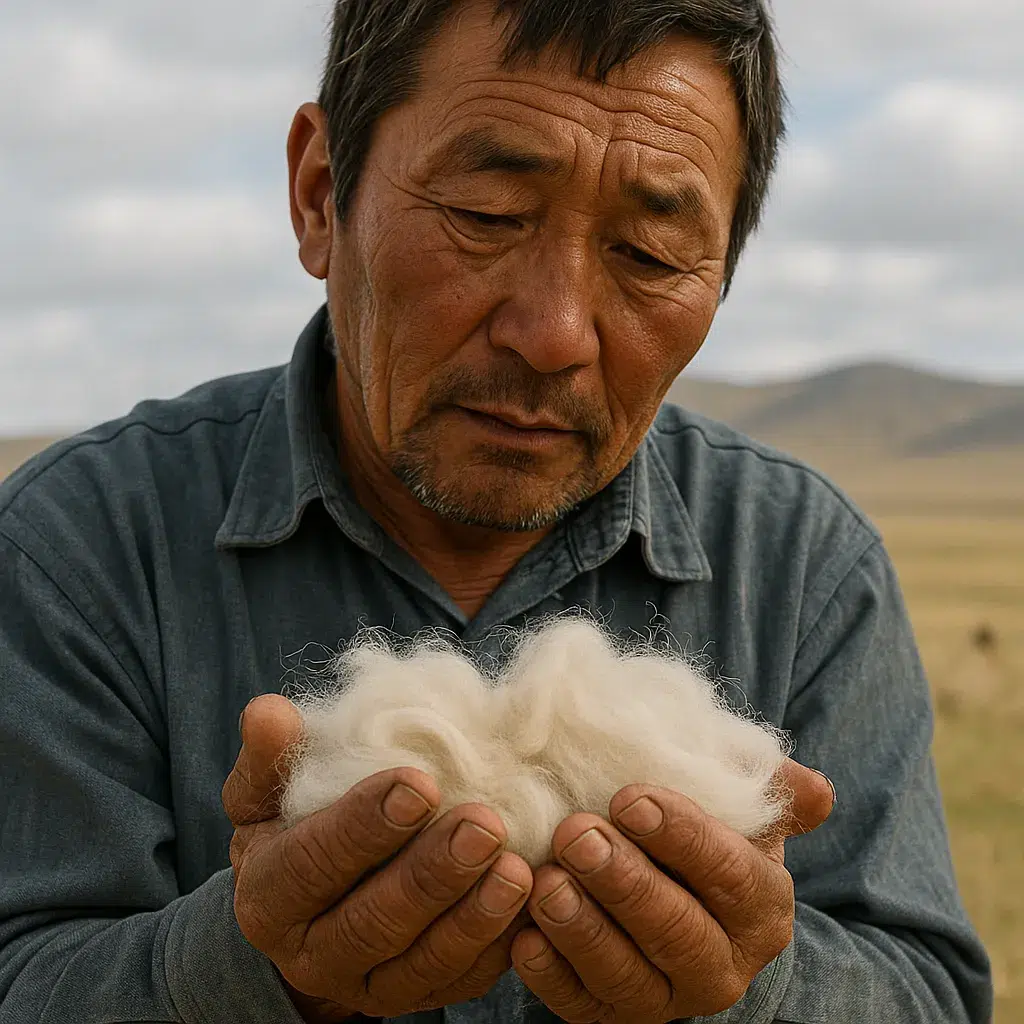
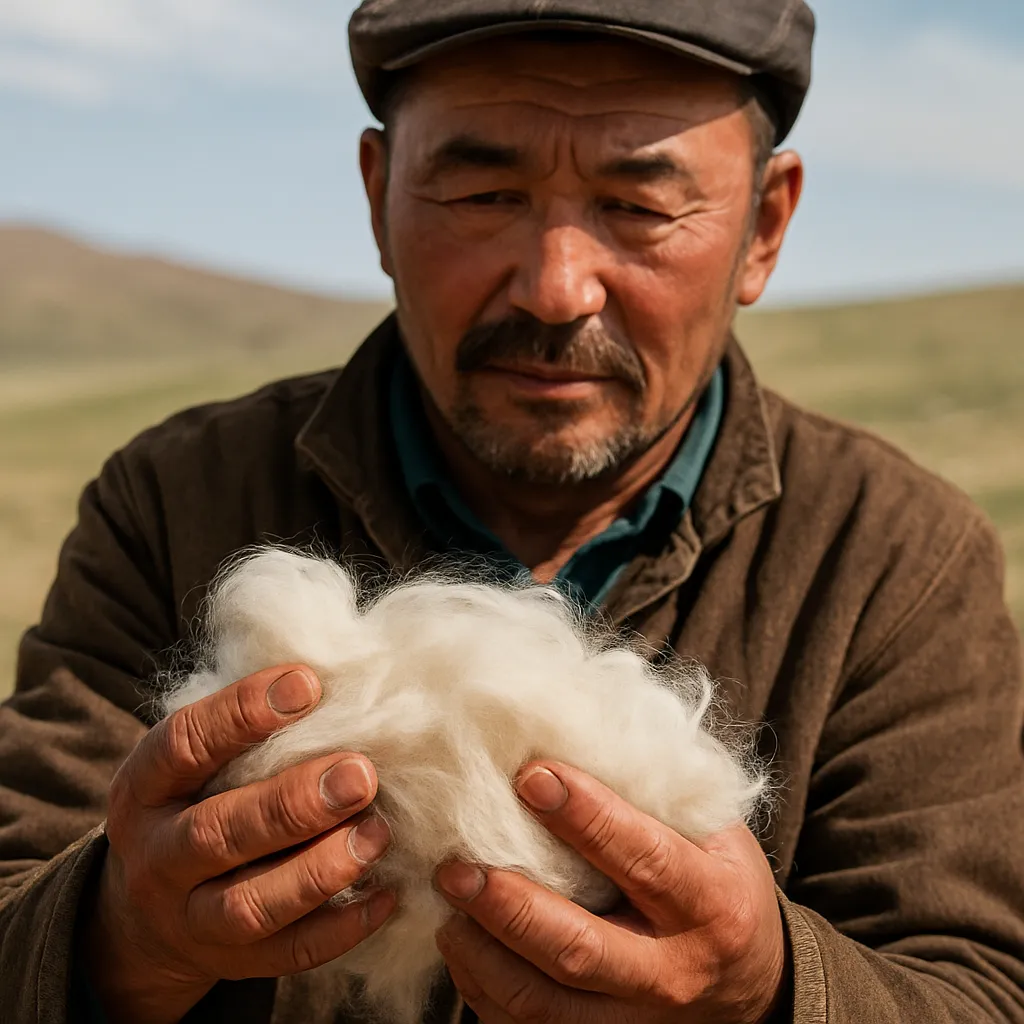
When I stood in a dehairing plant in Inner Mongolia, I held two tufts. Both felt soft. Only one stayed soft after ten wears.
Grade, diameter, and staple length decide softness, drape, and pilling. Finer, longer, whiter fibers cost more to buy and to process, and yield less waste.

I start with fiber metrics. Most great yarns come from 13–16.5 micron fibers with long staple length. Coarser cashmere can still say “100% cashmere” but will pill. I also check color. A naturally white lot dyes clean yellows, reds, burgundy, and sky blues without heavy bleaching. The table below shows how I map specs to expectations and typical products like a men’s cashmere pullover sweater, a cashmere turtleneck, a knit cashmere sweater for kids, or a cashmere cardigan sweater. I also touch recycled fibers. They help cost and story, but short staples raise fuzz and pills. If I see high vegetable matter, I expect higher dehairing loss and more cost. When buyers ask “how much is cashmere” or “how much is a cashmere sweater,” I answer with specs first, not slogans.
Fiber Reference Table
| Grade (Micron) | Staple Length | Handfeel | Pilling Risk | Typical Use | Relative Cost |
|---|---|---|---|---|---|
| A (≤15.5) | Long | Cloud-soft | Low | Loro Piana sweater, The Row sweater, Hermes cashmere sweater | Highest |
| B (15.6–16.5) | Medium-Long | Very soft | Medium-Low | Men’s cashmere pullover, cashmere v neck sweater mens | High |
| C (16.6–18+) | Mixed | Soft at first | Medium-High | Affordable cashmere, cashmere sweater sale | Moderate |
| Recycled/Blend | Short | Varies | High | Cashmere blend jumper, washable cashmere sweaters | Lowest |
Does yarn and knitting construction change the bill that much?
One winter I sampled two men’s gray cashmere sweaters. Same mill, same color. One felt dense and calm. One felt airy and flimsy.
Spinning method, ply, and knit density decide warmth, weight, and shape. Tighter gauges and multiple plies require more yarn and knitting time, so cost rises fast.
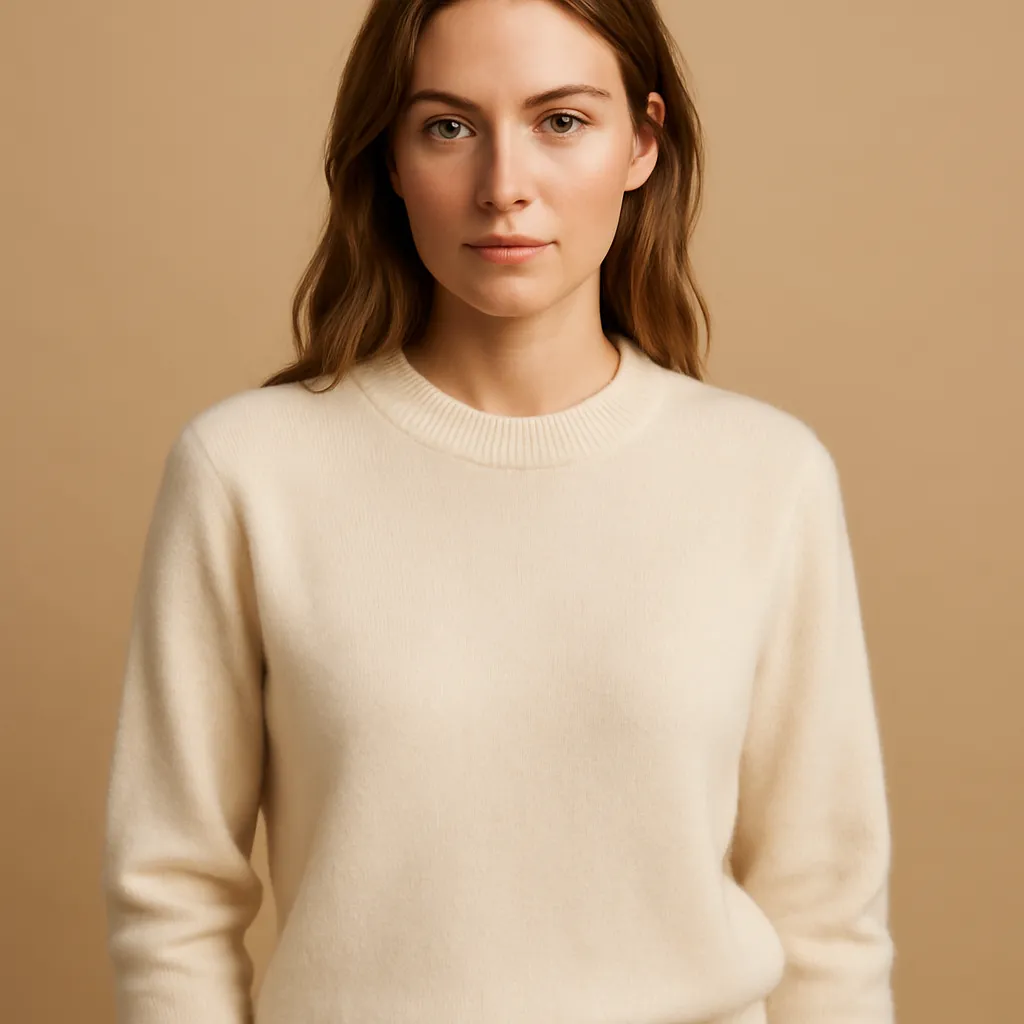
I ask three questions. What ply? What gauge? What stitch density? A 2-ply or 4-ply yarn resists torque and pills less than single-ply. A 7–12 gauge knit is mid-weight and suits a classic men’s cashmere pullover sweater or cashmere turtleneck. A 3–5 gauge is chunky, like a cashmere cable sweater or a thick knitwear “expensive sweater” look. Stitch density is the quiet cost driver. More stitches per inch means more yarn grams and longer machine time. I also track grams by size. For a men’s medium, 320–380g at 12-gauge in 2-ply feels honest. Below 280g, many crews feel thin and age fast. I pair this with proper linking and tension control. When I see uneven ribs, I reject the lot, even if the color is a perfect cranberry cashmere sweater or emerald green cashmere sweater for a campaign.
Construction Comparison
| Build | Gauge | Ply | Feel | Use Cases | Price Impact |
|---|---|---|---|---|---|
| Featherweight Crew | 16–18 | 1–2 | Light, cool | Short sleeve cashmere sweater, breathable layers | $80-$160 |
| Classic 2-Ply Crew | 12 | 2 | Balanced | Everlane cashmere sweater, Naadam the original cashmere sweater | $120-$220 |
| Dense 2-Ply | 7–10 | 2 | Dense, warm | Men’s cashmere pullover sweater, cashmere funnel neck | $180-$450 |
| Cable or Fisherman | 3–5 | 4 | Heavy, luxe | Loro Piana mens sweater, knit cashmere sweater | $300-$2000 |
How much is brand markup versus real cost?
I have built programs for outlets and for luxury flagships. The math changes, the yarn does not.
Retail price also reflects storytelling, stores, photography, and inventory risk. Direct factories can sell $150 sweaters that rival $500 ones when overhead is lean.
I split price into four buckets: fiber/yarn, making/finishing, freight/duties, and brand/retail. A men’s Mongolian cashmere sweater with Grade A fiber, 2-ply yarn, and 12-gauge density might carry a landed cost of $55–$95. Add QC, certifications, and compliant labeling, and you reach $70–$120. A luxury brand then adds design overhead, retail rent, and media. The final may be $800–$2,000, like an lp sweater or a sweater by The Row. A value brand with online sales and fewer stores, like Quince or State Cashmere, may target $100–$200. Off-price channels (Nordstrom Rack cashmere sweater, Saks Off Fifth cashmere) buy closeouts and can land at $60–$150 retail. This is why “how much does a cashmere sweater cost” has no single answer. It shifts with risk and channel, not only with fiber.
Simplified Pricing Stack
| Layer | Typical Range | Notes |
|---|---|---|
| Fiber + Dehairing | 25–40% | Finer, longer, whiter = higher; recycled lowers |
| Spinning + Knitting + Linking | 20–30% | Ply and gauge push time and grams |
| Finishing + QA + Compliance | 5–10% | Shrink tests, pH, needle checks |
| Freight + Duties + Insurance | 5–10% | Route and Incoterms matter |
| Brand Overhead + Retail | 20–50% | Stores, photos, returns, influencers |
| Net Margin | 5–15% | Varies by channel and risk |
Are “sustainable cashmere” claims real or just words?
My buyers ask about sustainable cashmere brands at every show now. They also ask what is real and what is spin.
Look for traceable fiber programs, credible audits, and animal welfare standards. Pay attention to dyeing, wastewater, and land use, not just the word “sustainable.”
I check three things. First, origin and herding practices. Overgrazed land hurts quality and supply. Second, chain of custody. A mill should track bales from region to yarn. Third, processing impact. Low-impact dyes and closed-loop water reduce harm and improve shade fastness, which matters on yellow cashmere fabric, cashmere orange sweater, butter yellow cashmere sweater, and burgundy cashmere jumper that must stay bright. Programs like The Good Cashmere Standard and the Sustainable Fibre Alliance give structure. Recycled cashmere cardigan styles cut virgin demand but can pill more due to shorter staples. Blends like a silk cashmere cardigan increase strength for a cashmere travel sweater. I explain trade-offs so a buyer can pick a cashmere beige basic, a cashmere zip cardigan for men, or a cashmere shawl sweater for winter without surprises. I also request lab tests on rub, wash, and pilling to match claims to real life.
Proof Points to Request
- Batch-level fiber specs (micron, length)
- Mill audits and wastewater data
- Dye recipe disclosure for bright colors
- Third-party certificates where available
- Care tests: wash, rub, pilling cycles
How can I buy smarter without overpaying?
When I buy for private labels, I do not chase the lowest tag. I chase the longest wear-per-dollar.
Touch density, check ply, ask grams per size, and read the care label. Then shop channels that match your goals, from off-price to luxury icons.

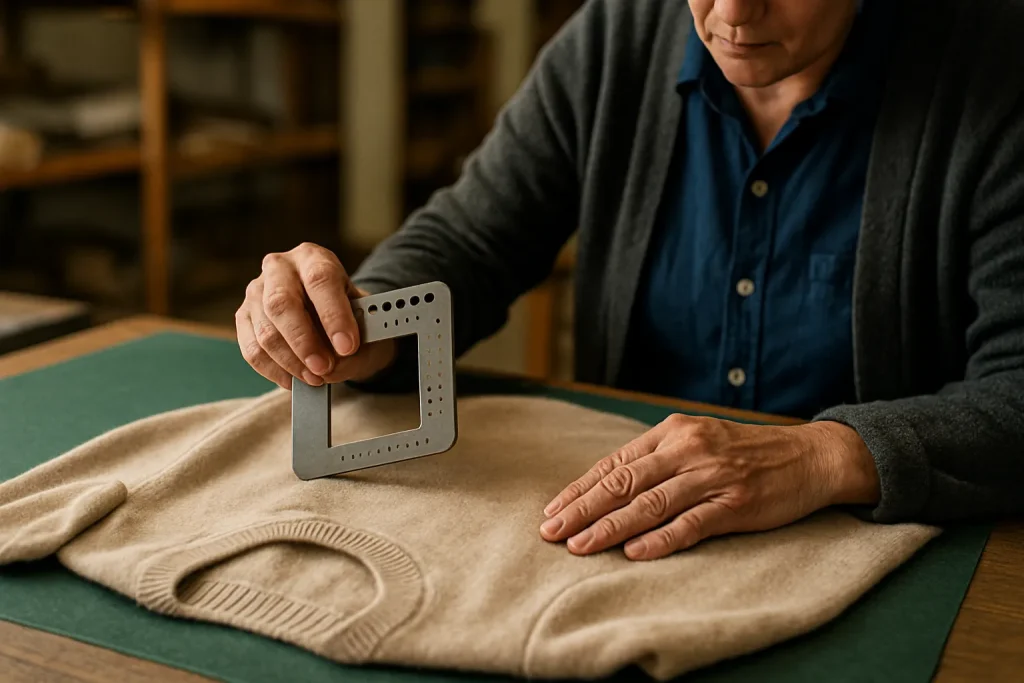
I use a simple checklist. First, hand test: squeeze the rib and release. If it springs back, stitches are dense. Rub the underarm once; loose fiber sheds right away. Second, read specs: 2-ply, 12-gauge, 320–380g for a men’s medium signals a solid knit. Third, match style to need: a cashmere funnel neck or black cashmere turtleneck mens is a winter core; a short sleeve cashmere sweater or cashmere tunic is for shoulder seasons. Fourth, pick channels: where to buy sweaters depends on timing. For value, I check Uniqlo cashmere, Naadam cashmere, Everlane cashmere sweater, and Vince cashmere when they clear colors like cranberry cashmere sweater, pale blue cashmere sweater, or red v neck cashmere sweater. For heritage, I look at Ralph Lauren cashmere, Paul Stuart cashmere sweater, Johnston cashmere, or John Laing cashmere. For statement, I consider Khaite Rene sweater or The Elder Statesman cashmere sweater. For men, I build capsules around a men’s cashmere pullover, a cashmere zip, and a wool cashmere sweater mens for travel. If a tag says “washable cashmere sweaters,” I confirm tests; many are blends or special finishes.
Smart Buyer’s Pocket List
| Check | Good Signal | Red Flag |
|---|---|---|
| Density | Springs back after squeeze | Lays flat and limp |
| Ply | 2-ply or 4-ply | Single-ply on heavy knits |
| Grams | 320–380g (men M crew) | <280g on 12-gauge |
| Label | Clear fiber + care | Vague “cashmere blend” |
| Feel | Smooth, low fuzz | Prickly or dusty hand |
What should I expect to pay for common styles?
Price bands help me plan buys and avoid bad surprises in margin meetings.
These are reference bands I use when quality is honest. Promotions, duties, and fiber swings can move them up or down.

I group by build and channel. A classic crew with Grade B fiber, 2-ply, 12-gauge lands at $120–$220 from value DTCs. At department stores, add $50–$150. A dense cable at 4-ply, 5-gauge can run $300–$600 in mid-tier and $800–$1,800 at luxury. A premium Loro Piana sweater cashmere, a sweater The Row, or a sweater Prada can cross $2,000 because brand overhead is heavy and finishing is meticulous. Off-price hunts can find a Polo Ralph Lauren cashmere sweater or Vince raglan cashmere sweater under $250 at the end of the season. On the lower end, a sweater under $10 is not real cashmere; a $30–$60 tag usually means blends or very coarse “new cashmere.” When buyers ask “how much does a cashmere sweater cost,” I share the band below as a practical guide for cashmere sweaters men and women.
Reference Price Bands (US Retail)
| Style | Channel | Honest Range |
|---|---|---|
| Men’s cashmere pullover sweater | DTC value | $120–$200 |
| Cashmere turtleneck | Dept./Specialty | $180–$450 |
| Cashmere cardigan sweater | Dept./Luxury | $220–$1,200 |
| Cashmere cable sweater | Luxury Icons | $800–$2,000+ |
| Cashmere blend jumper | Mass | $60–$150 |
| Recycled cashmere cardigan | DTC eco | $120–$220 |
Conclusion
Quality fiber, dense construction, careful finishing, and honest margins make great cashmere. Smart checks beat hype. Know the specs, touch the knit, and match channel to need.
Why I write this
About my business
My Name: Lancy Chia
My email: [email protected]
Link to my website: https://truekung.com
Brand Name: Truekung
Country: China.
Products: fashion clothes
Business model: B2B, Wholesale only
Status: The factory has more than 200 workers. We provide clothing products and OEM/ODM services to different brands and supermarkets around the world. We have 20 years of experience in foreign trade clothing production and export. The main products are: fashion women’s clothing, jackets, skirts, dresses, jeans, T-shirts, sweatshirts, down jackets, windbreakers, coats, fashion bags, sportswear, children’s clothing, underwear.
Main export countries: Netherlands, Denmark, Belgium, Norway, UK, USA, Germany, Australia, Thailand, Turkey, Italy, Russia, Saudi Arabia, etc.
Views: 1049