1. Why Terry Matters
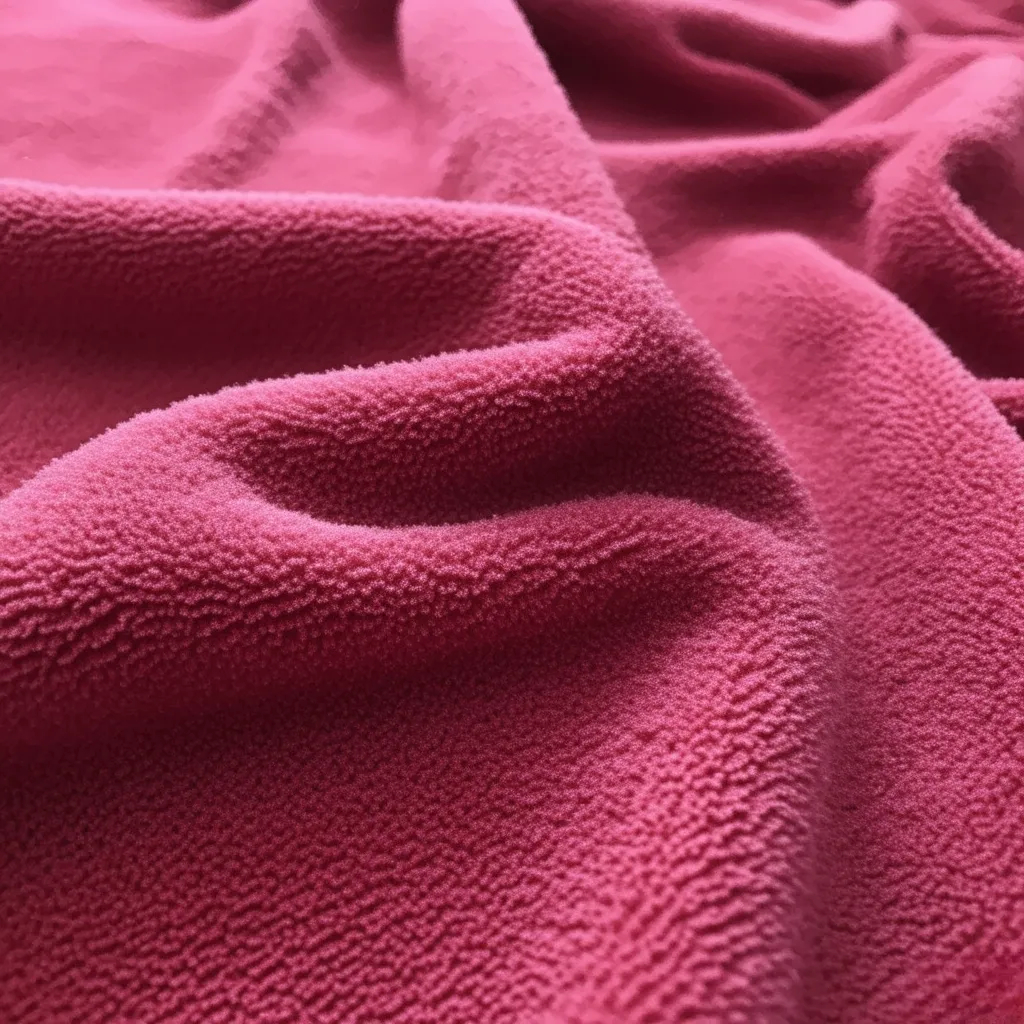
Terry cloth has evolved from a simple towel fabric into a versatile material for European fashion and home goods. Its unique looped structure offers benefits no flat fabric can match. Buyers who understand its value can differentiate their offerings and command premium prices.
Next: Discover what gives terry its special properties.
2. What Terry Is

Terry refers to a looped‑pile construction, not a fiber.
- Woven terry cloth: Loops on both sides for maximum absorbency.
- French terry knit: Loops on the inside, smooth outside, for comfort and stretch.
These loops create surface area and thickness—key to terry’s performance.
Next: See how those loops translate into real‑world performance.
3. How Terry Performs vs. Other Fabrics
| Property | Woven Terry | French Terry | Flat Cotton |
|---|---|---|---|
| Absorbency | Very high | Moderate | Low |
| Warmth | High | Medium | Low–Medium |
| Breathability | Medium | High | High |
| Shrinkage | ~3% | ~2% | ~4% |
Loopy terry soaks up to 20× its weight in water. Flat cotton holds about 2×.
Next: Learn why these properties drive business value.
4. Why Brands Should Care
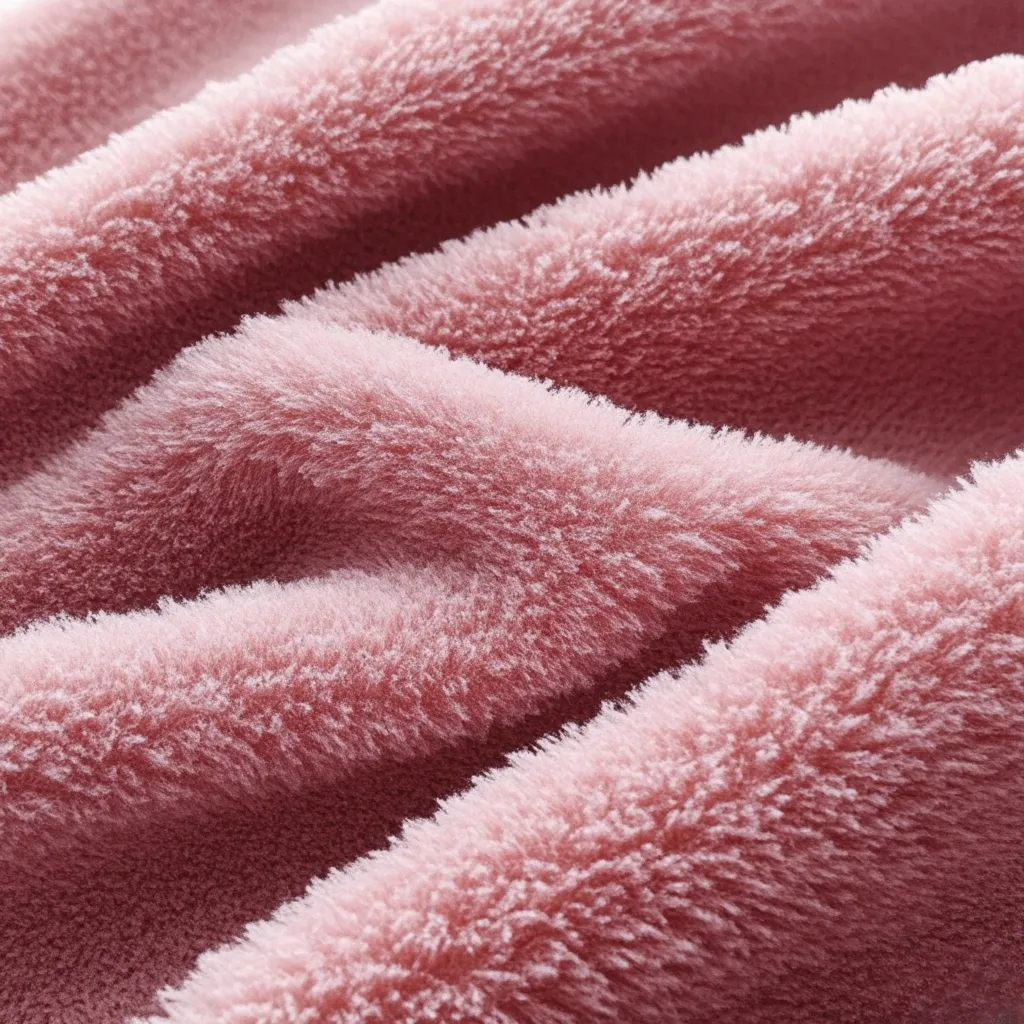
- Premium positioning: “100% cotton terry” signals luxury.
- Customer satisfaction: Softness and absorbency drive repeat purchases.
- Diversification: Terry cloth spans towels, robes, athleisure, and resort wear.
Brands that leverage terry capture new market segments and higher margins.
Next: Source terry responsibly to meet European standards.
5. How to Source Responsibly
- GOTS certification: Ensures organic farming and ethical processing.
- OEKO‑TEX Standard 100: Guarantees zero harmful chemicals.
- Recycled content (GRS): Adds sustainability credentials.
Certified terry builds trust with eco‑conscious buyers.
Next: Use a simple framework to make your own terry decisions.
6. How to Choose: The TERRY Model
- Target Use (towels vs. apparel)
- Environment (beach, gym, home)
- Requirements (absorbency, warmth, stretch)
- Resources (budget, certifications, lead time)
- Yield (margin, turnover projections)
This step‑by‑step model ensures confident fabric selection.
Next: Quick answers to common terry questions.
7. Key FAQs
Q: Is terry cloth more absorbent than cotton?
A: Yes. Loops boost absorbency to 20× fabric weight vs. 2× for flat cotton.
Q: Does terry cotton shrink?
A: Expect 2–3% shrink on first wash unless pre‑shrunk.
Q: Which is better for sweat: French terry or polyester?
A: French terry absorbs and releases moisture; polyester can trap sweat.
Next: Ready to act? Here’s your roadmap.
8. Next Steps
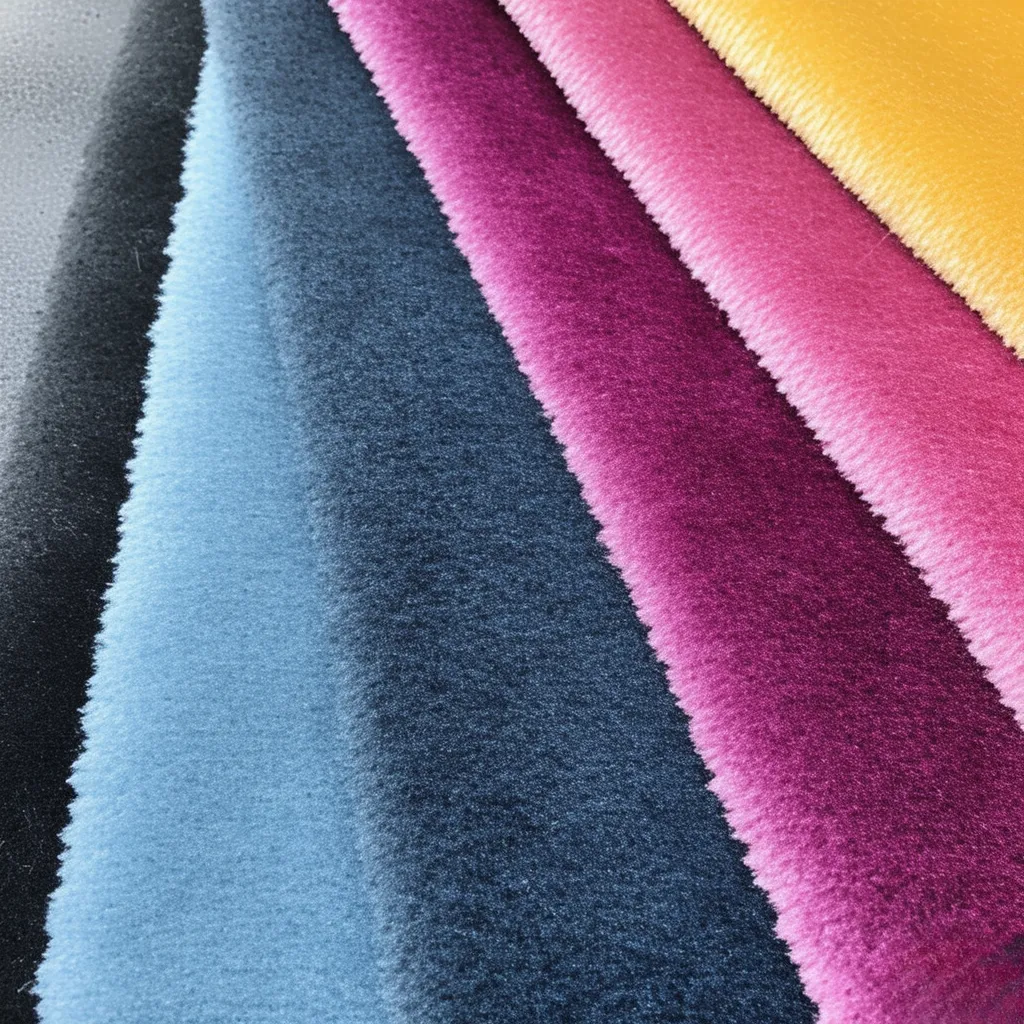
- Sample: Request 400 GSM organic cotton terry swatches.
- Test: Evaluate absorbency, shrinkage, and hand feel.
- Decide: Apply the TERRY model to your product spec.
- Order: Launch your terry collection and track repeat sales.
Terry cloth is more than a towel—it’s a revenue opportunity. Embrace it.
Views: 164