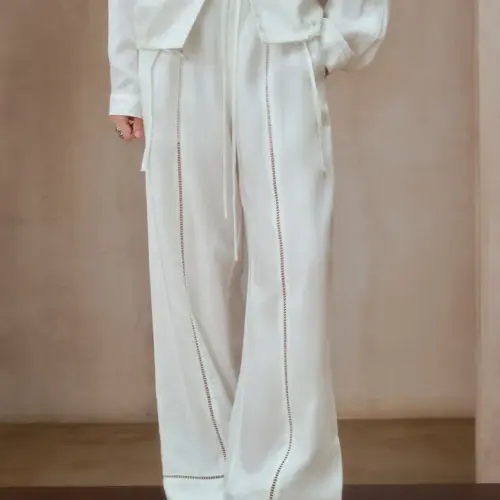
A lot of people ask: why are some sweatpants so soft, while others feel stiff and scratchy? The secret lies in the fabric choice and construction.
Sweatpants are most often made from cotton, fleece, polyester, or blends that combine these materials to balance comfort, durability, and performance.
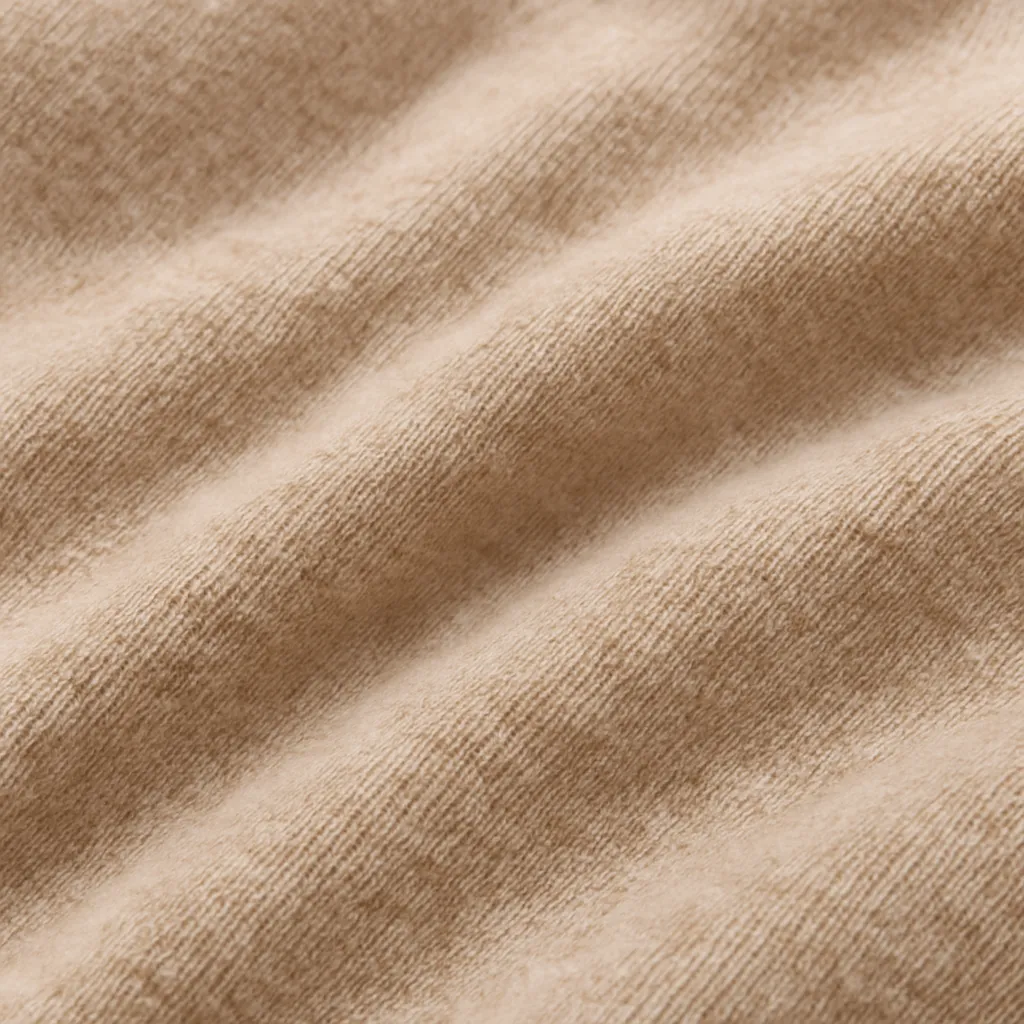
When you pick a pair of sweatpants, the material will largely determine how they feel, how they perform, and how long they last. Let’s dive deeper into what materials are used, what trade‑offs they bring, and how to choose the right fabric for your needs.
What are the most common fabrics used for sweatpants?
You might assume “sweatpants = cotton,” but the reality is more varied. Many fabrics (or combinations) are used to make sweatpants.
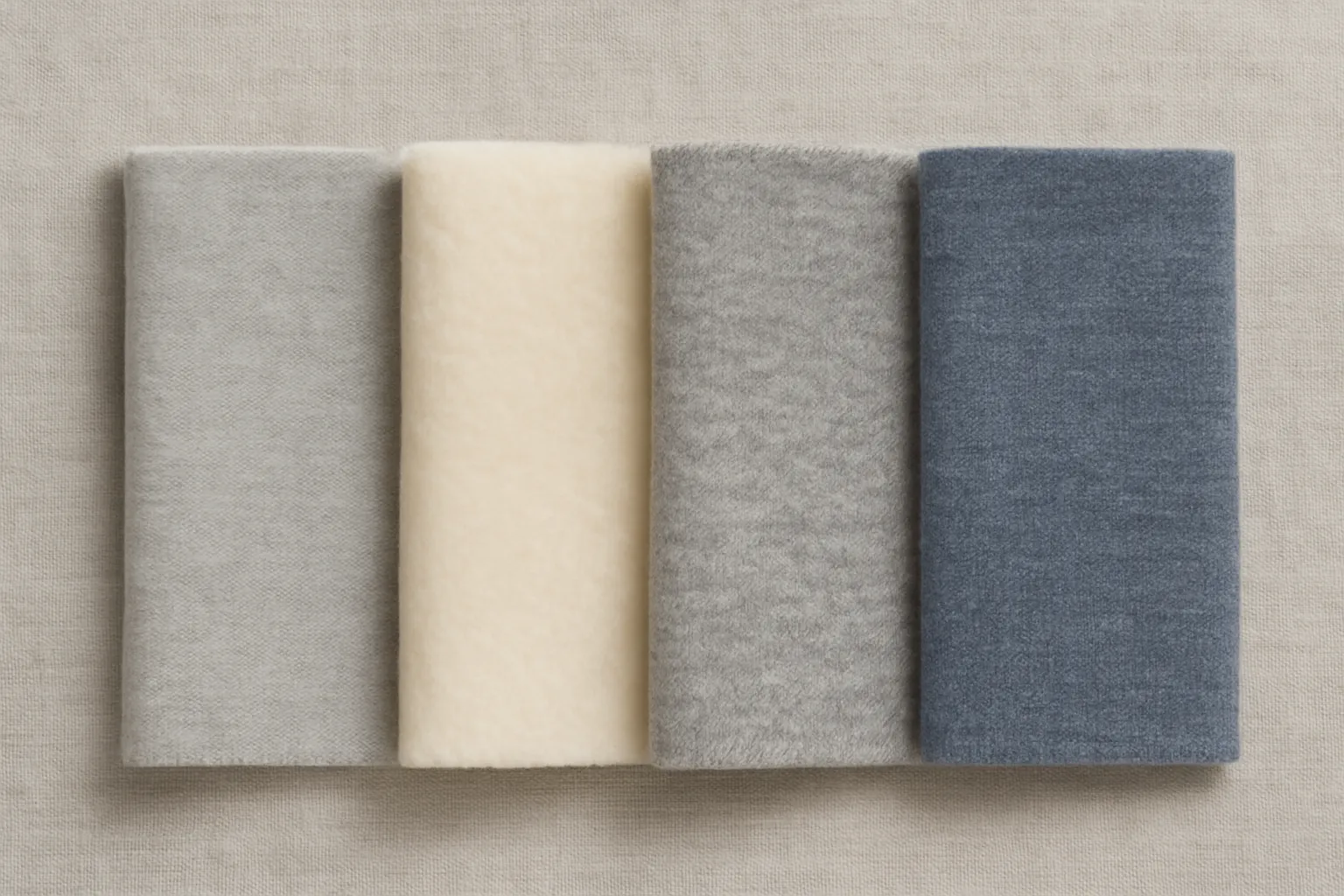
The most common fabrics are cotton, fleece, polyester, and cotton‑polyester blends, each offering different benefits.
Dive deeper
Here’s a breakdown of the most used materials:
- Cotton: A natural fiber prized for softness and breathability. It’s comfortable against skin and helps air circulate, which keeps you cooler in mild weather.
- Fleece: Often made from cotton, polyester, or a blend, fleece has a brushed interior. It traps air and retains warmth, making it ideal for colder climates or relaxed, cozy wear.
- Polyester: A synthetic fiber that resists abrasion, dries quickly, and maintains shape well. It’s less breathable than cotton, but it reduces shrinkage and adds strength.
- Cotton‑Poly Blends: These combine the comfort of cotton with the durability and easy care of polyester. A typical blend might be 60% cotton / 40% polyester, or 80/20, etc.
Here’s a quick comparison:
| Material / Blend | Softness | Warmth | Breathability | Durability / Shape Retention | Best Use Cases |
|---|---|---|---|---|---|
| 100% Cotton | Very high | Moderate | High | Prone to shrinkage / wear | Everyday, lounging |
| Fleece (brushed) | High | High | Moderate | Moderate | Cold weather, layering |
| 100% Polyester | Moderate | Lower | Moderate | High (less shrinkage) | Activewear, jogging |
| Cotton‑Poly Blends | Moderate to high | Moderate | Moderate | Better compromise | Versatile use, gym & casual |
Each of these options can be tailored. For example, you’ll find fleece lined sweatpants, lightweight sweatpants, or versions designed for breathability or insulation.
How do different sweatpants materials affect comfort and performance?
Ever bought sweatpants that felt great at first, but shrank or stiffened after one wash? That’s all about the material’s behavior under stress.
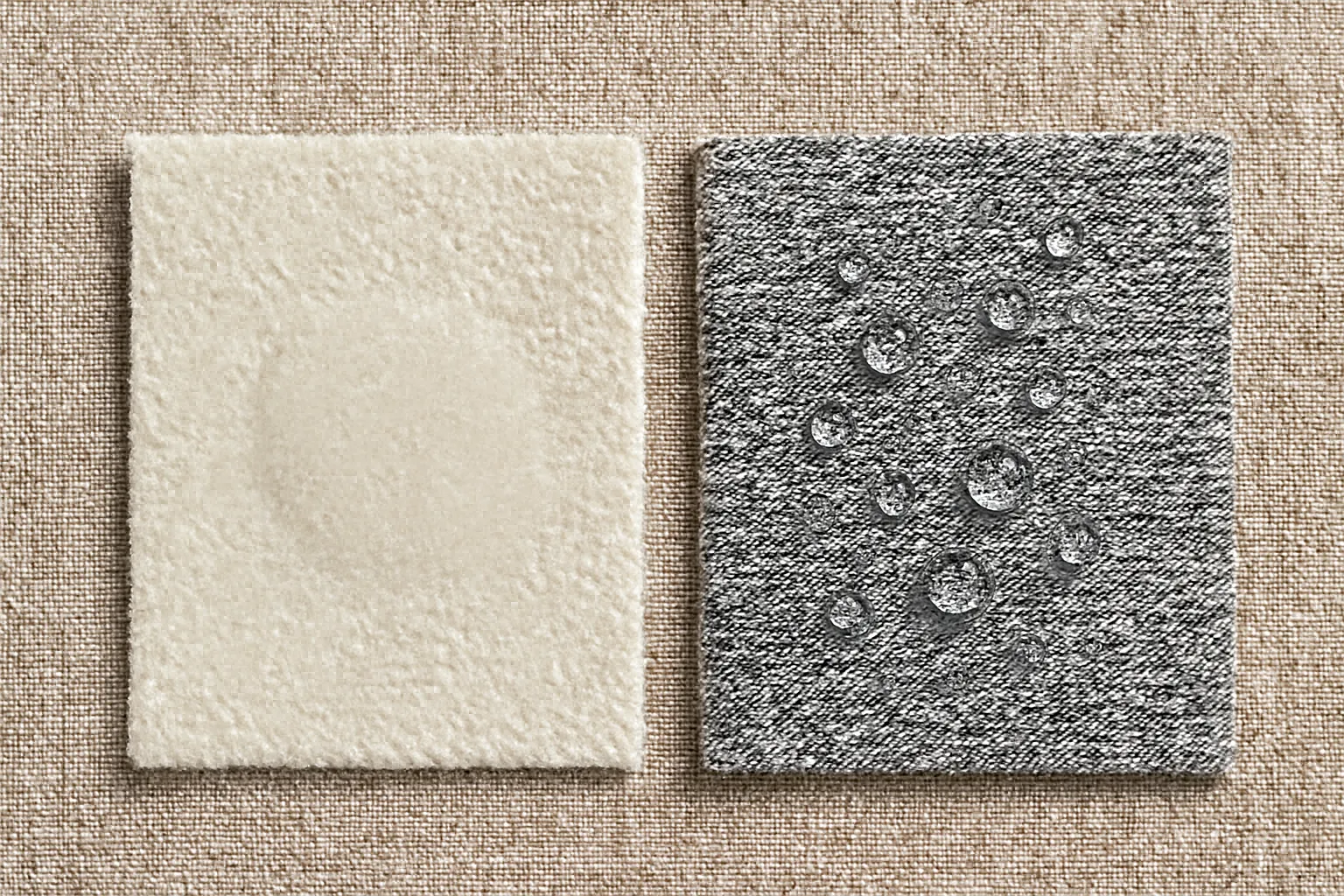
Material choice directly impacts softness, moisture handling, stretch, and how the garment ages.
Dive deeper
Here are key performance aspects and how materials differ:
- Softness & feel: Cotton is naturally soft. Blends can approach that softness, depending on the ratio and fabric finish (e.g. brushed, peached).
- Moisture / sweat handling: Pure cotton absorbs moisture well but dries slowly. Polyester and technical blends wick moisture and dry faster, making them better for workouts or active wear.
- Stretch & recovery: Some sweatpants include a small amount of elastane/spandex (1–5%) to allow stretch and maintain shape. Blends with elastane help reduce bagging at knees or seat.
- Shrinkage & care: Cotton is most prone to shrinkage, especially if washed in hot water or machine‑dried. Polyester resists shrinkage. Blends often offer better stability.
- Longevity & pilling: Polyester resists wear and holds up better to repeated washing. Cotton may pill or wear thin over time. Blends often offer a middle ground.
- Warmth vs airflow: Fleece or brushed interiors trap heat better. But in warmer weather, thicker or heavily brushed sweatpants may feel too hot.
If you plan to wear sweatpants for workouts, look for fabric blends or performance synthetics rather than pure cotton.
Are sweatpants warm enough for winter?
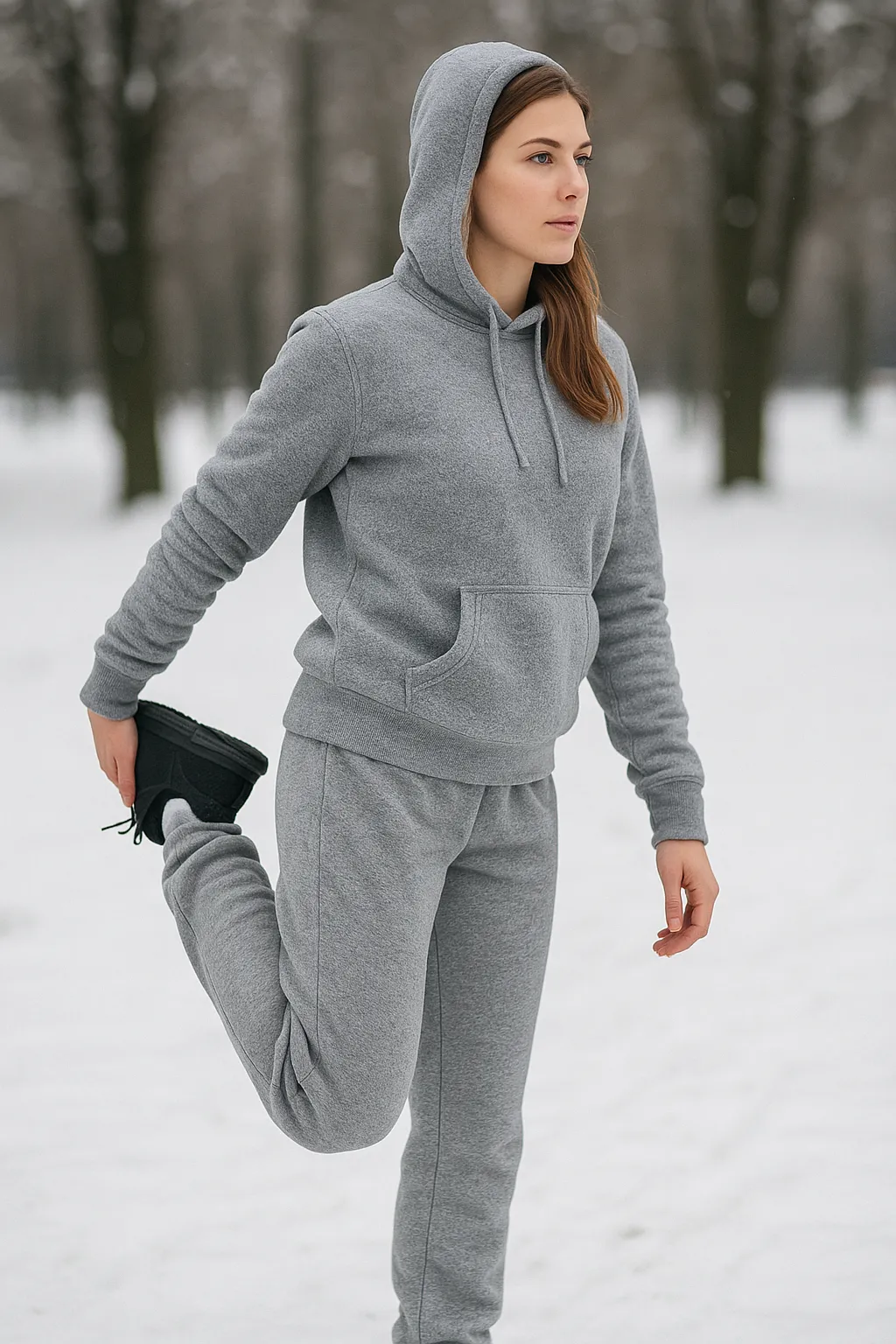
If your climate turns cold, basic sweatpants might feel insufficient. But some materials make them viable for winter.
Sweatpants with fleece lining, thermal cotton, or thicker blends can provide warmth in cool to cold weather.
Dive deeper
To make sweatpants winter‑worthy, manufacturers often:
- Use fleece or brushed interiors to trap warm air.
- Choose thicker cotton or blends that weigh more per square meter.
- Incorporate wool blends or insulation layers in premium versions.
- Use double‑knit or loopback fabrics that add mass without sacrificing flexibility.
For example, fleece lined sweatpants are specifically designed to keep warmth in—even when layered under a coat. If you live in a cold climate and want to wear sweatpants outdoors, pick sweatpants labeled for cold weather or thermal use.
Which materials are best for workout sweatpants?
Sweatpants worn for gym, running, or movement need different attributes than lounge wear.
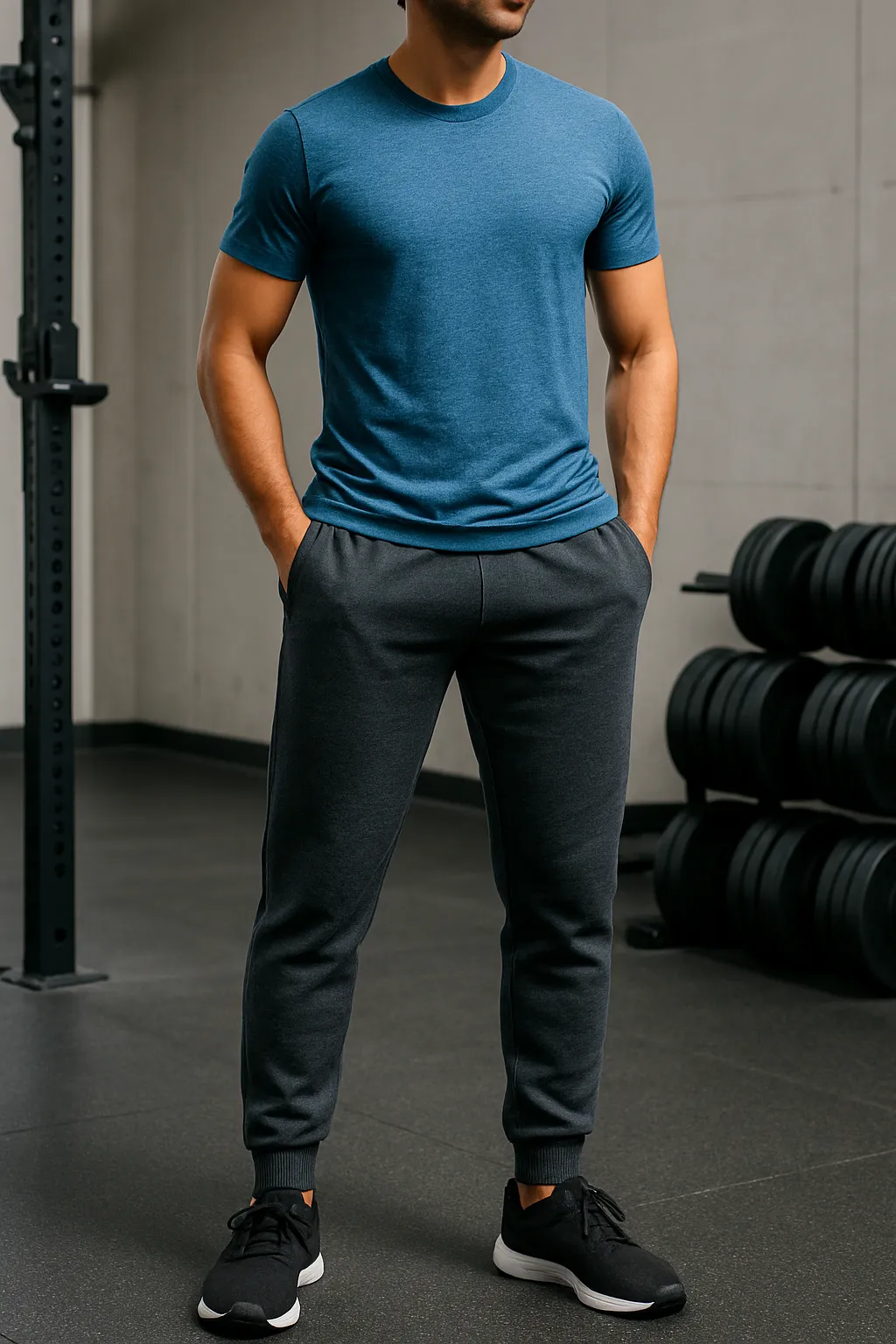
Blended fabrics with polyester, moisture‑wicking properties, and some stretch perform best for athletic use.
Dive deeper
Workout sweatpants should:
- Move with you — include elastane or spandex.
- Shed sweat — use polyester or performance blends that wick.
- Maintain shape — resist sagging or bagging through repetition.
- Be lightweight — avoid heavy fleece unless for cool weather runs.
Some modern “tracksuit pants” or “trackpants” use tech fleece or performance knits: they feel light but give warmth and stretch. Avoid 100% cotton for intensive activities—it will saturate with sweat and become heavy.
How do sustainable materials factor into sweatpants?
As more consumers demand ethical fashion, sustainable fabrics are becoming common.
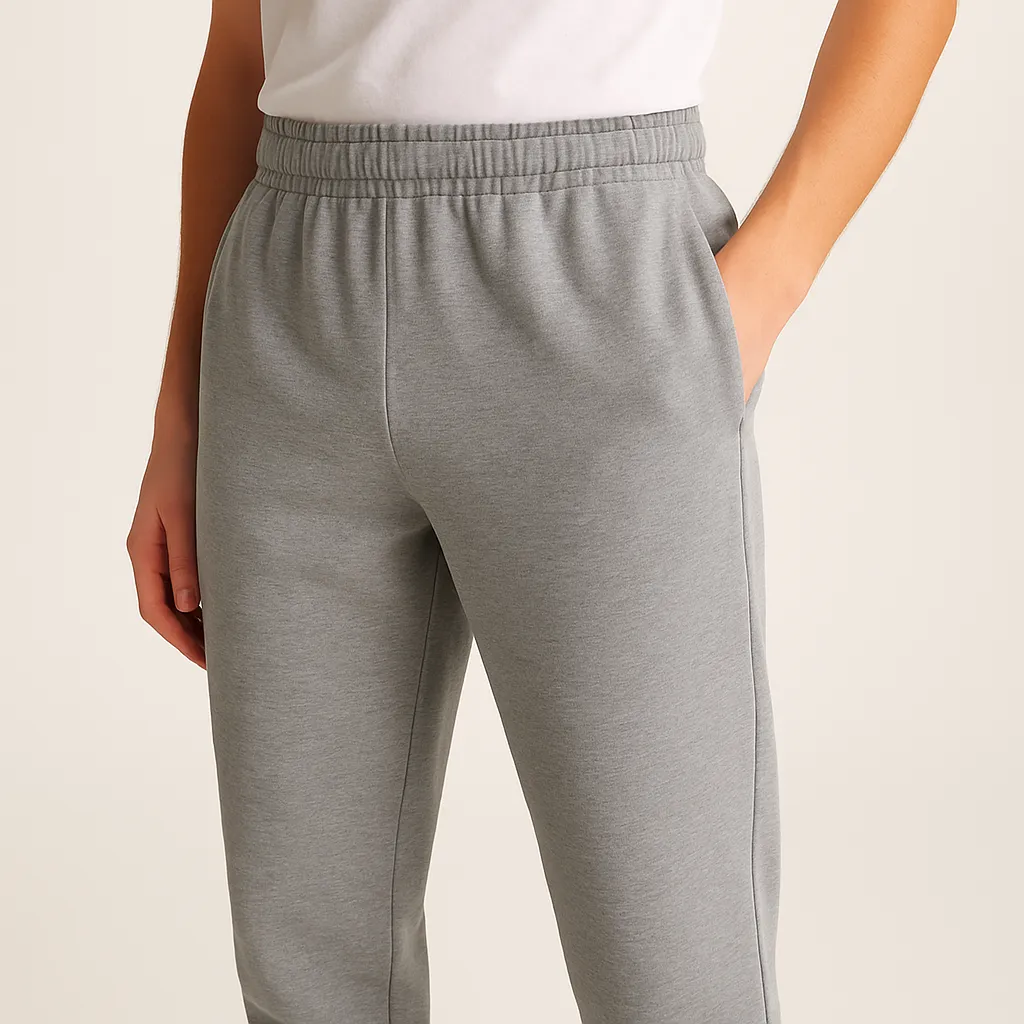
Organic cotton, recycled polyester, and bamboo blends are rising in sweatpants design.
Dive deeper
Sustainable options include:
- Organic cotton: Grown without synthetic pesticides. Maintains similar comfort to conventional cotton.
- Recycled polyester / rPET: Made from repurposed plastic bottles or waste. Reduces reliance on virgin materials.
- Bamboo fibers: Naturally soft and breathable, though processing methods vary in eco impact.
These materials are often blended with conventional fibers to balance cost, performance, and sustainability. Many brands now market “eco sweats” or “green joggers” using these options.
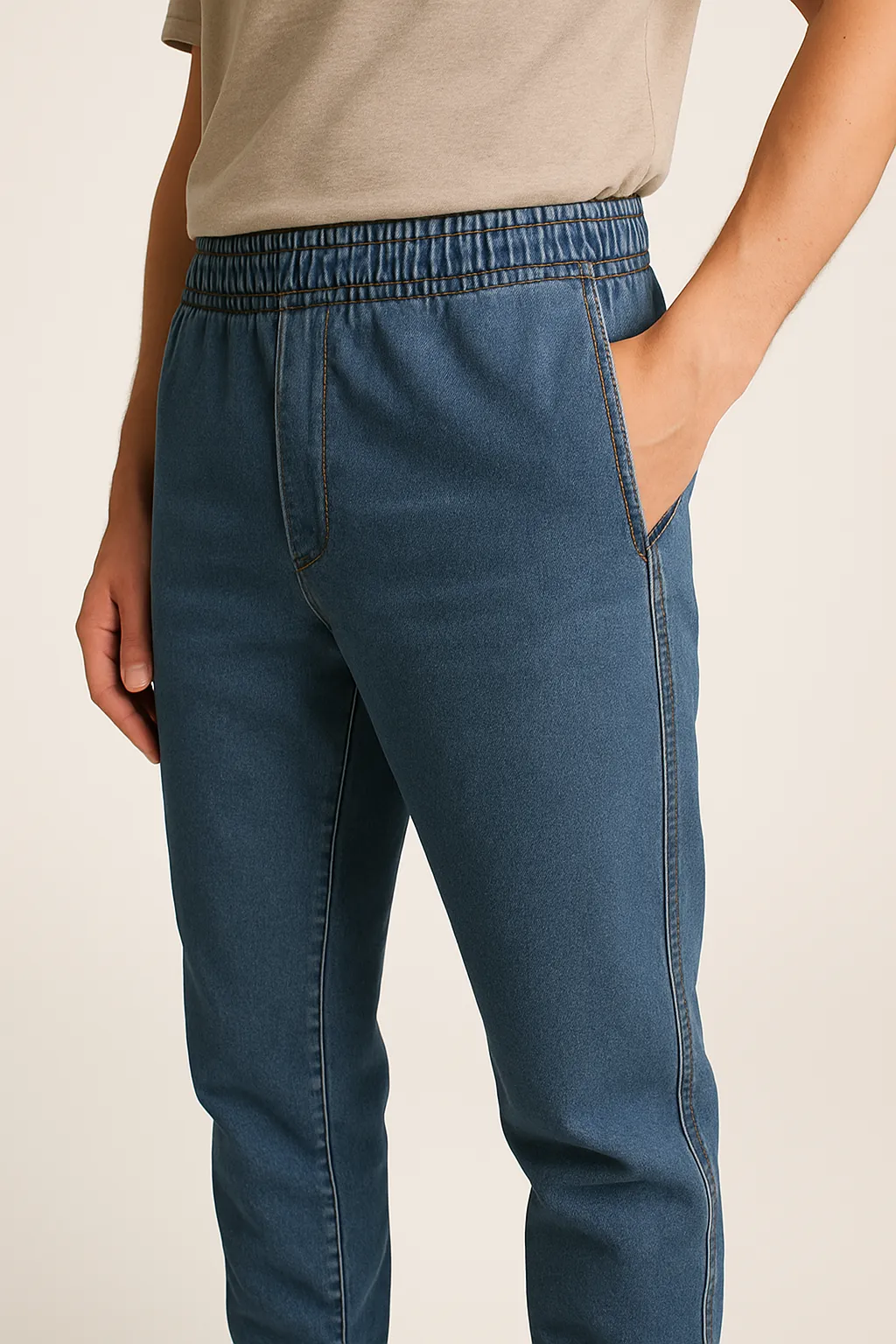
What about specialty styles like “jogging pants that look like jeans” or “camo sweat pants”?
Trend brands have introduced hybrid styles—sweatpants with style features of jeans or camouflage prints.
These often use the same base fabrics (cotton blends, fleece, tech knits) with design tweaks like jean‑style seams, camo prints, or heavier “denim knit” textures.
Dive deeper
Some variants include:
- Denim‑look knits: A knit fabric that’s dyed or textured like jeans, but softer and stretchier.
- Camo prints: Applied to fleece or knit fabrics.
- Graphic sweatpants: Use standard sweats material but printed with bold designs.
- Wide‑leg sweatpants, jogger cuffs, cargo pockets: All using the same base materials but with design features to match fashion trends.
Even for niche styles like “jogging pants men”, “women’s athletic pants”, or “sweatpants for ladies”, the material fundamentals remain the same—comfort, stretch, and durability guide fabric choice.
Conclusion
Sweatpants are built from cotton, fleece, polyester, or blends combining them. Your ideal pair depends on trade‑offs: softness vs durability, warmth vs breathability, shrinkage vs shape retention. Choose fabric based on how and when you’ll wear them.
Views: 705