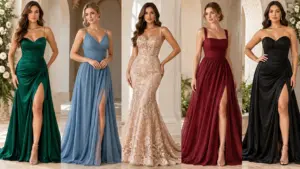
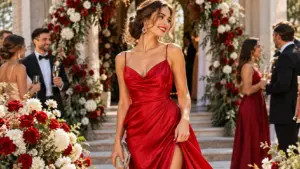
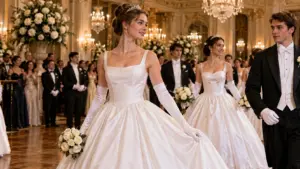
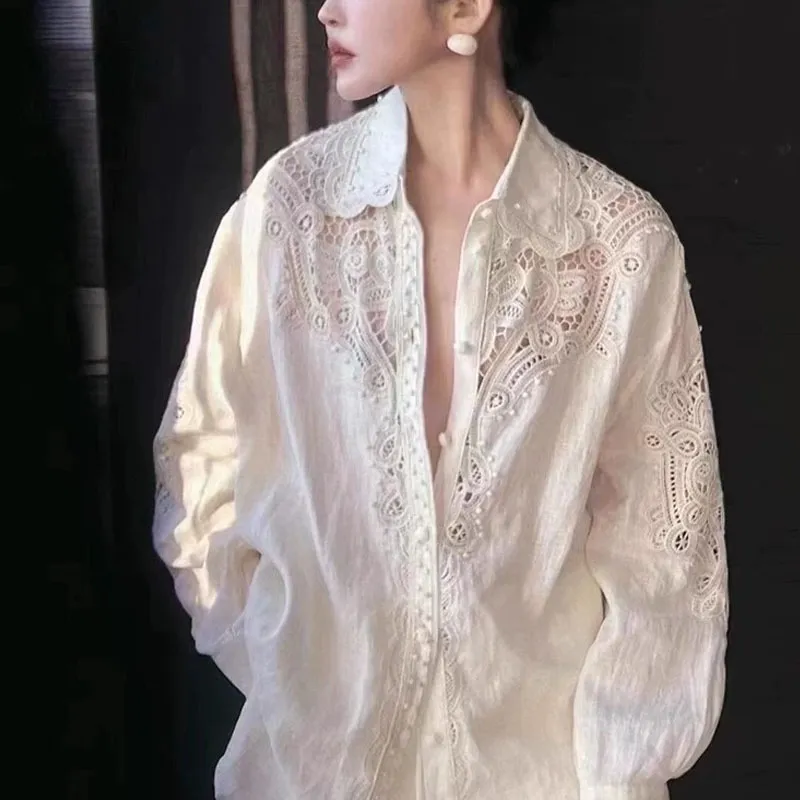
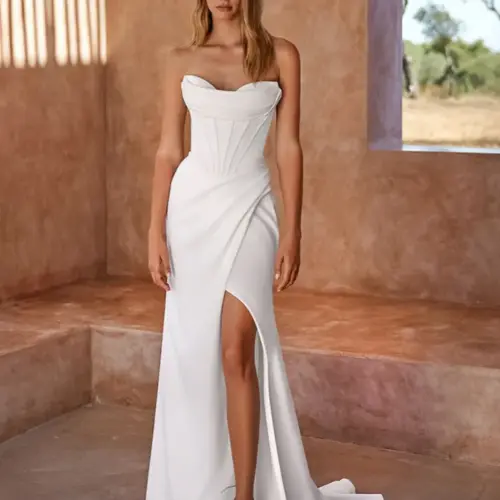
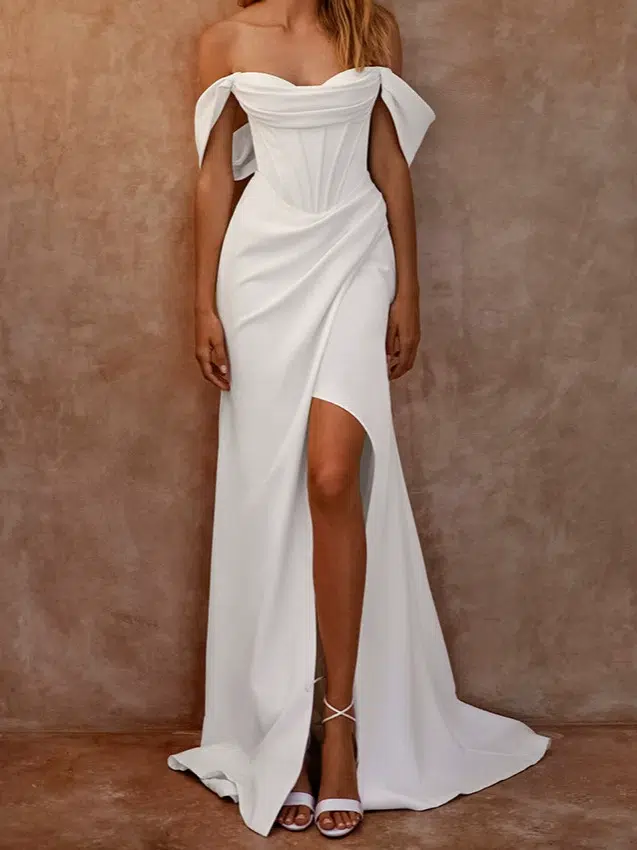
When a dress looks dreamy or a display feels magical, there’s often one fabric behind the magic — tulle. Light, sheer, and versatile, tulle adds elegance and structure at the same time.
Tulle is a fine netting fabric made from silk, nylon, polyester or Rayon. It is widely used in fashion, weddings, decorations, and performance costumes due to its transparent texture and ability to add volume.

I’ve worked with tulle many times, especially when clients request romantic or dramatic styles. Understanding what tulle is helps make better choices when designing or customizing clothing.
What Is Tulle Fabric?
You’ve seen it in bridal veils, ballet tutus, and party dresses. But what is tulle really?
Tulle is a very fine, hexagonal-mesh netting fabric. It can be made from silk, nylon, polyester, or other fibers.

It originated in Tulle, France, known for lace and silk production. Today, tulle is produced globally. It can be soft or stiff depending on fiber and treatment. The mesh allows light to pass through, making it sheer and airy.
What Are the Main Characteristics of Tulle?
Tulle looks delicate, but it’s also practical — if you know what to choose.
Key characteristics of tulle include light weight, transparency, stiffness, texture, and layering ability.

Key Features Comparison
| Feature | Description | Impact on Use |
|---|---|---|
| Transparency | Sheer to semi-sheer | Good for overlays and layering |
| Weight | Ultra-light | Adds volume without bulk |
| Stiffness | Soft (drape) or stiff (structure) | Stiff for tutus, soft for veils |
| Fiber Type | Silk, polyester, nylon | Impacts texture and eco properties |
| Texture | Smooth to coarse | Comfort, touch, layering feel |
Choosing the right type depends on how it will be used. Soft tulle drapes beautifully in evening gowns. Stiff tulle holds shape in structured skirts or crinolines.
What Are the Common Types of Tulle?
There are many kinds of tulle, and choosing the right one is key to making your design work.
Main types of tulle include silk tulle, nylon tulle, polyester tulle, cotton-blend tulle, and decorative tulle.

Overview of Tulle Types
| Type | Properties | Best For |
|---|---|---|
| Silk Tulle | Soft, breathable, luxurious | Bridal veils, couture gowns |
| Polyester Tulle | Affordable, holds shape, stiff | Tutus, event decorations |
| Nylon Tulle | Soft, flexible | Dress overlays, veils |
| Cotton Tulle | Natural feel, less structure | Light skirts, children’s clothes |
| Decorative Tulle | Glitter, metallic, rainbow, galaxy | Costumes, special effects, accents |
You may also hear names like tule fabric, toole fabric, tulles, and tutu material. These are all different spellings or terms for tulle.
What Is Tulle Used For?
Tulle is one of the most adaptable fabrics in the fashion world.
Tulle is used for bridal gowns, evening wear, dance costumes, decorations, and petticoats.

Popular Use Cases
- Weddings: Veils, gowns, trains, overlays
- Fashion: Layered skirts, sheer sleeves, ruffles
- Dance: Ballet tutus, costume layers
- Event Decor: Table skirts, backdrops, floral wraps
- Crafts: Pom-poms, wreaths, gift wrapping
Designers love tulle because it adds drama without heaviness. For custom pieces, it allows flexibility — structured or soft, subtle or sparkling.
Is Tulle Eco-Friendly?
Many clients today ask about fabric sustainability. Tulle is no exception.
Most tulle is synthetic (polyester or nylon), which is not biodegradable. Silk or recycled options are more sustainable.

Environmental Considerations
| Factor | Synthetic Tulle | Natural Tulle (Silk/Cotton) |
|---|---|---|
| Source Material | Petroleum-based | Renewable (silkworms, plants) |
| Biodegradability | Low | High |
| Microplastic Risk | High | None |
| Cost | Lower | Higher |
| Feel/Texture | Coarse to smooth | Soft, breathable |
If your brand focuses on sustainability, you might want to request eco options when placing a custom order.
Why Should You Customize Clothing with Tulle?
You may find tulle fabric near you, but custom-made designs make better use of its strengths.
Custom clothing with tulle allows you to control transparency, structure, comfort, and visual impact.

Benefits of Customizing Tulle Garments
- Exact Fit: Get the volume and shape you want
- Custom Layering: Balance opacity and airiness
- Choose Your Feel: Soft for comfort or stiff for drama
- Color Matching: From classic white to gold, red, or galaxy
- Eco Choices: Select sustainable tulle for your brand story
At Truekung, we guide buyers through selecting the right fabric blend, tulle type, and production details. Whether for seasonal fashion, party dresses, or children’s wear, we help build standout collections using the best materials.
Conclusion
Tulle offers beauty, structure, and style flexibility. Customizing garments with the right type of tulle makes every piece more refined and unique.
Views: 691