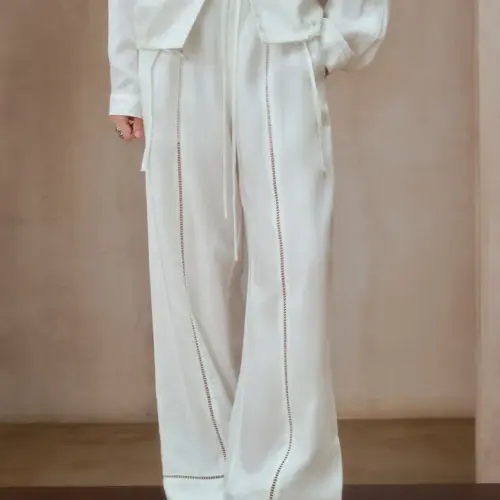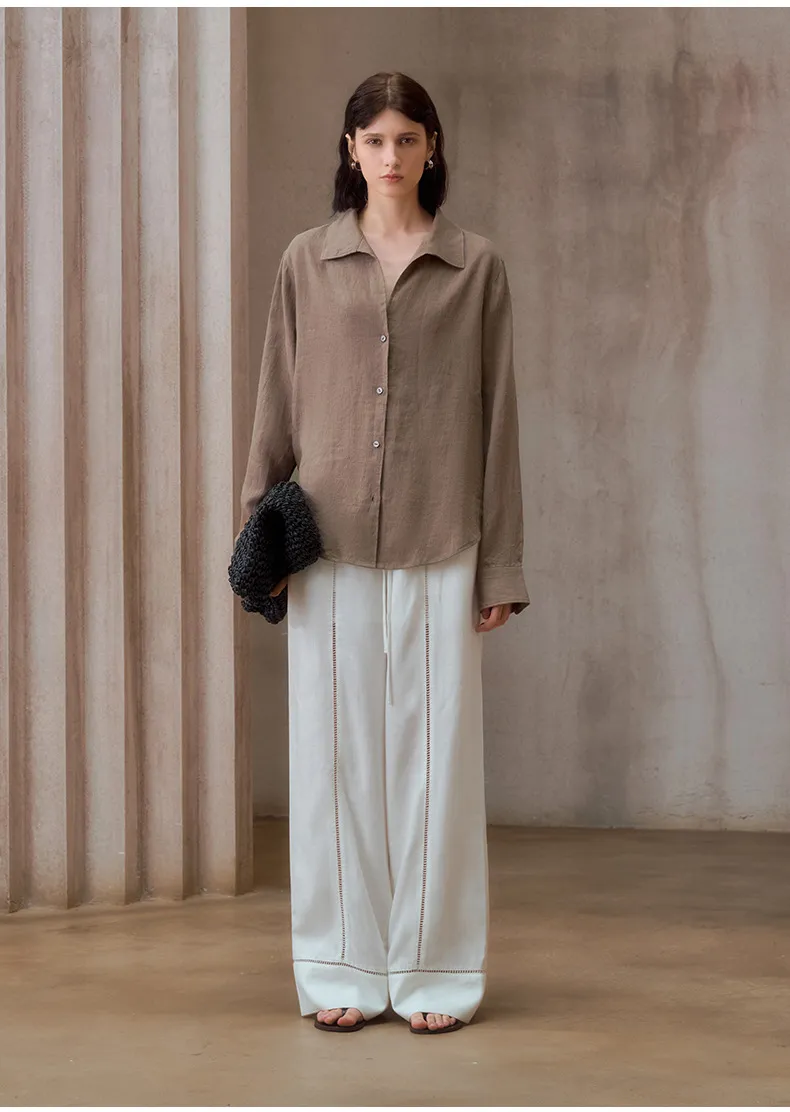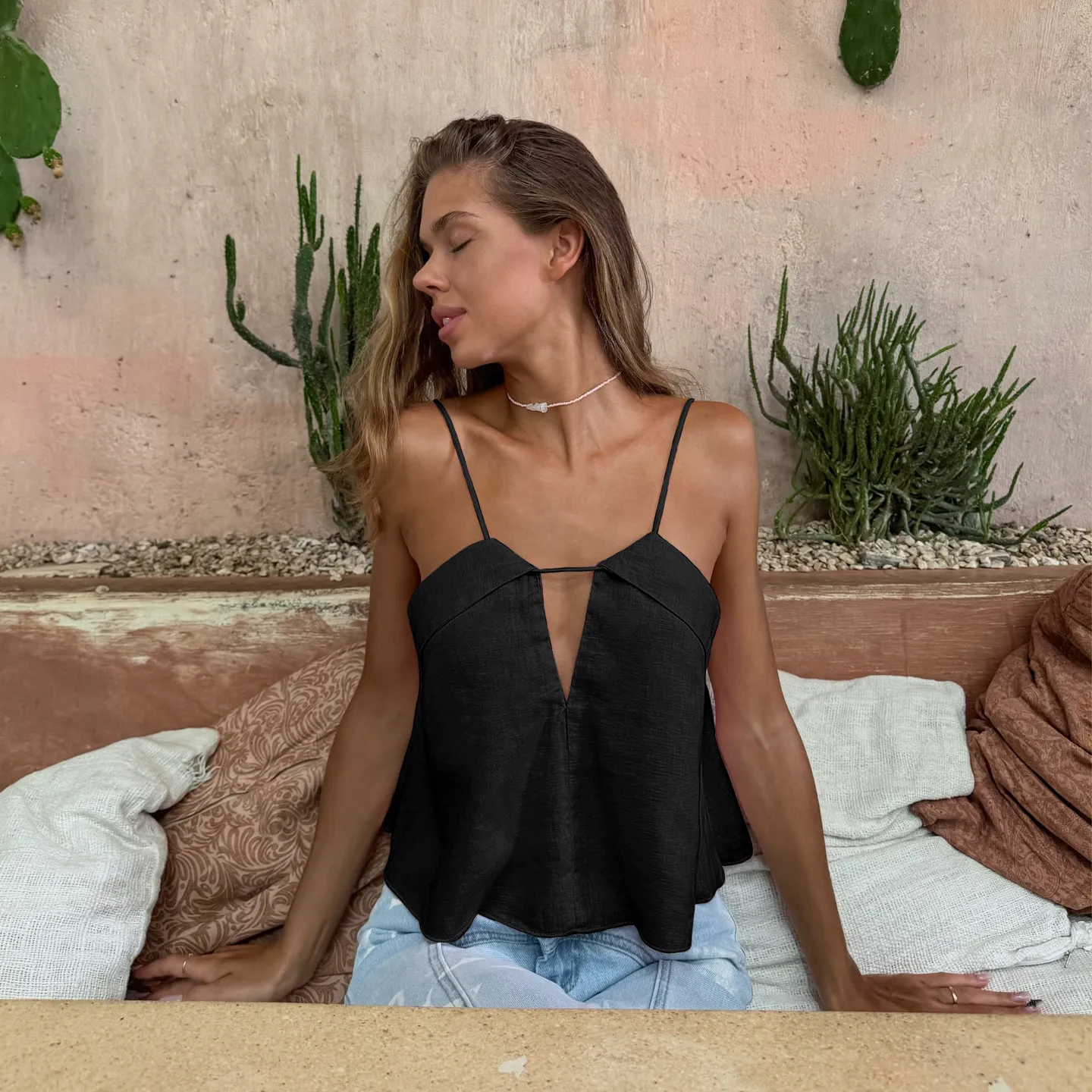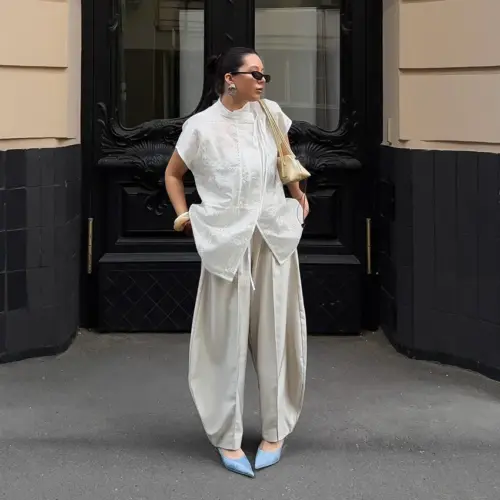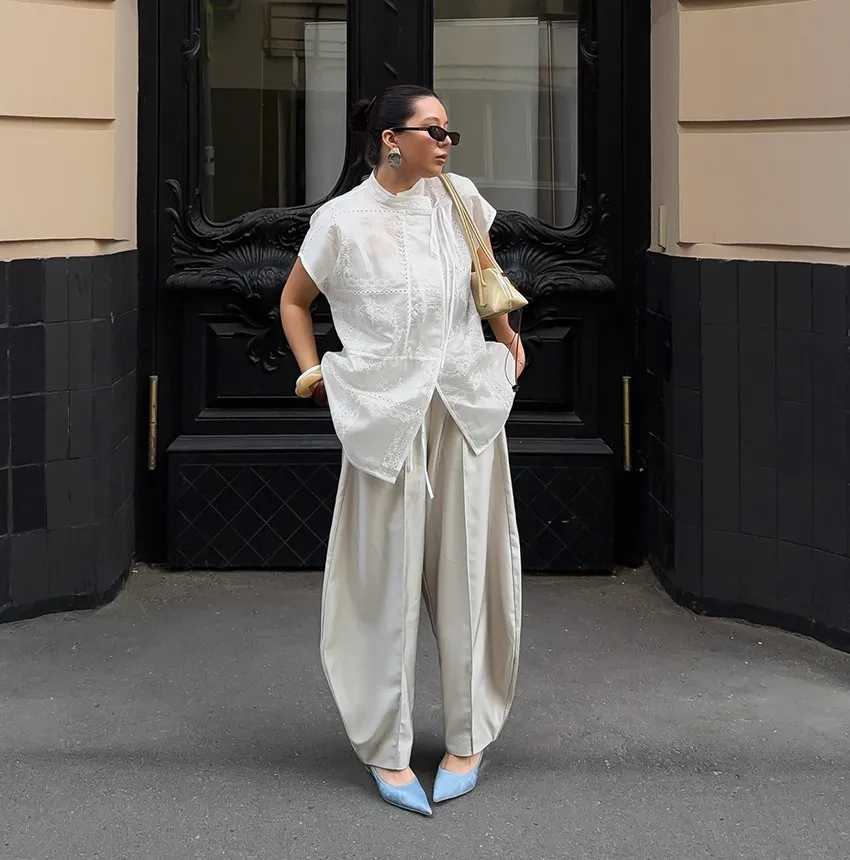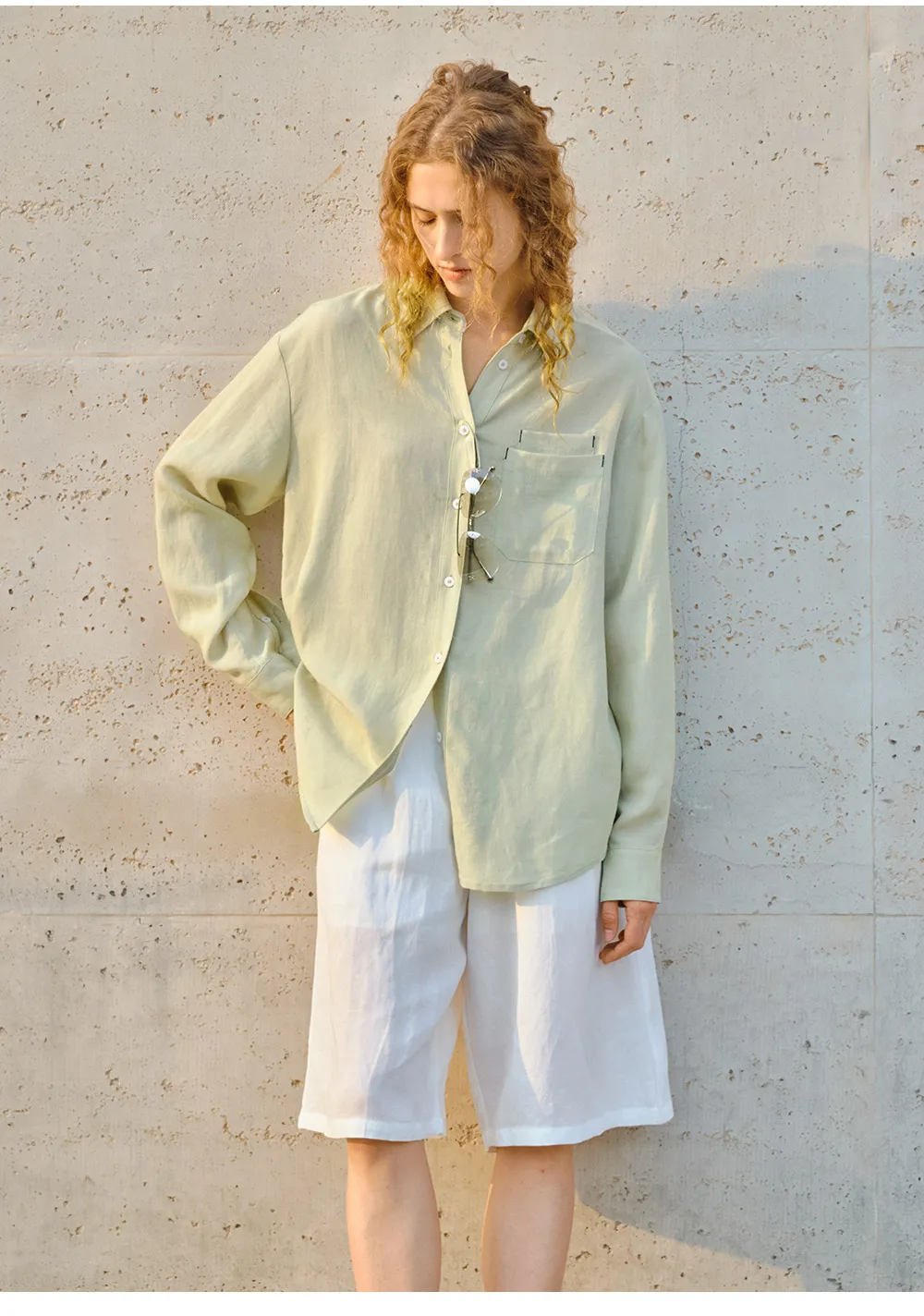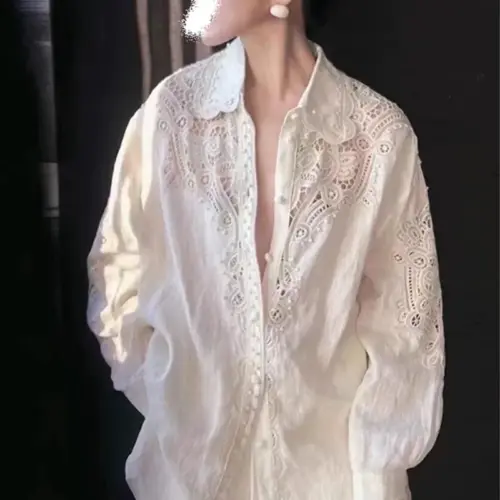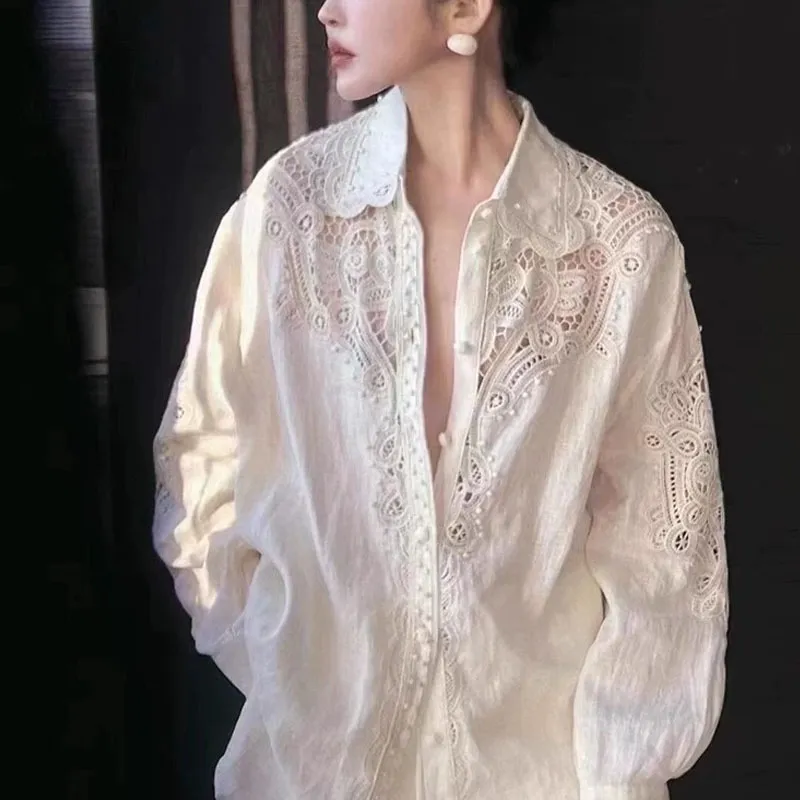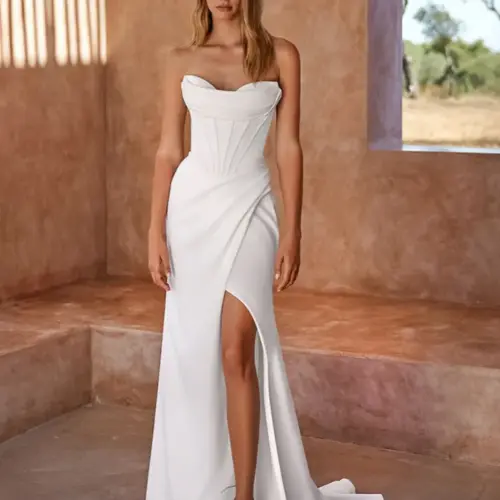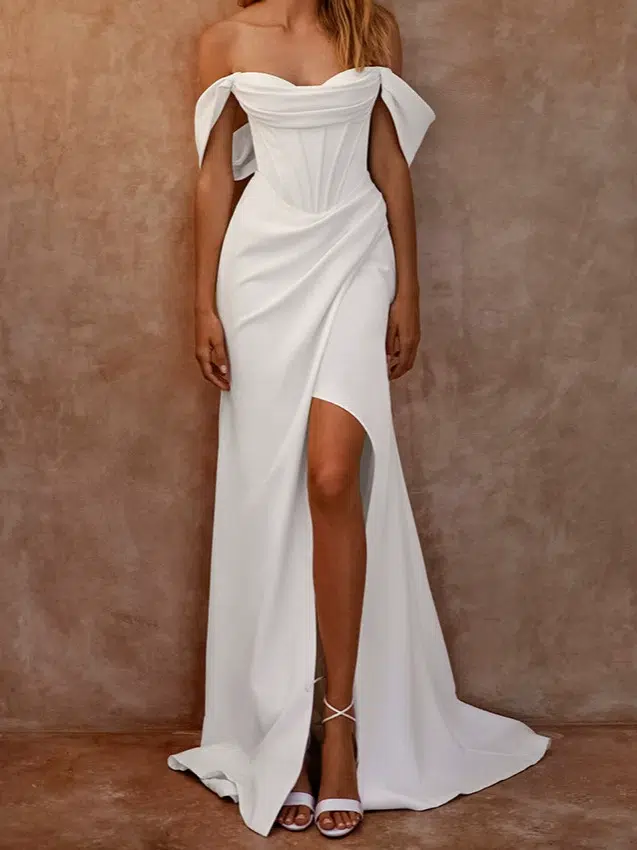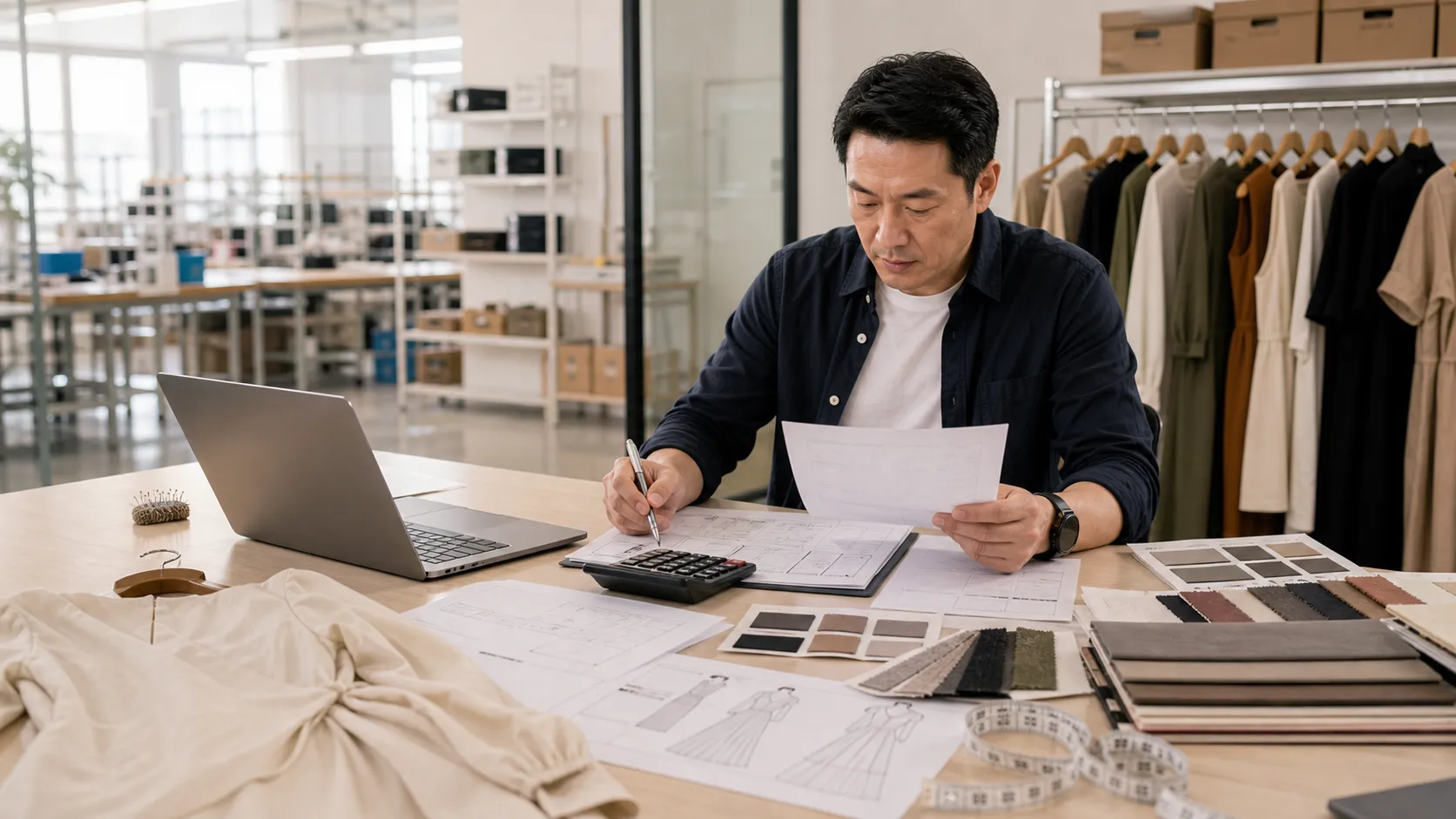

Many buyers send a product photo to a clothing factory and ask one question:
“How much does this cost?”
I understand why. You want a fast answer. You may be comparing suppliers, checking your budget, or trying to decide whether the product is worth developing.
But from the factory side, one photo is usually not enough to give an accurate clothing production quote.
A garment price depends on fabric, construction, size range, colors, trims, labels, packaging, quantity, quality standard, and delivery requirements. If these details are missing, the factory can only guess.
And a guessed quote is dangerous.
It may look cheap at first, but change later when the real production details become clear. That wastes time for both sides and can damage your launch plan.
As a clothing factory business manager, I will explain exactly what information you should send if you want a faster, more accurate quotation.
Why One Photo Is Not Enough
A product photo can show the style direction, but it cannot show the full production cost.
From one photo, the factory may not know:
- The exact fabric
- Fabric weight
- Whether there is lining
- Garment measurements
- Stitching details
- Size range
- Color quantity
- Label requirements
- Packaging method
- Order quantity
- Quality level
- Delivery country
For example, two dresses may look similar in photos, but one may use lightweight polyester and simple stitching, while the other uses viscose fabric, lining, pleats, special buttons, and hand finishing.
The second dress will cost more.
This is why serious factories ask questions before quoting. They are not trying to make the process difficult. They are trying to avoid giving you a wrong price.
1. Product Photo, Sketch, or Tech Pack
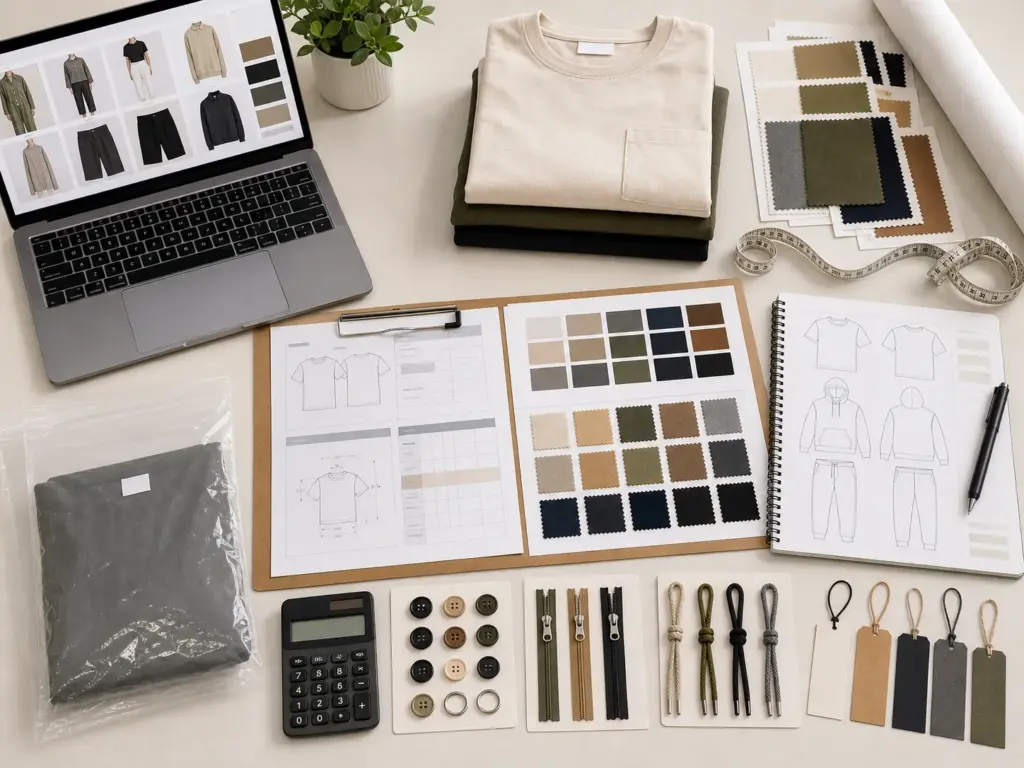
The first thing to send is your product direction.
You can send:
- Product photo
- Reference photo
- Sketch
- Sample garment photo
- Tech pack
- CAD drawing
- Existing product link
A tech pack is best, but it is not required for the first discussion.
If you do not have a tech pack, send clear front, back, and detail photos. If possible, mark the areas you want to change.
Example:
We want a similar dress shape, but shorter length, no waist tie, and a V neckline.
This is much better than sending only one photo and asking for the lowest price.
2. Fabric Information
Fabric is one of the biggest cost factors in clothing manufacturing.
If you know the fabric, tell the factory:
- Fabric composition
- Fabric weight
- Woven or knit
- Stretch or non-stretch
- Solid color or print
- Available fabric or custom fabric
- Special finishing requirement
Examples:
100% cotton poplin, lightweight, woven, solid color.
Cotton spandex jersey, medium weight, soft hand feel, for activewear.
Polyester chiffon with lining, for women’s summer dress.
If you are not sure about the fabric, send a reference product and describe the feeling you want:
Soft, breathable, slightly stretchy, suitable for spring and summer.
A good factory can suggest practical fabric options based on your target price and MOQ.
3. Target Quantity
Quantity has a major effect on price.
You should tell the factory your expected order quantity clearly.
Examples:
100 pieces per style
300 pieces total
500 pieces per color
1,000 pieces across 4 sizes
Do not only say:
Small order
Bulk order
Low MOQ
These words mean different things to different factories.
If your quantity is flexible, say that too:
We want to start with 100-200 pieces for market testing. If sales are good, we plan to reorder.
This helps the factory suggest a realistic production plan.
If you are testing your first collection, you can also review our low MOQ clothing manufacturing service.
4. Colors and Size Range
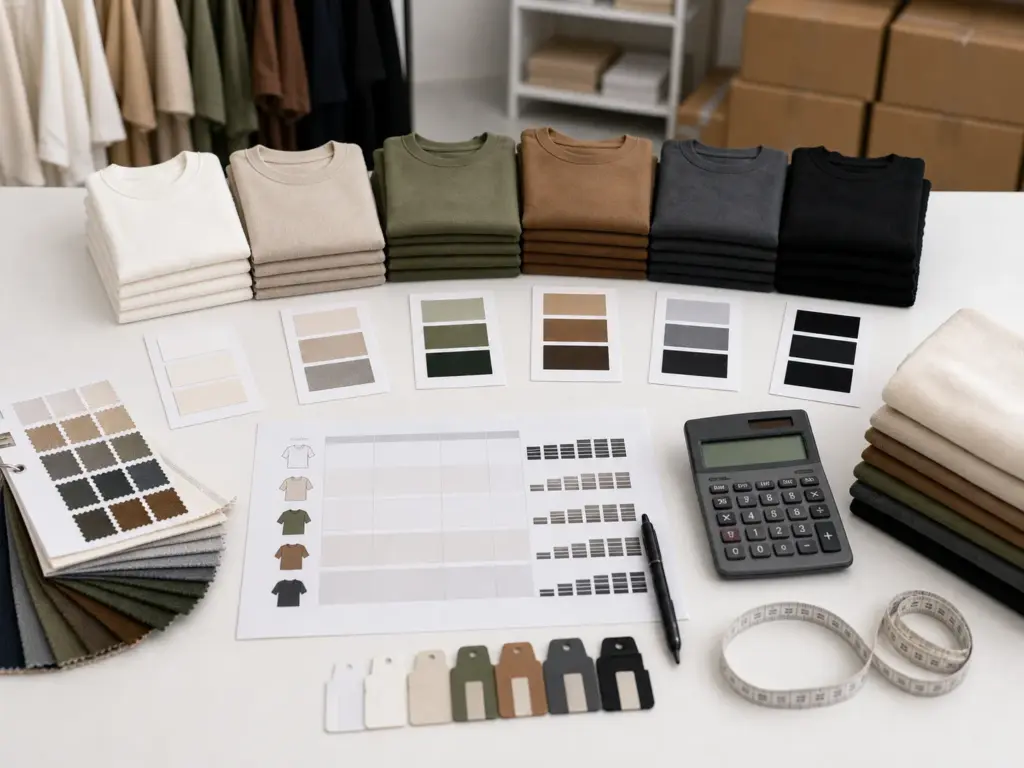
Color and size planning can change the final cost.
A factory needs to know:
- How many colors
- How many sizes
- Size ratio
- Whether each color uses the same fabric
- Whether colors are available or custom dyed
Example:
Color: black and ivory
Sizes: XS, S, M, L, XL
Total quantity: 200 pieces
Size ratio: 1:2:3:3:1
This is much clearer than:
We need all sizes and many colors.
For new brands, too many colors and sizes can split the quantity too thinly. This makes production less efficient and may increase cost.
A focused first order is usually better.
5. Garment Measurements or Size Chart
If you have a size chart, send it.
If you do not have one, send:
- Target market
- Customer body type
- Reference brand sizing
- Sample garment measurements if available
Measurements are important because they affect pattern making, grading, fit, and fabric consumption.
For fitted garments, activewear, pants, uniforms, maternity wear, and plus size clothing, size details are especially important.
If the factory does not know the size range, it cannot calculate fabric consumption accurately.
6. Construction Details
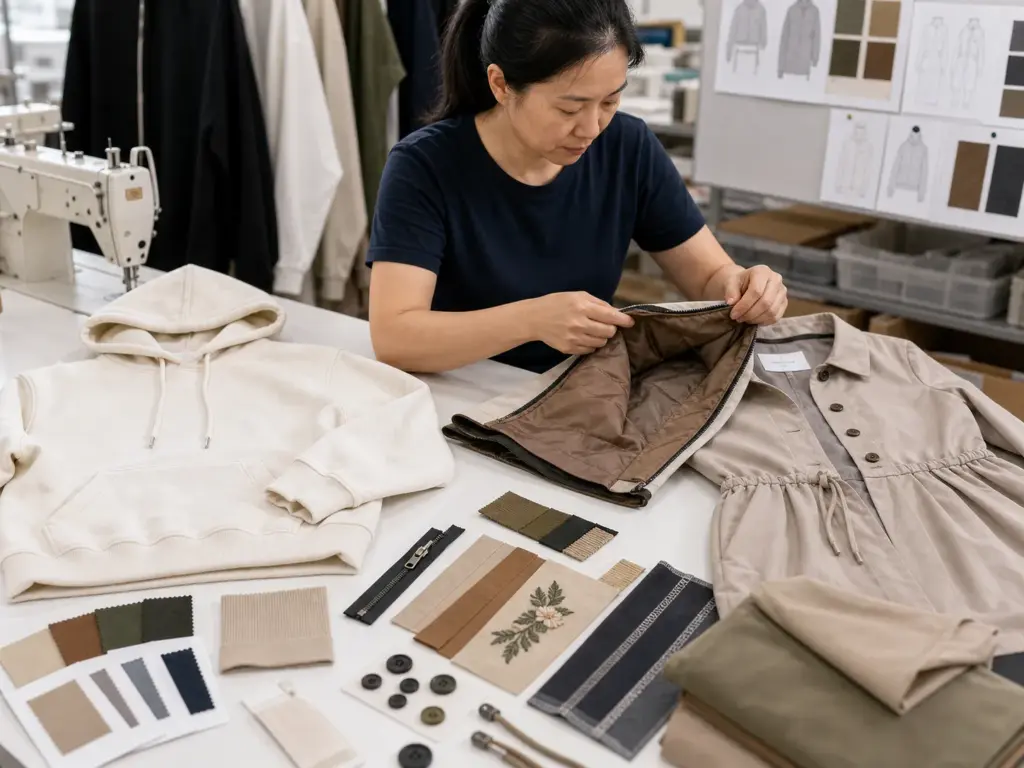
Some garment details look small but change the cost.
Tell the factory if your product includes:
- Lining
- Zipper
- Buttons
- Pockets
- Pleats
- Gathers
- Embroidery
- Printing
- Quilting
- Special stitching
- Elastic waistband
- Drawcord
- Rib cuffs
- Contrast fabric
- Special washing
- Handwork
For example, a hoodie with embroidery, custom drawcord, rib cuffs, kangaroo pocket, and heavyweight fleece will not cost the same as a basic hoodie.
If a detail is important for your brand, keep it.
If it only increases cost without helping sales, consider simplifying it for the first order.
7. Labels, Tags, and Packaging
For private label clothing, the factory needs to know your branding requirements.
Send details for:
- Main brand label
- Size label
- Care label
- Hang tag
- Barcode sticker
- Polybag
- Box packaging
- Carton marks
If you already have logo files, label artwork, or packaging design, send them.
If not, explain what you need:
We need simple private label: woven neck label, care label, hang tag, and individual polybag.
For startup brands, practical packaging is often better than expensive packaging in the first order.
If you need branding support, see our private label clothing manufacturer in China service.
8. Target Price or Retail Price
Some buyers do not want to share their target price. I understand the concern.
But if you can share a realistic target, it helps the factory suggest better options.
Examples:
Target factory price: around $8-$10 per piece.
Target retail price: $59.
This helps the factory understand whether your design, fabric, and details match your business model.
If your target price is too low for the design, a good factory can suggest ways to adjust the product without destroying quality.
9. Delivery Country and Timeline
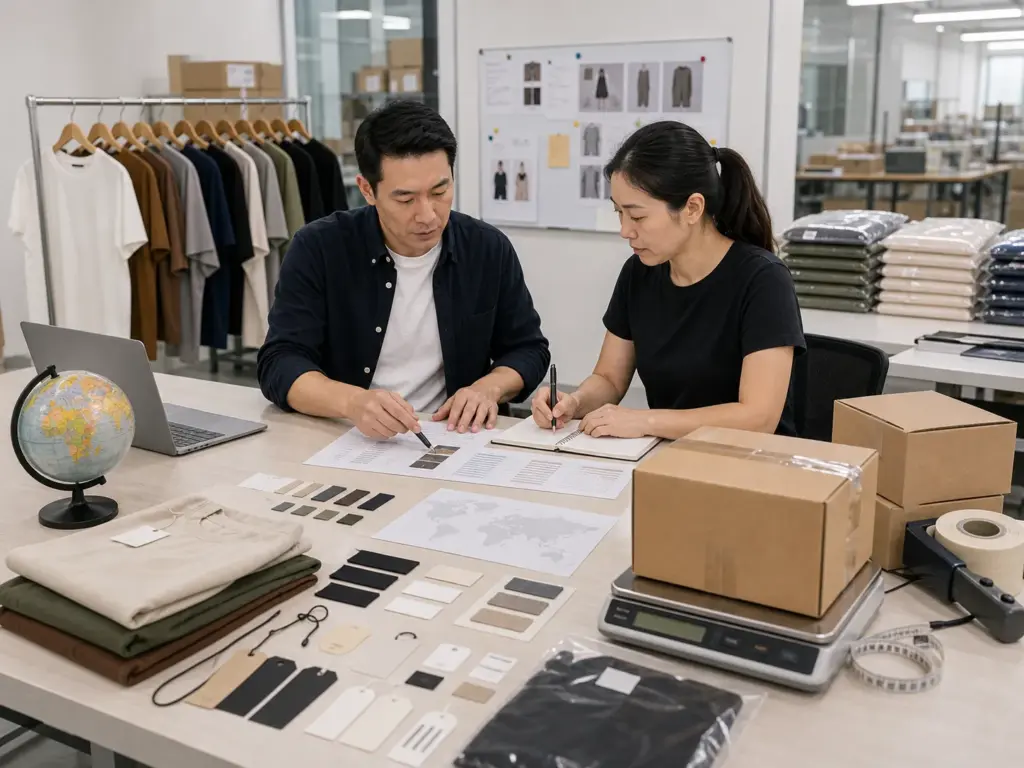
Shipping and timeline also matter.
Tell the factory:
- Destination country
- Target delivery date
- Launch date
- Whether you need air or sea shipping
- Whether you need export packing
- Whether you need barcode or carton labeling
Example:
Destination: USA
Target delivery: before September 15
Shipping: open to sea shipping if timeline allows
If the timeline is tight, some fabric or packaging options may not be realistic.
A good production plan should match both your budget and your launch schedule.
10. Quality Expectation
Quality level affects price.
A budget promotional garment, boutique fashion product, premium womenswear item, and performance activewear product do not have the same production requirements.
Tell the factory your market position:
Mid-range boutique brand
Premium activewear brand
Affordable online fashion
Wholesale basics
Uniform supplier
This helps the factory choose fabric, stitching standard, trims, and inspection level.
Cheap production is not always profitable if it causes returns, bad reviews, or poor customer trust.
Example of a Weak Inquiry
This kind of inquiry is hard to quote accurately:
Hi, how much for this dress?
MOQ?
Send price.
The factory does not know the fabric, quantity, sizes, colors, labels, packaging, or destination.
Any quote will be a guess.
Example of a Strong Inquiry
This is much better:
Hi TrueKung,
We are developing a private label women’s summer dress for the US market.
Product: sleeveless midi dress
Fabric: lightweight woven cotton or cotton blend
Color: black and ivory
Sizes: XS-XL
Quantity: 200 pieces total for first order
Branding: woven neck label, care label, hang tag, individual polybag
Packaging: standard export carton
Timeline: sample first, bulk delivery within 60-75 days if possible
Target retail price: around $79
Reference photos attached.Can you help check fabric options, MOQ, sample cost, and estimated bulk price?
This inquiry gives the factory enough information to respond properly.
It also shows that the buyer is serious.
What If You Do Not Have All the Information Yet?
That is okay.
Many startup brands do not have everything ready at the beginning.
You can still contact the factory with:
- Product reference
- Target quantity
- Market
- Rough budget
- Branding needs
- Questions you need help with
A good manufacturer should help you identify what is missing before sampling.
The important thing is to be clear about what you know and what you do not know yet.
Quote Checklist for Clothing Buyers
Before asking for a clothing production quote, prepare this checklist:
- Product photo, sketch, or tech pack
- Fabric idea
- Target quantity
- Colors
- Size range
- Measurement chart if available
- Construction details
- Printing or embroidery needs
- Labels and packaging
- Target market
- Destination country
- Timeline
- Target price or retail price
- Sample requirement
You do not need a perfect file. But the more details you send, the faster and more accurate the quote will be.
How to Get a Faster Reply From a Clothing Factory
If you want factories to reply faster, make your inquiry easy to understand.
Use a clear subject line:
Quote Request: Private Label Women’s Dress, 200 pcs, USA Market
Attach reference files.
List the key details in bullet points.
Ask specific questions:
- Can you suggest available fabrics?
- What is the possible MOQ?
- What is the sample cost and sample time?
- What affects the bulk price most?
- Can you support private label packaging?
This type of inquiry is much easier for a factory to answer.
Final Advice From a Factory Manager
A clothing quote is not just a number.
It is the result of product planning.
If you give the factory unclear information, you may get a low price that changes later.
If you give clear information, the factory can help you make better decisions about fabric, MOQ, construction, labels, packaging, and timeline.
The goal is not only to get a quote.
The goal is to produce clothing your customers can buy, trust, and reorder.
Need Help Getting a Clothing Production Quote?
TrueKung helps startups, boutiques, wholesalers, and fashion brands develop custom clothing in China.
We support OEM and ODM clothing production, private label apparel, low MOQ production, fabric sourcing, sample development, quality inspection, and export shipping.
If you are not sure what information to prepare, send what you have.
Contact TrueKung with your product photo, design idea, quantity plan, and target market. We will help you check what is missing and suggest the next practical step.
Send your clothing project details today to get a more accurate production quote.
Views: 122