
I buy fabrics, cut samples, and ship gowns every week. I see brides panic over “types of wedding dresses.” This guide makes silhouettes simple and useful.
Wedding dress silhouettes are the basic shapes of gowns—like ball gown, A-line, sheath, mermaid, trumpet, and column. Pick a silhouette first, then choose necklines, lengths, trains, and fabrics to finish the look.

I keep this guide on my desk during line reviews. It saves time, avoids returns, and helps buyers explain choices to brides with clear words and images.
What is a “wedding dress silhouette,” and why does it matter?
Many buyers search “different types of wedding dresses,” but brides still feel lost. Too many terms. Not enough clarity.
A silhouette is the outline from shoulder to hem. It guides fit, fabric use, and cost. Decide silhouette first; everything else follows.

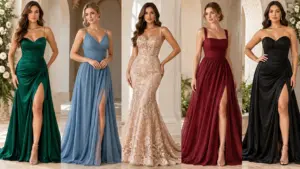
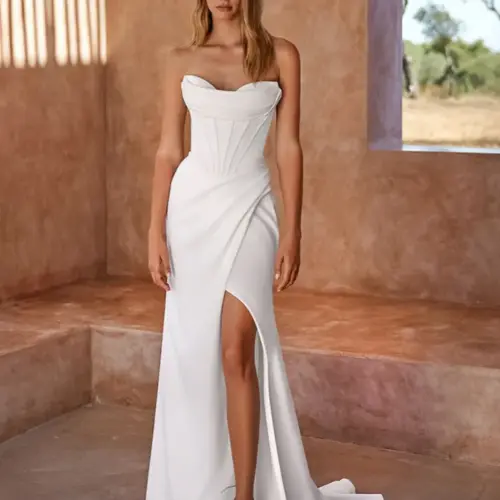
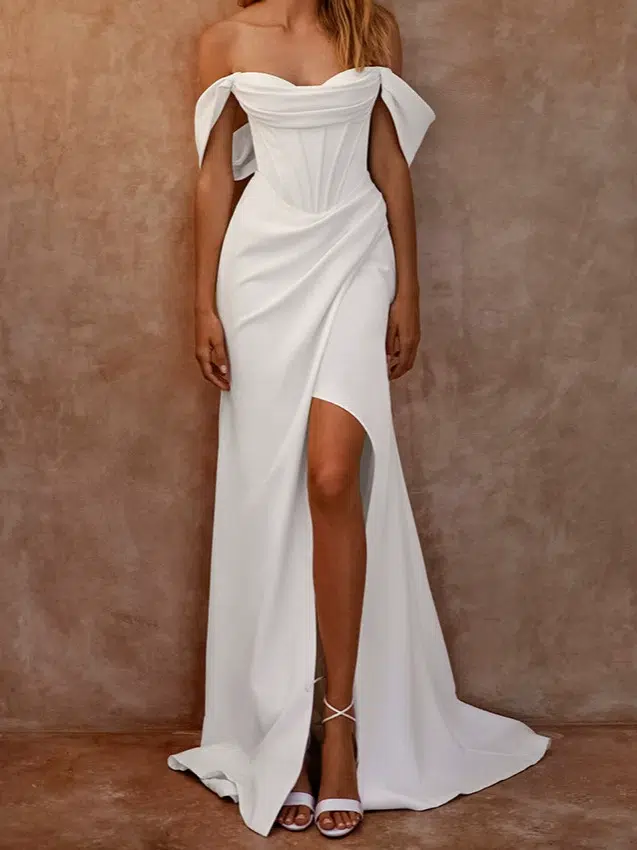
I explain silhouettes as the base frame. Think of it like a sketch before color. When I show samples, I label them by wedding dress silhouette types: ball gown, A-line, sheath, column, mermaid, trumpet, fit-and-flare, and tea-length or mini for casual lines. Brides also ask about silhouette dresses for receptions, which often means simpler shapes like sheath or column. The silhouette affects the yardage, the boning, and the wedding dress cuts at the waist and hip. It also controls movement and season fit. In hot venues, I propose chiffon A-line or a slip-like column. In formal halls, I suggest ball gown silhouettes with rich body. I track these choices with a clear wedding dress styles chart so my team and buyers in different countries share the same language. This reduces mistakes, speeds up sampling, and keeps logistics tight when deadlines press.
Wedding Dress Styles Chart
| Silhouette | Dress Shape | Fit Zone | Movement | Typical Fabrics | Notes |
|---|---|---|---|---|---|
| Ball Gown | Full skirt | Structured bodice | Dramatic | Satin, mikado, tulle | Classic princess look |
| A-line | Gradual flare | Natural waist | Easy | Chiffon, lace, crepe | Universally flattering |
| Sheath | Straight | Skims body | Relaxed | Crepe, satin | Minimal, modern |
| Column | Slim, less ease | Tailored | Sleek | Silk, stretch crepe | Taller vibe |
| Mermaid | Fitted to knee | Curvy | Formal | Satin, lace | Bold, sculpted |
| Trumpet | Fitted to mid-thigh | Curvy | Easier step | Crepe, organza | Softer than mermaid |
| Fit-and-Flare | Gentle fit | Waist/hip | Versatile | Lace, tulle | Balanced drama |
Ball gown vs A-line: which one suits more brides?
I often hear, “We need one style that fits many bodies.” This is where A-line shines. Ball gowns sell for drama.
A-line works for most bodies and venues. Ball gown brings statement volume for grand spaces. Choose A-line for versatility; choose ball gown for impact.

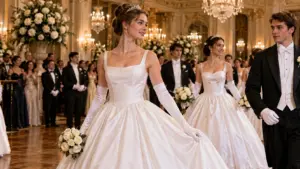
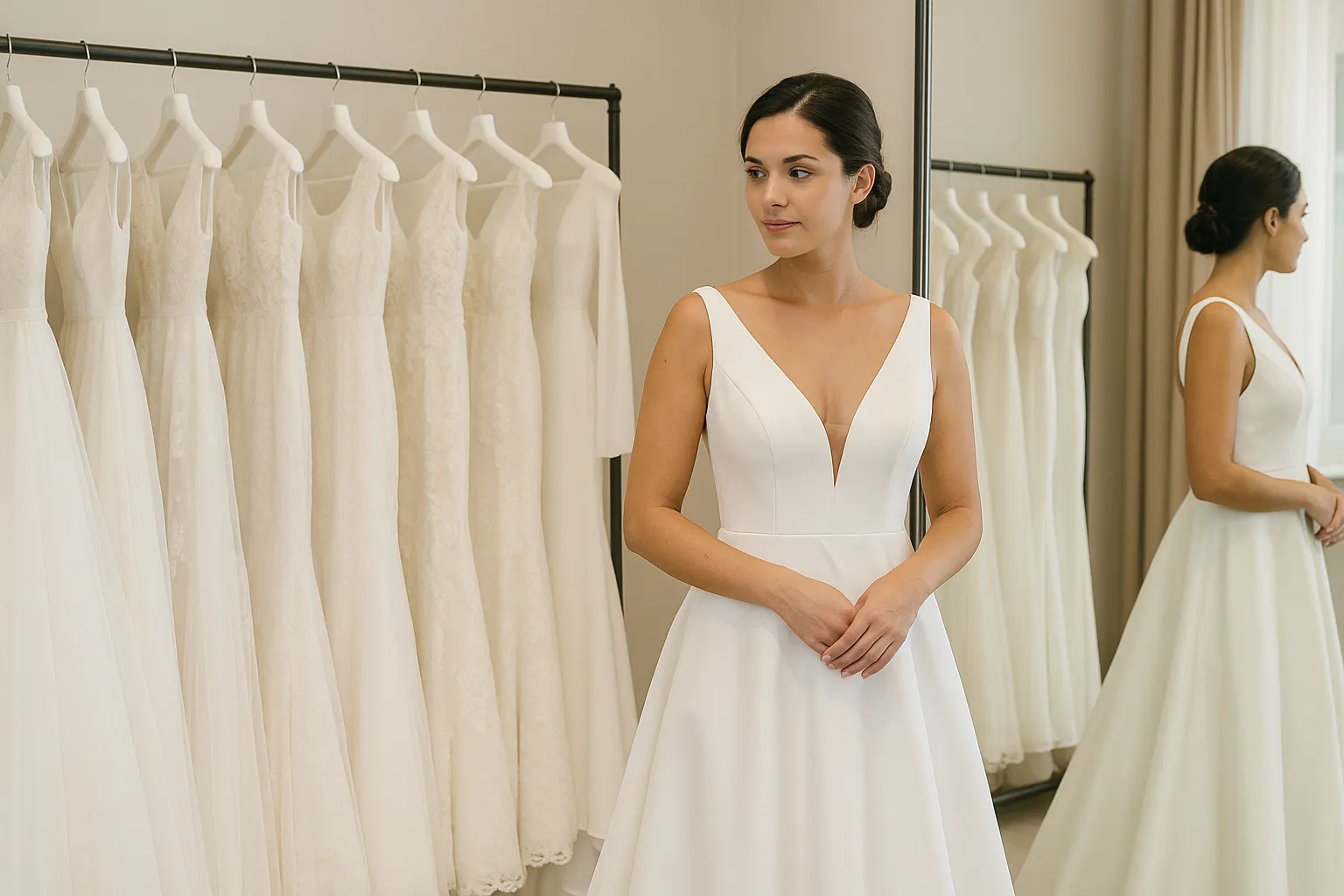
When I visited a Moscow showroom, Maria, a 50-year-old buyer, asked for a safe core range. We agreed on A-line as the anchor. It skims the waist, softens the hip, and suits lace or clean crepe. It works for garden, church, city hall, or beach. The ball gown silhouette sells during winter palace venues and luxury hotels, where the bride wants a royal frame. Ball gowns need structure, lining, and crinoline, so costs rise. A-lines need less support, so pricing is easier and more reliable for wholesale orders. I present both in the same color family to compare volume and hem sweep. We keep an A-line with lace appliqué for romance and a mikado A-line for modern brides. I place one statement ball gown beside them for the “wow” choice, often with a detachable train. This mix hits sales targets, supports different styles of wedding dresses, and gives a clear ladder from everyday bridal to high drama.
Quick Fit Guide
| Body Focus | Pick A-line | Pick Ball Gown |
|---|---|---|
| Versatility | ✓ | |
| Grand halls | ✓ | |
| Budget control | ✓ | |
| Petite brides | ✓ (light fabrics) | Sometimes (watch volume) |
Sheath vs A-line: what is the real difference in shape and feel?
Two gowns may hang the same on a rack. On a body, they change everything. Sheath and A-line lead that surprise.
Sheath follows the body with minimal flare. A-line flares from the waist. Sheath looks sleek and casual; A-line balances polish and comfort.

I use this test in fittings. Ask the bride to sit, walk, and twist. In a sheath, movement feels easy but close. In an A-line, movement feels free from the hip down. For beach or registry weddings, a column silhouette dress or true sheath wins because it packs light and looks modern. For family photos and varied venues, A-line photographs well from all angles. Sheath favors crepe or bias-cut satin; A-line loves lace and layered tulle. If a bride asks for “simple but bridal,” I show a sheath in matte crepe with a chapel train. If she wants “traditional but not heavy,” I show a soft A-line. This covers different kinds of wedding dresses requests without confusion. From a production view, sheath needs less fabric and fewer layers, so it often sits lower on the dress types chart for cost. A-line needs more cutting time but sells through across sizes, so buyers sleep better.
Movement and Fabric
| Feature | Sheath / Column | A-line |
|---|---|---|
| Ease | Close | Moderate |
| Best Fabrics | Crepe, satin | Chiffon, tulle, lace |
| Packability | High | Medium |
| Alterations | Less complex | Moderate |
Mermaid vs trumpet: how much flare is too much?
Some brides want curves. They say “mermaid,” but later struggle to walk. Trumpet can fix that.
Mermaid fits tightly to the knee before flaring, while trumpet releases above the knee. Trumpet keeps the hourglass idea but adds easier movement.

I explain wedding gown silhouettes in three curve levels: fit-and-flare (soft), trumpet (medium), mermaid (strong). Mermaid sculpts down to the knee or lower. It needs stretch fabric, strong seams, and careful boning. It looks amazing in photos but can limit steps and stairs. Trumpet starts the flare higher on the thigh, so walking and sitting feel easier. Fit-and-flare is the gentlest and sells well to brides who want shape with comfort. During a Denmark trunk show, Maria chose a trumpet sample with a detachable overskirt. It gave two looks: fitted for the ceremony and a lighter, dancing-ready look for the reception. This is how I meet different bridal dress styles without overbuying size runs. I stock one trumpet, one mermaid, and one fit-and-flare per color story. I also adjust fabric weights by season, so winter brides get structure, and summer brides get airflow.
Curve Spectrum
| Shape | Flare Start | Look | Notes |
|---|---|---|---|
| Fit-and-Flare | High thigh | Balanced | Good first “curvy” step |
| Trumpet | Mid thigh | Sculpted | Easier movement |
| Mermaid | Knee/Below | Dramatic | Tight steps; bold photos |
Wedding dress lengths, trains, and names: how do I explain them fast?
Brides ask about wedding dress lengths and wedding gown shapes. Clear terms stop confusion and delays.
Use a simple length guide: mini, tea-length, floor, sweep, chapel, cathedral. Add detachable trains to switch looks without a bustle.
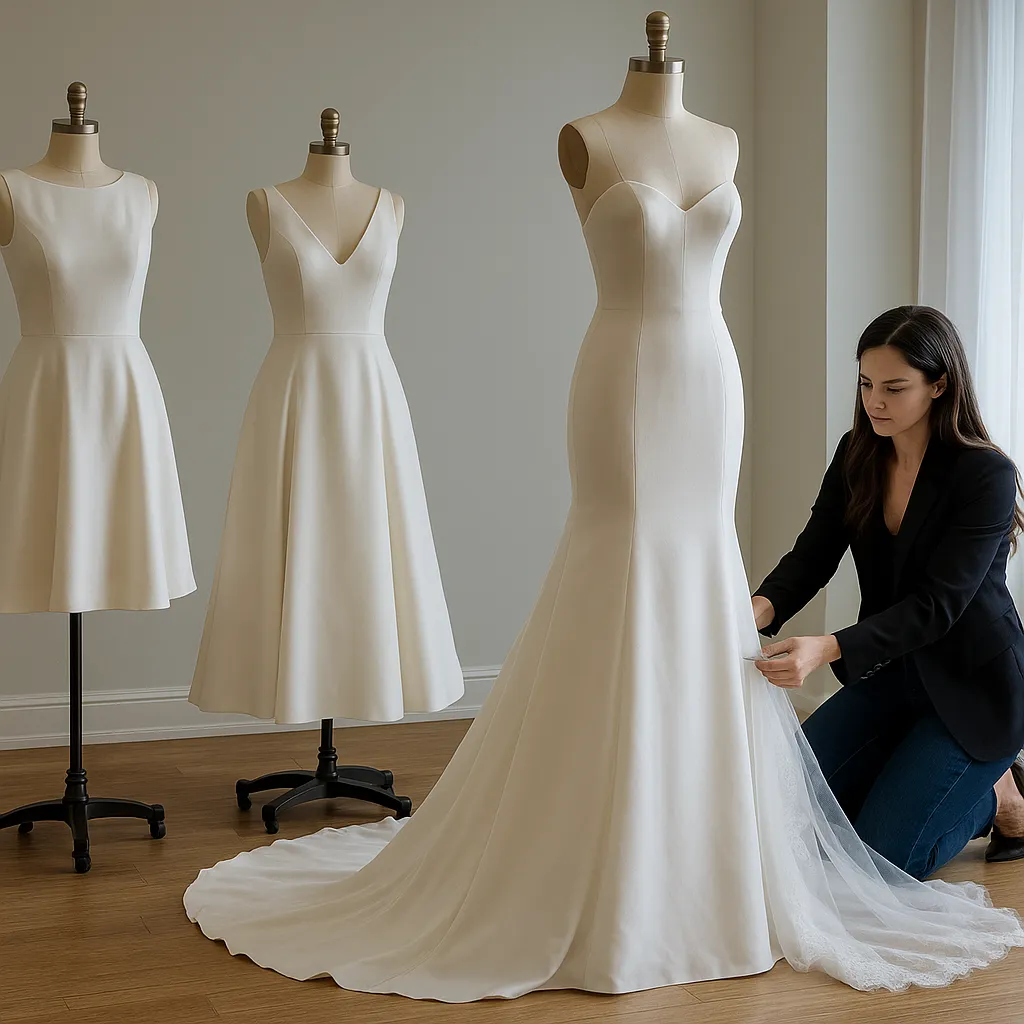
I teach teams the same wedding dress terminology so quotes and tech packs match. For lengths, I list mini, knee, midi, tea-length, ballerina, and floor. For trains, I mark sweep (short), chapel (popular), cathedral (long), and royal (very long). A tea-length A-line sells well in summer city halls. A floor-length sheath with a sweep train suits garden paths. For heavy stone floors, a cathedral train in mikado looks regal and stable. We add detachable trains so brides get grand photos plus easy dancing. For wedding dress names, I pair the silhouette with the neckline: “A-line, V-neck,” or “Mermaid, strapless.” This keeps the dress style chart clean and helps search and tags. I also note fabric—crepe, satin, lace—plus beading level, lining, and net layers. The result is a fast wedding gown guide that works across languages, from China to Russia, with fewer emails and fewer delays.
Lengths and Trains Chart
| Length | Use Case | Train Options |
|---|---|---|
| Mini / Knee | Civil wedding, party | None / Sweep |
| Tea-length | Retro, summer | None |
| Floor | All venues | Sweep / Chapel |
| Ballerina | Romantic | Sweep |
| Cathedral | Formal halls | Cathedral / Royal |
How do I match silhouettes to body goals, venue, and budget?
Buyers juggle price, fit, and deadlines. I turn it into three quick questions.
Ask: What body focus? What venue and season? What budget tier? Then pick the silhouette, fabric, and train that serve those answers.
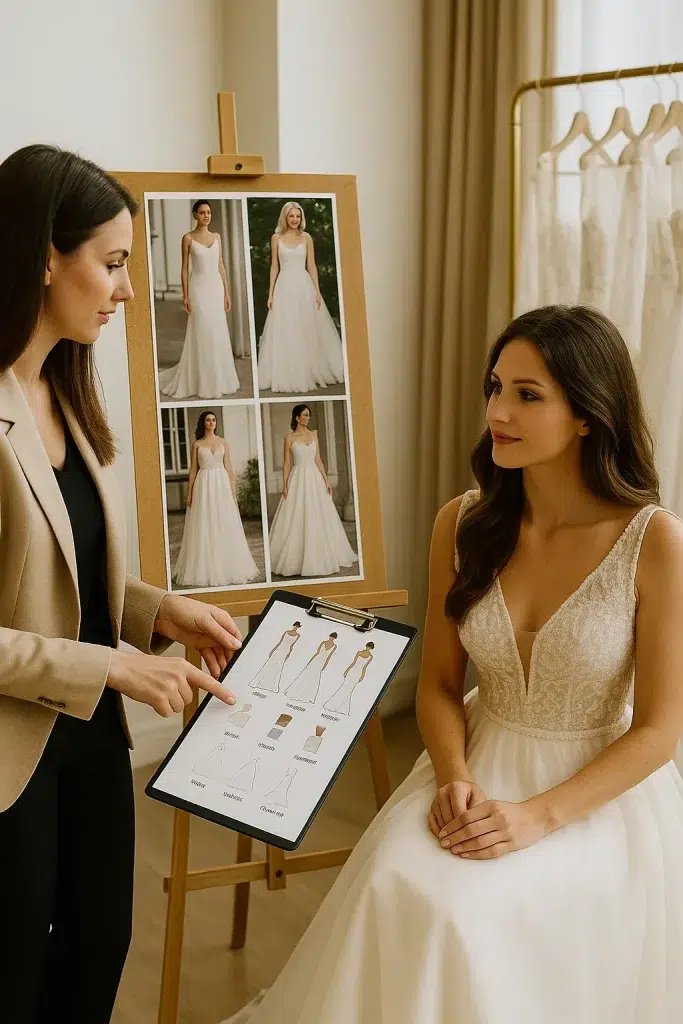
When I build a wedding dress style guide for a client, I map goals to silhouettes first. If a bride wants waist definition without cling, I start with A-line. If she wants bold curves and a red-carpet vibe, I test trumpet and mermaid with stretch lining. For modern, simple photos, I use sheath or column with clean crepe and a sweep train. For winter palaces, I stage ball gowns in mikado, tulle, or organza with a cathedral train. For beach heat, I avoid heavy corsets and long trains and keep hems easy to lift. I also rank by cost. Sheath uses less fabric; ball gowns use more and need crinoline. Then I plan wedding dress lengths by terrain and steps. This method gives clear choices, clean POs, and on-time delivery. It also supports retail staff who must explain different wedding dress styles fast during busy weekends.
Fast Matching Table
| Goal | Try These Silhouettes | Fabrics | Train |
|---|---|---|---|
| Universal fit | A-line | Chiffon, lace | Chapel |
| Maximum drama | Ball gown | Mikado, tulle | Cathedral |
| Simple, modern | Sheath / Column | Crepe, satin | Sweep |
| Curvy glam | Trumpet / Mermaid | Stretch crepe, lace | Chapel |
Conclusion
Silhouette first. Then neckline, length, train, and fabric. Simple rules help teams sell, help brides decide, and keep delivery on time.
Why I write this
My Name: Lancy Chia
My email: [email protected]
Link to my website: https://truekung.com
Brand Name: Truekung
Country: China.
Products: fashion clothes
Business model: B2B, Wholesale only
Status: The factory has more than 200 workers. We provide clothing products and OEM/ODM services to different brands and supermarkets around the world. We have 20 years of experience in foreign trade clothing production and export. The main products are: fashion women’s clothing, jackets, skirts, dresses, jeans, T-shirts, sweatshirts, down jackets, windbreakers, coats, fashion bags, sportswear, children’s clothing, underwear.
Main export countries: Netherlands, Denmark, Belgium, Norway, UK, USA, Germany, Australia, Thailand, Turkey, Italy, Russia, Saudi Arabia, etc.
Views: 301