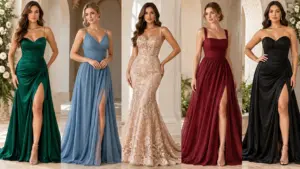
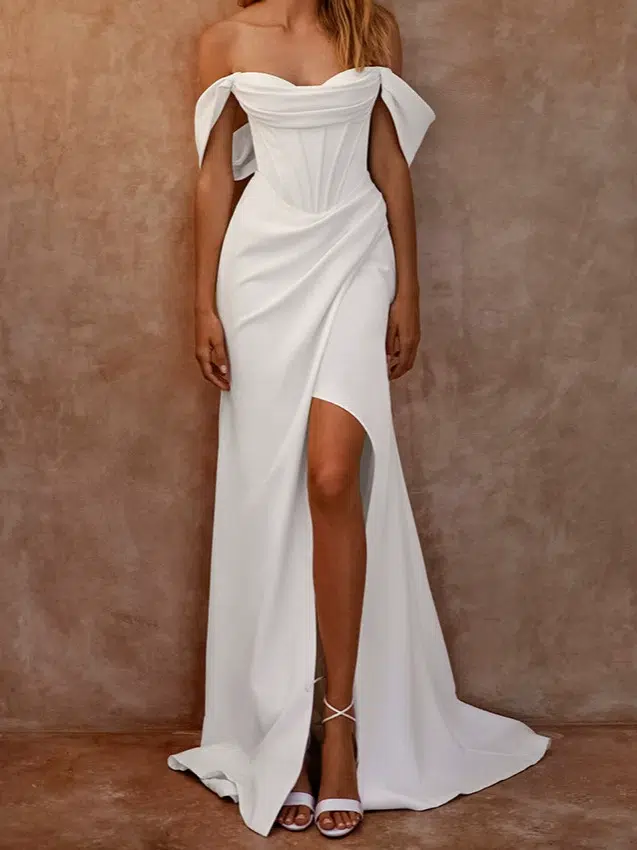
You buy a dress and it looks “fine,” but it never feels right. That problem often comes from the dress silhouette, not your body. I learned that the hard way.
Dress shapes are the “outline” of a dress, and the right dress silhouette makes your waist, hips, and shoulders look balanced with less effort. Start with the shape first, then pick fabric, neckline, and details.
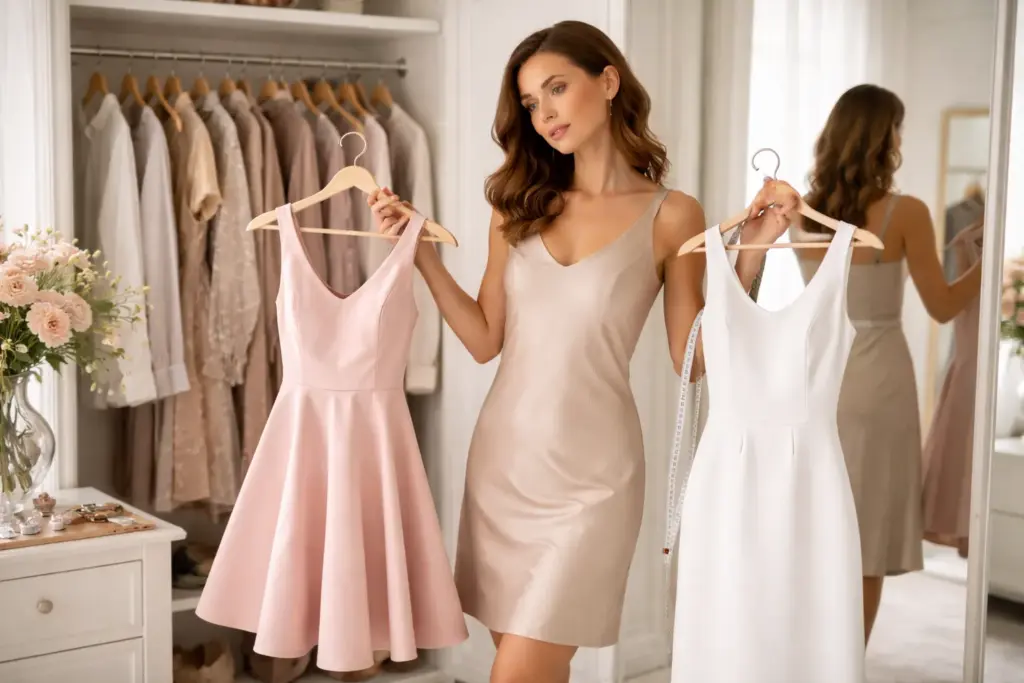
I work with buyers who need results fast, and I see the same pattern every season. A person can try ten dress types and feel unlucky. That person can try two shapes of dresses that match their goal and feel confident. I want you to keep reading because the best dress for your shape is not a mystery, and I can show you a simple way to choose dress cuts without guessing.
What is an A-line dress, and why does it work for so many people?
An A-line dress can look “basic” on a hanger, so many buyers skip it. That choice often leads to returns and complaints. I have seen this happen when a collection has trendy cuts but no safe shapes.
An A-line dress definition is simple: it fits closer at the top, then it widens from the waist or high hip, so the hem forms a soft “A” shape.

What the A-line dress shape looks like
I describe the A-line dress shape as a calm triangle. I use it when I want a clean line that does not cling. A buyer from Russia once told me she needed “no drama” styles for a supermarket order. I showed her what are a line dresses in three lengths, and her test sales went up because customers understood the fit fast. The bodice often looks fitted, and the skirt slowly opens. That makes the waist look clear even when the fabric is not tight.
When I suggest A-line dress cuts
I suggest this dress silhouette when a person wants balance. I also suggest it when a brand needs a low-risk dress type chart that fits many body types and dresses. A-line works well for pear shapes, straight body types, and round shapes, since the skirt gives space without adding bulk.
| A-line detail | What it does for the look | Notes for production |
|---|---|---|
| Fitted bodice | gives structure near the chest | add darts or princess seams for shape |
| Gentle flare | skims hips and thighs | avoid too stiff fabric if you want flow |
| Waist placement | defines the “A” | high waist A line dress feels longer on legs |
| Hem options | changes mood fast | mini dress silhouette names often use A-line |
How is a fit-and-flare different from an A-line dress?
Many people mix up fit and flare vs a line dress. That confusion leads to wrong expectations. I see it in size feedback all the time because customers expect more swing than they get.
Fit-and-flare is tighter at the waist and flares out more than A-line, so the skirt has more volume and movement.

The key difference I use in sampling
I treat fit-and-flare as a stronger hourglass. I treat A-line as a softer triangle. When I cut patterns, I watch the skirt panels. Fit-and-flare often uses circle or half-circle shapes. That choice creates swing and bounce. A-line often uses fewer panels and a smaller hem sweep.
Who usually loves fit-and-flare
I often suggest fit-and-flare when someone wants a clear waist and a playful bottom. It can help a straight body type look curvier. It can also help a person hide the tummy if the waist seam sits slightly higher and the skirt starts right away. I also warn buyers that more flare uses more fabric, so the cost can rise.
| Question buyers ask me | Fit-and-flare answer | A-line answer |
|---|---|---|
| “Does it spin?” | yes, usually | sometimes, but less |
| “Does it add volume?” | yes, more volume | less volume |
| “Is it office safe?” | depends on print and length | often yes |
| “Is it easy to grade sizes?” | needs careful waist grading | easier in most factories |
What is an H-line dress, and when does a sheath silhouette make sense?
Some people fear straight silhouettes because they think straight means “no shape.” That fear can block a very clean and modern look. I used to avoid it too, until I saw how powerful it looks in the right fabric.
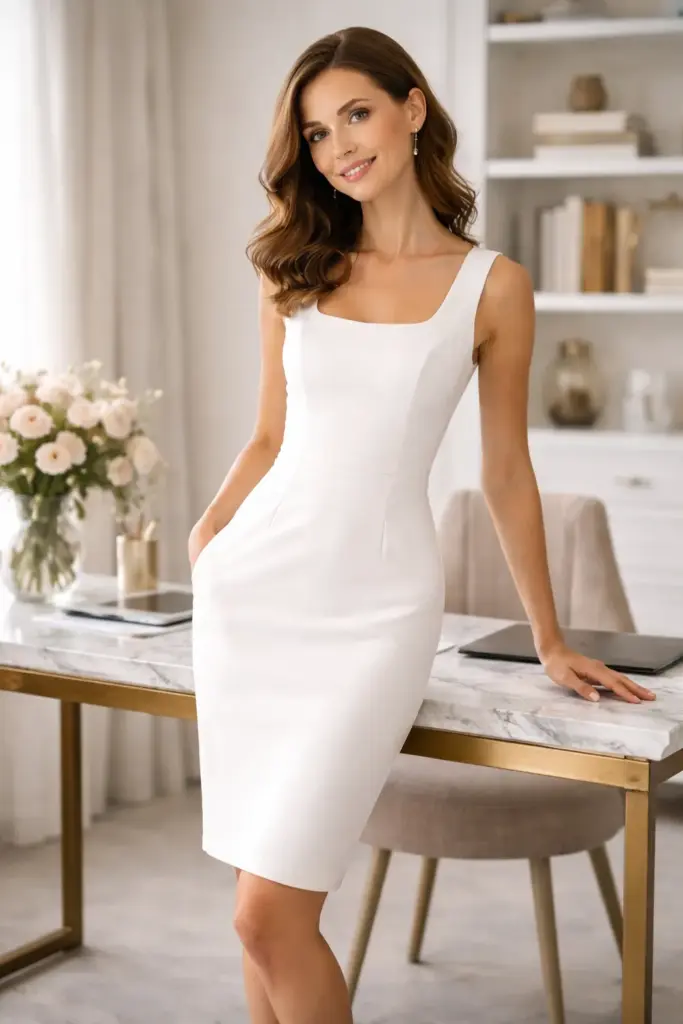
An H line dress (often a sheath) follows the body in a straight line from shoulders to hem, with small shaping, so it looks sleek and simple.
How I explain the sheath to buyers
I call the sheath the “clean column.” It works when the wearer wants polish. It also works when a brand wants a simple dress style chart for workwear. The dress silhouette names can vary, but the idea stays the same. The waist is not always loud. The shaping can come from darts, seams, and stretch. I once had a client who asked for “white lining dress” support because her light colors showed too much. I added a soft lining and better seam finishing. That small change made the sheath feel expensive without changing the outer look.
What to watch in comfort and fit
This silhouette needs the right ease. If the dress cuts are too tight, walking becomes hard and returns go up. I often add a back vent or side slit. I also pick fabric with a little stretch for comfort.
| Sheath / H-line feature | Why it matters | Easy factory fix |
|---|---|---|
| Minimal flare | keeps the line straight | keep hem sweep controlled |
| Darts and seams | creates shape quietly | use princess seams for better bust fit |
| Lining option | helps light colors and thin fabric | add full or partial lining |
| Vent or slit | improves movement | back vent is clean and classic |
What is an empire waist dress, and who benefits from that high waist line?
Some people want a dress that feels light and forgiving. They also want a dress that looks “pretty” even on a tired day. That is when the empire line shines.
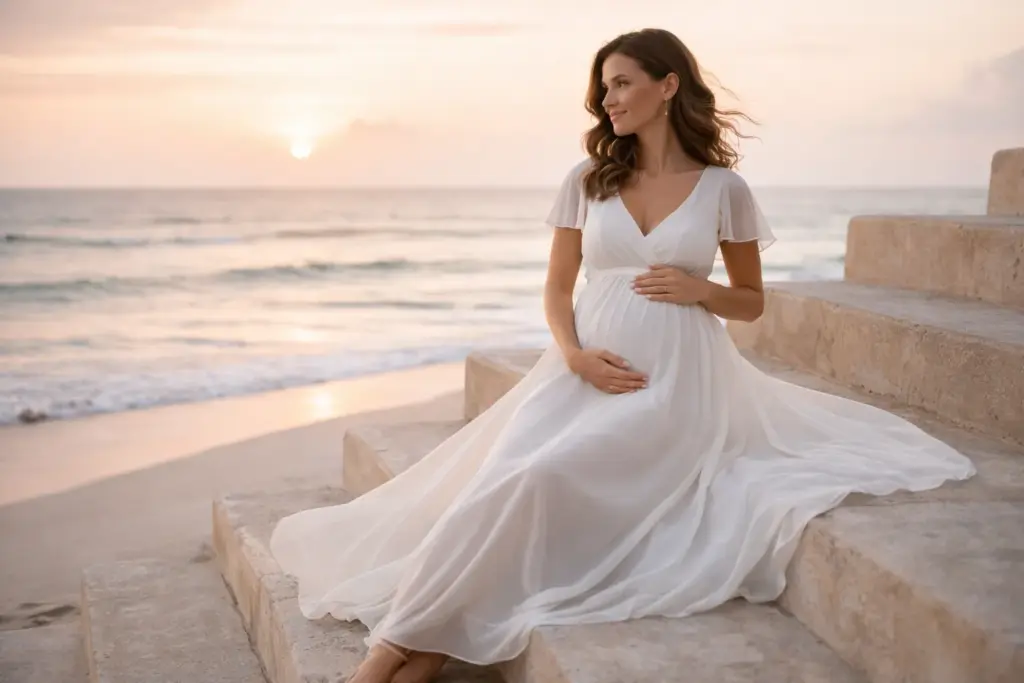
An empire waist dress definition: the waist seam sits under the bust, then the skirt falls from there, so the body looks longer and the midsection feels less tight.
Why I use empire waistlines in certain markets
When I ship to warmer places, I often push empire waistlines on dresses because they breathe well. The skirt hangs away from the body. That helps in humid weather and long wear time. I also see empire waist babydoll top styling in casual collections. It sells when customers want comfort and a soft look.
What body types and dresses match empire
This dress type can help people who want focus on the neckline and face. It can work for maternity, for apple shapes, and for people who want a gentle fit around the waist. I still warn that the seam placement can make the bust area look larger if the pattern is not balanced, so I watch the bodice shape closely.
| Empire waist choice | Visual effect | Good add-ons |
|---|---|---|
| Under-bust seam | lifts the eye upward | V-neck, square neck, wrap front |
| Flowing skirt | hides tummy and hips | soft pleats, light gathers |
| Fabric weight | changes the mood | chiffon for float, crepe for clean |
| Length | shifts the vibe | midi for classic, maxi for romantic |
What makes a wrap dress silhouette so reliable for real bodies?
People often want a dress that adjusts on days when the body feels different. They also want a dress that works for travel and work. Wrap styles can solve both needs, but only when the pattern is done right.
A wrap dress uses a front overlap and a tie or closure, so the waist adjusts and the neckline can open or close based on comfort.
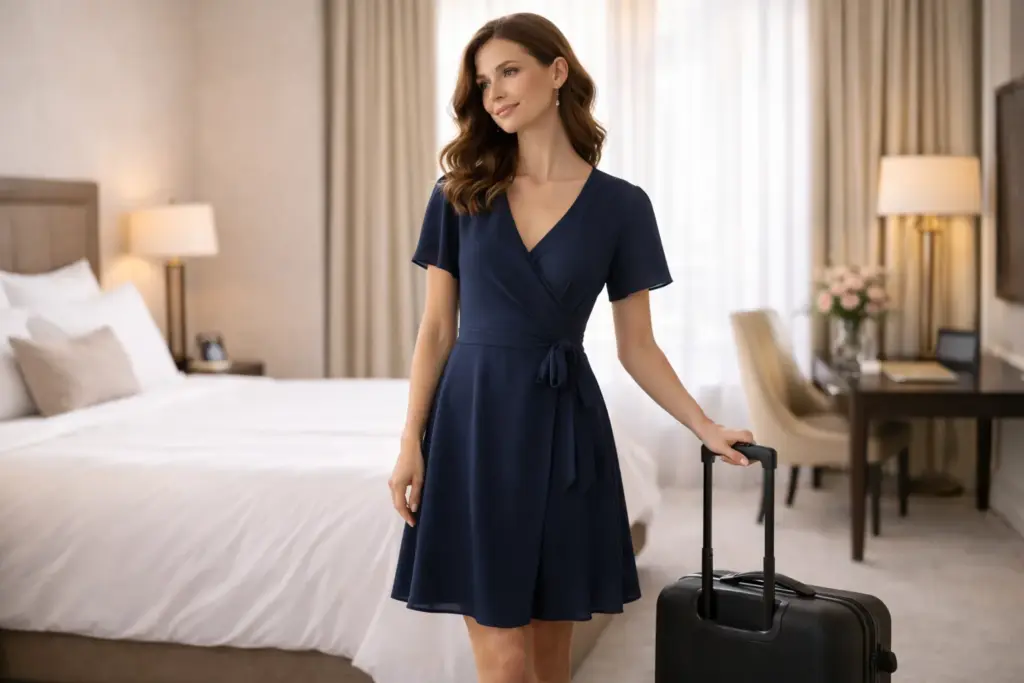
Why I like wrap dresses for buyers like Maria
I work with confident buyers who lead the talk, and Maria-type buyers often ask for control and fewer returns. I suggest wrap dresses because they fit more bodies with fewer size complaints. The tie helps adjust the waist. The diagonal line also makes the torso look longer. That diagonal line is simple, but it is strong.
What to check in production
I always check the neckline gaping and the tie strength. I also check the inside finish because wrap dresses move more when a person walks. I often add a hidden snap for safety. That makes the dress feel secure without changing the look.
| Wrap dress part | Risk | What I do to reduce it |
|---|---|---|
| Overlap depth | flashing or gaping | increase overlap and add hidden snap |
| Tie placement | uneven waist look | mark tie points and test on sizes |
| Fabric drape | pulls at bust or hip | pick medium drape, avoid too stiff |
| Stitching inside | looks messy in motion | clean finishing and stable seams |
When should I pick a shift or trapeze dress shape with no waist?
Some people want freedom, not a waist seam. They also want a modern look that feels easy. A shift or trapeze can be the answer, but it can also look like a “sack” if the proportions are off.
A shift is straight with little waist shaping, and a trapeze widens more from the chest or shoulder line, so it feels airy and loose.
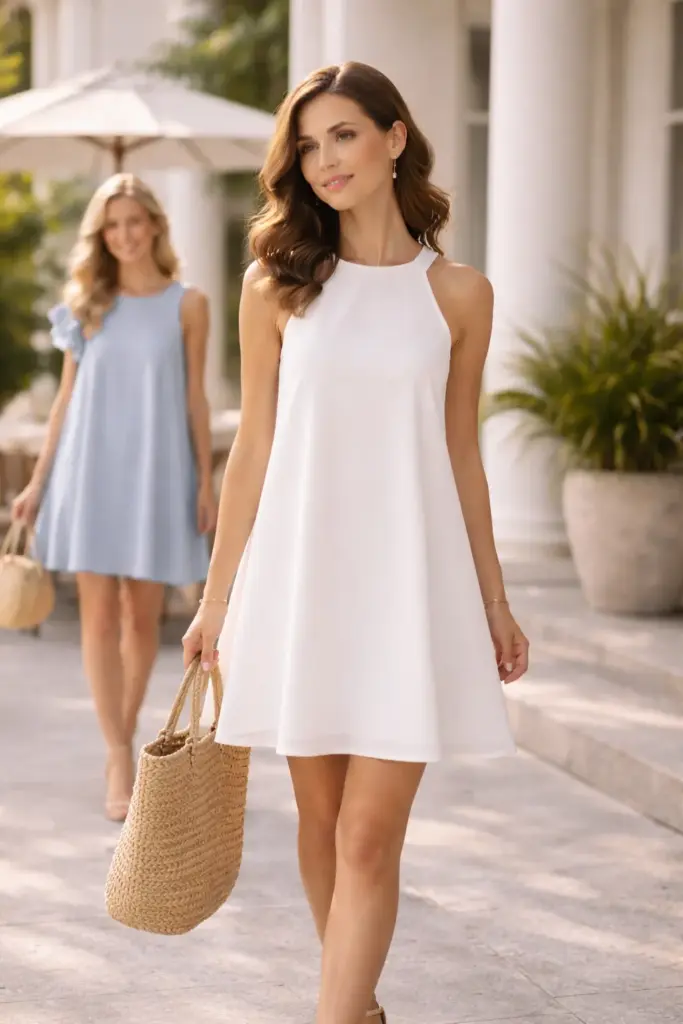
How I stop a loose dress from looking sloppy
I focus on the shoulder, neckline, and sleeve. A strong shoulder seam can hold the whole look. A clean neckline can frame the face. I also watch the length. A mini can look sharp. A midi can look artsy. A maxi can look relaxed, but it needs good fabric so it does not hang heavy.
Who often loves this silhouette
I suggest this dress shape when someone wants comfort, when someone has a sensitive waist area, or when someone wants a simple summer dress. I also suggest it for brands that want easy grading and fast production. A trapeze dress formal version can work with better fabric, lining, and clean seams. It can even work as an “old timey dresses” inspired shape when you add puff sleeves or a high neck, but I keep the fit modern.
| Shift / trapeze detail | What it does | Simple styling tip |
|---|---|---|
| No waist dresses | gives freedom and ease | add belt if you want waist later |
| Wider hem | adds movement | use lighter fabric for flow |
| Neckline choice | controls “dress appearance” | V-neck feels longer, boat neck feels classic |
| Sleeve shape | adds structure | cap sleeve looks neat, long sleeve looks calm |
Conclusion
I choose dress shapes first, then I choose details. When I match the dress silhouette to the goal, I waste less time, and the dress looks right fast.
Why I write this
I am Lancy Chia from Truekung in China. I run a clothing factory with more than 200 workers, and I do B2B wholesale only. I produce fashion women’s clothing and I offer OEM/ODM services, so I work with dress cuts, dress lines, and fit every day.
If you want to build a clear dress types chart for your brand, you can reach me at [email protected], and you can also visit https://truekung.com.
Views: 848