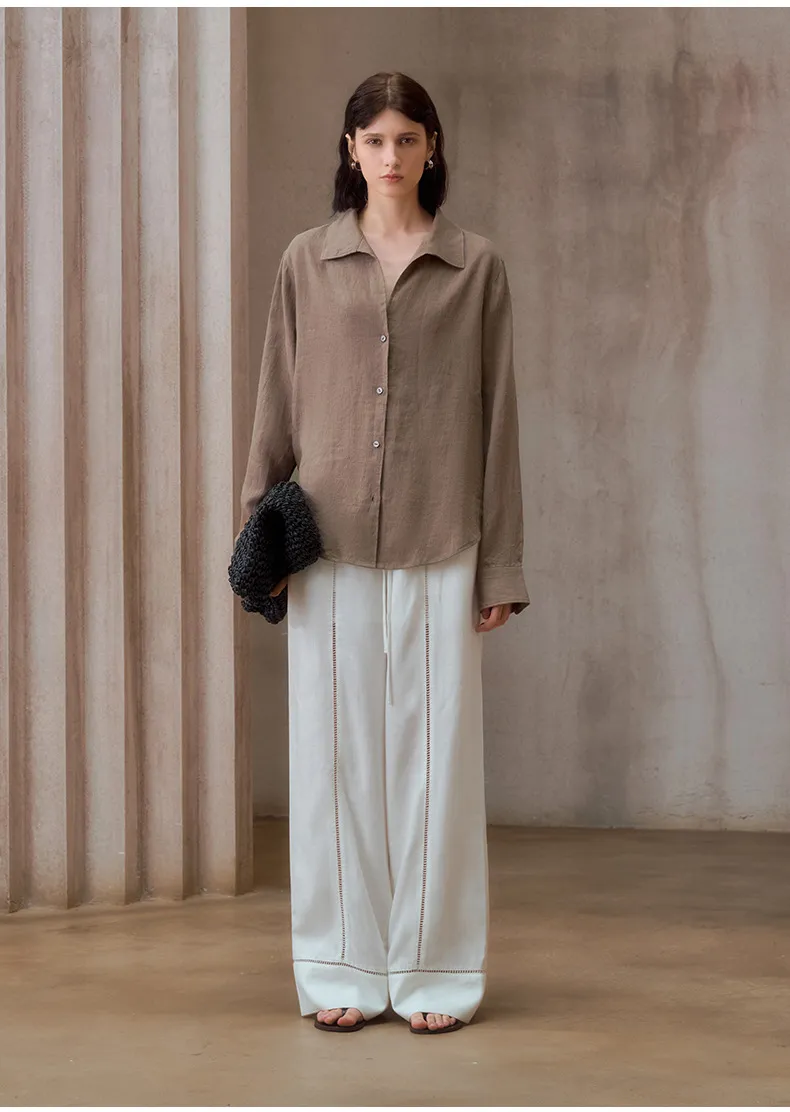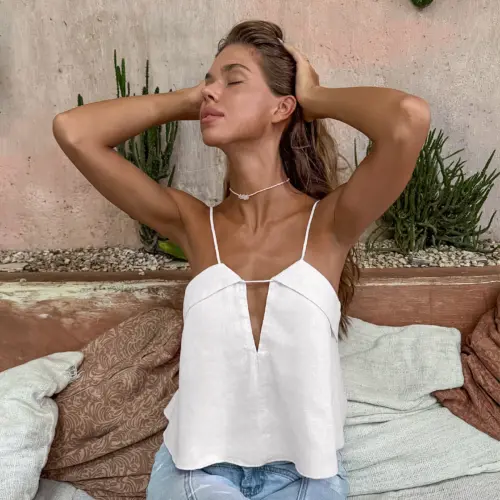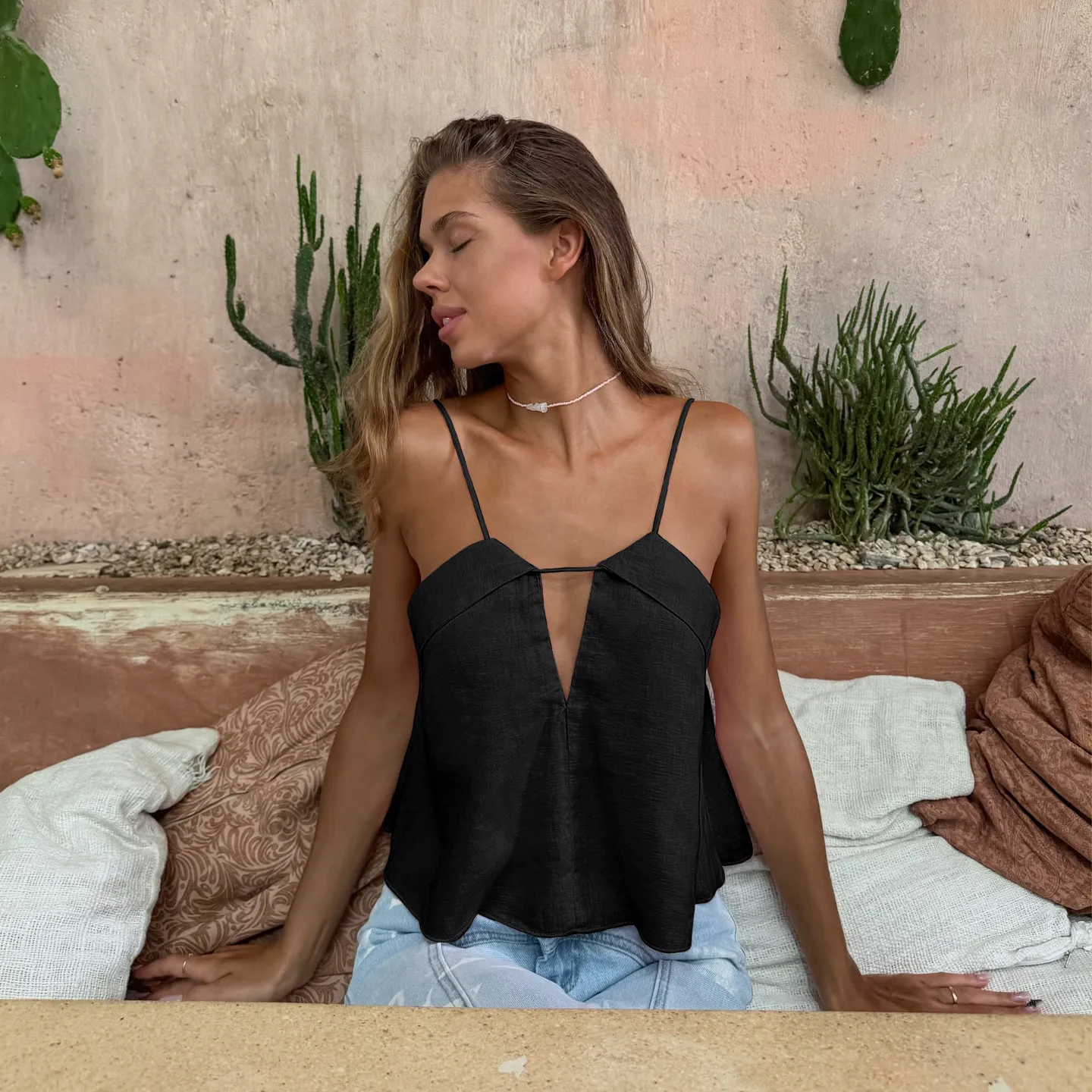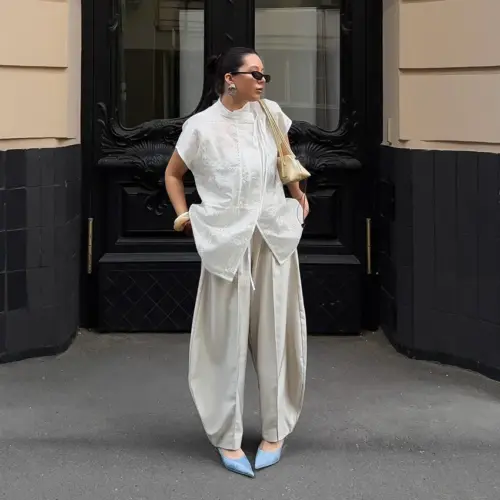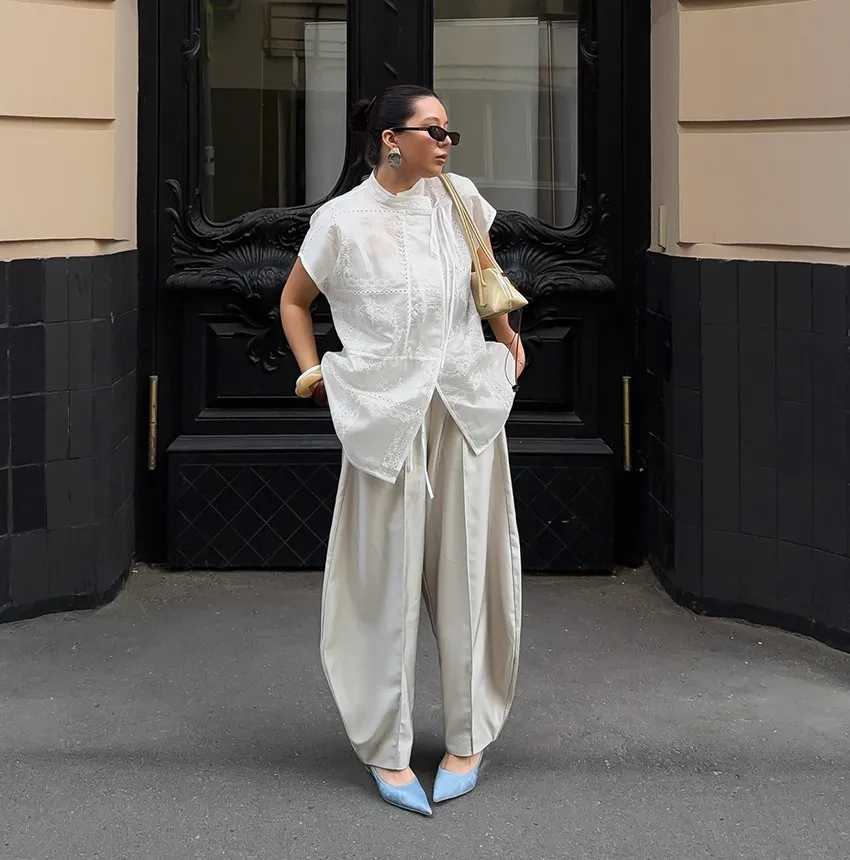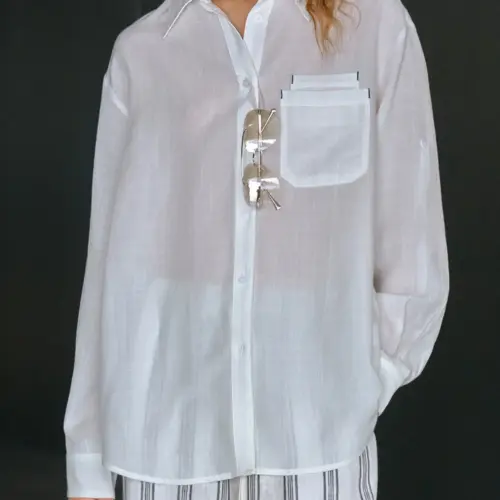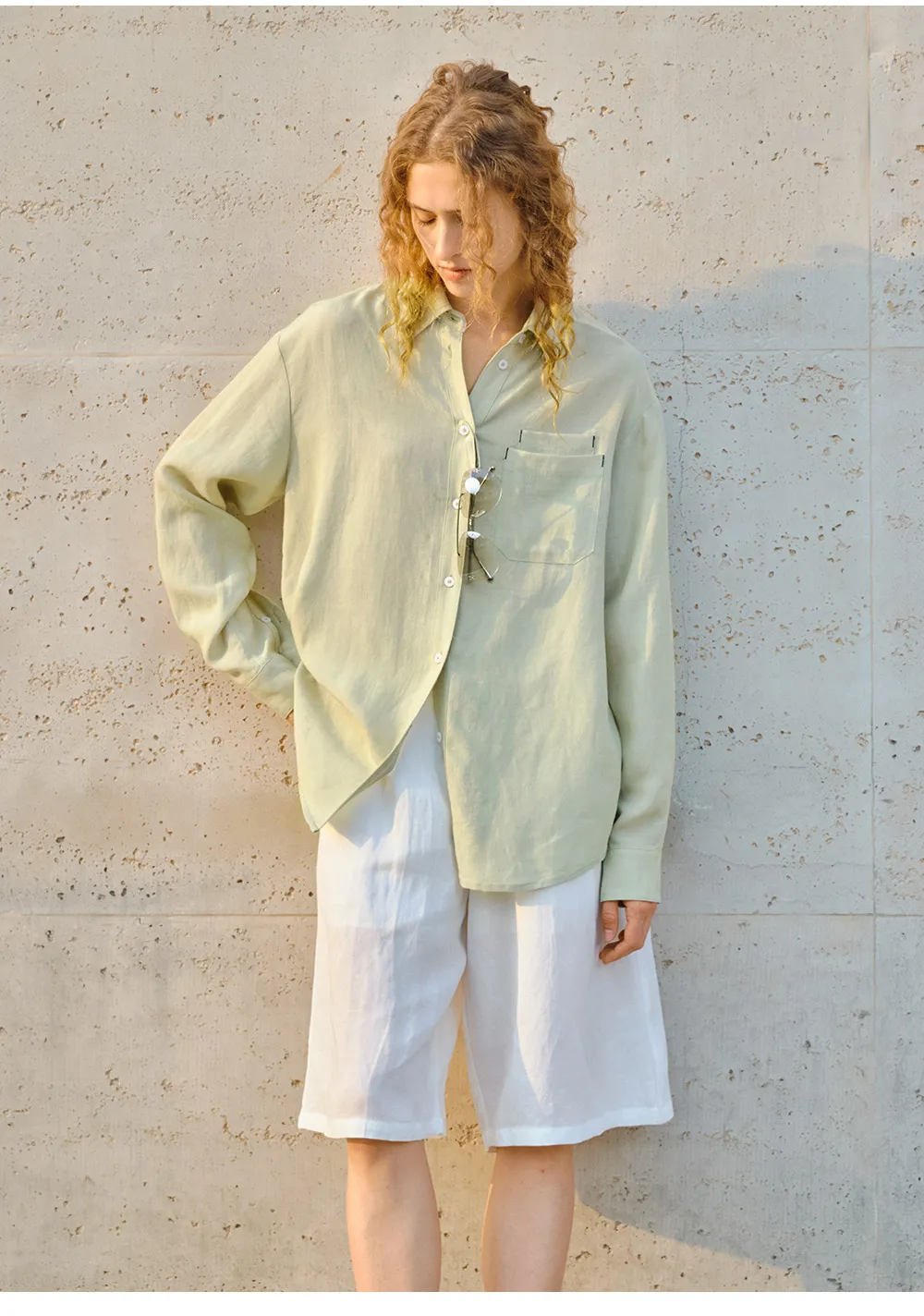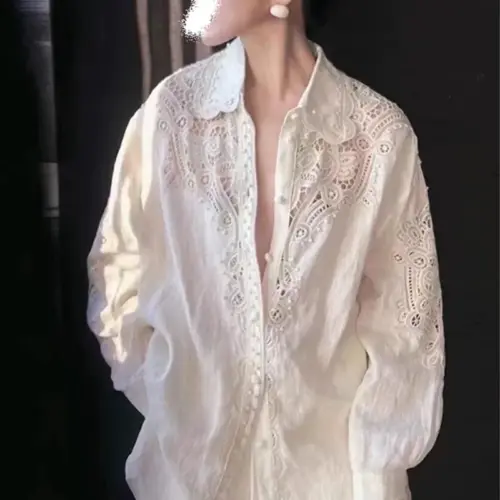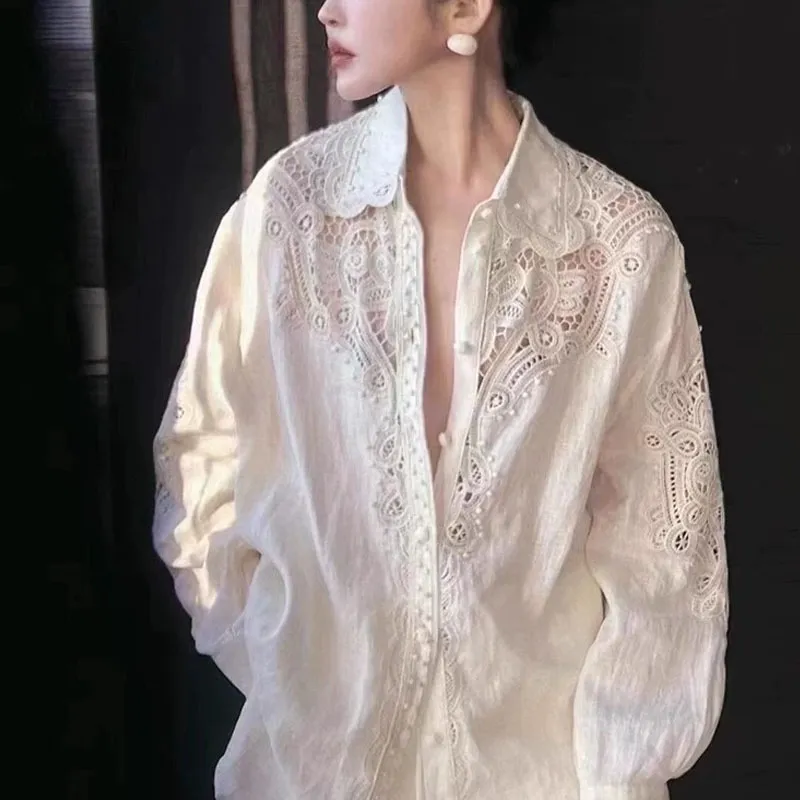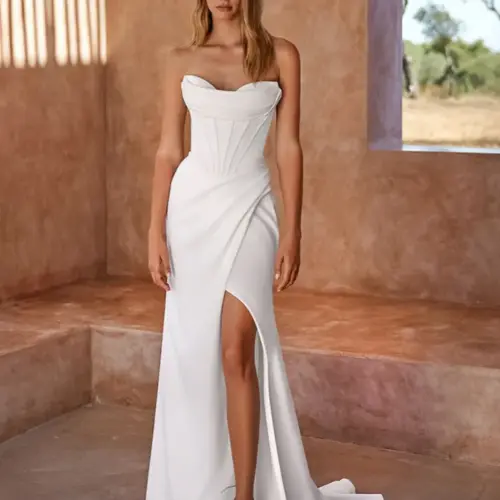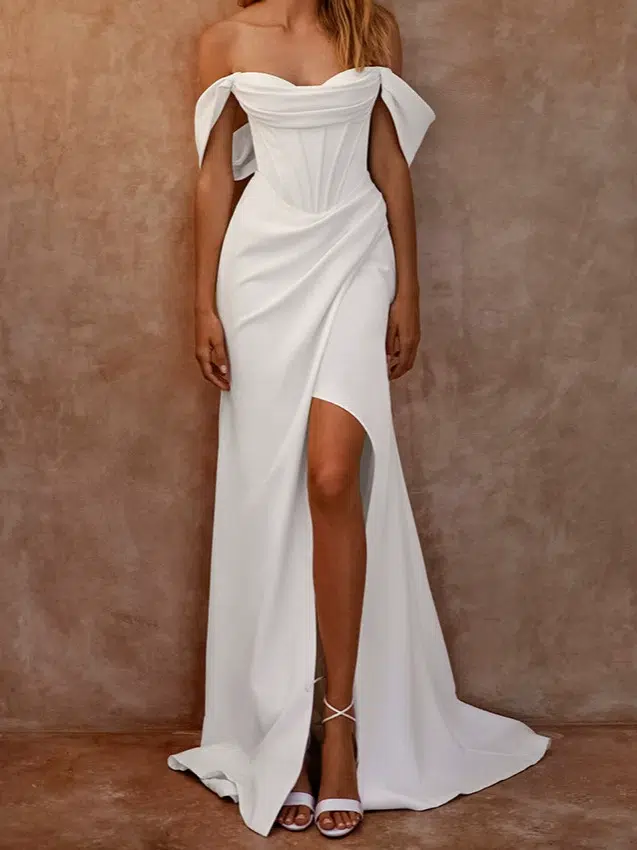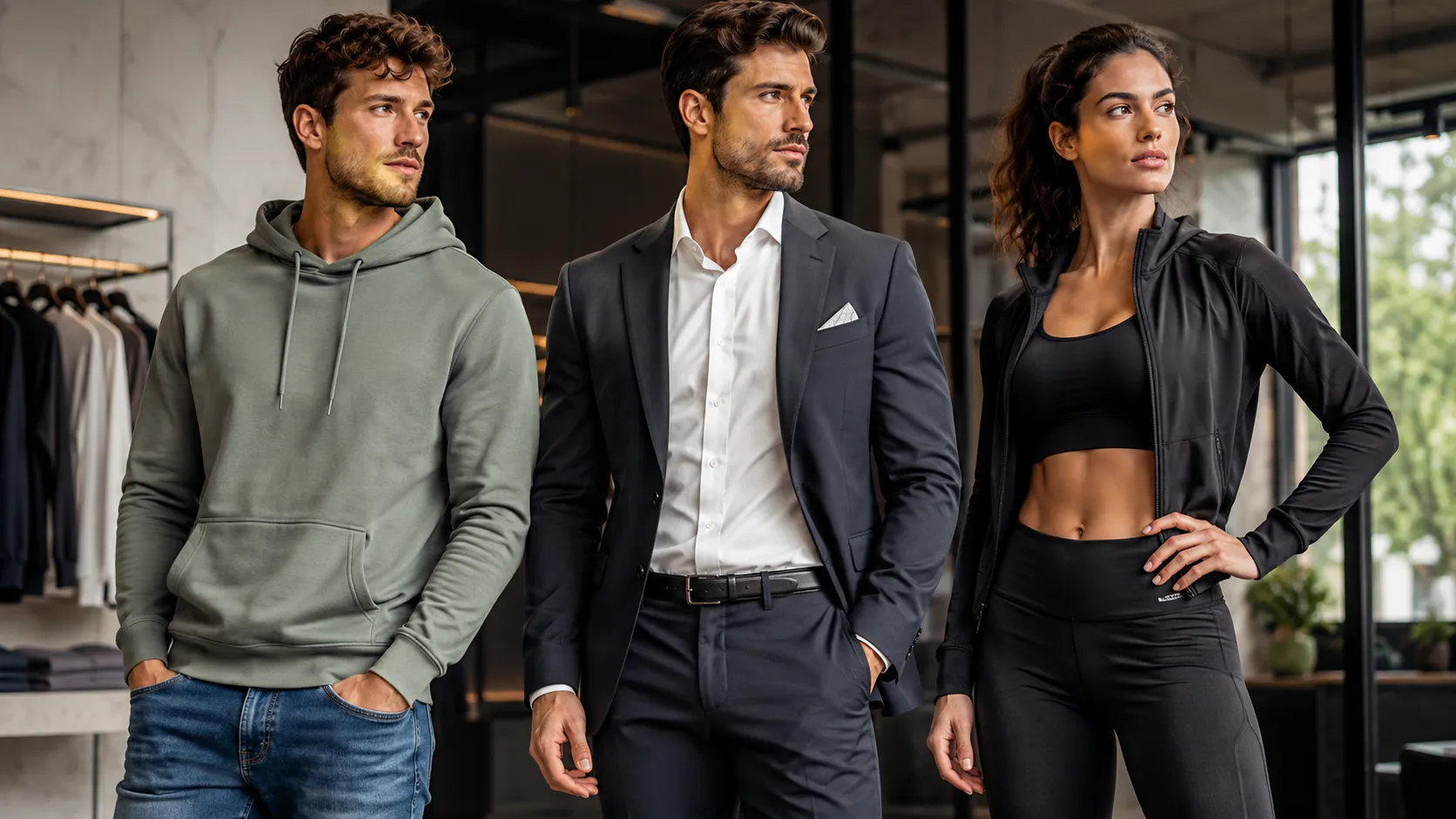

The three main types of clothes are casual wear, formal wear, and activewear. Casual wear is made for daily comfort, formal wear is used for business or special occasions, and activewear is designed for sports, movement, and performance.
For clothing brands, fashion startups, and wholesale buyers, understanding these three types of clothes is also useful for planning fabrics, fits, price levels, quality standards, and product collections.
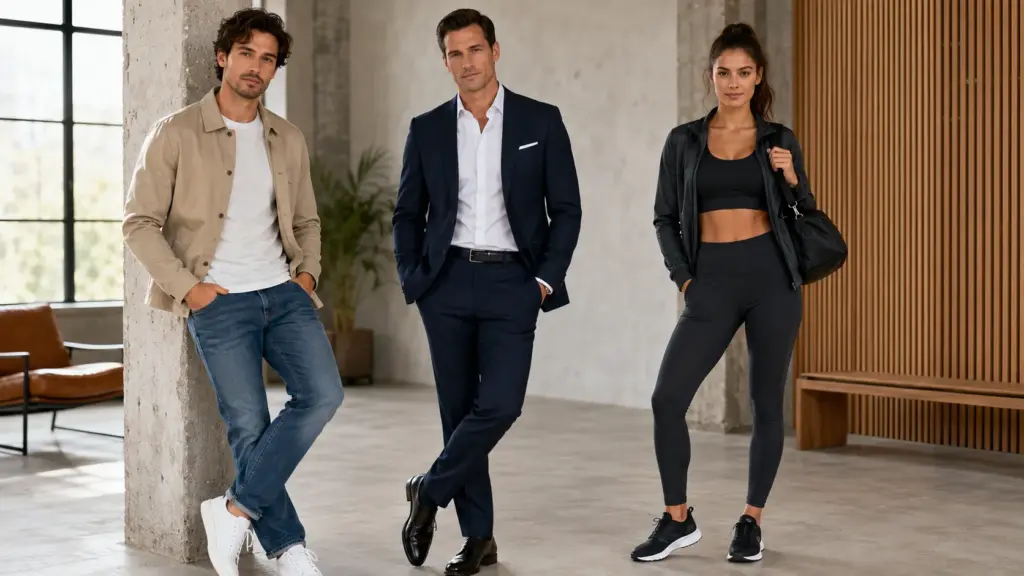
Quick Answer: The Three Main Types of Clothes
| Type of Clothes | Main Purpose | Common Examples | Key Fabric Focus |
|---|---|---|---|
| Casual Wear | Daily comfort and easy styling | T-shirts, hoodies, jeans, casual dresses, joggers | Cotton, jersey, denim, fleece, rib |
| Formal Wear | Business, events, and special occasions | Shirts, blazers, suits, formal dresses, coats | Poplin, twill, wool blends, crepe, satin |
| Activewear | Sports, movement, and performance | Leggings, sports bras, tracksuits, gym tops, running shorts | Polyester, nylon, spandex, mesh, moisture-wicking fabrics |
These three clothing categories cover most everyday wardrobes. However, many products can also overlap. For example, a polo shirt can be casual wear, business casual wear, or part of a uniform. A tracksuit can be activewear, streetwear, or casual clothing depending on the design and fabric.
What Are Clothes?
Clothes are items people wear to cover, protect, decorate, or express themselves. They can be designed for comfort, work, sports, weather protection, special occasions, cultural needs, or brand identity.
In daily language, people often use words like clothes, clothing, garments, and apparel in similar ways. For simple understanding:
- Clothes usually refers to everyday items people wear.
- Clothing is a more general word for all wearable items.
- Garments is often used in manufacturing and trade.
- Apparel is commonly used in the fashion and wholesale clothing industry.
For buyers and brands, the type of clothing matters because each category has different fabric requirements, sewing details, size standards, and quality control points.
1. Casual Wear
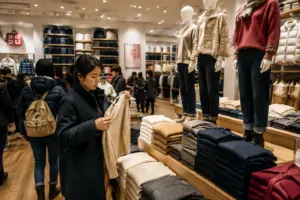
Casual wear is clothing made for daily life. It is usually comfortable, easy to style, and suitable for relaxed occasions.
Common casual wear products include:
- T-shirts
- Hoodies
- Sweatshirts
- Jeans
- Joggers
- Casual shirts
- Casual dresses
- Shorts
- Knit tops
- Cardigans
Casual clothing is often the first category many new clothing brands choose because it is easier to wear, easier to sell, and suitable for a wider customer group.
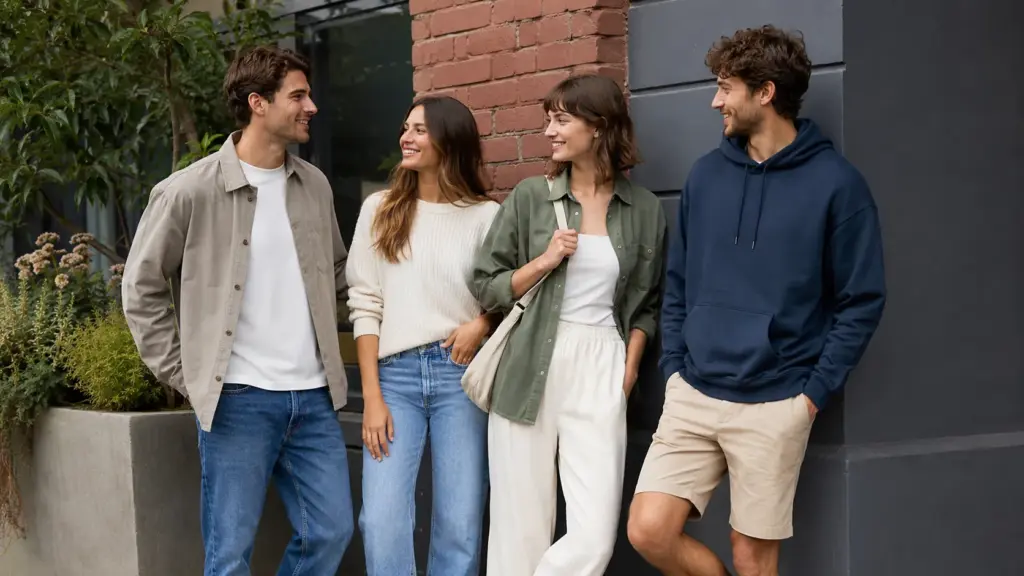
Common Fabrics for Casual Wear
Casual wear usually focuses on comfort, washability, and everyday durability. Common fabric choices include:
| Fabric | Common Use |
|---|---|
| Cotton jersey | T-shirts, tops, casual dresses |
| Cotton fleece | Hoodies, sweatshirts, joggers |
| French terry | Lightweight sweatshirts, casual sets |
| Denim | Jeans, jackets, skirts |
| Rib fabric | Tank tops, cuffs, collars, fitted tops |
| Cotton poplin | Casual shirts, summer dresses |
For casual clothing production, fabric hand feel, shrinkage control, color fastness, and stable sizing are very important. A T-shirt or hoodie may look simple, but poor fabric recovery, twisting after washing, or unstable measurements can quickly damage the customer experience.
Casual Wear Sourcing Tips for Brands
If you are developing casual wear, you should confirm:
- Fabric composition and GSM
- Shrinkage rate after washing
- Printing or embroidery method
- Collar and cuff construction
- Size tolerance
- Label and packaging requirements
- Bulk order quantity and delivery time
Casual wear is suitable for fashion brands, streetwear labels, promotional apparel companies, online stores, and wholesale clothing buyers.
2. Formal Wear
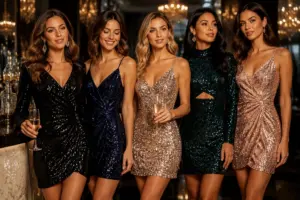
Formal wear is clothing designed for professional, business, ceremonial, or elegant occasions. Compared with casual wear, formal clothing usually requires better structure, cleaner finishing, and more accurate fit.
Common formal wear products include:
- Dress shirts
- Blazers
- Suits
- Trousers
- Formal dresses
- Skirts
- Coats
- Vests
- Business uniforms
Formal wear is not only about fabric. Pattern making, cutting accuracy, lining, pressing, and finishing all affect the final look.
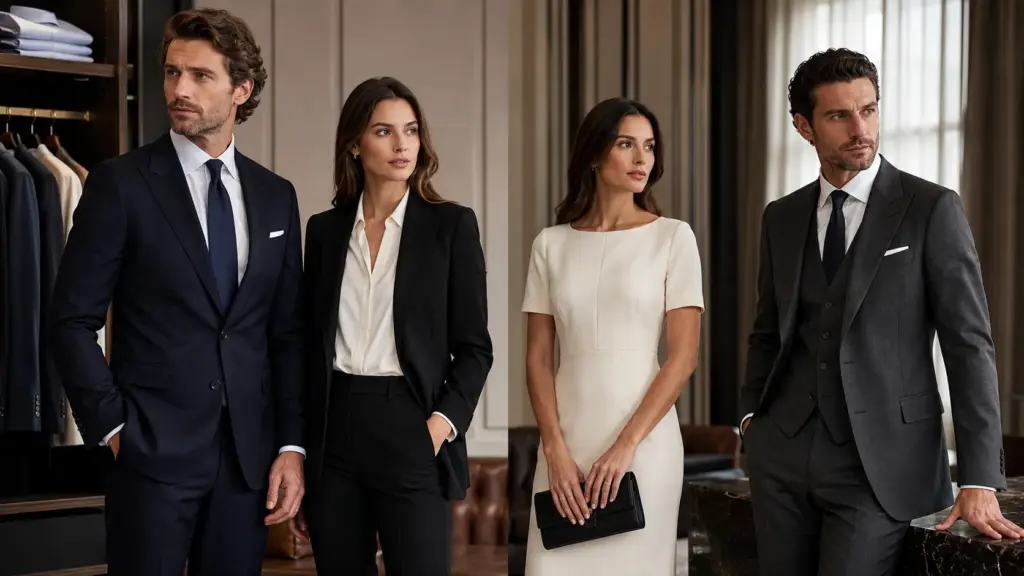
Common Fabrics for Formal Wear
Formal wear often uses fabrics with a cleaner appearance, better drape, and more polished texture.
| Fabric | Common Use |
|---|---|
| Poplin | Shirts, blouses |
| Twill | Shirts, trousers, uniforms |
| Wool blend | Suits, coats, formal trousers |
| Crepe | Dresses, blouses, skirts |
| Satin | Evening dresses, formal tops |
| Suiting fabric | Blazers, trousers, vests |
| Lining fabric | Jackets, coats, structured dresses |
Formal wear production usually needs stricter control than basic casual wear. Small issues such as uneven collars, poor shoulder shape, wrong sleeve length, or bad pressing can make the product look low quality.
Formal Wear Sourcing Tips for Brands
If you are developing formal wear, pay attention to:
- Fit and pattern accuracy
- Shoulder and collar shape
- Button, zipper, and lining quality
- Seam smoothness
- Pressing and finishing
- Fabric drape and wrinkle resistance
- Size grading across different body types
Formal wear is suitable for business clothing brands, office wear collections, boutique fashion brands, uniform suppliers, and eventwear buyers.
3. Activewear
Activewear is clothing designed for sports, exercise, movement, and physical performance. It needs to be comfortable, flexible, breathable, and durable.
Common activewear products include:
- Leggings
- Sports bras
- Gym tops
- Tank tops
- Tracksuits
- Joggers
- Running shorts
- Yoga pants
- Training jackets
- Compression wear
Activewear is different from basic casual wear because the fabric must support movement. Stretch, recovery, moisture control, seam strength, and fit are all important.
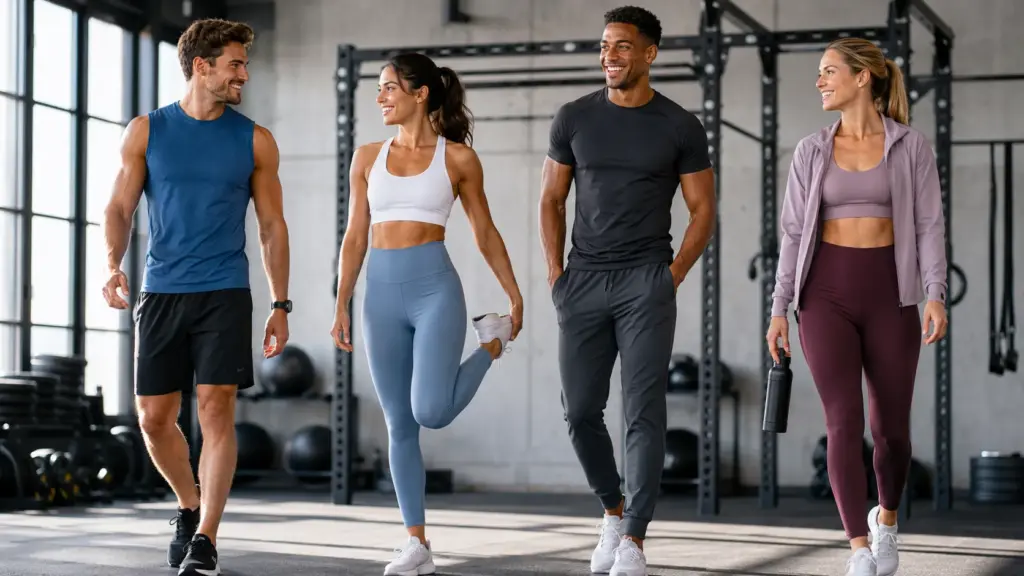
Common Fabrics for Activewear
Activewear often uses synthetic or blended fabrics because they provide stretch, recovery, and moisture management.
| Fabric | Common Use |
|---|---|
| Polyester spandex | Gym tops, leggings, sports bras |
| Nylon spandex | Yoga wear, premium activewear |
| Mesh fabric | Breathable panels, sports tops |
| Interlock knit | Tracksuits, training wear |
| Rib knit stretch fabric | Fitted tops, sports sets |
| Moisture-wicking fabric | Running wear, gym wear |
For activewear, fabric quality is especially important. Poor fabric may become see-through, lose elasticity, pill easily, or feel uncomfortable during movement.
Activewear Sourcing Tips for Brands
If you are developing activewear, you should check:
- Stretch percentage
- Fabric recovery
- Squat-proof performance for leggings
- Moisture-wicking function
- Seam strength
- Elastic band quality
- Pad construction for sports bras
- Color fastness after washing and sweating
Activewear is suitable for fitness brands, yoga brands, gym apparel companies, sports clubs, athleisure brands, and online activewear sellers.
Are These the Only Three Types of Clothes?
No. Casual wear, formal wear, and activewear are the three main clothing categories, but there are many other subcategories.
Other types of clothes include:
- Outerwear
- Workwear
- Uniforms
- Kidswear
- Underwear
- Sleepwear
- Swimwear
- Maternity wear
- Streetwear
- Outdoor clothing
- Protective clothing
Many of these categories can still fit under the three main types. For example, a school uniform can be formal wear, a fleece jacket can be casual wear, and a running jacket can be activewear.
For clothing brands, the best way to plan a collection is not only to ask “What type of clothes should we make?” but also to ask “Who will wear this product, where will they wear it, and what problem should it solve?”
Clothes vs Clothing vs Garments vs Apparel
These words are related, but they are often used in different situations.
| Word | Common Meaning | Where It Is Often Used |
|---|---|---|
| Clothes | Everyday items people wear | Daily conversation |
| Clothing | General term for wearable products | Retail, education, product descriptions |
| Garments | Individual manufactured clothing items | Factories, production, export trade |
| Apparel | Fashion and commercial clothing products | B2B, wholesale, sourcing, branding |
For example, a customer may say, “I want to buy clothes.” A fashion brand may say, “We are developing a clothing collection.” A factory may say, “We produce garments.” A wholesaler may say, “We source apparel from manufacturers.”
Understanding these terms helps buyers communicate more clearly with suppliers and manufacturers.
How Should Clothing Brands Choose the Right Type of Clothes?
Choosing the right clothing type depends on your target customer, price range, season, sales channel, and production budget.
A new brand should not only follow trends. It should choose products that match its customers, brand identity, and supply chain ability.
1. Start with Your Target Customer
Ask yourself:
- Who will wear the clothes?
- Are they buying for daily use, work, sports, or events?
- What price level can they accept?
- Do they prefer comfort, fashion, performance, or durability?
For example, a streetwear brand may start with hoodies and T-shirts. A fitness brand may start with leggings and sports bras. A boutique womenswear brand may start with dresses, blouses, and tailored trousers.
2. Match the Fabric to the Product Type
Different types of clothes need different fabrics.
| Product Type | Fabric Priority |
|---|---|
| Casual wear | Comfort, softness, washability |
| Formal wear | Drape, structure, smooth surface |
| Activewear | Stretch, recovery, breathability |
| Workwear | Durability, abrasion resistance |
| Kidswear | Safety, comfort, easy washing |
Fabric choice directly affects the final cost, fit, and customer experience.
3. Consider MOQ and Production Complexity
Simple products such as T-shirts and sweatshirts are usually easier to start with. Structured products such as blazers, coats, and formal dresses require more development time and higher technical control.
MOQ also depends on fabric availability, color, customization level, printing, embroidery, labels, and packaging.
For custom clothing production, MOQ commonly starts from 100–200 pieces per style or color, depending on the product and material. For some ready-made or simple styles, smaller trial quantities may be possible.
How Factories Develop Different Types of Clothes
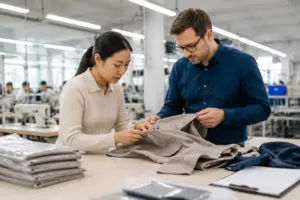
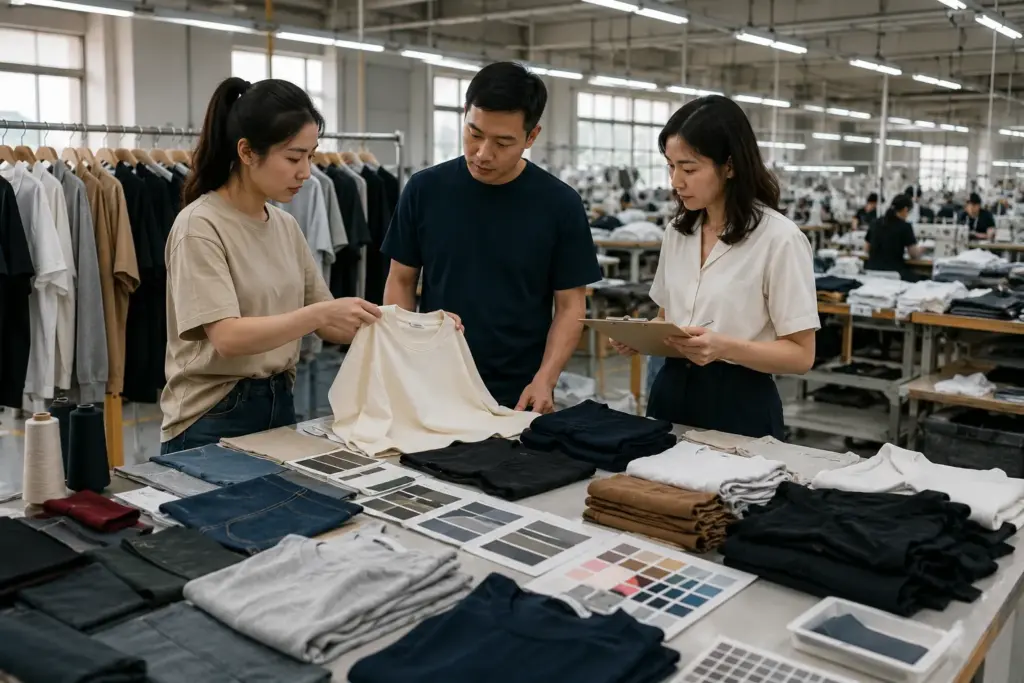
A reliable clothing manufacturer should not treat every product in the same way. Casual wear, formal wear, and activewear each require different development and quality control methods.
Casual Wear Development
For casual wear, the factory usually focuses on:
- Fabric hand feel
- GSM and shrinkage
- Print or embroidery quality
- Basic fit and comfort
- Washing performance
- Stable bulk production
Casual wear may look simple, but consistency is the key. A brand needs every T-shirt, hoodie, or jogger to keep the same size, color, and quality across bulk production.
Formal Wear Development
For formal wear, the factory needs stronger pattern and sewing ability. Important points include:
- Clean cutting
- Accurate measurements
- Collar and shoulder shape
- Lining and interlining
- Button placement
- Pressing and finishing
- Smooth seams
Formal wear often needs more sampling and fitting before bulk production.
Activewear Development
For activewear, the factory must understand stretch fabrics and body movement. Important points include:
- Stretch and recovery testing
- Fit during movement
- Seam strength
- Elastic quality
- Breathability
- Opacity
- Moisture-wicking performance
Activewear should not only look good in photos. It must perform well when the customer moves, stretches, sweats, and washes the product repeatedly.
Examples of the Three Main Types of Clothes
Here are simple examples to help you understand the three main types more clearly.
| Clothing Item | Main Category | Notes |
|---|---|---|
| Basic T-shirt | Casual wear | Daily wardrobe item |
| Hoodie | Casual wear | Also popular in streetwear |
| Jeans | Casual wear | Durable and easy to style |
| Blazer | Formal wear | Used for business or smart casual looks |
| Dress shirt | Formal wear | Common in office and uniform collections |
| Evening dress | Formal wear | Used for events and special occasions |
| Leggings | Activewear | Used for yoga, gym, and athleisure |
| Sports bra | Activewear | Requires support and stretch control |
| Tracksuit | Activewear | Can also be casual or streetwear |
| Polo shirt | Casual / formal / uniform | Depends on fabric and styling |
This is why clothing categories are not always fixed. The same product can belong to different categories depending on design, material, and usage.
Which Type of Clothes Is Best for a New Brand?
For many new clothing brands, casual wear is the easiest starting point. Products like T-shirts, hoodies, sweatshirts, joggers, and casual dresses are easier to understand and easier to sell.
However, the best choice depends on your brand positioning.
| Brand Type | Recommended Starting Products |
|---|---|
| Streetwear brand | T-shirts, hoodies, sweatpants, jackets |
| Womenswear brand | Dresses, blouses, skirts, trousers |
| Fitness brand | Leggings, sports bras, tank tops, tracksuits |
| Boutique brand | Shirts, dresses, coats, tailored pieces |
| Uniform business | Polo shirts, shirts, workwear, jackets |
| Kidswear brand | T-shirts, sets, dresses, pants |
If you are starting a new collection, it is usually better to begin with fewer styles and test the market first. A smaller, focused collection is easier to control than too many styles with different fabrics and complex details.
How to Work with a Clothing Manufacturer
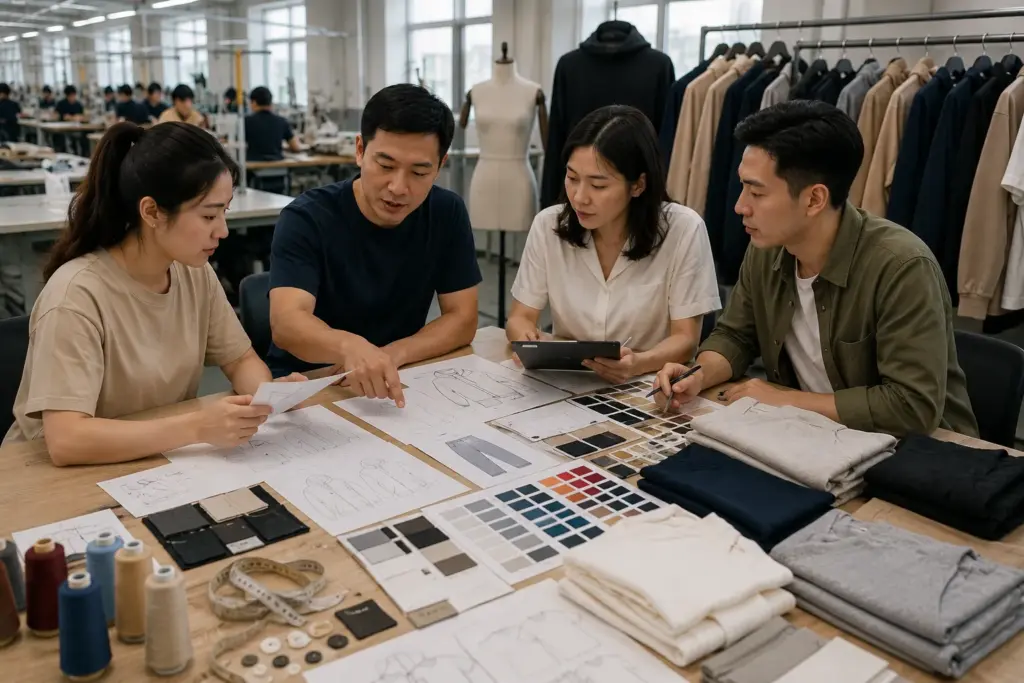
When working with a clothing manufacturer, you should prepare clear product information before asking for a quotation.
Useful information includes:
- Product photos or sketches
- Tech pack if available
- Fabric composition and GSM
- Size range
- Color options
- Logo method
- Label and packaging requirements
- Estimated order quantity
- Target price
- Delivery deadline
- Shipping country
The more details you provide, the more accurate the quotation will be. If you do not have a full tech pack, a good manufacturer can still help review your reference images and suggest fabric, construction, and sampling options.
FAQ About the Three Main Types of Clothes
What are the three main types of clothes?
The three main types of clothes are casual wear, formal wear, and activewear. Casual wear is for daily life, formal wear is for business or special occasions, and activewear is for sports, fitness, and movement.
What are examples of casual wear?
Examples of casual wear include T-shirts, hoodies, sweatshirts, jeans, joggers, shorts, casual shirts, cardigans, and casual dresses.
What are examples of formal wear?
Examples of formal wear include dress shirts, blazers, suits, trousers, formal dresses, skirts, coats, and business uniforms.
What are examples of activewear?
Examples of activewear include leggings, sports bras, gym tops, running shorts, yoga pants, tracksuits, tank tops, and training jackets.
Is activewear the same as sportswear?
Activewear and sportswear are similar, but they are not always exactly the same. Sportswear is usually designed for specific sports, while activewear can also include gym clothing, yoga wear, athleisure, and comfortable clothing for movement.
Is streetwear casual wear?
Yes, streetwear is usually a type of casual wear. However, streetwear often has stronger design elements, oversized fits, graphic prints, embroidery, and brand identity.
What is the difference between clothes and clothing?
“Clothes” is more common in daily conversation, while “clothing” is a broader and more formal word. Both refer to items people wear.
What is the difference between garments and apparel?
“Garments” usually refers to individual manufactured clothing items, especially in production and export. “Apparel” is commonly used in the fashion, retail, and wholesale clothing industry.
What type of clothing is easiest for a new brand to start with?
Casual wear is often easier for a new brand to start with because products like T-shirts, hoodies, and sweatshirts are easier to develop and easier for customers to wear. However, the best choice depends on your target market and brand style.
What should buyers check before ordering custom clothes?
Buyers should check fabric quality, size chart, sample fit, logo method, color fastness, shrinkage, sewing quality, packaging, MOQ, delivery time, and payment terms before placing a bulk order.
Final Thoughts
The three main types of clothes are casual wear, formal wear, and activewear. These categories help people understand how clothing is used in daily life, business, special occasions, and sports.
For clothing brands and wholesale buyers, these categories also help with product planning, fabric selection, pricing, sampling, and production control. A simple T-shirt, a formal blazer, and a pair of leggings all belong to the clothing industry, but they require different fabrics, patterns, sewing methods, and quality standards.
If you are planning a new clothing collection, start by choosing the right product type for your target customers. Then confirm the fabric, fit, size range, logo method, and order quantity with your manufacturer.
At TrueKung Apparel, we help brands develop and produce custom clothing across casual wear, formal wear, activewear, womenswear, kidswear, T-shirts, hoodies, dresses, uniforms, and private label apparel. If you have a design idea, reference sample, or product plan, you can send us the details and we will help you review the best development and production solution.
Views: 271