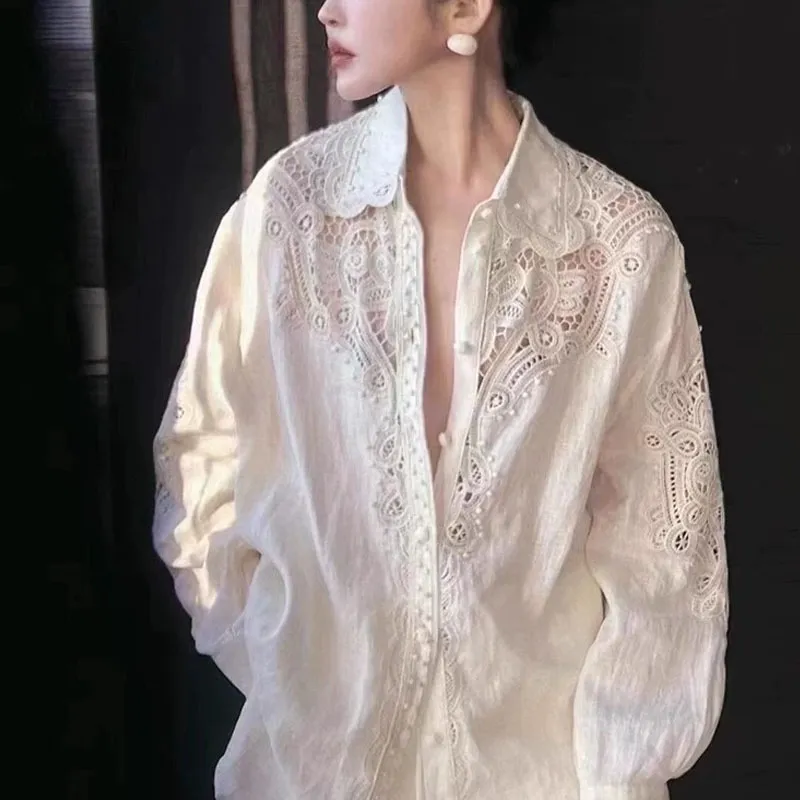
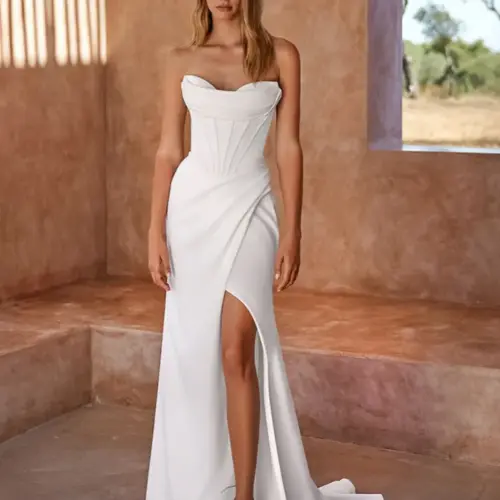
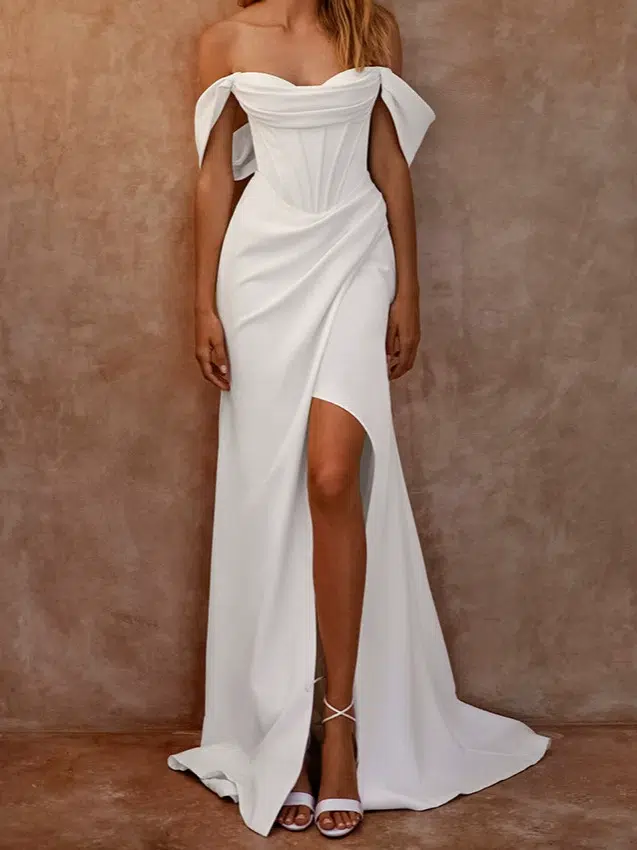
Eu costumava comprar roupas "seguras" e depois me sentia estranha nelas. O problema não era o meu gosto. Era que eu não conhecia minhas curvas, então me vestia de forma que não combinava com o meu tipo físico.
Os 13 Kibbe Os tipos de corpo são arquétipos de estilo baseados na sua estrutura óssea, constituição física e equilíbrio geral "yin-yang". Quando identifico meu tipo Kibbe... tipo de corpo, Parei de adivinhar e comecei a escolher silhuetas que combinam com minhas linhas naturais.

Lembro-me da primeira vez que fiz o teste de biotipo Kibbe e me senti mais confusa do que ajudada. Aquele momento me motivou a aprender o sistema de forma mais tranquila, passo a passo, para que eu finalmente pudesse confiar no que via no espelho.
O que o sistema de biotipos de Kibbe realmente mede?
Antes, eu pensava que "tipo de corpo" significava as medidas de busto, cintura e quadril. Isso me fez perseguir o objetivo errado. Eu ficava ajustando as medidas e ainda me sentia "estranha" com as roupas.
Muitas pessoas chamam isso de teste de Kibbe, mas não é uma calculadora de biotipo estrita. É uma forma de interpretar suas linhas gerais, não um problema matemático.

A ideia central: yin e yang nas linhas de vestuário
Quando digo "yin e yang", refiro-me à mistura visual de suavidade e nitidez na minha silhueta. Alguns corpos apresentam ângulos mais alongados. Outros, curvas mais arredondadas. A maioria apresenta uma combinação desses dois extremos. O sistema de David Kibbe transforma essa mistura em 13 identidades de imagem, também chamadas de arquétipos de Kibbe ou IDs de Kibbe.
Os 13 tipos de corpo de Kibbe em resumo
Eu mantenho essa lista simples por perto quando faço a tipagem Kibbe:
- Dramático (D)
- Dramático Suave (SD)
- Flamboyant Natural (FN)
- Suave Natural (SN)
- Clássico Dramático (DC)
- Clássico Macio (SC)
- Garota extravagante (FG)
- Soft Gamine (SG)
- Romântico Teatral (TR)
- Romântico (R)
E em muitos guias modernos, também vejo esses itens discutidos como parte do conjunto completo de 13 ensinamentos:
- Clássico (C) como um ponto central conceitual ao qual as pessoas se referem
- Natural (N) como um ponto central conceitual ao qual as pessoas se referem
- Gamine (G) como um ponto central conceitual ao qual as pessoas se referem
Diferentes sites apresentam o “13” de maneiras ligeiramente diferentes, mas o objetivo prático permanece o mesmo: escolho uma identidade visual que combine com meus traços e então eu vestir para essa identidade.
Uma estrutura rápida que eu uso
| O que eu observo | A que se refere? | O que farei a seguir |
|---|---|---|
| impressão longa, nítida e estreita | Mais yang | Eu testo silhuetas mais limpas e retas. |
| Impressão arredondada, suave e exuberante | Mais yin | Testo modelagens e caimentos mais suaves. |
| Impressão equilibrada e uniforme | Equilíbrio clássico | Testo linhas moderadas e personalizadas. |
| Compacto, impressão mista | Mistura Gamine | Eu testo linhas quebradas e contraste. |
| Impressão ampla e descontraída | Abertura natural | Eu testo formas e texturas simples. |
Isso me mantém com os pés no chão quando a ideia de "qual é o meu tipo de corpo" começa a se transformar em excesso de reflexão.
Como posso descobrir meu tipo físico Kibbe sem cair em um teste ruim?
Já vi páginas com "testes de tipo de corpo gratuitos" que prometem resultados instantâneos. Eu as experimentei. Muitas vezes, elas me faziam perseguir um rótulo em vez de enxergar meu corpo de verdade.
O teste de biotipo Kibbe funciona melhor quando o encaro como uma prática de observação, e não como uma busca por pontuação. É por isso que as listas de verificação no estilo do "teste David Kibbe" podem ser enganosas.

Por que o teste de biotipo Kibbe mais comum falha?
Muitos testes se concentram em características isoladas: ombros, quadris, rosto ou altura. Mas o Kibbe considera o quadro completo. Quando isolo uma parte, posso me convencer de qualquer coisa. Também percebo que os testes frequentemente usam em excesso a lógica da "ampulheta", que não é a mesma coisa que a curva de Kibbe.
Meu método simples de "teste de Kibbe" em casa.
Passo 1: Procure a linha principal do título
Eu me afasto e pergunto: será que eu leio como... longo, largo, equilibrado, compactar, ou arredondado?
Passo 2: Verifique a estrutura antes dos detalhes.
A estrutura óssea geralmente define a base. Observo os ombros, a linha vertical e como as roupas caem no meu corpo.
Passo 3: Confirme com as roupas, não com selfies.
Experimento duas roupas completamente opostas. Se uma delas me faz parecer "certa", esse resultado importa mais do que qualquer calculadora de tipo de corpo.
Uma mini-mesa de verificação prática
| Pergunta do quiz que eu ignoro | Uma pergunta melhor seria: eu uso | Por que isso ajuda |
|---|---|---|
| “Seus quadris são largos?” | “Você lê de forma abrangente?” | As partes individuais mentem |
| “Você tem curvas?” | “"O tecido precisa ser moldado para assentar corretamente?"” | A curva é funcional |
| “Você é alto(a)?” | “Você tem uma linha vertical forte?” | Altura não é o mesmo que vertical |
Quando alguém me pergunta "qual é o meu tipo de corpo Kibbe?", eu respondo: o melhor teste de tipo de corpo Kibbe é aquele que você faz com roupas normais e um olhar calmo.
Como cada um dos 13 arquétipos de Kibbe se manifesta no vestuário?
Antes eu queria um guia de biotipos Kibbe que me dissesse exatamente o que comprar. Mas o sistema não é uma lista de compras. É um filtro de silhuetas.
Assim que entendi isso, os 13 tipos de corpo deixaram de parecer caixas. Tornaram-se orientações de estilo que me pouparam tempo.

As 5 “famílias” que uso para mapear os 13 tipos
Família dramática (D, SD)
Esses tipos de corpo geralmente ficam melhores quando as linhas parecem intencionais. Para o tipo D, penso em linhas retas e elegantes. Para o tipo SD, penso em linhas elegantes com um formato que valorize as curvas.
Família natural (FN, SN)
Esses tipos de corpo geralmente ficam melhor com roupas soltas e fluidas. O tipo FN tolera mais ousadia e comprimento. Já o tipo SN costuma precisar de roupas mais suaves e com modelagem delicada.
Família clássica (DC, SC)
Esses tipos geralmente ficam melhor quando as roupas têm um caimento equilibrado e moderado. O estilo DC tende a ser mais anguloso. O SC tende a ser mais suave. Evito extremos nesse caso.
Família Gamine (FG, SG)
Esses tipos de corpo geralmente ficam melhores quando os looks são vibrantes e compostos por peças diferentes. O estilo FG tende a ser mais estruturado, enquanto o SG tende a ser mais suave. Eu uso contraste, comprimentos cropped e detalhes divertidos.
Família romântica (TR, R)
Esses tipos de corpo geralmente ficam melhor quando as roupas valorizam as curvas e a suavidade. O tipo TR tolera um toque de glamour mais ousado. Já o tipo R é mais suave e arredondado.
Uma tabela de consulta rápida de "linhas" (para decisões rápidas de vestuário)
| Família Kibbe | Melhor sensação de linha | Ponto de partida fácil para um look. |
|---|---|---|
| Dramático | Reto, limpo, longo | Casaco comprido + calça justa |
| Natural | Aberto, fácil, texturizado | Jaqueta descontraída + tricô simples |
| Clássico | Uniforme, sob medida, moderado | Blazer + saia/calça reta |
| Gamine | Compacto, fragmentado, contraste | Jaqueta cropped + cintura alta |
| Romântico | Curvo, drapeado, moldado | Top transpassado + saia modelada |
É assim que eu traduzo a "análise do tipo de corpo de Kibbe" em escolhas de roupas sem congelar em frente ao meu guarda-roupa.
Como posso usar meu tipo Kibbe para planejar um guarda-roupa funcional para o trabalho e para compras?
Eu trabalho com roupas todos os dias, então sei como é fácil comprar demais. Antes eu pensava que mais opções significavam mais estilo. Só tornava as decisões mais difíceis.
Quando considero a tipagem Kibbe como um sistema de guarda-roupa, compro menos peças e as uso com mais frequência. Essa é a verdadeira vantagem.

Construa uma “cápsula de Kibbe” em 3 camadas.
Camada 1: Sua melhor silhueta
Eu escolho uma silhueta que se repete. Por exemplo, se meu estilo for mais Natural, posso repetir decotes abertos e uma estrutura mais solta. Se meu estilo for mais Clássico, repito alfaiataria equilibrada.
Camada 2: Seu melhor comportamento em relação ao tecido
Presto atenção em como o tecido cai. Alguns tipos Kibbe ficam melhor em tecidos estruturados. Outros ficam melhor em tecidos com caimento fluido. É por isso que duas pessoas podem usar o mesmo vestido e obter resultados diferentes.
Camada 3: Sua melhor escala de detalhes
Os detalhes são o toque final. Detalhes minúsculos podem desaparecer em algumas armações. Detalhes grandes demais podem ofuscar outras. Eu ajusto o tamanho dos detalhes à minha presença geral.
Uma tabela de decisão amigável ao comprador que eu realmente uso.
| decisão de compra | O que eu verifico | O que eu evito |
|---|---|---|
| Jaqueta | Linha do ombro + comprimento | Um corte "tendência" que não favorece meu tipo físico. |
| Vestir | Necessidades de modelagem da cintura | Forçar a barra com um vestido justo ou um vestido saco |
| Tricô | Caimento versus rigidez | A aderência é forte se distorcer minhas linhas. |
| Impressões | Escala versus minha presença | Letras minúsculas que ficam confusas em mim. |
Se você trabalha com fornecedores, isso também importa. Quando crio ou seleciono modelos para diferentes mercados, penso em silhuetas que se encaixem no sistema Kibbe. Assim, uma compradora como a Maria consegue encontrar os modelos ideais para os clientes mais rapidamente, com menos devoluções e menos reclamações.
Como eu explico isso a um comprador em uma frase
Eu digo: “Seu tipo de corpo Kibbe não é um formato do corpo Resultado do quiz. É um mapa de caimento e linhas que nos mostra quais silhuetas vendem melhor em você e em sua cliente.”
Isso mantém o sistema Kibbe prático, e não místico.
Conclusão
Quando aprendo os 13 arquétipos de Kibbe como linhas e comportamento dos tecidos, o teste de tipo físico de Kibbe deixa de ser um jogo de adivinhação e se torna uma maneira simples de me vestir com confiança.
Por que escrevo isto
Sou Lancy Chia, da Truekung, na China. Administro uma fábrica de roupas por atacado com mais de 200 funcionários, oferecendo serviços de OEM/ODM e peças prontas para marcas globais e supermercados. Se você deseja um plano de produtos alinhado ao sistema Kibbe para o seu mercado, envie um e-mail para [email protected] ou visite https://truekung.com.
Visualizações: 639