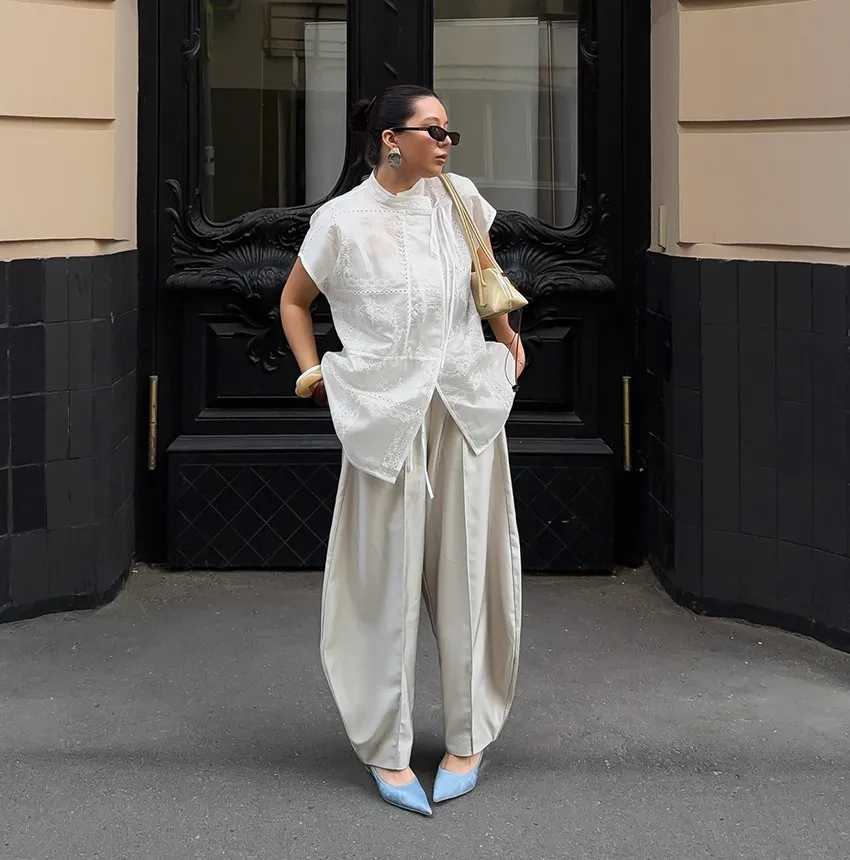
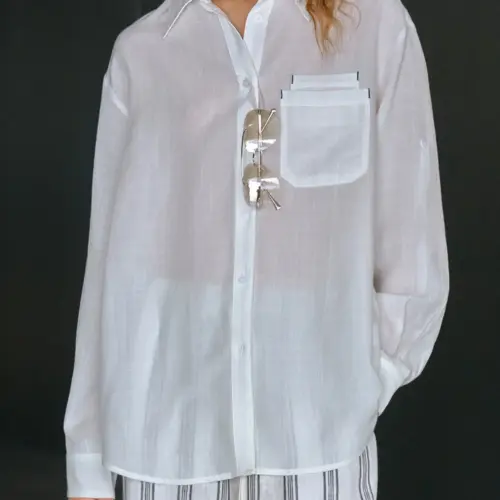
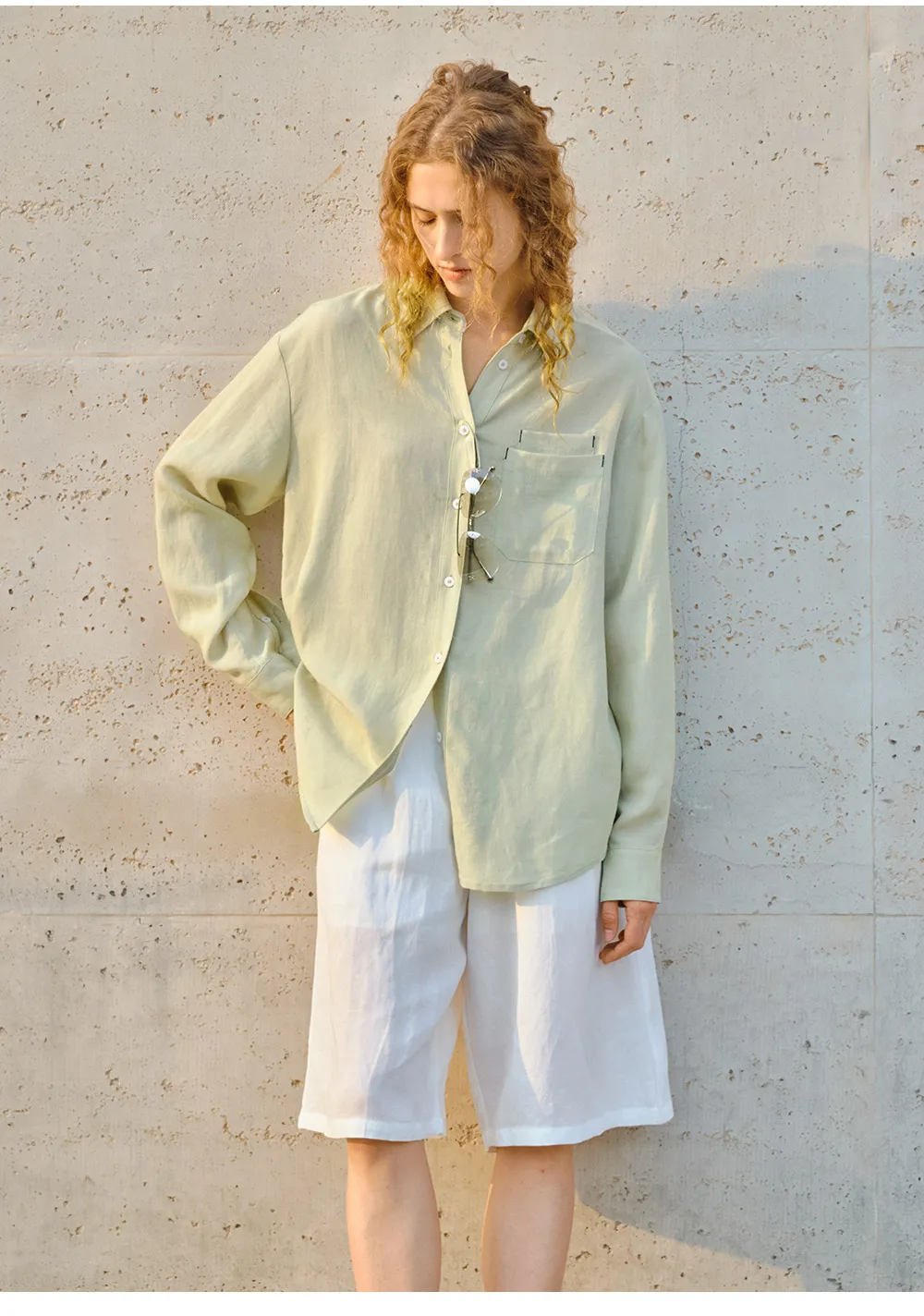
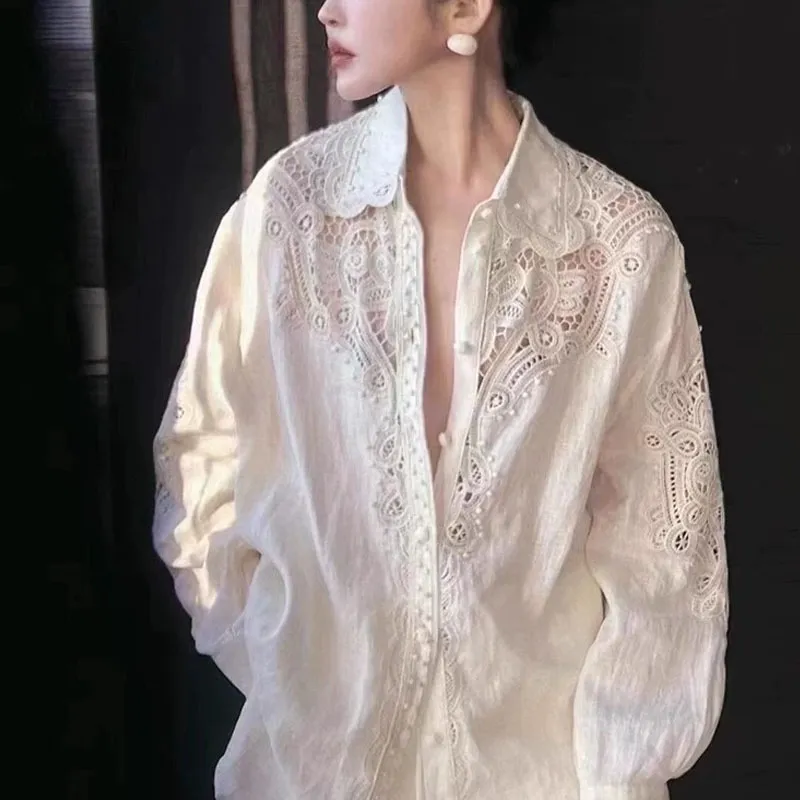
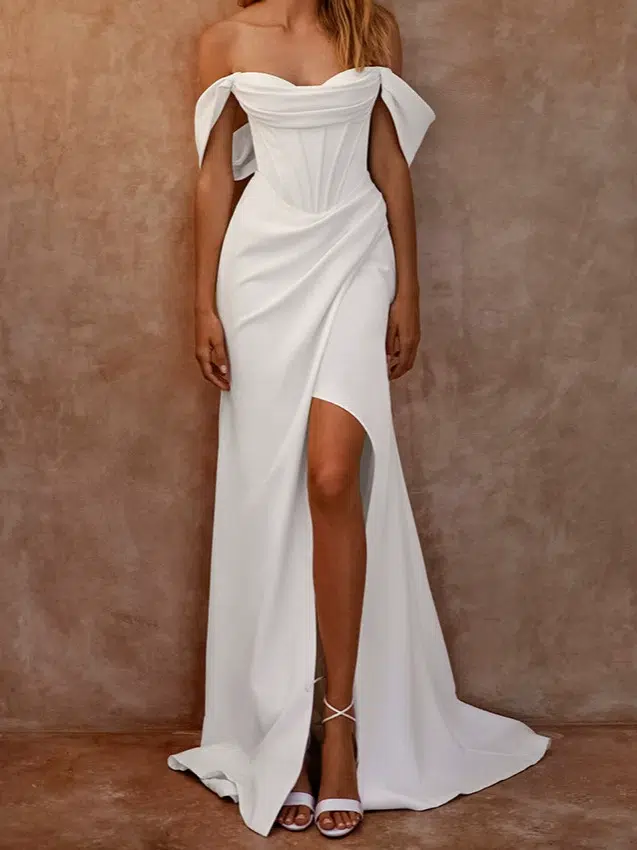
Solía comprar ropa "segura", pero luego me sentía rara con ella. El problema no era mi gusto. Era que no conocía mis líneas, así que me vestía en contra de mi propia figura.
Los 13 Kibbe Los tipos de cuerpo son arquetipos de estilo basados en tu estructura ósea, carne y equilibrio general "yin-yang". Cuando identifico mi Kibbe tipo de cuerpo, Dejo de adivinar y empiezo a elegir siluetas que se adapten a mis líneas naturales.

Recuerdo la primera vez que hice un test de tipo corporal de Kibbe y me sentí más confundida que ayudada. Ese momento me impulsó a aprender el sistema con más calma, paso a paso, para poder finalmente confiar en lo que veía en el espejo.
¿Qué mide realmente el sistema de clasificación corporal de Kibbe?
Antes pensaba que "tipo de cuerpo" se reducía a las medidas de busto, cintura y cadera. Eso me llevó a perseguir un objetivo equivocado. Seguía ajustando las medidas, pero aún así me sentía "rara" con la ropa.
Mucha gente lo llama test de Kibbe, pero no es una calculadora estricta de tipo de cuerpo. Es una forma de interpretar las líneas generales de tu cuerpo, no un problema matemático.

La idea central: el yin y el yang en las líneas de ropa.
Cuando hablo de “yin y yang”, me refiero a la mezcla visual de suavidad y nitidez en mi encuadre. Algunos cuerpos muestran una longitud más angular. Otros, una curva más redondeada. La mayoría muestra una mezcla. El sistema de David Kibbe transforma esa mezcla en 13 identidades de imagen, también llamadas arquetipos de Kibbe o ID de Kibbe.
Los 13 tipos de cuerpo de Kibbe de un vistazo
Tengo esta sencilla lista a mano cuando realizo la escritura Kibbe:
- Dramático (D)
- Drama suave (SD)
- Natural Flamboyant (FN)
- Suave Natural (SN)
- Clásico dramático (DC)
- Clásico suave (SC)
- Gamine extravagante (FG)
- Gamine suave (SG)
- Romántico teatral (TR)
- Romántico (R)
Y en muchas guías modernas, también veo que se discuten como parte del conjunto completo de enseñanzas de “13”:
- Clásico (C) como punto central conceptual referencia de la gente
- Natural (N) como punto central conceptual referencia de la gente
- Gamine (G) como punto central conceptual referencia de la gente
Diferentes sitios presentan el “13” de forma ligeramente distinta, pero el objetivo práctico sigue siendo el mismo: elijo una identidad de imagen que coincida con mis líneas, luego vestido para esa identidad.
Una estructura rápida que utilizo
| Lo que observo | A qué apunta | ¿Qué hago a continuación? |
|---|---|---|
| Impresión larga, aguda y estrecha | Más yang | Pruebo siluetas más limpias y rectas. |
| Impresión redondeada, suave y exuberante | Más yin | Pruebo formas y caídas más suaves. |
| Impresión equilibrada y uniforme | Equilibrio clásico | Pruebo líneas moderadas y personalizadas |
| Impresión compacta y mixta | Mezcla Gamine | Pruebo líneas discontinuas y contraste |
| Impresión amplia y relajada | apertura natural | Pruebo formas y texturas sencillas. |
Esto me ayuda a mantener los pies en la tierra cuando la pregunta "¿qué tipo de cuerpo tengo?" empieza a convertirse en una espiral de pensamientos excesivos.
¿Cómo puedo saber mi tipo de cuerpo según Kibbe sin caer en la trampa de un test poco fiable?
He visto páginas con "tests gratuitos sobre tipos de cuerpo" que prometen resultados instantáneos. Las probé, pero a menudo me hacían obsesionarme con una etiqueta en lugar de ver mi verdadera figura.
El test de tipo corporal de Kibbe funciona mejor cuando se utiliza como una práctica de observación, no como una puntuación. Por eso, las listas de verificación al estilo del “test de David Kibbe” pueden resultar engañosas.

¿Por qué falla el test común de tipo corporal de Kibbe?
Muchos cuestionarios se centran en rasgos individuales: hombros, caderas, rostro o altura. Pero Kibbe considera la imagen completa. Cuando aíslo una parte, puedo llegar a cualquier conclusión. También he notado que los cuestionarios suelen abusar de la lógica del "reloj de arena", que no es lo mismo que la curva de Kibbe.
Mi sencillo método de “prueba de Kibbe” en casa
Paso 1: Busque el titular.
Me aparto y pregunto: ¿Leo como largo, amplio, equilibrado, compacto, o redondeado?
Paso 2: Verifique la estructura antes de los detalles.
La estructura ósea suele ser la base. Me fijo en los hombros, la línea vertical y cómo me queda la ropa.
Paso 3: Confirma con la ropa puesta, no con selfies.
Me pruebo dos conjuntos opuestos. Si uno me sienta bien, ese resultado importa más que cualquier calculadora de tipo de cuerpo.
Una práctica minitabla de verificación
| Pregunta del cuestionario que ignoro | Mejor pregunta que uso | Por qué ayuda |
|---|---|---|
| “¿Tienes las caderas anchas?” | “¿Lees una variedad amplia de temas?” | Las partes individuales mienten |
| “¿Tienes curvas?” | “¿Es necesario dar forma a la tela para que quede bien?” | La curva es funcional. |
| “¿Eres alto?” | “¿Tienes una línea vertical fuerte?” | La altura no es lo mismo que la vertical. |
Cuando alguien me pregunta "¿cuál es mi tipo de cuerpo según Kibbe?", le digo lo siguiente: la mejor prueba para determinar el tipo de cuerpo según Kibbe es la que se realiza con ropa real y una mirada tranquila.
¿Cómo se ve cada uno de los 13 arquetipos de Kibbe en cuanto a vestimenta?
Antes quería una tabla de tipos de cuerpo Kibbe que me dijera exactamente qué comprar. Pero el sistema no es una lista de compras. Es un filtro de silueta.
Una vez que comprendí eso, los 13 tipos de cuerpo dejaron de parecerme etiquetas. Se convirtieron en pautas de estilo que me ahorraron tiempo.

Las 5 “familias” que utilizo para mapear los 13 tipos
Familia dramática (D, SD)
Estos tipos suelen verse mejor cuando las líneas se perciben intencionadas. Para el tipo D, pienso en líneas elegantes y rectas. Para el tipo SD, pienso en líneas elegantes con formas que favorezcan las curvas.
Familia natural (FN, SN)
Estos tipos suelen verse mejor con prendas holgadas y de corte relajado. El tipo FN tolera mejor prendas más llamativas y largas. El tipo SN suele necesitar suavidad y un corte delicado.
Familia clásica (DC, SC)
Estos tipos suelen verse mejor cuando la ropa es uniforme y equilibrada. DC tiende a ser más definido. SC tiende a ser más suave. Evito los extremos en este caso.
Familia Gamine (FG, SG)
Estos tipos suelen verse mejor cuando los conjuntos son dinámicos y están divididos en partes. FG tiende a ser más definido. SG tiende a ser más suave. Utilizo contraste, largos cortos y detalles divertidos.
Familia romántica (TR, R)
Estos tipos suelen verse mejor cuando la ropa realza sus curvas y suavidad. TR puede aceptar un toque de glamour llamativo. R es más puramente suave y redondeada.
Una tabla de trucos con "líneas" (para tomar decisiones rápidas sobre la ropa)
| Familia Kibbe | Sensación de línea óptima | Punto de partida para un atuendo sencillo |
|---|---|---|
| Dramático | Recto, limpio, largo | Chaqueta larga + pantalón ajustado |
| Natural | Abierto, fácil, texturizado | Chaqueta informal + jersey sencillo |
| Clásico | Uniforme, a medida, moderado | Blazer + falda/pantalón recto |
| Chica joven | Compacto, roto, contraste | Chaqueta corta + cintura alta |
| Romántico | Curvado, drapeado, moldeado | Top cruzado + falda ajustada |
Así es como traduzco el "análisis del tipo de cuerpo Kibbe" a elecciones de ropa sin quedarme paralizada frente a mi armario.
¿Cómo puedo usar mi tipo Kibbe para planificar un guardarropa real para el trabajo y para ir de compras?
Trabajo con ropa todos los días, así que sé lo fácil que es comprar de más. Antes pensaba que más opciones significaban mejor estilo. Pero solo hacía que tomar decisiones fuera más difícil.
Cuando utilizo el sistema de clasificación Kibbe como si fuera un sistema de vestuario, compro menos prendas y las uso más. Ese es el verdadero éxito.

Construye una “cápsula de Kibbe” en 3 capas.
Capa 1: Tu mejor silueta
Elijo una silueta que se repita. Por ejemplo, si me inclino por el estilo Natural, podría repetir escotes abiertos y una estructura relajada. Si me inclino por el estilo Clásico, repetiré cortes equilibrados.
Capa 2: El mejor comportamiento de la tela
Presto atención a cómo cae la tela. Algunos tipos de Kibbe se ven mejor con telas rígidas. Otros se ven mejor con telas con buena caída. Por eso, dos personas pueden usar el mismo vestido y obtener resultados diferentes.
Capa 3: Tu mejor escala de detalle
Los detalles son el toque final. En algunos marcos, los detalles pequeños pueden pasar desapercibidos; en otros, los detalles demasiado grandes pueden eclipsar a los demás. Adapto el tamaño de los detalles a mi presencia general.
Una tabla de decisiones fácil de usar para el comprador que realmente utilizo.
| Decisión de compra | Lo que reviso | Lo que evito |
|---|---|---|
| Chaqueta | Línea de hombros + largo | Un corte de pelo "de moda" que va en contra de mi figura. |
| Vestido | necesidades de modelado de cintura | Obligar a usar un vestido ajustado o un vestido saco. |
| Prendas de punto | Caída versus rigidez | Fuerte aferramiento si distorsiona mis líneas |
| Huellas dactilares | Escala versus mi presencia | Letra pequeña que se ve recargada en mi piel. |
Si te dedicas a la búsqueda de proveedores, esto también es importante. Cuando diseño o selecciono estilos para diferentes mercados, pienso en siluetas compatibles con la clasificación Kibbe. Así, una compradora como María puede encontrar el estilo perfecto para cada cliente más rápidamente, con menos devoluciones y menos quejas.
Cómo se lo explico a un comprador en una sola frase.
Yo digo: “Tu tipo de cuerpo Kibbe no es un forma del cuerpo Resultado del cuestionario. Es un mapa de ajuste y líneas que nos indica qué siluetas se venden mejor tanto en ti como en tus clientes.”
Eso hace que el sistema Kibbe sea práctico, no místico.
Conclusión
Cuando aprendo los 13 arquetipos de Kibbe como líneas y comportamiento de las telas, el test de tipo de cuerpo de Kibbe deja de ser un juego de adivinanzas y se convierte en una forma sencilla de vestir con confianza.
Por qué escribo esto
Soy Lancy Chia de Truekung en China. Dirijo una fábrica de ropa al por mayor con más de 200 empleados, que ofrece servicios OEM/ODM y prendas listas para usar a marcas internacionales y supermercados. Si desea un plan de producto compatible con la metodología Kibbe para su mercado, escríbame a [email protected] o visite https://truekung.com.
Visitas: 640