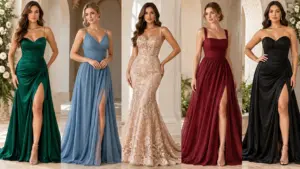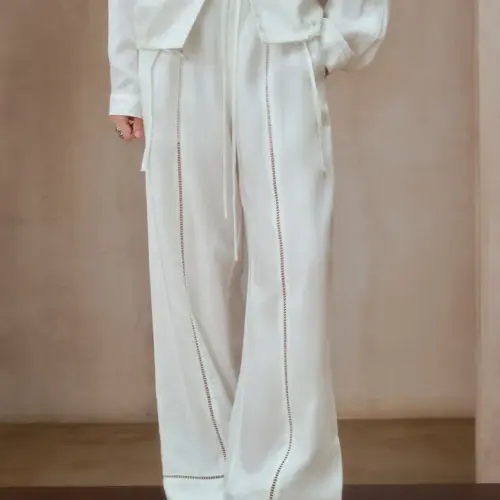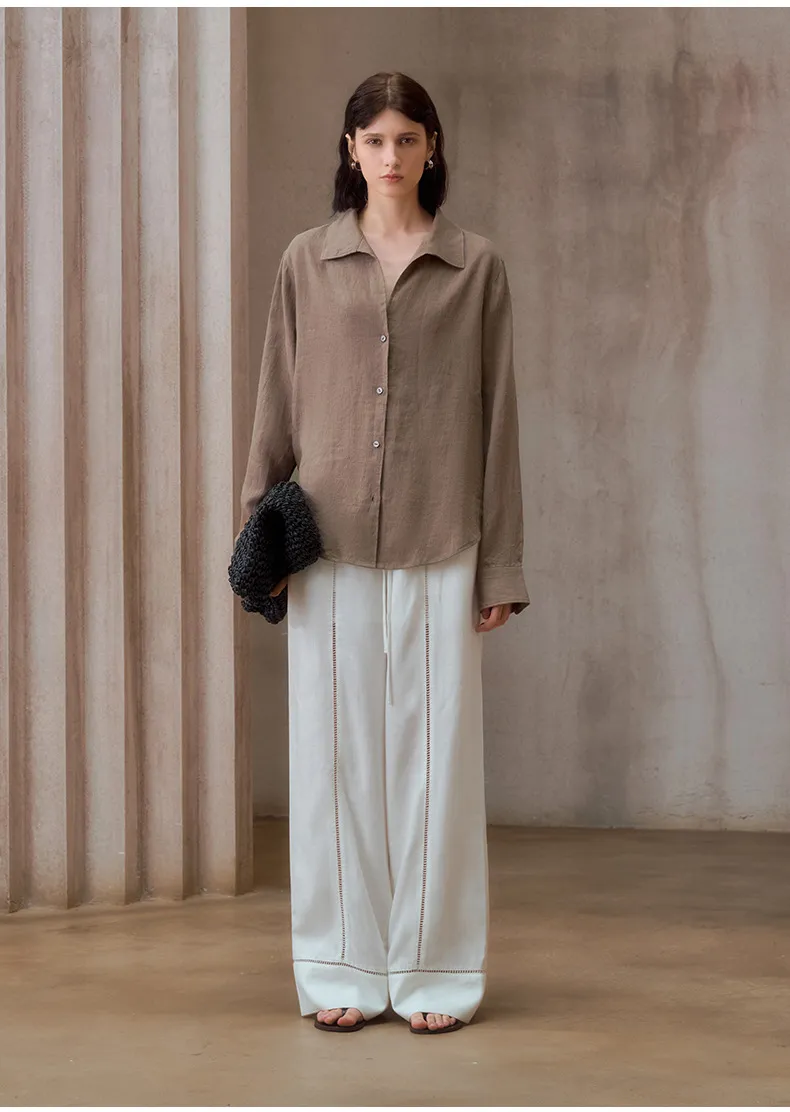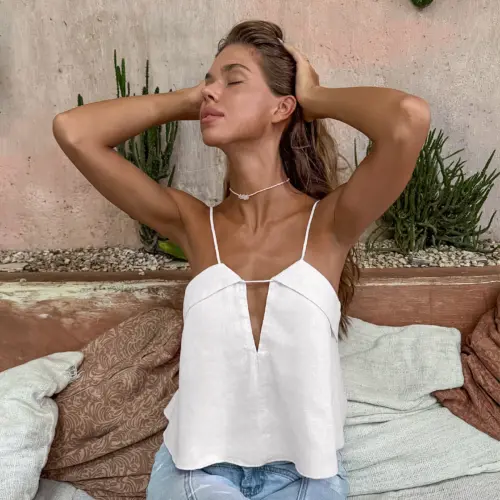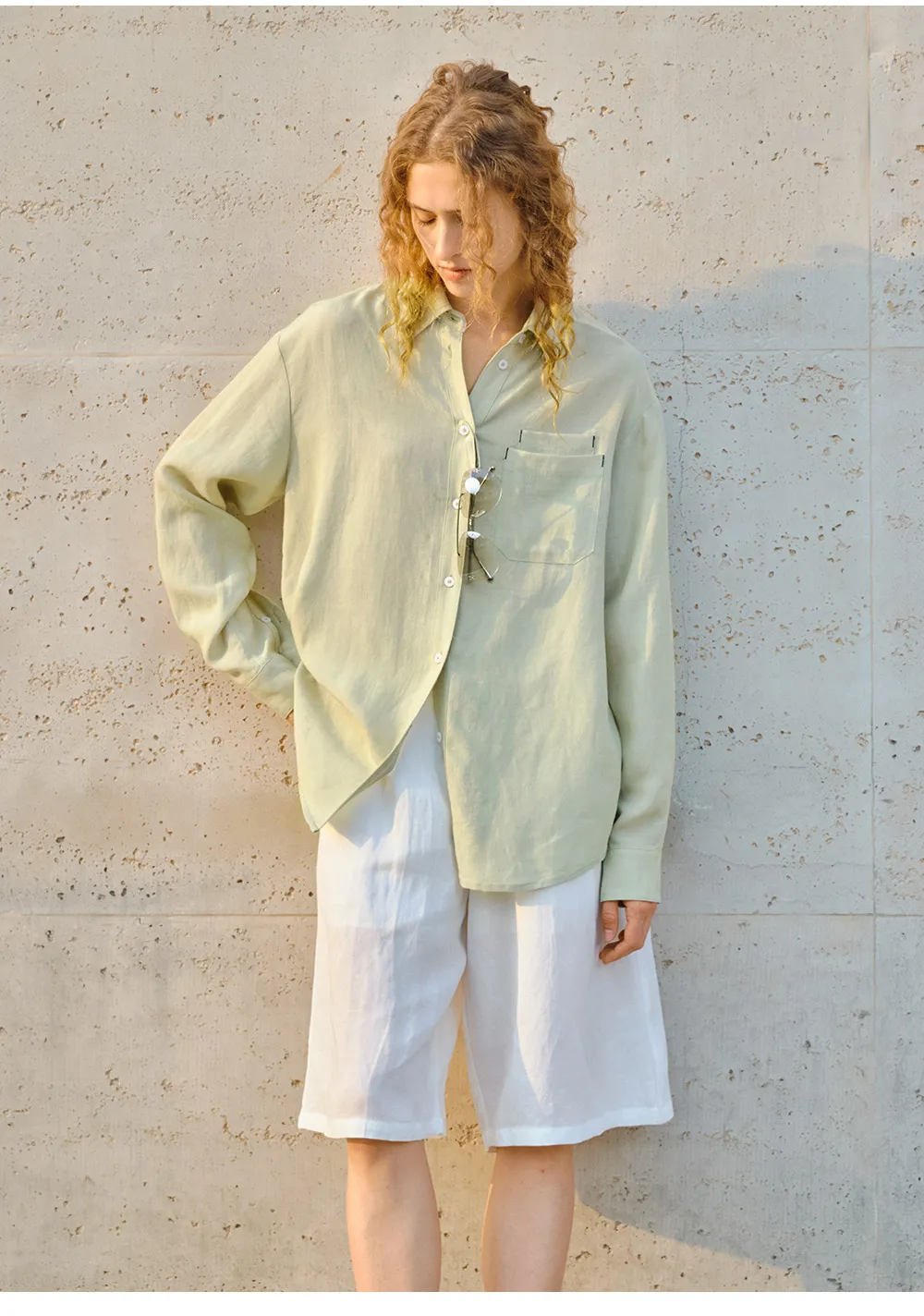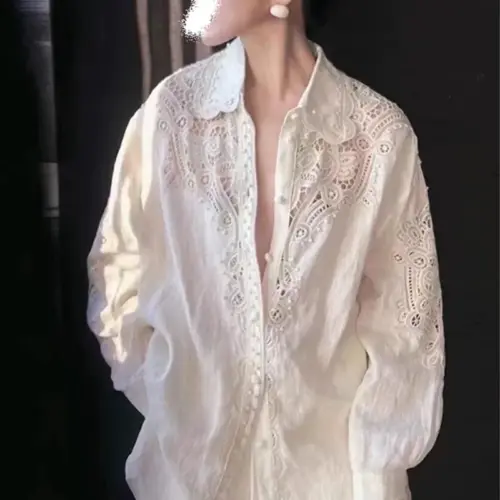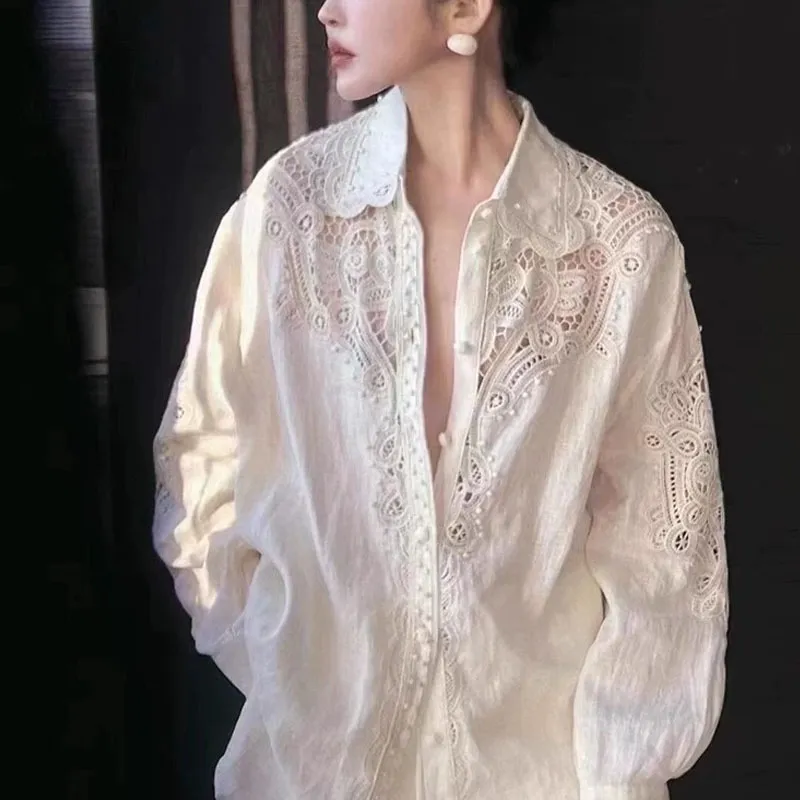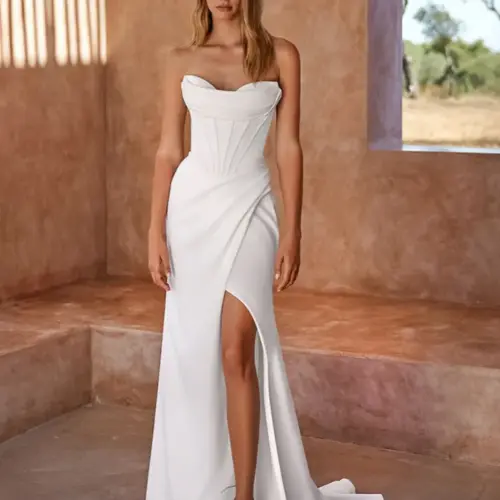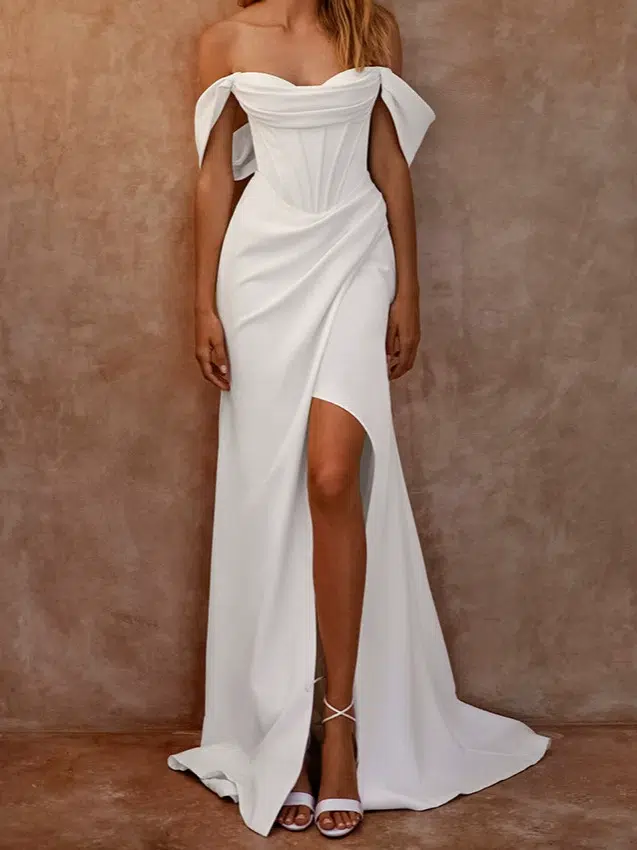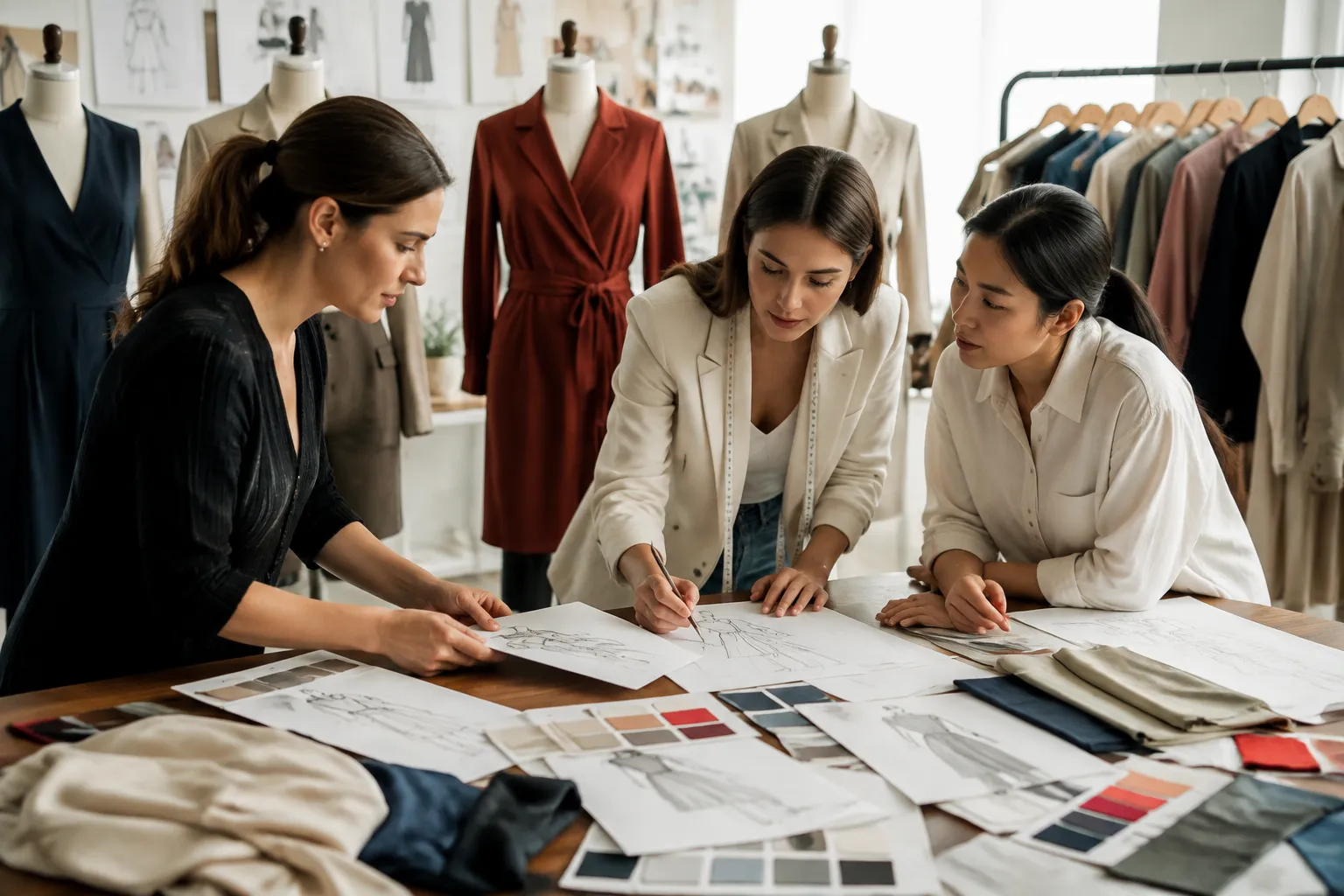


Introduction
For fashion brands, creating a successful clothing collection is not only about following the latest trends. The key is designing garments that make customers feel confident, comfortable, and satisfied.
One of the biggest challenges for fashion companies is developing dresses that fit different body shapes and customer preferences.
A design that looks attractive on a mannequin may not always provide the best experience for real customers. Factors such as body proportions, fabric characteristics, garment structure, and fitting standards all influence the final result.
As an experienced OEM and ODM clothing manufacturer, TrueKung understands that successful apparel development requires more than creative ideas. It requires professional knowledge in:
- Fabric selection
- Pattern development
- Sample fitting
- Size grading
- Production quality control
In this guide, we will share how fashion brands can develop dresses that meet the needs of different customers and improve product competitiveness.
Why Body Shape Matters in Dress Design
Customers do not simply buy dresses because of appearance. They choose clothing that helps them:
- Feel confident
- Look attractive
- Move comfortably
- Match their lifestyle
For fashion brands, understanding body shape preferences can help:
- Reduce product returns
- Improve customer satisfaction
- Build stronger collections
- Increase repeat purchases
During the product development process, professional clothing manufacturers usually consider:
- Shoulder width
- Bust proportion
- Waist position
- Hip measurement
- Dress length
- Fabric flexibility
These details directly influence the fit and commercial success of a garment.
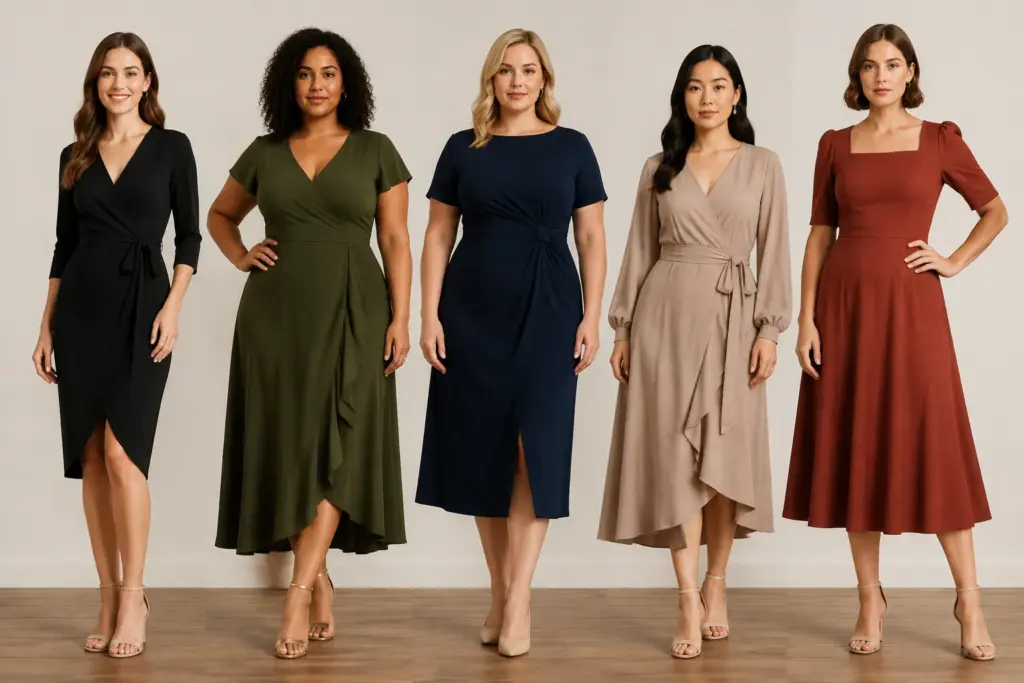
Common Body Shapes and Dress Development Considerations
1. Hourglass Shape: Highlighting Natural Proportions
Customers with an hourglass body shape usually have:
- Balanced shoulders and hips
- A defined waistline
- Natural curves
For this customer group, brands often develop dresses that highlight the waist and maintain comfort.
Popular design solutions include:
- Wrap dresses
- Fitted waist dresses
- Belted styles
- Structured silhouettes
From a manufacturing perspective, fabric selection is important. Materials with good stretch recovery can help maintain shape while improving wearing comfort.
Common fabric choices include:
- Stretch jersey
- Ponte knit
- Cotton blends
- Soft tailoring fabrics
2. Pear Shape: Creating Upper and Lower Balance
Pear-shaped customers typically have:
- Narrower shoulders
- Fuller hips
- More volume in the lower body
Fashion brands often create balance through design details.
Common solutions include:
- Statement sleeves
- Detailed necklines
- A-line skirts
- Flowing silhouettes
For manufacturers, pattern adjustment is especially important because customer body proportions vary across different markets.
A professional factory will usually develop prototypes and fitting samples before bulk production.
3. Apple Shape: Combining Comfort and Structure
Apple-shaped customers often prefer dresses that provide:
- Comfortable waist areas
- Elegant draping
- A longer visual line
Popular styles include:
- Empire waist dresses
- Relaxed-fit dresses
- Draped dresses
- Straight silhouettes
Fabric plays an important role in achieving the right appearance.
Lightweight and flowing materials can create a premium look while maintaining comfort.
Recommended fabrics:
- Chiffon
- Viscose
- Soft polyester blends
4. Rectangle Shape: Adding Shape Through Design
Rectangle-shaped customers usually have a straighter body silhouette.
Brands can create more dimension through:
- Waist details
- Layering
- Ruffles
- Draping
- Asymmetric designs
For fashion companies, these design elements can also help products stand out in competitive markets.
5. Inverted Triangle Shape: Creating Visual Balance
Customers with an inverted triangle body shape usually have:
- Wider shoulders
- Narrower hips
Design strategies include:
- Softer shoulder structures
- A-line skirts
- Flowing lower sections
Avoiding excessive volume around the shoulders can create a more balanced appearance.
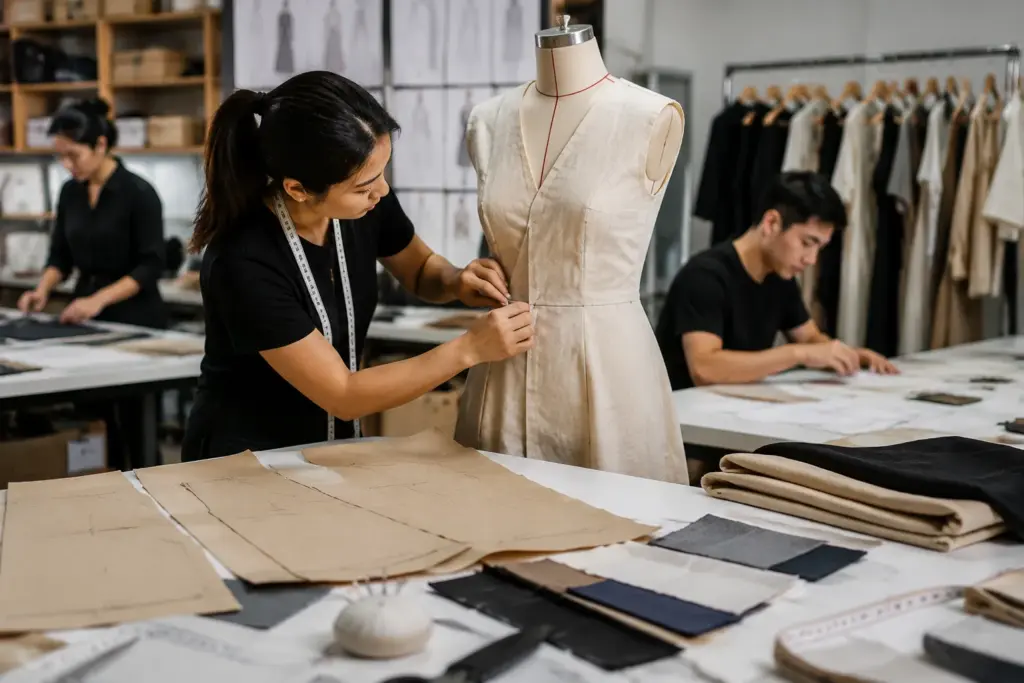
How Clothing Manufacturers Help Brands Develop Better-Fitting Dresses
Turning a fashion idea into a successful product requires professional manufacturing support.
A reliable clothing manufacturer can help brands throughout the entire development process.
1. Fabric Development and Selection
The same dress design can create completely different results depending on fabric choice.
Manufacturers help brands evaluate:
- Fabric weight
- Texture
- Stretch level
- Durability
- Cost efficiency
Choosing the right fabric ensures the final garment matches both design expectations and target market needs.
2. Pattern Making and Sample Development
Before bulk production, professional manufacturers create:
- Prototype samples
- Fitting samples
- Size sets
This process helps improve:
- Garment shape
- Comfort
- Measurement accuracy
- Production feasibility
3. Size Range Development
Different markets have different customer body proportions.
For example:
- European customers may require different sizing approaches compared with Asian markets.
- American brands often need wider size ranges.
Experienced manufacturers help brands develop suitable grading systems for their target customers.
4. Quality Control During Production
A beautiful design only creates value when production quality is consistent.
Professional garment factories control:
- Fabric quality
- Sewing details
- Measurements
- Color consistency
- Final finishing
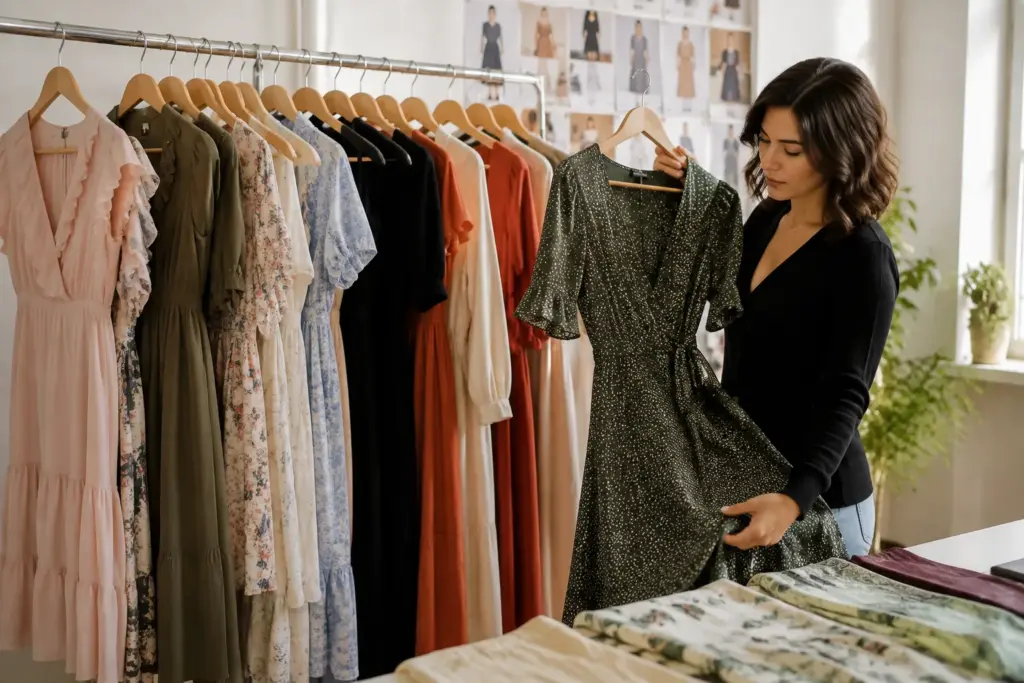
How Fashion Brands Can Create Dresses That Sell Better
Successful dress collections usually combine three important factors:
Market Research
Understand:
- Target customers
- Local fashion preferences
- Shopping habits
- Seasonal demands
Design Innovation
Develop products based on:
- Current trends
- Customer needs
- Market positioning
Professional Manufacturing
Work with a manufacturer who can support:
- Product development
- Sampling
- Bulk production
- Quality control
OEM and ODM Dress Manufacturing Services by TrueKung
TrueKung is a professional apparel manufacturer providing OEM and ODM clothing solutions for global fashion brands, wholesalers, distributors, and online retailers.
With manufacturing facilities in China and Cambodia, we have rich experience producing apparel for international markets including:
- Europe
- UK
- USA
- Russia
- South America
- Nordic countries
OEM Clothing Manufacturing
Our OEM process includes:
- Share your design ideas, sketches, or moodboard
- Develop suitable fabric options
- Create prototypes and fitting samples
- Produce bulk garments
- Deliver products to your destination
ODM Clothing Manufacturing
We also provide ODM solutions:
- Original garment designs
- Ready-to-customize collections
- Private label services
- Custom branding support
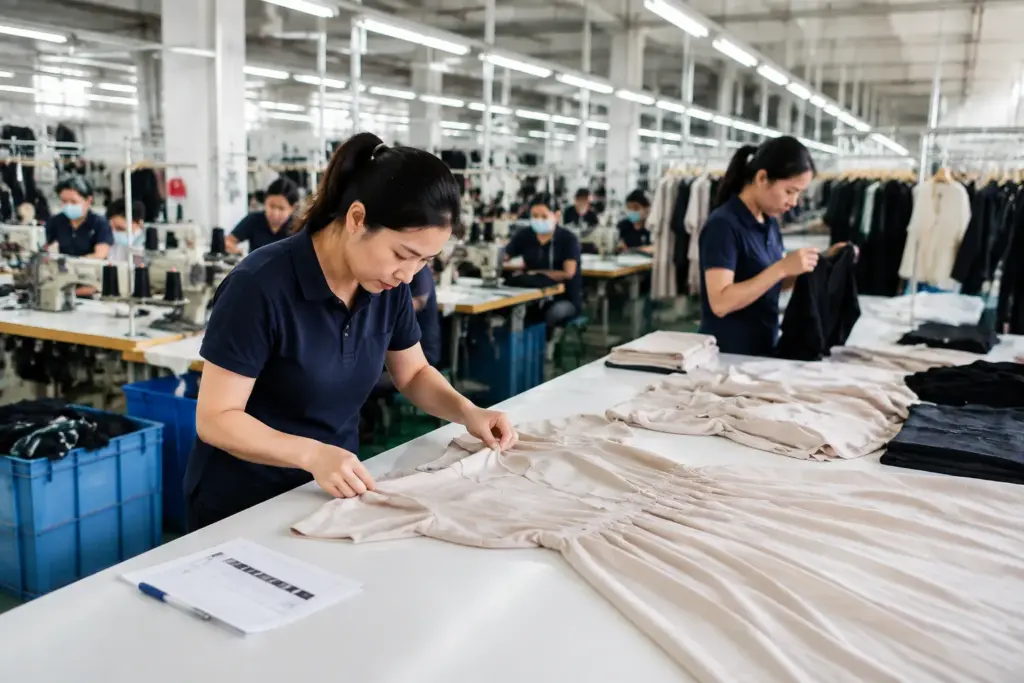
Why Work With TrueKung as Your Clothing Manufacturing Partner?
Choosing the right manufacturing partner can help fashion brands reduce development risks and improve product quality.
TrueKung provides:
- Professional apparel development experience
- OEM and ODM services
- Flexible production solutions
- International export experience
- Quality-focused manufacturing
We help fashion brands transform ideas into market-ready products.
Conclusion
Understanding different body shapes is essential for fashion brands that want to create successful dress collections.
Great apparel design is not only about appearance. It is about creating garments that fit real customers, provide comfort, and build brand value.
By partnering with an experienced OEM clothing manufacturer, brands can develop better products and create collections that meet market expectations.
If you are looking for a reliable partner for dress manufacturing or private label apparel production, TrueKung is ready to help bring your ideas to life.
Contact TrueKung today and discuss your next fashion project.
Views: 124