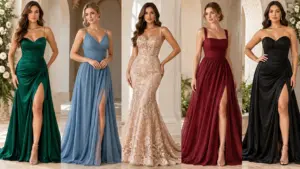
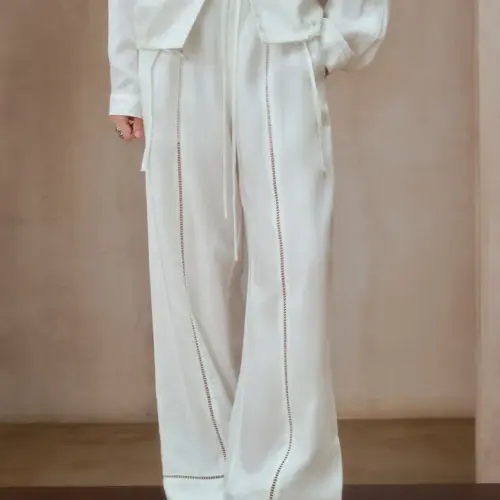
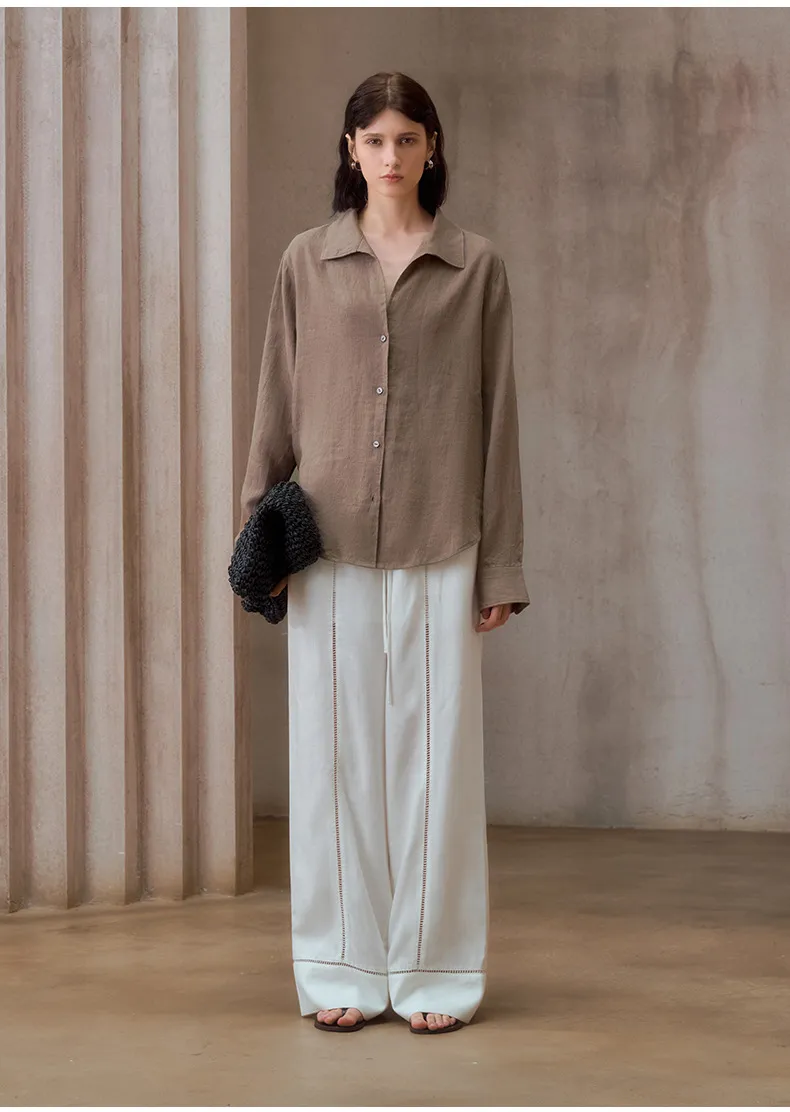
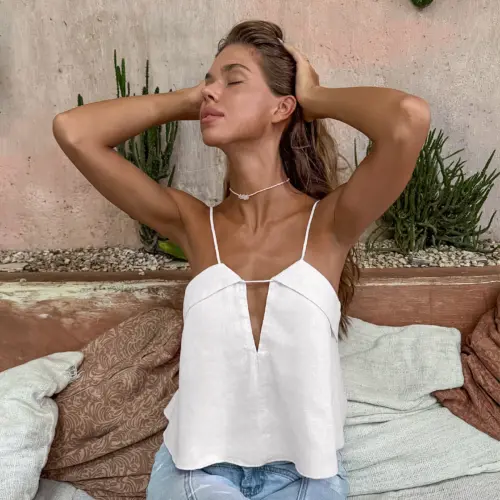
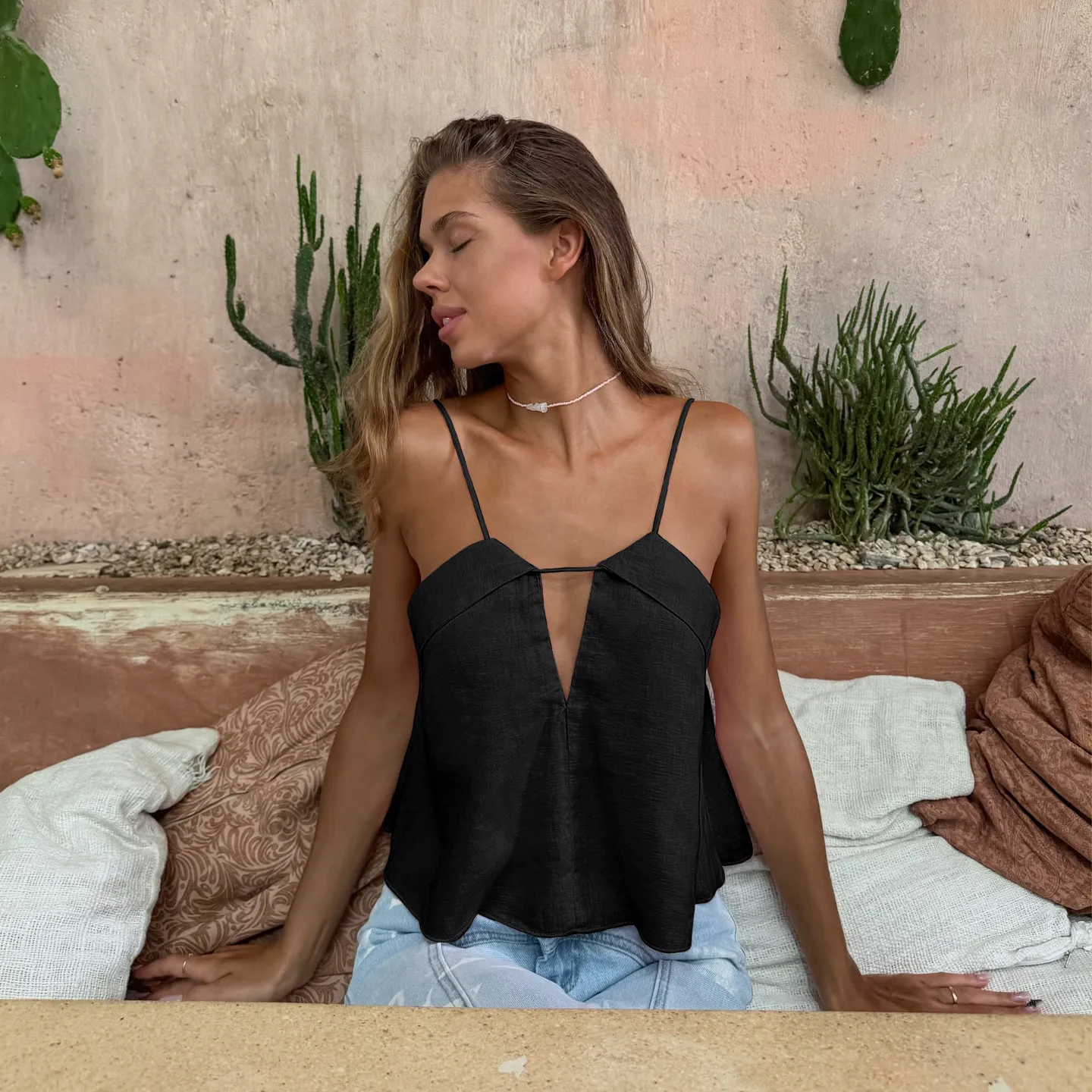
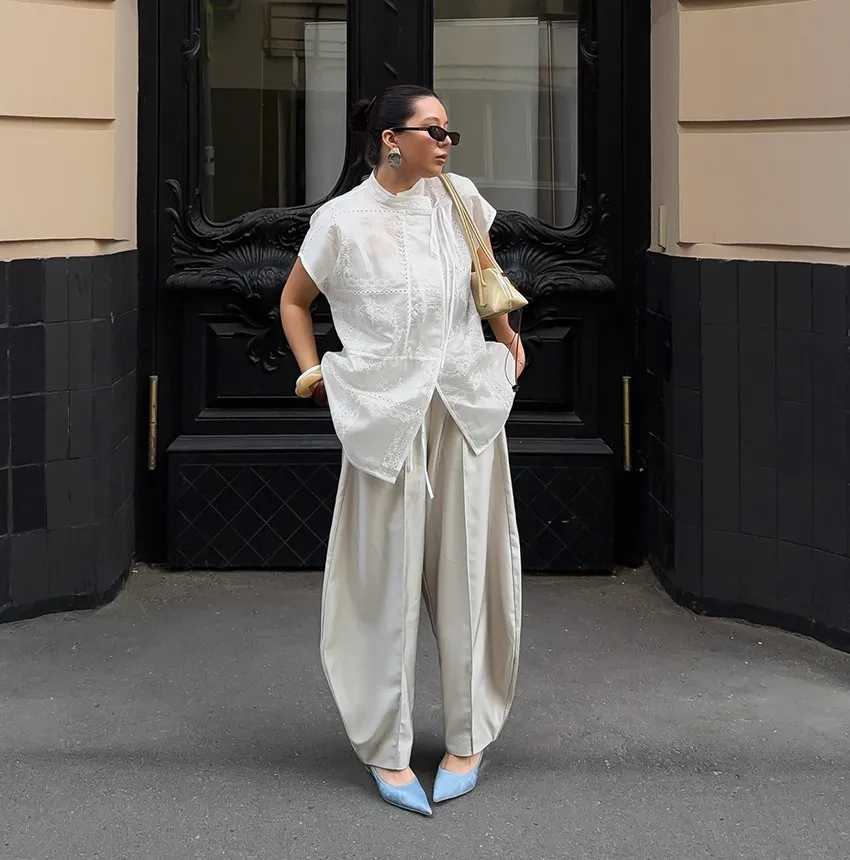
Generatie Z Ze willen er origineel uitzien, maar zijn tegelijkertijd bang om er verkeerd uit te zien. Die spanning zorgt voor snelle trendcycli, gemengde esthetiek en eindeloze zoektochten naar 'coole kleding'. merken”"die persoonlijk aanvoelen.".
Generatie Z koopt snel populaire merken die hun identiteit uitstralen, en laat ze vervolgens ook snel weer vallen. Ze combineren kleding van bekende merken met nieuwe merken en beoordelen kwaliteit, prijs en waarden tegelijkertijd.

Ik zie elk seizoen hetzelfde patroon. Een koper vraagt om degelijke basisstukken, waarna diezelfde koper me screenshots stuurt van een virale microtrend. Ik volg deze cyclus omdat het me inzicht geeft in de denkwijze van Generatie Z en hoe ik daar als fabriek en groothandel op moet reageren.
Welke populaire modemerken koopt Generatie Z daadwerkelijk, en waarom veranderen ze zo snel?
Consumenten van Generatie Z zeggen dat ze een hekel hebben aan fast fashion, maar ze willen wel elke week iets nieuws. Die kloof zorgt ervoor dat populaire tienermerken snel opkomen, maar ook snel weer verdwijnen.
Generatie Z koopt bij een mix van populaire modemerken, sportmerken en kledingmerken die via Instagram worden aangedragen, en ze stappen over wanneer hun feed verandert, omdat sociale bewijskracht sneller werkt dan merkloyaliteit.

Wat me opvalt als Gen Z zoekt
Ik analyseer zoekwoordpatronen omdat kopers zoals Maria die met me delen. De zoekopdrachten lijken rommelig, maar de intentie is duidelijk. Mensen typen 'beste kledingwinkels online', dan 'winkels zoals Hollister', dan 'winkels vergelijkbaar met Brandy Melville', en uiteindelijk 'goedkope designerkleding'. Ik zie ook vreemde combinaties zoals Lucenno, en nu deze kleding, wiholl, zwarte kleding, kledingmerk, En pilaren kleding. Ik beschouw dit als signalen, niet als bewezen labels. Een naam verschijnt in de zoekresultaten omdat een bericht veel aandacht kreeg, of omdat een wederverkoper het product aanbood, of omdat een tiener ernaar vroeg in een reactie.
De paradox die ik in de productie beheer
Ik run een fabriek, dus ik leef in een wereld van compromissen. Generatie Z wil kwaliteit, maar ook een lage prijs en snelle levering. Ik kan twee van die dingen goed doen, maar drie tegelijk is lastig. Als ik haast, loop ik het risico op problemen met de stiksels en de stof. Als ik de productie vertraag voor testdoeleinden, loop ik het risico het seizoen te missen. Als ik de prijs te laag zet, gaat de stof minder stabiel en kleurecht.
| De eisen van Generatie Z | Wat het voor mij betekent | Wat ik doe om risico's te verminderen |
|---|---|---|
| “Goedkope merken” maar “goede kledingmerken” | prijsdruk met hoge verwachtingen | Specificaties van de stof vastleggen, krimp testen, AQL instellen |
| “Elke maand nieuwe kledingmerken. | kleine oplages, veel verschillende stijlen | modulaire patronen, gedeelde afwerkingen, snelle monstername |
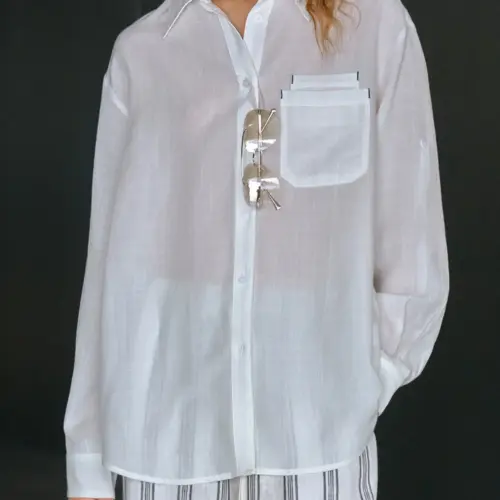
| “Trends in doorschijnende kleding | De stofkeuze is lastig. | Voeg opties voor voering toe en stel dekkingsnormen in. |
| “Comfortabele kledingmerken” | Het gevoel in de hand is belangrijk. | enzymwassing, zachtere garens, draagtests |
Ik deel deze tabel met inkopers omdat het het gesprek realistisch houdt. Als Maria bijvoorbeeld de snelheid van populaire jurkenmerken wil, laat ik haar zien waar de snelheid afneemt en waar de snelheid veilig blijft.
Waarom is Generatie Z het best gemengd? streetwear merken met preppy kledingmerken?
Generatie Z houdt van contrast. Generatie Z kan neutrale kleding combineren met een opvallend T-shirt met print, of een preppy kledingstijl met streetwear schoenen, en die mix geeft een gevoel van controle.
Generatie Z combineert merken als Stussy met preppy kledingmerken, omdat ze er door die mix zowel relaxed als stijlvol uitzien en tegelijkertijd verschillende subculturen kunnen uitstralen.

Wat "street" en "preppy" voor mij als leverancier betekenen.
Ik beschouw deze twee werelden nu niet meer als twee aparte werelden. Ik zie ze als een gedeelde garderobe met verschillende 'bovenlagen' van betekenis. Streetwear kan draaien om prints, oversized modellen en wijde pijpen. Preppy kan draaien om strakke lijnen, kragen en eenvoudige kleuren. Generatie Z kan één kledingstuk veranderen en de hele boodschap overbrengen.
| Stijl signaal | Streetwear-versie | Preppy versie | Veilige groothandelsaanpak |
|---|---|---|---|
| Fit | oversized hoodie, wijde broek | rechte chino's, getailleerde trui | Bied 2 pasvormen per stijl aan, niet 6. |
| Merkidentiteit | opvallende print op de borst, logo | kleine borduursels, patch | sta opties voor het eigen merk toe. |
| Kleur | zwart-witte kledingstukken, hoog contrast | marineblauw, crème, streep | Behoud de neutrale basiskleuren en voeg 2 trendkleuren toe. |
| Stof | zware jersey, fleece | gebreid, poplin, keperstof | Stem de stof af op het seizoen en was deze. |
Hoe ik collecties samenstel die trendschommelingen doorstaan
Wanneer ik een collectie voor een inkoper samenstel, maak ik onderscheid tussen 'identiteitsitems' en 'ondersteunende items'. Identiteitsitems zijn de items die de aandacht trekken op een foto. Denk bijvoorbeeld aan een collegejack, een sweatshirt met print of een rok met een opvallend silhouet. Ondersteunende items zijn de items die de identiteitsitems draagbaar maken. Denk hierbij aan T-shirts, basic truien en nette broeken.
Ik houd ook rekening met zoekopdrachten naar vergelijkbare winkels. Mensen zoeken naar "winkels zoals Abercrombie", "winkels zoals Madewell" en "merken zoals Zara", maar ze willen geen kopieën. Ze willen hetzelfde comfort, dezelfde prijsbeleving en dezelfde eenvoudige stijl. Ik kan kopers daarbij helpen door te kiezen voor duurzame stoffen, nette stiksels en duidelijke maataanduidingen.
Een kort verhaal dat ik mezelf vaak herhaal.
Ik herinner me een seizoen waarin ik een heel 'nette' preppy capsulecollectie lanceerde. De inkoper vond het mooi, maar de foto's op sociale media oogden wat vlak. Toen voegde ik er een streetwear-item aan toe, een kort jasje met een stevige rits en een wat zwaardere stof. De hele set begon te verkopen omdat het contrast de collectie een eigen karakter gaf.
Hoe kunnen kledingbedrijven aan Generatie Z verkopen zonder de prijzen tot het uiterste te verlagen?
Generatie Z vergelijkt alles binnen enkele seconden. Als mijn koper alleen op prijs verkoopt, zal een andere verkoper morgen een lagere prijs bieden. Ik heb een beter plan nodig, en dat bouw ik op met specificaties, bewijsmateriaal en snelheidsbeheersing.
Generatie Z reageert positief op kledingmerken die duidelijke kwaliteitssignalen afgeven, een goede prijs-kwaliteitverhouding bieden en consistente maten hanteren, zelfs als het merk nieuw is of via de beste online kledingwinkels wordt verkocht.

Wat ik kopers zoals Maria vertel
Maria hecht veel waarde aan kwaliteitscontrole, certificering, logistiek en betaalmethoden. Ze heeft ook een hekel aan slechte communicatie en vertraagde leveringen, en ze maakt zich zorgen over vervalste certificaten. Dat respecteer ik, omdat ik weet wat er gebeurt als het vertrouwen wordt geschaad. Daarom hanteer ik een eenvoudig systeem.
- Ik bevestig de stof en de fournituren schriftelijk.
- Ik deel opties voor laboratoriumtests om belangrijke risico's zoals pilling en kleurechtheid te beoordelen.
- Ik heb een productieplanning met controlepunten opgesteld.
- Ik laat de verpakkingsnormen en kartonmarkeringen al vroeg zien.
- Ik hanteer duidelijke en stabiele betalingsvoorwaarden.
Waar de waarde van Generatie Z werkelijk vandaan komt
Generatie Z praat over milieuvriendelijke kledingmerken, maar veel Gen Z-shoppers kopen nog steeds impulsief. Daarom focus ik op "praktische verantwoordelijkheid", niet op marketingclaims. Ik kan betere vezels, betere kleurstoffen en een betere afwerking gebruiken, en ik kan dat documenteren. Ik vermijd ook de pretentie dat elk product perfect is.
| Waardesignaal Generatie Z gelooft | Wat ik als fabriek kan leveren | Wat het merk zou moeten zeggen |
|---|---|---|
| “"Voelt duur aan"” | Betere stofkwaliteit, nette naden | Toon close-ups, toon wastests |
| “Past zoals op de foto” | stabiele sortering, consistente toleranties | Publiceer meetgegevens, toon modellen duidelijk. |
| “Geen oplichterij” | Echte documenten, traceerbare processen | Deel links naar certificeringen en batchinformatie. |
| “Niet saai” | één sterk detail per item | Houd de silhouetten eenvoudig, voeg één haakje toe. |
Hoe ik omga met de druk van "goedkope designerkleding".
Ik zie dat kopers vragen om "designerlooks" met een budget van een budgetmerk. Ik jaag niet op namaakluxe. Ik bied een moderne designstijl aan en ik bescherm de basis. Ik verkoop liever 3 sterke items dan 12 zwakke.
Ik plan ook de distributiekanalen. Een deel van de vraag van Gen Z komt van doorverkoop en drops, terwijl een ander deel van de vraag voortkomt uit alledaagse kleding. Als een koper de uitstraling van "top streetwearmerken" wil, raad ik kleinere oplages en snellere aanvullingen aan. Als een koper de schaal van "casual kledingmerken" wil, raad ik basisstijlen aan met geleidelijke veranderingen.
Een opmerking over kinderen en tieners
Zoekopdrachten zoals 'kinderkledingwinkels bij mij in de buurt', 'kledingwinkels voor tienermeisjes' en 'kleding voor tienerjongens' laten zien dat gezinnen gemak willen. Daarom zijn maatvoering en duurzaamheid belangrijk. Een tiener kan een aparte print wel vergeven, maar een ouder accepteert geen naden die na het wassen kromtrekken. Ik maak kleding voor jongeren met stevigere naden, veiligere afwerkingen en duidelijkere labels.
Conclusie
Generatie Z is op zoek naar identiteit, niet alleen naar producten. Ik win als ik duidelijke waarde, stabiele kwaliteit en een flexibele stijl creëer die zowel bij streetwear als bij preppy-stijlen past.
Waarom ik dit schrijf
Ik ben Lancy Chia en ik run Truekung in China. Ik heb een fabriek met meer dan 200 werknemers en ik richt me uitsluitend op B2B-groothandel. Ik lever kledingproducten en OEM/ODM-diensten aan merken en supermarkten wereldwijd. Ik heb 20 jaar ervaring in de productie en export van kleding voor de internationale handel. Ik produceer modieuze dameskleding, jassen, rokken, jurken, jeans, T-shirts, sweatshirts, donsjassen, windjacks, mantels, modetassen, sportkleding, kinderkleding en ondergoed. Ik exporteer naar markten zoals Nederland, Denemarken, België, Noorwegen, het Verenigd Koninkrijk, de VS, Duitsland, Australië, Thailand, Turkije, Italië, Rusland en Saoedi-Arabië.
Als je wilt praten over een lijn die klaar is voor Generatie Z en die echte kwaliteitscontrole heeft, kun je contact met me opnemen via [email protected], of je kunt https://truekung.com bezoeken.
Weergaven: 522