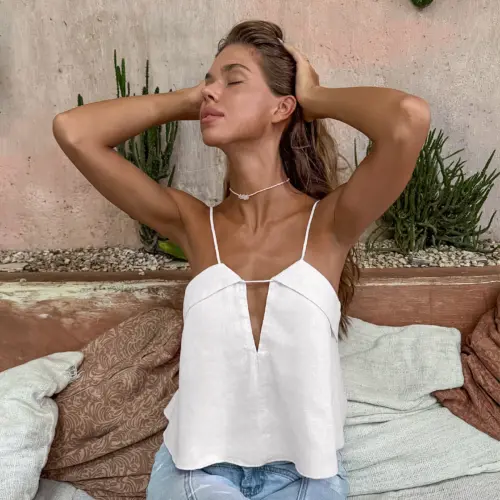
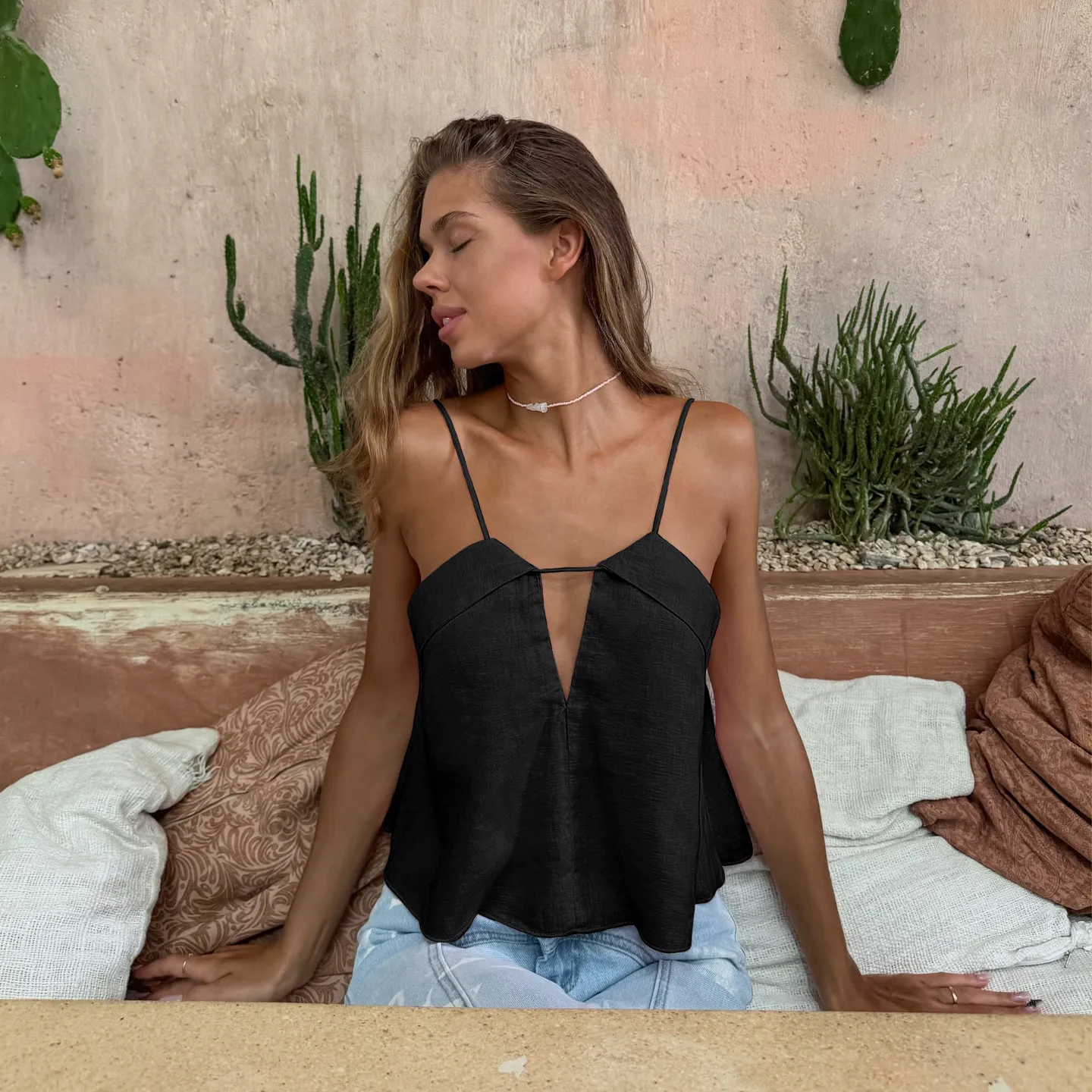
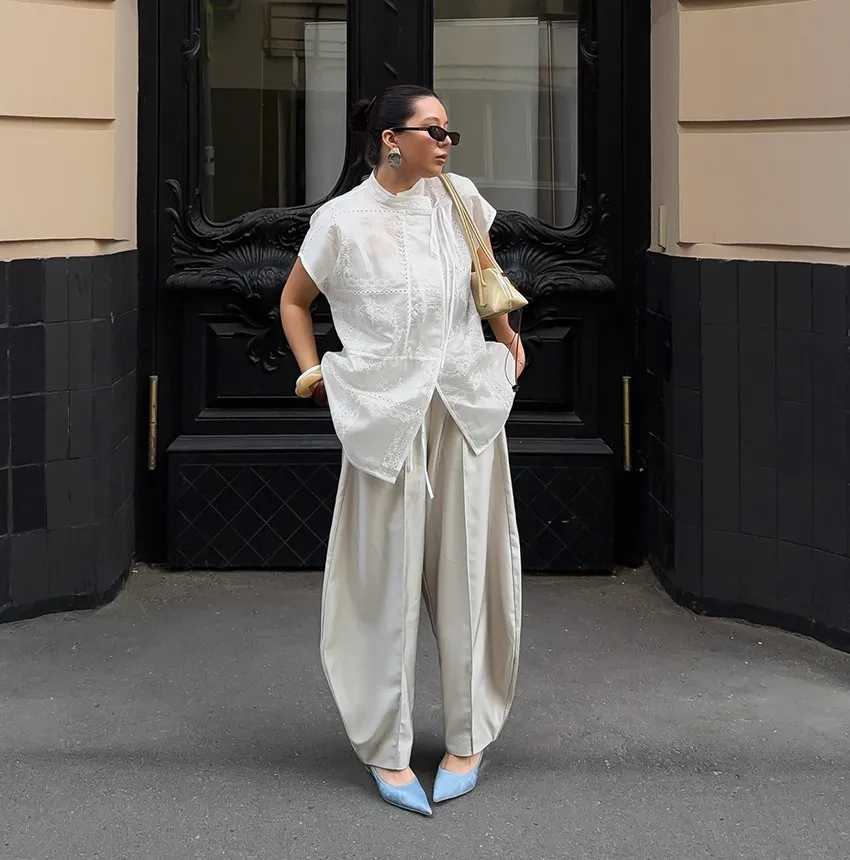
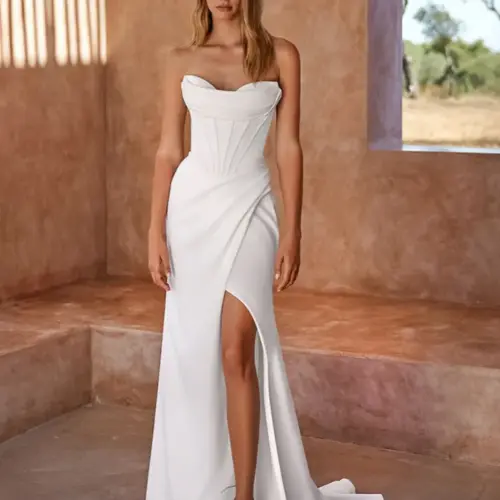
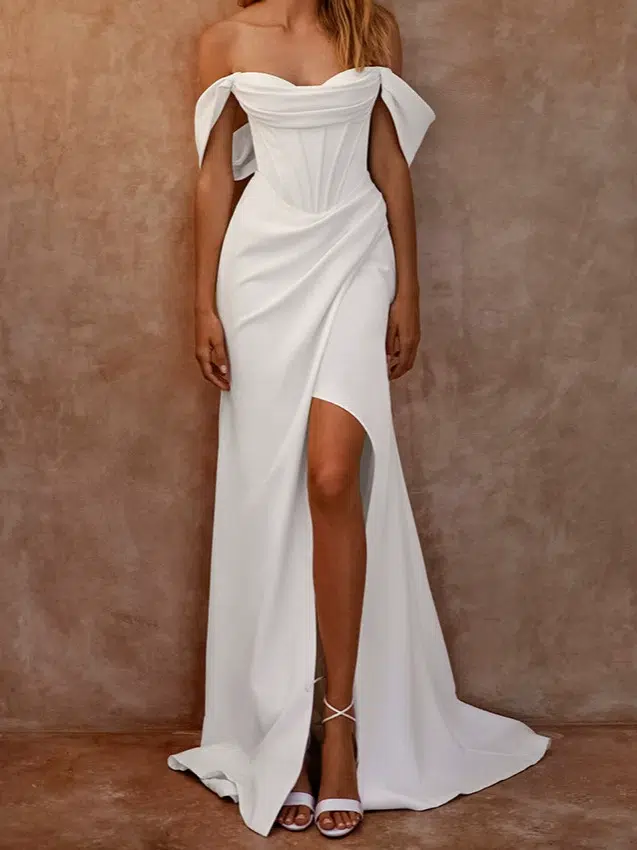
Trends change fast. If I bet on the wrong clothing brands, I sit on dead stock and miss the season, and that hurts cash flow.
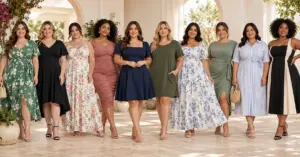
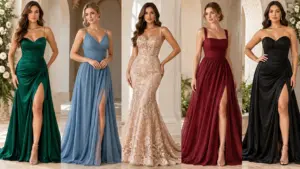
Clothing brands trend when they win on fit, fabric, and trust. I track fast sell-through, strong social buzz, and quick reorders at popular apparel stores. Then I map those signals to products like trendy dress clothes, trending fashion tops, and trending women clothes.

I used to think “trending brands” meant a big name and a loud logo, but my orders taught me a harder lesson. A trend is a pattern in what people buy again, post again, and ask for again. If I can read that pattern early, I can help a buyer win the season. If I miss it, I lose time, and time is the one thing I can never ship by air.
Which popular clothing brands are winning with women right now?
Maria once told me she could spot a hot clothing brand in five minutes, but she still got burned when the fit looked good and returns spiked.
Popular clothing brands for women win when they keep sizing stable, fabrics consistent, and styling easy to wear. I look for brands that sell “repeat basics” and add one fresh detail, like a new collar, a new wash, or a new skirt shape.

What I mean by “winning brands”
When I say “winning,” I do not mean the most famous cloth brand on a billboard. I mean the brands for women clothes that buyers can reorder without fear. In my factory work, that shows up as fewer fit complaints, fewer fabric disputes, and fewer rushed changes at the last minute. Many “new brands” look exciting, but the strong ones run like a system. They keep core items steady, and they refresh small parts each month.
The simple pattern I see in trendy wear for ladies
Trendy clothing for women often moves in waves. First, a “safe” silhouette gets popular. Then, a small twist goes viral. Then, stores copy it. I see it in trendy dress clothes, in jackets, and even in simple T-shirts.
| What I track | What it tells me | What I ask a buyer like Maria |
|---|---|---|
| Repeat reorder on basics | The brand has a stable fit | “Which core items sold out twice?” |
| Low return rate on dresses | The pattern and grading are solid | “Which sizes had the fewest returns?” |
| Fast restock online | Demand is real, not rumor | “How fast did you restock last time?” |
| Consistent fabric specs | QC is not a guessing game | “Do you have a fabric sheet and test plan?” |
My shortlist method for women’s apparel brands
I build a shortlist by category, not by hype. That keeps me calm when someone sends me a “viral clothing brands” video and says, “We need this tomorrow.” I split candidates into three groups:
- Core winners: modern women’s clothing that sells every month.
- Trend add-ons: trending fashion tops, trending women’s shirts, and one “hero” dress.
- Season anchors: jackets, coats, windbreakers, and down jackets that match the weather window.
If I had to pick one rule, it is this: I do not chase rumoured clothing. I chase proof. A “rumored brand” can be loud online, but a strong brand shows up in repeat purchase orders and clean QC records.
I have seen a small online shop sell out faster than a department store, and it made me nervous because the supply chain still moves at factory speed.
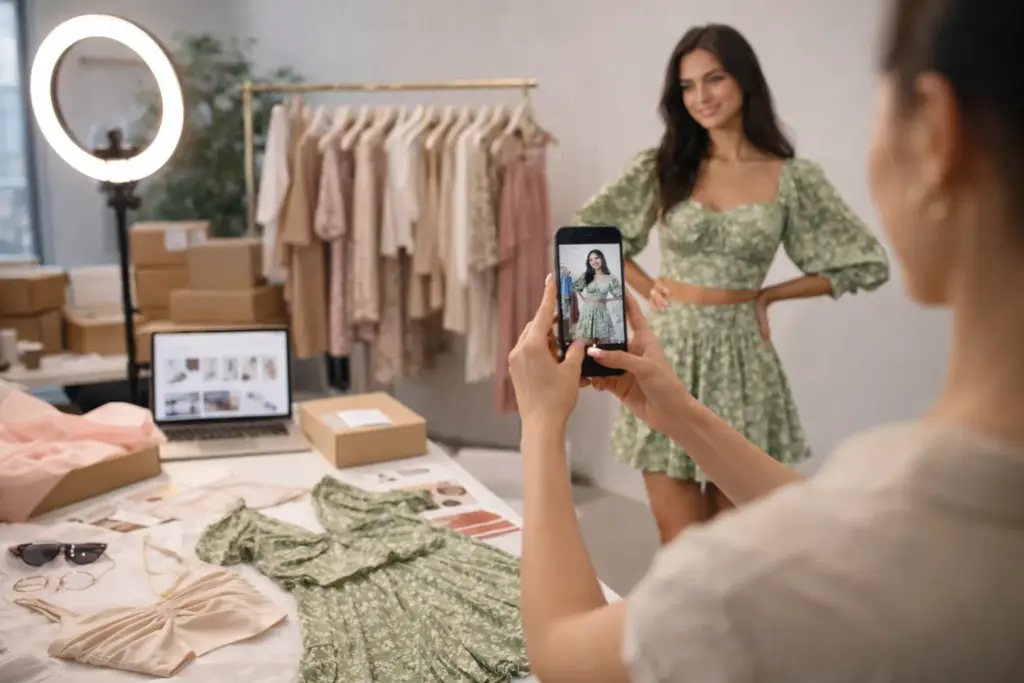
Trendy online boutiques start trends by testing fast and posting faster. They launch small drops, watch comments and saves, then reorder the winners. Viral clothing brands grow when the product is easy to show on video, like a trendy dress, a matching set, or a standout top.
The “drop” model and why it changes everything
A trendy clothing website does not need a 5,000-piece order to learn. It can test 100 pieces, then 300, then 1,000. That is why “popping clothing brands right now” can appear from nowhere. It is not magic. It is fast feedback. The same pattern shows up in streetwear and in trendy brands for young adults, where timing matters as much as design.
Some products are made for a hanger. Some are made for a camera. Viral growth needs camera-friendly details. I see this again and again:
| Product type | Why it goes viral | Production risk I watch |
|---|---|---|
| Trending fashion tops | Easy to style and film | Neckline stretching and color shift |
| Trendy dress clothes | “Before/after” try-on effect | Fit issues at bust and hip |
| Matching sets | Looks like a full outfit | Dye lot mismatch between pieces |
| Trendy T-shirts designs | Message is the content | Print cracking and shrinkage |
| New athletic clothing brands items | Performance claims | Fabric pilling and seam failure |
Where I look for early signals in real life
Online signals matter, but offline tells the truth. When I travel, I visit contemporary clothing stores and I look at what is front and center. I also learn a lot from local shopping areas in the US. People search for “clothing stores in San Luis Obispo,” “clothing boutiques Santa Barbara,” “clothing stores in Santa Barbara CA,” “clothing stores in Ojai,” and “clothing stores in Seattle” because those towns often show the mix of casual and polished that buyers need. The display tells me what the store believes will sell next week, not next year.
How I handle “hype clothing brands” requests
When a buyer asks for hype clothing brands, I do not say yes right away. I ask for three proofs: a product link, a size chart, and a fabric description. If those are missing, it is often just noise. If those are clear, we can build a safe version of the trend with better QC and a better delivery plan. That is how I turn hype into a stable “new brand clothing” program.
How do I source trending clothes without missing the season?
I have shipped perfect samples that arrived too late, and I still remember the buyer’s silence when the sales season was already over.
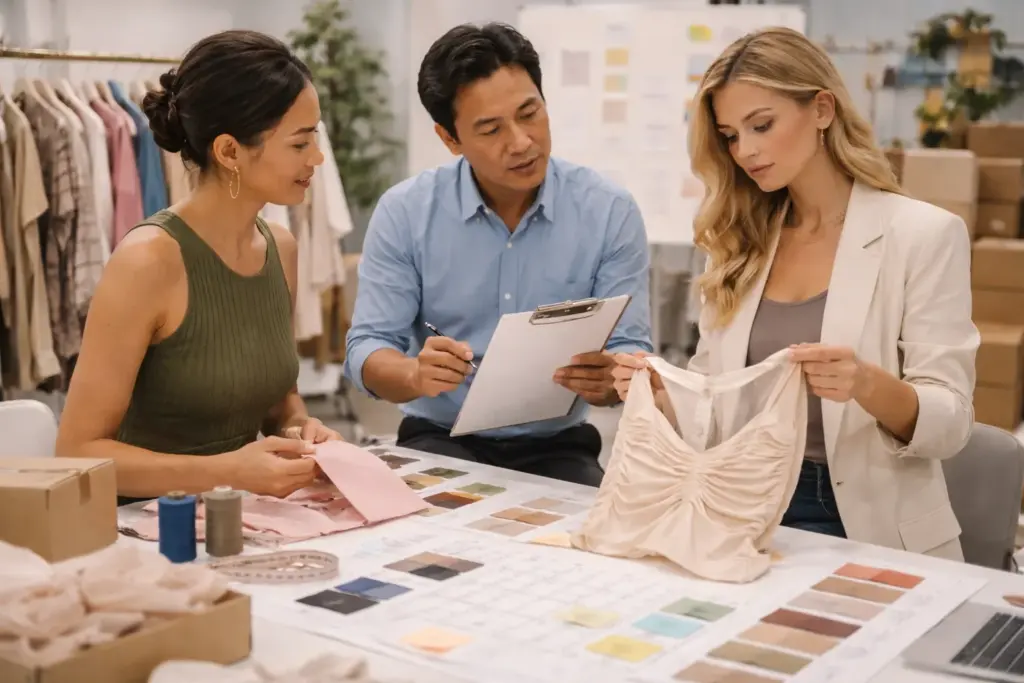
To source trending clothes on time, I lock the “no-change” parts early, like fabric and sizing, and I leave small style details flexible. I also use a clear timeline with checkpoints for QC, packaging, and logistics so trending women’s clothing brands do not miss launch dates.
The calendar I use with buyers
Time kills trends, not taste. So I run a simple calendar that a buyer can read in one minute. I keep it boring on purpose, because boring plans ship on time.
| Stage | What gets approved | What can still change |
|---|---|---|
| Week 1 | Fabric, trims, size chart | Color options (within fabric limits) |
| Week 2 | Fit sample and grading | Small details like pocket shape |
| Week 3 | Pre-production sample | Label, hangtag, packaging layout |
| Week 4+ | Bulk cutting and sewing | Minor stitching detail only |
The sourcing checklist that protects Maria’s season
Maria is sensitive to quality, and she is also price-aware. That mix is normal. So my checklist protects both. It keeps the deal fair, and it reduces surprises.
Quality control
I do not accept “trust me” as a plan. I want measurable checks. For dresses, I check seam strength and shrinkage. For jeans, I check wash stability and color rub. For jackets and coats, I check filling specs and hardware. If the buyer asks for certifications, I verify them, and I keep records. I have seen suppliers forge certificates, so I treat documents like products. They must pass inspection.
Logistics and payment
Trends do not wait for shipping delays. So I plan shipping from the start. If the buyer needs fast arrival, we plan partial shipments. If the buyer needs lower cost, we plan sea freight earlier. Payment terms must match the risk. Clear deposits and clear balance terms reduce conflict, and conflict is the fastest way to miss a season.
Price without cheap shortcuts
Some buyers search “cheap clothing line” and they mean “efficient.” I respect that. Efficient means fewer changes, stable fabric, and clear packing. It does not mean weak seams or poor dye. I can lower cost by improving process, not by hiding problems. That is how I keep “good quality dresses for cheap” in the realistic zone, not in the fantasy zone.
A note on department stores and big chains
Many buyers still benchmark against trendy department stores and popular apparel stores. Some compare women’s clothes at Macy’s, clothes at Kohl’s, or even Walmart trending clothes. I do not copy those stores. I learn from their discipline. They win because they control specs, delivery windows, and supplier management. I apply that discipline to smaller brands too, including millennial clothing brands and brands for young professionals.
Conclusion
Trending brands win because they repeat what works, then add small fresh changes. I follow proof, not rumors, and I build a sourcing plan that protects the season.
Why I Write This
I am Lancy Chia, and I run Truekung in China. I work in B2B wholesale only. My factory has more than 200 workers, and I have 20 years of foreign trade clothing production and export experience. I produce fashion women’s clothing, jackets, skirts, dresses, jeans, T-shirts, sweatshirts, down jackets, windbreakers, coats, fashion bags, sportswear, children’s clothing, and underwear. I also provide OEM/ODM services for brands and supermarkets around the world.
When a buyer like Maria wants trending women’s clothing brands, I help her turn trend signals into a stable buy plan. I focus on quality control, certification checks, clear communication, and delivery timing. I export to many markets, including the Netherlands, Denmark, Belgium, Norway, the UK, the USA, Germany, Australia, Thailand, Turkey, Italy, Russia, and Saudi Arabia.
If you want to build a new clothing line, test new apparel brands, or source trending brands clothing with stable quality, you can email me at [email protected] and find me at https://truekung.com.
Views: 3271