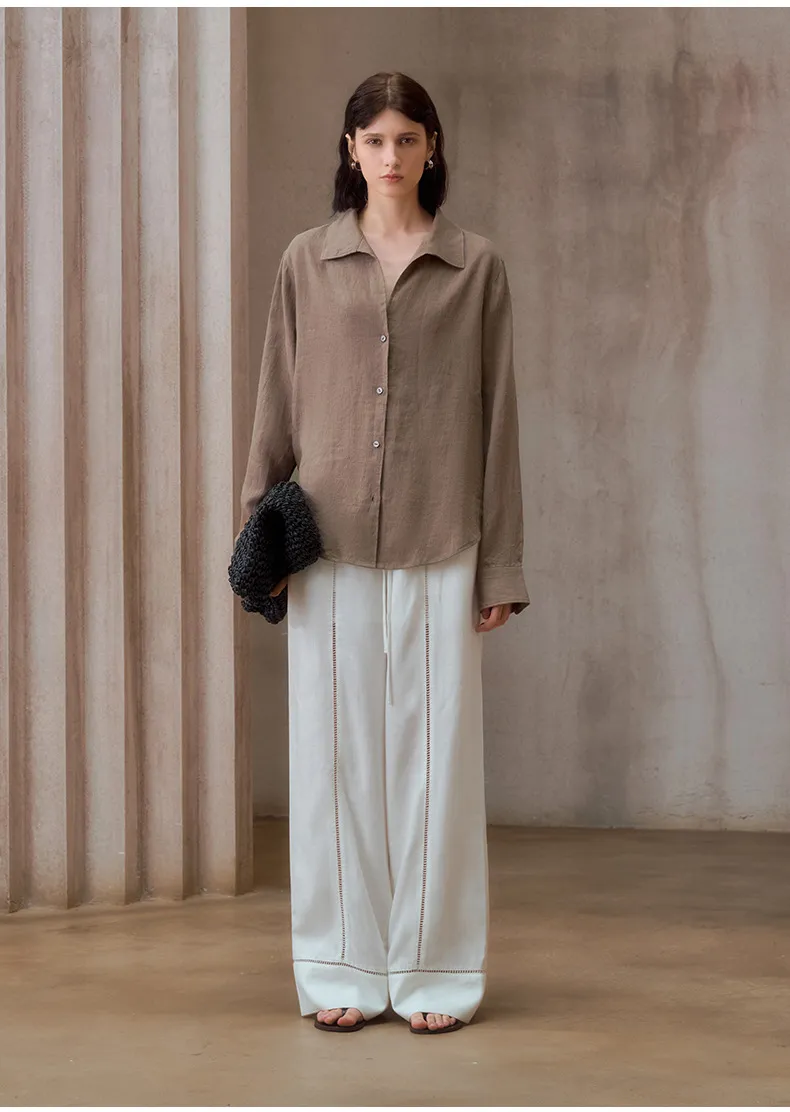
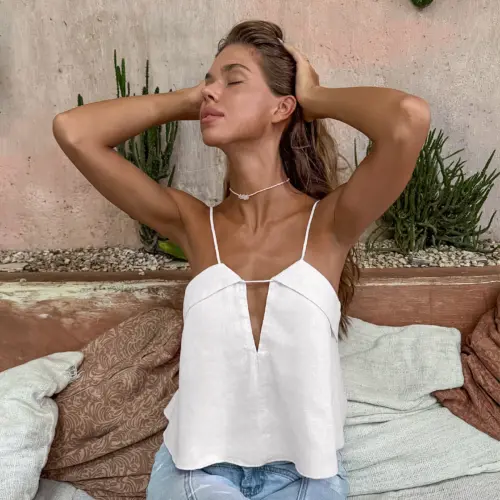
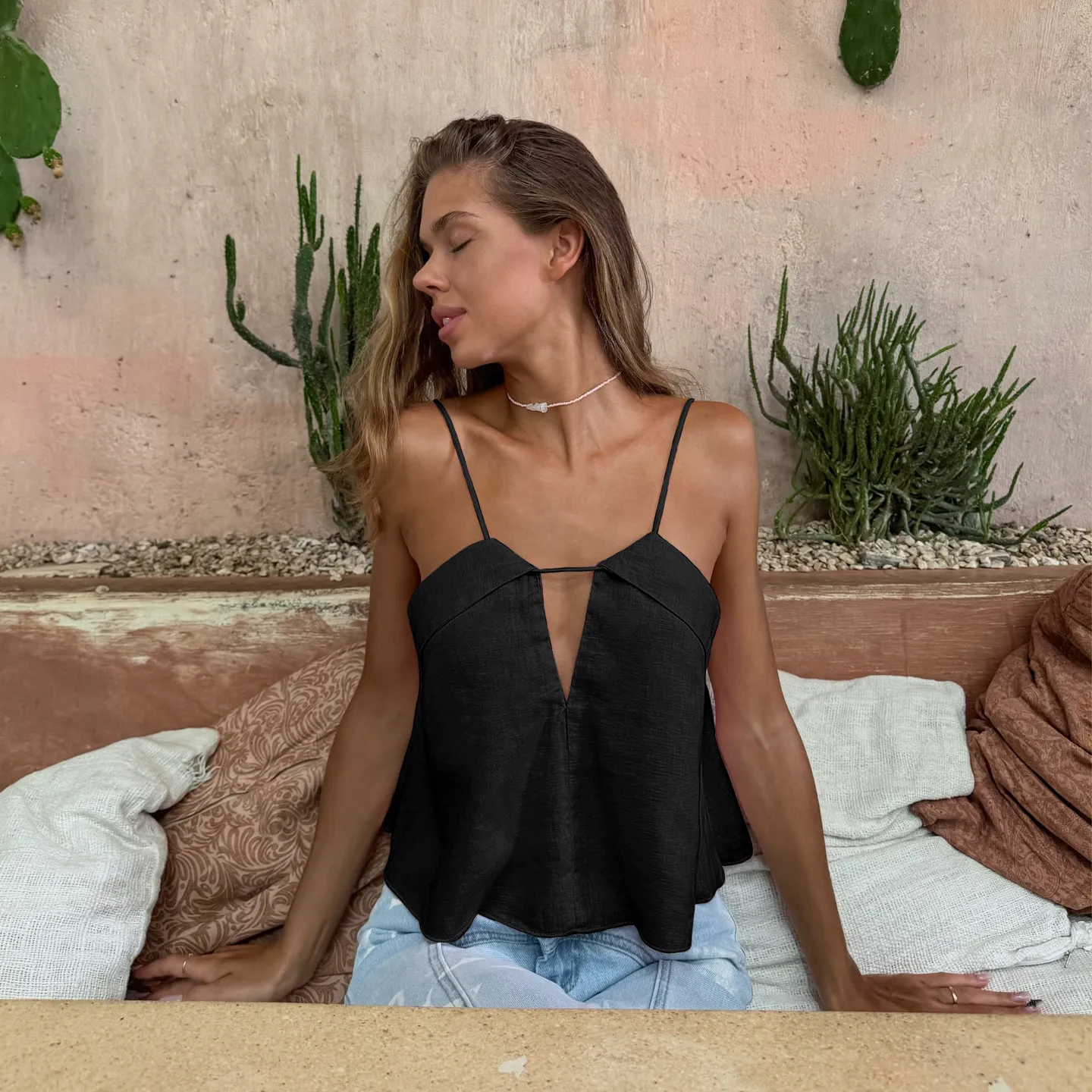
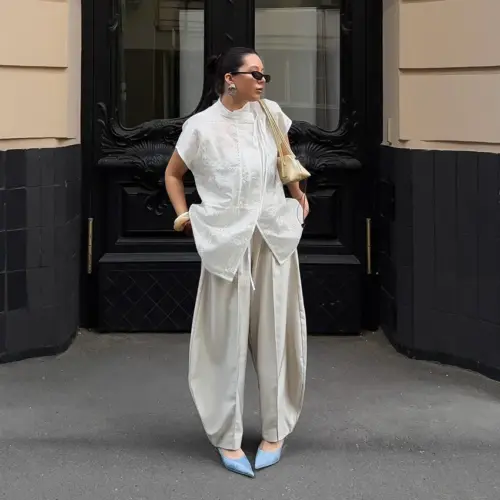
A messy hem ruins a sharp shirt. It flips. It frays. It looks cheap. I learned this the hard way on a big order.
The hem of a shirt is the finished edge at the bottom or sleeve, made by folding fabric and stitching it to stop fraying, set length, and shape the drape.

You search for “what is the hem,” and the answers feel vague. I will keep it simple. I use these rules in my factory every day, so you can use them tomorrow without stress.
What is the hem of a shirt?
Confusion over “hem meaning” wastes time and money. I see it in emails every week from smart buyers under pressure.
The hem is the folded, stitched edge that finishes the bottom or sleeve. It prevents fraying, sets length, and affects style and movement across the whole garment.

Dive deeper
A hem is simple in idea but powerful in effect. I fold the fabric once or twice and stitch it so the raw edge hides inside. That small fold adds weight and controls the hang, which is why a shirt can look cheap or premium based on this line. I place hems at the bottom, at short sleeves, and sometimes at necklines on knits. A deeper hem feels firm and stable. A narrow hem feels light and relaxed. In woven dress shirts, the hem shape also guides tucking and keeps the shirt in place when the wearer sits, stands, or walks. In jersey T-shirts, the hem must stretch with the body, so stitch choice matters as much as width. When I write a spec, I always state hem depth, stitch type, and allowance. That tiny trio reduces fit shock, stops thread breaks, and makes the wash test calm and predictable.
Straight hem vs curved hem vs shirttail hem?
I often get “straight vs curved hem” in the subject line. The wrong choice kills the look and invites returns.
Straight hems suit untucked casual shirts and tees. Curved hems soften the sides. Shirttail hems scoop deeper and are best for tucked office wear and neat lines.

Dive deeper
I pick shapes based on end use. A straight hem runs level around the bottom and reads clean and modern. It works on boxy tees, camp shirts, and overshirts that live untucked. A curved hem rises at the side seams and adds a slight drop front and back. It slims the hip visually and flatters movement, which helps smart casual looks. A shirttail hem scoops more deeply front and back, with higher side seams. It slides into trousers easily and stays put. This is my go-to for office or formal dress shirts. Fabric weight changes the result. Heavy flannel with a straight hem looks grounded. Light poplin with a shirttail looks sharp and tidy. When a buyer asks for “short in front, long in back,” I show both a gentle curve and a deeper shirttail so they can test with their target pants rise. Clear photos and try-ons beat guesswork, and the right hem shape reduces styling notes in product reviews.
How wide should the hem be, and which stitches work best?
Hem width looks small on paper. In real life, it changes drape, movement, and durability across sizes.
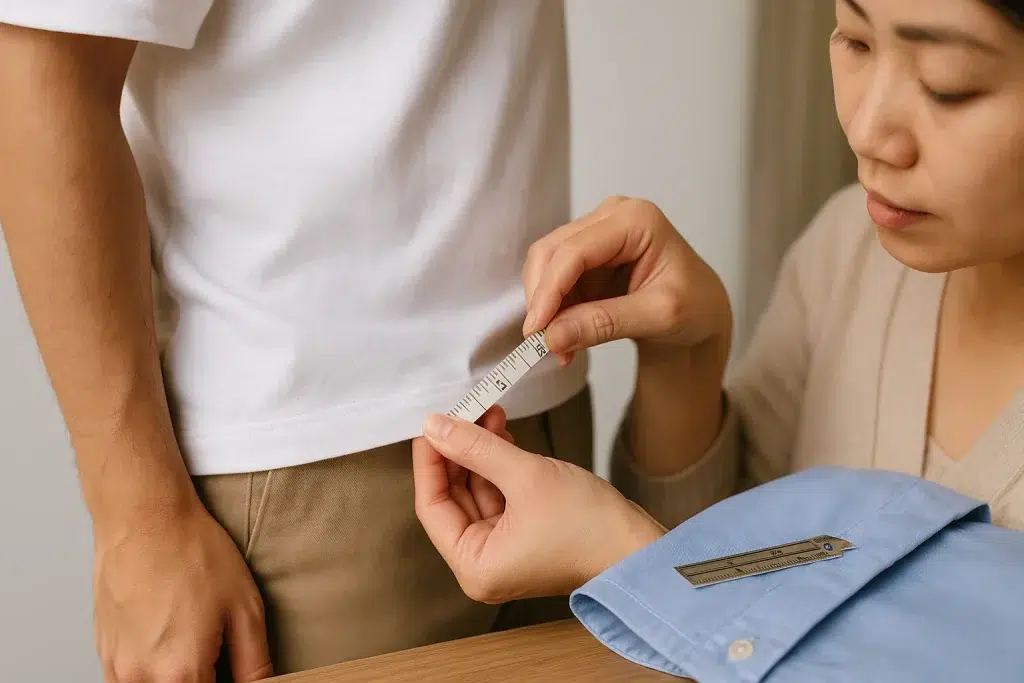
Use 2–3 cm for woven shirt bottoms, about 2–2.5 cm for dress shirts, and 2–2.5 cm with coverstitch for T-shirts. Match stitch to fabric stretch and weight.
Dive deeper
My default for woven straight or curved hems is a 2.0–2.5 cm double-fold with single-needle lockstitch. It lies flat and feels premium after pressing. For shirttail hems, I keep 2.0 cm and refine the curve radius to avoid bite marks and ripples at the side seams. On T-shirts and gym tops, I use a 2.0–2.5 cm turn-up with coverstitch, which gives two rows outside and a loop inside that stretches with the body. Thread, needle, and machine settings decide if the hem waves or tunnels. I balance tension, tweak differential feed on overlock pre-joins, and press with steam on a vacuum table to set memory. My quality checklist is simple: even depth, smooth curves, no tunneling, clean bar-tacks where needed, and stable thread after wash. One season, I rejected a 5,000-piece tee run for tunneling. We changed needle size and foot pressure, and the second run passed. A clear hem spec and a short pre-production test save whole collections.
What about sleeve hems and neck openings?
People forget sleeve hems. Then complaints flood in about tight openings and stiff edges after one wash.
Sleeve hems need stretch on knits and comfort on wovens. Use coverstitch for T-shirts, a narrow double-fold for woven short sleeves, and keep openings consistent by size.

Dive deeper
For T-shirts, a 2 cm coverstitch sleeve hem is my standard. It flexes when the wearer lifts a bag or bends the elbow. On woven short sleeves, I prefer a 1.5–2 cm double-fold with a clean single-needle stitch and light pressing, never heavy fusing right at the edge. That keeps the sleeve soft and easy to move in. Necklines on knits use rib binding, self-fabric binding, or a turned coverstitch finish. I choose rib for sports tees because rebound matters. I use self binding for fashion tees where a slim, neat edge is the look. On wovens, true “hems” at necklines are rare; collars or bias facings do the job. In fittings, I always measure sleeve opening and record after-wash change. If a client asks about a “bust hem,” I explain that term fits dresses, not shirts, so we align language in the tech pack. Clear names keep teams in sync and stop costly remake loops before they start.
How do I choose the best hem for my brand and customers?
Your hem should match fabric, price, and use. Guessing invites returns, markdowns, and weak reviews.
Pick straight hems for boxy tees and casual shirts, curved hems for smart casual, and shirttail hems for tuck-in office wear. Match hem width and stitch to fabric.

Dive deeper
I start with the wearer. If your customer keeps shirts untucked, select straight hems or soft curves, and test with the pants rise your market uses. If your customer wears suits, go for shirttail hems that stay tucked through a full workday. Next, I match fabric and machine. Light poplin likes a neat 2 cm double-fold with a crisp press. Heavy flannel benefits from 2.5–3 cm to add body. Jersey needs coverstitch; if you see ripples, balance tension and adjust differential feed before changing spec. I also consider price tier. A clean single-needle hem reads premium at low cost, while coverstitch shows sport function on active lines. During sampling, I wash test for torque and shrink. If the hem twists, I realign grain and change the feed ratio. I track returns by size to catch sleeve opening issues. These small steps connect design, comfort, and margins. A strong hem choice lifts both sell-through and brand trust.
How do I hem a shirt or T-shirt without ruining it?
You can shorten or finish a hem fast and keep the shape. You only need a calm plan.
For T-shirts, press, measure, and coverstitch a 2–2.5 cm turn-up. For woven shirts, use a 2–2.5 cm double-fold, press well, and topstitch with steady tension.
Dive deeper
My steps never change. I measure the new length from center back so both front and back balance. I mark a fold line and a cut line if I am removing length, then I trim with care. I press the fold with steam to set memory before I stitch. On knits, I use a coverstitch and I do not stretch the fabric under the foot, or the edge will wave like lettuce. On wovens, I use a single-needle lockstitch and a double-fold. I secure side seams with a neat backtack. At home, a twin needle can mimic coverstitch on a domestic machine, but I still test on a scrap to check tension. In the factory, we test after wash for shrink and torque. I fix round bottom tees that tunnel by adding a very light fusible at the turn, then re-press. Good hems are quiet. They lie flat, keep length, and hold shape through life. That is the promise you want in every size.
Conclusion
Pick the hem shape first, then width and stitch. Test after wash. A clean hem sells the shirt and protects your margin.
Why I write this
About my business
My Name: Lancy Chia
My email: [email protected]
Link to my website: https://truekung.com
Brand Name: Truekung
Country: China.
Products: fashion clothes
Business model: B2B, Wholesale only
Status: The factory has more than 200 workers. We provide clothing products and OEM/ODM services to different brands and supermarkets around the world. We have 20 years of experience in foreign trade clothing production and export. The main products are: fashion women’s clothing, jackets, skirts, dresses, jeans, T-shirts, sweatshirts, down jackets, windbreakers, coats, fashion bags, sportswear, children’s clothing, underwear.
Main export countries: Netherlands, Denmark, Belgium, Norway, UK, USA, Germany, Australia, Thailand, Turkey, Italy, Russia, Saudi Arabia, etc.
Views: 2917