

I used to lose deals because buyers mixed these brands up. They ordered the wrong style level. They got the wrong price level. They blamed the supplier.
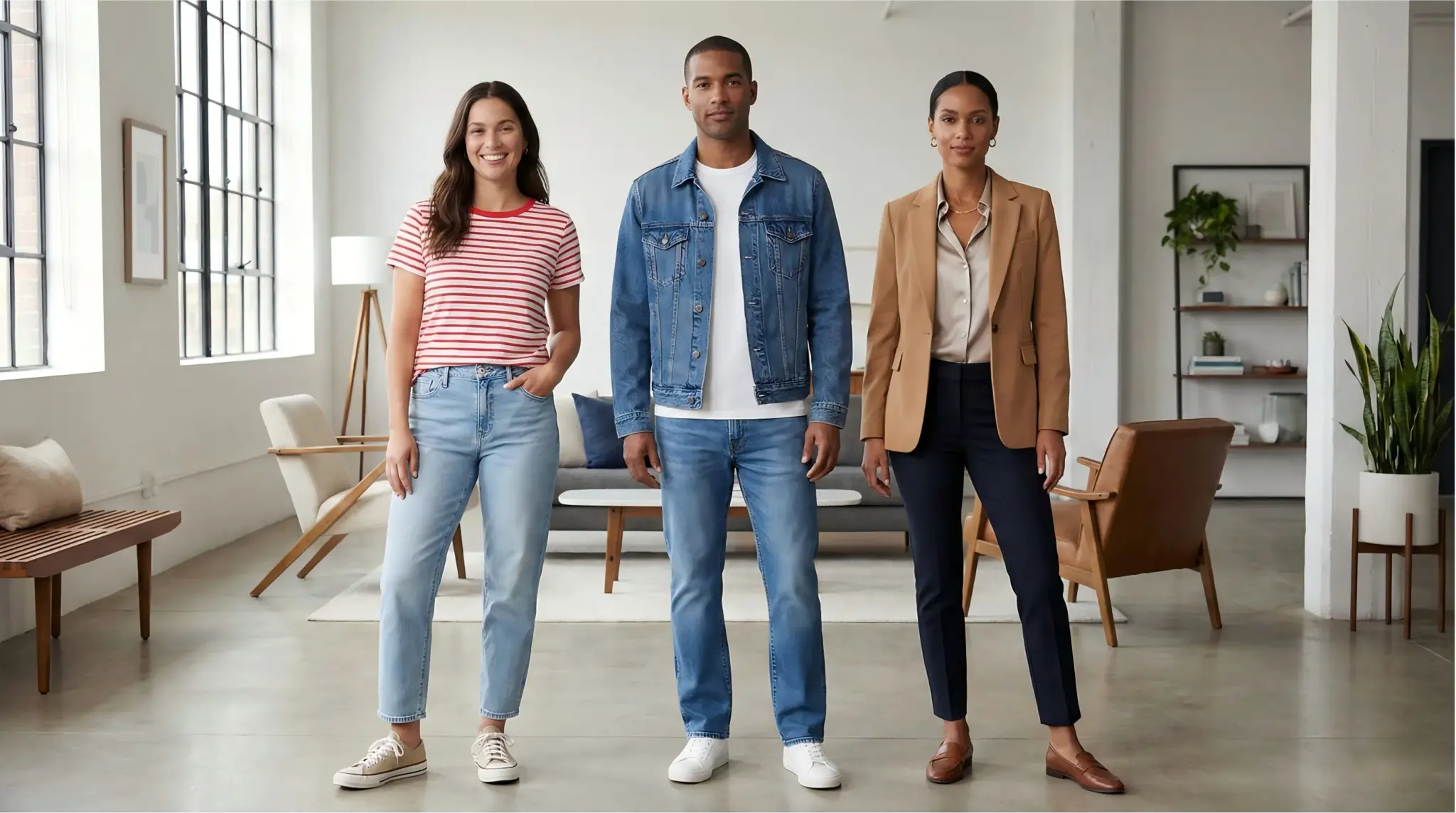
Gap is “clean casual,” Old Navy is “family value,” and Banana Republic is “polished modern.” They share a parent, but they sell to different shoppers, with different price and quality targets.
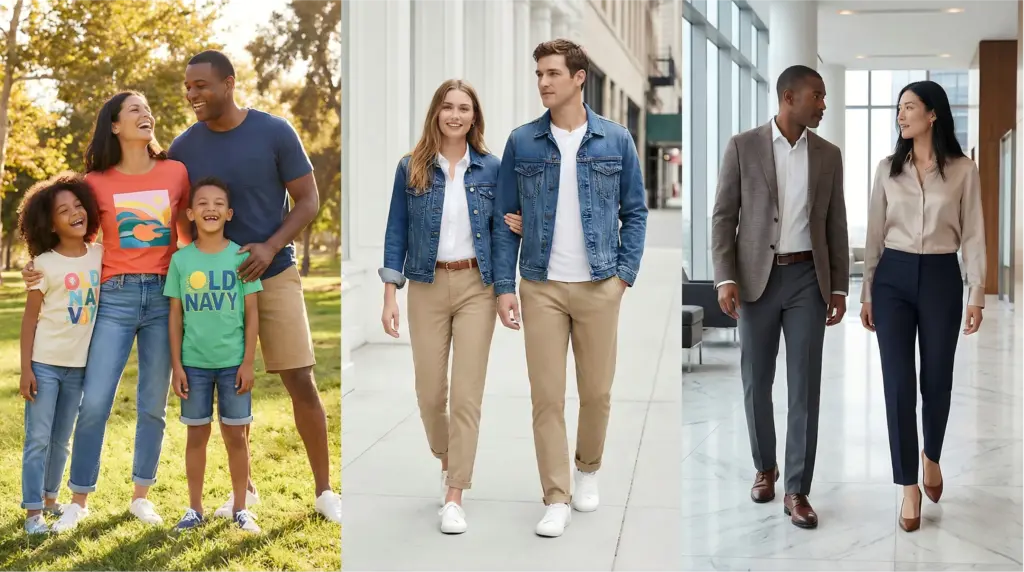
When I talk with a buyer like Maria, she moves fast and asks sharp questions. I like that. Still, even strong buyers can waste time when they treat Gap apparel, Old Navy wear, and the Banana Republic brand as one thing. I learned to explain the difference in plain terms, because the difference is the whole game.
People search “is Old Navy owned by Gap” and they also search “is Old Navy Gap.” People also type “gap old navy banana republic” like it is one long name. I understand why. These brands sit in one family, and shoppers see overlaps in basics. Still, the brands do not play the same role.
They are sister brands under the same group, but each brand has its own price target, style tone, and shopper promise. That is why the product feels different even when it looks similar.

What “same company” changes and what it does not
When I source and produce for different labels, I treat “same company” as a business fact, not as a quality promise. I tell buyers this because it stops false expectations.
| What people assume | What I look for instead | Why it matters to a buyer |
|---|---|---|
| Same parent = same quality | Brand’s target cost and spec | Cost drives fabric, trim, and testing level |
| Same stores = same return rules | Store policy by brand and channel | Outlet old navy vs full-price can differ |
| Same style = same fit blocks | Fit model, grading, and shrink plan | Fit is a system, not one sample |
The websites and the “typo trap”
When Maria checks a brand online, she uses official domains like oldnavy.com, bananarepublic.com, and the gap store online at gap.com. I warn her about typo look-alikes because I have seen forged certificates and fake contact pages in real sourcing cases. I have seen strings like oldnavy.xom, oldnavy. om, oldnavy.cim, oldnavy.ccom, and gap.cpm in screenshots from buyers. I tell her to slow down and verify before she pays.
Who is each brand really for?
I once had Maria tell me, “I can sell anything if the margin is right.” I agreed, but I still asked her to pick her customer first. A brand’s real customer decides the fabric hand feel, the fit tolerance, and even the color range.
Old Navy aims at broad family value and fast turns, Gap US aims at simple everyday staples with a cleaner look, and Banana Republic aims at a more polished wardrobe with higher styling and finishing.
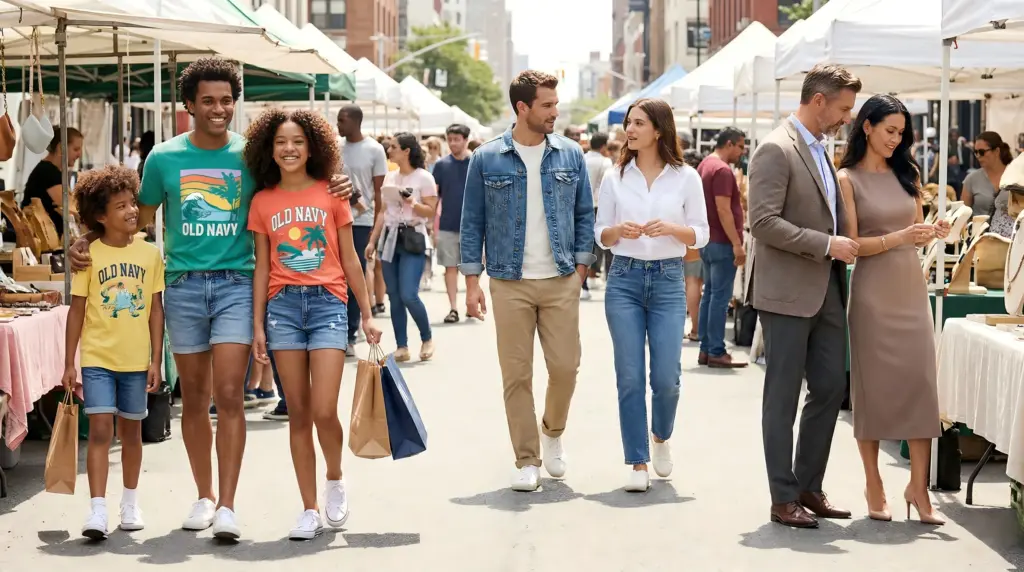
The easiest way I explain it in one minute
I use “where will the shopper wear it” instead of “what is the brand mission.” That keeps the talk simple.
| Brand | Most common shopper goal | Typical buying trigger | What I watch in production |
|---|---|---|---|
| Old Navy | Low price for many outfits | Promotions and bundles | Fast lead times and stable basics |
| Gap | Reliable casual wardrobe | Fit comfort and “wear gap” repeat buys | Consistent blocks and wash control |
| Banana Republic | Office-to-dinner polish | Fabric feel and details | Better trims, cleaner sewing, better drape |
Why this matters for a buyer like Maria
Maria often buys two ways. She buys spot goods for re-labeling. She also buys custom for her own brands. If she wants volume and speed, Old Navy thinking helps her. If she wants a “modern basic” brand feel, Gap thinking helps her. If she wants higher ticket items and fewer returns, Banana Republic thinking helps her. I do not say one is “better.” I say each one is built to win a different shelf.
Buyers ask me “gap jeans vs old navy jeans” more than they ask about jackets or dresses. Denim is simple to see, but hard to control. If the wash goes wrong, the fit changes. If the pattern grading is off, the return rate jumps.
Old Navy jeans usually focus on value stretch and trend fits, Gap jeans usually focus on steady fit blocks and balanced fabric weight, and Banana Republic jeans often push for cleaner finishes and more refined styling.
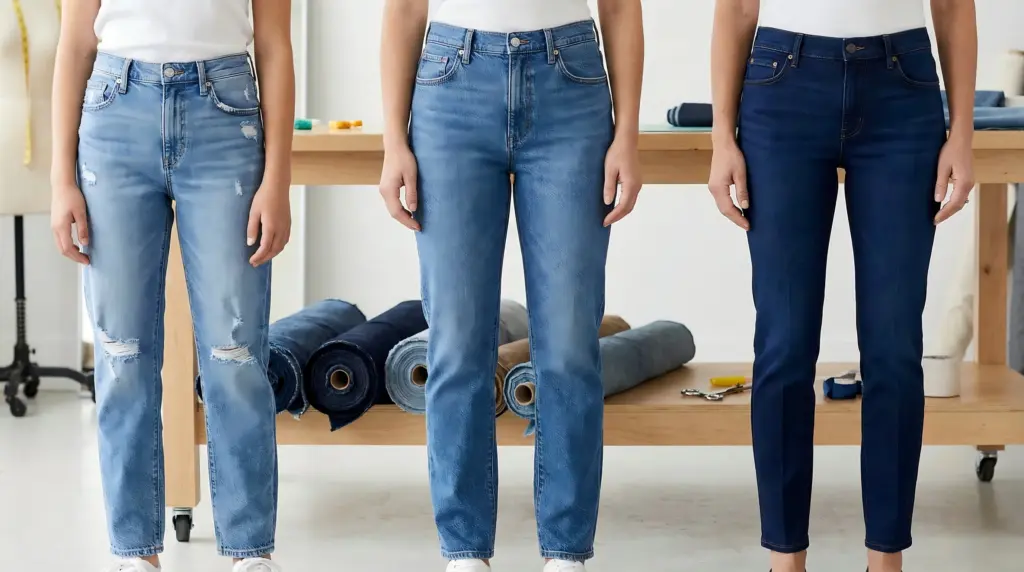
What I compare when I review denim for a buyer
I do not judge denim by one sample. I judge it by how it behaves after wash, wear, and repeat orders.
| Checkpoint | Old Navy jeans | Gap jeans | Banana Republic jeans |
|---|---|---|---|
| Target shopper | Price-first, family | Everyday casual, repeat wear | Polished casual, cleaner lines |
| Fabric feel | Soft stretch, often lighter | Balanced hand feel | Smoother, often more “finished” |
| Fit approach | Trend swings faster | Core fits stay longer | Fit looks sharper with styling |
| Risk point | Inconsistent lots at low cost | Wash consistency across seasons | Higher expectations on details |
How I talk about tees and basics too
People also search “gap men’s classic t-shirt reviews” and “old navy tshirt” and “best Banana Republic t shirts.” I keep it simple. Old Navy basics can feel like a smart deal, but they must hit a low cost. Gap basics often aim at a steady “classic” feel, so repeat buyers trust it. Banana Republic basics often try to look more “clean” on-body, so the pattern and fabric surface must look better. When I build OEM/ODM packs, I set different tolerance levels for shrink, twist, and pilling for each “brand level,” even if the garment looks similar in a photo.
What should a wholesale buyer learn from these brands’ supply chain and packaging?
Maria’s pain points are clear. She hates poor communication. She hates delayed delivery because it misses seasons. She also worries about suppliers that forge certificates. I learned to use these three brands as a teaching tool, because they show how a big group splits products by price tier and risk tier.
Old Navy teaches speed and price discipline, Gap teaches stability and repeatable fit, and Banana Republic teaches detail control and a “premium vs affordable styles” split inside one group.
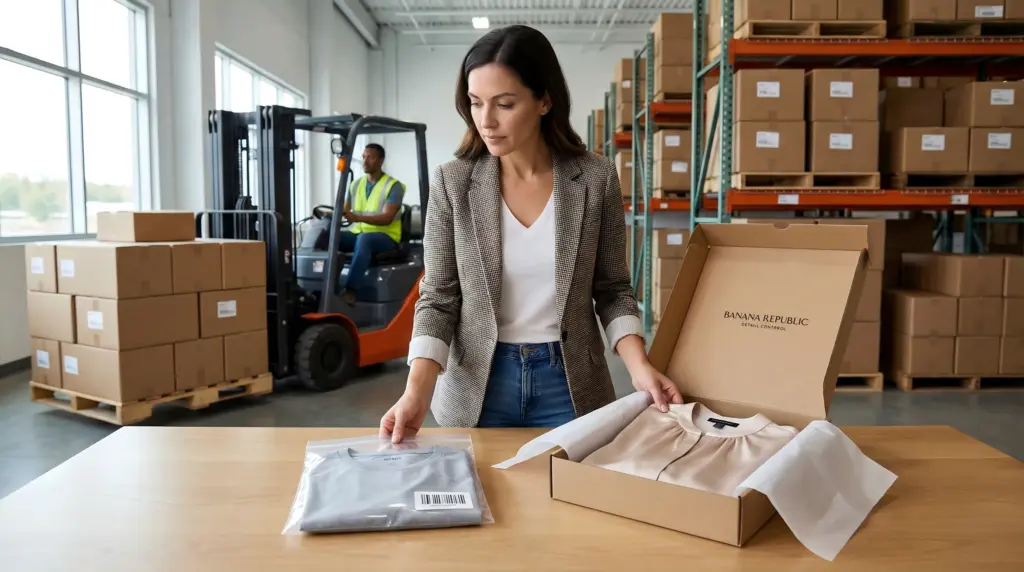
What I copy into my factory process at Truekung
I run a factory with more than 200 workers, so I cannot manage with “hope.” I manage with systems. I use a simple checklist that matches the brand level.
| Topic | Value level (Old Navy mindset) | Core level (Gap mindset) | Polished level (Banana Republic mindset) |
|---|---|---|---|
| Sampling | Fewer rounds, faster lock | Fit lock plus wash lock | More rounds for finish and drape |
| Packaging | Cost control first | Balanced cost and protection | Cleaner presentation and protection |
| QC focus | Major defects and sizing | Sizing, wash, and repeatability | Details, symmetry, and fabric face |
| Delivery | Tight calendar | Stable calendar | Tight calendar plus buffer for finish |
How I handle certification trust
When a buyer asks “is banana republic fast fashion,” I answer like a factory owner. “Fast” is a calendar and a price. “Responsible” is proof. I share test reports and traceable invoices. I also match logistics and payment methods to the order risk. Maria likes this because she understands sales, but she also knows the Chinese supply chain can be messy if the supplier is not strict.
How do I avoid scams when searching stores, domains, and “near me” pages?
I see buyers search “old navy locations,” “old navy locations near me,” “old navy store near me,” and “closest old navy store.” I also see “hours old navy stores,” “old navy hours of operation,” and “old navy open now near me.” That is normal. The risk starts when people click the wrong page or trust a random screenshot.
Use official store locators and official domains, and treat odd spellings as a warning. If a page asks for payment or data before it proves it is real, I leave.

The real-world way I teach buyers to verify
I keep it practical, because Maria does not want theory.
- I confirm the domain: oldnavy.com, bananarepublic.com, or the gap online store on gap.com.
- I avoid typo domains: oldnvy, old navz, .old navy, oldnavy. om, and oldnavy.xom.
- I cross-check the store page with a second source before I trust “old navy open hours” data.
- I treat “factory” and “outlet” pages carefully, like “bananrepublicoutlet” or “old navyoutlet,” because scams love those words.
Why location keywords still matter for brand understanding
People type very specific searches like old navy mesquite, old navy owings mills, old navy bismarck, old navy cherry hill, old navy santa barbara, old navy yakima washington, old navy boise idaho, old navy raleigh nc, old navy natomas, and old navy soho. I do not judge those searches. I use them as a clue. When a brand has many stores and many “near me” searches, the brand usually lives on volume and fast turn basics. That is Old Navy’s strength. Gap stores near me searches often sit in the middle, because shoppers want familiar staples. Banana republic near me searches often sit with a more planned purchase, like workwear or a better casual shirt.
A small note on old addresses and screenshots
Sometimes a buyer forwards me a document with an address like 2 folsom st san francisco ca 94105. I treat that as “historical info” unless I verify it. The same rule applies to store hours. A screenshot can be old, even if it looks new.
Conclusion
I separate these brands by shopper goal, price target, and spec level. When I do that, I source faster, I ship on time, and I avoid costly fit and quality surprises.
Why I Write This
I am Lancy Chia from Truekung in China. I run a wholesale-only clothing business with a factory of more than 200 workers. I provide clothing products and OEM/ODM services to brands and supermarkets worldwide, with 20 years of export experience in fashion clothes. I supply women’s fashion, jackets, skirts, dresses, jeans, T-shirts, sweatshirts, down jackets, windbreakers, coats, fashion bags, sportswear, children’s clothing, and underwear. If you want to build a line that hits a clear “Old Navy vs Gap vs Banana Republic” price-and-quality level, I can help you set the right specs and delivery plan. You can reach me at [email protected] and learn more at https://truekung.com.
Views: 393