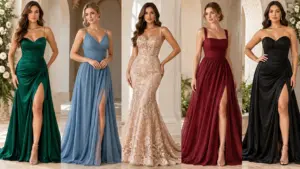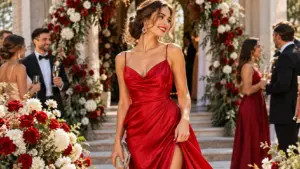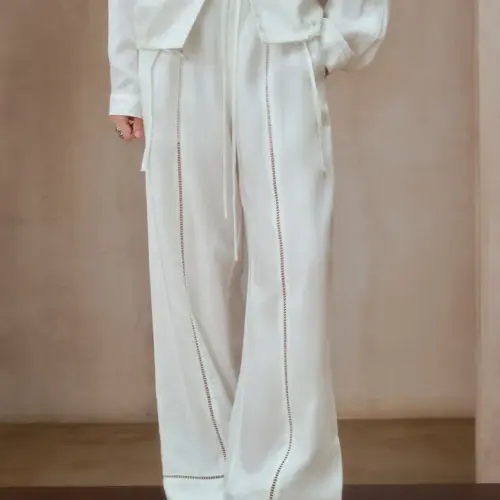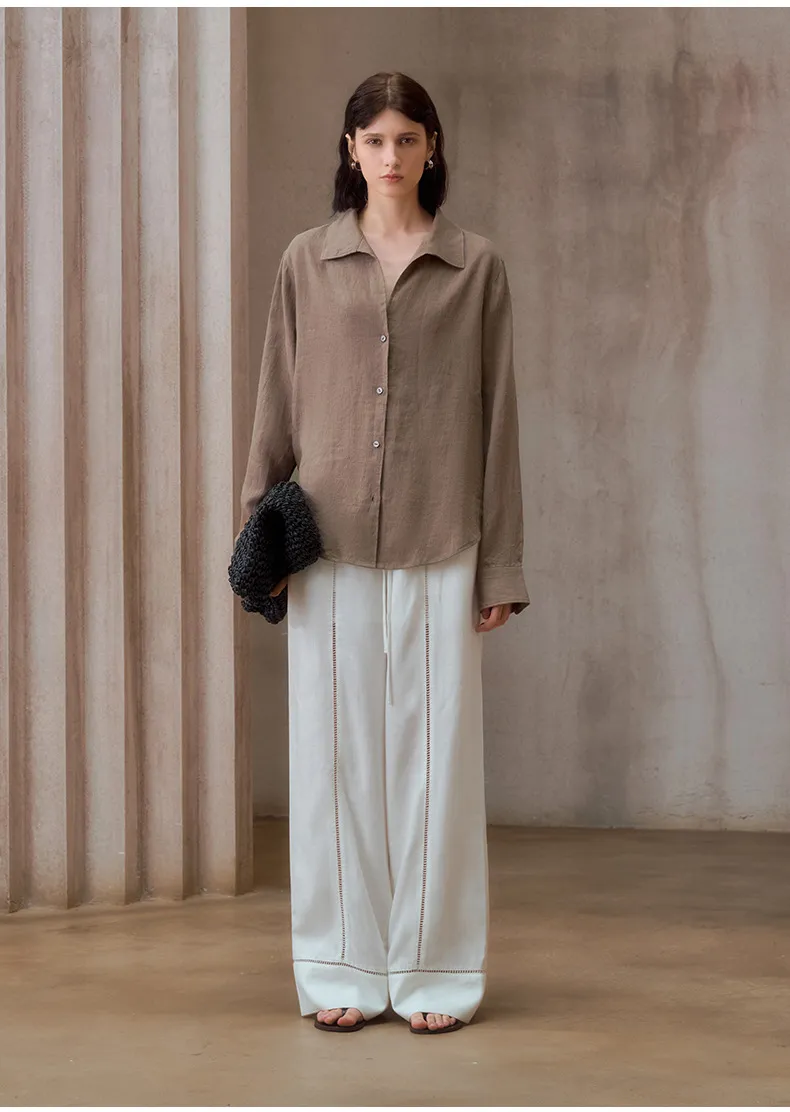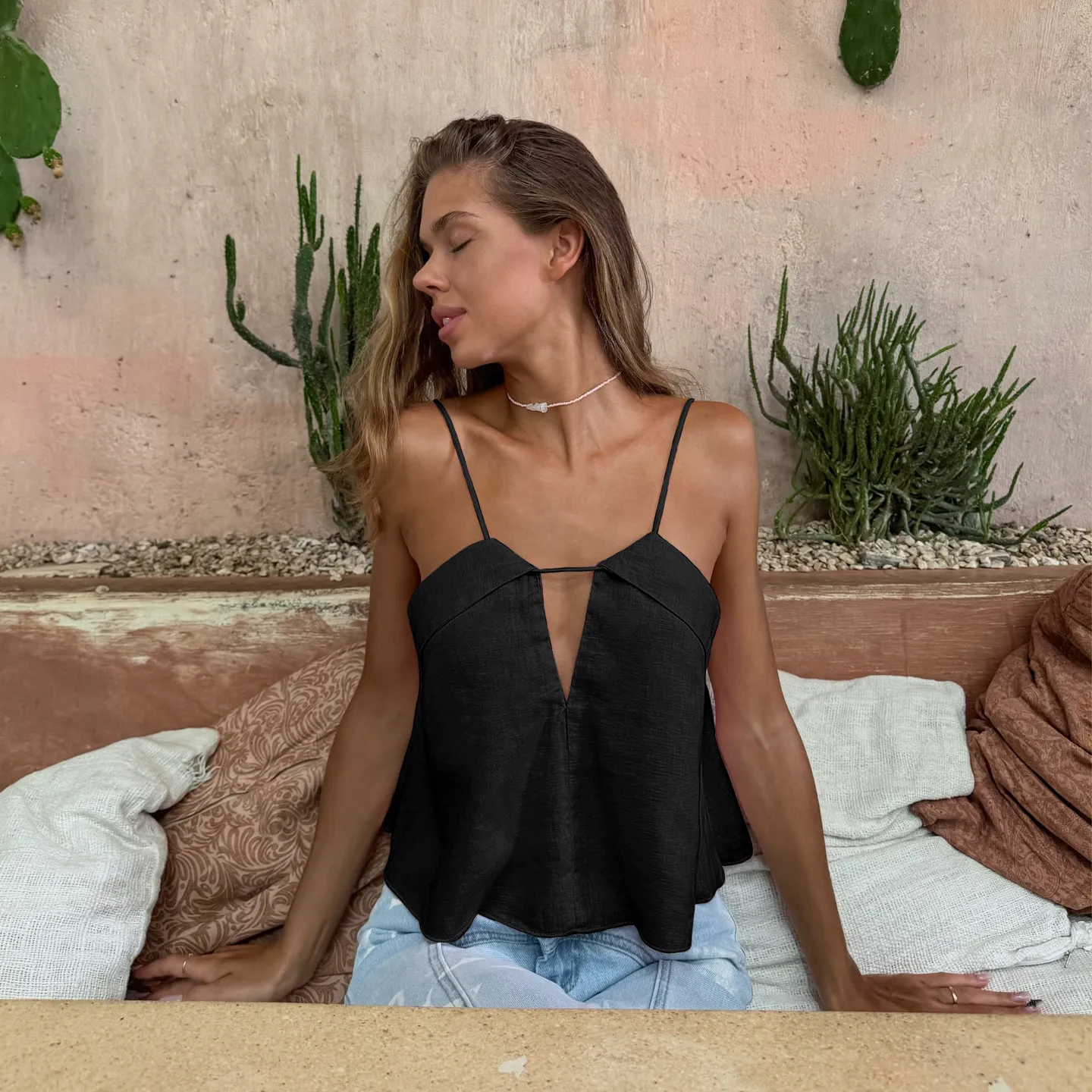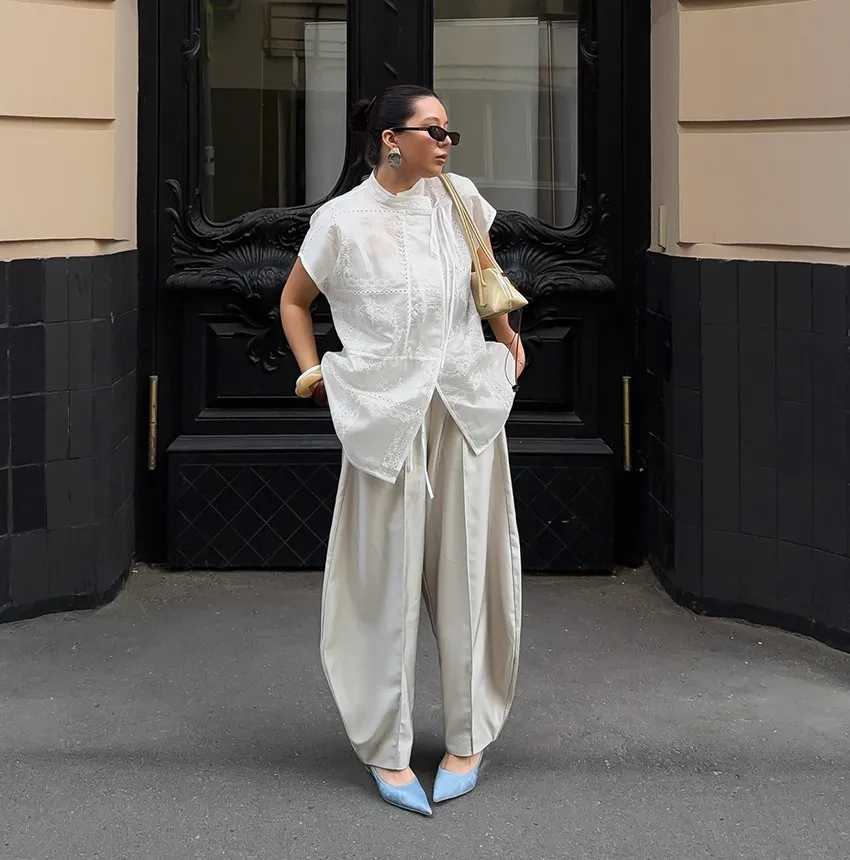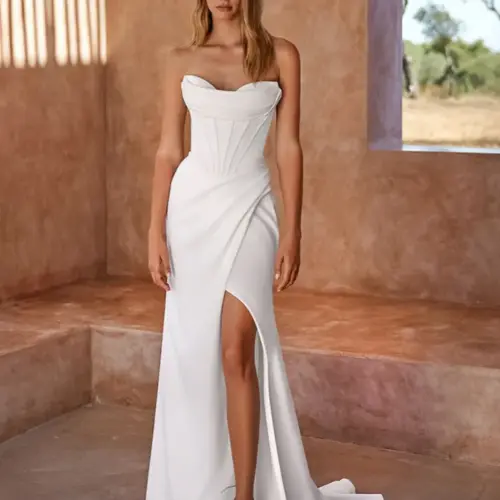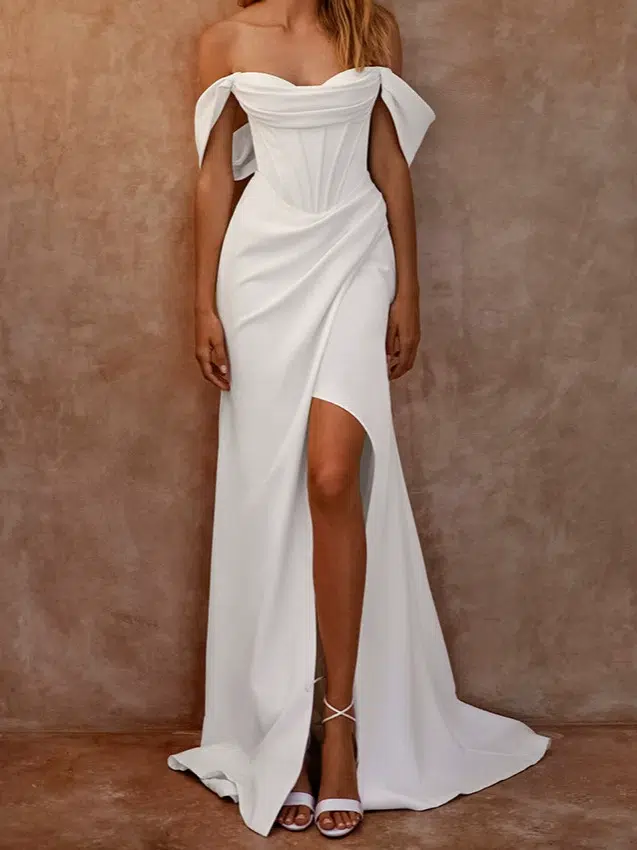

I see low prices and new drops, and I feel tempted. I also worry about waste and rushed work. If I buy without proof, I may support harm.
Pink Lily looks like fast fashion because it sells trend-led styles with frequent new arrivals and heavy promos. I do not judge by vibes. I judge by proof: supply chain facts, materials, worker safeguards, and clear policies. If I cannot find proof, I treat the risk as high.
I remember the first time I tried to vet a trendy brand for a buyer friend. I had ten tabs open, and I still felt unsure, so I built a simple method that I can repeat fast, and I will share it with you now.
What makes PinkLily.com look like a fast fashion brand?
I see “new arrivals” that never end, and I see promos that push fast buying. I also see people worry about quality after one wash. That mix can feel fun, but it can also hide cost.
Pink Lily often matches fast fashion patterns because it sells trend-led items at low-to-mid prices and uses constant marketing pushes. That does not prove harm. It does raise the need for proof.
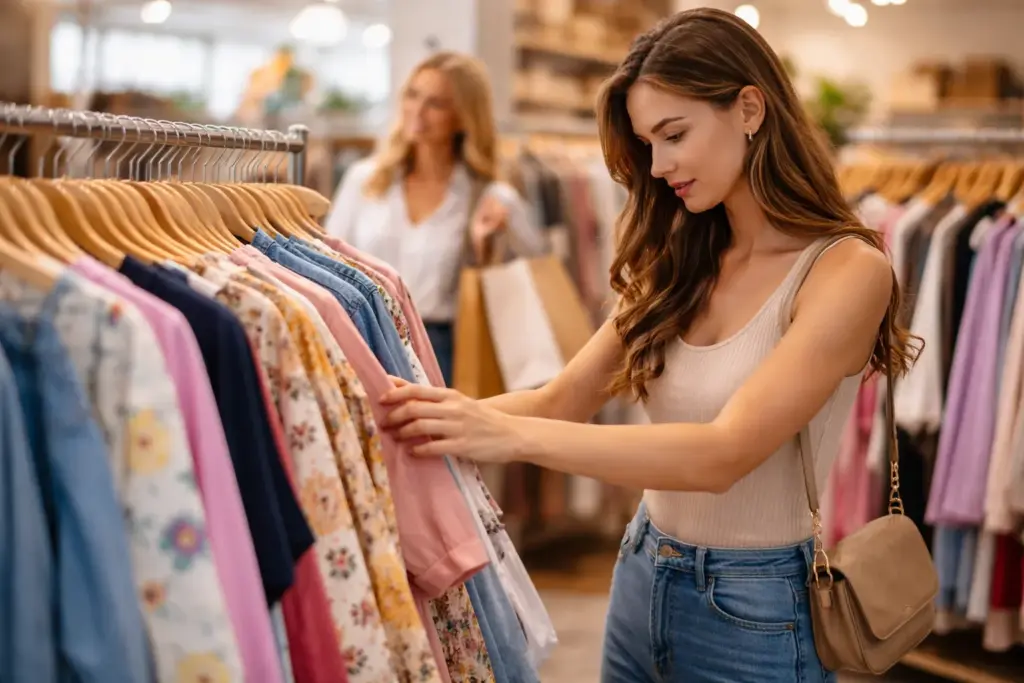
How I spot fast fashion signals in 15 minutes
I start with what I can see without inside access. I do this because buyers like Maria want speed, but they also want safety. I also do this because I have seen factories get crushed when a brand pushes speed without planning. I once had a new client ask for a “viral dress” in 12 days. I refused. I did it because I know what 12 days can do to people and to QC.
Here is my quick checklist. It does not accuse anyone. It only tells me where risk can hide.
| Signal I check on a brand site | What it can mean | Why I care as a factory-side person |
|---|---|---|
| Many new styles every week | Short design-to-shelf cycle | It can push overtime and shortcuts |
| Heavy discount culture | Competes on price, not durability | It can raise returns and waste |
| Trend-heavy product mix | Chases viral looks | It can lead to overproduction |
| Low traceability | Few supplier details | I cannot verify labor claims |
| Many synthetics | Fast output and low cost | It can raise microplastic impact |
Keyword reality I see in buyer chats
When shoppers feel unsure, they search the same phrases again and again. I see this in Google results, and I hear it in buyer calls. Those searches tell me what people fear.
| High-intent search phrase | What the searcher really wants | What I do next |
|---|---|---|
| “Pink Lily reviews” | “Will I regret this order?” | I check repeat complaints and repeat praise |
| “Pink Lily sizing” | “Will it fit?” | I look for fabric stretch, returns, and size guide detail |
| “Pink Lily return policy” | “Can I get my money back?” | I read the policy line by line |
| “Pink Lily shipping time” | “Will it arrive for my event?” | I compare promises with real buyer stories |
| “Pink Lily warehouse sale” | “Is it cheap for a reason?” | I think about overstock and quality variance |
Fast fashion is not only about speed. It is about control. If speed goes up, control must go up too. If I cannot see control, I slow down my buying.
How ethical and sustainable is Pink Lily, based on proof I can check?
I have seen brands say “we care,” and I have also seen missing audit files. I learned to treat good words as a start, not as evidence. I also learned that real ethics work is boring work. It is policies, audits, fixes, and follow-up.
I cannot confirm strong ethics or sustainability without strong public proof, so I use a “proof ladder.” Each rung lowers risk.
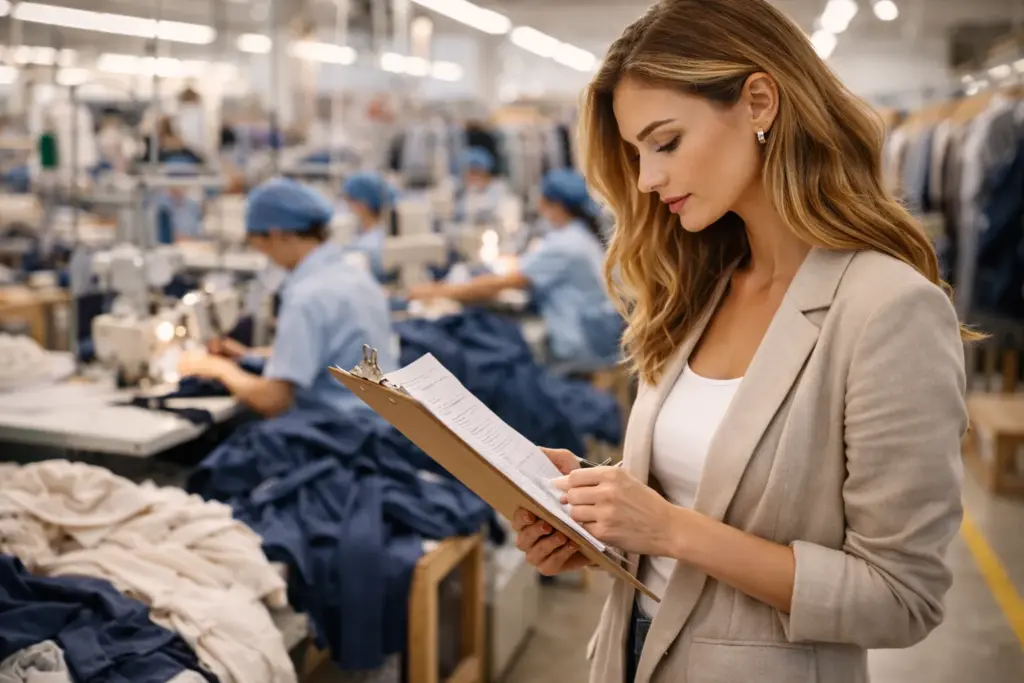
My proof ladder for labor and transparency
I use this ladder for every “affordable boutique” brand, not only for Pink Lily. I also use it for factories that pitch me. If a factory cannot show documents, I do not move forward.
| Proof level | What I expect to see | What it tells me |
|---|---|---|
| Level 1: Claims | “Ethical,” “responsible,” “compliant” | Marketing talk |
| Level 2: Policies | Code of conduct, forced labor ban | Minimum baseline |
| Level 3: Process | Audit standard, cadence, remediation | Basic control system |
| Level 4: Disclosure | Factory list, countries, tiers | Real accountability |
| Level 5: Outcomes | Violations, fixes, timelines, progress | Measurable ethics |
My sustainability check: materials, waste, and packaging
I think like a production person. Fabric is input. Waste is output. A “sustainable edit” is not enough if the main line stays the same. When I build an OEM plan for a brand, I start with fabric choices and lead time. I do it because fabric and time decide most of the impact.
Here is how I review common fashion materials, in plain language:
| Material | What can be better | What can be worse | My buyer move |
|---|---|---|---|
| Cotton | Natural feel, easier care | Water and farming impact | I ask for better sourcing proof |
| Polyester | Durable and cheap | Fossil-based, microplastics | I limit use, and I ask for recycled proof |
| Viscose / rayon | Soft drape | Forest risk without controls | I ask for certified supply chain |
| Blends | Performance and cost | Hard to recycle | I buy fewer, and I keep longer |
I also look for practical actions that reduce waste. “Made after order” can reduce dead stock, if it is real, and if it scales. I like anything that cuts rework, printing waste, and scrap. I also want details, because details are where trust lives.
If you want to shop with fewer regrets, you can do two simple things that beat most brand promises. You can buy fewer items, and you can keep them longer. I know it sounds too simple, but I see the numbers on the factory side. Volume drives impact. Longer use cuts impact.
Are Pink Lily reviews, sizing, shipping time, and return policy worth trusting?
I know how it feels to scroll reviews at midnight. I also know how easy it is to confuse “good fit” with “good ethics.” Reviews can help with comfort and service, but reviews cannot prove fair wages.
Pink Lily reviews can help you judge fit, fabric feel, and service. They cannot confirm ethical sourcing. I use reviews to manage personal risk, and I use documents to judge ethics.
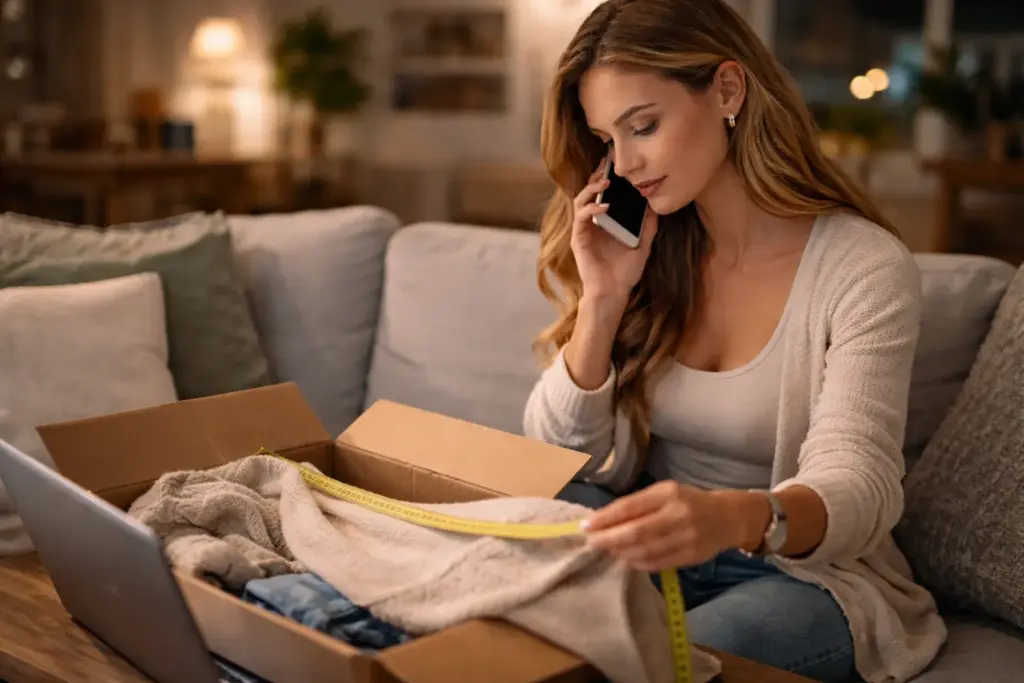
My review method that stops the chaos
I group reviews into buckets. This keeps my head clear, and it helps me decide fast. I learned this after I helped Maria with a private label reorder. She had great sell-through, but she had high returns. The product was not “bad,” but the fit notes were unclear, so shoppers guessed. Guessing creates returns.
| Review theme | What it often reflects | What it does NOT prove |
|---|---|---|
| Fit and sizing | Pattern, grading, QC | Fair wages |
| Fabric feel | Material and finishing | Safe factories |
| Shipping speed | Inventory and logistics | Low environmental impact |
| Returns and refunds | Policy and service | Supply chain transparency |
| “Looks like photos” | Photo accuracy | Ethical sourcing |
What I check in the return policy before I buy
I always read the return policy before I place a first order with any brand. I do it because policies tell the truth about who carries the risk. If returns are hard, then the buyer carries more risk. If refunds have fees, then the buyer needs to plan for that.
Here is the practical decision I make:
- If I need the item for one event, I avoid brands with strict returns.
- If I am unsure about sizing, I avoid final sale.
- If I might return, I treat the total cost as “item + shipping + return friction.”
The “name confusion” trap that wastes time
I also watch for search confusion. People type “pinklily,” “pink lily,” and even “pink lilli” when they hunt for deals. I have seen scammers use similar names in wholesale, and I have seen buyers get pulled to the wrong page. I always double-check the domain and the seller identity before I trust a screenshot.
If you want to be strict, you can add one more check that helps a lot. You can look for third-party verification, clear audit language, or supplier disclosure. If you cannot find them, you can still buy for style, but you should not call it an “ethical purchase.”
Conclusion
I treat Pink Lily like I treat any fast-moving brand: speed raises risk, and proof lowers risk. I buy less, I choose better fabrics, and I ask for clear documents.
Why I Write This
I run Truekung in China, and I produce fashion clothing for B2B wholesale buyers only. My factory has more than 200 workers, and I have 20 years of export experience. I provide clothing products and OEM/ODM services for brands and supermarkets worldwide, including women’s fashion, jackets, skirts, dresses, jeans, T-shirts, sweatshirts, down jackets, windbreakers, coats, bags, sportswear, kidswear, and underwear.
If you want to talk about quality control, certifications, logistics, lead time, and payment methods, I can share what I see from the factory side.
My name is Lancy Chia.
Email: [email protected]
Website: https://truekung.com
Views: 58