The market moves fast. Miss the right print method and you lose margin. I learned this the hard way.
Sublimation printing uses heat to turn solid dye into gas, which bonds with polyester fibers or polymer coatings. It creates soft, durable, full-color prints with no cracking, ideal for apparel and hard goods.

You want sharp color, low returns, and sane lead times. I get it. Let me break down sublimation vs other options, so you can match the method to each product and price point.
What does a sublimation printer do?
Your customer wants photo color on fabric. Your team fears returns. You need a process that just works.
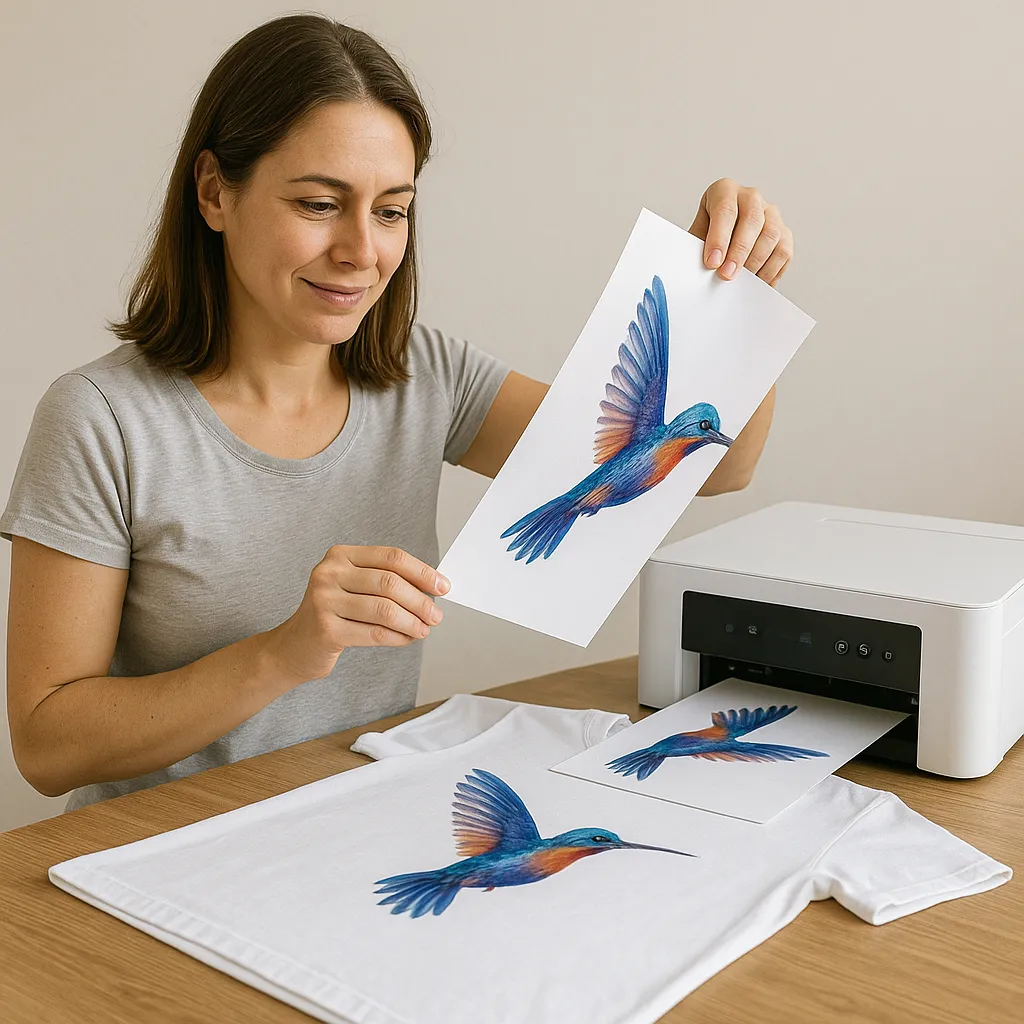
A sublimation printer lays down special dye-sublimation inks onto transfer paper. A heat press then turns the ink into gas, which fuses into polyester or polymer coatings, creating permanent, wash-proof color.

Dive deeper
How the dye-sublimation printing process works
- Print: Use a dye-sublimation printer with sublimation inks.
- Transfer: Place the printed transfer onto the blank.
- Heat: Press at set temperature, pressure, and time.
- Bond: Dye gas enters the polyester. No extra hand.
Why it feels different
The color lives inside the fiber, not on top. Sublimation printed shirts feel like the fabric itself. This is why sublimation shirts, hoodies with high polyester content, and sublimimation scarves keep soft drape. No cracking. No heavy patch.
Quick specs table
| Item | What it means |
|---|---|
| Inks | Dye sublimation inks only |
| Media | Transfer paper |
| Substrates | Polyester textiles, polymer-coated hard goods |
| Finish | Soft hand, vibrant color |
| Care | Strong wash fastness |
Sublimation vs screen print: which should I choose?
You have a big order and a hard deadline. One wrong call and you eat the cost.
Choose sublimation for full-color photos on polyester or coated blanks. Choose screen printing for spot colors on cotton, dark shades, or when you need Pantone-matched solids at scale.

Dive deeper
Fit by product
- Sublimation apparel: allover tees, sports jerseys, training sets, sublimation socks, towels, blankets, sublimation sweaters with high poly.
- Screen print: heavy cotton tees, pigment fashion blanks, dark colors, simple brand marks.
Cost and look
- Short runs, many colors: sublimation wins. No screens.
- Large runs, few colors: screen print wins. Screens amortize well.
Handy table
| Factor | Sublimation print | Screen print |
|---|---|---|
| Best fabrics | Polyester/white | Cotton/any color |
| Color range | Unlimited, photo-grade | Spot colors, simulated process |
| Hand feel | No hand | Some hand |
| Durability | Excellent | Excellent if cured well |
| Setup cost | Low | Higher (screens) |
| MOQ logic | Great for small lots | Great for big lots |
If you need sublimation banners or overall print tees, sublimation shines. If you need silkscreen vs sublimation on dark cotton, go screen.
Is sublimation a heating or cooling process?
This sounds like chemistry class. Yet it decides your QC.
Sublimation is a heating process in production. Heat turns the solid dye into gas. When it cools, the dye is locked inside the polyester.

Dive deeper
The simple chemistry
- Heat phase: solid dye → gas (sublimation).
- Bond phase: gas enters polymer chains.
- Cool phase: dye stays inside the fiber.
What settings matter
- Temperature: usually 180–205°C.
- Time: usually 40–60s for apparel, longer for hard goods.
- Pressure: light to medium. Too high can blur edges.
Common questions table
| Question | Short answer |
|---|---|
| “Sublimation is…?” | Solid dye to gas under heat |
| “Does it need pressure?” | Yes, to ensure contact |
| “Is pre-press needed?” | Yes, to remove moisture |
| “Why does print look dull on paper?” | Colors pop after pressing |
This is why subli spray or sublimation spray tries to add a polymer base to cotton. It helps. But it adds steps and can feel different. I use it only when needed.
What products work best with sublimation?
Your catalog is wide. You want one process to cover many SKUs. Let’s be smart.
Sublimation works best on polyester or polymer-coated blanks: shirts, hoodies, jerseys, socks, towels, blankets, scarves, labels, mugs, ornaments, metal panels, and more.

Dive deeper
Soft goods I use often
- Sublimation shirt printing: white or light poly tees; “dye sublimation t shirts” give full-color art.
- Sublimation hoodies: 65–95% poly fleece.
- Sublimation socks: crisp logos that stretch well.
- Sublimation towels/blankets: beach towels and throws pop.
- Sublimation sweaters: brushed poly knits carry rich color.
- Sublimation labels: inside neck info with no scratch.
Hard goods
- Sublimation ornaments, mugs, panels, phone cases, nameplates. All need polymer coating. Quality blanks matter.
Blanks and prep table
| Category | Best blanks | Notes |
|---|---|---|
| Apparel | High-poly tees, jerseys | Pre-press to remove moisture |
| Accessories | Socks, scarves, bags | Use jigs for repeatability |
| Home | Towels, blankets | Lint roll to avoid specks |
| Hard goods | Coated ceramics/metal | Pre-heat to avoid ghosting |
If you source sublimation printing blanks, ask for coating certificates and batch photos. It saves claims later.
Sublimation vs DTG and heat transfer: what’s the difference?
Your team hears five methods. You just want the right one for each case.
Sublimation bonds dye into polyester. DTG jets pigment onto cotton. Heat transfer (vinyl or DTF) adds a printed film layer. Choose by fabric, color, hand feel, and run size.
Dive deeper
Quick definitions
- Dye-sublimation printing: gas into polyester.
- DTG: inkjet on cotton, then cure.
- Heat transfer / DTF: printed film transfers with adhesive.
Comparison table
| Factor | Sublimation | DTG | Heat transfer |
|---|---|---|---|
| Best fabric | Polyester | Cotton | Any |
| Color base | Light only | Light/dark with pretreat | Any color |
| Feel | No hand | Soft hand | Film hand |
| Photo detail | Excellent | Excellent | Very good |
| Durability | Excellent | Very good | Good–Very good |
| Setup | Low | Low | Low |
| Use cases | Sportswear, allover | Fashion tees | Small logos, fast turns |
If you ask dye sublimation vs heat transfer, choose sublimation for sport sets and sublimation apparel. Choose DTF for dark cotton logos. Choose DTG for soft premium tees.
How does sublimation fit B2B pricing, QC, and lead time?
You need numbers, not hype. I run a factory. I live by OTIF.
Sublimation reduces setup time and color change cost. It speeds samples and short runs. Good QC means color control, paper choice, press profiles, and stable blanks.

Dive deeper
Cost logic
- Setup: no screens. Saves money on many SKUs.
- Ink + paper: main variable costs.
- Throughput: bottleneck is pressing. Plan press counts and jig density.
Lead time
- Samples: 2–5 days is normal with stock blanks.
- Bulk: depends on press banks and finishing lines. Sublimation can scale with more presses.
QC checklist
| Step | What I check |
|---|---|
| Artwork | 300 ppi, bleed, mirrored |
| Color | ICC profile, test strip |
| Paper | Correct release rate |
| Fabric | Poly %, whiteness, shrink |
| Press | Temp, time, pressure logs |
| Finish | Stitch, trim, packaging |
For buyers asking what does a sublimation printer do, or how to put a picture on shirt, this is the path. Pair a stable sublimation printer with trained press ops. You get repeatable color and fewer returns than cheap heat transfers. If you need printing sublimation at home, follow the same logic at smaller scale.
Conclusion
Use sublimation for photo color on polyester and coated goods. Use screen, DTG, or DTF for other fabrics or dark bases.
Why I write this
My Name: Lancy Chia
Email: [email protected]
Website: https://truekung.com
Brand: Truekung
Country: China
Products: fashion clothes
Business model: B2B, Wholesale only
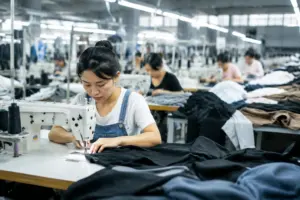
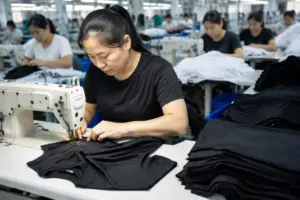
We run a factory with 200+ workers. We deliver clothing products and OEM/ODM services to brands and supermarkets worldwide. We have 20 years of export experience. Our main products include fashion women’s clothing, jackets, skirts, dresses, jeans, T-shirts, sweatshirts, down jackets, windbreakers, coats, fashion bags, sportswear, children’s clothing, and underwear.
Main export countries: Netherlands, Denmark, Belgium, Norway, UK, USA, Germany, Australia, Thailand, Turkey, Italy, Russia, Saudi Arabia, and more.
Views: 137