

Introduction: Why Interlock Matters to Your Business
If you’re in the clothing business—whether you design, manufacture, or buy garments in bulk—you need to know interlock fabric. It’s soft, durable, and versatile. It doesn’t fray. It doesn’t curl. And it feels premium.
The difference between a high-quality product and a return-prone one often comes down to the fabric choice. In this guide, you’ll learn why this fabric is a favorite among leading brands, how it stacks up against other materials, and how you can use it to create apparel that sells.
Let’s get to it.

1. What Is Interlock Fabric?
The Fabric That Feels Expensive (Without the High Cost)
Interlock fabric is a type of double-knit fabric made with two sets of needles. That means both sides of the fabric look identical—smooth, soft, and luxurious. Unlike single-knit fabrics like jersey, this fabric is thicker, holds its shape, and doesn’t fray.
It’s the kind of fabric that makes customers say, “This feels high-end.” But it doesn’t come with a high-end price tag.
Why Is It Called “Interlock”?
The name comes from the way the threads are interwoven to form a strong, flexible fabric. The construction creates a dense yet breathable material that stretches naturally without adding synthetic fibers. That’s why it’s widely used in fashion, activewear, and even baby clothing.
2. The Qualities That Make Interlock Stand Out
Soft as Silk, Tough as Nails
If you want a fabric that feels smooth against the skin but is strong enough to withstand repeated washing, interlock is your answer. The double-knit structure creates a plush, premium feel. It’s commonly used for high-quality T-shirts, sportswear, and babywear.
Stretch That Snaps Back
Interlock fabric has a natural elasticity that allows movement without losing shape. Unlike cheaper knits that sag over time, this fabric retains its structure, making it ideal for fitted clothing.
No Fraying, No Curling, No Hassle
One of the biggest frustrations in fabric selection is dealing with fraying and curling edges. Interlock fabric stays put. Cut it, sew it, and you’re done—no need for excessive finishing.
How Does It Hold Up in the Wash?
Like any high-quality fabric, interlock requires proper care. 100% cotton interlock may shrink if washed in hot water, but pre-treated fabrics reduce this risk. When blended with synthetic fibers, shrinkage is minimal.
Is It Warm?
Yes, but not stifling. Interlock traps heat better than single-knit fabrics, making it great for layering pieces. But when made with breathable fibers like cotton or bamboo, it works well for summer too.
3. Interlock vs. The Competition
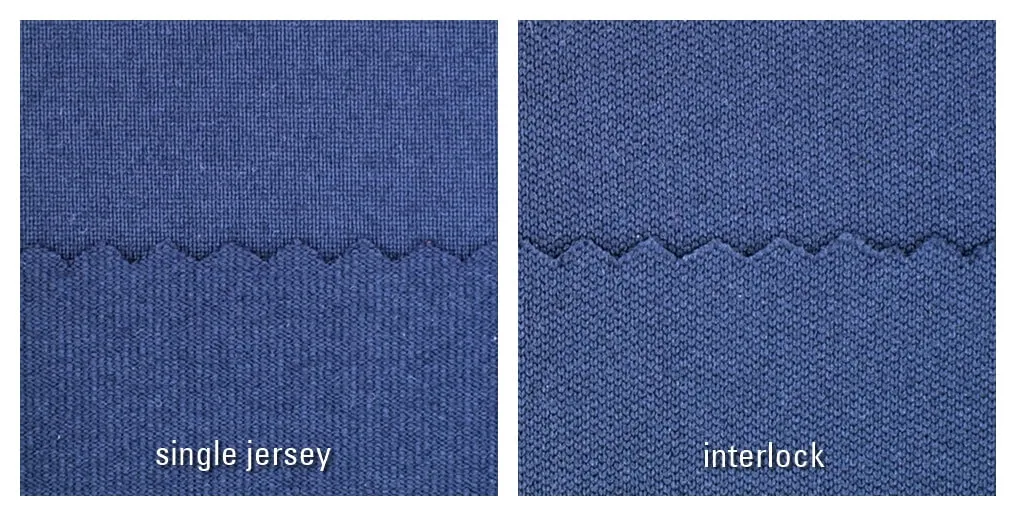
Interlock vs. Jersey: Which One Wins?
Jersey fabric is lightweight and stretchy, but it curls at the edges and can be sheer. Interlock, on the other hand, is thicker, more stable, and completely opaque. If you want a high-quality feel with better durability, interlock wins every time.

Interlock vs. Piqué: A Tale of Two Textures
Piqué fabric has a textured, waffle-like surface, commonly used for polo shirts. Interlock is smooth, making it better for sleek, soft garments. If comfort is the priority, interlock is the better choice.

Interlock vs. Ponte: What’s the Difference?
Ponte is another double-knit fabric, but it’s heavier and more structured than interlock. It’s often used for tailored pieces like dresses and leggings. If you need stretch and breathability, interlock is the way to go. If you need structure, consider ponte.
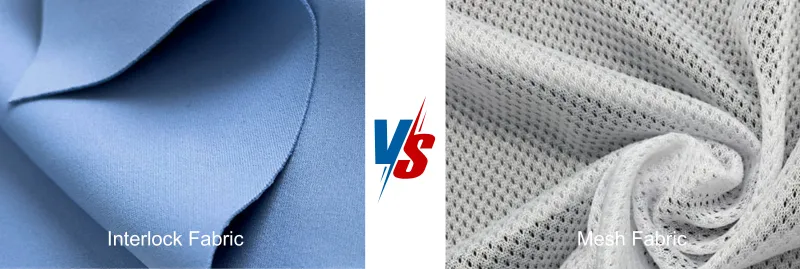
Interlock vs. Mesh: What’s Softer?
No competition here. This fabric is significantly softer than mesh, which is designed for ventilation, not comfort.
4. Why Top Clothing Brands Use Interlock Fabric
Perfect for Apparel That Sells

Interlock fabric is commonly used in:
- Luxury T-shirts and loungewear
- Premium baby clothing
- Performance and activewear
- Fashion-forward athleisure
- High-quality undergarments
It’s the fabric of choice for brands that want to offer comfort and quality without cutting corners.
The Ideal Choice for Babywear
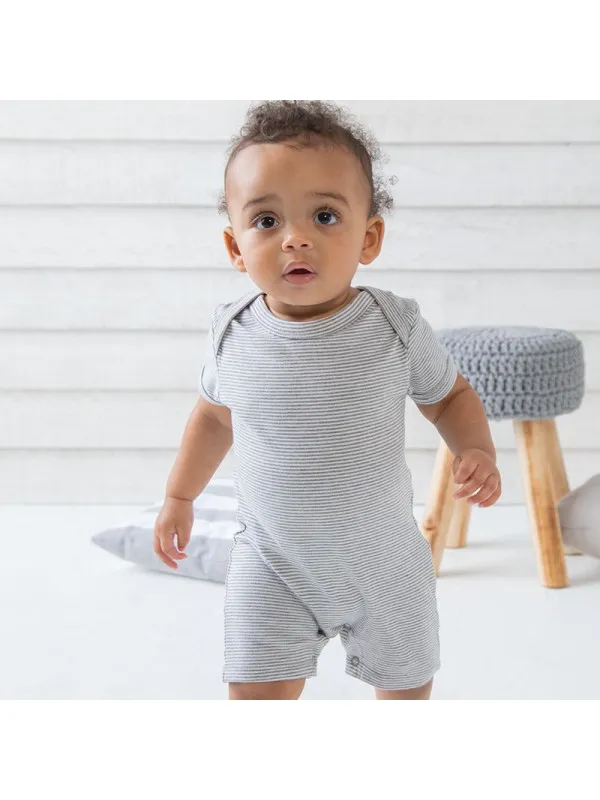
Parents want soft, breathable, non-irritating fabrics for their babies. This fabric delivers. It’s gentle on the skin, hypoallergenic, and withstands frequent washing without losing shape.
5. How to Work with Interlock Fabric
Easy to Cut and Sew
Unlike jersey fabric, which can stretch out and curl at the edges, interlock is easy to work with. It lays flat, making it ideal for professional and home sewing.
Stitching Techniques That Work Best
- A regular sewing machine can handle this fabric, but for durability, an overlock (serger) stitch is recommended.
- For professional finishes, a coverstitch machine can reinforce seams without adding bulk.
Care Tips for Longevity
- Washing: Cold water, gentle cycle.
- Drying: Air dry or tumble dry low.
- Ironing: Low heat to avoid fiber damage.
6. The Business Case for Using Interlock Fabric
Cost-Effective Without Sacrificing Quality
Interlock fabric offers a premium feel at a reasonable price. It elevates your product without significantly increasing costs, making it a smart choice for brands focused on quality.

Higher Customer Satisfaction, Lower Return Rates
Because this fabric maintains its shape, resists pilling, and feels luxurious, it leads to fewer customer complaints and returns—saving you money and protecting your brand’s reputation.
Sustainable and Ethical Manufacturing Options
Interlock fabric can be sourced in organic cotton and eco-friendly blends, making it a viable choice for brands with sustainability initiatives.
7. What’s the Cost of Interlock Fabric?
How Much Should You Expect to Pay?
The price of interlock varies based on fiber content and weight:
- Basic cotton interlock: $5–$10 per yard
- Organic cotton interlock: $10–$20 per yard
- Premium performance blends: $15+ per yard
If you’re purchasing in bulk, negotiate with suppliers to get the best rates while maintaining quality.
Final Thoughts: Should You Use Interlock Fabric?
If you’re looking for a fabric that combines softness, durability, and premium appeal, this fabric is a no-brainer. It’s perfect for everything from luxury basics to high-performance garments.
Your customers want clothes that feel good and last long. Interlock fabric delivers exactly that.
If you’re sourcing fabrics for your next collection, now is the time to consider interlock. The right choice today can mean fewer returns, higher customer loyalty, and better margins for your business.
Need a trusted supplier? Let’s talk.
Views: 986