
PBT Fabric: The Secret Weapon for High-Performance Fashion
Introduction: Why Smart Buyers Are Choosing PBT Fabric
If you’re in the fashion business, you know one thing: durability matters. Customers expect clothing that looks great, performs well, and lasts. Yet, too many brands still rely on fabrics that stretch out, fade, or fall apart after a few washes.

Enter PBT fabric—a game-changer for fashion brands, wholesalers, and retailers who demand more from their materials. It’s tough, flexible, and built to endure.
In this guide, you’ll discover why PBT fabric is the smart choice for performance fashion—and how it can give your brand a competitive edge.
1. What Is PBT Fabric, and Why Does It Matter?
A Polyester That Outperforms the Rest
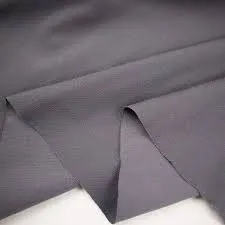
PBT (Polybutylene Terephthalate) is a high-performance polyester designed to outperform traditional fabrics. While regular polyester (PET) is strong, PBT goes further—it stretches, recovers, and resists wear like no other.
What Makes PBT So Special?
- Stretch & Recovery: PBT fabric moves with the body and bounces back—no sagging, no bagging.
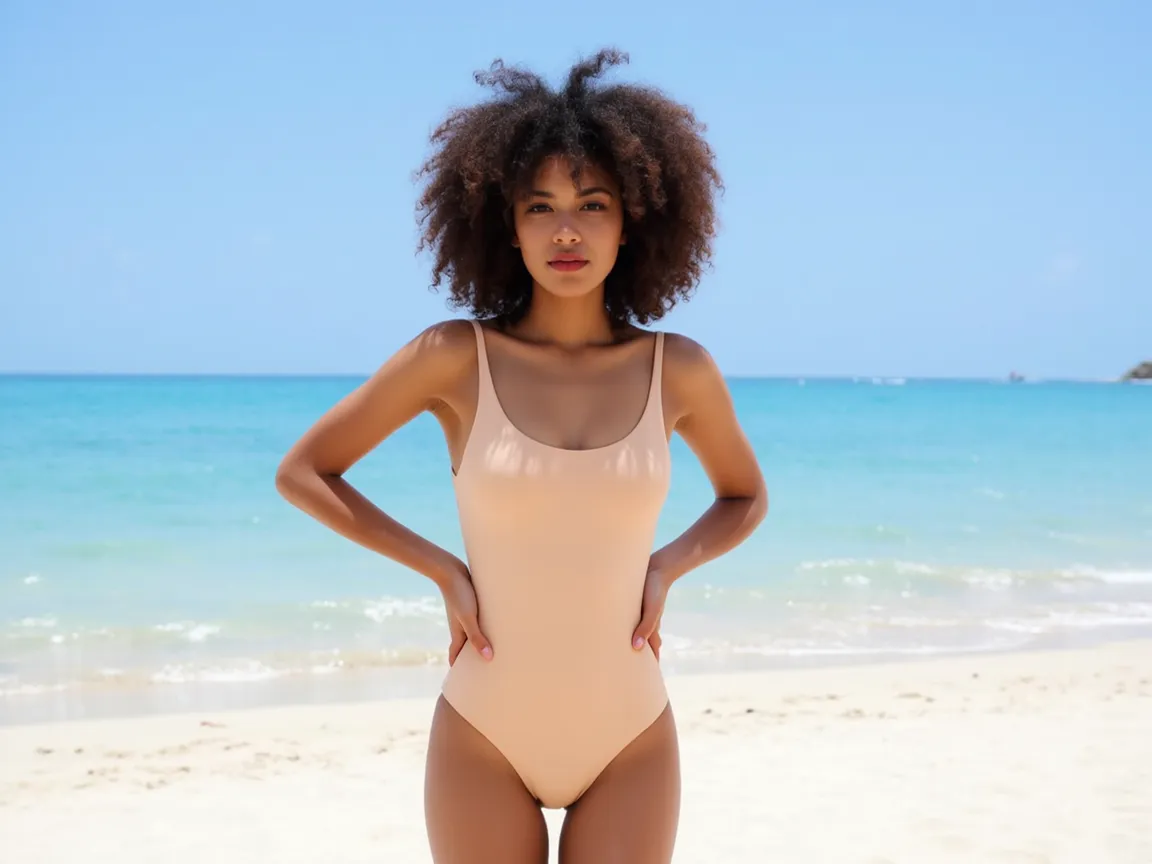
- Chlorine Resistance: Swimwear made from PBT lasts 5 times longer than nylon or spandex alternatives.
- Quick-Drying & Moisture-Wicking: Sweat and water evaporate fast, keeping wearers comfortable.
- UV & Color Retention: No fading. No dulling. Just vibrant, long-lasting colors.
- Soft Yet Strong: Unlike stiff polyester, PBT has a luxurious, flexible feel—without sacrificing strength.
If your customers demand high-performance apparel, PBT fabric delivers.
2. The Sustainability Advantage: How PBT Cuts Waste
Fast fashion is failing. Consumers now look for clothing that lasts—and that’s where PBT shines.
PBT vs. Other Synthetics: A Smarter Choice
- Longer Lifespan = Less Waste: Garments made from PBT stay in shape and out of landfills longer.
- Dye Efficiency: Unlike nylon, PBT absorbs dye with less water and chemicals.
- Recyclable Potential: As polyester recycling improves, PBT is on track to become a circular material.
- Bio-Based Innovations: Brands are already developing plant-derived PBT alternatives to reduce environmental impact.
By choosing PBT, you’re not just offering better products—you’re supporting a more sustainable future.
3. How Top Brands Use PBT to Stay Ahead
Sportswear & Activewear
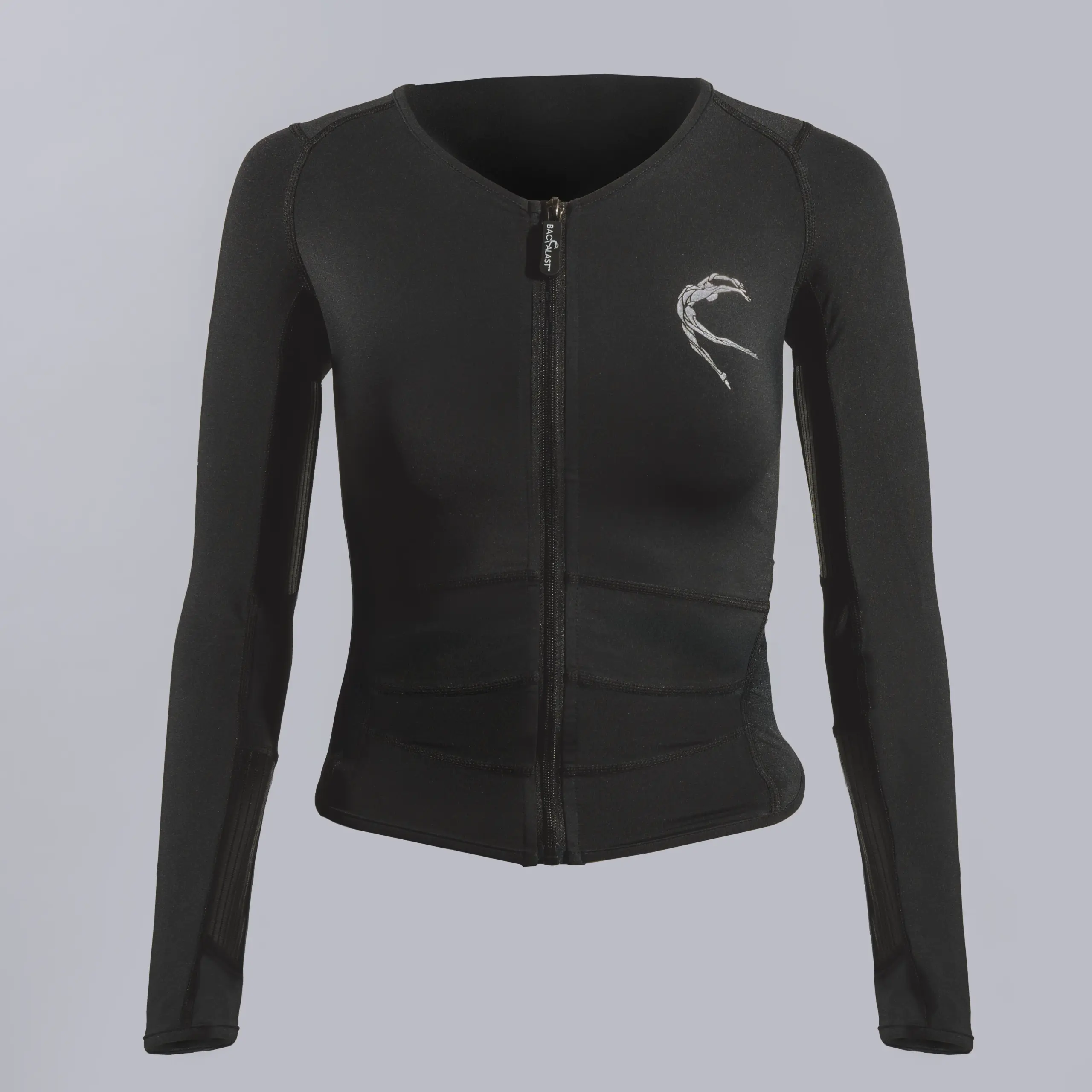
Lululemon, Nike, and Under Armour built empires on high-performance apparel. The secret? Fabrics that move, stretch, and endure—just like PBT does.
Swimwear: The Industry’s Best-Kept Secret
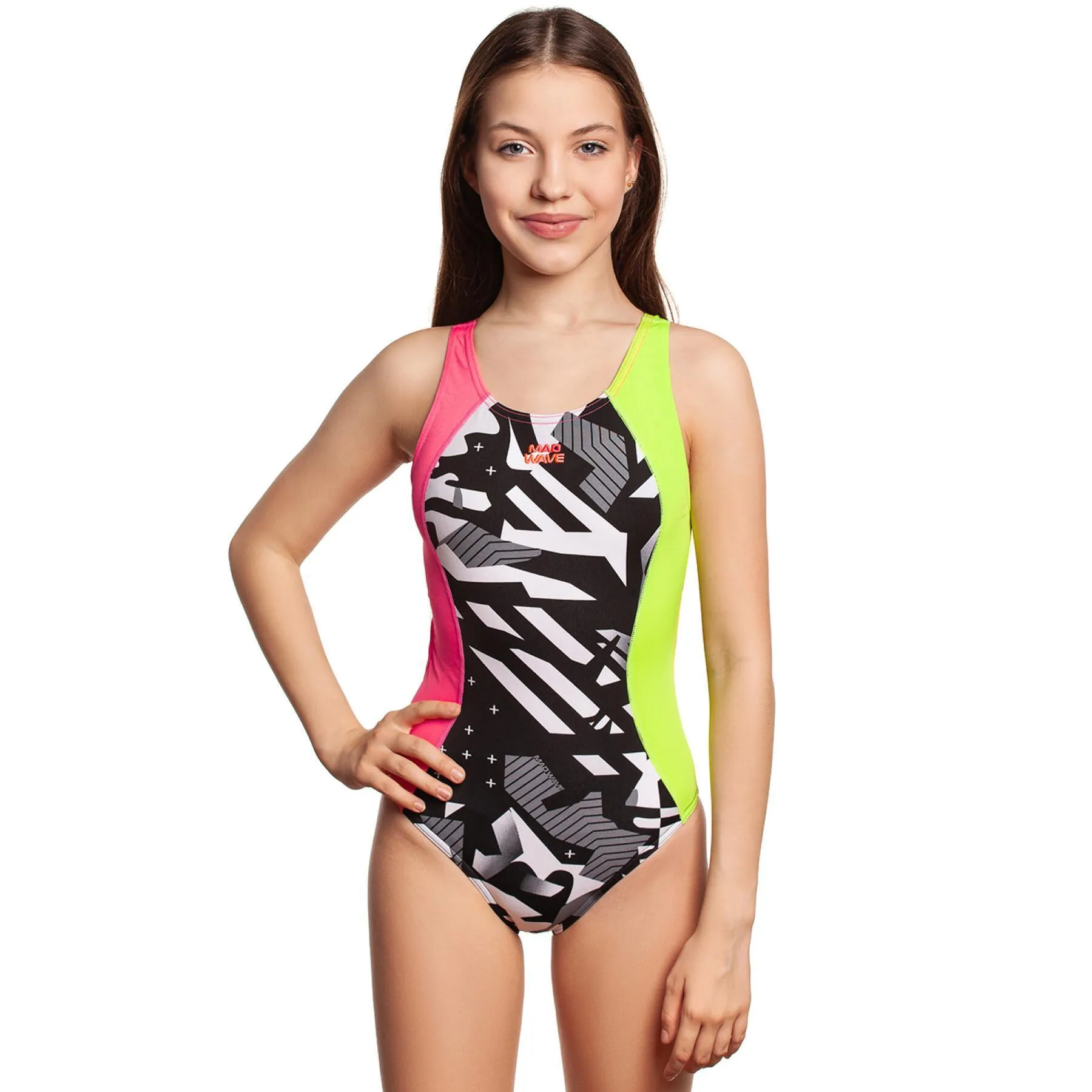
Competitive swimwear brands like Speedo and Arena rely on PBT/polyester blends because they survive chlorine, salt, and sun—season after season.
Athleisure & Everyday Wear
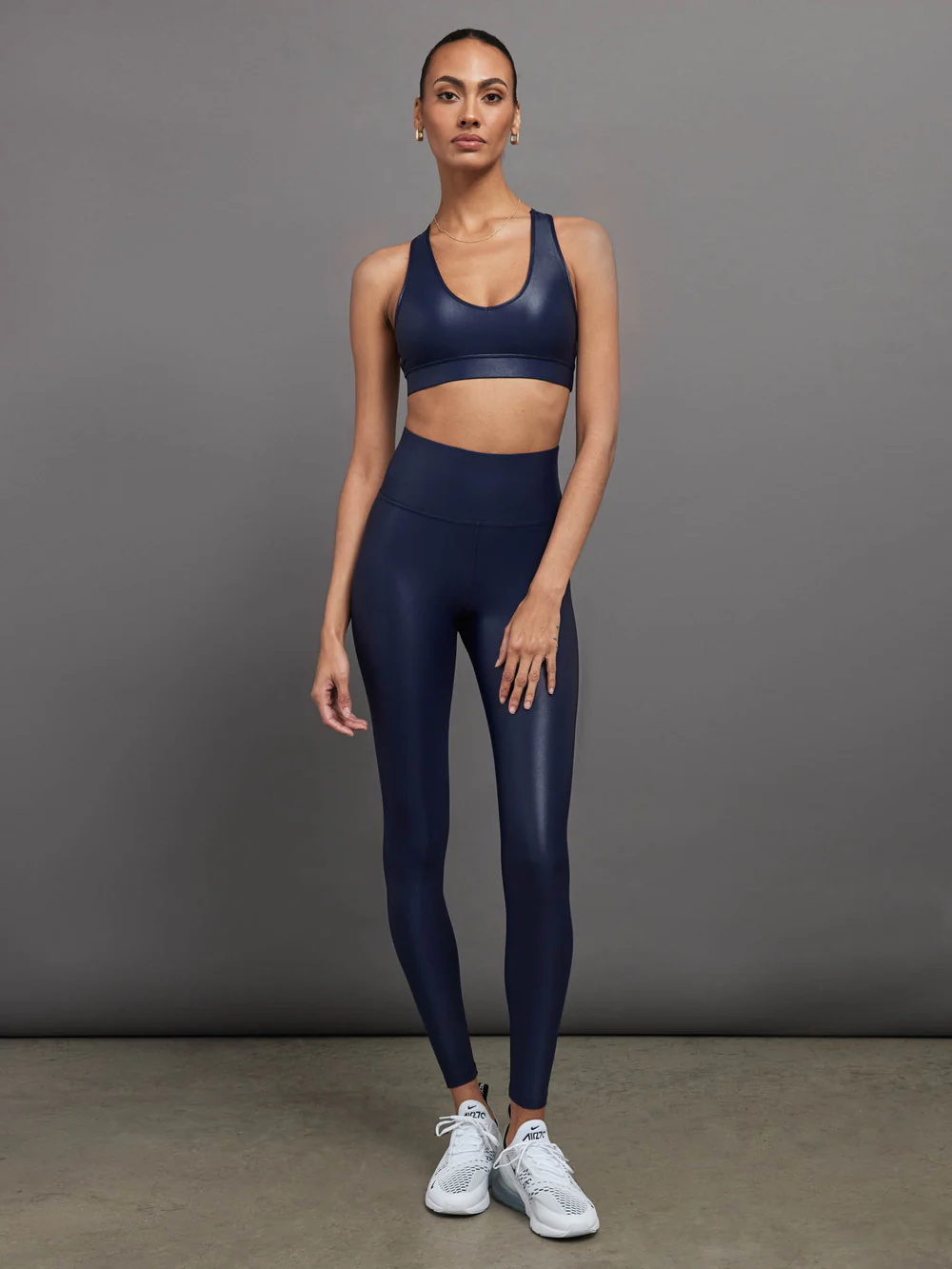
PBT is breaking into yoga leggings, compression wear, and even stretch denim. The result? Clothes that last longer and keep customers coming back.
Fashion is evolving. If you’re not offering long-lasting performance fabrics, you’re already behind.
4. PBT vs. Other Fabrics: Why It Wins Every Time
| Fabric Type | Stretch Recovery | Chlorine Resistance | Moisture-Wicking | Lifespan |
|---|---|---|---|---|
| PBT | ✅ Excellent | ✅ Excellent | ✅ High | ✅ Long-lasting |
| Nylon | ⚠️ Moderate | ❌ Poor | ✅ High | ❌ Wears out fast |
| Spandex | ✅ High | ❌ Poor | ⚠️ Moderate | ❌ Prone to breakdown |
| PET Polyester | ❌ Low | ⚠️ Moderate | ✅ High | ✅ Recyclable but stiff |
PBT beats nylon, spandex, and regular polyester in every key category.
If performance and longevity matter, there’s no comparison.
5. What’s Holding Brands Back? (And How to Overcome It)
Cost Concerns
PBT costs more than standard polyester. But what’s more expensive: a quality fabric or constant replacements?
Limited Supplier Availability
Not all mills stock PBT in bulk. The solution? Work with specialized suppliers—and place larger orders to reduce costs.
Educating the Consumer
Many customers don’t know the difference between regular polyester and PBT. Brands that highlight durability and performance in marketing see better sales and fewer returns.
6. The Future of PBT: Where the Industry Is Headed
The fashion world is shifting toward longer-lasting, high-performance fabrics. Here’s what’s next for PBT:
- More Sustainable Production: Bio-based PBT and recycling technologies are evolving fast.
- Expansion Beyond Sportswear: Expect to see PBT in everyday fashion, denim, and even luxury apparel.
- Increased Market Demand: As consumers reject fast fashion, they’ll demand fabrics that hold up.
Smart brands are investing in PBT now. The rest will be playing catch-up.
Conclusion: Why You Should Source PBT Fabric Today
PBT is not just another fabric—it’s a competitive advantage.
If you’re a fashion buyer, wholesaler, or retailer, here’s what you need to do next:
- Find a reliable PBT supplier—ensure they offer high-quality blends.
- Test PBT in your next collection—see the difference in stretch, durability, and feel.
- Educate your customers—highlight why PBT garments last longer and perform better.
The brands that embrace PBT today will dominate tomorrow. Don’t get left behind—start sourcing PBT fabric now.
Views: 689