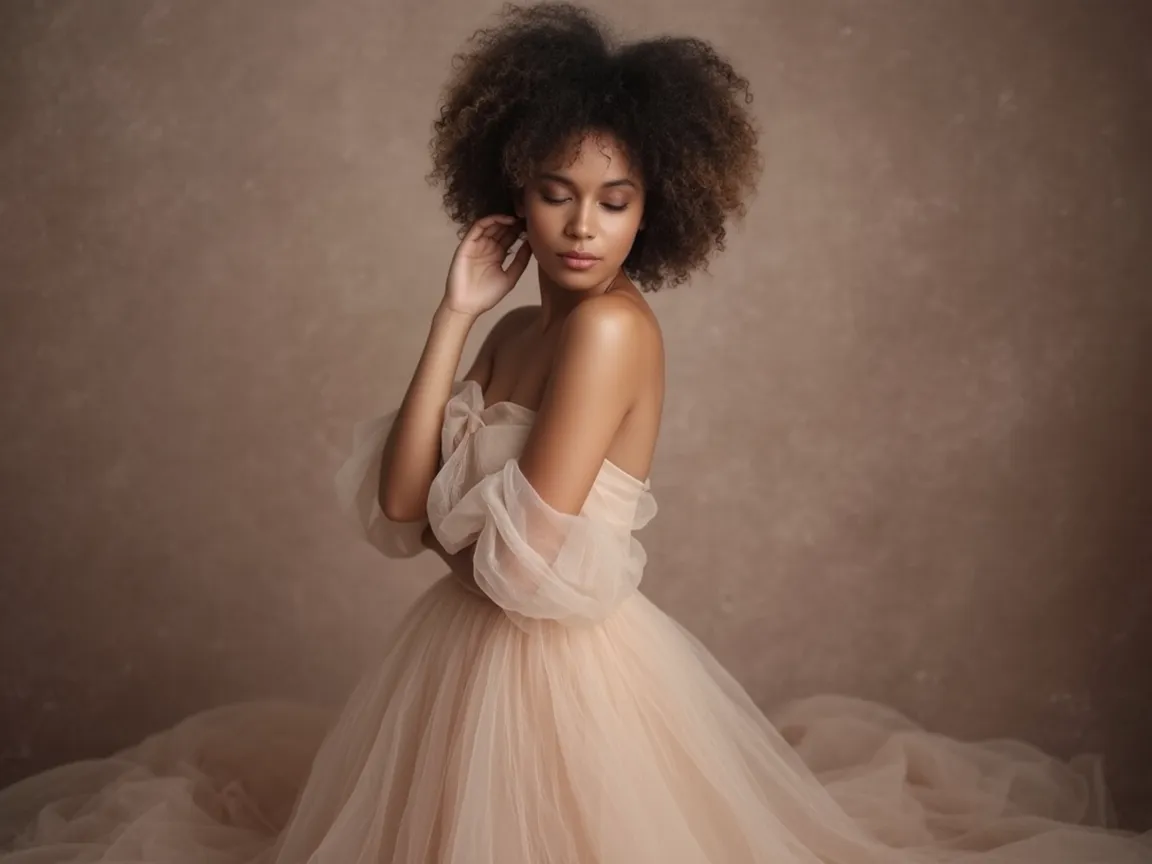


Voile is a lightweight, sheer fabric that has gained popularity in the fashion and textile industries due to its softness, breathability, and versatility. Whether used in clothing, curtains, or accessories, voile offers a delicate and elegant touch. But what exactly is voile, and how does it compare to other fabrics?
Voile is a semi-transparent, plain-woven fabric typically made from cotton, polyester, or silk. It is known for its lightweight and breathable nature, making it ideal for summer clothing, scarves, curtains, and delicate fashion pieces.
Understanding voile requires exploring its different types, uses, benefits, and maintenance. This article will guide you through everything you need to know about voile fabric.
What Is Voile Material Made Of?
Voile is primarily composed of cotton, polyester, silk, or a blend of these fibers. The weaving technique used for voile results in a fine and soft texture.
Voile fabric is made using a plain weave, which gives it a slightly crisp texture while maintaining its delicate and sheer appearance. The most common type is cotton voile, but synthetic versions like polyester voile also exist.
Production Process of Voile Fabric
The manufacturing of voile fabric involves a precise weaving process to achieve its signature lightweight, sheer, and breathable properties. Below are the key steps in voile production:
- Fiber Selection
Voile fabric can be made from natural fibers like cotton and silk or synthetic fibers such as polyester. The choice of fiber influences the fabric’s softness, breathability, and durability. - Yarn Preparation
The selected fibers are spun into fine, lightweight yarns. These yarns are then treated to remove impurities and improve the fabric’s overall texture. - Weaving Process
Voile fabric is woven using a plain weave technique, which gives it a crisp yet soft feel. The weave is tight enough to provide slight structure while remaining semi-transparent. - Dyeing & Printing
Once woven, the fabric is dyed or printed with different patterns to enhance its aesthetic appeal. Cotton voile, for instance, can be naturally dyed, while polyester voile often undergoes digital printing. - Finishing & Softening Treatments
To enhance voile’s drape and texture, special finishing treatments such as softening, pre-shrinking, or wrinkle resistance are applied. Some voile fabrics are treated for UV protection or anti-static properties for home décor applications. - Cutting & Quality Control
The final fabric is inspected for any weaving defects, ensuring consistency in texture and transparency. After quality control, the voile fabric is cut into bolts or specific lengths for different uses, from fashion to home textiles.
This meticulous production process ensures that voile fabric remains soft, breathable, and elegantly sheer, making it a favorite for clothing, scarves, and curtains.
What Are the Different Types of Voile Fabric?
Voile comes in various types, each with unique characteristics. Some popular types include:
1. Cotton Voile Fabric

Cotton voile is soft, breathable, and comfortable, making it a favorite for summer clothing, dresses, and scarves.
2. Voile Lace
Voile lace features intricate embroidery and is often used in formal wear, bridal dresses, and traditional clothing in many cultures.
3. Silk Voile
Silk voile is luxurious and has a subtle sheen, making it ideal for elegant dresses and evening wear.
4. Polyester Voile
Polyester voile is used mainly in home décor, including curtains and mosquito nets, due to its durability and affordability.
Cotton Voile vs. Polyester Voile
| Feature | Cotton Voile | Polyester Voile |
|---|---|---|
| Breathability | High | Moderate |
| Softness | Very soft | Slightly stiffer |
| Durability | Less durable | More durable |
| Transparency | Sheer | Sheer to semi-sheer |
| Wrinkle Resistance | Low | High |
| Natural Composition | 100% cotton | Synthetic fiber |
Cotton voile is widely preferred in fashion due to its natural composition, softness, and lightweight feel, whereas polyester voile is more durable and wrinkle-resistant, making it suitable for home textiles like curtains.
How Is Voile Used in Fashion?
Voile’s lightweight and breathable nature make it an excellent choice for various fashion applications. It is commonly used in:
1. Dresses and Skirts
Voile dresses, such as the robe voile femme or robe voile fluide, are popular due to their flowy and airy texture, perfect for summer.
2. Scarves and Head Coverings
Many cultures use voile fabric for scarves, such as the voile femme musulmane or voile scarf, providing comfort while maintaining a sophisticated look.
3. Blouses and Shirts
Voile shirts offer a relaxed yet elegant feel, making them a favorite for casual and semi-formal occasions.
4. Kimono and Outerwear
A kimono voile is a stylish layering piece that provides a breezy yet chic appearance.
How Does Voile Compare to Other Sheer Fabrics?
Voile is often compared to other lightweight fabrics, such as chiffon and muslin. Let’s look at how they differ:
| Feature | Voile | Chiffon | Muslin |
|---|---|---|---|
| Weave | Plain | Crepe | Plain |
| Transparency | Semi-sheer | Very sheer | Sheer to opaque |
| Texture | Crisp yet soft | Smooth and flowy | Soft and coarse |
| Best Use | Dresses, scarves, curtains | Evening gowns, blouses | Baby clothing, medical uses |
Voile stands out for its balance between transparency and texture, making it more versatile than chiffon and muslin.
How to Maintain and Care for Voile Fabric?
To extend the lifespan of voile garments and home textiles, proper care is essential.
Washing
- Hand wash or use a gentle machine cycle with cold water.
- Use mild detergent to prevent fabric weakening.
Drying
- Air dry in a shaded area to prevent shrinkage and fading.
- Avoid wringing the fabric to maintain its shape.
Ironing
- Use low to medium heat to avoid scorching the delicate fibers.
- Place a cloth over the fabric while ironing to protect it.
Where Is Voile Used Outside of Fashion?
Besides fashion, voile is commonly used in home décor and other applications.
Curtains and Drapes
Voile curtains, such as black voile curtains and ikea voile curtains, offer privacy while allowing natural light to pass through.
Bedding and Canopies
Voile is used in voile lit and voile lit cabane to add a dreamy, elegant touch to bedrooms.
Protective Covers
Specialized voile fabrics, such as voile anti-insectes and voile hivernage, protect plants and furniture from dust and insects.
Conclusion
Voile fabric is a versatile and elegant material used across fashion, home décor, and cultural wear. Its lightweight, breathable, and delicate nature makes it a popular choice for summer clothing, scarves, curtains, and more. By understanding its types, uses, and maintenance, you can make the most of this beautiful fabric.
Views: 650


