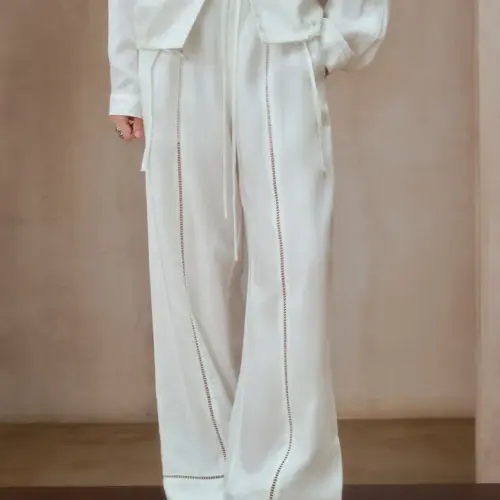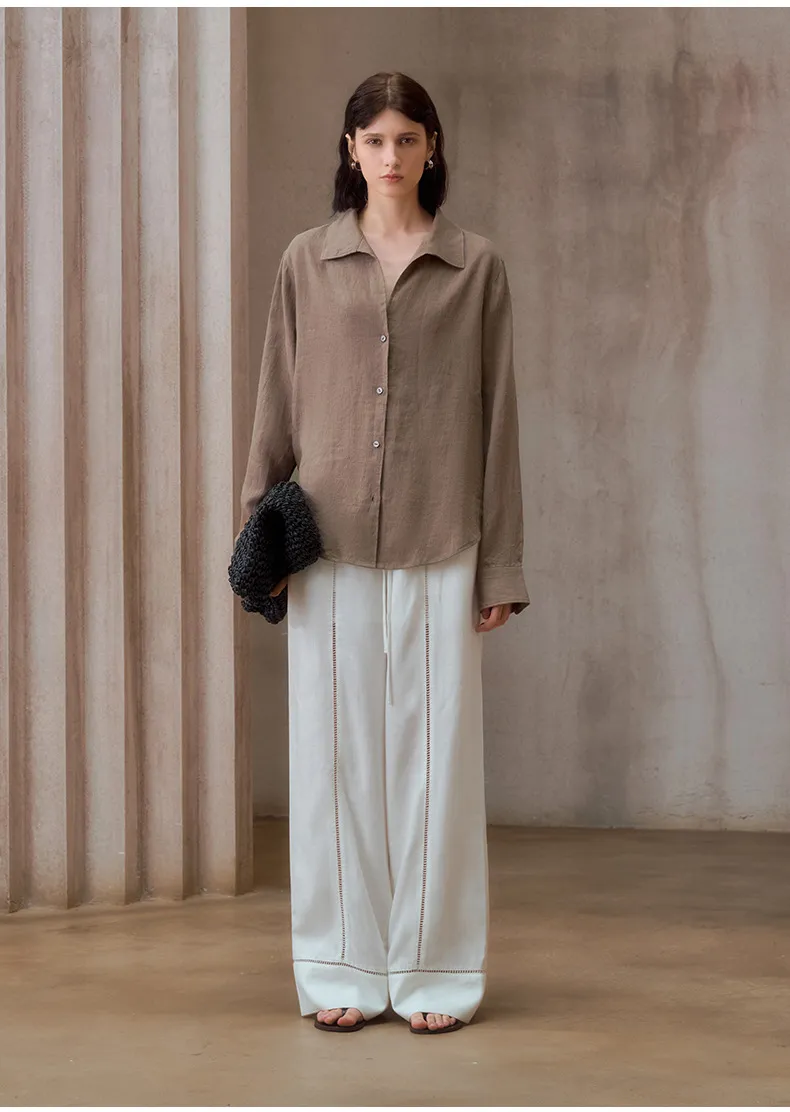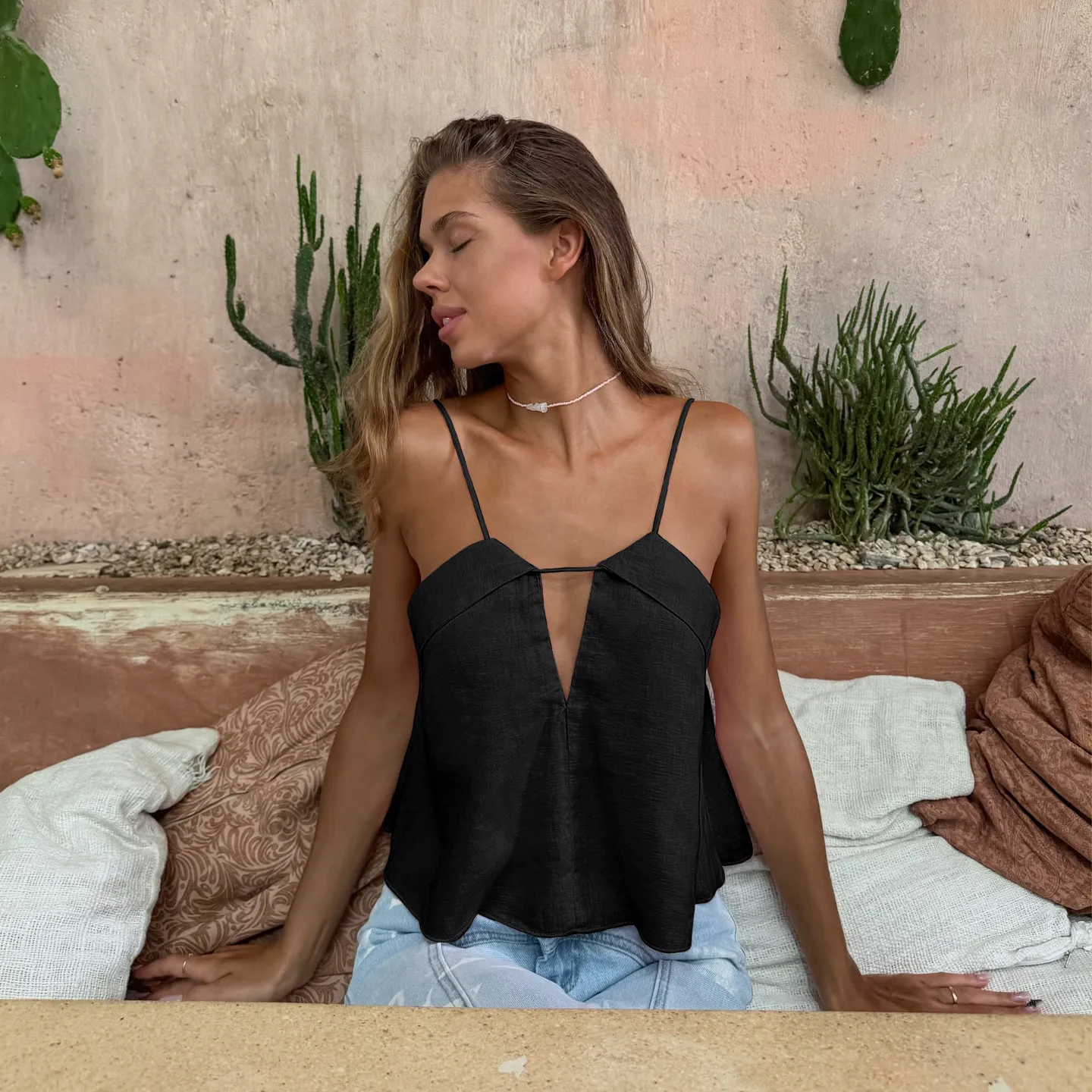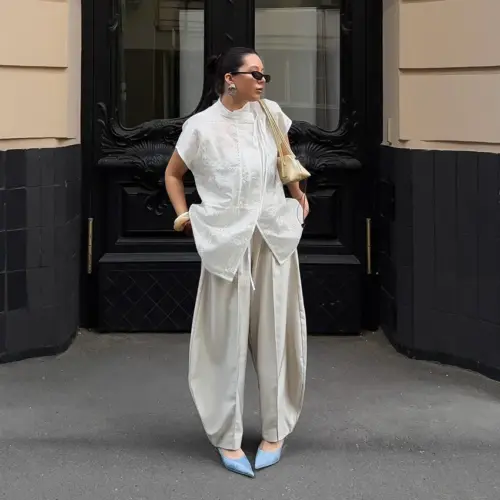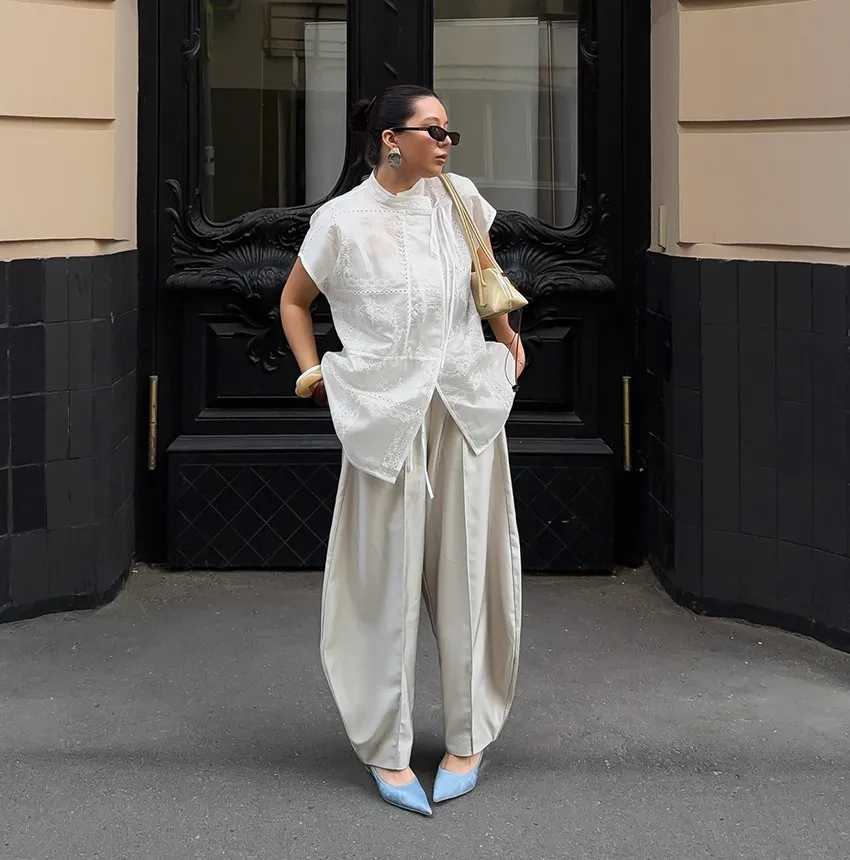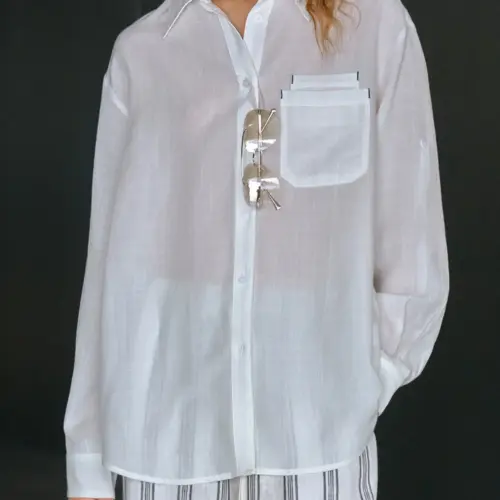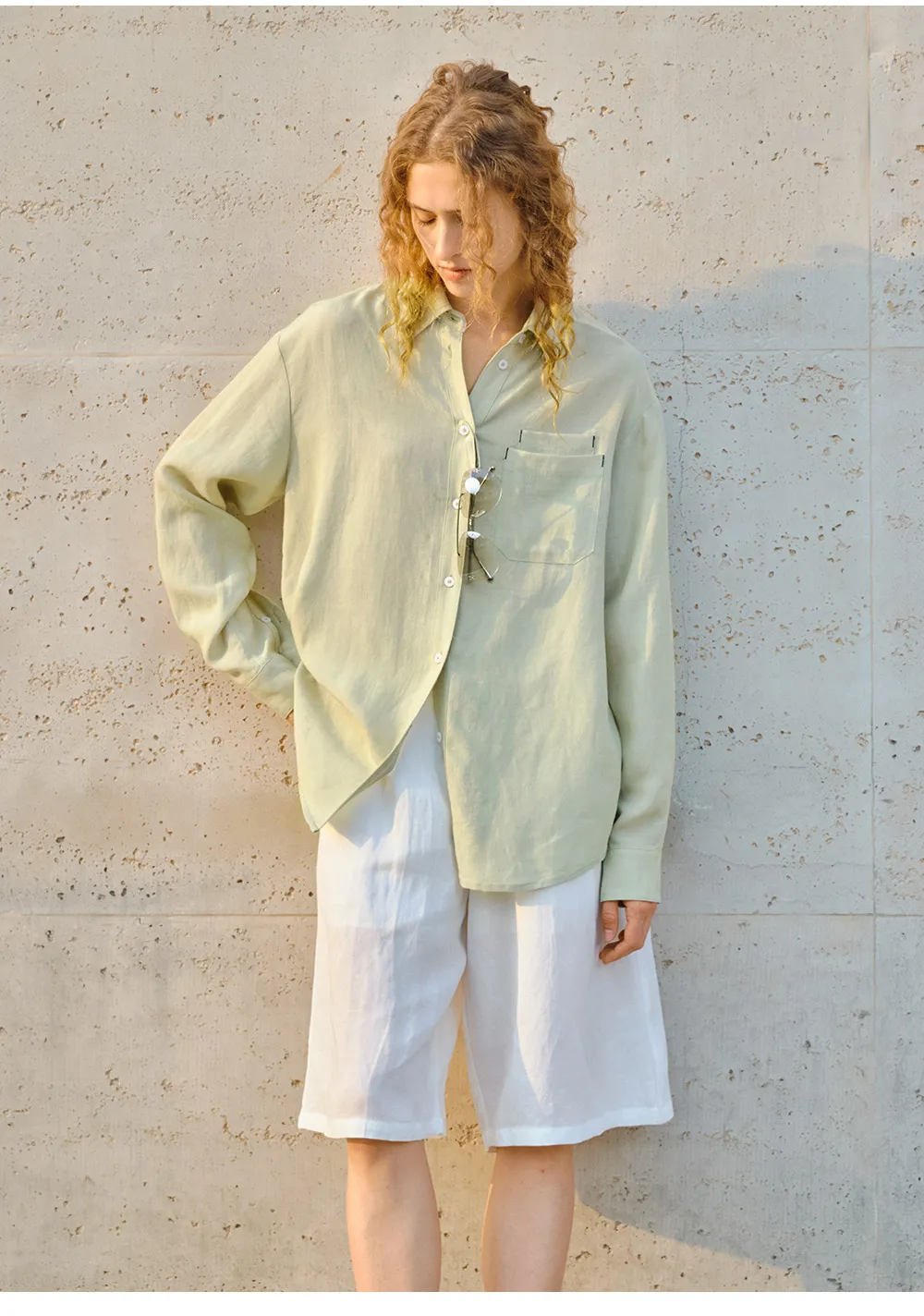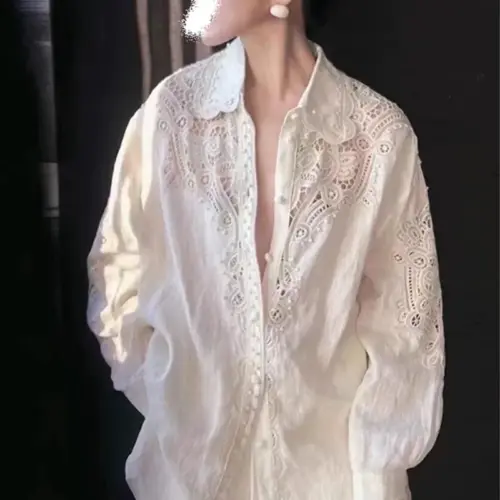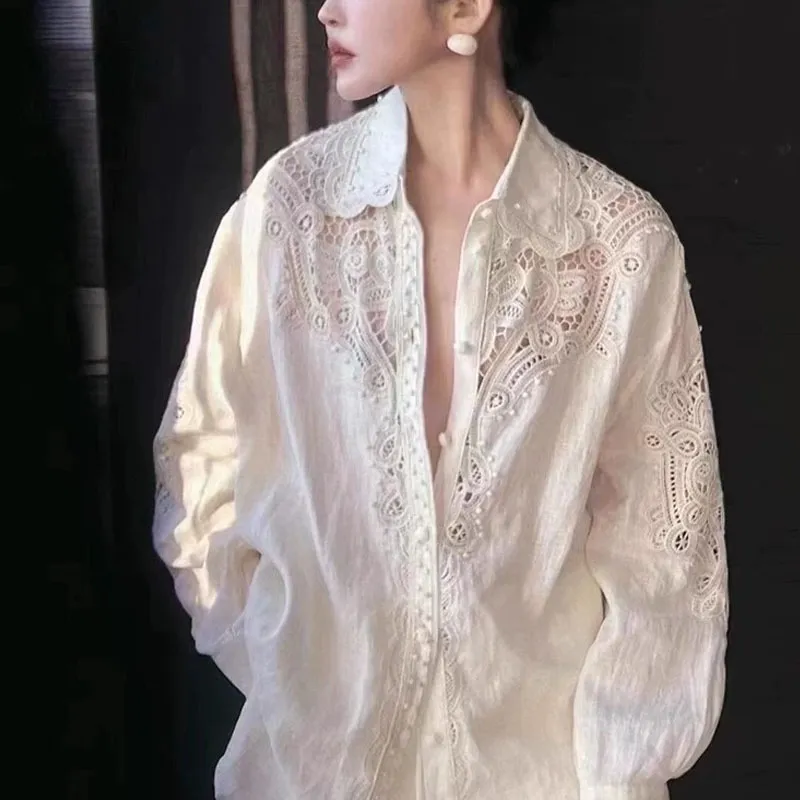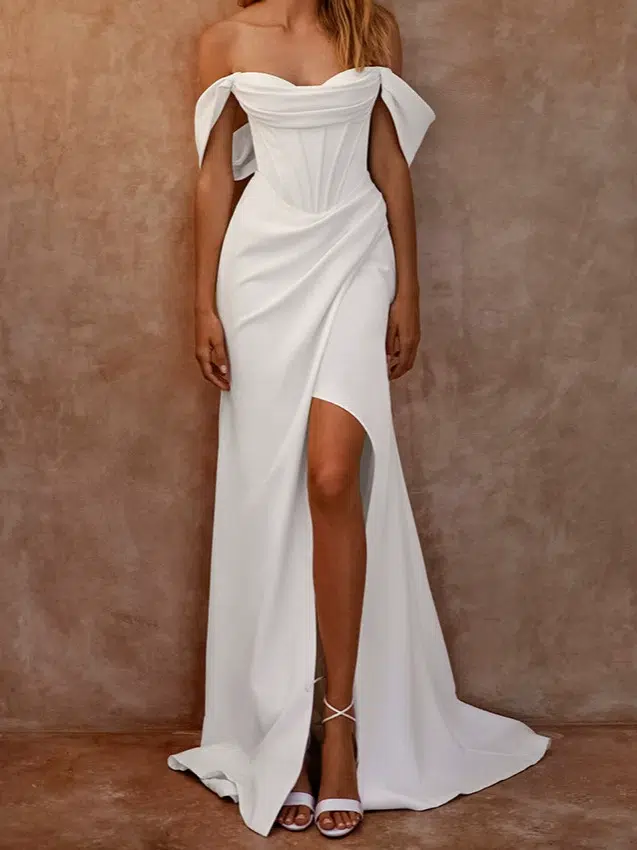

Cupro fabric is gaining popularity in the fashion industry, yet many people are still unfamiliar with its properties and benefits. Is it sustainable? How does it compare to other fabrics? And why is it being used in high-end fashion? In this guide, I will explore everything you need to know about Cupro fabric.
Cupro fabric is a regenerated cellulose fiber made from cotton linter, a byproduct of cotton production. It is soft, breathable, and has a luxurious silk-like texture, making it a great alternative to silk and synthetic fabrics.

Cupro has been around for decades, but with the rising demand for sustainable fashion, it is now being reconsidered as a top choice for designers and consumers alike. Let’s dive into the details and explore the various aspects of Cupro fabric.
What Is Cupro Fabric Made From?
Cupro fabric is derived from cotton linter, the fine fibers surrounding the cottonseed that are too small to be spun into cotton fabric. Through a chemical process similar to that of rayon or viscose, these fibers are transformed into a smooth and silky textile.
Cupro is made from 100% plant-based materials, making it biodegradable and more eco-friendly compared to synthetic fibers like polyester.
How Is Cupro Fabric Manufactured?
<iframe width=”560″ height=”315″ src=”https://www.youtube.com/embed/pMy0Ac9Sw1w” frameborder=”0″ allow=”accelerometer; autoplay; clipboard-write; encrypted-media; gyroscope; picture-in-picture” allowfullscreen></iframe>
The production of Cupro involves several chemical treatments to dissolve the cotton linter and regenerate it into fiber. The process is somewhat similar to viscose and modal production.
| Step | Process Description |
|---|---|
| 1. Raw Material Collection | Cotton linter is collected from cottonseed processing. |
| 2. Dissolution | Linter is dissolved using a copper-ammonia solution. |
| 3. Regeneration | The solution is filtered, and the cellulose is regenerated into fibers. |
| 4. Spinning | The fibers are spun into yarn and woven into fabric. |
| 5. Finishing | The fabric is dyed and processed for different applications. |
What Are The Characteristics Of Cupro Fabric?
Cupro has several unique properties that make it a desirable material for fashion and textile industries.
Cupro fabric is known for its silk-like drape, moisture-wicking ability, and breathability, making it perfect for warm-weather clothing.
Key Features of Cupro Fabric
- Soft and Smooth: Cupro has a luxurious feel, similar to silk, but without the high cost and ethical concerns of silk production.
- Breathable: It allows air to pass through, making it comfortable for warm climates.
- Moisture-Wicking: It absorbs and releases moisture, keeping the wearer cool and dry.
- Hypoallergenic: It is gentle on the skin, making it ideal for sensitive skin types.
- Drapes Well: Cupro flows beautifully, making it an excellent choice for dresses and blouses.
- Eco-Friendly: Since it is made from a byproduct of cotton, it reduces waste in the textile industry.
What Are The Common Uses Of Cupro Fabric?
Cupro is primarily used in fashion, but its unique properties make it versatile for multiple applications.
Cupro fabric is widely used in high-end fashion, including dresses, blouses, linings, and scarves, due to its luxurious texture and eco-friendly nature.
Popular Applications

- Cupro Dresses: Elegant and breathable, often used in summer collections.
- Cupro Blouses: Soft and drapey, offering a comfortable and sophisticated look.
- Cupro Linings: Frequently used in jackets and coats due to its silky texture.
- Scarves & Accessories: Cupro mimics silk, making it perfect for scarves and wraps.
- Loungewear & Sleepwear: Its breathable nature makes it comfortable for nightwear.
How Does Cupro Fabric Compare To Other Fabrics?
Cupro is often compared to silk, viscose, and polyester. Let’s break down the differences.
| Fabric Type | Characteristics | Pros | Cons |
|---|---|---|---|
| Cupro | Silk-like, breathable, moisture-wicking | Sustainable, soft, biodegradable | Chemical processing required |
| Silk | Natural protein fiber, luxurious texture | High-end, natural | Expensive, requires delicate care |
| Viscose | Made from wood pulp, soft and breathable | Affordable, versatile | Prone to shrinking, less durable |
| Polyester | Synthetic fiber, durable | Cheap, wrinkle-resistant | Not breathable, non-biodegradable |
Is Cupro Fabric Sustainable?

With the increasing demand for sustainable textiles, many people wonder if Cupro is truly an eco-friendly option.
Cupro fabric is considered sustainable because it repurposes cotton waste, is biodegradable, and uses a closed-loop production process to minimize waste and chemical impact.
Environmental Impact
- Reduces Waste: Cupro utilizes cotton linter that would otherwise be discarded.
- Biodegradable: Unlike polyester, Cupro decomposes naturally.
- Closed-Loop System: The chemicals used in production are mostly recycled, reducing pollution.
- Low Water Usage: Requires less water than conventional cotton production.
Where Can You Buy Cupro Fabric?
Cupro fabric is available in various markets worldwide, including specialty fabric stores and online retailers.
Cupro fabric can be purchased from textile suppliers, online marketplaces like Etsy and Amazon, and fabric wholesalers.
Buying Cupro Fabric in Different Regions
- Cupro Fabric NZ: Available through local textile shops and online suppliers in New Zealand.
- Cupro Fabric Europe: European manufacturers often produce high-quality Cupro textiles.
- Cupro Fabric USA: Many sustainable fashion brands in the U.S. use Cupro.
- Cupro Fabric China: China is a major producer of Cupro fabric, offering both wholesale and retail options.
How To Care For Cupro Fabric?
Cupro is delicate and requires proper care to maintain its luxurious feel.
Cupro fabric should be washed gently in cold water, air-dried, and ironed on low heat to prevent damage.
Washing & Maintenance Tips
- Hand Wash or Gentle Machine Wash: Use cold water and mild detergent.
- Avoid Harsh Chemicals: No bleach or strong detergents.
- Air Dry: Lay flat or hang to dry naturally.
- Low Heat Ironing: Use a steam iron on low heat if needed.
Conclusion
Cupro fabric is a versatile, sustainable, and luxurious textile that offers an eco-friendly alternative to silk and synthetic fibers. Its breathability, softness, and biodegradable properties make it an ideal choice for high-end fashion and everyday wear. As the demand for sustainable materials grows, Cupro is poised to become a significant player in the textile industry.
Views: 2089