

Fleece is one of the most popular fabrics in the clothing industry, known for its softness, warmth, and versatility. Whether used in jackets, hoodies, or fleece blankets, fleece is a staple in casual and outdoor wear. But what exactly is fleece, and why has it become such a go-to fabric?
Fleece is a synthetic or natural fabric designed to mimic wool, providing warmth while remaining lightweight. It is commonly made from polyester but can also include cotton and other fibers for enhanced properties.
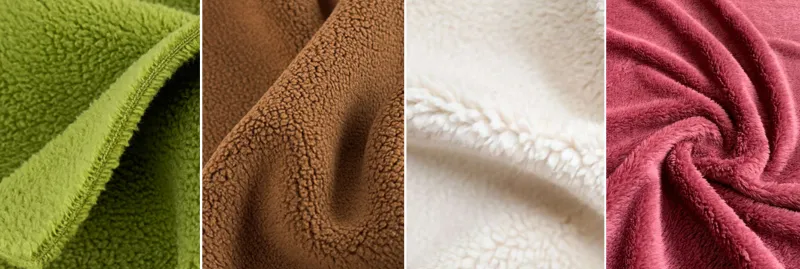
Fleece has evolved significantly over the years, with many variations suited for different purposes. From baby fleece to tech fleece, this material has found its way into nearly every aspect of fashion. Let’s dive deeper into the different types of fleece and their unique characteristics.
What Are The Different Types Of Fleece?
Fleece comes in many varieties, each designed for specific uses. Some are lightweight and breathable, while others are thick and insulating. Understanding the different types can help you choose the best one for your needs.
The most common types of fleece include polar fleece, sherpa fleece, microfleece, cotton fleece, and grid fleece. Each type has its own unique properties that make it suitable for different weather conditions and uses.
Polar Fleece
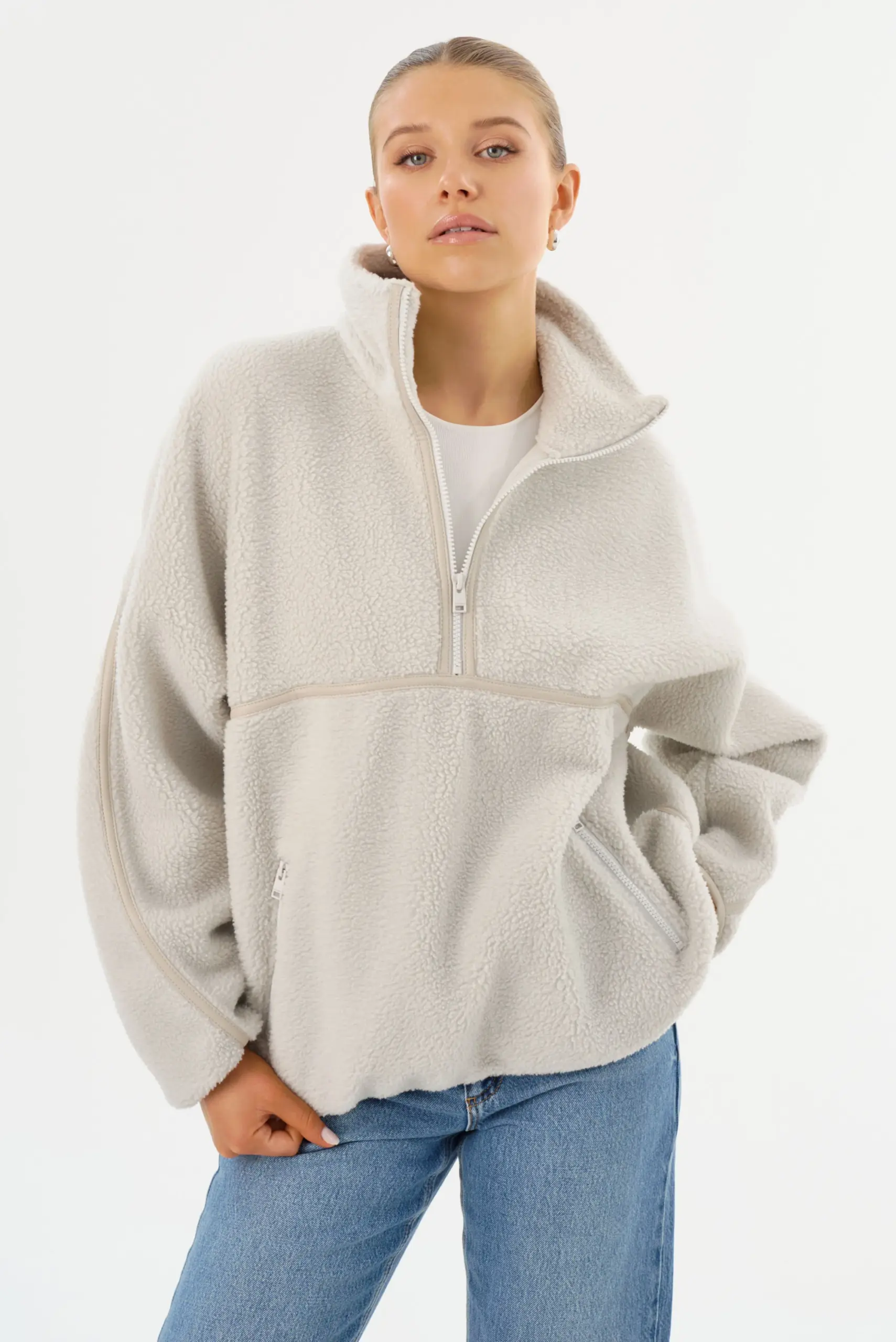
Polar fleece is one of the most widely used types of fleece. It is thick, warm, and ideal for cold-weather clothing such as jackets and hoodies.
- Pros: Warm, lightweight, quick-drying
- Cons: Can pill over time, not windproof
Sherpa Fleece
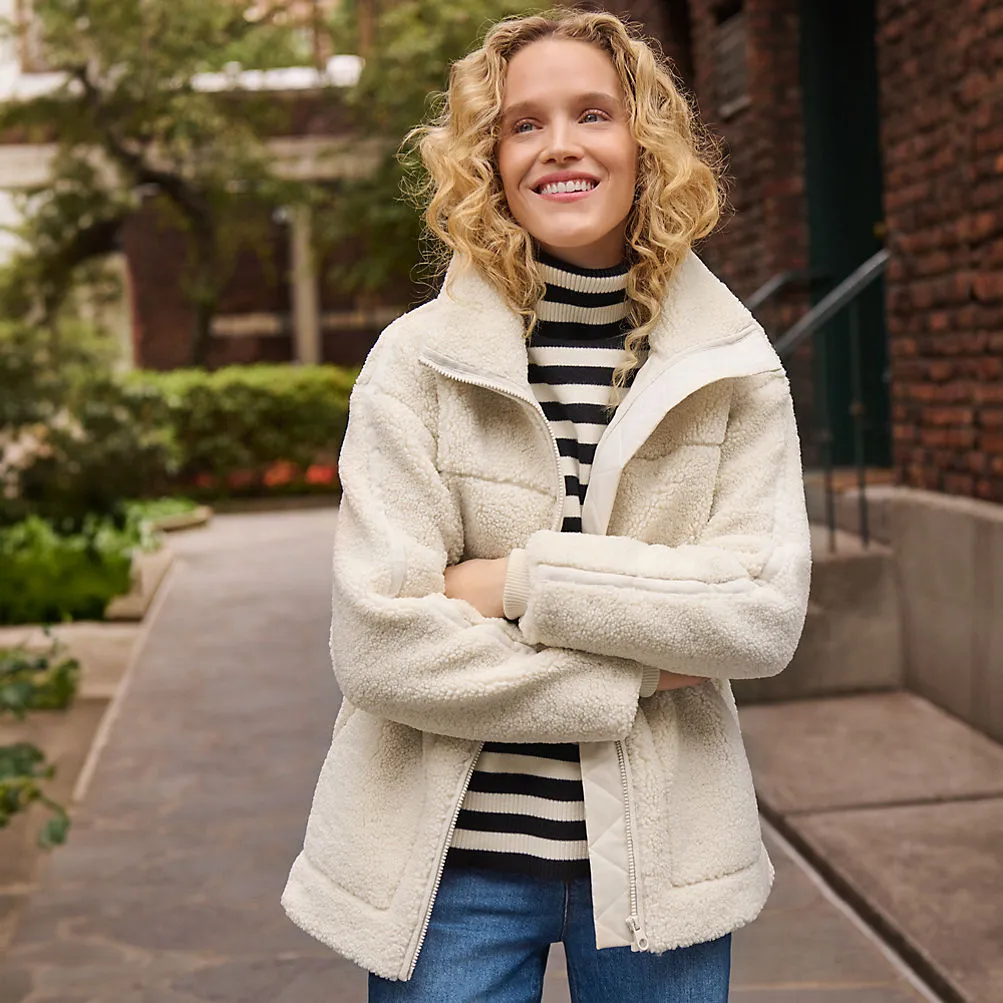
Sherpa fleece is known for its wool-like texture and is often used as a lining in jackets and hoodies.
- Pros: Soft, comfortable, great insulation
- Cons: Can be bulky, requires special care
Microfleece
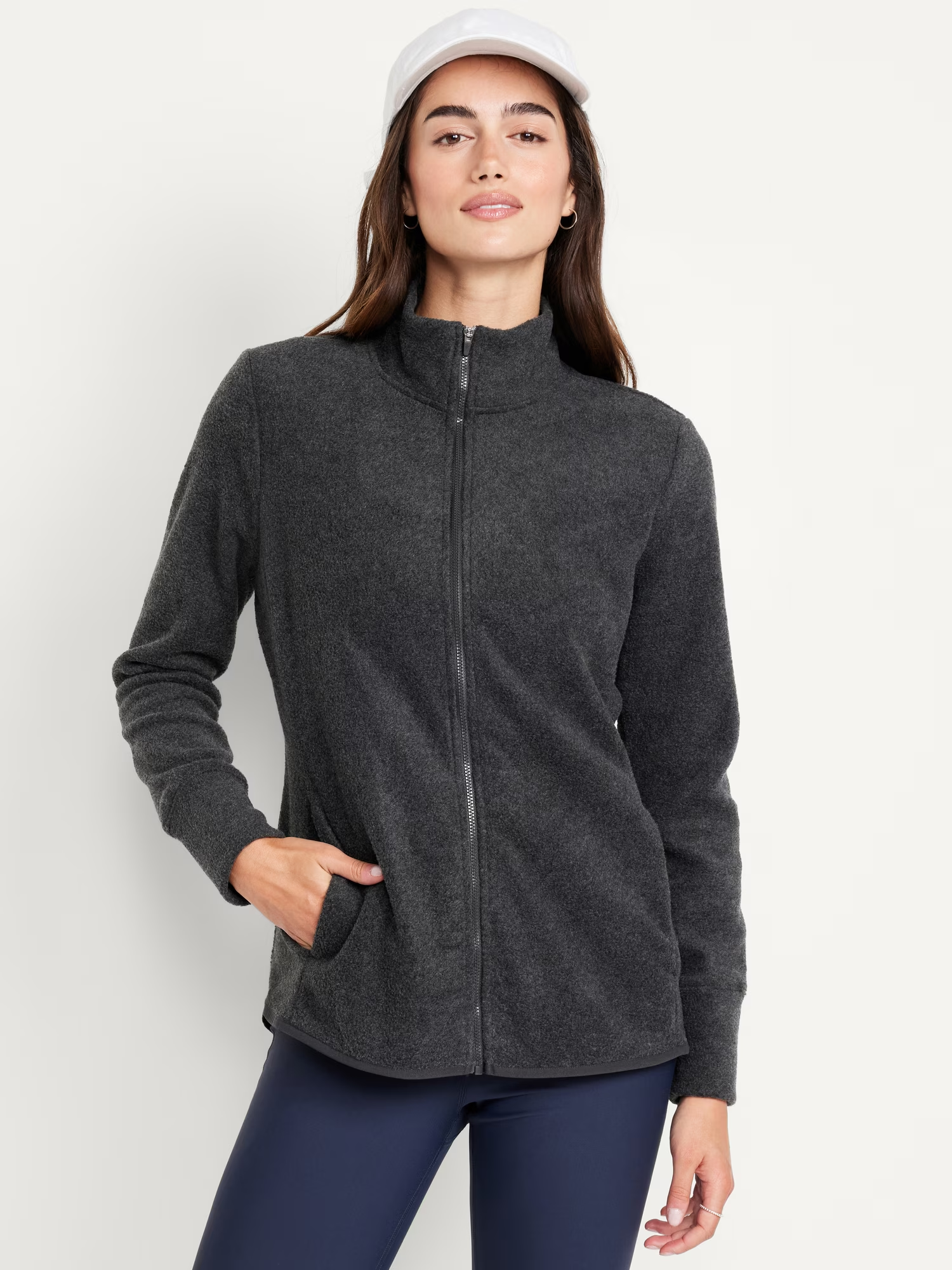 fleece is a thinner version of fleece that provides lightweight warmth and moisture-wicking properties.
- Pros: Breathable, moisture-wicking, great for layering
- Cons: Less warm compared to thicker fleece
Cotton Fleece
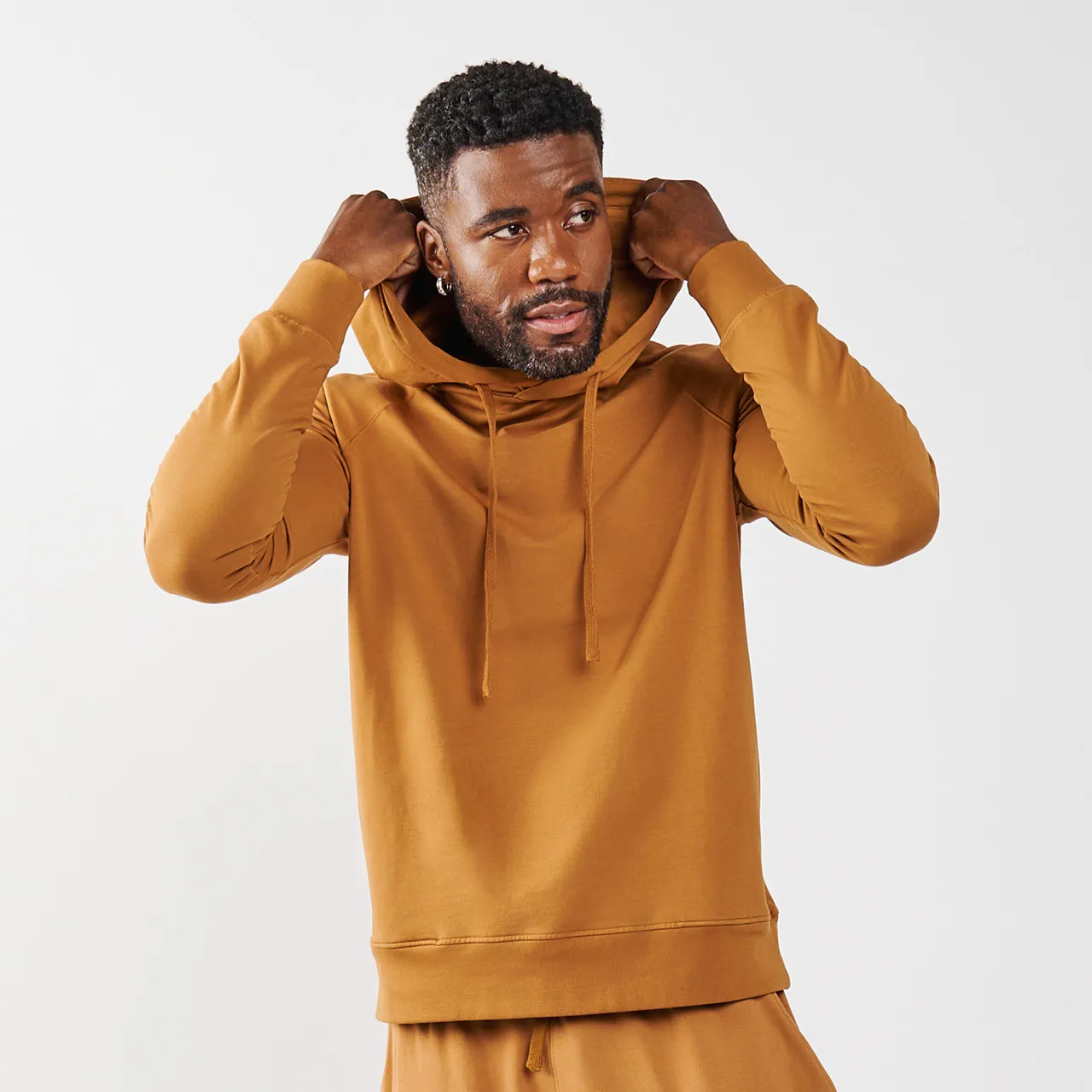
Cotton fleece is a natural alternative to synthetic fleece, often used in sweatshirts and joggers.
- Pros: Soft, breathable, comfortable
- Cons: Can shrink after washing, absorbs moisture
Grid Fleece
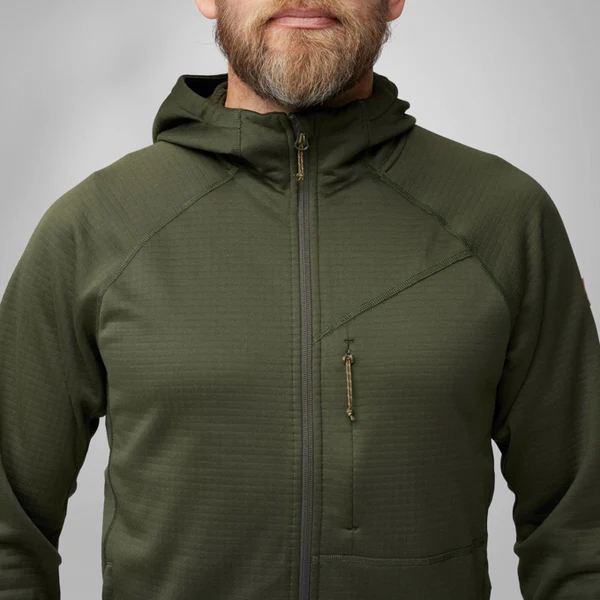
Grid fleece features a textured surface that improves breathability and moisture-wicking performance.
- Pros: Lightweight, great for activewear, dries quickly
- Cons: Not as warm as thicker fleece
What Are The Best Fleece Clothing Items?

Fleece is used in a variety of clothing items, making it a versatile choice for different styles and needs.
Some of the best fleece clothing items include fleece jackets, hoodies, joggers, leggings, and pajamas. Each item offers comfort and warmth in various situations.
Fleece Jackets
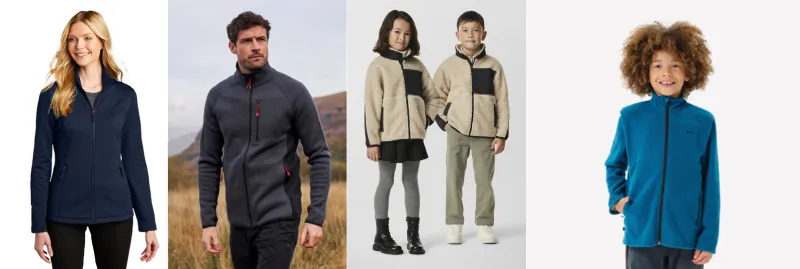
Fleece jackets are popular for outdoor activities and casual wear. They come in full-zip and half-zip designs.
- Men’s fleece jackets: Offer warmth and durability, often used for hiking and outdoor adventures.
- Women’s fleece jackets: Designed for comfort and style, available in fitted and oversized options.
- Kids’ fleece jackets: Provide warmth without being too heavy, perfect for active children.
Fleece Hoodies
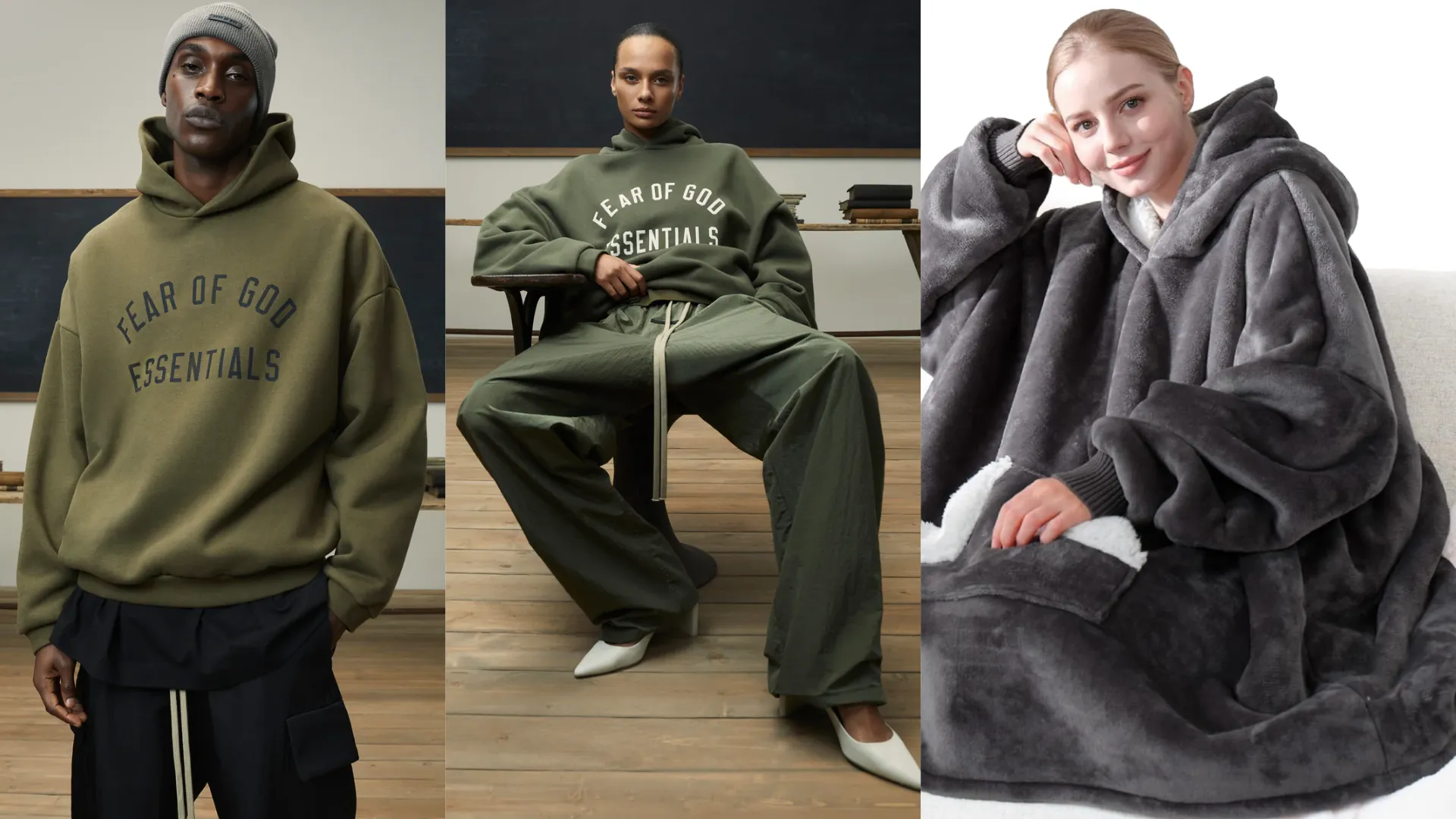
Hoodies made of fleece provide extra warmth and comfort, making them great for cold weather or lounging at home.
- Essentials fleece hoodie: A popular choice for casual wear.
- Oversized fleece hoodies: Trendy and cozy, perfect for layering.
Fleece Joggers & Leggings
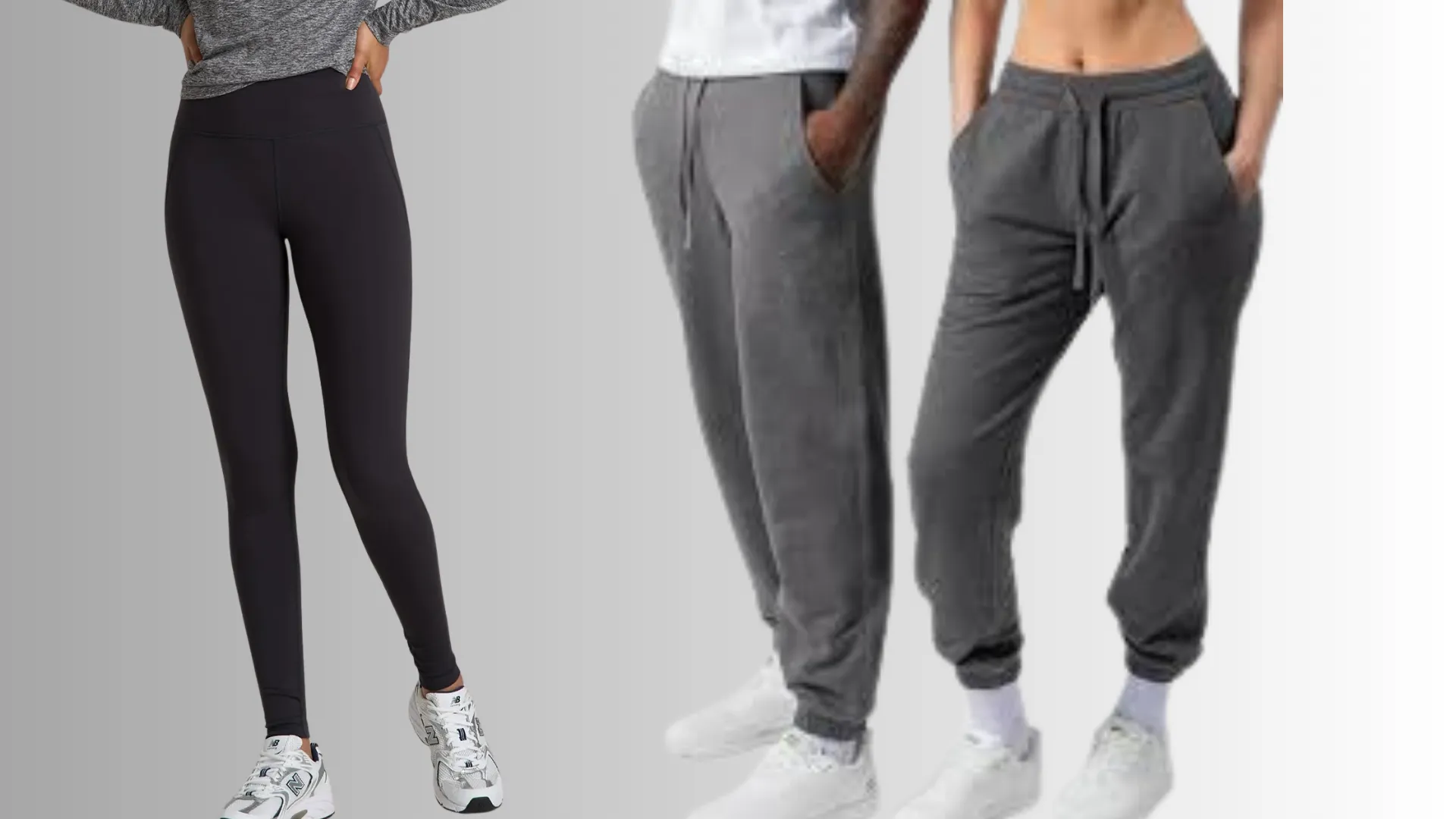
Fleece-lined joggers and leggings are ideal for winter workouts or lounging at home.
- Fleece-lined leggings: Provide warmth while staying stretchy and comfortable.
- Fleece sweatpants: A relaxed and warm option for everyday wear.
How To Choose The Right Fleece For Your Needs?
With so many fleece options available, selecting the right one depends on your intended use and personal preferences.
Consider the weight, thickness, breathability, and purpose of the fleece before making a purchase. Lightweight fleece is great for layering, while heavier fleece provides more warmth.
| Feature | Best For |
|---|---|
| Lightweight Fleece | Activewear, layering |
| Midweight Fleece | Everyday wear, moderate cold |
| Heavyweight Fleece | Extreme cold, outdoor activities |
How To Care For Fleece Clothing?
To keep fleece garments in good condition, proper care is essential.
Always wash fleece on a gentle cycle with cold water, avoid fabric softeners, and air dry whenever possible to prevent pilling and maintain softness.
Washing Tips
- Use mild detergent
- Turn fleece inside out before washing
- Wash with similar fabrics to prevent lint transfer
Drying & Storage
- Air dry to maintain softness
- Avoid excessive heat, as it can damage fibers
- Store in a cool, dry place
How Does Fleece Compare To Wool?
Fleece and wool are often compared due to their warmth and insulation properties, but they have distinct differences.
Fleece is a synthetic or blended fabric that is lightweight, breathable, and quick-drying, while wool is a natural fiber that provides excellent insulation but can be heavier and require more care.
Key Differences Between Fleece And Wool

| Feature | Fleece | Wool |
|---|---|---|
| Material | Synthetic (mainly polyester) | Natural (from sheep, alpacas, etc.) |
| Warmth | Provides good insulation but less than wool | Excellent insulation, retains warmth even when wet |
| Weight | Lightweight | Heavier than fleece |
| Moisture-Wicking | Dries quickly, wicks moisture away | Absorbs moisture but remains warm |
| Durability | Resistant to wear, may pill over time | Long-lasting but can shrink or stretch |
| Maintenance | Easy to wash and quick to dry | Requires special care, may shrink in hot water |
Which One Should You Choose?
- Choose fleece if you need a lightweight, easy-to-care-for fabric that dries quickly.
- Choose wool if you need superior warmth and insulation for extreme cold.
Conclusion
Fleece is a versatile and essential fabric in the fashion industry. Whether you need a warm jacket, a cozy hoodie, or comfortable joggers, fleece has something to offer. By understanding the different types and how to care for them, you can make the best choices for your wardrobe. Whether you prefer a thick polar fleece for winter or a lightweight microfleece for layering, there’s a fleece fabric for every occasion.
Views: 253