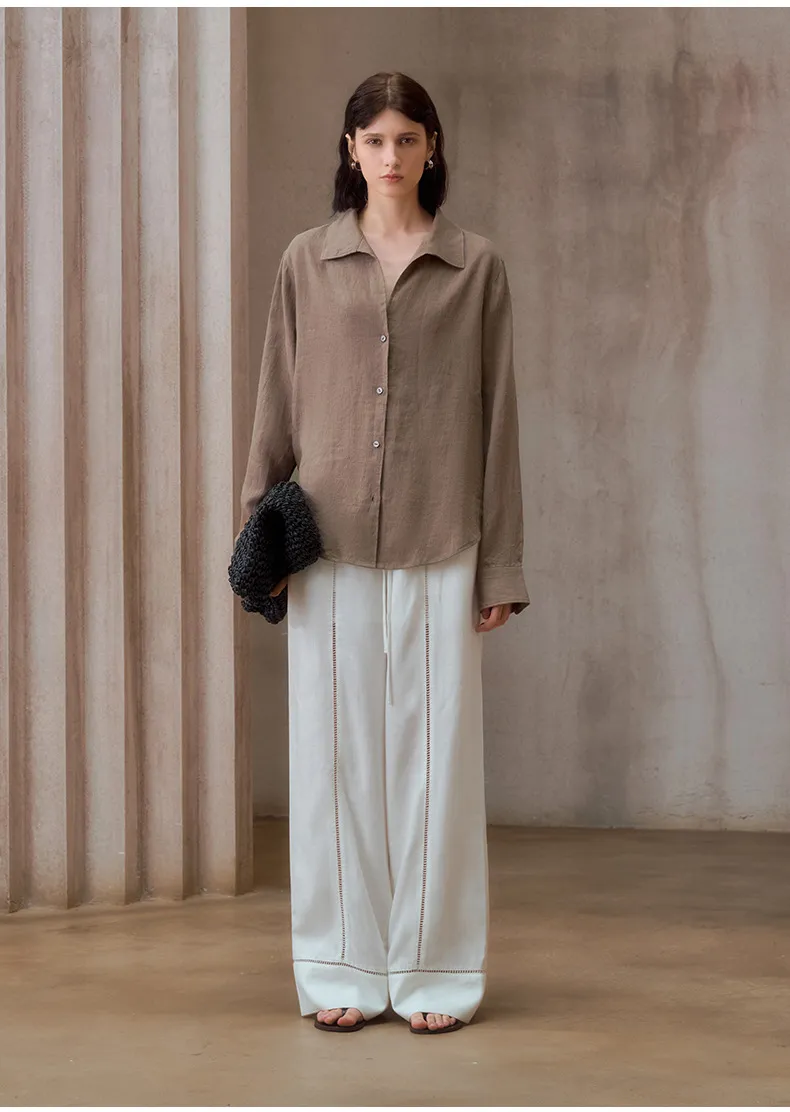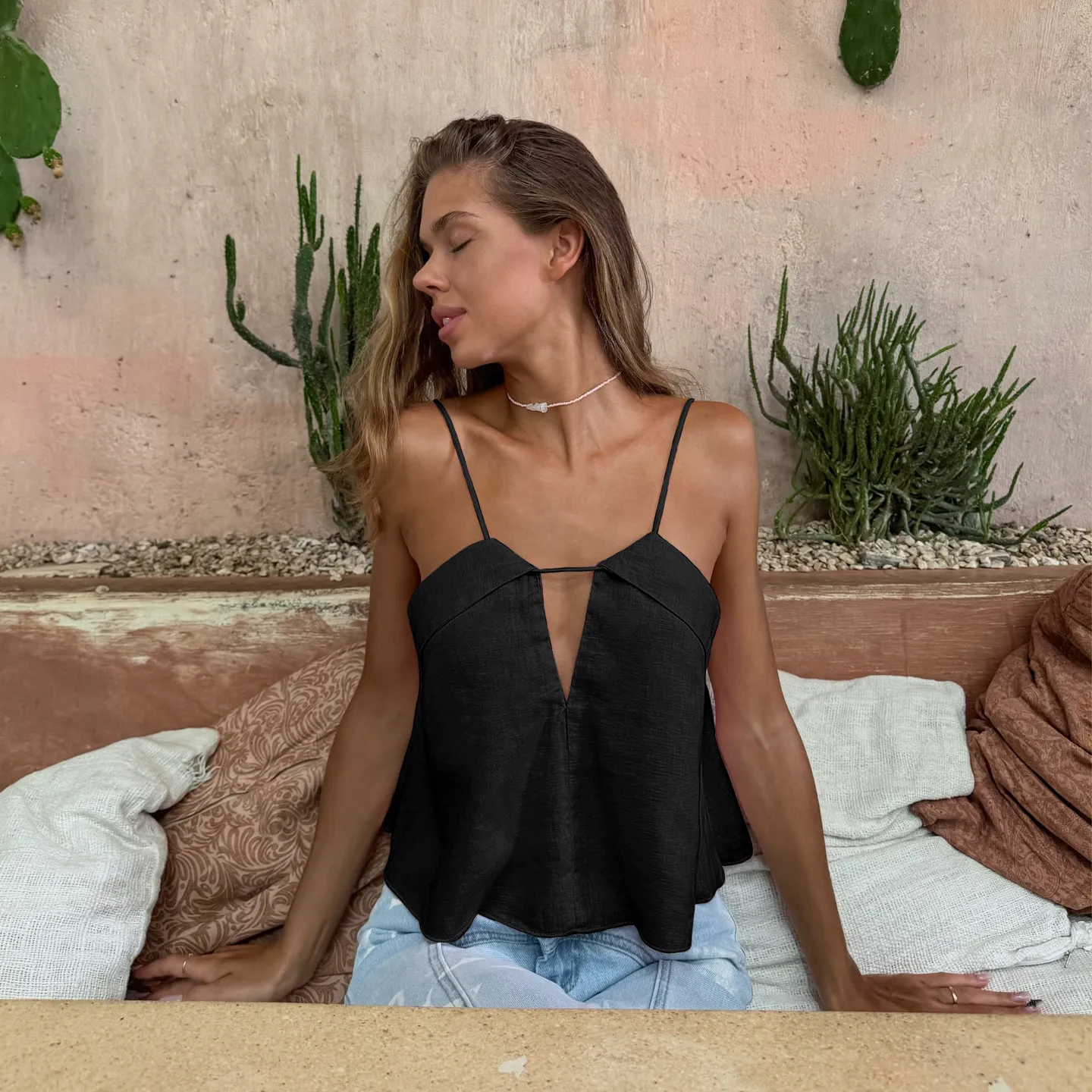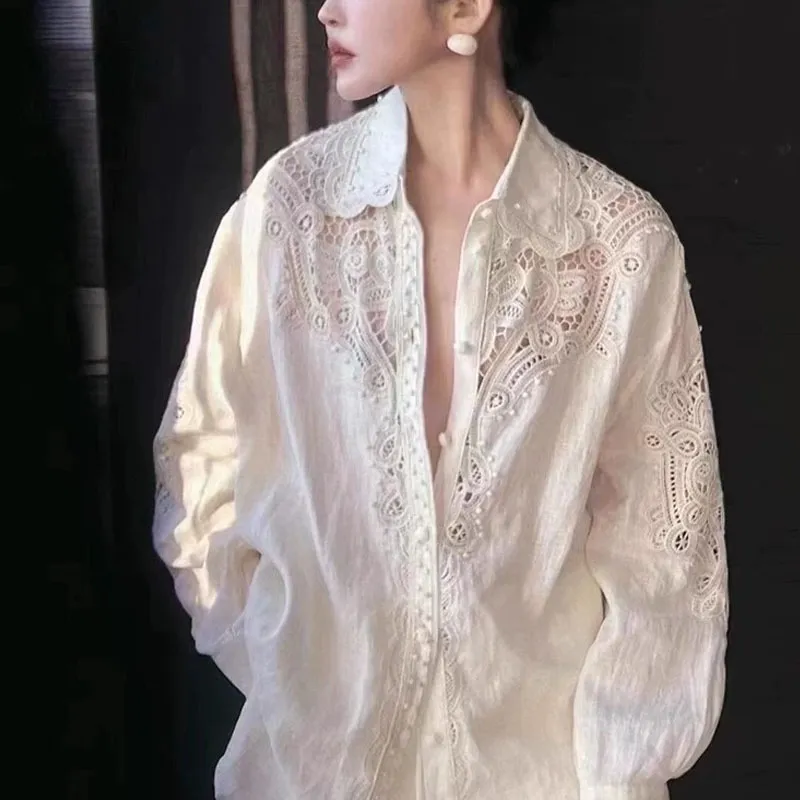

Brazilian clothes can look simple at first, so buyers miss the real story. I once made that mistake, and I paid for it with slow sales and extra samples.
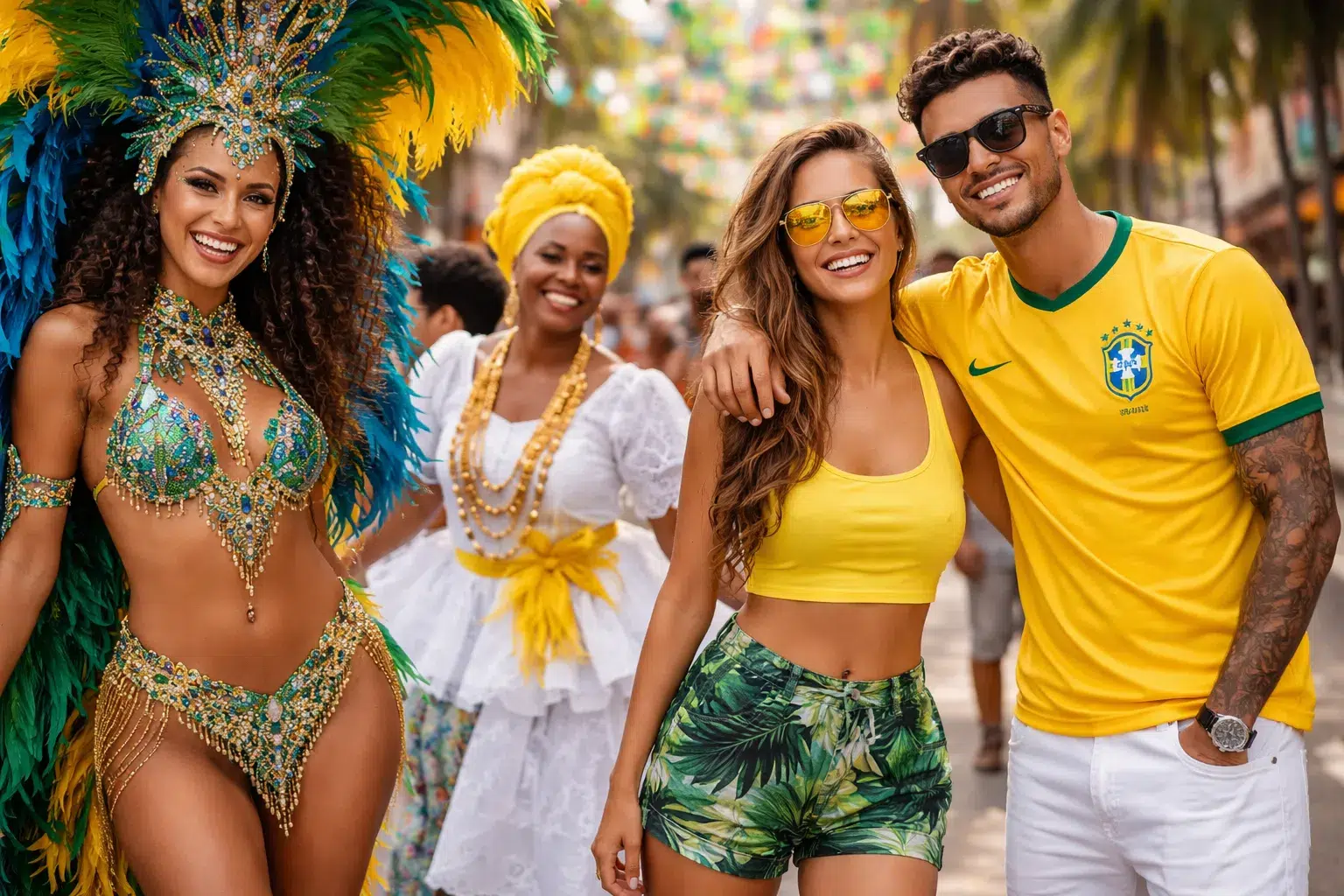
Brazil is famous for bold summer color, beach-driven basics, Carnival show pieces, and strong regional traditional outfits. If I read the culture first, I can design and source styles that sell faster.

I learned that Brazil is not one “style.” I learned that Brazil is many local stories that share one thing. People dress with confidence. I want to show you the patterns I look for, and I want to keep you reading because the small details are the ones that protect your margin.
How did historical Brazilian fashion become so mixed?
Brazil looks loud in photos, so people think the fashion is only party wear. That idea makes sourcing feel easy, and that is when mistakes happen.
Historical Brazilian fashion grew from Indigenous roots, Portuguese colonial rules, and African heritage, so clothing in Brazil blends structure and movement. If I respect that mix, I can build designs that feel real, not like a costume.

The mix that shapes the wardrobe
I treat Brazil like a fabric with many yarns. I see Indigenous influence in natural fibers, body painting motifs, and practical shapes that fit heat and rain. I see Portuguese influence in tailoring, lace, and church-driven ideas of “proper” dress in some regions. I see African influence in headwraps, beads, white fabrics, and ceremonial layers that later moved into street life and festival life. I also see how migration added more layers, because Italian, German, Japanese, and Arab communities left marks on local taste. When I plan a collection, I do not chase “Brazil” as one look. I pick one story, and I build around it.
A simple buyer map I use
| Influence | What I look for in design | What I ask the factory to control |
|---|---|---|
| Indigenous | earthy prints, natural texture, comfort fit | print clarity, fabric hand-feel, shrink control |
| Portuguese/European | lace, embroidery, structured tops | stitch density, lace quality, lining stability |
| African heritage | headwrap styling, beads, layered whites | color fastness, bead attachment, wash testing |
| Modern street + beach | bright color, easy silhouettes | sizing consistency, seam strength, pilling test |
When Maria talks to me about “Brazilian cultural clothing,” I ask her which story she wants to borrow. I do that because the right story gives the product a reason to exist.
What are the most recognizable traditional Brazilian outfits?
Many people ask me for a “Brazil national dress,” and they expect one answer. Brazil is big, so the truth is more regional than national.
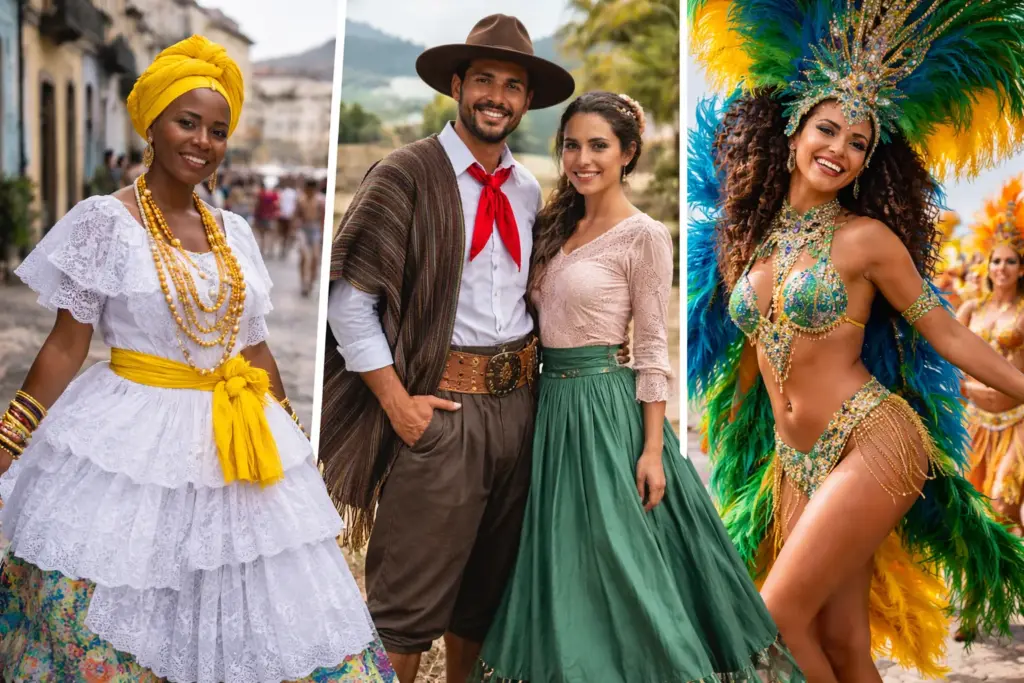
Traditional Brazilian clothing is famous for regional icons like the Baiana outfit in Bahia, southern gaucho wear, and festival looks tied to music and religion. When I source, I match the outfit to the region and the event.
Bahia and the Baiana look
When I first saw the Baiana style, I noticed white fabric and layered volume. I also noticed how proud and calm the wearer looked. The outfit often uses a full skirt, a blouse, a shawl, and a headwrap, and it often adds bead necklaces. I do not treat that as “cute ethnic styling.” I treat it as a living uniform with religious and cultural meaning. So when a brand borrows the silhouette, I keep it respectful. I also change the materials for modern wear, like using lighter cotton for humid markets and stable lace for bulk production.
The south and gaucho influence
In the south, I often see a different story. I see riding culture, wind, and colder nights. That is where you find ponchos, wide trousers like bombacha styles, boots, and scarves. For buyers, this matters because it supports heavier fabrics and darker color stories. It also supports menswear capsules, not only women’s dresses.
| Traditional reference | Key items | Easy modern product ideas |
|---|---|---|
| Baiana (Bahia) | layered skirt, headwrap, lace details | resort skirts, lace-trim blouses, headwrap accessories |
| Gaucho (South) | poncho, loose trousers, boots | woven ponchos, relaxed pants, winter shawls |
| Festival wear | sparkle, fringe, movement | statement tops, embellished skirts, dance-inspired sets |
I once built a “traditional Brazilian outfits” theme without this checklist. I mixed symbols in one look. The samples looked noisy, and the order died. I learned to keep one root per style.
What do people in Brazil wear day to day, and why does climate matter?
Some buyers focus only on Carnival. Most sales do not come from Carnival. Most sales come from daily clothing that fits heat, sun, and city life.
Clothing in Brazil often favors light fabrics, relaxed fits, strong color, and beach-to-street styling. Climate and lifestyle push brands toward breathable cotton, viscose, denim that moves, and activewear that dries fast.

Heat, humidity, and the “easy outfit”
I plan Brazilian-inspired lines with climate first. I do that because comfort is not a bonus in hot places. Comfort is the product. In coastal cities, I see tank tops, tees, shorts, loose dresses, and sandals. I also see strong beach culture, so swimwear and cover-ups matter. In big cities, I see the same easy base, but I see more structure in styling, like sharper denim fits and cleaner sneakers. I also see many body-aware silhouettes, because confidence is part of the look. When I develop for wholesale, I treat these as systems. I build “base pieces” and “hero prints” that can mix.
Fabric and construction choices I use
| Climate factor | Common style result | What I specify in production |
|---|---|---|
| strong sun | bright color, prints, hats | UV-fade testing, color fastness, tight QC on dye lots |
| humidity | loose shapes, quick-dry activewear | breathability, moisture wicking, seam stretch |
| beach + city | simple tops, strong bottoms, layers | wash durability, abrasion resistance, stable elastics |
| rainy seasons | light jackets, windbreakers | water-repellent finish, zipper quality, seam sealing options |
I tell Maria that “what do Brazilians wear” depends on where they live and what they do. I also tell her that climate is the quiet driver. If she designs without climate, she will return stock. If she designs with climate, she can repeat orders.
Which Brazilian fashion ideas sell globally, and what should a buyer copy carefully?
Some buyers copy Brazilian fashion by adding a palm print and calling it done. That approach can work once, but it often fails on repeat.
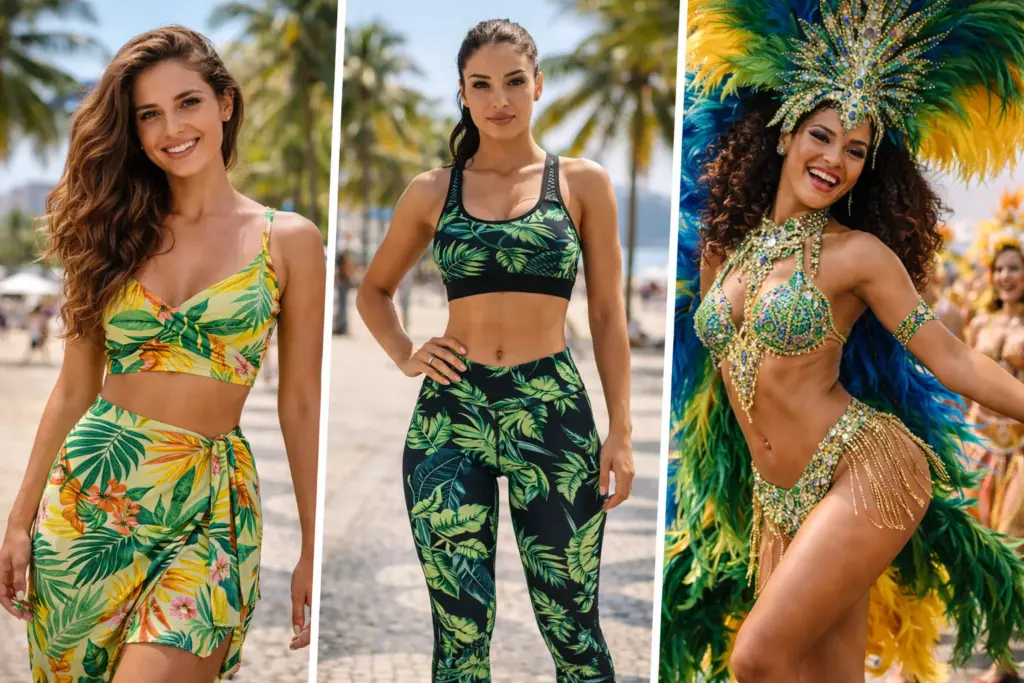
Brazilian fashion is famous for tropical prints, confident silhouettes, and strong beach and activewear culture. If I borrow these ideas with good materials and clear fit, I can make “Brazil energy” without cheap imitation.
Tropical prints are not random
I treat Brazilian prints like a language. I see fruit, leaves, birds, and ocean colors, but I also see rhythm and spacing. A good print feels balanced even when it looks wild. When I work with print, I ask for clear outlines, clean repeats, and stable color. I also match print scale to body size range, because a print that looks good on one sample can look messy on a graded run.
Denim, jeans, and body-first fit
Many buyers ask me about “Brazilian jeans.” I translate that request into fit goals. I aim for comfort stretch, good recovery, and shaping seams that do not break in wash. I also watch pocket placement and yoke angle. Those small choices change how a customer feels, and feelings sell denim.
A safe way to “borrow” Brazil in wholesale
| Brazilian cue | What customers feel | How I execute in OEM/ODM |
|---|---|---|
| bright tropical print | joy and energy | reactive or digital print with wash test and rub test |
| beach-to-street set | ease and confidence | matching sets, stable elastic waist, size consistency |
| activewear culture | power and motion | stretch fabric with recovery, flatlock seams option |
| festival sparkle | fun and attention | removable trims, secure stitching, spare trim plan |
I also remind Maria about cultural respect. I do not place sacred symbols on casual products. I pick nature themes, color stories, and movement silhouettes instead. That choice protects the brand.
Conclusion
Brazil is famous for clothing that mixes culture, climate, and confidence, so I win when I choose one clear story and build simple products with strong fit and color.
Why I Write This
I run Truekung in China, and I produce fashion clothes for B2B wholesale buyers. I work with OEM/ODM, and my factory has over 200 workers. I have 20 years of export experience, and I ship to Europe, the USA, and many other markets. When you want Brazil-inspired designs with stable quality, you can reach me at [email protected], and you can also visit https://truekung.com.
Views: 1070