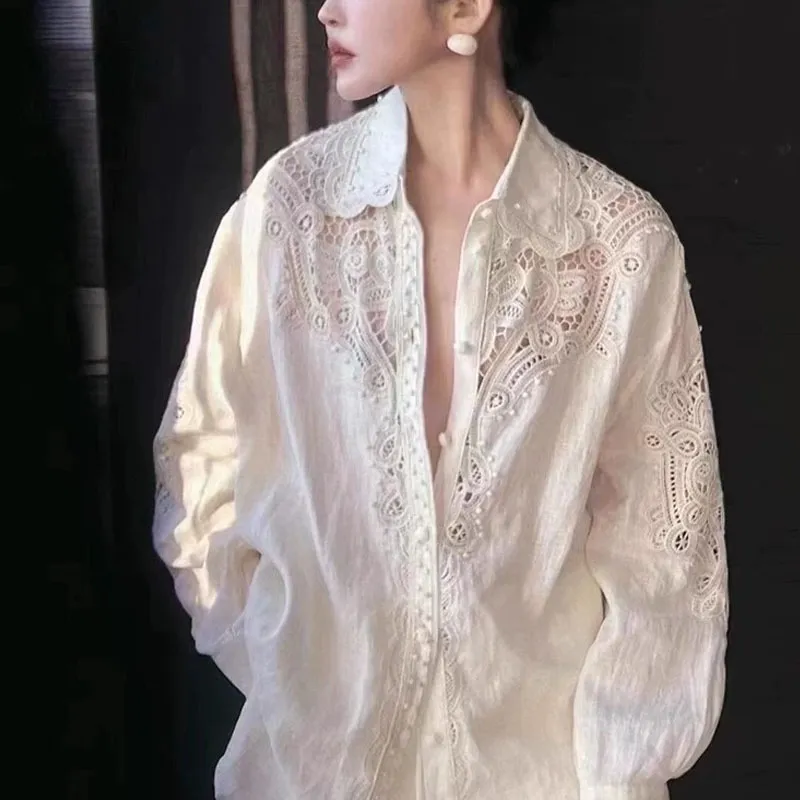
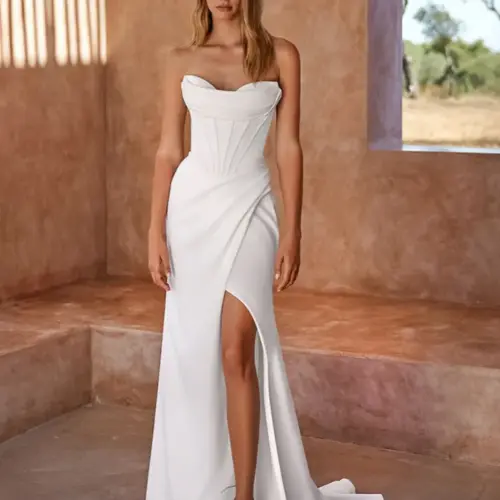
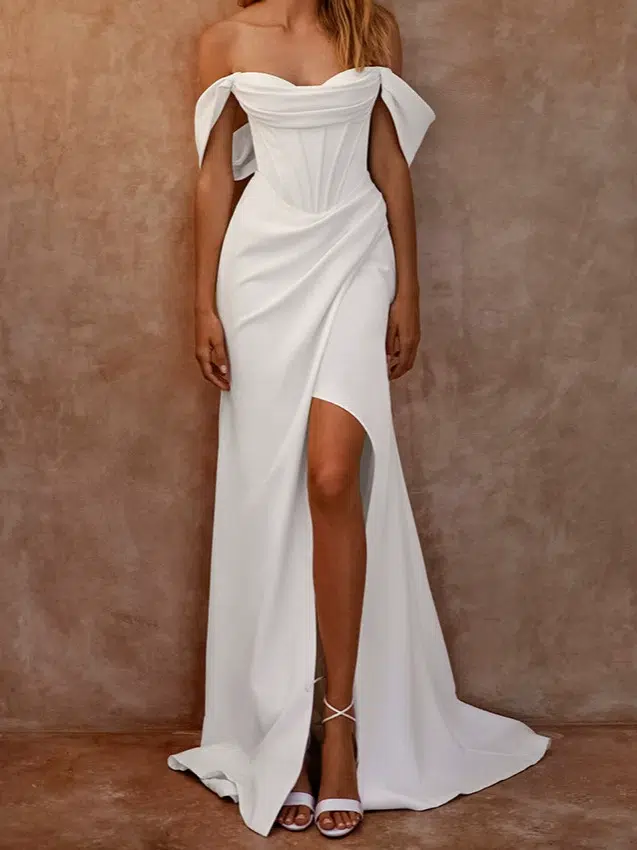
I see women feel lost about sizes and styles. The mirror gives mixed signals. The size chart feels cold. I felt the same. So I built a simple way.
To find your body shape, measure shoulders, bust, waist, and hips. Compare ratios. Match the closest pattern: hourglass, rectangle, pear (triangle), inverted triangle, apple (round), or spoon. Then choose lines and fabrics that balance your frame.
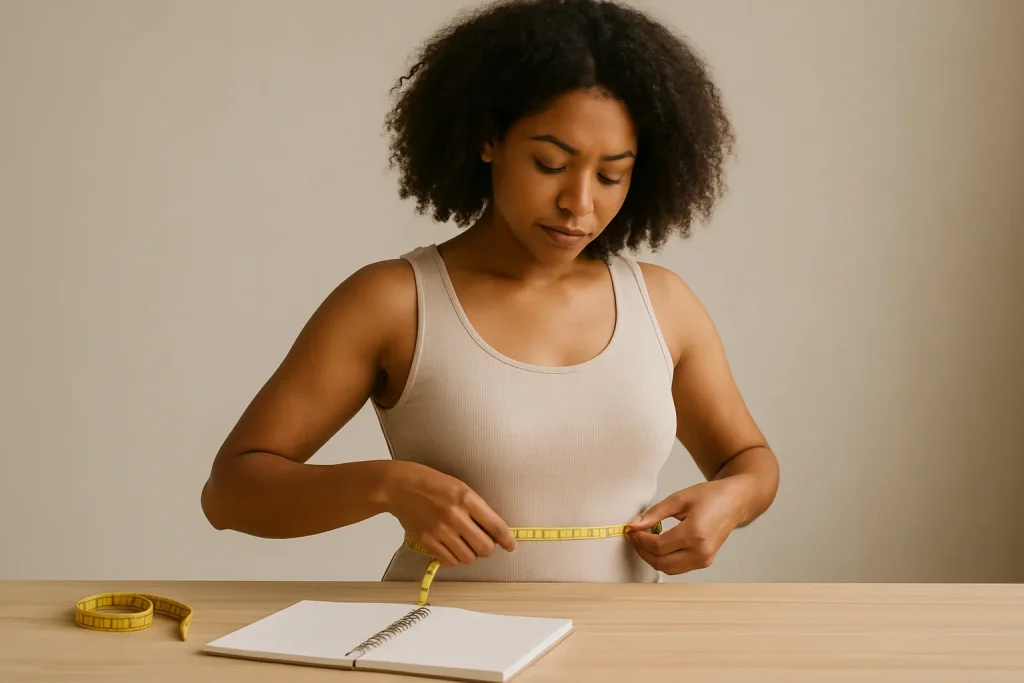
I like clear steps. I like simple tools. You can do this at home with a tape and five quiet minutes. I will show you how, and I will give tips for dresses and daily looks.
How do I measure for my female body type?
Bad data brings bad fits. I learned this after many returns. So I set rules for measuring that anyone can follow.
Stand straight. Wear a thin top. Use a soft tape. Measure shoulders, bust, waist, and hips at the widest points. Write numbers in centimeters. Do not pull the tape tight.
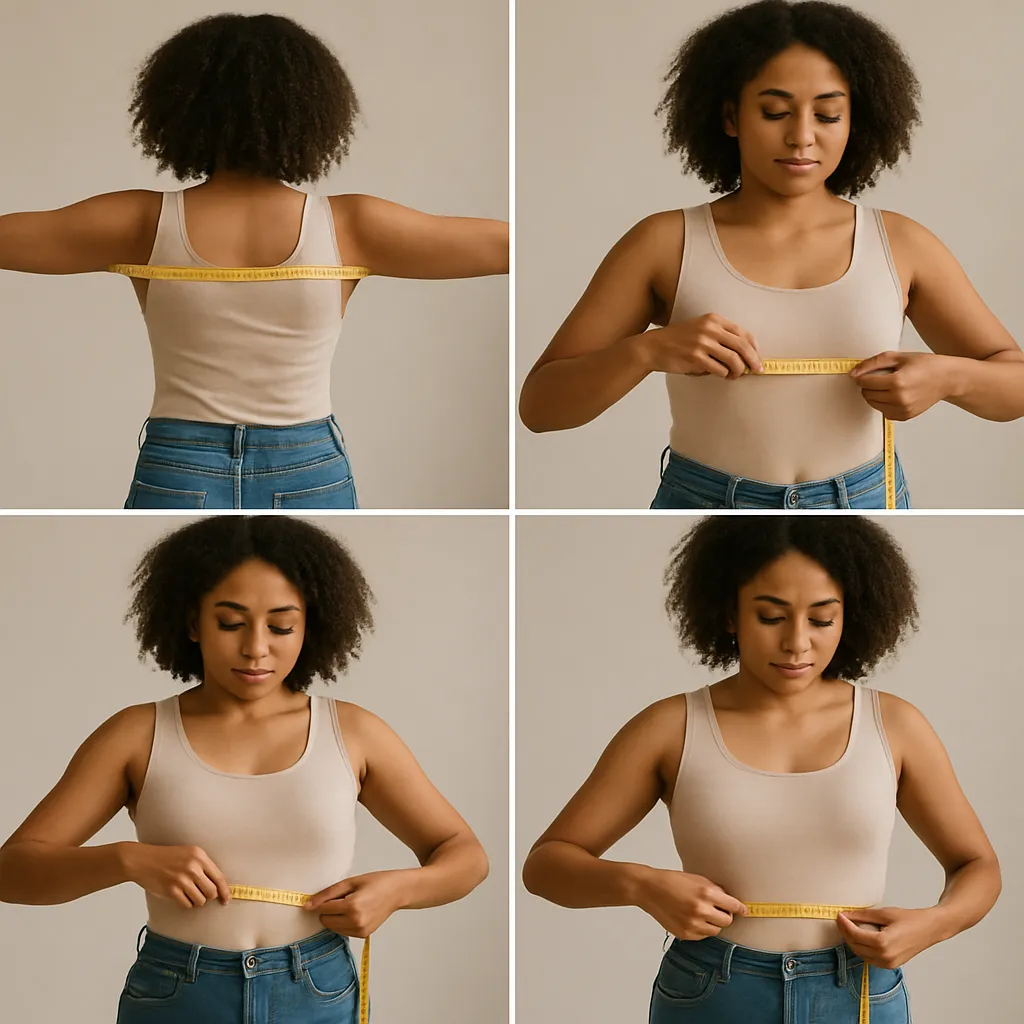
The four key measures
- Shoulders: Tape goes around the back and front at the tip of the shoulders. Keep level.
- Bust: Tape at the fullest bust level. Breathe out. Then read.
- Waist: The narrowest part above the navel. Do not suck in.
- Hips: Around the fullest part of hips and seat.
A simple worksheet
| Body Part | My Measure (cm) | Notes |
|---|---|---|
| Shoulders | Keep tape level | |
| Bust | Fullest point | |
| Waist | Natural waist | |
| Hips | Fullest seat |
I jot my numbers and then round to the nearest half centimeter. Small errors change types, so I repeat each measure twice. If I get two different results, I measure a third time and average the closest two. I also note posture. If I stand with rounded shoulders, my shoulder loop reads low. I fix posture, then measure again. This slow step saves time later when I choose dresses for women and plan sizes.
What body shape am I based on my measurements?
Now we compare. Ratios tell the story. Lines place you in a type. It is simple math, not judgment.
Divide each measure by your waist. Compare shoulders-to-hips and bust-to-hips. Use the table to match your closest pattern. If you sit between two, choose by the strongest line you see in the mirror.

Quick ratio guide
Compute:
- S/W = Shoulders ÷ Waist
- B/W = Bust ÷ Waist
- H/W = Hips ÷ Waist
- S/H = Shoulders ÷ Hips
- B/H = Bust ÷ Hips
| Body Shape Type | Core Clues (approx.) | Visual Cue |
|---|---|---|
| Hourglass | B/H ≈ 1.0, S/H ≈ 1.0, H/W ≥ 1.3, B/W ≥ 1.3 | Balanced top and bottom, defined waist |
| Rectangle | B/W < 1.25, H/W < 1.25, S/H ≈ 1.0 | Small waist contrast, straight side lines |
| Pear (Triangle) | H/W ≥ 1.3, S/H < 0.95, B/H < 0.95 | Hips wider than shoulders/bust |
| Inverted Triangle | S/H > 1.05 or B/H > 1.05, H/W ≤ 1.3 | Broad shoulders or bust, narrower hips |
| Apple (Round) | B/W and/or S/W ≥ 1.2, H/W ≤ 1.2, waist less defined | More volume at torso/upper body |
| Spoon | H/W ≥ 1.3 with shelf-like hip curve and lower-hip fullness | Lower hips fuller than high hips |
These ranges are guides for different women body types, not strict rules. I also check the mirror for where weight sits: upper body, lower body, or even. I note bone structure. A small frame with soft lines can read hourglass even at the same ratios as a rectangle. If my S/H and B/H are close to 1, and my waist is sharply smaller, I mark hourglass. If ratios split across types, I pick the type that helps me solve my main fit problem.
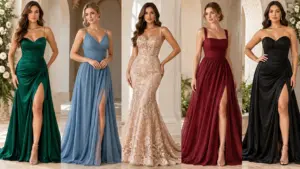
What dresses and outfits suit each woman body shape?
Clothes can balance lines or fight them. Balance looks calm. Fight looks busy. I choose balance first.
Use lines to draw the eye up or down. Add volume where you want more width. Remove volume where you want less. Keep fabrics friendly, not stiff, unless you need structure.

Hourglass figure
- Wrap dresses, bias cuts, and belts work well.
- Skims, not squeezes.
- Necklines: V, sweetheart.
- Avoid boxy tops that hide the waist.
Pear (triangle)
- Bright tops, darker bottoms.
- Necklines that broaden: boat, square.
- A-line skirts and fit-and-flare dresses for flow.
- Avoid clingy pencil skirts without balance on top.
Inverted triangle
- V-necks to break width.
- Add volume at the hips: pleated skirts, wide-leg pants.
- Keep shoulders clean; avoid heavy pads.
Apple (round)
- Empire waist, soft drape, column dresses.
- V-neck or scoop to lengthen.
- Skimming layers, straight leg pants.
- Avoid tight waistbands that cut.
Rectangle
- Create curves with peplum, ruching, wrap tops.
- Circle skirts, tiered skirts, paperbag waists.
- Belts help define center.
Spoon
- Balance the lower-hip shelf with smooth, mid-weight fabrics.
- High-rise trousers with gentle flare.
- Tops that sit at or above high hip.
I test lines in a mirror before I tag sizes. One garment can work for many women body types when the fabric drapes right. I also consider bra support. Busty fits change a lot with a better base layer.
What size should I pick next to my body type?
Body shape guides style. Size guides fit. I link the two. The chart is a start. The tape measure is the truth.
Use your bust, waist, and hip numbers against the brand’s chart. If you split across sizes, fit the largest point and tailor the rest. Fabrics with stretch can flex one size.

How I read a women’s clothing size chart
- I match bust for dresses and tops.
- I match hips for skirts and jeans.
- I check garment ease: fitted (2–4 cm), tailored (4–6 cm), relaxed (6–10 cm), oversize (10+ cm).
Sample size mapping (generic)
| Label | Bust (cm) | Waist (cm) | Hips (cm) |
|---|---|---|---|
| XS | 78–82 | 60–64 | 84–88 |
| S | 83–87 | 65–69 | 89–93 |
| M | 88–92 | 70–74 | 94–98 |
| L | 93–99 | 75–81 | 99–105 |
| XL | 100–106 | 82–88 | 106–112 |
I keep notes by category. For dresses, I size to bust and shoulder, then alter waist and hem. For jeans, I fit hips first. A body shape guide is not a size rule. The fabric makes the final call. If I am between sizes, I try the larger size in woven, the smaller in knit. I also watch rise height. A high rise can feel smaller at the waist.
How do I style fast with a five-step body & shape checklist?
I need speed when I buy or pack. So I use a short list. It keeps me calm and clear.
Check shape, choose one focus, pick one hero item, repeat a good neckline, and balance with shoes. Stop there. Less choice, more control.

The five steps
- Confirm shape: Hourglass, rectangle, pear, inverted triangle, apple, or spoon.
- Choose one focus: Waist, legs, shoulders, or neckline.
- Pick one hero item: A jacket, dress, or jeans that always work.
- Repeat the neckline: V, crew, or boat. Keep it the same across layers.
- Balance with shoes: Chunky adds weight low. Sleek lifts and lengthens.
Example outfits by shape
| Shape | Fast Outfit |
|---|---|
| Hourglass | Wrap dress + slim boots |
| Pear | Square-neck top + A-line skirt |
| Inverted Triangle | V-neck tee + wide-leg trousers |
| Apple | Column dress + long vest |
| Rectangle | Peplum top + straight jeans |
| Spoon | Soft blouse + gentle flare pants |
I use this on trips. I once packed only neutrals and two prints. My hero items handled every plan change. This is how I avoid stress when I face different women’s body types needs in our B2B fittings.
What about common myths on ideal body shape for women?
I hear myths in showrooms. I heard them when I started. They waste time and hurt choices.
There is no single perfect body shape for female bodies. There is only your shape and your goals. Clothes serve you. Not the other way around.

Myths I drop
- Myth: Only hourglass looks good.
Truth: Every type shines with the right lines and fabric. - Myth: You must hide parts you dislike.
Truth: You can balance or lead the eye where you want. - Myth: The size tag matters.
Truth: Fit matters. Size tags shift by brand.
Words that help
I use simple words in fittings: long, short, wide, narrow, smooth, crisp, soft, structured. These words travel well across languages and teams. They guide pins and seams. They also help when buyers like Maria ask for clean specs. This keeps quality control simple. It stops mistakes, and it shortens lead time. A shared language beats a vague “make it look nice.”
Can I use a quick “What’s My Body Type” calculator?
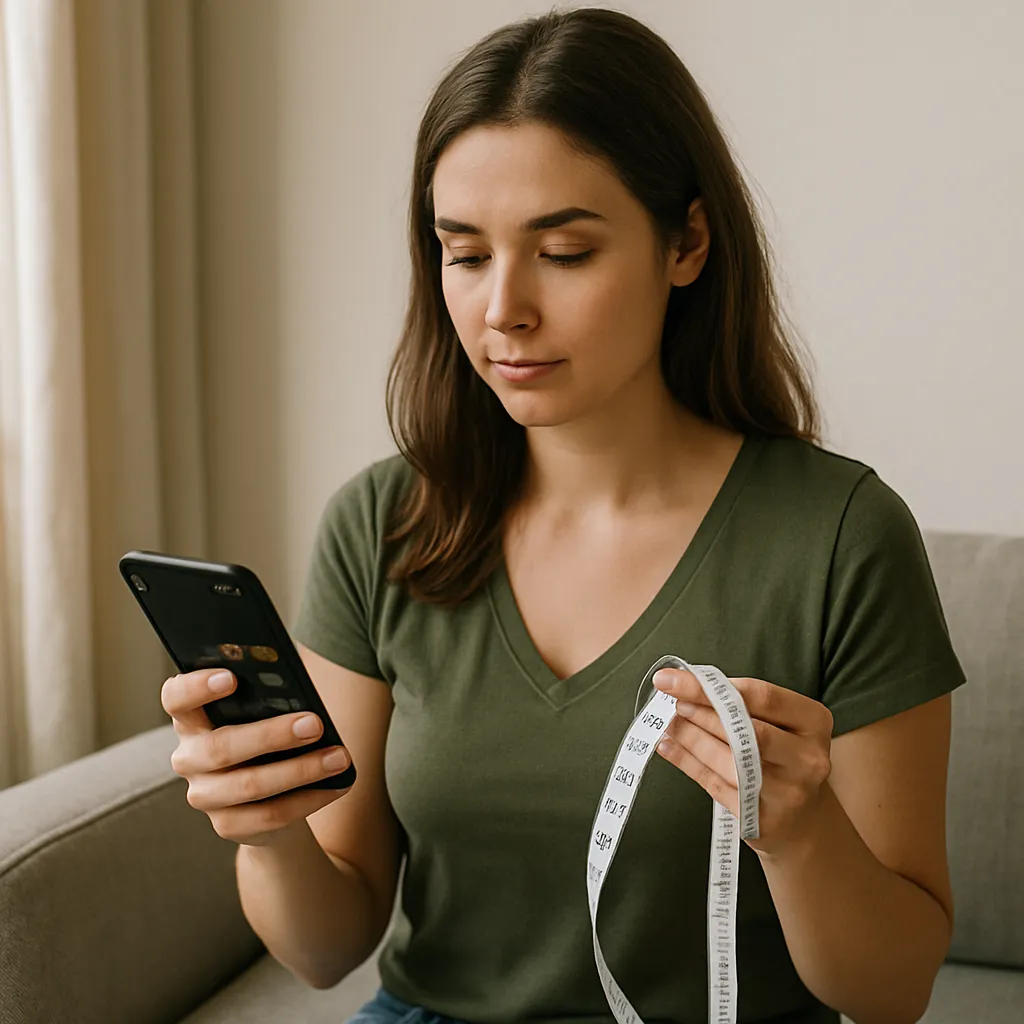
Yes. I keep a tiny calculator on my phone notes. It is plain math. It works in-store and online.
Enter your four measures. Compute S/H and B/H, and compare to the table. If S/H and B/H ≈ 1 and waist is 25–30% smaller, you are likely hourglass. Adjust from there.
Pocket rules
- Hourglass: Waist ≤ 0.75 × bust and hips.
- Rectangle: Waist ≥ 0.8 × bust and hips; shoulders ≈ hips.
- Pear: Hips ≥ shoulders by 5–10%+.
- Inverted triangle: Shoulders or bust ≥ hips by 5–10%+.
- Apple: Waist close to bust and hips; more torso fullness.
- Spoon: Hips large with lower-hip “shelf”; mid-hip dips above.
Why this helps
When I source new styles, I test samples on different body bases. I note which cuts flex across types of ladies body shapes. A wrap dress can fit hourglass and pear. A column dress can fit apple and rectangle. This data shapes our size runs and reduces returns. You can do the same at home. Track wins. Repeat wins.
Conclusion
Body shape is a guide, not a rule. Measure, match, and choose balance. Wear what supports your day and your style.
Views: 7978