
Shopping swimwear looks easy until choices explode. Names, cuts, and fabrics blur. Fit fear rises. Let’s make this simple and fast.
The core swimwear styles are bikinis, tankinis, one-pieces (maillots), monokinis, swim dresses, briefs, trunks, board shorts, and jammers. Pick by activity, coverage, and support, then confirm fabric, lining, and size.
I design, source, and buy swimwear. I test samples in pools and on beaches. I fix the pain points that cause returns. I will explain each style alone, with a clear picture spot, so you can choose in minutes.
Bikini: the classic two-piece that mixes and matches?
Returns rise when we guess. Top and bottom names feel tricky. I keep one list that works for most bodies and budgets.
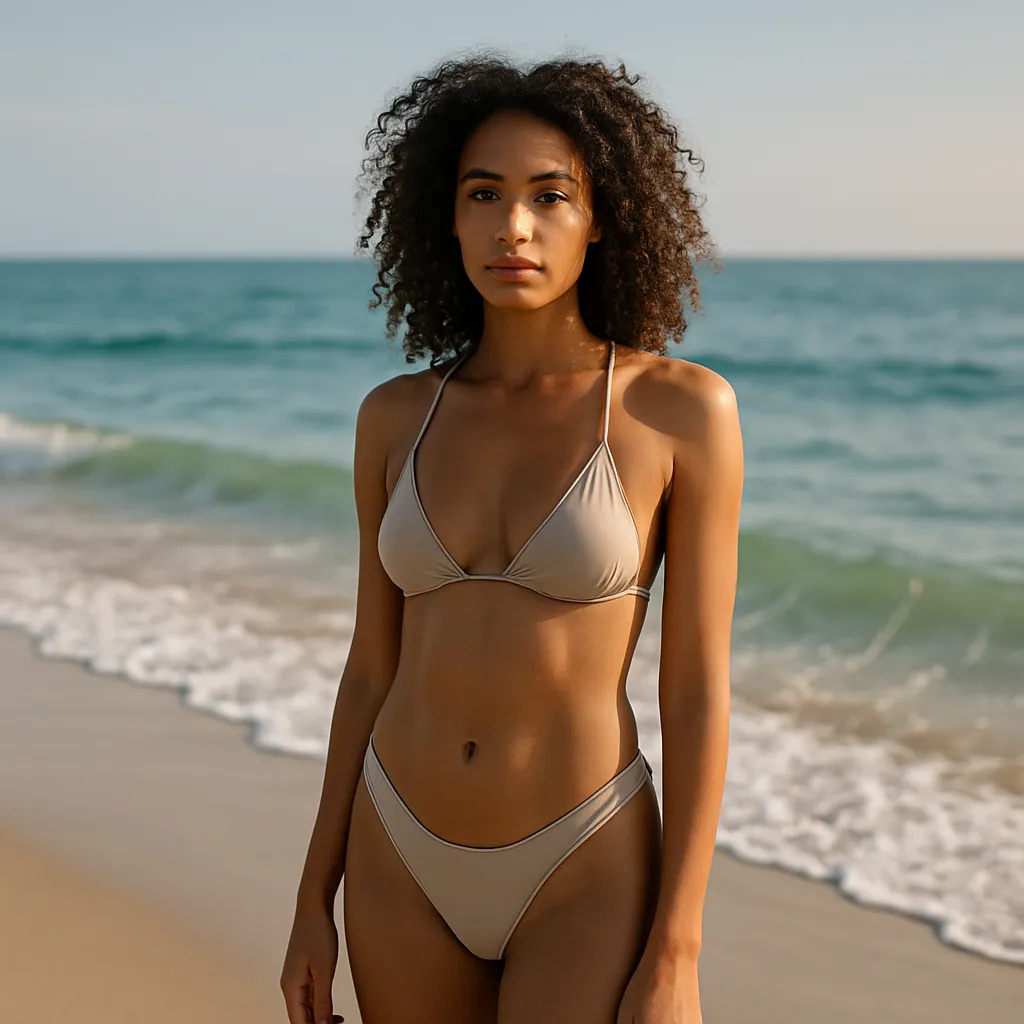
A bikini is a two-piece set. Choose the top for support, then choose the bottom for coverage. Mix triangle or underwire tops with high-waist, classic, cheeky, or tie-side bottoms.

I begin with the top because support sets comfort. Triangle tops slide for easy adjust. Halter lifts but can strain the neck. Bandeau tans clean but needs grip. Bralette feels like a soft bra. Underwire brings real lift in cup sizes. Longline adds stability along the ribcage. Sport crop stays put for movement. Then I set the bottom by three dials: rise, leg line, and rear coverage. High-waist smooths and meets longline tops well. Classic brief balances most shapes. High-cut lengthens legs. Cheeky reads playful. Brazilian is minimal and sun-focused. Tie-side adapts to small weight changes. Fabric matters: nylon blends feel soft and rich; polyester blends resist chlorine. Lining matters more in light colors; front-and-back lining avoids show-through. Hardware matters too: metal lasts longer than plastic. I note these in a quick sheet so repeat buys stay simple.
Tankini: more midriff coverage with two-piece ease?
Many shoppers want coverage without one-piece hassle. Restroom breaks should be fast. Fit should still look sharp and modern.
A tankini pairs a longer top with any bikini bottom. It covers the midriff, keeps two-piece flexibility, and fits many heights and torso lengths with fewer returns.

I use tankinis when I want modesty and ease. The longer top meets the bottom, so bending, sitting, and lifting kids feel safe. I choose built-in shelf bras for small to medium busts and underwire cups for larger busts. Adjustable straps help fine-tune torso length. For tops, I like three shapes: A-line to skim the waist, straight-hem for a neat line, and longline crop for a modern cut that meets high-waist bottoms. For bottoms, I pair high-waist to smooth the front or classic briefs for balance. Prints hide lines and water ripples. Solid dark tops with printed bottoms draw eyes down; the reverse draws eyes up. I avoid heavy foam in pads because it holds water. I prefer quick-drain pad pockets and power-mesh panels for control without bulk. Tankinis also pack well because top and bottom fold flat and dry fast.
One-Piece / Maillot: the streamlined classic with structure?
Photos blur the line between “sleek” and “stiff.” I focus on torso length, bust support, and the right elastic so comfort lasts.
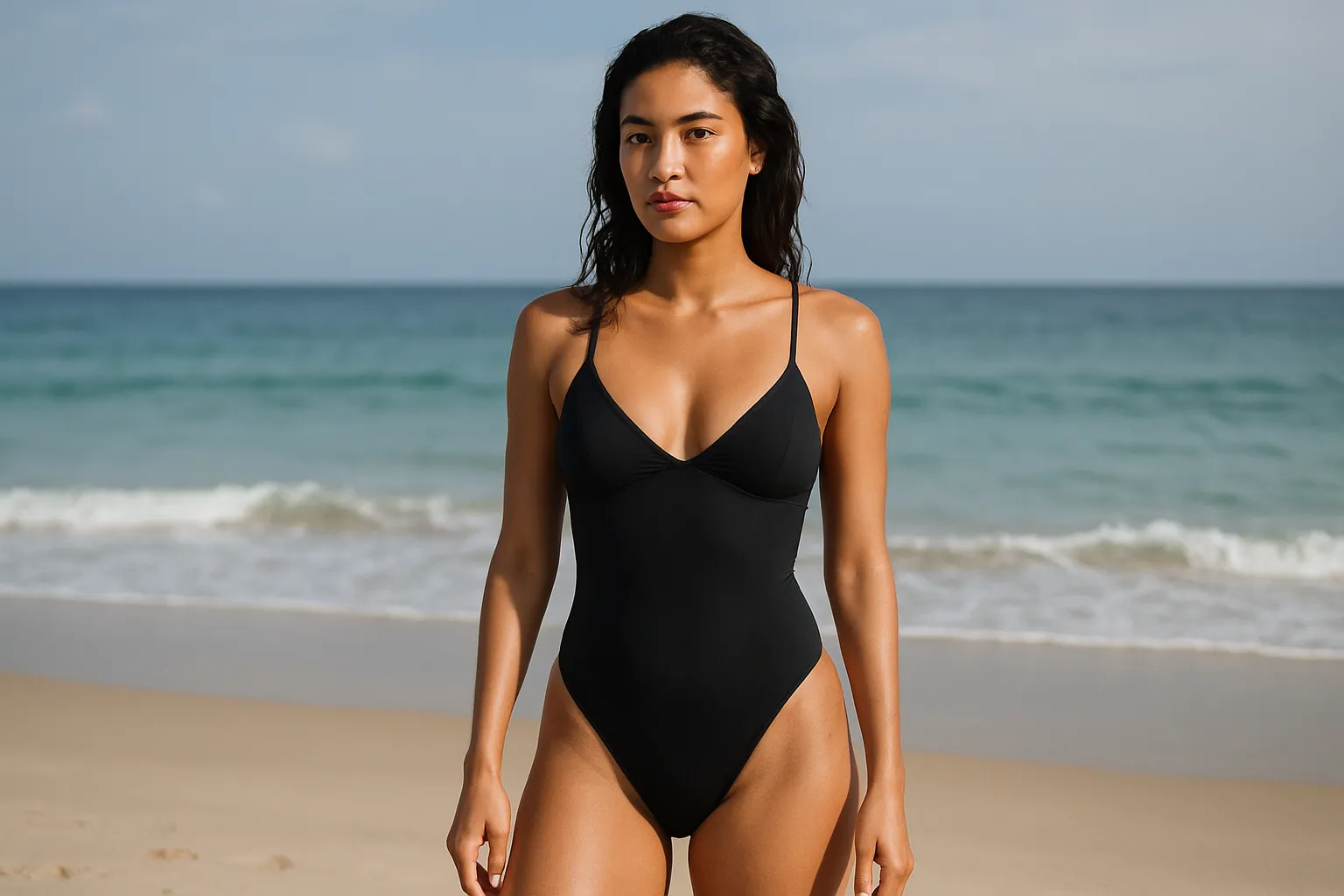
A one-piece (maillot) is a single suit that covers the torso. It offers control and clean lines. Pick cup style, strap type, and torso length first, then consider details.
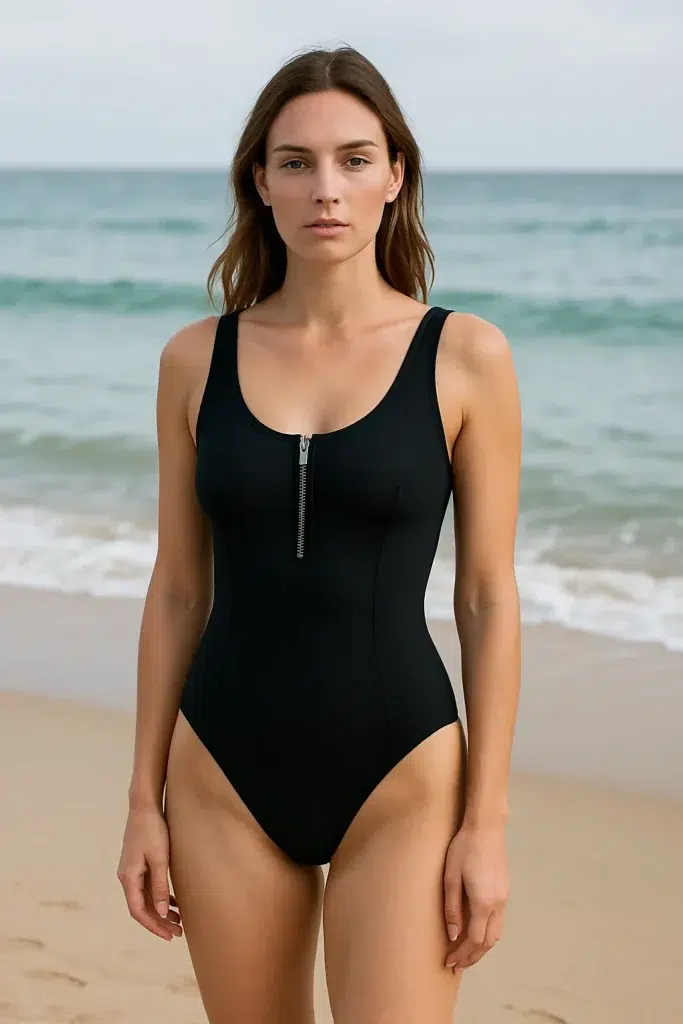
Long torsos need more length or adjustable straps. Short torsos need tighter strap sets to avoid shoulder slip. Bust support decides posture and shape: shelf bra for light support, sewn cups for a smooth outline, underwire for lift and clear cup sizing. A zip-front helps entry and exit and locks the neckline during swim practice. For tummy control, I place power mesh at the front panel and secure leg openings with stable elastic to stop ride-up. For water parks or laps, I avoid heavy hardware and pick chlorine-resistant fabrics. For resort days, I pick soft nylon blends with shine. Color and print can change the look more than the cut: darker sides slim, vertical seams elongate, and small prints hide wrinkles. I test straps under wet weight because stretch increases in water. The right maillot feels like a tailored dress in motion.
Monokini / Cut-Out: statement shape with secure hold?
Cut-outs look amazing in photos, then twist in real life. I fix that by planning support and stability before style lines.
A monokini links top and bottom with cut-outs. It is fashion-forward. Choose strong lining, firm elastic, and secure straps so the shape stays centered when wet.
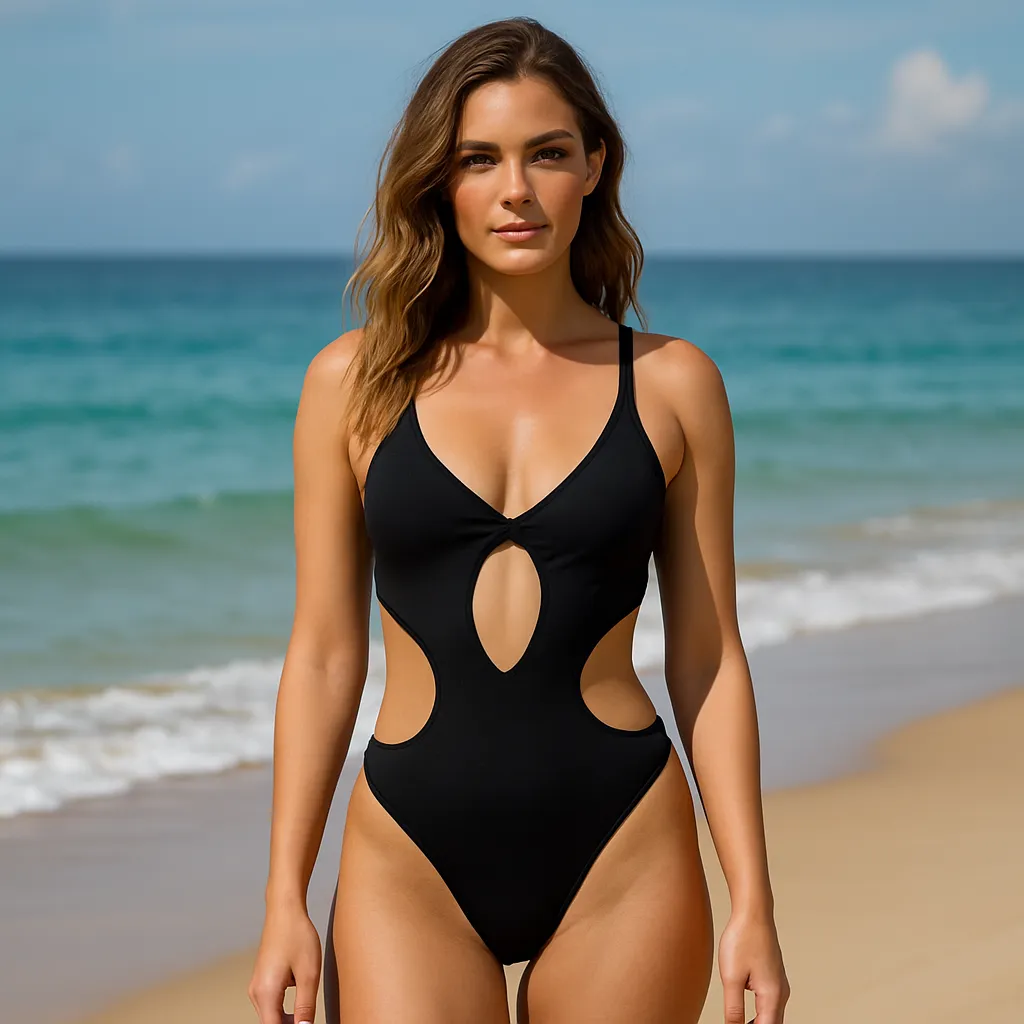
I treat monokinis like engineered garments. Cut-outs remove fabric that would stabilize the suit, so I add stability back with power mesh, clean-finished edges, and wider underbust bands. I favor adjustable back straps or a center back hook so the suit stays aligned. I keep leg elastics firm to reduce shifting. For busts, I use sewn cups or underwire; floating pads can migrate toward the cut-outs. I recommend prints or textured knits that mask any slight tension lines. I also check seat coverage; fashion photos often hide a very small back. Buyers should note event use: pool parties, resorts, and photoshoots. For active days, a classic maillot or sport bikini is safer. When built well, a monokini turns heads while still allowing you to walk, sit, and swim without the suit wandering off center.
Swim Dress: modest coverage with movement and flow?
Some clients want thigh and hip coverage without losing swim function. A skirt overlay can solve this if we build it right.
A swim dress is a one-piece with a skirt overlay. It offers fuller coverage, sun care, and a gentle drape. Hem weight and lining decide comfort and flow.

I design swim dresses with a fully lined base suit and a light, quick-dry skirt. The skirt should move in water, not balloon. I add discreet side slits for stride. The base suit can have shelf cups or underwire. Adjustable straps handle torso differences. For customers who want shaping, I place power mesh at the abdomen and keep seams smooth to avoid chafe. Dark solids feel classic; small ditsy prints read friendly and hide water marks. I avoid heavy hardware that pulls on the neckline. For beaches with wind, I shorten the skirt to stop flip-ups. Swim dresses shine for family trips, spa days, and modest settings. They also help with postpartum comfort. Pair with a short or boyshort bottom for more security. Care is simple: rinse after salt or chlorine, press water out with a towel, then hang to dry in shade.
Men’s Briefs: minimal drag for speed and training?
Men often ask if briefs are “too bold.” In pools, they are simply practical. Less fabric, less drag, faster dry.
Men’s swim briefs are tight and minimal. They suit lap swimming and racing. Choose a secure waistband, lined front, and chlorine-resistant fabric for long life.
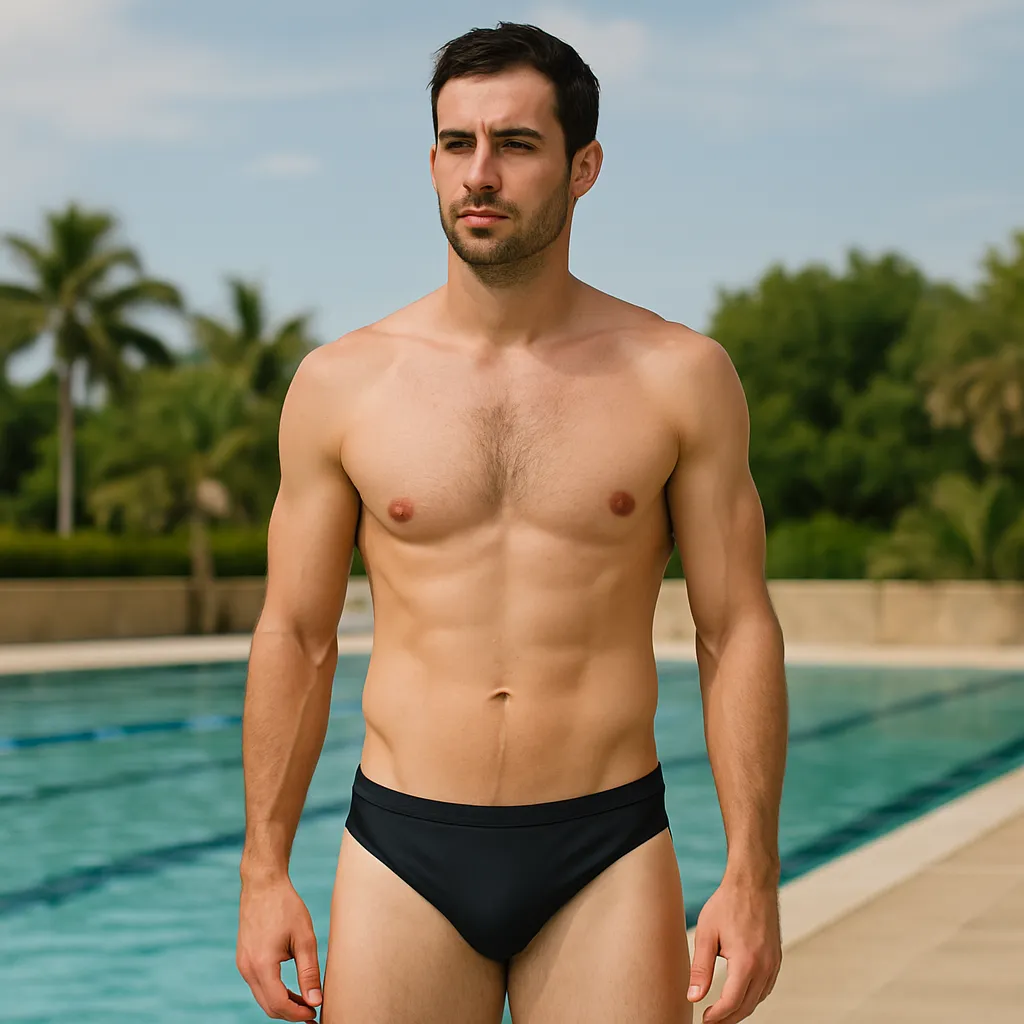
I spec briefs with two-way stretch knits and a full front lining for comfort and opacity. I test the waist elastic so it stays put on dives and flip turns. A small inner drawcord helps secure the fit. For heavy pool use, polyester blends win on chlorine resistance, even if nylon feels softer. I check leg opening elastics; if they are too tight, they dig, and if too loose, water rushes in. For sizing, I ask swimmers to measure hip at the fullest point, not just waist, to prevent squeeze lines. Solid colors look clean and match team caps; prints hide creases and extend visual life. Briefs pack tiny and dry fast. For modesty outside lanes, pair them under board shorts or track pants on deck.
Men’s Trunks: the all-round crowd-pleaser?
Most men choose trunks because they just work everywhere. The key is length, liner comfort, and pockets that drain.
Trunks are mid-thigh shorts with a liner. They fit most bodies and settings. Pick a 5–7 inch inseam, soft knit liner, and quick-dry shell with drainage.
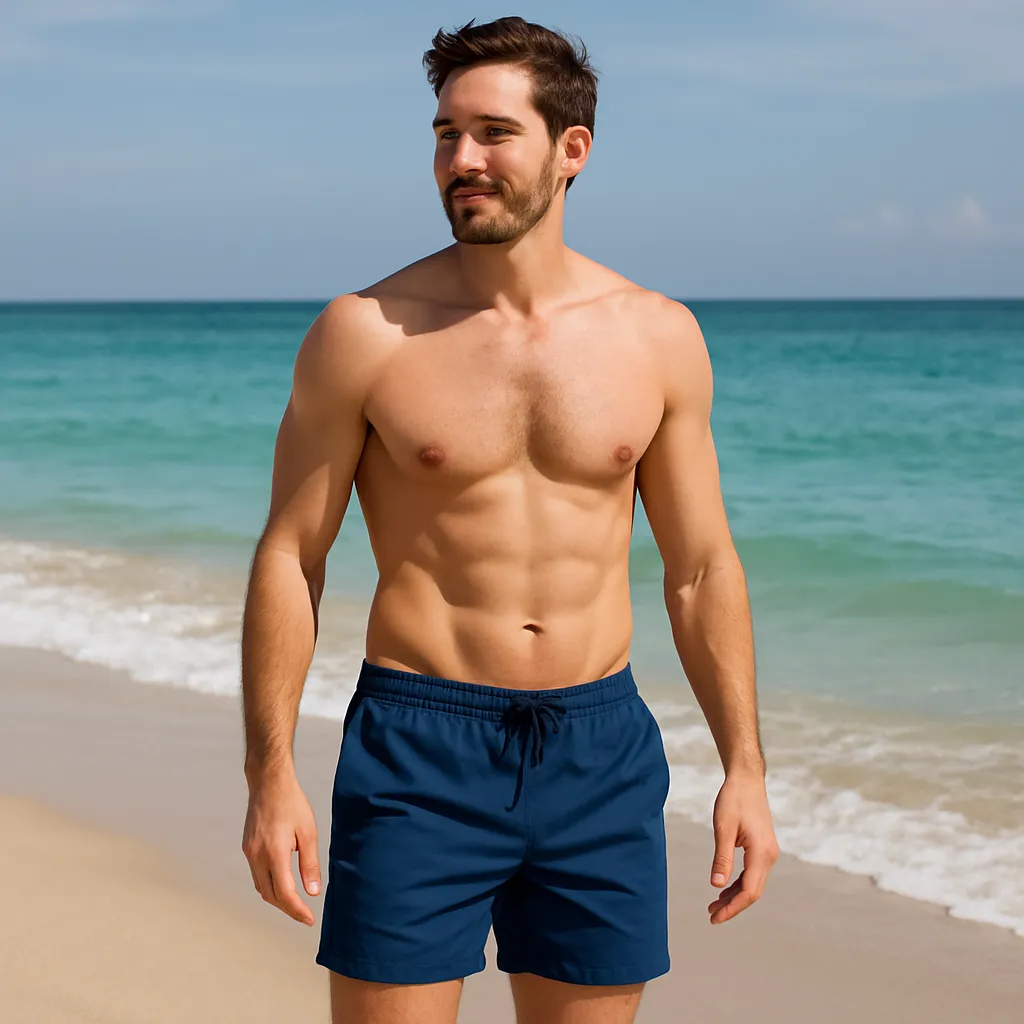
I tune three areas. Length: a 5–7 inch inseam hits above the knee, lengthening the leg. Shorter looks sporty; longer reads relaxed. Liner: classic mesh can chafe, so I prefer soft knit liners or brief liners. Pockets: water should drain; I add eyelets or mesh bags to stop ballooning. A zip pocket holds a key card. Fabric should be a quick-dry weave; a bit of mechanical stretch helps comfort. A drawcord plus elastic waist gives adjust room after meals. Prints feel fun at resorts; solid navy or black works anywhere. Trunks fold flat, pack easily, and go from pool to lunch if the fabric dries fast and the finish resists water marks. For buyers, one great trunk program covers teams, hotels, and retail with small trim changes.
Board Shorts: surf heritage with extra length?
Board shorts started in the lineup. They protect legs on a board and give room to move. Liner rules are different here.
Board shorts are longer, often unlined, and cut for surf. Choose a secure fly, stretch fabric, and pair with a brief or compression short for support.
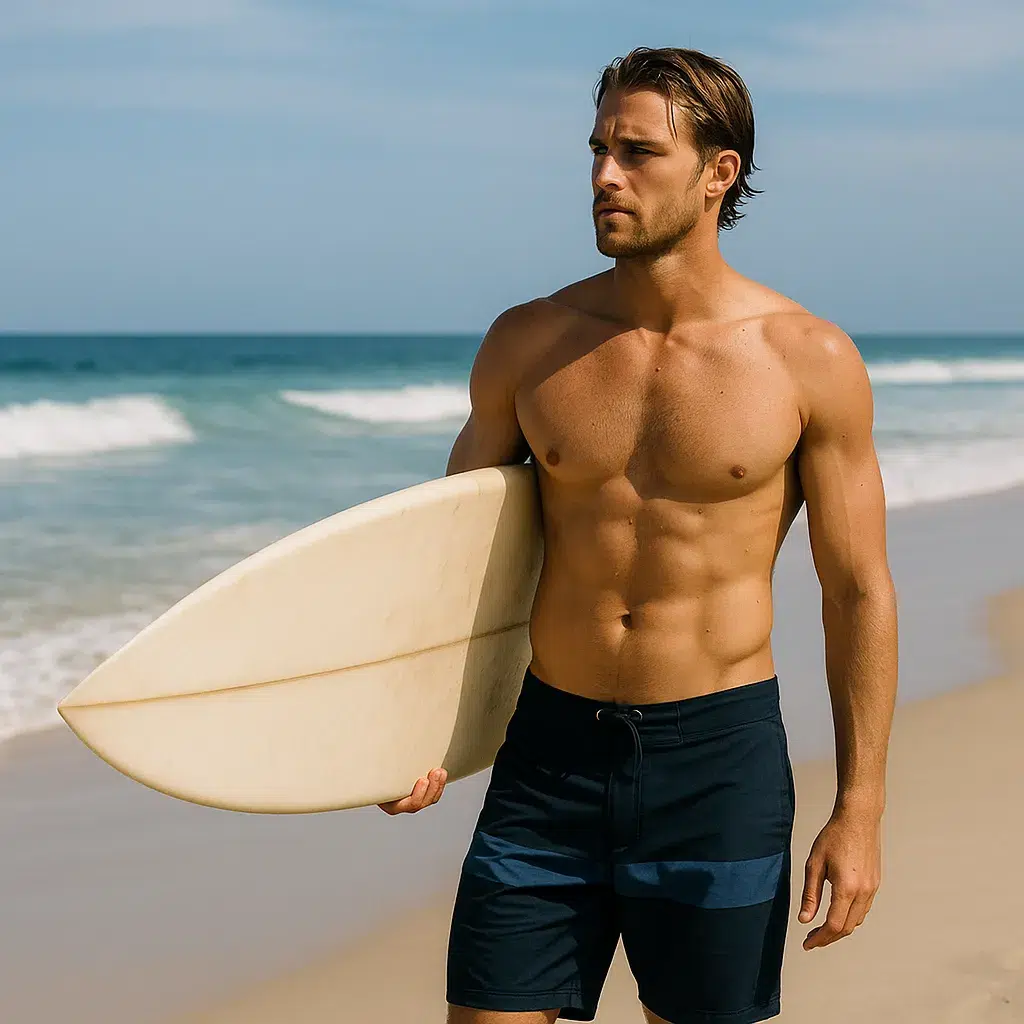
I build board shorts with stretch woven fabric that dries fast and resists sand abrasion. A lace-up fly or secure hook closure stops slip when duck diving. Because many are unlined, I advise wearing a swim brief or compression short underneath for comfort. I keep the leg opening wide enough to crouch on a board but not so wide that it drags. Seams should be flat-locked or clean-finished to avoid rub on the inner thigh. A zip welt pocket with a key loop is useful but should drain. Length usually sits at or just below the knee for classic surf; slightly shorter feels modern and easier to walk. For graphics, bold blocks and stripes match surf heritage. For resorts, solids with subtle logos sell longer through the season.
Jammers: compression fit for pool speed and drills?
Some swimmers want speed without the brief silhouette. Jammers solve that with coverage and compression to the knee.
Jammers are tight, knee-length suits for training and racing. They reduce drag. Choose chlorine-resistant fabric, flat seams, and a secure drawcord waist.
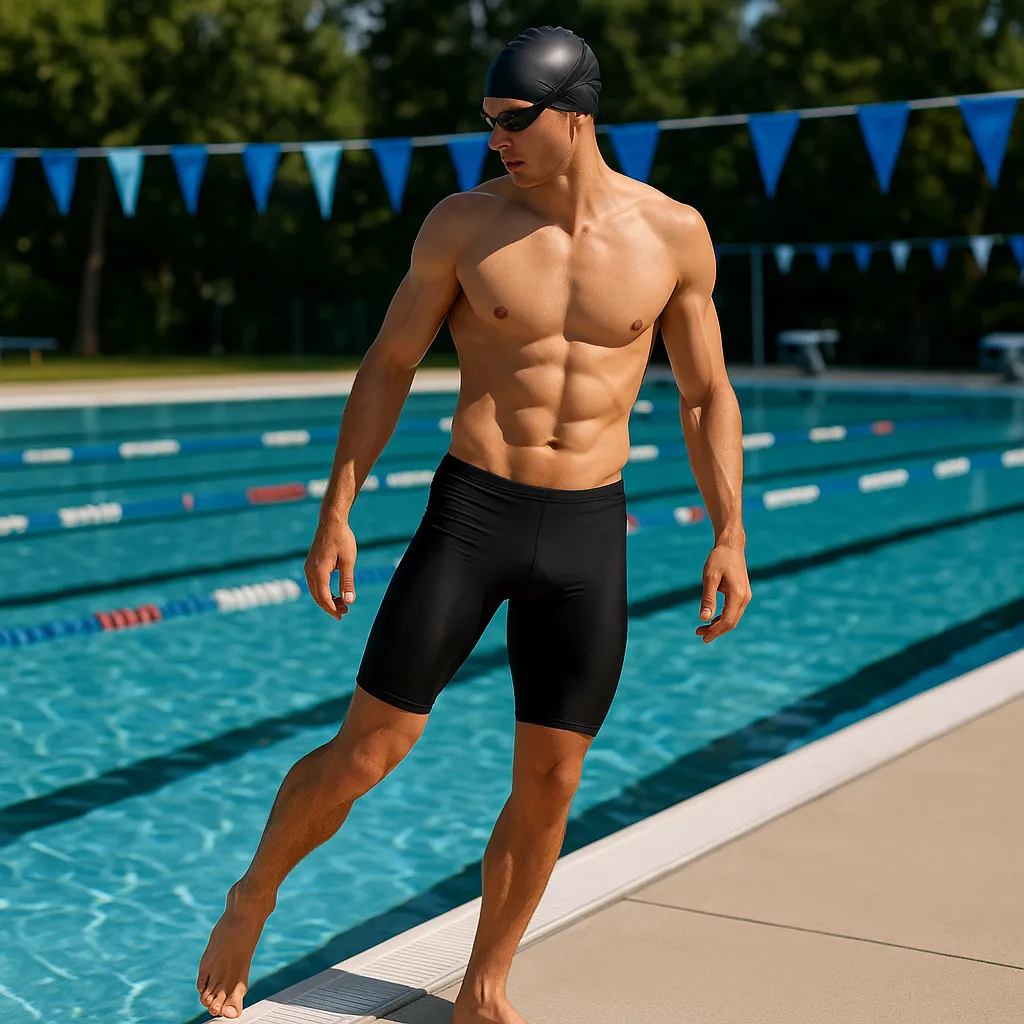
I spec jammers in high-chlorine polyester blends with four-way stretch that snaps back after long sets. Compression should feel firm but not numb the legs. I keep flat seams to avoid chafe on long swims. The waist drawcord locks the fit for starts and turns. I check knee hem tension; too tight leaves marks, too loose lets water pump in. Jammers give modest coverage for mixed-use pools and team practice. They also layer well under gym shorts for dryland. For buyers, size accuracy is key; many athletes size down for race day, but team training needs comfort. I advise two pairs: one for daily chlorine, one as a fresh “meet” suit. Rinse, roll in a towel to press out water, and hang in shade to keep the elastic lively.
Conclusion
Choose by activity first, then coverage and support. Match fabric to use, confirm lining and size, and your suit will work hard and look right.
Why I write this
My Name: Lancy Chia
Email: [email protected]
Website: https://truekung.com
Brand: Truekung — China
Products: fashion clothes; OEM/ODM for women’s wear, jackets, skirts, dresses, jeans, T-shirts, sweatshirts, down jackets, windbreakers, coats, fashion bags, sportswear, children’s wear, underwear
Model: B2B wholesale only; 200+ workers; 20 years of export experience
Main export countries: Netherlands, Denmark, Belgium, Norway, UK, USA, Germany, Australia, Thailand, Turkey, Italy, Russia, Saudi Arabia, etc.
I help buyers who need quality swimwear and beachwear at good prices. I support clear QC, real certificates, steady lead times, and honest talk.
Views: 3627