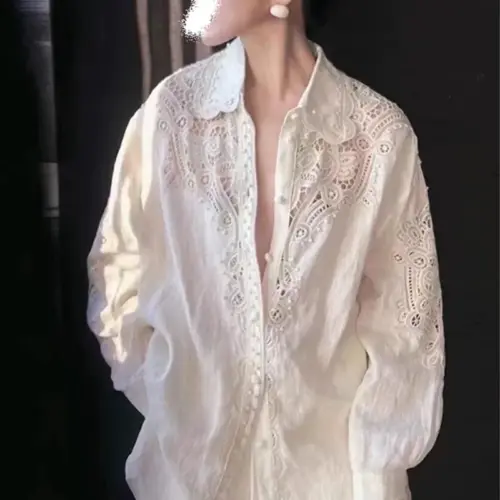
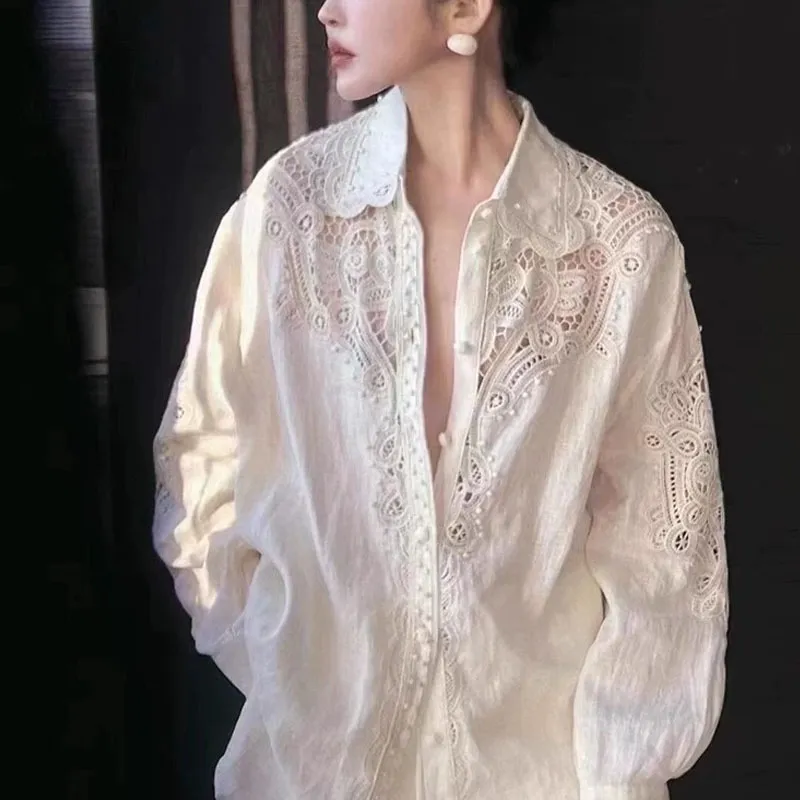
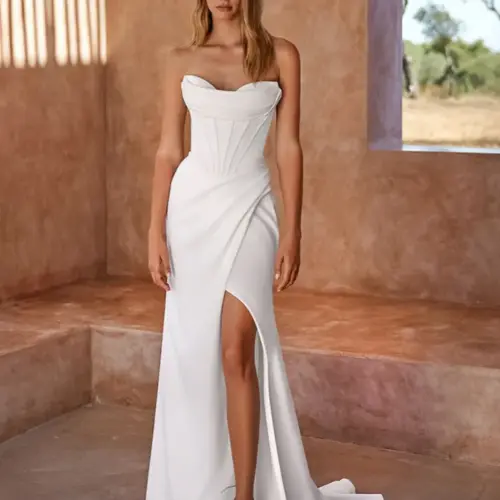
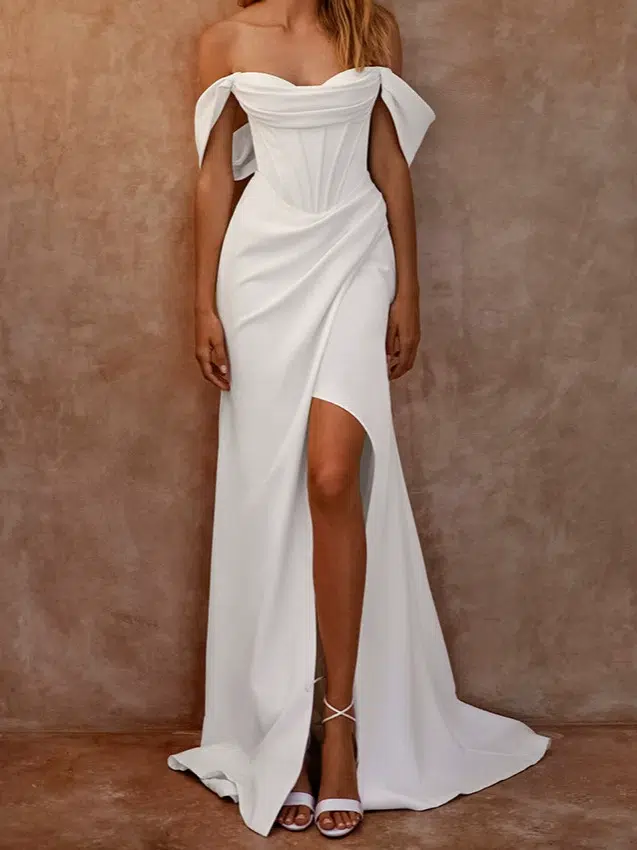
I once called shift dresses “boxy.” Then I learned better fit rules. Now I reach for them when I need simple, fast, and polished style.
A shift dress is a straight, waistless dress that hangs from the shoulders and skims the body. It allows room through the waist and hips, flatters many body types, and styles well for work, weekends, and weddings.

If you want one dress that does many jobs, start here. I will explain the shift dress meaning, show how it differs from a sheath, and share styling, fabric, and fit tips that work for real buyers like Maria.
What is a shift dress, exactly?
You see the term everywhere: shift dresses for women, sleeveless shift dress, long sleeve shift dress, even retro 70s shift dress. Yet the core cut stays the same.
A shift dress hangs straight from the shoulders with little or no waist shaping. The hem lands above the knee or at the knee. The fit is easy, not tight, which is why people ask “what’s a shift dress” and still buy it.

Dive deeper
A classic shift dress keeps clean lines: no waistband, just a smooth torso with bust darts and straight side seams. The neckline can be crew, bateau, scoop, or a gentle V; a shift V neck dress lengthens the neck and frames a pendant. Sleeves range from sleeveless to three-quarter or full long sleeves. Many modern designs add discreet side pockets, which I love at tradeshows. Typical lengths include mini and knee length; a midi shift dress black exists, but the cut still skims rather than hugs. Common colors include black shift, navy shift dress, beige shift dress, and white shift dress. Prints appear in mod styles, like a Twiggy shift dress vibe from 1960s fashion style. If you read the definition of a shift dress again, remember this simple image: shoulder-led, straight through the body, and easy to move in. That is the shift clothing promise that keeps me wearing them across busy weeks.
Shift dress vs sheath dress: which suits you?
I get asked, “Sheath vs shift dress—what is the difference?” This choice drives comfort and polish.
A sheath is fitted and follows your curves with darts and seams. A shift is straight and skims. Choose a sheath dress style for structure and formality. Choose a shift style dress for ease and movement.

Dive deeper
Think of fit first. A sheath dress for women shapes the waist and hips; it often includes a back vent and a defined waistline. It can be a V neck sheath for length, a collared sheath dress for authority, or even a formal sheath gown for evening. A shift dress, by contrast, has a relaxed torso and a straight hem that moves as you walk. In my week, I use both. For long meetings, I wear a knee length shift dress with flats and a cardigan. For investor calls, I wear a black sheath dress for work under a blazer. For a wedding guest look, I choose shift dresses for wedding in crepe or satin; sleeves help when the venue is chilly. If you like clarity, use this quick map: office travel days favor a shift; high-stakes presentations favor a sheath. When in doubt, try both back-to-back in a fitting room and notice your posture. The right answer shows up in your mirror and in your stride.
How do I style a shift dress for work or weddings?
Styling is easy because the lines are simple. Shoes and layers flip the mood in seconds.
For work, add a blazer, low pumps, and a structured tote. For weddings, switch to strappy heels, a clutch, and jewelry. Keep the hem around the knee for most events and venues.

Dive deeper
For Monday, I wear black shift dresses with loafers and a trench. A grey shift dress works with ankle boots and a neat watch. When I want color, I pick a print shift dress and anchor it with a navy blazer. For warm Fridays, I use a linen shift dress women love because it breathes and resists wrinkles. For evening, a formal shift dress in satin or crepe looks refined; add a slim belt only if the fabric is stable. A white lace shift dress is perfect for rehearsal dinners, but never as a guest at the ceremony. For fall weddings, shift dresses for weddings with sleeves pair well with sheer hosiery. Accessories change everything. In the office: pumps or flats, a structured tote, and a discreet necklace. In gardens: block heels, crossbody, straw hat. At night: strappy heels, a clutch, and statement earrings. I often travel with one shift dress with pockets; I set up the booth in sneakers, then switch to pumps five minutes before meetings.
Which fabrics and fits make the best shift clothes by season?
Fabric changes everything. The same pattern feels new in different cloth.
Choose cotton for breathability, ponte for structure, linen for heat, tweed for fall, and satin for events. Check stretch content for comfort, recovery, and wrinkle behavior before you buy.

Dive deeper
Here is my simple guide. Cotton and cotton-spandex dresses feel cool and wash well; they are my daily shift clothes for sourcing trips. Ponte and scuba knits are thicker and smooth lines, great for a midi shift dress black when you want a sharper outline without the squeeze of shapewear. Linen is airy and perfect for hot months; I love the clean look of a button-back linen shift that nods to J.Crew classics. Tweed and wool bring warmth and texture, so a black wool shift dress pairs naturally with tights and a coat. Leather or faux leather sharpens the mood; a black leather shift dress over a fine turtleneck feels modern. Satin or crepe can lift a shift into a shift gown mood for evening. Fit matters too. Focus on the shoulders, because the shoulder fit sets the whole hang. Bust darts prevent armhole gaping. Hem width controls stride and swing. Lining adds polish and stops cling. I read labels for poly spandex blends when I need stretch and recovery during long days on the move.
How can an apple-shaped body wear a shift and still feel sleek?
Many buyers ask for dresses that cover belly without feeling tight. A shift can help.
Pick a shift that skims, not squeezes. Use V necklines, darker solids, and steady fabrics. Avoid excess volume at the midsection. Balance the look with sleeve shape and a knee-grazing hem.

Dive deeper
These rules work in fitting rooms and in photos. A V-neckline draws the eye up and lengthens the torso; both a V neck sheath and a V-neck shift help here, but the shift stays easier through the waist. Choose sleeves that cover the upper arm without gripping; a shift short sleeve dress or three-quarter sleeve feels balanced. Many clients get the best line from a knee length shift dress; a mini can cut the leg visually, while an overly long hem can add weight. Select steady fabrics, like ponte or lined crepe, that float rather than cling. If you prefer prints, try vertical motifs or placed prints that avoid the midsection. Skip fussy ruffles at the waist and ultra-sheer jerseys. Try ponte shift style dresses, color-blocking with darker centers, or a simple black shift with a long pendant to create a clean column. On busy trade days, I wear earth tone midi dresses or a simple black shift; both hide a bloated afternoon and still look sharp in quick photos with buyers.
Can I DIY or tailor a shift dress?
Yes. A shift is one of the easiest patterns to sew and to alter cleanly.
Look for a dress pattern shift dress with bust darts and straight side seams. Fit the shoulder first. Hem to your best length. Add pockets if the pattern allows. Simple changes go a long way.

Dive deeper
If you sew, start with cotton and a straightforward shift dress sewing pattern. Many sites offer a shift dress pattern free for testing. Mark your shoulder width, then check armhole depth to prevent gaping. If you have fuller bust, tweak the bust dart angle slightly downward toward the apex. Petite frames often benefit from raising the hem to just at the knee. Side seams are your friend: take them in or out a little to tune ease without changing the design. Necklines can be bateau, crew, or a modest V; a shift pink in linen looks great with a V in summer. For detail lovers, try contrast binding, patch pockets, or even a button-back. I once rescued vintage shift dresses by changing a high crew to a soft V and adding discreet in-seam pockets; the dress looked new and felt useful. The same base pattern can pivot to mini or midi, to sleeveless or long sleeve shift dress, and even to a dressy satin version for cocktails.
Conclusion
Shift dresses keep dressing simple. Choose clean lines, good fabric, and the right length. Small styling moves take you from desk to dinner fast.
Why I write this
My Name: Lancy Chia
My email: [email protected]
Link to my website: https://truekung.com
Brand Name: Truekung
Country: China.
Products: fashion clothes
Business model: B2B, Wholesale only
Status: The factory has more than 200 workers. We provide clothing products and OEM/ODM services to different brands and supermarkets around the world. We have 20 years of experience in foreign trade clothing production and export. The main products are: fashion women’s clothing, jackets, skirts, dresses, jeans, T-shirts, sweatshirts, down jackets, windbreakers, coats, fashion bags, sportswear, children’s clothing, underwear.
Main export countries: Netherlands, Denmark, Belgium, Norway, UK, USA, Germany, Australia, Thailand, Turkey, Italy, Russia, Saudi Arabia, etc.
Views: 565