
I used to buy activewear on hype, then I got stuck with a set I never wore. That money hurt, and my workout habit also took a hit.
If I want clean matching sets at a lower cost, I pick Set Active. If I want a luxury feel, trend details, and I can accept the premium, I pick Alo.
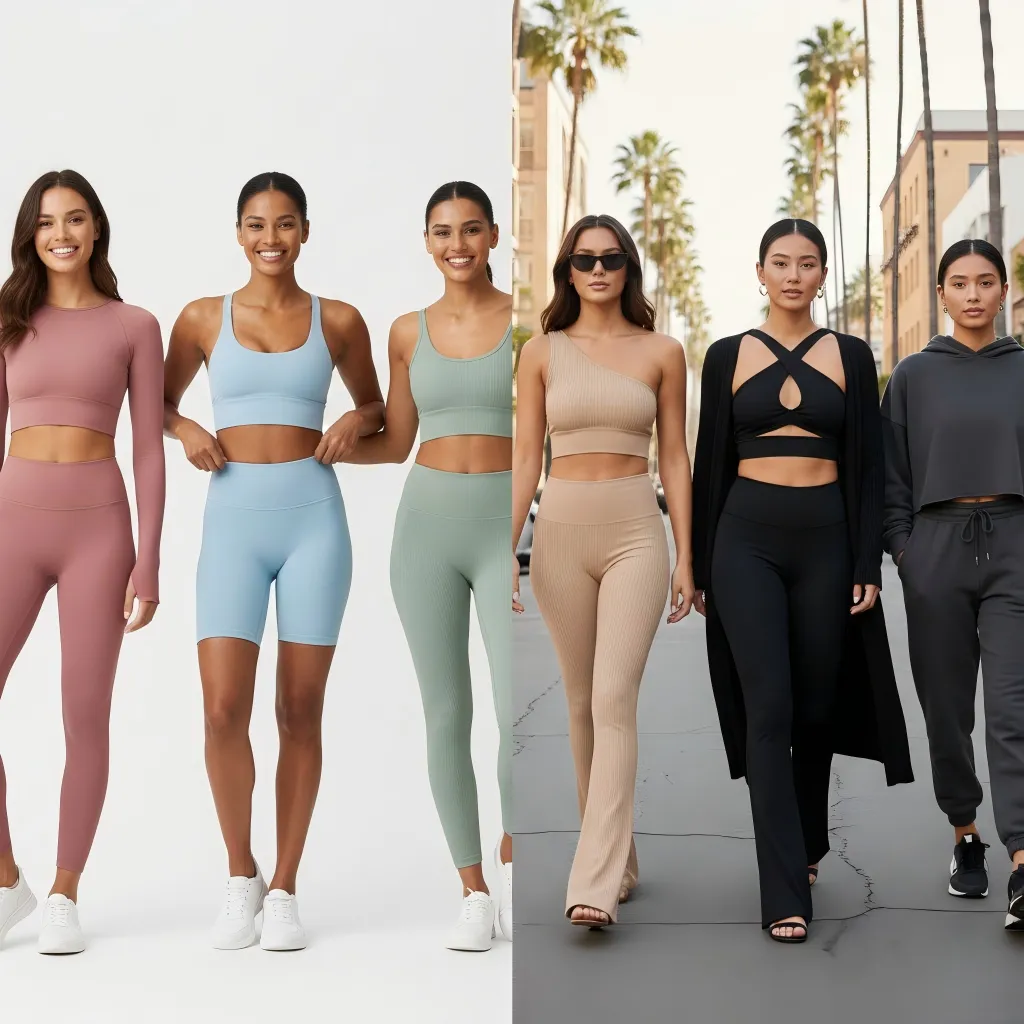
I learned this comparison the hard way, and I still use it every time I add a $set to my cart, so stay with me for the simple checks that stop regret, and the small details that decide the winner.
Is Set Active the better pick if you love matching colors and drops?
I have seen people fall in love with a color drop, then feel bad when the fabric does not match their real life workouts. I have also done that, and it is easy to repeat.
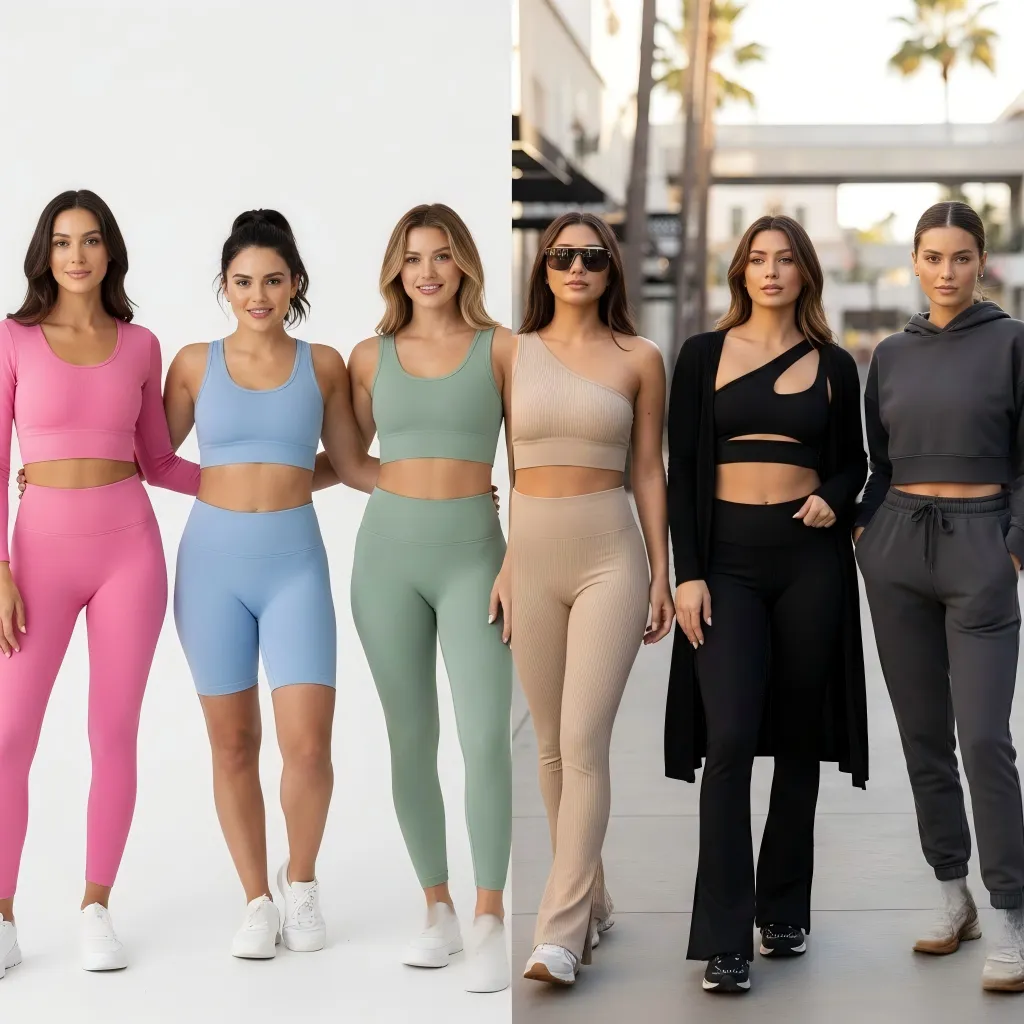
Set Active is best when I want a sculpting, simple look and I care about coordinated colors more than new design details. I treat it as “daily uniform” activewear that can also be streetwear.
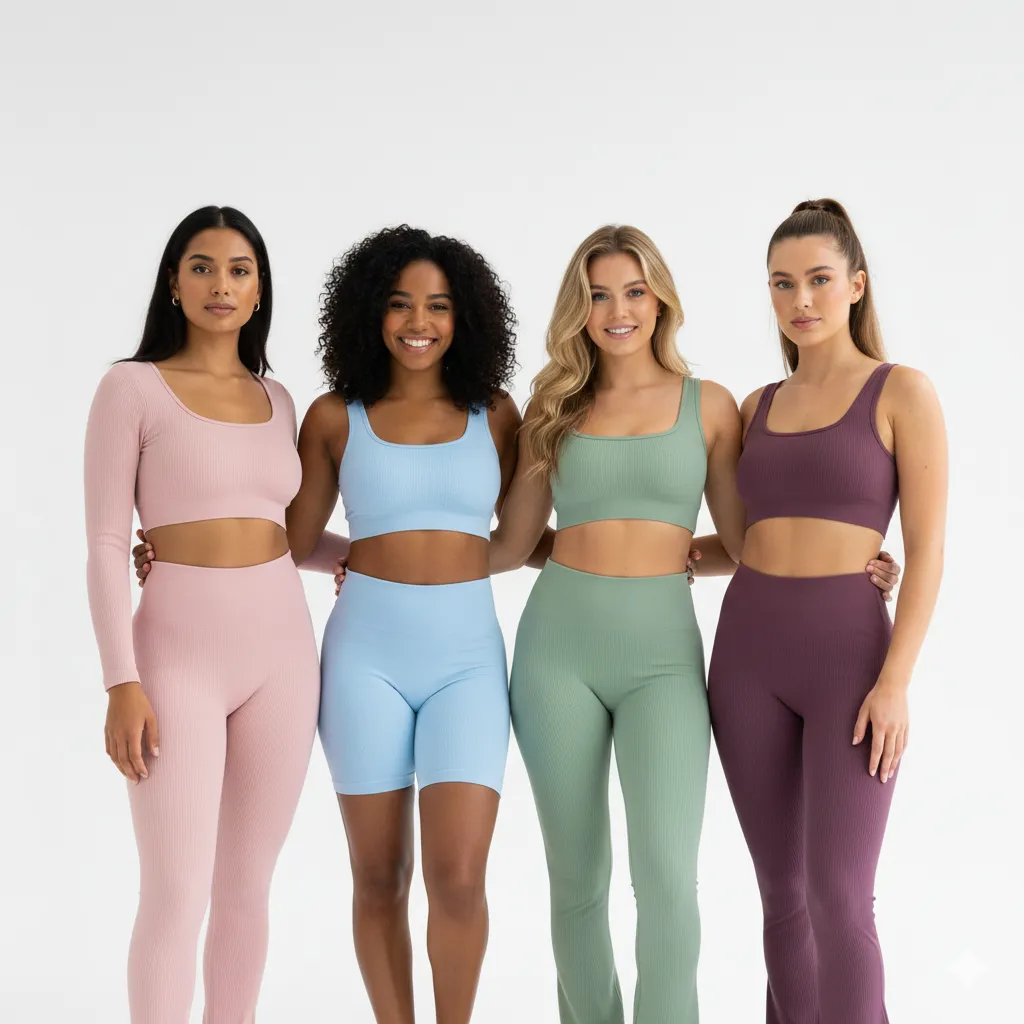
I watch Set Active the same way I watch fabric trends in my factory work. The brand wins on one main idea: one color story across many items, so the full outfit looks planned even when I did not plan it. That is why people talk about set active workout sets like they are collectibles. I notice the fit language too. The feel is usually snug and shaping, so it gives a “held” look that many buyers want for photos and daily errands.
What I notice in Set Active fabrics and use cases
Set Active talks a lot about fabric families, and buyers often pick by feel, not by name. I use a simple use-case filter:
| Fabric feel goal | What I look for in product pages | Where it works for me | Where it can fail for me |
|---|---|---|---|
| Sculpting and rib texture | “seamless” and “ribbed” language | walking, light training, errands | very sweaty sessions if I hate heavy compression |
| Smooth “second skin” | “smooth” and “barely there” language | yoga, pilates, daily wear | if I need strong support at high impact |
| High impact promise | “high-impact” and “technical” language | HIIT, runs, spin | if sizing feels too tight and I did not size well |
how many colors were in set active first drop
People ask “how many colors were in set active first drop” because it tells you the brand’s DNA. I have not seen one official, always-cited number that everyone agrees on. What I do see is a pattern in older posts and fan talk: the brand started with a small set of core tones, then made color the main engine for demand. So I do not chase the exact count. I use the lesson: early Set Active was about a tight palette, and that is still the brand’s strongest habit today.
How I decide if Set Active is “worth it” for me
I do three checks before I buy:
- I pick the workout first, then the fabric feel. If I am doing high sweat work, I do not force a ribbed set just for the look.
- I think about re-wear. If the color is so loud that I will only wear it once, I skip it.
- I think about my closet match. If I can pair the top with jeans or the leggings with an oversized shirt, I buy with less stress.
If you love coordinated sets and you want set active workout clothes that also look like a styled outfit, Set Active usually gives that faster than most brands.
Is Alo worth the higher price for performance and status?
I have paid extra for “premium” before, then felt silly when the difference was small. Alo can be that trap for some people, but it can also be a real upgrade.
Alo is worth it for me when I want a luxury hand-feel, strong brand styling, and details that look fashion-first, even if I am only going to coffee after yoga.
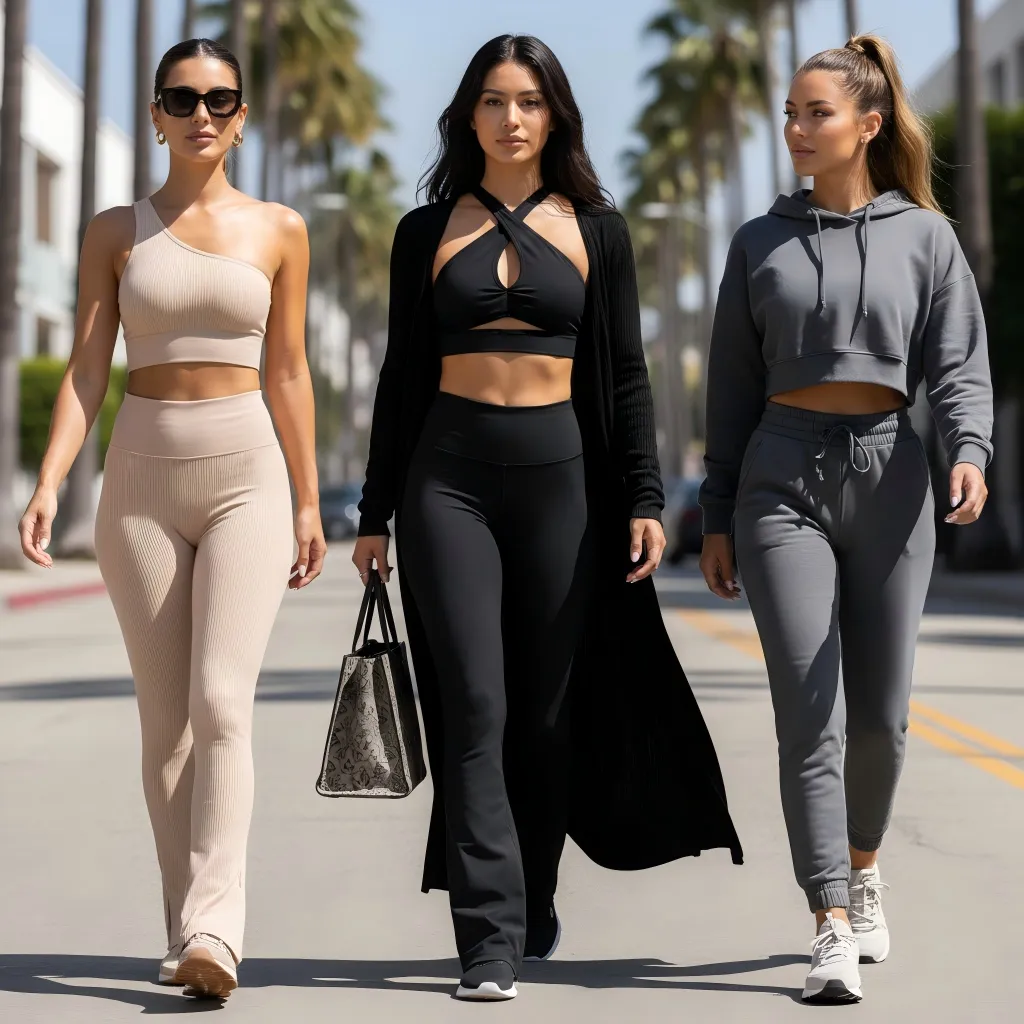
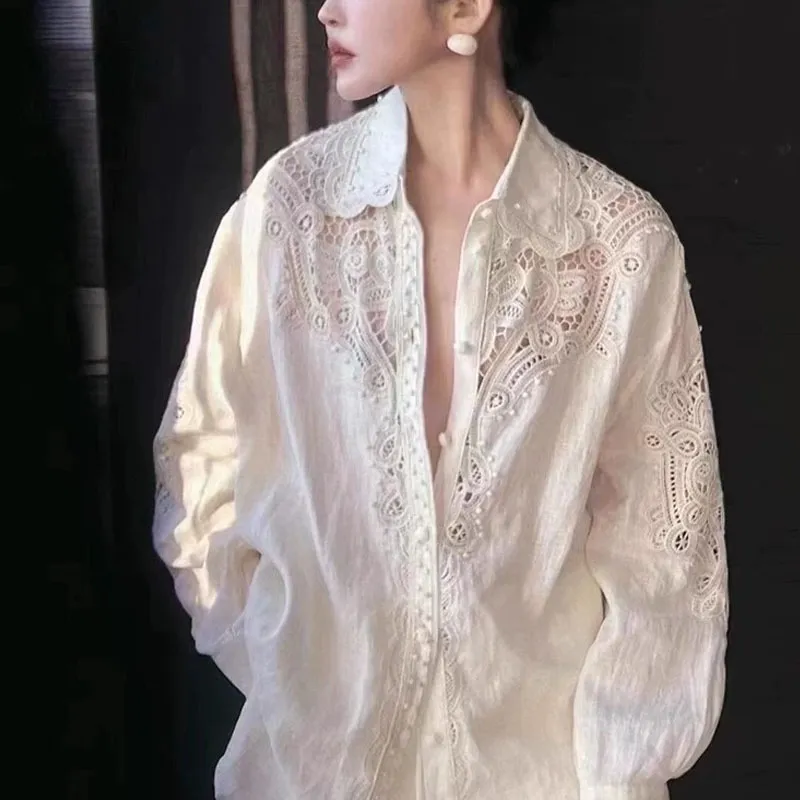
Alo’s edge is not only fabric. It is the full “premium” package: styling, finish, and the way the pieces look in photos. I also see more “statement” design moves, like sharper cuts and bolder looks. If Set Active is a clean uniform, Alo is closer to a fashion outfit that happens to be activewear.
How I think about alo sets price
I do not think about one item. I think about a full set cost, because that is how I actually shop. Alo sets price is higher in a way that adds up fast, so I use a simple value lens:
| What I pay for | What I expect to get | What I will not accept |
|---|---|---|
| Higher retail price | better finish, better stretch recovery, better feel | pilling fast, loose seams, see-through under strain |
| Brand premium | styling that looks “done” without effort | a logo-only upgrade with no comfort gain |
| Fabric claims | sweat handling, support, and shape hold | waistband rolling, slipping, or sagging knees |
When Alo wins for me
- When I want one set to do two jobs: workout and street look.
- When I care about the “camera test.” Alo often looks polished even in basic colors.
- When I shop sales and loyalty deals. I do not buy full price if I can avoid it.
When Alo loses for me
- When I need a “repeat uniform” in many colors. The cost makes that hard.
- When I want simple. Alo can feel like too much design for my taste.
- When I am only chasing the trend. Trends change, but that bill stays.
I often tell buyers like Maria in my B2B world: if your customer base wants “luxury athleisure,” Alo is an easy story to sell. If your customer base wants value and color sets, Alo can be a hard sell unless you have strong local demand.
How do I buy Set Active safely and avoid regret?
I have seen people blame a brand, but the real issue was the buying path. One wrong step can turn a normal order into a headache.
To buy Set Active safely, I stick to official channels, I read return rules before I pay, and I treat limited items and mystery packs as “fun money,” not “need it” money.
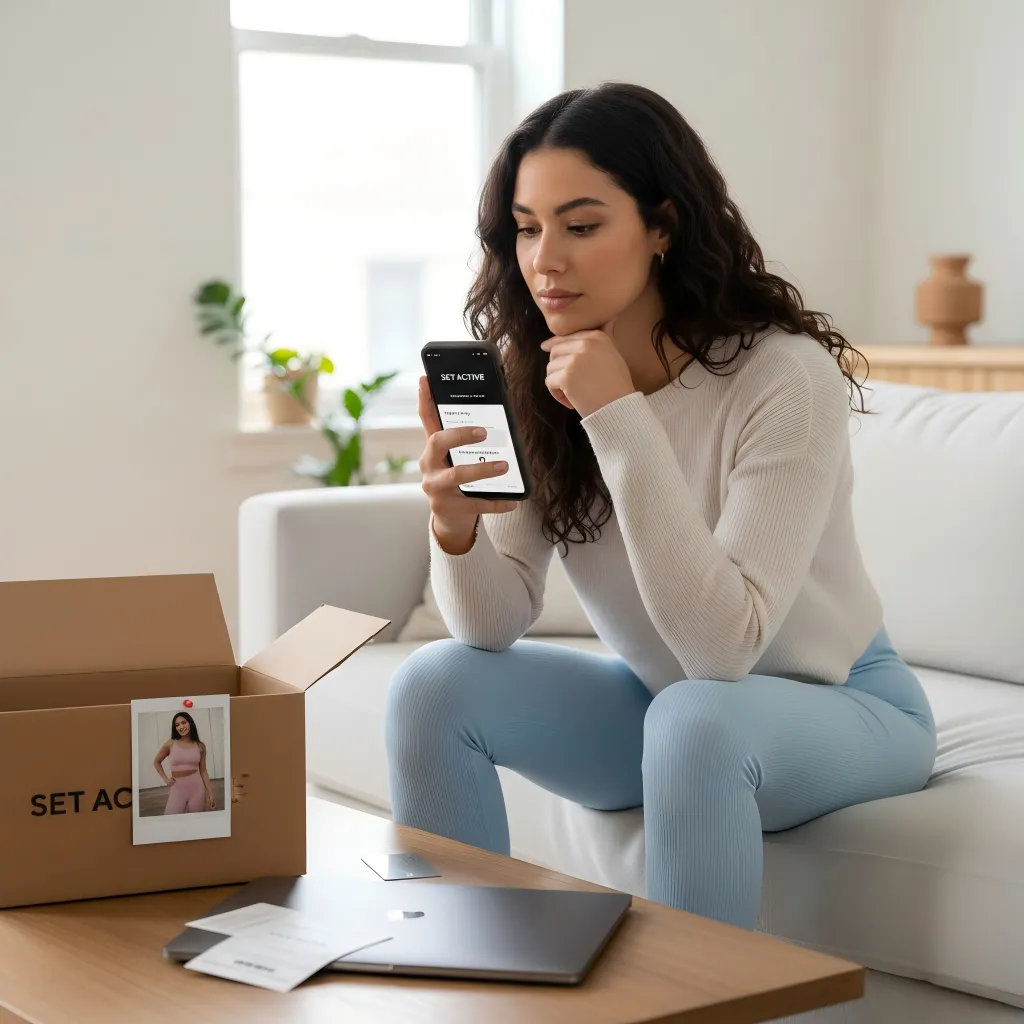
where to buy set active without extra risk
I keep it boring. I buy direct when I can, because it cuts fake risk and it keeps order tracking simple. If I use a reseller, I only use one with clear return rules and real invoices. I also screenshot the product page before checkout. That one habit has saved me in disputes.
set active customer service and the “paper trail” habit
I treat customer service like a process, not a chat. I do this:
- I keep my order number and item names in one note.
- I take photos the minute I open the package.
- I email once with a clear list: issue, item, size, color, photos, what I want.
This is not because I love conflict. It is because clean messages get faster answers.
set active surprise box: how I decide if it is for me
I like the idea of a surprise box, and I also know it is a way brands clear stock. So I set rules:
- I only buy if I can accept “not matching” pieces.
- I only buy if I can accept final sale.
- I only buy if the price feels like a fun gamble, not a wardrobe plan.
| Surprise box question | If my answer is “yes” | If my answer is “no” |
|---|---|---|
| Can I accept random colors? | I can enjoy the surprise | I will feel disappointed |
| Can I accept final sale? | I can take the risk | I should not buy |
| Do I need a full matching set? | I do not need it | I will likely regret it |
set active dupes: what I mean, and what I avoid
When people say set active dupes, I think they mean “similar look and feel,” not fake logos. I never support counterfeits. If I want a similar style for less, I compare:
- fabric weight and stretch
- seam quality and waistband design
- color consistency across pieces
A dupe is only useful if it survives washing and still holds shape. If it fails after three wears, it is not cheaper. It is just wasted money.
Conclusion
I buy Set Active for clean matching sets and color drops. I buy Alo when I want luxury feel and fashion details, and I can accept the higher price.
Why I Write This
I am Lancy Chia from Truekung in China. I run a factory with over 200 workers, and I do B2B wholesale only. I make fashion clothes and OEM/ODM products for brands and supermarkets worldwide. If you want to talk sourcing, quality control, and stable delivery, email me at [email protected].
Views: 155