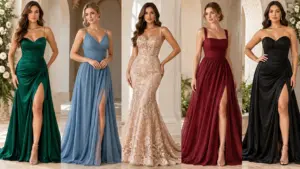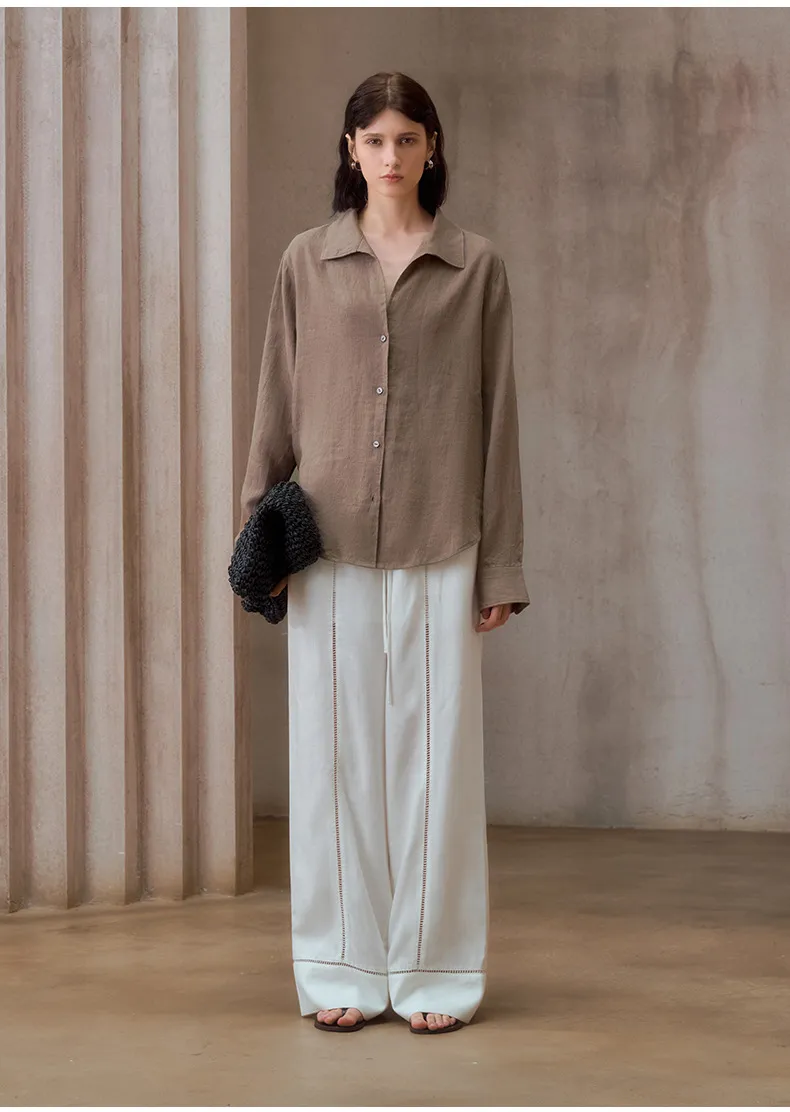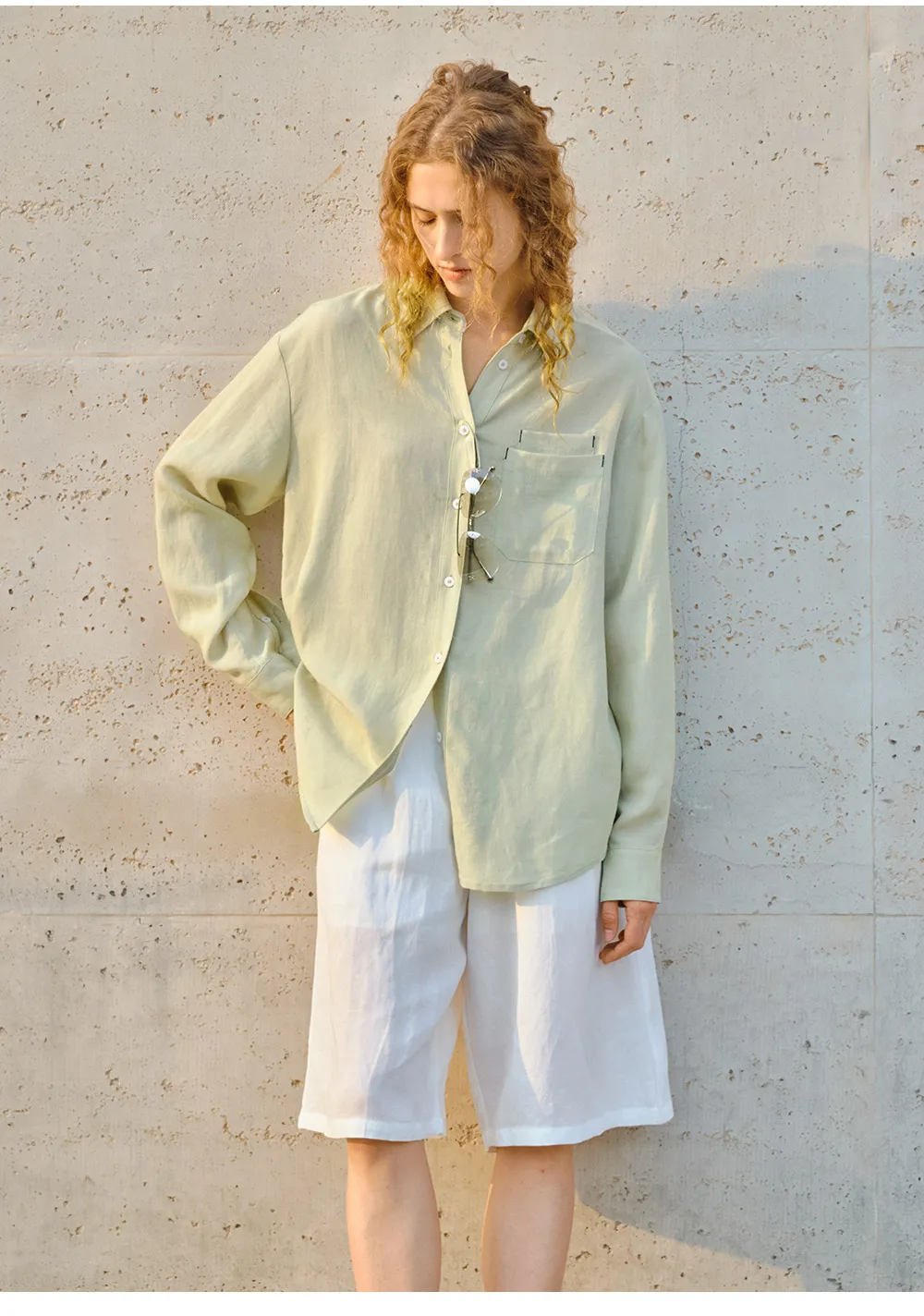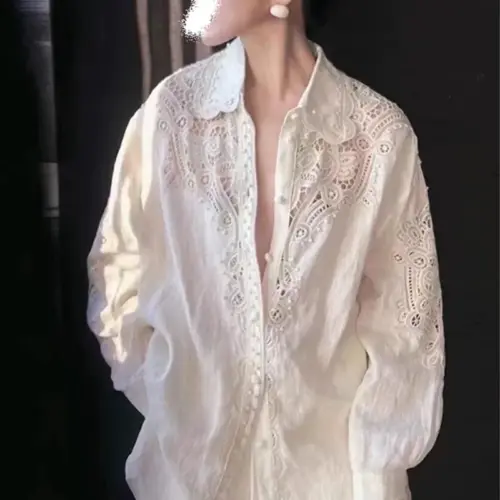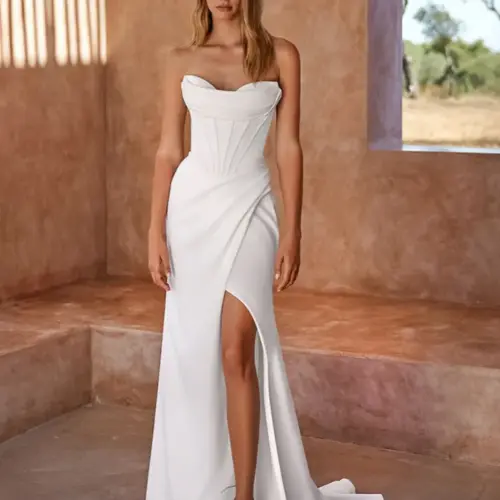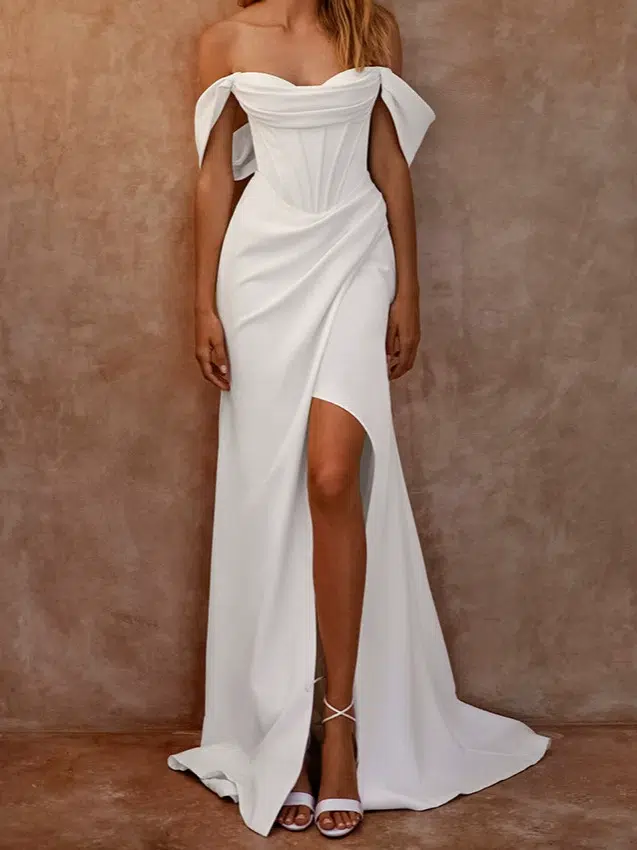

Быстрая мода Сначала кажется, что товар дешевый, а потом – дорогой. Это может стоить нам времени, доверия и привести к потерям. Я наблюдаю эту закономерность каждую неделю в заказах одежды.
Да, Веро Мода работает как индустрия быстрой моды бренд Потому что компания быстро и в больших объемах продает товары, соответствующие трендам. Ее работа в области устойчивого развития носит общественный характер, но не меняет основную модель, поэтому результаты в плане этики и устойчивого развития выглядят неоднозначно.
Я веду бизнес по продаже одежды в сегменте B2B, поэтому я оцениваю бренды не только по атмосфере или маркетинговым страницам. Я оцениваю их по тому, что заставляет их делать их модель, что они могут доказать и какие ощущения вызывает продукт после реальной носки. Если вы когда-либо искали в интернете “moda fast” или “veromoda” и были сбиты с толку обилием мнений, продолжайте читать, потому что я все разберу и затем перейду к практическим критериям, которые вы можете использовать.
Что на самом деле делает Vero Moda “быстрой модой”?
Быстрая мода кажется привлекательной, но потом приучает к повторным покупкам. В этом и заключается проблема, потому что она ставит скорость выше заботы и короткий срок службы выше длительного использования.
Vero Moda соответствует модели быстрой моды, поскольку компания полагается на частое обновление стилей, трендовый дизайн и ценовые категории, которые обычно требуют жесткого контроля затрат на материалы и фабрики.
Как я распознаю “быстрый” запах еще до того, как прикоснусь к ткани.
Когда я посещаю рынки или изучаю ассортимент в интернете, я обращаю внимание на несколько признаков. Я усвоил это на собственном горьком опыте. Много лет назад я помогал покупателю ускорить повторный заказ. Образцы выглядели хорошо. Затем пришла основная партия ткани с небольшими изменениями. На ощупь она ухудшилась. Увеличилось образование катышков. Покупатель обвинил фабрику. Фабрика обвинила фабрику по производству пряжи. Настоящая причина заключалась в скорости производства и слишком коротком времени тестирования.
Вот как я это понимаю:
| Сигнал | То, что я вижу | Почему это важно |
|---|---|---|
| Частота падений | Новые стили появляются часто. | Оно больше поощряет “новинки”, чем “лучшие”.” |
| Ценовая лестница | Многие товары относятся к низким ценовым категориям. | Это вынуждает использовать более дешевую фурнитуру, более легкую ткань или сокращать время. |
| Смесь тканей | Много смесовых полиэстеровых тканей | Он недорогой и надежный, но может выделять микроволокна. |
| Срок службы изделия | Вещи выглядят так, будто их можно носить только один сезон.“ | Это подталкивает к увеличению покупок и, как следствие, к увеличению отходов. |
Почему появляются ключевые слова типа “vera moda”, “vero mode” и “brand moda”
Я также замечаю, как покупатели ищут товары. Люди по ошибке вводят “vera moda” или “vero mode”. Люди вводят “moda fast”, чтобы узнать, относится ли это к категории быстрой моды. Люди вводят “vero moda jacket” или “vero moda jeans”, потому что верхняя одежда и джинсы — это категории, где проблемы с качеством проявляются быстрее всего. Я даже вижу странные запросы, такие как “toda moda lemon grove”, “postmoda” и “moda fashionista”. Эти термины говорят мне об одном: люди покупают не просто товар. Они гонятся за определенным образом и настроением. Быстрая мода продает это настроение в больших масштабах. В этом и заключается смысл этой модели.
Что бы я проверил на изделии в стиле Vero Moda?
Если бы я покупала себе куртку Vero Moda, я бы провела простые проверки. Я бы расправила шов. Я бы посмотрела на плотность стежков. Я бы потерла ткань. Я бы проверила марку молнии. Я бы проверила состав подкладки. Эти проверки кажутся элементарными, но они раскрывают правду, которую маркетинг не может скрыть.
Как этический Vero Moda — это платформа для работников и поставщиков?
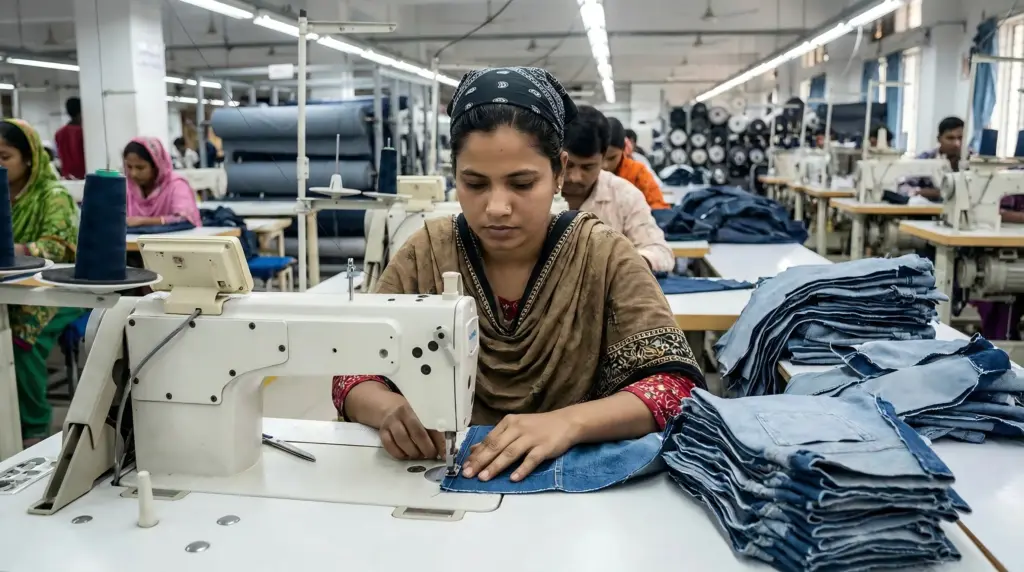
Этические принципы сложно определить по странице товара. В этом и заключается проблема. Когда бренд развивается быстро, риски меняются вместе с ним, и работники расплачиваются в первую очередь за изменения в планах.
Рейтинги и заявления пользователей свидетельствуют о том, что у Vero Moda есть определенная политика и надзор, но доказательств соблюдения прожиточного минимума и недостаточной прозрачности во всей цепочке поставок по-прежнему недостаточно.
Что я подразумеваю под словом “этичный” как производитель?
Я работаю с покупателями, которые заботятся об этике, и я это уважаю. Тем не менее, я также знаю, как легко подделать внешнюю видимость. Фотография в безупречном сертификате не доказывает реальность повседневной жизни. Кодекс поведения не доказывает уровень заработной платы.
Таким образом, я определяю этические проверки по уровням:
Уровень 1: Не подлежащие обсуждению
- Детский труд запрещен.
- Принудительный труд запрещен.
- Безопасное здание и безопасные пожарные выходы.
- Реальные данные о рабочем времени.
Уровень 2: Стабильность
- Заказы не отменяются в последнюю минуту.
- Заводам предоставляется справедливое время выполнения заказа.
- Условия оплаты труда не приводят к снижению заработной платы.
Уровень 3: Заработная плата и право голоса
- Работники могут сообщать о проблемах без каких-либо последствий.
- Заработная плата стремится к уровню, достаточному для жизни, а не только к установленному законом минимуму.
Вот практический подход, который я использую в работе с покупателями, такими как Мария, которые сами ведут разговор и заботятся как о качестве, так и о цене:
| Вопрос | Как выглядит убедительный ответ | Как звучит слабый ответ |
|---|---|---|
| Вы публикуете список заводов? | Обновленный список, четкое определение масштаба, реальные адреса. | “Мы прозрачны” — без списка. |
| Вы предоставляете результаты аудита? | Краткий обзор результатов и корректирующие действия | “Мы проводим аудит” без каких-либо подробностей. |
| Как вы справляетесь с пиковыми нагрузками в виде сверхурочной работы? | Планирование и ограничения пропускной способности | “Мы соблюдаем только местные законы”. |
| Вы обязуетесь выплачивать заработную плату, достаточную для жизни? | План, даты и замеры. | “Мы платим справедливо”, без каких-либо доказательств. |
Почему быстрая мода усложняет соблюдение этических норм
Быстрая мода не обязательно означает злоупотребления, но она усиливает давление. Когда сроки поджимают, менеджеры заставляют работать сверхурочно. Когда цены низкие, фабрики экономят на качестве. Когда меняются тренды, бренды переносят заказы. По моему опыту, даже самые этичные фабрики испытывают трудности, если бренд не разделяет риски и время.
Если вам нужно одно простое правило, оно таково: скорость без разделения ответственности обычно становится проблемой для кого-то другого.
Насколько экологична компания Vero Moda с точки зрения используемых материалов, отходов и долгосрочной перспективы?
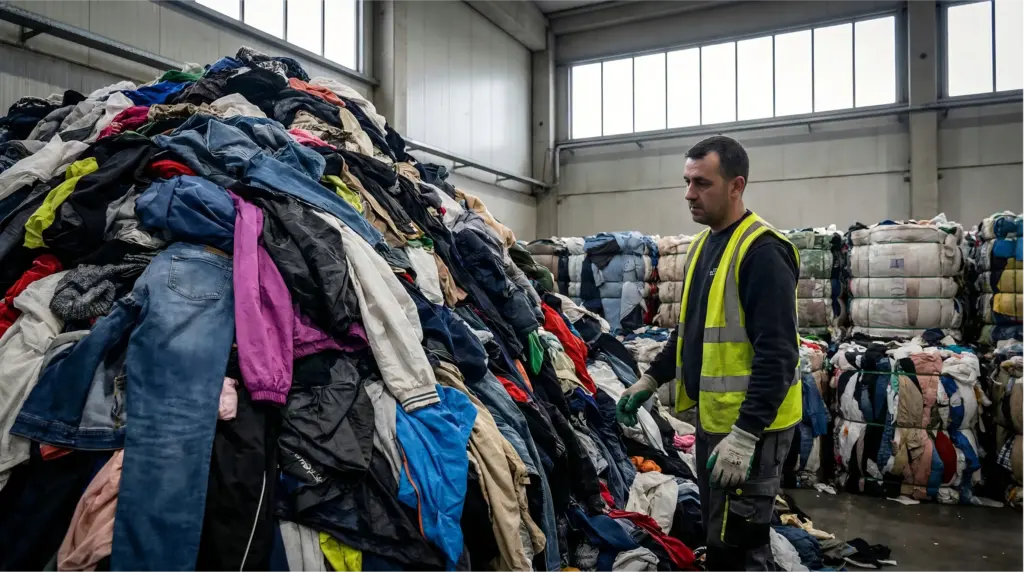
Устойчивое развитие — это не только “лучшая ткань”. Это также количество произведенной продукции, срок ее службы и то, что происходит после того, как вы перестаете ее носить. Быстрая мода часто терпит неудачу в последнем аспекте.
Vero Moda продвигает идеи устойчивого развития и использует материалы с меньшим воздействием на окружающую среду, но модель быстрой моды, ориентированная на массовый выпуск продукции, по-прежнему приводит к образованию большого количества отходов и значительному потреблению ресурсов.
Материалы: что важнее модных словечек?
Я часто вижу, как бренды подчеркивают “переработанный” или “органический”, и это не бесполезно. Тем не менее, я смотрю на весь состав. Если бренд использует много синтетических материалов, то это связывает продукт с ископаемым топливом и микроволокнами. Если же используется много смешанных материалов, то переработка становится сложнее в дальнейшем.
Вот как я это объясняю покупателям, которые хотят иметь простой выбор:
| Выбор материала | Почему бренды это используют | Компромисс в вопросах устойчивого развития |
|---|---|---|
| Полиэстер | Низкая стоимость, стойкий цвет, простота в уходе. | Микроволокна, ископаемое происхождение, чувствительность к теплу |
| Переработанный полиэстер | Позволяет использовать часть отходов | Всё ещё сараи, всё ещё на основе пластика. |
| Обычный хлопок | Комфортабельное общее водоснабжение | Высокий уровень воды и химикатов во многих регионах. |
| Органический хлопок | Снижение использования химикатов | Сохраняется спрос на землю и воду. |
| Вискоза | Мягкая драпировка, низкая стоимость | Может быть связано с рисками, связанными с лесными ресурсами, если источники поставок слабы. |
Отходы и цикличность: тема, которую бренды избегают обсуждать.
В производстве отходы образуются из-за раскроя, излишних закупок ткани и неудачного контроля качества. В розничной торговле отходы образуются из-за перепроизводства и возвратов. В потребительском сегменте отходы образуются из-за низкой износостойкости и однообразия.
Однажды я наблюдал, как покупатель заказал слишком много товара модного цвета. Сезон продаж закончился раньше времени. Остатки товара лежали на складе. Затем их продали со значительной скидкой. Эта история повторяется по всей отрасли. Это проблема “модной моды быстрого темпа” в реальной жизни.
Если Vero Moda хочет стать более экологичной, то самым важным рычагом является не одна “осознанная” капсульная коллекция. Самый важный рычаг — замедление оборота. Это означает меньшее количество моделей, более длительные сроки продаж, лучшее тестирование и больше вариантов ремонта или перепродажи. Это также означает изменения в упаковке и более четкие пути утилизации.
Простая система показателей, которую я использую при планировании OEM/ODM-проектов.
Когда покупатель просит меня разработать план устойчивого развития, я использую следующую систему оценки:
| Область | О чем я прошу | Что я могу реализовать на заводе? |
|---|---|---|
| Долговечность | Более качественные швы, лучшая отделка. | Усиленные швы, улучшенные молнии, тесты на износостойкость при стирке. |
| Ткань с низким уровнем воздействия | Сертифицированные варианты, отслеживаемость | Сертифицированные поставщики и отслеживание партий продукции. |
| Меньше отходов | Более эффективные маркетологи, более жесткое планирование минимального объема заказа. | Оптимизация маркеров, целевые показатели выхода ткани. |
| Доставка | Сокращение объёмов авиаперевозок. | Более эффективное планирование сроков, резервное время. |
| Подтверждение соответствия | Подлинные, поддающиеся проверке документы | Аудит сторонними организациями и контроль документации. |
Здесь также важна доверие. Проблема поддельных сертификатов, о которой говорит Мария, вполне обоснована. Я сталкивалась с этим на рынке. Поэтому я всегда советую покупателям проверять сертификаты по официальным каналам и сверять область действия сертификата с конкретным заводом и продуктом, а не только с торговым наименованием.
Заключение
Vero Moda работает по принципу быстрой моды. Существуют определенные политические меры, но модель по-прежнему ориентирована на объемы и скорость, поэтому этика и устойчивое развитие остаются вперемешку, если основной цикл не замедлится.
Почему я это пишу
Меня зовут Ланси Чиа, я из Трукуна, Китай. Я руковожу оптовой фабрикой по производству одежды (B2B), в которой работает более 200 человек. Я поставляю одежду и оказываю услуги OEM/ODM для брендов и супермаркетов по всему миру. В своей работе я уделяю особое внимание контролю качества, четкой коммуникации, проверке подлинности продукции, стабильным поставкам и практичному контролю затрат.
Просмотров: 389