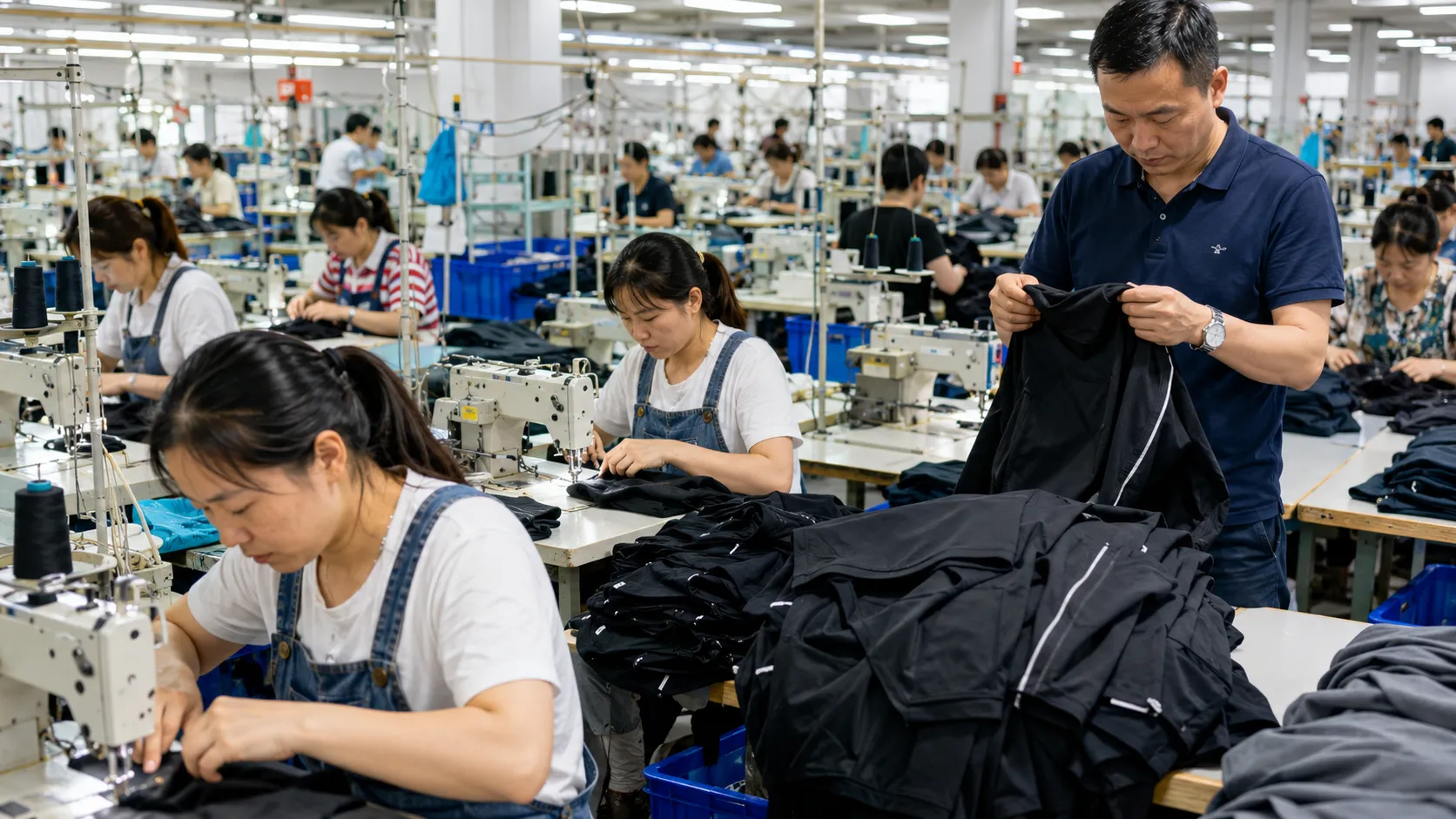

Wybór niewłaściwej fabryki odzieży może kosztować kupującego cały sezon. Widziałem, jak dobre projekty zawodziły, ponieważ produkcja nie było jasne od pierwszego dnia.
Fabryka odzieży to miejsce produkcji, w którym tkanina staje się gotową odzieżą. Zajmuje się tworzeniem wzorów, krojeniem, szyciem, kontrola jakości, wykańczanie, pakowanie i wysyłka dla marek, hurtowników, detalistów i marek własnych.
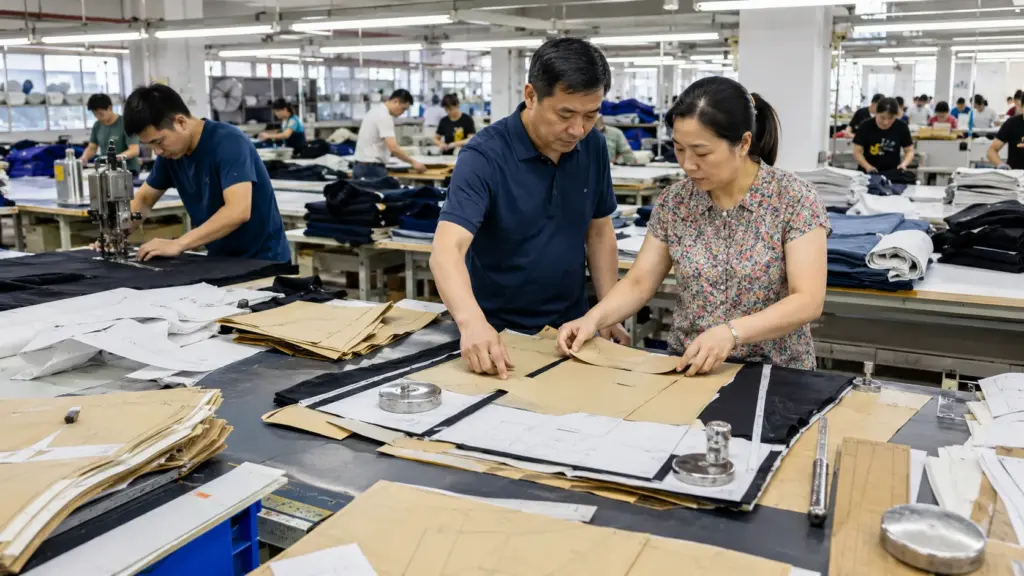
Kiedy rozmawiam z kupcami takimi jak Maria z Rosji, często słyszę to samo pytanie. Ona nie tylko pyta: “Czym jest fabryka odzieży?”. Chce też wiedzieć, co się w niej dzieje, kto kontroluje jakość i jak fabryka może chronić swój sezon sprzedaży. To właśnie jest prawdziwa wartość zrozumienia branży odzieżowej przed złożeniem zamówienia.
Czym właściwie zajmuje się fabryka odzieży?
Kupujący może zobaczyć tylko próbki i kartony. Prawdziwa praca odbywa się pomiędzy tymi dwoma punktami i to właśnie ta ukryta praca decyduje o zysku lub stracie.
Fabryka odzieży przetwarza tkaniny i dodatki w gotowe ubrania. Może zarządzać próbkowaniem, produkcją masową, kontrolą jakości, etykietowaniem, pakowaniem i wsparciem eksportowym. marki odzieżowe I hurtowi nabywcy.
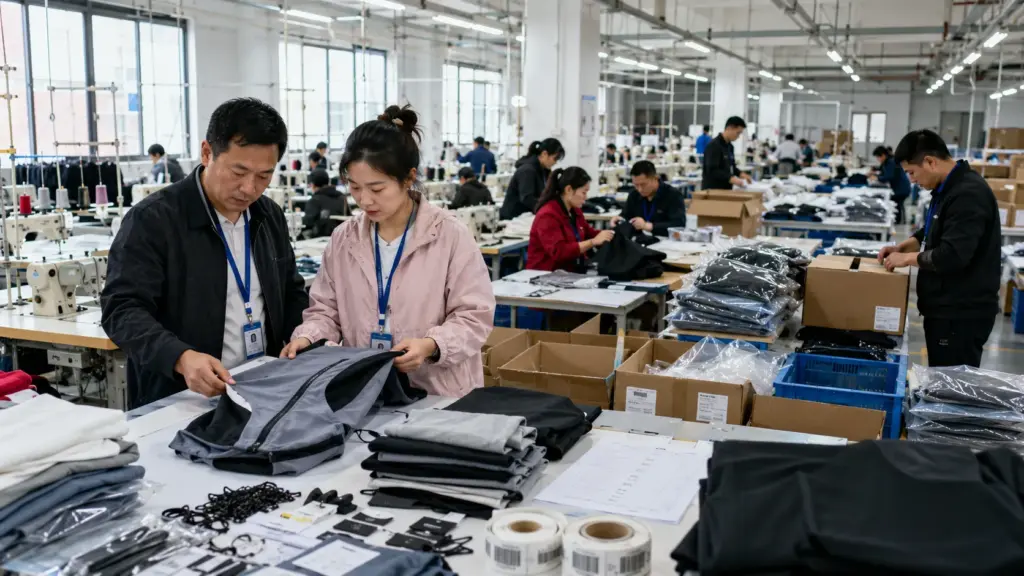
Główna praca w fabryce odzieży
Fabryka odzieży to nie tylko pomieszczenie pełne maszyn do szycia. To kompletny system. W mojej pracy w fabryce widzę, jak każde zamówienie przechodzi przez wiele drobnych kontroli. Jeden błędny krok może wpłynąć na całą dostawę. Prosty T-shirt może wydawać się prosty, ale nadal wymaga prawidłowej gramatury materiału, stopniowania rozmiaru, naprężenia szycia, kontroli kurczliwości, dopasowania kolorów, kontroli igieł i zasad pakowania.
| Krok fabryczny | Co to znaczy | Dlaczego to ma znaczenie dla kupujących |
|---|---|---|
| Rozwój produktu | Przekształcenie pomysłu lub pakietu technologicznego w próbkę | Potwierdza styl, dopasowanie i koszt przed zamówieniem hurtowym |
| Pozyskiwanie tkanin | Znalezienie i przetestowanie odpowiedniej tkaniny | Ma wpływ na odczucia dotykowe, cenę, kurczliwość i czas dostawy |
| Tworzenie wzorów | Tworzenie kształtu każdej części garderoby | Decyduje o dopasowaniu i spójności rozmiaru |
| Cięcie | Krojenie tkaniny według wzoru | Ma wpływ na marnotrawstwo tkanin i dokładność pomiaru |
| Szycie | Łączenie wszystkich części w gotową odzież | Wpływa na siłę, wygląd i komfort |
| Kontrola jakości | Sprawdzanie wad w trakcie i po produkcji | Zmniejsza liczbę zwrotów i skarg kupujących |
| Wykończeniowy | Prasowanie, przycinanie nici, dodawanie metek | Przygotowuje odzież do sprzedaży detalicznej |
| Pakowanie i wysyłka | Pakowanie według zasad kupującego i przygotowanie do eksportu | Pomaga dostarczać towary czyste, kompletne i gotowe do sprzedaży |
Dlatego zawsze radzę kupującym, aby oceniali fabrykę odzieży pod kątem procesu, a nie tylko ceny. Niska wycena niewiele znaczy, jeśli dostawca nie ma kontroli nad materiałem, rozmiarem, szyciem i dostawą.
Czym jest przemysł odzieżowy?
Wielu kupujących używa razem słów „fabryka odzieży” i „przemysł odzieżowy”. Są one ze sobą powiązane, ale nie oznaczają tego samego.
Przemysł odzieżowy to łańcuch biznesowy, który projektuje, rozwija, produkuje, sprzedaje i dystrybuuje odzież. Fabryka odzieży stanowi ważną część tego większego sektora odzieżowego.
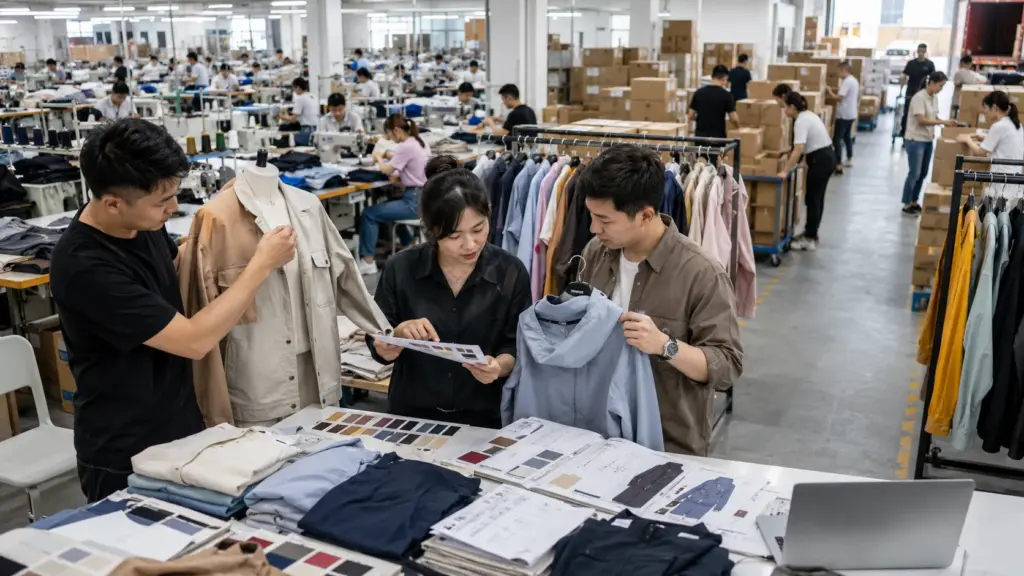
Jak działa przemysł odzieżowy
Aby w prosty sposób zdefiniować przemysł odzieżowy, powiedziałbym tak: to cały biznes związany z odzieżą. Zaczyna się od włókien i tkanin. Przechodzi w produkcję odzieży. Kończy na markach, supermarketach, hurtowniach, sklepach internetowych i klientach końcowych. Ten łańcuch wydaje się prosty z zewnątrz, ale każdy jego element niesie ze sobą własne ryzyko.
| Część przemysłu odzieżowego | Wspólna praca | Ryzyko kupującego |
|---|---|---|
| Fabryka tekstyliów | Wytwarza tkaninę z przędzy lub włókna | Opóźnienia w dostawie tkanin, różnice w kolorach, nieprawidłowy skład |
| Fabryka odzieży | Produkuje gotową odzież | Słabe szycie, zły rozmiar, opóźniona dostawa |
| Firma handlowa | Łączy kupujących i dostawców | Mniejsza kontrola produkcji, jeśli nie jest ona przejrzysta |
| Marka lub hurtownik | Sprzedaje produkty na rynku | Przegapiony sezon, niesprzedany towar, zwroty od klientów |
| Firma logistyczna | Przemieszcza towary przez granice | Opóźnienie w odprawie celnej, błąd w dokumentach, dodatkowe koszty |
Fabryka tekstyliów i fabryka odzieży również się różnią. Fabryka tekstyliów zazwyczaj produkuje tkaniny. Fabryka odzieży wykorzystuje tkaniny do produkcji odzieży. Niektóre duże fabryki mody mogą łączyć obie strony, ale większość kupujących i tak musi dokładnie sprawdzić każdy etap.
Dla kupujących B2B branża odzieżowa to nie tylko styl. To także czas, koszty, certyfikacja, warunki płatności i zaufanie. Współpracowałem z kupującymi, którzy doskonale znają swój rynek, ale wciąż czują się niepewnie w chińskim łańcuchu dostaw. To normalne. Najlepszym sposobem na ograniczenie ryzyka jest współpraca z fabryką, która wyjaśnia każdy etap prostym językiem i w razie potrzeby przedstawia dowody.
Jakie są rodzaje fabryk odzieżowych?
Nie każda fabryka odzieży jest budowana dla tego samego nabywcy. Fabryka produkująca tanie koszulki może nie być odpowiednia do produkcji sukienek na zamówienie.
Główne rodzaje fabryk odzieżowych obejmują fabryki zajmujące się krojeniem i szyciem, fabryki produkujące odzież dziewiarską, fabryki produkujące tkaniny, fabryki produkujące dżinsy, fabryki produkujące odzież wierzchnią, fabryki produkujące bieliznę, fabryki produkujące odzież sportową i fabryki marek własnych.
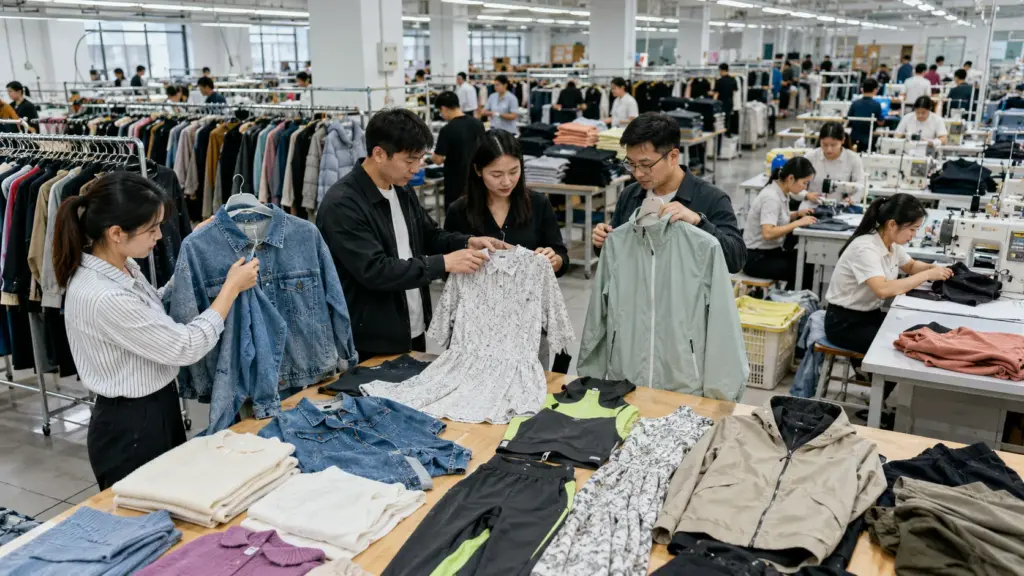
Wybór odpowiedniego typu fabryki
Kiedy kupujący szukają “lokalizacji fabryki odzieży” lub “fabryk mody”, często najpierw zwracają uwagę na cenę i kraj. Cena jest ważna, ale ważniejszy jest typ fabryki. Silna fabryka kurtek puchowych może nie być mocna w produkcji sukienek. Doświadczona fabryka sukienek może nie być dobra w produkcji bielizny bezszwowej. Każda kategoria wymaga innych maszyn, pracowników, wiedzy o tkaninach i standardów jakości.
| Typ fabryki | Najlepszy dla | Główne rzeczy do sprawdzenia |
|---|---|---|
| Fabryka kroju i szycia | Koszulki, bluzy, odzież codzienna | Jakość szycia, kurczliwość materiału, dzienna wydajność |
| Fabryka odzieży tkanej | koszule, sukienki, spódnice, spodnie | Dokładność wzoru, wykończenie szwów, jakość prasowania |
| Fabryka dżinsów | dżinsy, kurtki jeansowe, spódnice jeansowe | Efekt prania, trwałość koloru, kontrola rozmiaru |
| Fabryka odzieży wierzchniej | kurtki, płaszcze, wiatrówki, kurtki puchowe | Kontrola wypełnienia, jakość zamka, wodoodporność |
| Fabryka odzieży sportowej | legginsy, topy, dresy | Odzyskiwanie kształtu po rozciągnięciu, wytrzymałość szwów, wydajność tkaniny |
| Fabryka odzieży dziecięcej | odzież dziecięca | Kontrole bezpieczeństwa, kontrola igieł, testowanie przycinania |
| Fabryka marek własnych | marki będące własnością kupujących | Etykietowanie, pakowanie, wsparcie w zakresie projektowania niestandardowego |
| Dostawca odzieży magazynowej | szybkie ponowne etykietowanie zamówień | Dokładność stanu magazynowego, dostępność kolorów i rozmiarów |
Z mojego doświadczenia wynika, że poważni nabywcy powinni prosić o zdjęcia z poprzednich produkcji, dokumentację próbek, proces kontroli i doświadczenie w eksporcie. Prawdziwa fabryka odzieży powinna być w stanie wyjaśnić, co może produkować, a czego nie. Taka uczciwość chroni obie strony.
Co się dzieje przed rozpoczęciem masowej produkcji odzieży?
Wiele opóźnionych dostaw powstaje jeszcze przed rozpoczęciem produkcji. Problem często zaczyna się od niejasnych próbek, słabej akceptacji materiału lub brakujących informacji o opakowaniu.
Przed rozpoczęciem produkcji masowej fabryka odzieży powinna potwierdzić pakiet techniczny, materiał, wykończenia, tabelę rozmiarów, próbkę, cenę, czas realizacji, standard jakości, etykiety, metodę pakowania i warunki płatności.
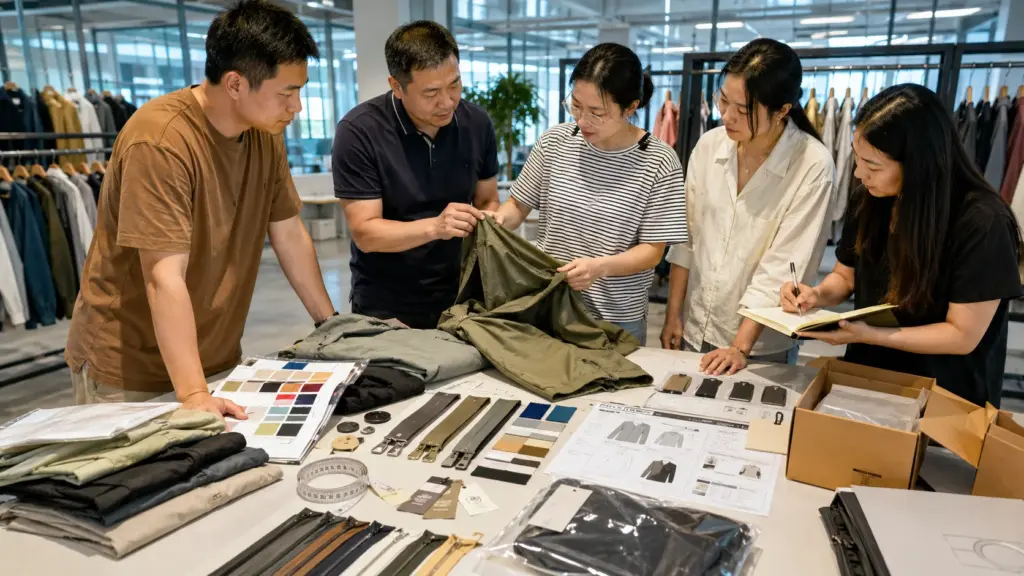
Etap przedprodukcyjny
Etap przedprodukcyjny traktuję jako zabezpieczenie każdego zamówienia. Gdy ten etap jest niestabilny, zamówienie hurtowe staje się ryzykowne. Kupujący może wysłać zdjęcie i poprosić o szybką wycenę. To akceptowalne na wczesnym etapie negocjacji. Jednak przed rozpoczęciem produkcji fabryka potrzebuje dokładnych informacji. Fabryka potrzebuje składu materiału, gramatury, zakresu rozmiarów, koloru, projektu graficznego, wykończeń, plików etykiet, proporcji pakowania i kraju docelowego.
| Przedmiot przedprodukcyjny | Co powinien potwierdzić kupujący | Co powinna zapewnić fabryka |
|---|---|---|
| Pakiet technologiczny | Szczegóły stylu, tabela rozmiarów, konstrukcja | Sprawdzenie wykonalności i uwagi dotyczące kosztów |
| Tkanina | Skład, waga, kolor, wrażenie dotykowe | Próbka tkaniny i wynik testu, jeśli to konieczne |
| Przycinanie | Zamki błyskawiczne, guziki, koronka, gumka, sznurki ściągające | Karty przycinania i opcje dostawców |
| Próbka | Dopasowanie, wykonanie, pomiar | Próbka przeciwna lub próbka przedprodukcyjna |
| Etykietowanie | Etykieta marki, metka pielęgnacyjna, metka zawieszkowa | Prawidłowe rozmieszczenie i sugestia materiału |
| Uszczelka | Worek foliowy, karton, proporcje, kod kreskowy | Makieta opakowania i szczegóły kartonu |
| Oś czasu | Sezon sprzedaży i termin dostawy | Plan produkcji i realistyczny czas realizacji |
Na tym etapie widoczna staje się również jakość komunikacji. Jeśli przedstawiciel handlowy unika jasnych odpowiedzi, kupujący powinien zwolnić tempo. Dobre fabryki zadają szczegółowe pytania. Robią to nie po to, by utrudnić realizację zamówienia, ale by uniknąć błędów w produkcji masowej.
Jak fabryka odzieży kontroluje jakość?
Jakość nie jest czymś, co widać po ostatecznej kontroli. Musi być wbudowana na każdym etapie, od tkaniny po pakowanie.
Fabryka odzieży kontroluje jakość poprzez kontrolę tkanin, kontrolę na linii produkcyjnej, kontrolę wymiarów, kontrolę szycia, kontrolę końcową, wykrywanie igieł, kontrolę opakowań i jasne standardy wad.
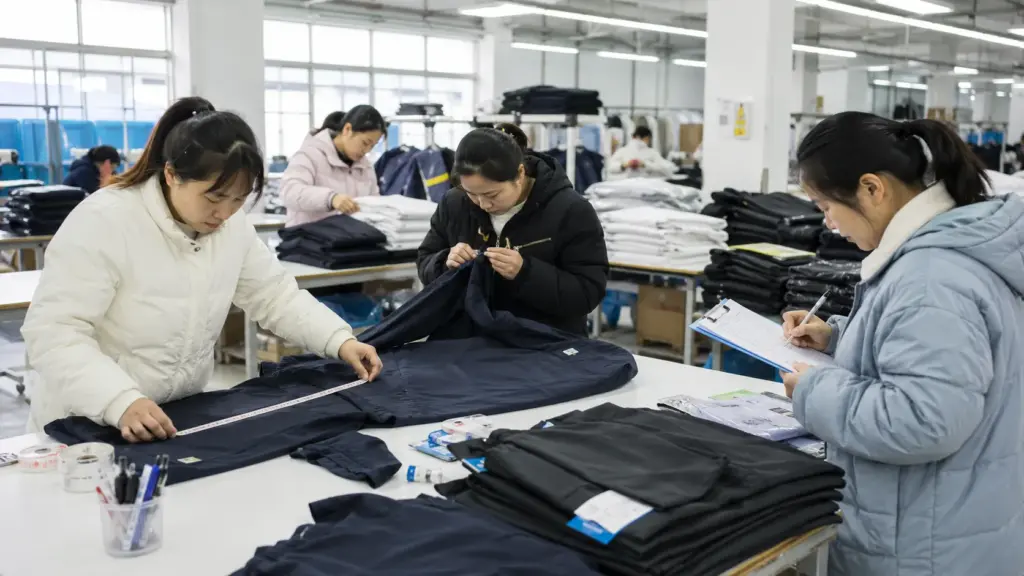
Prawdziwe znaczenie kontroli jakości
Wielu kupujących jest jednocześnie wrażliwych na jakość i cenę. Rozumiem to. W hurtowych ilościach odzieży jedna mała wada może stać się poważnym problemem, gdy powtarza się w tysiącach sztuk. Kontrola jakości to nie tylko wykrywanie wadliwych ubrań. Chodzi o wczesne zapobieganie powtarzającym się błędom.
| Etap kontroli jakości | Co jest sprawdzane | Znaleziono typowy problem |
|---|---|---|
| Kontrola tkanin | Dziury, plamy, różnica odcieni, szerokość | Wady tkanin i różnice w kolorze |
| Kontrola cięcia | Kierunek wzoru, warstwy rozmiaru, dopasowanie materiału | Niewłaściwe cięcie lub marnotrawstwo materiału |
| Kontrola wewnętrzna | Szycie, pomiar, naprężenie nici | Otwarte szwy, pominięte ściegi, nierówne szycie |
| Kontrola linii środkowej | Półprodukty odzieżowe | Powtarzające się błędy konstrukcyjne |
| Kontrola końcowa | Gotowe ubrania przed spakowaniem | Błędy w rozmiarze, plamy, luźne nitki |
| Wykrywanie igieł | Ryzyko złamania igły | Ryzyko związane z bezpieczeństwem, zwłaszcza w przypadku odzieży dziecięcej |
| Kontrola opakowań | Etykiety, oznaczenia kartonów, proporcje, kod kreskowy | Nieprawidłowe opakowanie lub mieszane rozmiary |
Widziałem, jak kupujący tracili zaufanie, ponieważ dostawca przysłał piękne próbki, ale słabej jakości towary masowe. Dlatego zawsze sugeruję przejrzystą, zatwierdzoną próbkę i pisemny standard jakości. Dobra fabryka odzieży powinna z zadowoleniem przyjąć inspekcję. Nie powinna bać się kontroli ze strony kupującego. Jeśli dostawca odmawia inspekcji lub wystawia fałszywe certyfikaty, kupujący powinien potraktować to jako poważne ostrzeżenie.
Ile zarabia fabryka odzieży?
Niektórzy kupujący pytają o to, ponieważ chcą wiedzieć, czy cena jest uczciwa. Odpowiedź zależy od kategorii, wielkości zamówienia, kosztów robocizny, kosztów materiałów i poziomu zarządzania.
Fabryka odzieży zarabia na marży produkcyjnej, a nie na pełnej cenie sprzedaży. Zysk zmienia się w zależności od rodzaju produktu, ilości zamówienia, wydajności, kosztu materiału, kosztów pracy, narzutów i wskaźnika defektów.
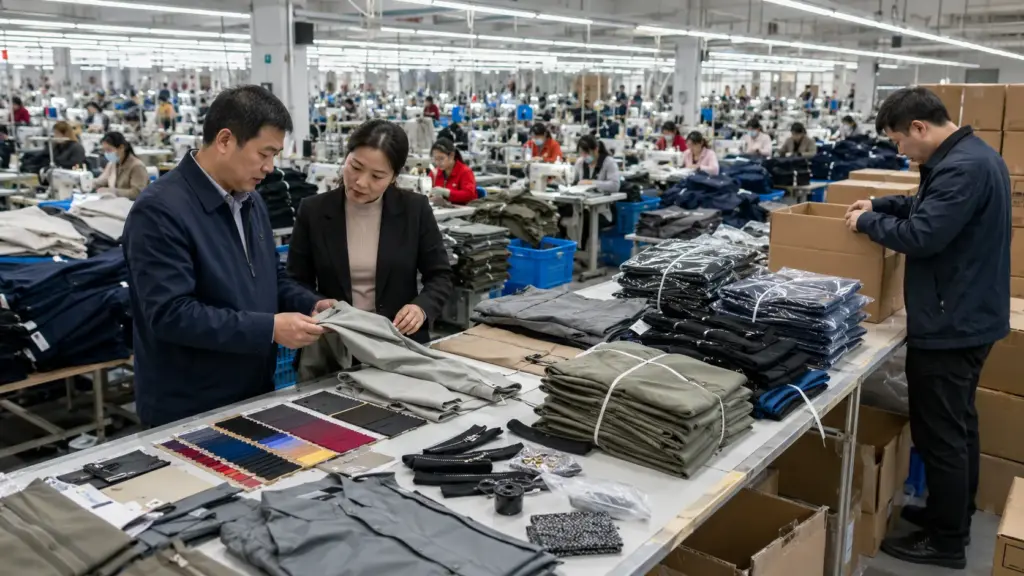
Dlaczego cena fabryczna to nie tylko koszt pracy
Kiedy kupujący pyta: “Ile zarabia fabryka odzieży?”, zazwyczaj najpierw wyjaśniam strukturę kosztów. Cena fabryczna to nie tylko robocizna krawiecka. Obejmuje ona również tkaninę, wykończenia, cięcie, szycie, wykończenie, kontrolę jakości, pakowanie, zarządzanie, koszt maszyny, czynsz, prąd, odpady, a czasem także usługi eksportowe. Po pokryciu tych wszystkich kosztów fabryka zatrzymuje marżę.
| Część kosztowa | Co obejmuje | Dlaczego to się zmienia |
|---|---|---|
| Tkanina | Materiał główny i podszewka | Rodzaj tkaniny, gramatura, cena rynkowa |
| Przycinanie | Guziki, zamki, gumki, metki | Poziom jakości i niestandardowy projekt |
| Praca | Krojenie, szycie, prasowanie, pakowanie | Trudność stylu i lokalne wynagrodzenie |
| Koszty ogólne fabryki | Czynsz, prąd, maszyny, zarządzanie | Wielkość i wydajność fabryki |
| Jakość kosztuje | Inspekcje, przeróbki, testy | Standardy kupującego i wskaźnik wad |
| Uszczelka | Torebki foliowe, kartony, kody kreskowe | Zasady sprzedaży detalicznej i sposób wysyłki |
| Margines | Zysk fabryki | Stabilność zamówień i ryzyko produkcyjne |
Małe zamówienie obejmujące wiele kolorów i rozmiarów zazwyczaj kosztuje więcej za sztukę. Stałe, powtarzalne zamówienie zazwyczaj daje fabryce większe możliwości zaoferowania konkurencyjnej ceny. Dlatego radzę kupującym, aby wspólnie omówili cenę docelową, plan zamówienia i poziom jakości. Fabryka może obniżać koszty w inteligentny sposób, ale nie powinna tego robić, ukrywając słabej jakości materiały lub pomijając kontrole.
Czym jest fabryka odzieży w GTA 5 Online?
Niektórzy użytkownicy używają frazy “fabryka odzieży” ze względu na GTA, a nie ze względu na rzeczywistą produkcję odzieży. Może to wprowadzać zamieszanie w wynikach wyszukiwania.
W GTA 5 Online fabryka odzieży odnosi się do nieruchomości w grze lub miejsca związanego z działalnością gospodarczą. W prawdziwym biznesie fabryka odzieży to zakład produkujący odzież.
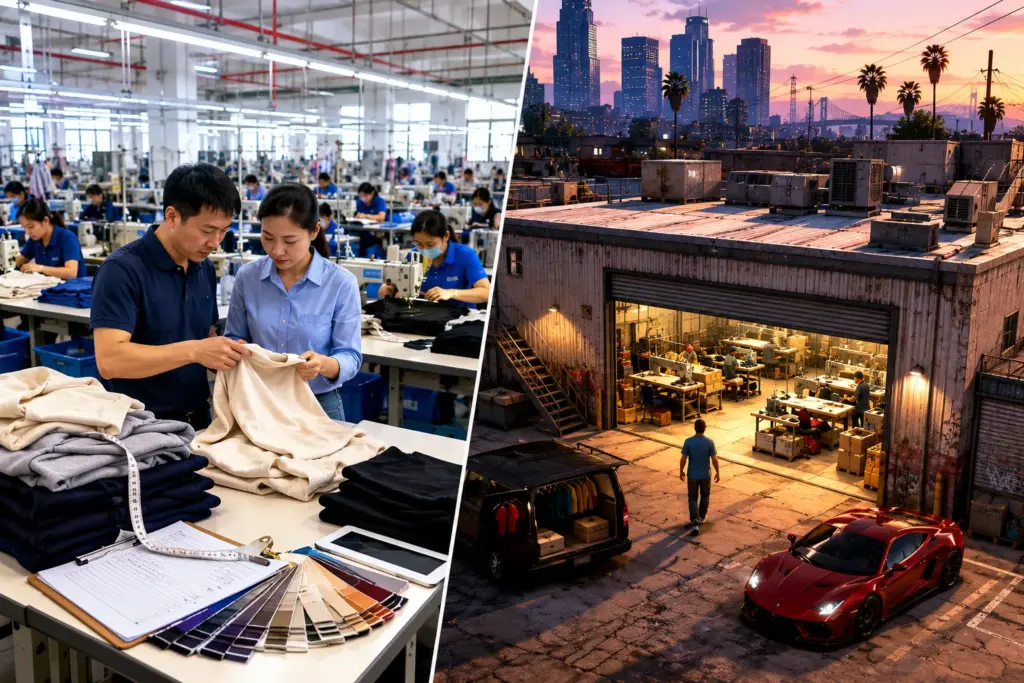
Znaczenie prawdziwej fabryki kontra znaczenie gry
Słowo kluczowe “czym zajmuje się fabryka odzieży w GTA” różni się od słowa kluczowego “czym jest fabryka odzieży” w branży odzieżowej. Pytanie w GTA dotyczy funkcji gry. Pytanie biznesowe dotyczy rzeczywistej produkcji odzieży. Uwzględniam tę różnicę, ponieważ wiele osób wyszukuje obie frazy w internecie.
| Fraza wyszukiwania | Oznaczający | Najlepsza odpowiedź |
|---|---|---|
| co to jest fabryka odzieży | Prawdziwa produkcja odzieży | Miejsce, w którym tkanina staje się gotowym ubraniem |
| co to jest fabryka odzieży | To samo prawdziwe znaczenie biznesowe | Fabryka produkująca odzież na skalę przemysłową |
| Czym jest fabryka odzieży GTA 5 online? | Znaczenie związane z grą | Lokalizacja lub nieruchomość w GTA Online |
| Co robi fabryka odzieży w GTA? | Pytanie dotyczące funkcji gry | Dotyczy rozgrywki, a nie produkcji odzieży |
| fabryka odzieży | Rzeczywisty termin produkcyjny | Fabryka zarządzająca produkcją odzieży |
| Fabryka odzieży w Portland | Wyszukiwanie oparte na lokalizacji | Poszukiwanie lokalnej fabryki lub marki w Portland |
Dla kupujących najważniejsza jest prosta kwestia. Prawdziwą fabrykę odzieży ocenia się na podstawie kategorii produktu, mocy produkcyjnych, kontroli jakości, komunikacji, certyfikatów i realizacji dostaw. Lokalizacja gry nie ma nic wspólnego z rzeczywistym zaopatrzeniem. Jeśli budujesz markę odzieżową lub kupujesz odzież hurtowo, potrzebujesz dostawcy, który może pokazać prawdziwe próbki, prawdziwe linie produkcyjne i prawdziwe dane eksportowe.
Jak kupujący mogą wybrać niezawodną fabrykę odzieży?
Niska cena może na pierwszy rzut oka wydawać się atrakcyjna. Jednak spóźniona przesyłka, niewłaściwa etykieta lub fałszywy certyfikat mogą kosztować znacznie więcej niż zniżka.
Kupujący powinni wybierać fabrykę odzieży, biorąc pod uwagę doświadczenie w produkcji produktów, szybkość komunikacji, jakość próbek, system kontroli jakości, certyfikaty, zdolność produkcyjną, historię dostaw, warunki płatności i wiedzę na temat eksportu.
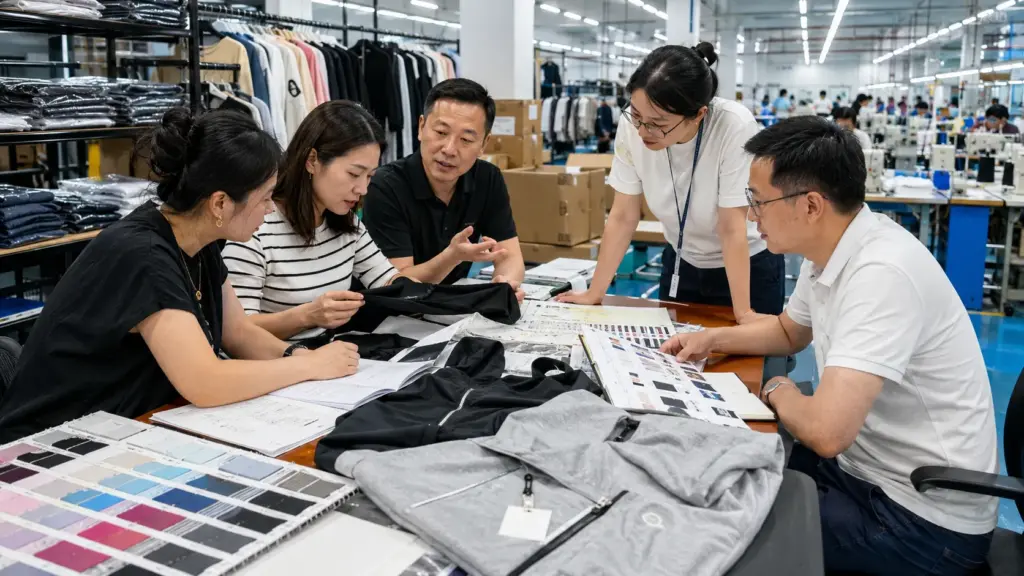
Moja praktyczna lista kontrolna dla kupujących
Współpracując z zagranicznymi klientami, staram się jasno określić warunki produkcji. Wiem, że wielu kupujących z Europy, Rosji, Wielkiej Brytanii, Stanów Zjednoczonych i Australii dba jednocześnie o jakość, cenę i terminowość. Nie chcą długich przemówień. Chcą jasnych odpowiedzi i bezpiecznych zamówień.
| Co sprawdzić | Dobry znak | Znak ostrzegawczy |
|---|---|---|
| Dopasowanie produktu | Fabryka produkowała już wcześniej podobne produkty | Fabryka mówi „tak” każdej kategorii |
| Komunikacja | Przejrzyste odpowiedzi ze zdjęciami i dokumentami | Powolne odpowiedzi i niejasne obietnice |
| Próbowanie | Próbka odpowiada projektowi i tabeli rozmiarów | Próbka wygląda inaczej niż na zamówieniu |
| Kontrola jakości | Fabryka wyjaśnia kroki kontroli | Fabryka twierdzi, że inspekcja nie jest konieczna |
| Certyfikaty | Dokumenty można zweryfikować | Dostawca przesyła niejasne lub fałszywe pliki |
| Czas realizacji | Oś czasu obejmuje tkaninę i produkcję | Dostawca obiecuje nierealną prędkość |
| Cena | Szczegóły kosztów są logiczne | Cena jest za niska bez powodu |
| Wsparcie eksportowe | Fabryka rozumie dokumenty i pakowanie | Fabryka ma niewielkie doświadczenie w eksporcie |
Niezawodna fabryka nie tylko produkuje odzież. Pomaga również klientowi uniknąć błędów. Informuje go, kiedy tkanina może się skurczyć. Ostrzega przed farbowaniem. Wyjaśnia, kiedy termin dostawy jest zbyt krótki. Taka uczciwość jest niezwykle ważna dla odbiorców hurtowych, którzy potrzebują stabilnych sezonów sprzedaży.
Wniosek
Fabryka odzieży przetwarza tkaniny w ubrania nadające się do sprzedaży, ale najlepsza fabryka dba także o jakość, terminy, koszty i zaufanie kupujących.
Gotowy na realizację kolejnego zamówienia modowego w niezawodnej chińskiej fabryce odzieży? Skontaktuj się ze mną pod adresem [email protected] lub odwiedź stronę https://truekung.com, aby omówić produkcję odzieży OEM/ODM z firmą Truekung.
Widoki: 104