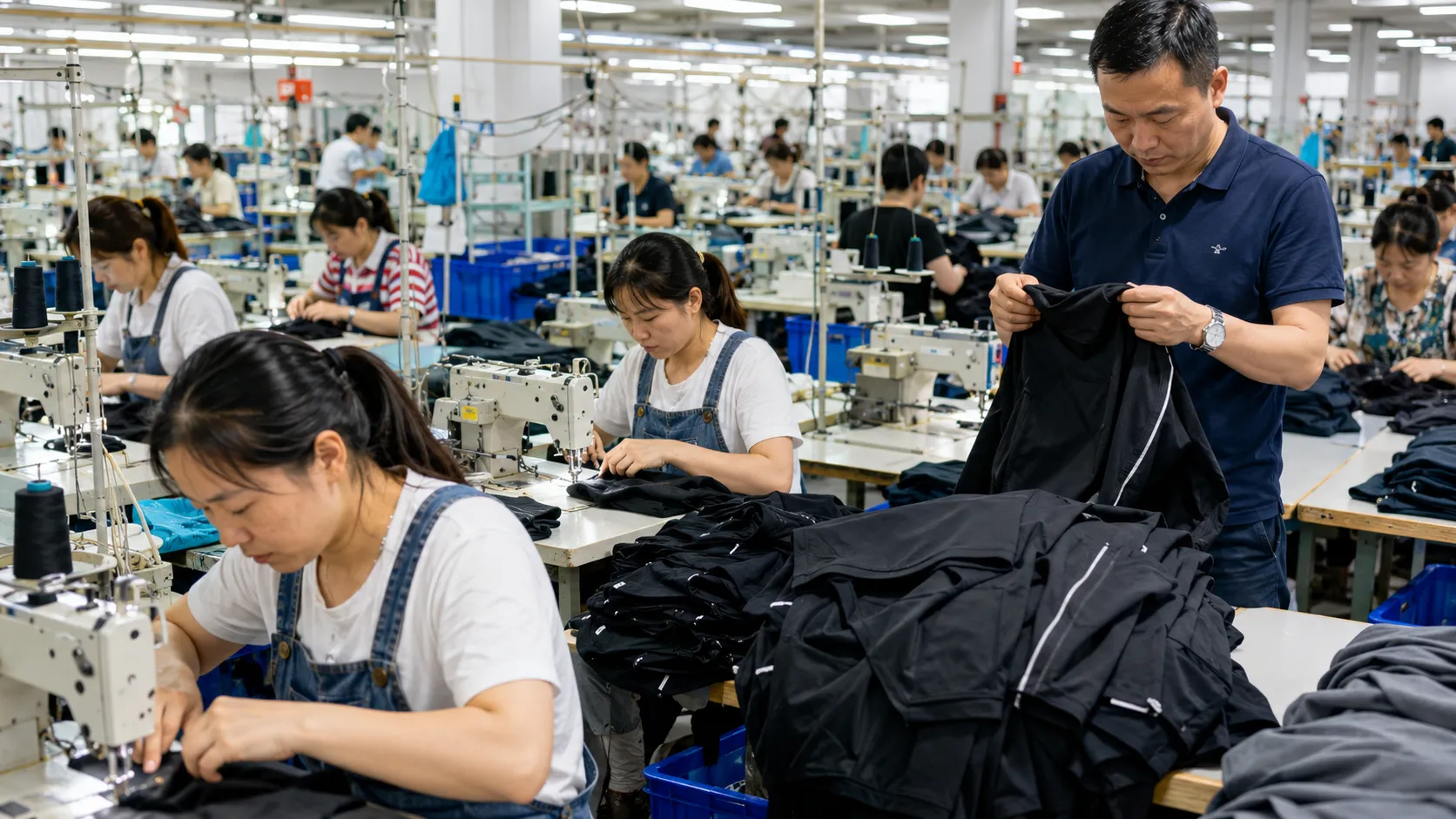

間違った縫製工場を選ぶと、バイヤーは1シーズン分の損失を被る可能性がある。 生産 初日から不明瞭だった。.
縫製工場は、生地が完成品の衣服になる生産場所です。パターン作成、裁断、縫製、, 品質管理, ブランド、卸売業者、小売業者、プライベートブランド向けに、仕上げ、梱包、出荷サービスを提供しています。.
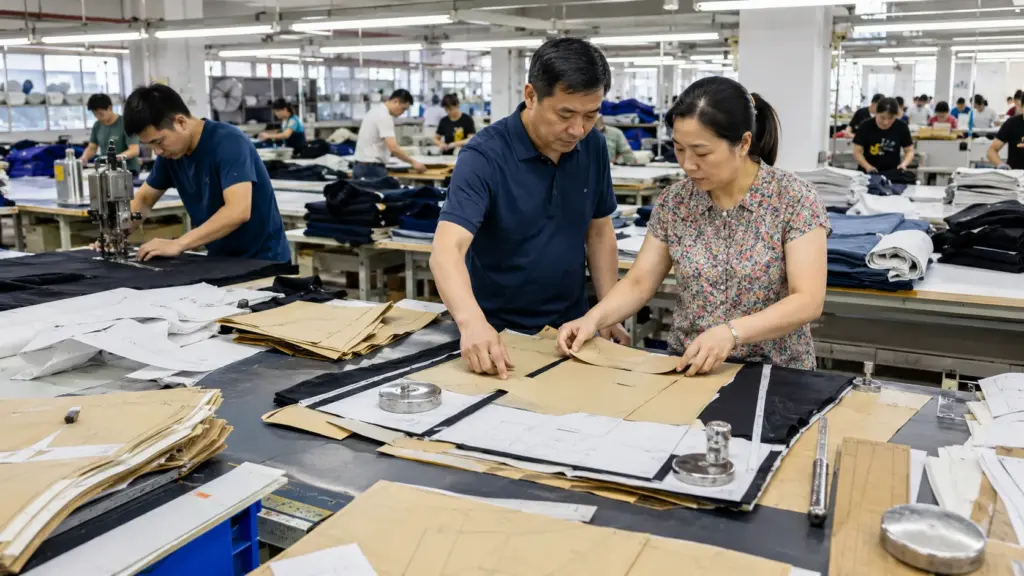
ロシアのマリアさんのようなバイヤーと話をする際、私はよく最初に同じ質問をされます。彼女は「縫製工場とは何ですか?」と尋ねるだけでなく、工場内部で何が行われているのか、誰が品質管理を行っているのか、そして工場がどのようにして彼女の販売シーズンを守れるのかを知りたがります。注文を出す前に縫製業界を理解することの真の価値はここにあります。.
縫製工場は実際には何をしているのか?
買い手はサンプルや梱包箱しか目にしないかもしれない。しかし、本当の仕事はそれら二つの間にあり、その目に見えない仕事こそが利益か損失かを左右するのだ。.
縫製工場は、生地と付属品を完成品の衣料品に加工します。サンプル作成、量産、品質検査、ラベル貼り、梱包、輸出サポートなどを管理できます。 衣料品ブランド そして 卸売業者.
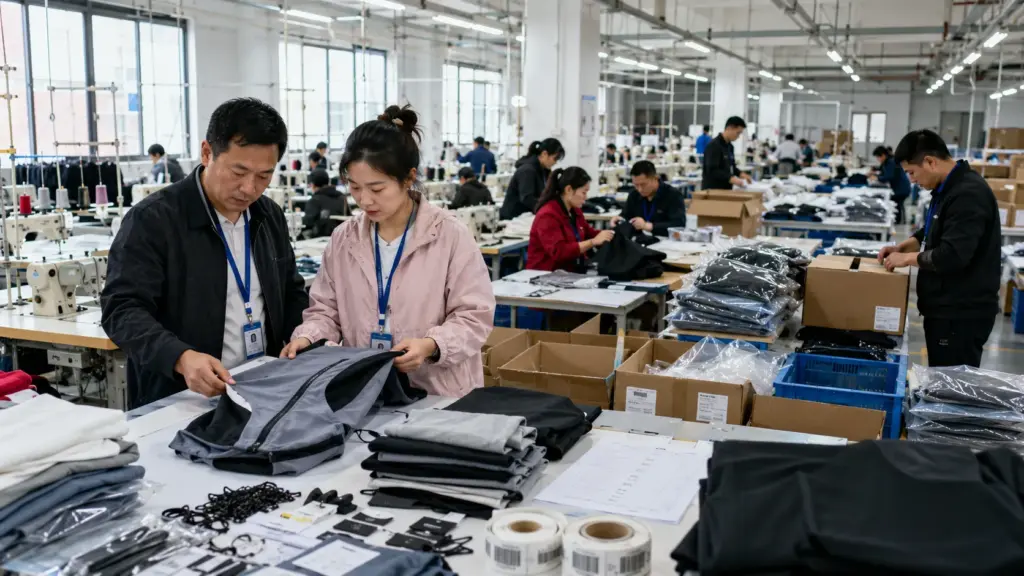
縫製工場での主な仕事
縫製工場は、単にミシンが並んだ部屋ではありません。それは一つのシステムです。私の工場での仕事では、すべての注文が数多くの細かいチェックを経て出荷される様子を目にします。たった一つの工程の不備が、出荷全体に影響を及ぼす可能性があります。シンプルなTシャツは簡単そうに見えますが、それでも適切な生地の重量、サイズグレーディング、縫製張力、縮み防止、色合わせ、針のチェック、そして梱包規則など、多くの要素が関係してきます。.
| 工場出荷時のステップ | それはどういう意味か | 購入者にとってなぜ重要なのか |
|---|---|---|
| 製品開発 | アイデアや技術資料をサンプルに変換する | 大量注文前にスタイル、フィット感、コストを確認します |
| 生地調達 | 適切な生地を見つけてテストする | 手触り、価格、縮み、配送時間に影響します |
| パターンメイキング | 各衣服パーツの形状を作成する | フィット感とサイズの一貫性を決定します |
| 切断 | 型紙に従って生地を裁断する | 生地の無駄や測定精度に影響します |
| 縫い | すべての部品をつなぎ合わせて完成した衣服にする | 強度、外観、快適さに影響します |
| 品質管理 | 製造中および製造後の欠陥検査 | 返品や購入者からの苦情を減らす |
| 仕上げ | アイロンがけ、糸切り、ラベル付け | これにより、衣料品を小売店で販売できる状態にすることができます。 |
| 梱包と発送 | 購入者の規定に従って梱包し、輸出準備を行う | 商品が清潔で、完全な状態で、販売可能な状態で届くのに役立ちます |
だからこそ私はいつもバイヤーに、衣料品製造工場を価格だけでなく製造工程で判断するようにアドバイスしているのです。たとえ低価格の見積もりでも、サプライヤーが生地、サイズ、縫製、納期を管理できなければ、ほとんど意味がありません。.
アパレル産業とは何か?
多くのバイヤーは「縫製工場」と「縫製産業」という言葉を一緒に使いますが、これらは関連しているものの、同じものではありません。.
アパレル産業とは、衣料品のデザイン、開発、生産、販売、流通を行う一連の事業チェーンのことです。アパレル工場は、この広範なアパレル産業における重要な構成要素の一つです。.
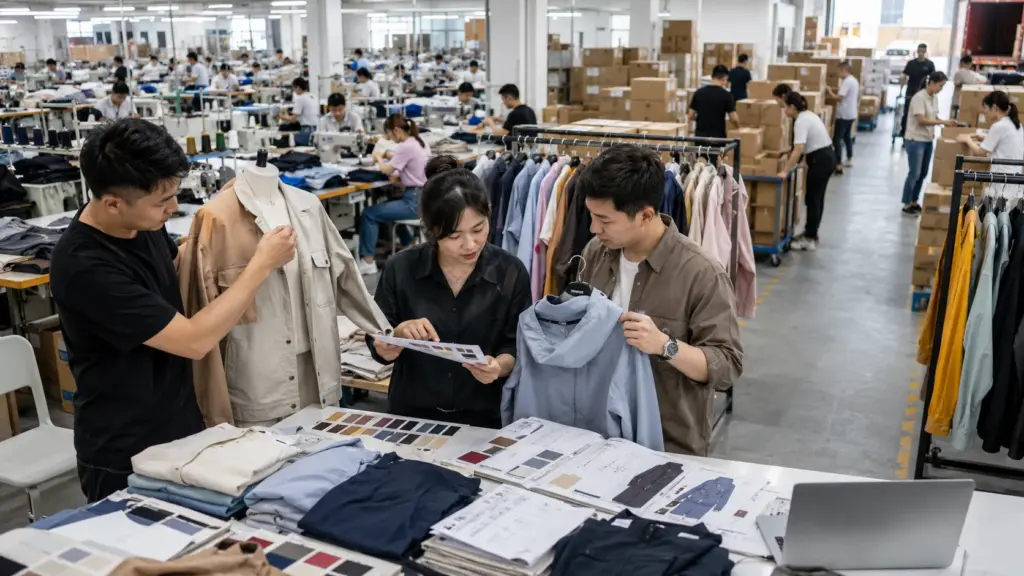
アパレル業界の仕組み
アパレル産業を簡潔に定義するなら、それは衣料品に関わるあらゆる事業を指します。繊維や生地から始まり、衣料品の製造を経て、ブランド、スーパーマーケット、卸売業者、オンラインショップ、そして最終消費者へと至ります。このサプライチェーンは一見シンプルに見えますが、それぞれの段階に固有のリスクが存在します。.
| アパレル産業の一部 | 共通作業 | 購入者のリスク |
|---|---|---|
| 繊維工場 | 糸や繊維から布を作る | 生地の遅延、色の違い、組成の間違い |
| 縫製工場 | 完成品の衣料品を生産する | 縫製が粗悪、サイズ違い、配達遅延 |
| 商社 | 買い手と供給者をつなぐ | 透明性がなければ生産管理は低下する |
| ブランドまたは卸売業者 | 市場に製品を販売する | シーズンを逃した、売れ残った在庫、顧客からの返品 |
| 物流会社 | 国境を越えて商品を輸送する | 通関手続きの遅延、書類の誤り、追加費用 |
繊維工場と縫製工場も異なります。繊維工場は通常、生地を製造します。縫製工場は生地を使って衣服を製造します。大規模なファッション工場の中には両方の工程を統合しているところもありますが、ほとんどのバイヤーは各工程を確認する必要があります。.
B2Bバイヤーにとって、アパレル業界は単にスタイルだけの問題ではありません。タイミング、コスト、認証、支払い条件、そして信頼が重要です。私は市場を熟知しているバイヤーと仕事をしてきましたが、それでも中国のサプライチェーンに不安を感じているバイヤーも少なくありません。それはごく自然なことです。リスクを軽減する最善の方法は、各工程を分かりやすい言葉で説明し、必要に応じて証拠を提示してくれる工場と取引することです。.
衣料品工場にはどのような種類がありますか?
すべての衣料品工場が同じ顧客向けに作られているわけではありません。安価な既製Tシャツを製造する工場は、オーダーメイドのドレスには適していないかもしれません。.
主な衣料品工場の種類としては、裁断・縫製工場、ニット工場、織物工場、デニム工場、アウターウェア工場、下着工場、スポーツウェア工場、プライベートブランド工場などが挙げられる。.
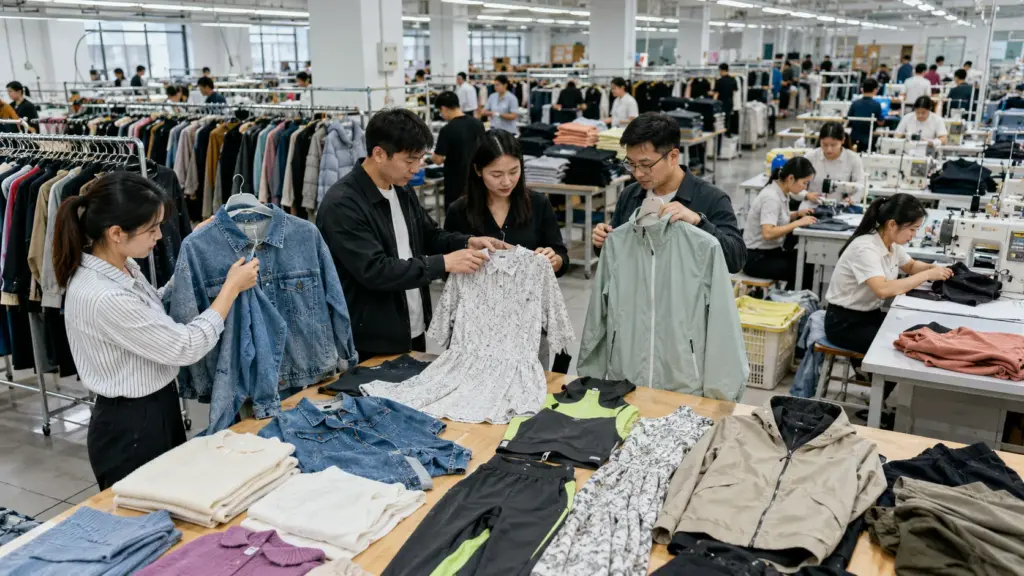
適切な工場タイプの選択
バイヤーが「縫製工場の所在地」や「ファッション工場」を検索する際、まず価格と国に注目することが多い。価格も重要だが、工場の種類の方がより重要だ。ダウンジャケットの製造に長けた工場がドレスの製造に長けているとは限らないし、ドレスの製造に熟練した工場がシームレス下着の製造に優れているとは限らない。それぞれのカテゴリーには、異なる機械、熟練した作業員、生地に関する知識、そして品質基準が必要となる。.
| 工場タイプ | 最適な用途 | チェックすべき主な事項 |
|---|---|---|
| 裁断・縫製工場 | Tシャツ、スウェットシャツ、カジュアルウェア | 縫製品質、生地の縮み、日々の生産能力 |
| 織物工場 | シャツ、ドレス、スカート、パンツ | 型紙の正確さ、縫い目の仕上がり、アイロンがけの質 |
| デニム工場 | ジーンズ、デニムジャケット、デニムスカート | 洗濯効果、色落ちのしにくさ、サイズコントロール |
| アウターウェア工場 | ジャケット、コート、ウィンドブレーカー、ダウンジャケット | 詰め物調整、ファスナーの品質、防水性 |
| スポーツウェア工場 | レギンス、トップス、トラックスーツ | 伸縮回復性、縫い目の強度、生地の性能 |
| 子供服工場 | 子供服 | 安全点検、針の制御、トリミングテスト |
| プライベートブランド工場 | 買い手所有ブランド | ラベリング、パッケージング、カスタムデザインサポート |
| 既製服サプライヤー | 注文の迅速な再ラベル付け | 在庫の正確性、色とサイズの在庫状況 |
私の経験から言えば、真剣に購入を検討しているバイヤーは、過去の生産写真、サンプル記録、検査プロセス、輸出実績などを求めるべきです。信頼できる縫製工場であれば、何が作れるのか、何が作れないのかを明確に説明できるはずです。こうした誠実さは、双方を守る上で非常に重要です。.
大量生産が始まる前に何が起こるのか?
出荷遅延の多くは、生産開始前に発生する。問題の根源は、不明瞭なサンプル、不十分な生地承認、あるいは梱包の詳細不足などにあることが多い。.
量産を開始する前に、縫製工場は、技術仕様書、生地、付属品、サイズ表、サンプル、価格、納期、品質基準、ラベル、梱包方法、および支払い条件を確認する必要があります。.
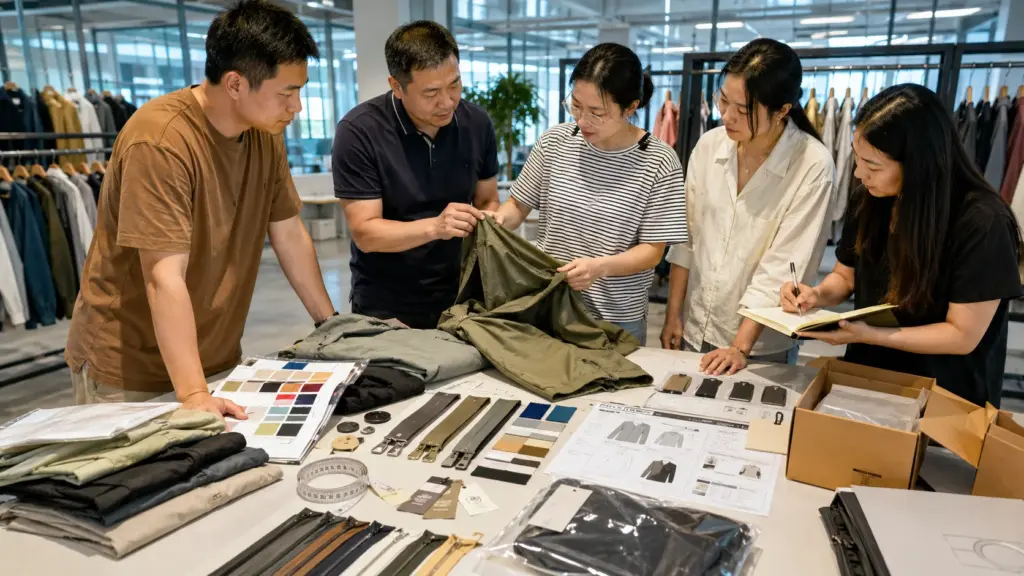
プリプロダクション段階
私は、生産準備段階をあらゆる注文の安全装置として捉えています。この段階が緩いと、大量注文はリスクを伴います。バイヤーが写真を送ってきて、すぐに価格を尋ねてくることは、初期段階の話し合いには問題ありません。しかし、生産を開始する前に、工場は正確な情報を必要とします。工場は、生地の組成、GSM(グラム/平方メートル)または重量、サイズ範囲、色、デザイン、トリム、ラベルファイル、梱包比率、そして仕向国といった情報を必要とします。.
| 試作品 | 購入者が確認すべき事項 | 工場が提供すべきもの |
|---|---|---|
| テックパック | スタイルの詳細、サイズ表、構造 | 実現可能性の検証と費用に関するコメント |
| ファブリック | 素材、重さ、色、手触り | 必要に応じて生地見本と試験結果 |
| トリム | ファスナー、ボタン、レース、ゴム、ドローコード | トリミングカードとサプライヤーオプション |
| サンプル | フィット感、仕上がり、寸法 | カウンターサンプルまたは試作品 |
| ラベリング | ブランドラベル、ケアラベル、ハングタグ | 適切な配置と素材の提案 |
| パッキング | ポリ袋、カートン、比率、バーコード | 梱包モックアップとカートンの詳細 |
| タイムライン | セール期間と配送期限 | 生産計画と現実的なリードタイム |
この段階では、コミュニケーションの質が明らかになります。営業担当者が明確な回答を避けるようなら、買い手は慎重になるべきです。優れた工場は詳細な質問をします。これは注文を難しくするためではなく、大量生産におけるミスを防ぐためです。.
衣料品工場はどのように品質管理を行っているのか?
品質とは、最終検査で明らかになるものではありません。生地から梱包に至るまで、あらゆる段階に組み込まれていなければならないものです。.
縫製工場では、生地検査、インライン検査、寸法チェック、縫製チェック、最終検査、針漏れ検査、梱包チェック、明確な欠陥基準などを通じて品質管理を行っています。.
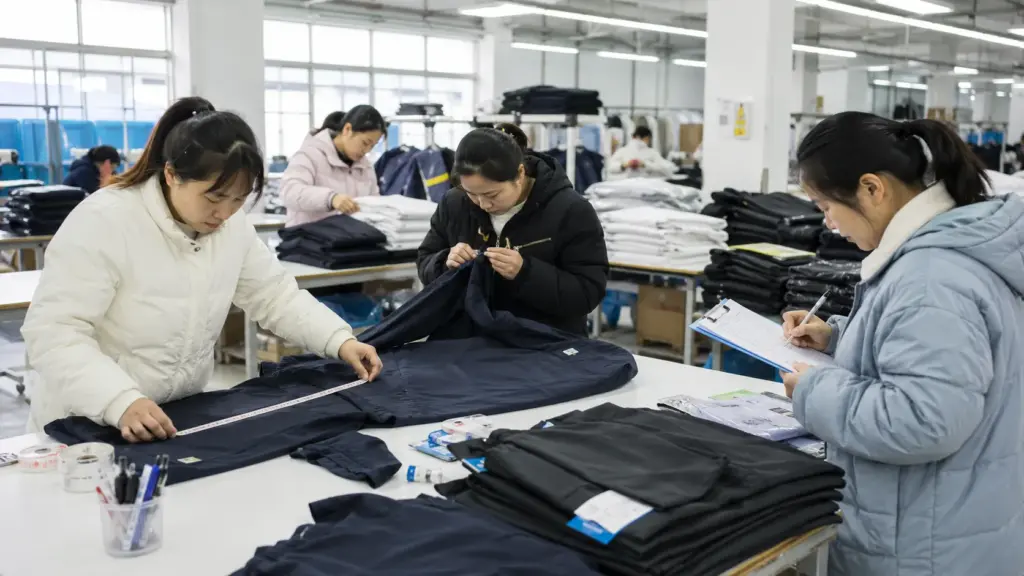
品質管理の真の意味
多くのバイヤーは、品質と価格の両方に敏感です。それはよく理解できます。卸売りの衣料品では、小さな欠陥が何千着にも及ぶと、大きな問題になりかねません。品質管理とは、単に不良品を見つけることだけではありません。繰り返されるミスを早期に食い止めることこそが重要なのです。.
| 品質管理段階 | チェックされるTable of Contents | よくある問題が見つかりました |
|---|---|---|
| 生地検査 | 穴、汚れ、色の違い、幅 | 生地の欠陥と色のばらつき |
| 切断検査 | 柄の方向、サイズレイヤー、生地の合わせ方 | 裁断ミスまたは生地の無駄 |
| 走行検査 | 縫製、測定、糸の張力 | 縫い目が開いている、ステッチが飛んでいる、縫製が不均一 |
| 中間検査 | 半製品 | 繰り返される建設ミス |
| 最終検査 | 梱包前の完成品 | サイズの間違い、汚れ、糸のほつれ |
| 針の検出 | 針が折れる危険性 | 安全上のリスク、特に子供服の場合 |
| 梱包検査 | ラベル、カートンマーク、比率、バーコード | 梱包ミスまたはサイズ違い |
見本は美しくても量産品の品質が劣るサプライヤーから、買い手が信頼を失うケースを私は見てきました。だからこそ、私は常に明確な承認済みサンプルと書面による品質基準を提示することを勧めています。優れた縫製工場であれば、検査を歓迎するべきです。買い手の検査を恐れるべきではありません。サプライヤーが検査を拒否したり、偽の証明書を提出したりした場合は、買い手はそれを重大な警告と受け止めるべきです。.
衣料品工場はどれくらいの利益を上げているのか?
価格が適正かどうかを知りたいという理由で、このような質問をする購入者もいます。その答えは、商品カテゴリー、注文規模、人件費、材料費、そして経営レベルによって異なります。.
縫製工場は、販売価格全体ではなく、生産マージンから利益を得ます。利益は、製品の種類、注文数量、効率、生地費、人件費、間接費、不良率によって変動します。.
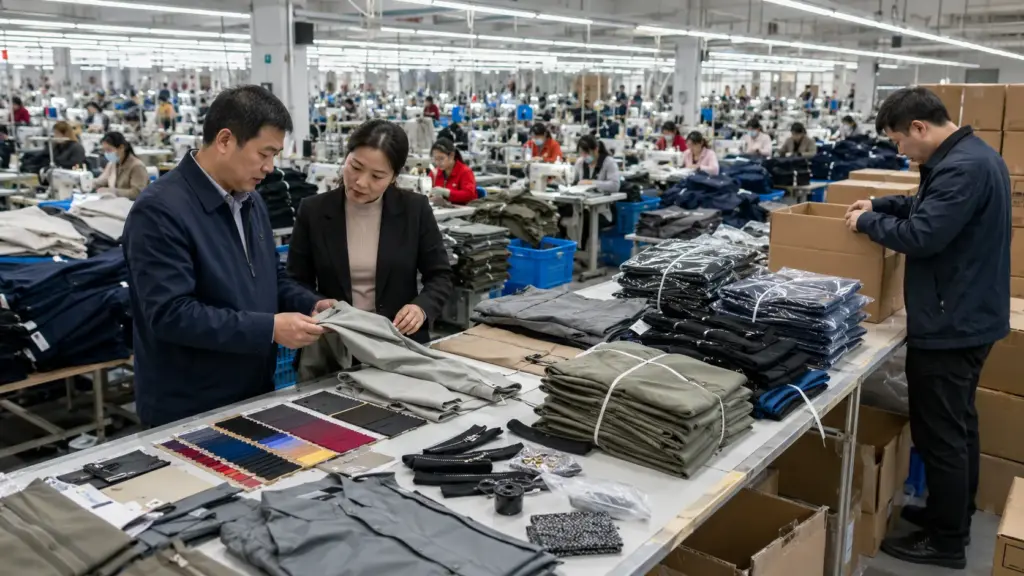
工場価格が人件費だけではない理由
バイヤーから「縫製工場の利益はいくらですか?」と聞かれたら、まずコスト構造を説明するようにしています。工場価格には縫製人件費だけでなく、生地、付属品、裁断、縫製、仕上げ、品質管理、梱包、管理費、機械費、賃料、電気代、ロス、そして場合によっては輸出サービス料も含まれています。これらの費用をすべて差し引いた後、工場は利益を確保します。.
| コストパーツ | Table of Contents物 | 変化する理由 |
|---|---|---|
| ファブリック | 主素材と裏地 | 生地の種類、重量、市場価格 |
| トリム | ボタン、ファスナー、ゴム、ラベル | 品質レベルとカスタムデザイン |
| 労働 | 裁断、縫製、アイロンがけ、梱包 | スタイルの難易度と現地の賃金 |
| 工場間接費 | 家賃、電気代、機械代、管理費 | 工場の規模と効率 |
| 品質コスト | 検査、再加工、テスト | 購入者基準と不良率 |
| パッキング | ポリ袋、カートン、バーコード | 小売ルールと配送方法 |
| マージン | 工場の利益 | 注文の安定性と生産リスク |
色やサイズが多岐にわたる少量注文は、通常、1個あたりのコストが高くなります。安定したリピート注文は、工場にとってより競争力のある価格設定を可能にする余地を与えます。そのため、バイヤーの皆様には、目標価格、注文計画、品質レベルについて事前に話し合うことをお勧めします。工場は賢明な方法でコストを削減できますが、品質の低い生地を隠したり、検査を省略したりしてコストを削減すべきではありません。.
GTA 5オンラインにおける「縫製工場」とは何ですか?
検索者の中には、実際の衣料品製造ではなく、ゲーム「グランド・セフト・オート」を連想して「衣料品工場」というフレーズを使う人がいます。そのため、検索結果に混乱が生じる可能性があります。.
GTA 5オンラインにおいて、衣料品工場とはゲーム内の物件またはビジネス関連の場所を指します。現実のビジネスにおいて、衣料品工場とは衣料品を製造する生産施設のことです。.
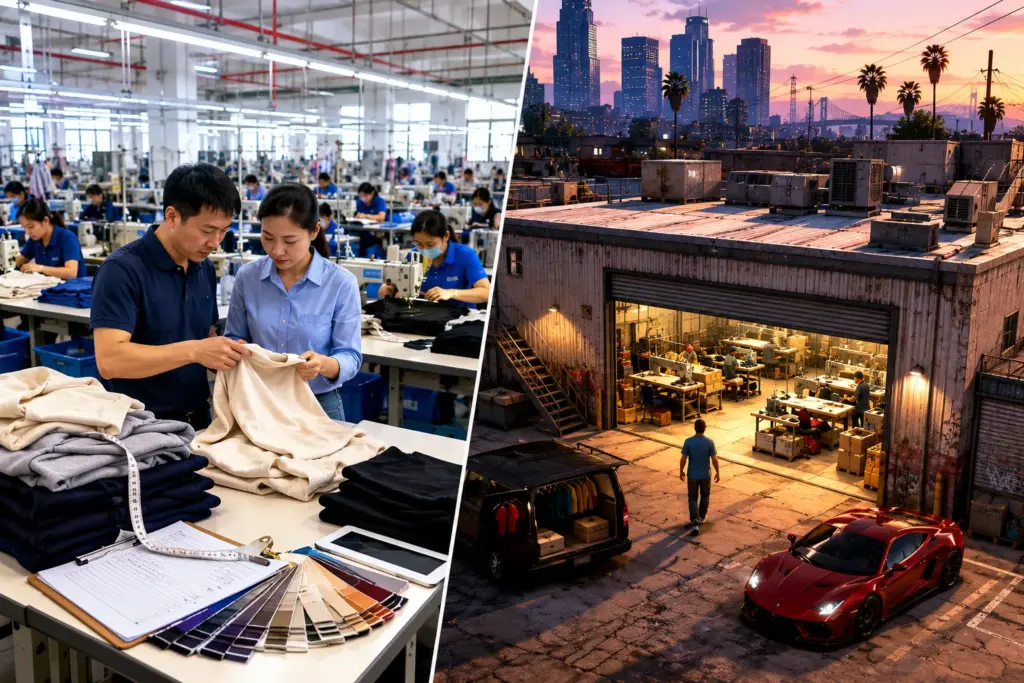
実際の工場の意味とゲームの意味
「GTAにおける衣料品工場の役割」というキーワードは、アパレル業界における「衣料品工場とは何か」というキーワードとは異なります。GTAに関する質問はゲームの機能についてであり、ビジネスに関する質問は実際の衣料品製造についてです。多くの人がオンラインで両方のフレーズを検索するため、この違いを明記しました。.
| 検索語句 | 意味 | ベストアンサー |
|---|---|---|
| 縫製工場とは何ですか | 実際の衣料品生産 | 生地が完成品のアパレルになる場所 |
| 縫製工場とは何か | 実際のビジネスにおける意味は同じです | 衣料品を大量生産する工場 |
| GTA 5オンラインの衣料品工場とは何ですか? | ゲーム関連の意味 | GTAオンライン内の場所または物件 |
| GTAの衣料品工場は何をしているのか | ゲーム機能に関する質問 | これはゲームプレイに関することであり、衣服の生産に関することではありません。 |
| 衣料品製造工場 | 実際の製造用語 | アパレル生産を管理する工場 |
| ポートランドの縫製工場 | 位置情報に基づく検索 | ポートランドの地元工場やブランドを探す |
バイヤーにとって重要な点はシンプルです。実際の衣料品工場は、製品カテゴリー、生産能力、品質管理、コミュニケーション、認証、そして納期遵守状況によって判断されます。ゲーム内のロケーションは、実際の調達先とは何の関係もありません。アパレルブランドを立ち上げる場合や、衣料品を卸売で購入する場合は、実際のサンプル、実際の生産ライン、そして実際の輸出実績を示すことができるサプライヤーが必要です。.
バイヤーはどのようにして信頼できる衣料品工場を選ぶことができるのか?
低価格は一見魅力的に見えるかもしれません。しかし、配送遅延、ラベルの誤り、偽造証明書などは、割引額をはるかに上回る損失につながる可能性があります。.
バイヤーは、製品に関する経験、コミュニケーションのスピード、サンプルの品質、品質管理システム、認証、生産能力、納期、支払い条件、輸出に関する知識などを確認して、衣料品工場を選ぶべきです。.
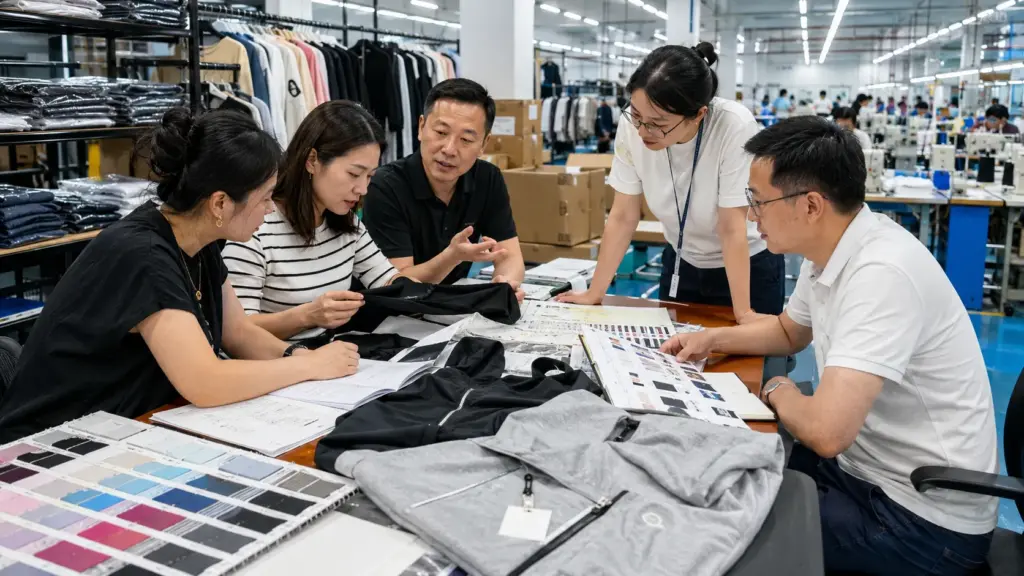
購入者のための実用的なチェックリスト
海外のバイヤーと取引する際は、工場側の情報を明確に伝えるように心がけています。ヨーロッパ、ロシア、イギリス、アメリカ、オーストラリアなど、多くのバイヤーは品質、価格、納期を同時に重視していることを私は知っています。彼らは長々とした説明を求めているのではなく、明確な回答と確実な発注を望んでいます。.
| チェックすべき事項 | 良い兆候 | 警告サイン |
|---|---|---|
| 製品マッチ | 工場は以前にも同様の製品を製造したことがある | 工場はあらゆるカテゴリーにイエスと答える |
| コミュニケーション | 写真や資料を添えた分かりやすい回答 | 返信が遅く、約束も曖昧だ。 |
| サンプリング | サンプルはデザインとサイズ表に合致しています | サンプルがリクエストと異なる |
| 品質管理 | 工場が検査手順を説明 | 工場側は検査は不要だと述べている。 |
| 証明書 | 書類は検証可能です | サプライヤーが不明瞭なファイルまたは偽のファイルを送信する |
| リードタイム | タイムラインには、生地と生産が含まれます | サプライヤーは驚異的なスピードを約束する |
| 価格 | コストの詳細は論理的です | 理由もなく価格が安すぎる |
| 輸出サポート | 工場は書類と梱包を理解しています | 工場は輸出経験がほとんどない |
信頼できる工場は、単に衣料品を生産するだけではありません。買い手がミスを犯さないように手助けします。生地が縮む可能性がある場合、色落ちする可能性がある場合、納期がタイトな場合など、買い手に事前に知らせてくれます。このような誠実さは、安定した販売シーズンを必要とする卸売業者にとって非常に重要です。.
結論
縫製工場は生地を販売可能な衣料品に加工するが、最高の工場は品質、納期、コスト、そして買い手の信頼も守る。.
信頼できる中国の衣料品工場で、次のファッションオーダーを製作する準備はできていますか?[email protected]までご連絡いただくか、https://truekung.comにアクセスして、TruekungとのOEM/ODM衣料品生産についてご相談ください。.
ビュー104