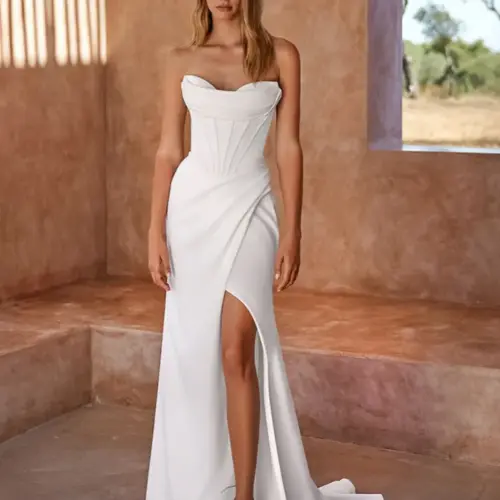
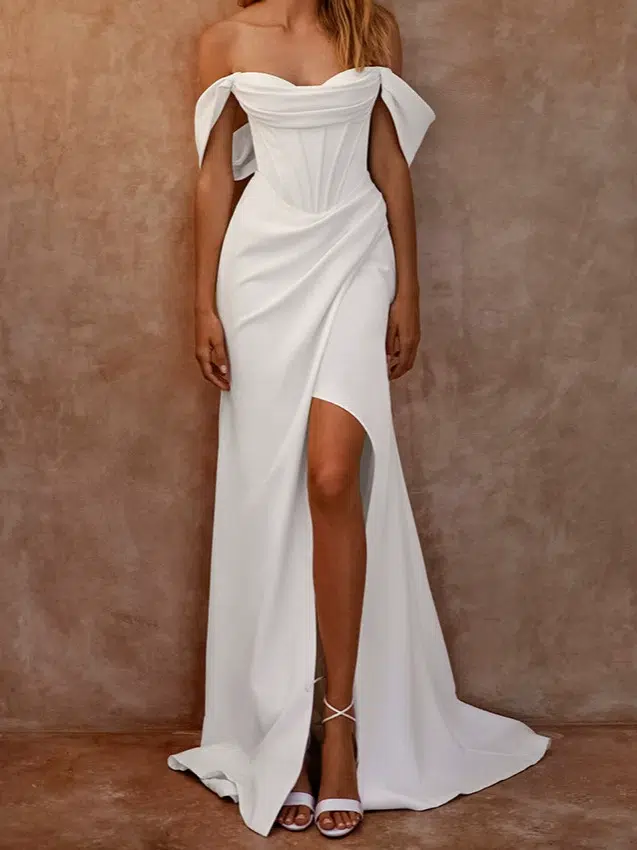
I remember standing in a fitting room, loving the fabric but hating the mirror. The size was right, yet the vibe was wrong.
Kibbe body types describe your overall image identity—your bone structure, flesh, and face—so you can choose lines that harmonize with your natural shape. It is not about weight or size.

I wrote this guide as a simple starting point. I use clear steps and examples. You will learn what Kibbe is, how to spot your family, and how to dress the lines that love you. Stay with me, and the system will feel easy.
What is Kibbe, really?
I chased many style systems and bought random clothes. Kibbe clicked because it respected my unique beauty.
Kibbe is a style system by David Kibbe with 13 image identities on a yin–yang spectrum. It reads your lines, not your size, and guides clothing choices.

Dive deeper
The yin–yang idea
Kibbe balances yin (soft, rounded) and yang (sharp, elongated). Each identity blends these in different amounts. This is why one blazer flatters me and overwhelms you. The key is not trend but harmony. When lines match your bones and face, outfits look effortless.
The 13 Kibbe image identities
| Family | Types | Core Feel |
|---|---|---|
| Dramatic | D, Soft Dramatic (SD) | Strong, elongated, angular |
| Natural | Natural (N), Soft Natural (SN), Flamboyant Natural (FN) | Relaxed, broad, unforced |
| Classic | Classic (C), Soft Classic (SC), Dramatic Classic (DC) | Balanced, even, symmetrical |
| Gamine | Gamine (G), Soft Gamine (SG), Flamboyant Gamine (FG) | Compact, high-contrast, playful |
| Romantic | Romantic (R), Theatrical Romantic (TR) | Soft, rounded, ornate |
Key takeaways
- David Kibbe’s body typing is about outline and movement.
- “What does Kibbe type mean?” It means your visual rhythm.
- Body shape is not body type. Shape is apple/pear; type is image identity.
How do I find my Kibbe type without getting lost?
One quiz gave me three results. I felt stuck and almost quit.
Read yourself in this order: vertical line, shoulders and width, bone edges, flesh, and face. Use clear, full-body photos. Compare to families, not celebrities.

Dive deeper
Step-by-step reading
- Vertical line: Do you appear long and narrow (yang) or compact (yin)?
- Shoulders & width: Sharp, blunt, or sloped? Narrow or broad frame?
- Bone edges: Are your lines angular or rounded?
- Flesh: Do features read soft and rounded or firm and taut?
- Face: Look at jaw, cheekbones, lips, and eyes—soft vs sharp, small vs large.
Comparing families
| Question | Points to Yang | Points to Yin |
|---|---|---|
| Do long jackets elongate you? | Dramatic/Natural | Classic/Gamine/Romantic |
| Do small details pop on you? | Gamine/Classic | Romantic/Soft types |
| Do unstructured cuts feel right? | Natural | Romantic/Classic dislike bulk |
| Do ornate curves glow on you? | Romantic/TR/SD | Dramatic/Natural prefer clean |
Mistakes to avoid
- Treating Kibbe like a beauty rank. It is not.
- Letting one quiz be the final answer.
- Mixing body shape with body type. Use both tools, but do not confuse them.
What does “Gamine” mean in the Kibbe system?
I feared “gamine” would look childish on me. Then I tried sharper lines and contrast. My outfits came alive.
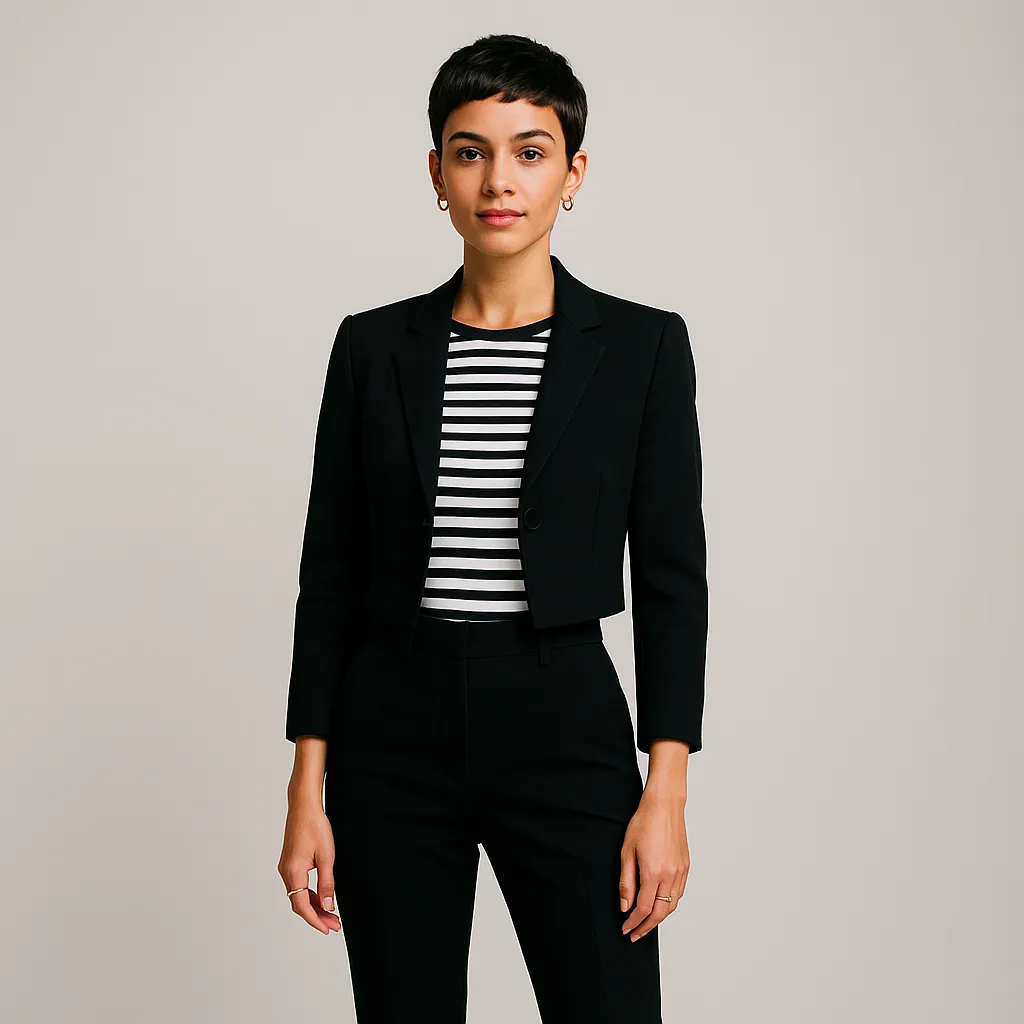
Gamine blends yin and yang in a compact frame. It suits crisp edges, playful details, and contrast. Soft Gamine is sweeter; Flamboyant Gamine is sharper and bolder.
Dive deeper
G, SG, FG in plain words
- Gamine (G): Mixed features, small scale, lively. Clean lines with fun touches.
- Soft Gamine (SG): Gamine base with more yin. Add curve, texture, and softness.
- Flamboyant Gamine (FG): Gamine base with extra yang. Graphic shapes and punchy contrast shine.
Quick outfit map
| Item | G | SG | FG |
|---|---|---|---|
| Jackets | Cropped, neat | Cropped with curve | Cropped, sharp shoulders |
| Tops | Fitted, contrast trim | Fitted, soft fabric | Fitted, bold stripes |
| Bottoms | Tapered, ankle | Tapered with softness | Tapered, graphic |
| Patterns | Playful, small | Small, romantic | High-contrast, geometric |
| Accessories | Small, quirky | Small, ornate | Small, angular |
Notes for plus size
“Kibbe body types plus size” works. Scale the lines, not the rules. A plus-size FG still loves clean, graphic shapes. An SG still shines with soft edges. Unique beauty stays unique at every size. Keep proportion tight and details intentional.
Can Kibbe work if I am overweight or plus size?
I once gained weight after a busy season. I thought I must switch types. My Soft Natural lines still worked.
Yes. Weight does not change bone structure. Keep your type and scale prints, fabrics, and fit. Choose structure or softness that matches your original lines.

Dive deeper
What stays the same
- Shoulders, vertical line, bone edges remain the same.
- Facial essence stays.
- Your image identity stays your north star.
What you adjust
| Element | If your type leans Yang | If your type leans Yin |
|---|---|---|
| Fabric | Firmer, weighty | Soft, drapey |
| Fit | Structured, clean | Body-skimming, curved |
| Scale | Medium to large | Small to medium |
| Prints | Bold, graphic | Curved, floral |
Special mentions
- Soft Dramatic overweight: Keep length and drama. Use weighty fabrics that drape.
- Theatrical Romantic overweight: Keep ornate necklines. Choose lush fabrics.
- Soft Natural overweight: Keep relaxed ease. Avoid stiff boxes.
Your examples do not vanish with size. They scale with you.
What clothing lines suit each Kibbe family?
I wasted money chasing trends. Matching lines to type made my closet smaller and stronger.
Match garment lines to your spectrum: Dramatic = long and sharp; Natural = relaxed and broad; Classic = balanced; Gamine = compact and crisp; Romantic = soft and curved.

Dive deeper
Quick line dictionary
| Kibbe Family | Outerwear | Tops | Bottoms | Prints |
|---|---|---|---|---|
| Dramatic / Soft Dramatic | Long, sharp | Sleek | Straight, long | Bold, vertical |
| Natural / SN / FN | Unstructured | Relaxed | Easy, tapered | Organic |
| Classic / SC / DC | Tailored | Clean | Straight | Moderate |
| Gamine / SG / FG | Cropped | Fitted | Tapered, ankle | Contrast, small to graphic |
| Romantic / TR | Curved | Soft, draped | Tapered, flowing | Curvy, floral |
Kibbe shoulders matter
- Sharp shoulders love structure (D/DC/FG).
- Blunt/broad shoulders prefer relaxed shapes (N/FN).
- Sloped/soft shoulders glow with curve and drape (R/TR/SG/SN).
From rack to reality
Test a jacket as-is. Then adjust: add shoulder pads, shorten the hem, swap buttons. Small edits align almost any piece to your image identity. This is how I turn off-the-rack into “made for me.”
What Kibbe is not—and common pitfalls?
I once treated Kibbe like a uniform. I lost the fun. I came back to play with details.
Kibbe is not a diet, not an ethics test, and not a rulebook. It is a lens to read lines. Use it to enhance style, not to erase personality.

Dive deeper
Pitfall map
| Pitfall | Why it hurts | Fix |
|---|---|---|
| Treating it as size-based | Confuses shape with identity | Return to bone structure |
| Copying celebrities | You see styling, not anatomy | Read your own lines |
| One quiz as gospel | Tests vary | Use photos and patterns |
| Ignoring face and vibe | Half the signal lost | Include face geometry |
| Throwing out favorites | Kills personal style | Adapt details to type |
Better questions to ask
- What is my vertical line?
- Do I read softer or sharper?
- Where does structure help or hurt?
- How does my face echo my body lines?
Keep the joy
Your Kibbe ID is a home base. From there, you can travel. I bend rules for culture, weather, or mood. I return to lines that love me.
Conclusion
Kibbe helps me see my lines, not my flaws. I buy less, enjoy more, and dress with calm confidence.
Views: 901