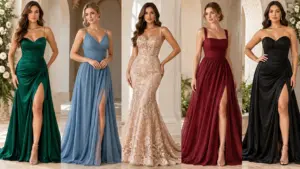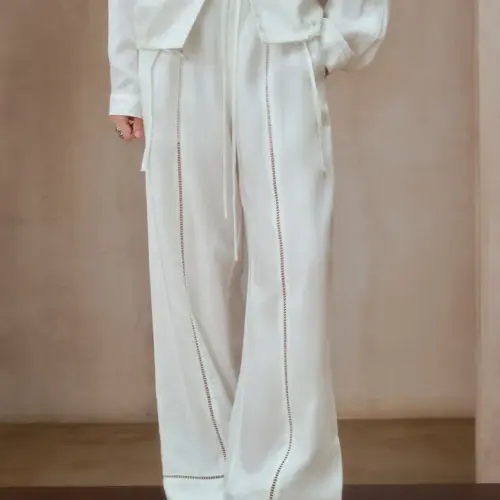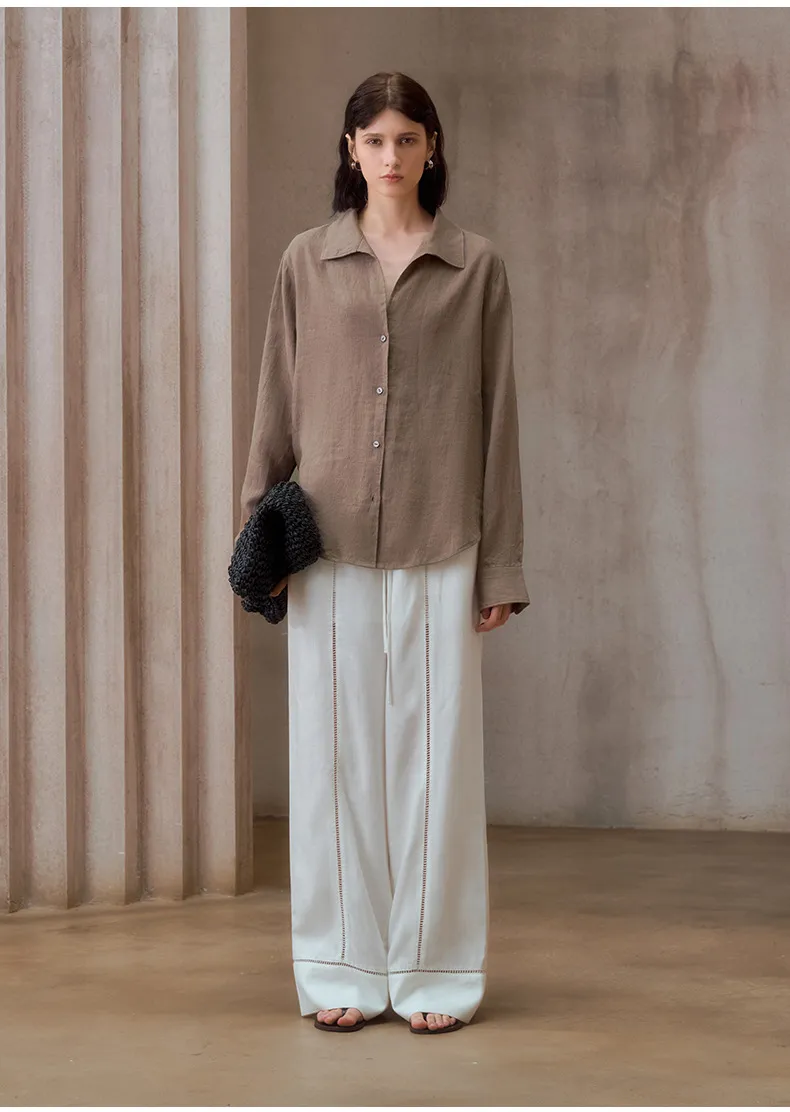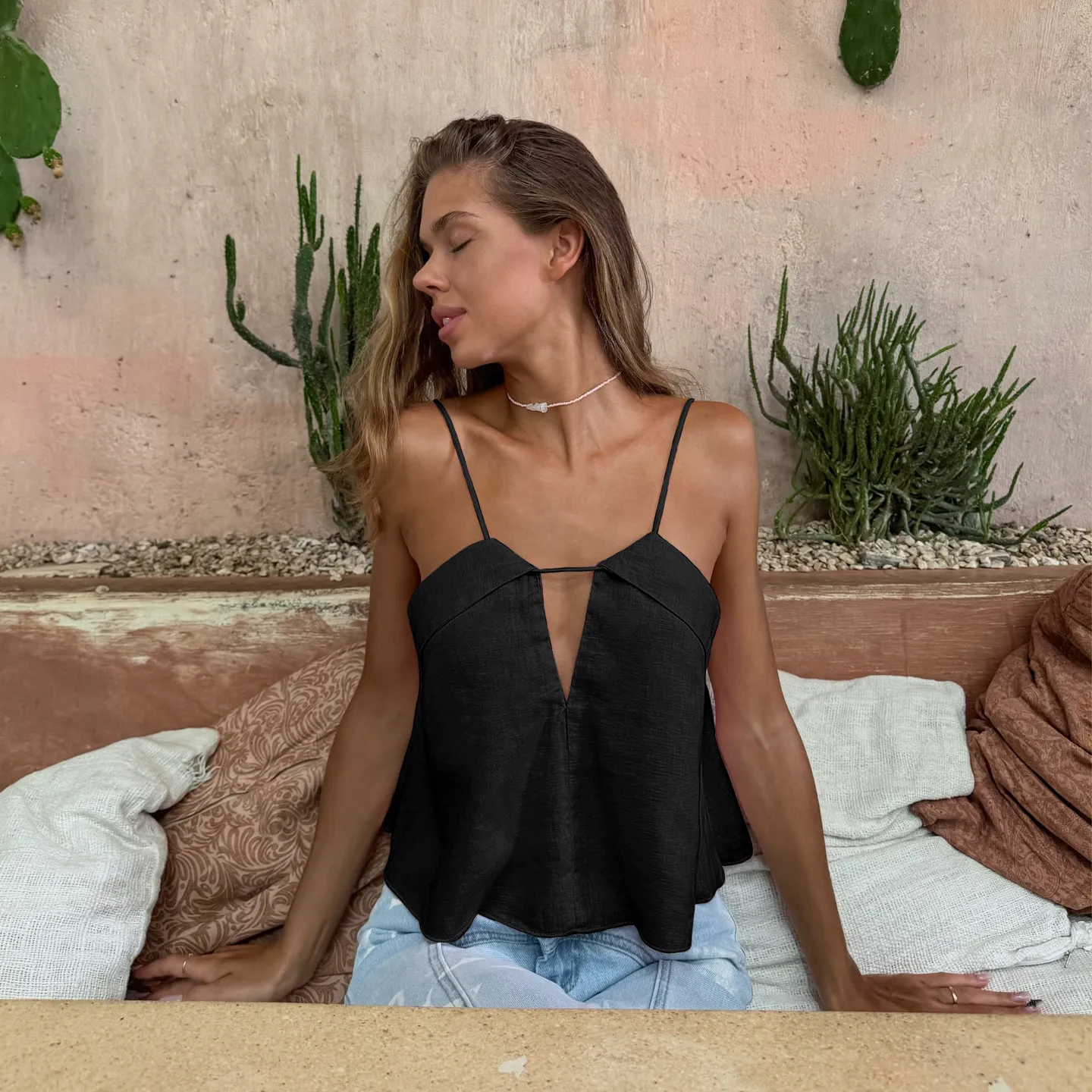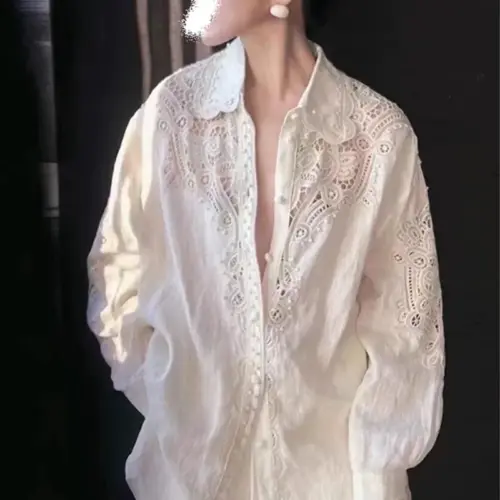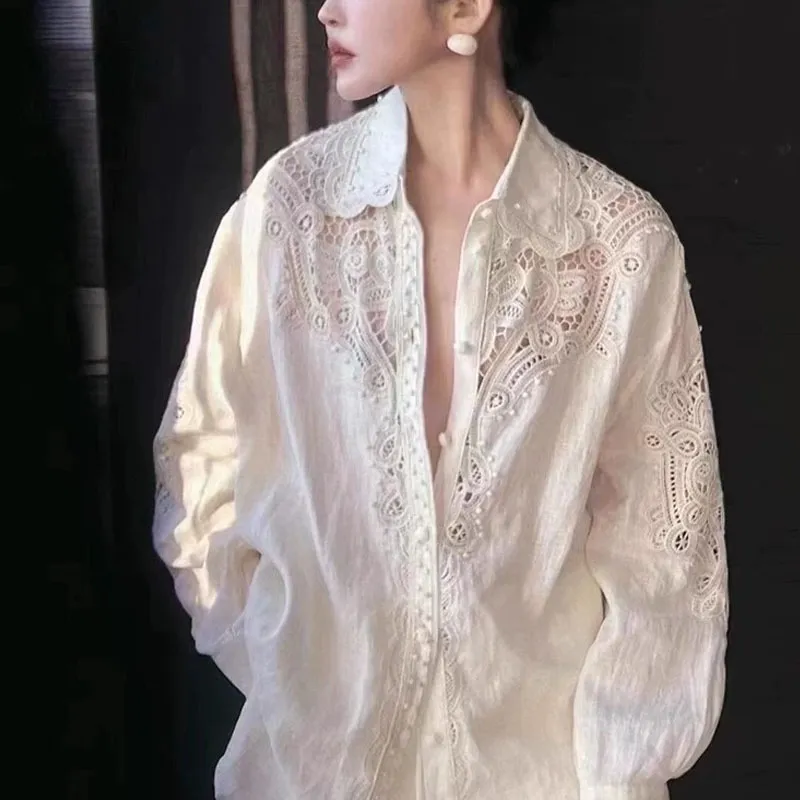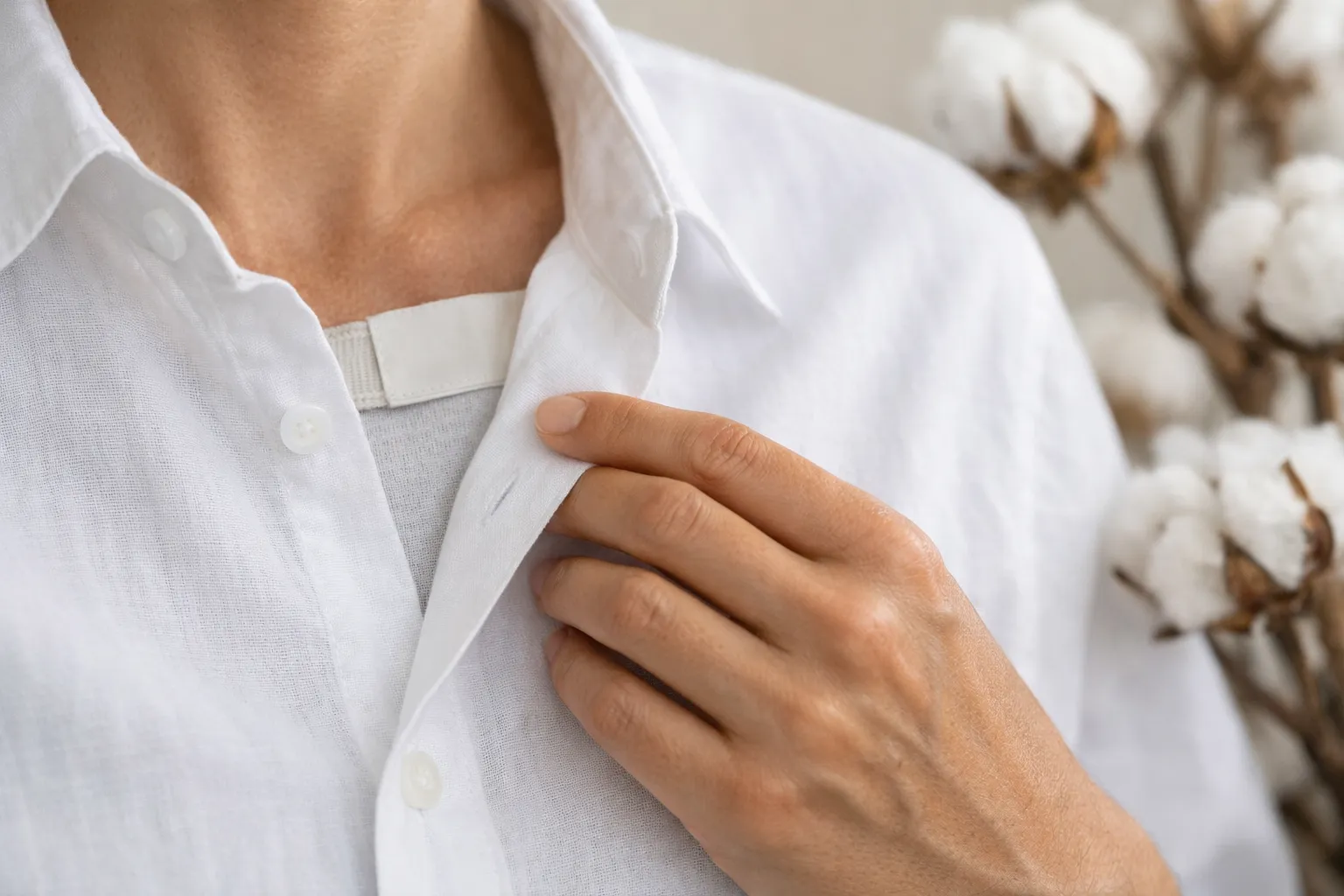

I still see buyers get burned by “100% cotton” labels that feel rough, shrink fast, and look tired after two washes. The label looks simple, but the truth is not.
“100% cotton” means the fiber content is all cotton, not that the cotton is high grade, soft, preshrunk, or durable. The feel and performance depend on yarn, knit, finishing, and how the garment is made.
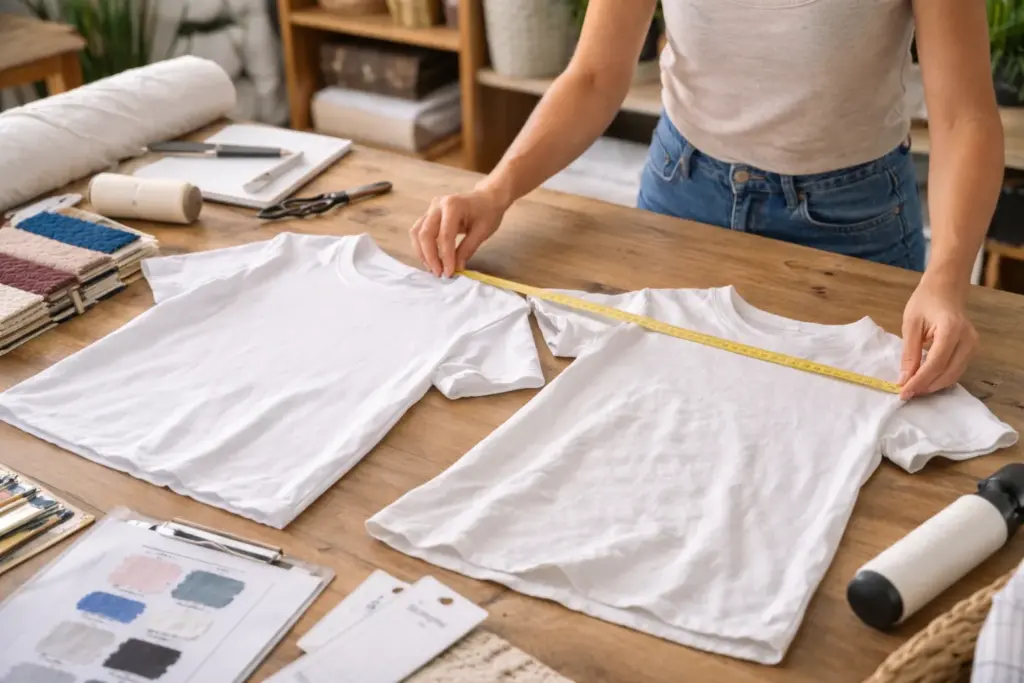
When I talk with buyers like Maria, I hear the same line: “This shirt is 100 cotton, so it must be good.” I used to think that too, and then I inspected bulk cotton shirts that were stiff and uneven. So I treat “100 cotton” like a starting point, and then I ask the questions that actually protect your margin and your brand.
Is 100% Cotton Good for Summer, or Is It Too Hot?
People want cotton clothes for summer, and then they complain about sweat marks or heavy fabric. Buyers want a clear answer, but cotton changes a lot across mills.
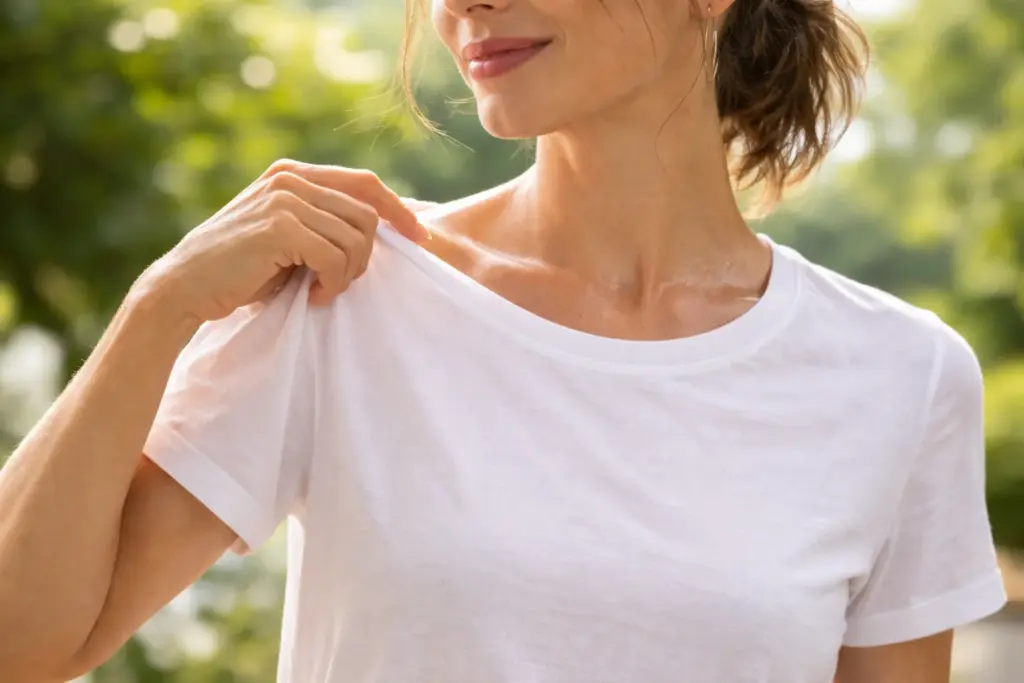
100% cotton fabric for clothing can be great for summer because it breathes and absorbs moisture, but the knit, weight, and finish decide if it feels cool or feels heavy.
Breathability vs. “Warmth” in Real Life
I explain it like this: cotton is breathable, and cotton is also insulating. Both are true. The trick is construction. A light jersey cotton tee shirts program feels airy. A thick brushed fleece feels warm. So when someone asks “is cotton warm,” I answer: it depends on the fabric build, not just the fiber.
What I Check When I Source Cotton Fabric by Yard
When I buy cotton material by yard for sampling, I check GSM (weight), knit type, and finishing. I also touch the fabric and stretch it sideways, because buyers ask “does 100 cotton stretch.” Cotton fiber does not stretch much, but a jersey knit can stretch because of the knit structure.
| Use case | Best cotton fabric for clothing | Why it works | What to avoid |
|---|---|---|---|
| Hot summer tees | Lightweight jersey, combed cotton | Air flow, soft handfeel | Heavy jersey that traps heat |
| Polo shirt mens styles | Piqué cotton fabric | Holds shape, breathes | Loose knit that bags out |
| Cotton slacks | Twill cotton material | Durable, smooth look | Thin plain weave that wrinkles hard |
| Cotton jacket for summer | Midweight canvas or twill | Light structure | Too stiff finishes that feel harsh |
My simple buying rule
If you sell cotton outfits for summer, I match the “cool feel” to weight and surface. If a buyer wants “the touch the feel of cotton,” I push for cleaner yarn and a softer finish, not just a “100 percent cotton” hangtag.
What Does Cotton Feel Like, and How Can I Tell If Fabric Is 100% Cotton?
I see customers touch two cotton shirts and call one “real cotton clothing” and the other “fake.” The funny part is that both can be all cotton clothing, and they still feel very different.
Cotton usually feels soft, dry, and breathable, but finishing, yarn quality, and blends can copy that feel, so I use simple checks plus supplier proof.
The feel test I use on the factory floor
I run a “three-touch” check:
- I rub the surface with my thumb to feel fuzz and pilling risk.
- I pinch and release to see how fast it springs back, because cotton wrinkles more than synthetics.
- I hold it to light to judge density, because thin cotton can feel rough and cheap.
This helps when a buyer asks “is cotton soft or rough.” Cotton can be both. Low-grade yarn often feels scratchy. Clean combed yarn feels smooth.
Practical ways to tell if fabric is 100 cotton
I do not rely on only one trick. I combine:
- Label + tech pack confirmation (“material fabric 100 cotton” is a claim, not proof)
- Fabric lab test when the order is large or high risk
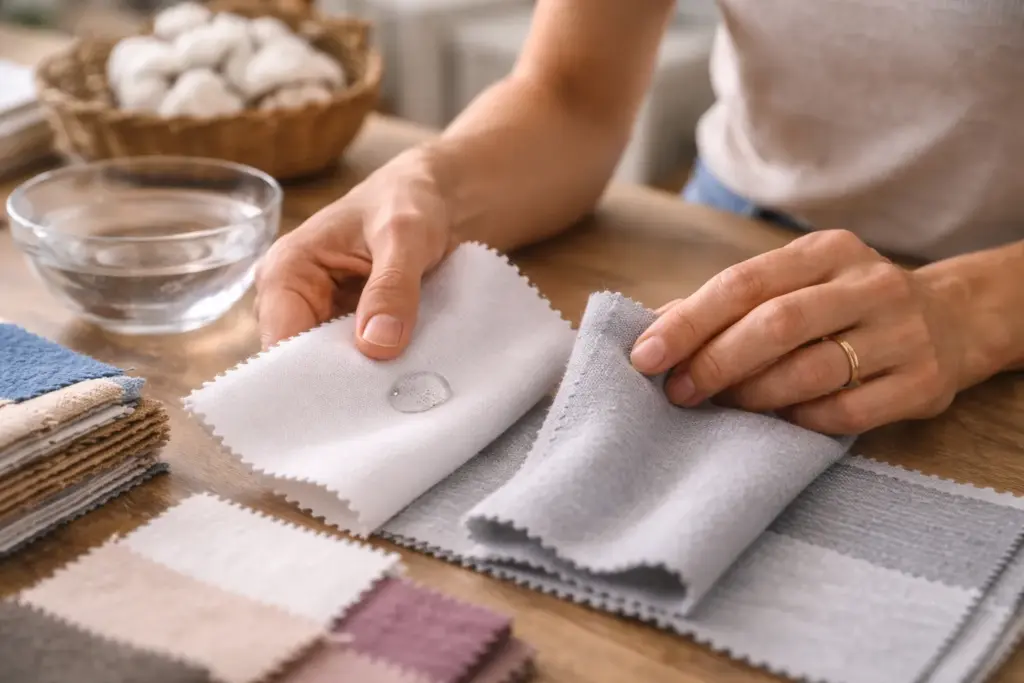
- Simple behavior checks: cotton absorbs water fast, and cotton usually wrinkles easier than polyester
| Quick check | What cotton does | What it does not prove | Where it helps |
|---|---|---|---|
| Water drop | Absorbs fast | It can still be a cotton blend | Spot checks on cotton shirts bulk |
| Wrinkle pinch | Holds wrinkles more | Some finishes reduce wrinkles | Cotton dress shirt programs |
| Burn smell (careful) | Paper-like smell | Dye and finish can change smell | Sampling, not production decisions |
| Supplier paperwork | Shows fiber content | Papers can be forged | Needs cross-checking |
My sourcing note for buyers like Maria
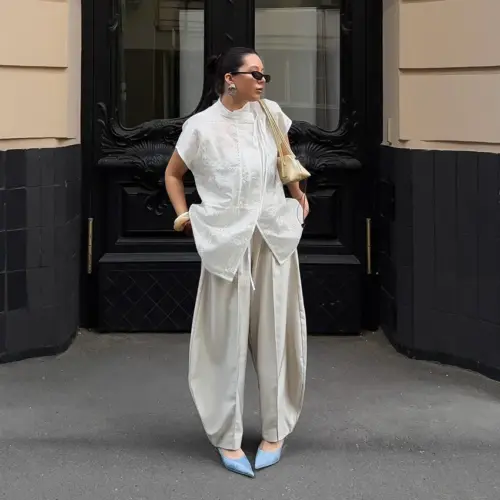
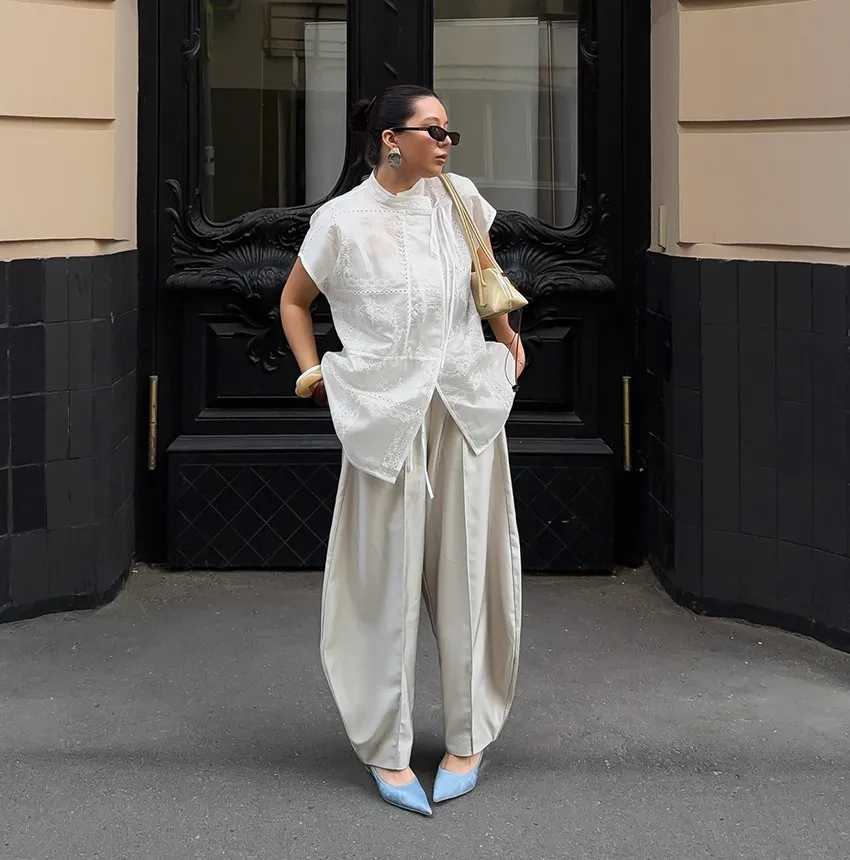
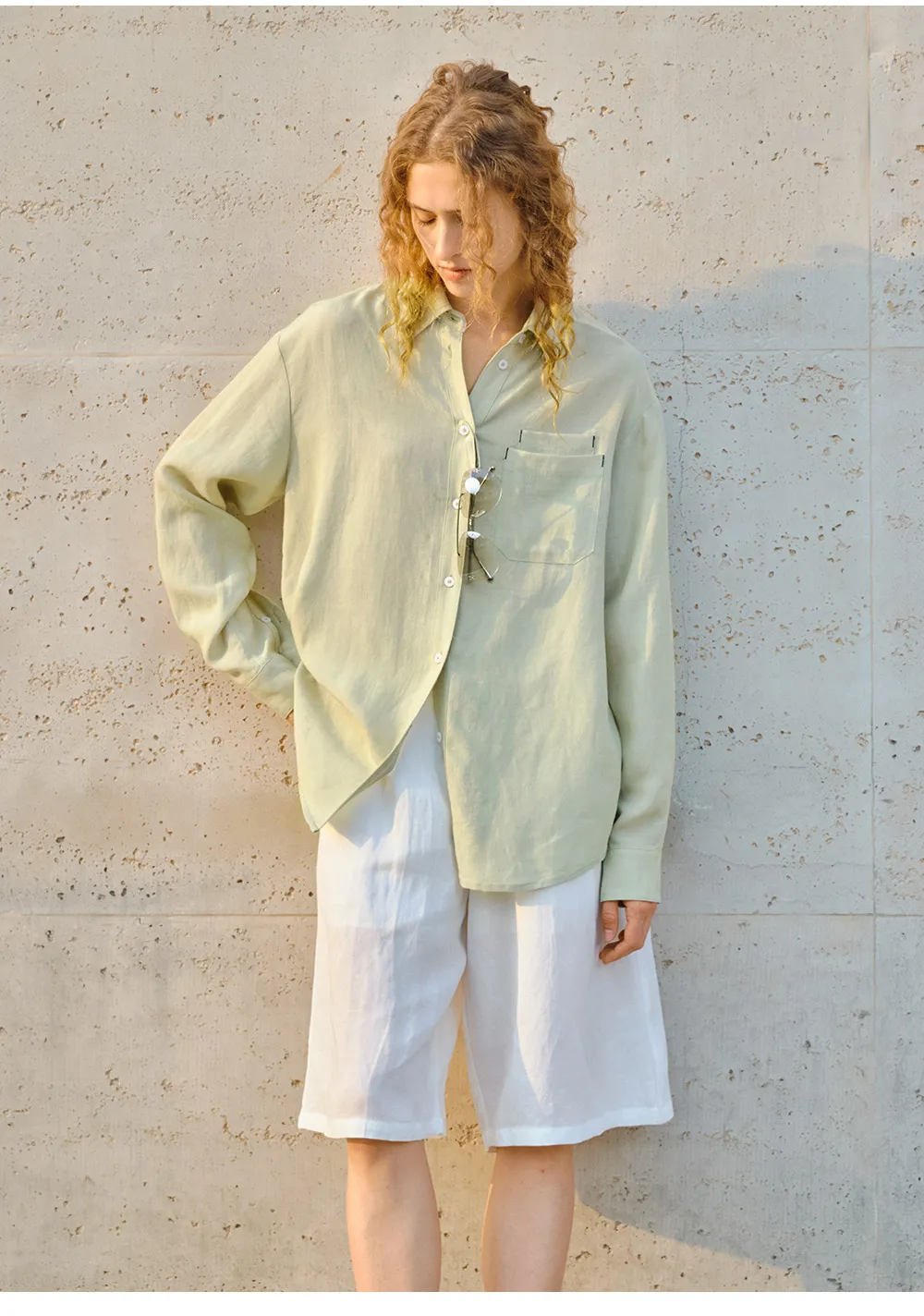
Maria cares about quality and price. I do too. So I set a rule: if the style is a white cotton shirt women line, or a natural white shirt program, I insist on clean yarn and stable shrink control. White shows every flaw. It shows uneven yarn, lint, and poor dye control fast.
What Is Combed Cotton, and What Does Ring Spun Cotton Mean?
I often hear “what is combed cotton” right after a buyer complains that two 100 cotton shirts feel nothing alike. That question matters, because yarn choice changes softness, print quality, and returns.
Combed cotton is cotton that gets extra cleaning to remove short fibers and impurities, so it feels smoother. Ring spun cotton is made by twisting fibers into finer, stronger yarn, and it often feels softer than open-end yarn.
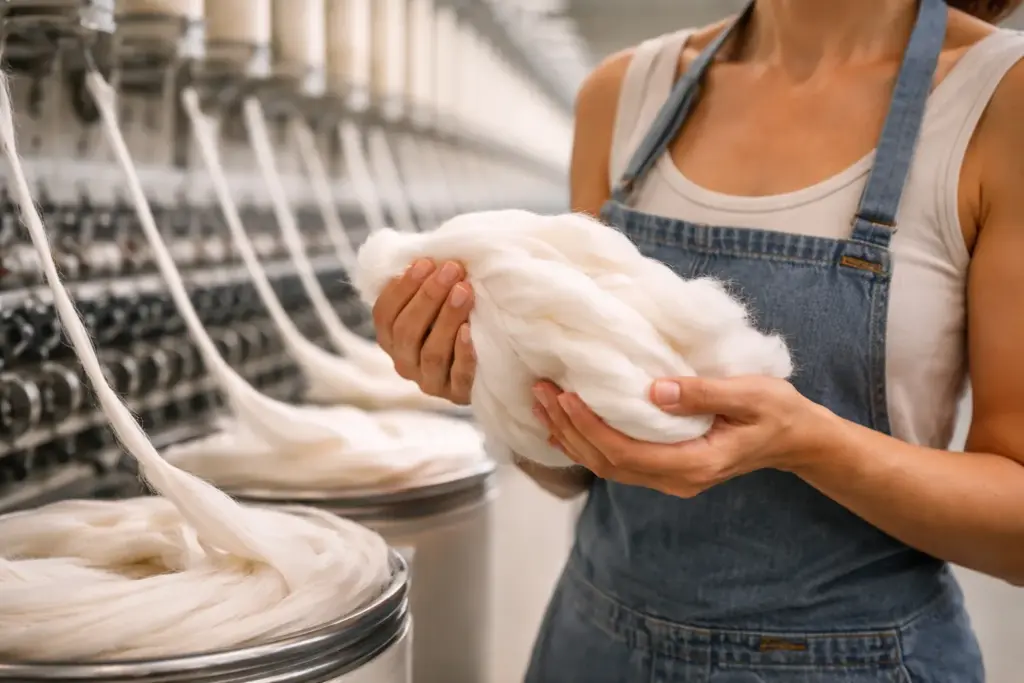
The three common yarn routes I see in cotton shirts
I group cotton tees into three buckets. I keep the language simple when I explain it to new buyers.
| Yarn type | Common label | Typical feel | Typical use |
|---|---|---|---|
| Open-end (OE) | Carded / OE | Stiffer, more “dry” | Cheap cotton tee shirts, promos |
| Ring spun | Ring spun | Smoother, better drape | Cotton men’s t shirts, retail basics |
| Combed + ring spun | Combed ring spun | Softest, cleanest | Premium cotton clothing, best cotton tshirts |
When a brand asks for “best cotton tee shirts,” I push them to combed ring spun. It costs more, but it usually lowers complaints. It also prints better for screen print and DTG, because the surface is more even. That matters for bulk cotton tees that get custom designs.
Why combing changes the feel
Combing removes short fibers. Short fibers can poke out and make fuzz. That fuzz turns into pilling. So combed cotton often stays nicer longer. This also answers “is 100 cotton breathable” in a practical way. Breathability is not only fiber. A smoother yarn can sit closer and still breathe, but it feels better on skin.
My small story from production
I once approved a cotton t-shirts men program that hit the target price, and then the handfeel came back “too rough” from the buyer. The label was still 100 percent cotton. The problem was yarn choice. I learned to write yarn specs into the tech pack, not just “100 cotton fabric.”
What Does Preshrunk Cotton Mean, and Can You Dry 100% Cotton?
I get emails that say, “My pre shrunk tees still shrank.” I also get the other one: “We did not preshrink, and now the size chart is broken.” Both problems cost money.
Preshrunk cotton means the fabric or garment went through controlled shrink steps before final production, so later washing changes size less. It reduces shrink risk, but it does not make shrink impossible.
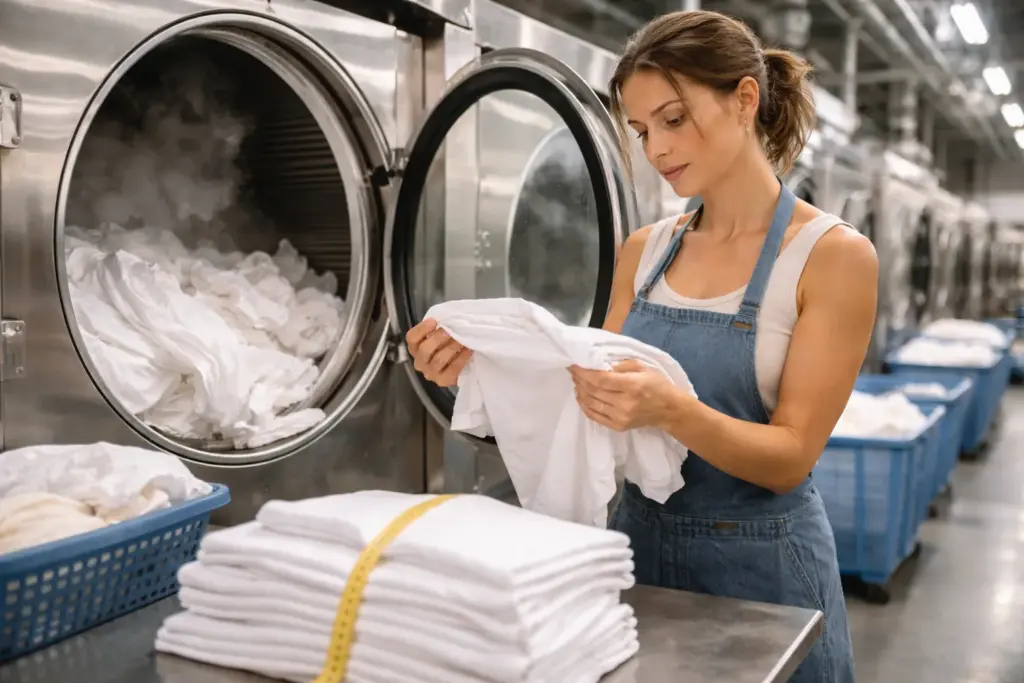
What “pre-shrunk cotton” really covers
In real factories, “pre-shrunk cotton” can mean different things:
- Fabric compaction and relaxation before cutting
- Garment wash and tumble before packing
- Heat-setting-like control steps (more common in blends, but cotton still gets controlled drying)
So when someone asks “how much does 100 cotton shirts shrink,” I do not give one number. I set a shrink standard in the contract, and I test. That protects both sides.
| Step | What it controls | What it does not control | Why buyers care |
|---|---|---|---|
| Fabric relaxation | Width and length stability | Bad pattern making | Keeps size stable |
| Compaction | Length shrink | Dye bleeding | Helps tees and long sleeve cotton tee shirts |
| Garment wash | Real-wear shrink | Poor sewing | Matches customer use |
| Care label design | Customer behavior | Hot dryers everywhere | Reduces returns |
Care questions buyers ask me every week
- “Can you dry 100 cotton?” Yes, but heat can shrink it. I recommend low heat or hang dry for premium lines.
- “Can you iron 100 cotton?” Yes. Cotton handles ironing well, and that is why cotton dress shirts stay popular.
- “Is 100 cotton stretchy?” Not much by fiber. The knit can stretch, so a cotton t shirt dress for women can still feel flexible.
How I set a shrink policy for wholesale
For wholesale only orders, I write a clear shrink allowance and test method. I also match it to the product. A short sleeve cotton shirt can tolerate small change. A fitted white cotton t shirts for men program cannot. When buyers ask for preshrunk cotton t shirts, I treat it as a quality system, not a marketing word.
Is Cotton Natural or Synthetic, and How Is Cotton Produced Today?
Some buyers ask me “cotton is natural or synthetic” because they see too many labels and too many claims. Some ask about genetically modified cotton because they sell in markets that care about sourcing stories.
Cotton is a natural fiber that comes from a plant, and mills turn it into yarn, then into cotton fabric, then into cotton clothing. Modern farming can include genetically modified cotton, while organic cotton follows stricter farming rules.
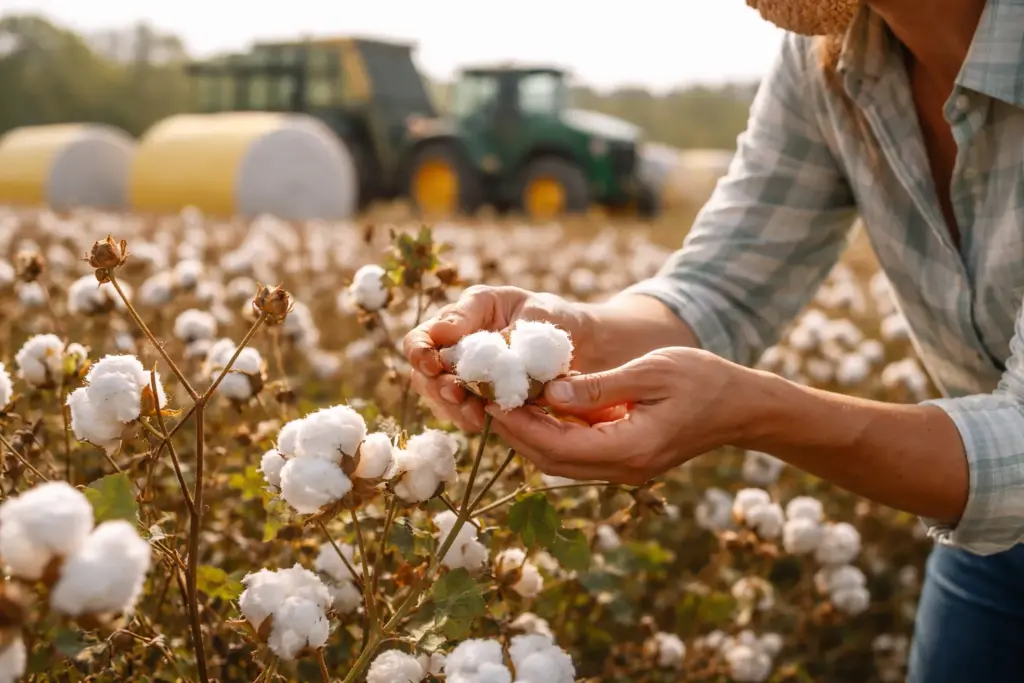
Where cotton comes from and what changes in the supply chain
When someone asks “where does cotton originate,” I answer in two layers. Cotton starts in farms. Then it moves through ginning, spinning, knitting or weaving, dyeing, and garment sewing. Each step can lift quality or break it.
A simple map of “how is clothing produced” for cotton
I use this flow when I explain it to new brand owners:
- Farm cotton → gin and clean → spin yarn → knit or weave fabric → dye and finish → cut and sew → wash and pack
That sounds basic, but it stops many sourcing mistakes. A buyer can blame the factory, while the real issue is unstable fabric from a different mill.
| Topic | What I tell buyers | Why it matters in B2B |
|---|---|---|
| Organic cotton | Cleaner farm inputs | Higher cost, stronger story |
| Genetically modified cotton | Common in modern farming | Needs clear claims and proof |
| Certifications | Useful, but must be verified | Avoid forged documents |
| Used cotton / recycled cotton | Good for some lines | Needs clear strength expectations |
My honest note about claims
I never sell a story I cannot prove. If a client wants “100 percent organic cotton,” I ask for the needed paperwork and I verify it with the right channel. If a client wants “premium cotton,” I define it by yarn, fabric weight, and handfeel tests. That is how I keep buyers confident, even when they source from developing countries like China.
Conclusion
“100% cotton” tells you the fiber, not the full quality. I look at yarn, fabric build, preshrunk control, and proof, so the product feels right and sells well.
Why I Write This
I run Truekung in China. I make fashion clothes for wholesale only, and I offer OEM/ODM for brands and supermarkets. My factory has over 200 workers, and I have 20 years of export experience.
If you want cotton shirts, cotton women’s apparel, cotton men’s t shirts, or cotton fabric clothing programs with stable quality, you can email me at [email protected] or visit https://truekung.com.
Views: 841